Welcoming Namibia as the 11th Country to Join the BES Solution Fund

Welcoming Namibia as the 11th Country to Join the BES Solution Fund
Namibia faces some of the toughest biodiversity challenges in the Southern Africa region. With more than 90% of its land classified as arid or semi-arid, water scarcity causes constant pressure, worsened by invasive alien species such as Prosopis juliflora that deplete groundwater and accelerate land degradation. Invasive insects like termites threaten agriculture and ecosystem resilience, while limited resources at the community level make sustained biodiversity management difficult.
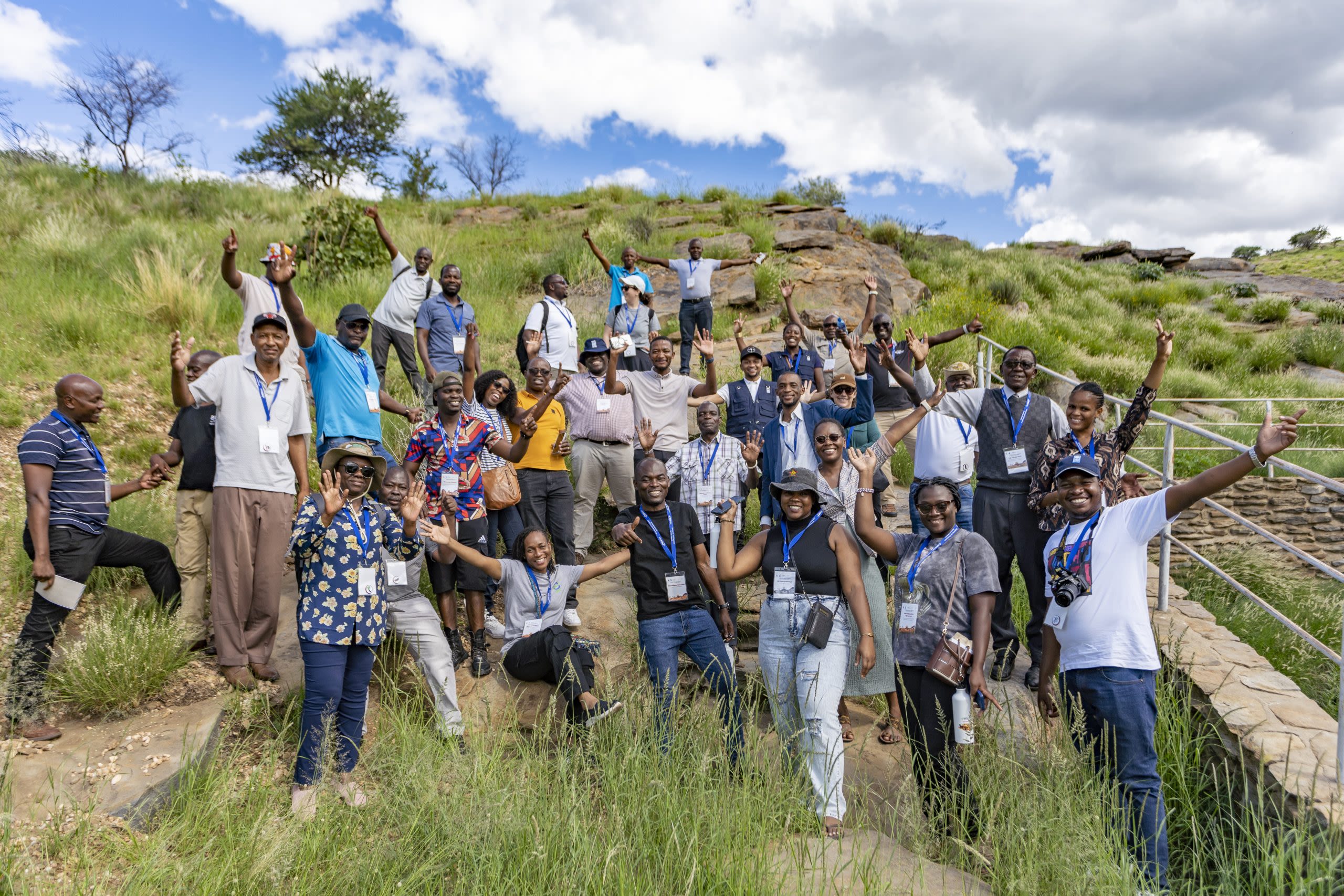
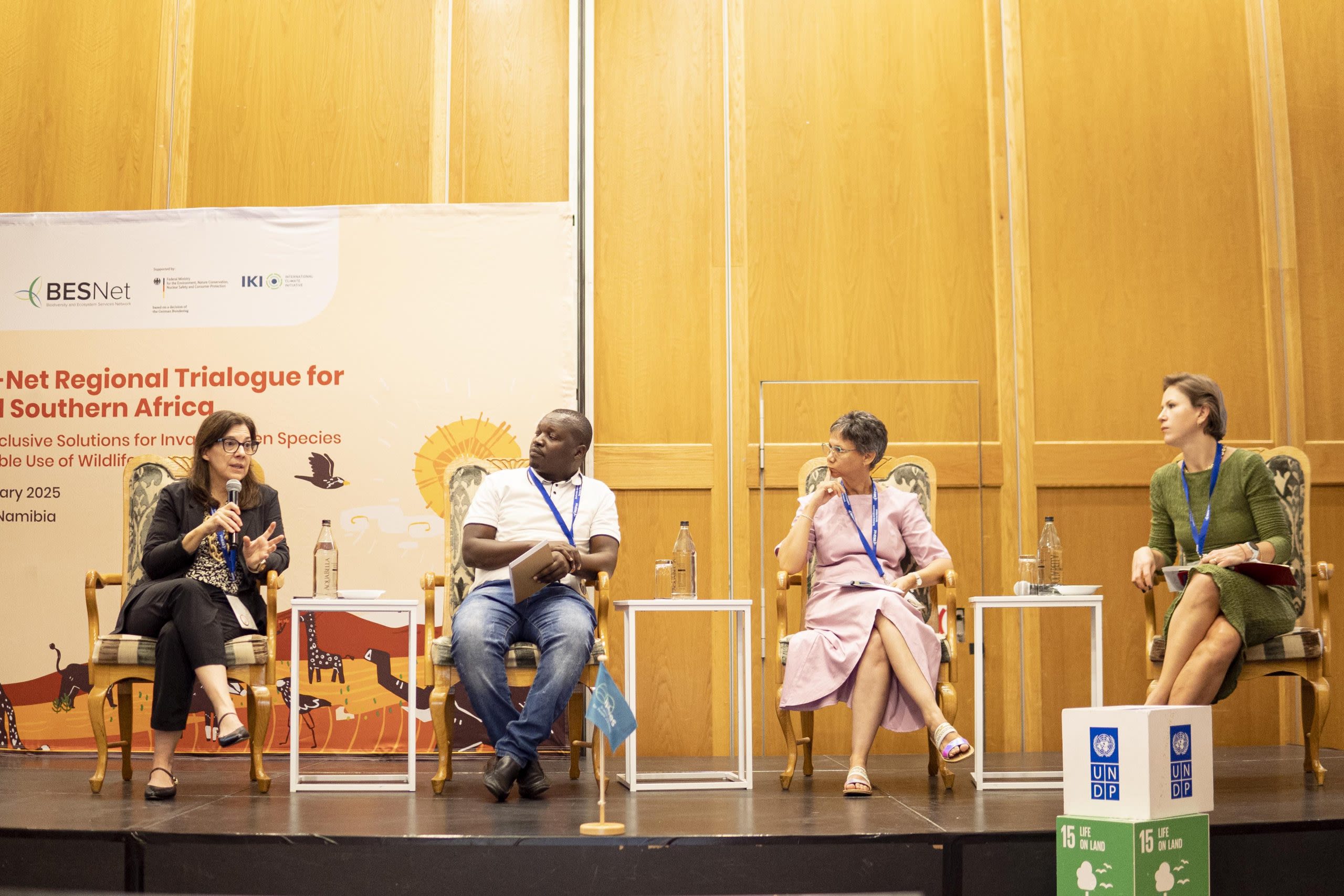
Yet, Namibia also brings unique strengths to its fight to preserve nature. Its long-standing community-based natural resource management approach is internationally recognized for combining conservation with livelihood benefits, and the country has demonstrated strong political will to address biodiversity loss and land degradation. These national realities framed Namibia’s leadership in hosting the BES-Net Regional Trialogue for East and Southern Africa in Windhoek on 18–20 February 2025, bringing together diverse stakeholders from six countries: Botswana, Malawi, Namibia, Tanzania, Uganda and Zimbabwe.
Namibia faces some of the toughest biodiversity challenges in the Southern Africa region. With more than 90% of its land classified as arid or semi-arid, water scarcity causes constant pressure, worsened by invasive alien species such as Prosopis juliflora that deplete groundwater and accelerate land degradation. Invasive insects like termites threaten agriculture and ecosystem resilience, while limited resources at the community level make sustained biodiversity management difficult.
Yet, Namibia also brings unique strengths to its fight to preserve nature. Its long-standing community-based natural resource management approach is internationally recognized for combining conservation with livelihood benefits, and the country has demonstrated strong political will to address biodiversity loss and land degradation. These national realities framed Namibia’s leadership in hosting the BES-Net Regional Trialogue for East and Southern Africa in Windhoek on 18–20 February 2025, bringing together diverse stakeholders from six countries: Botswana, Malawi, Namibia, Tanzania, Uganda and Zimbabwe.

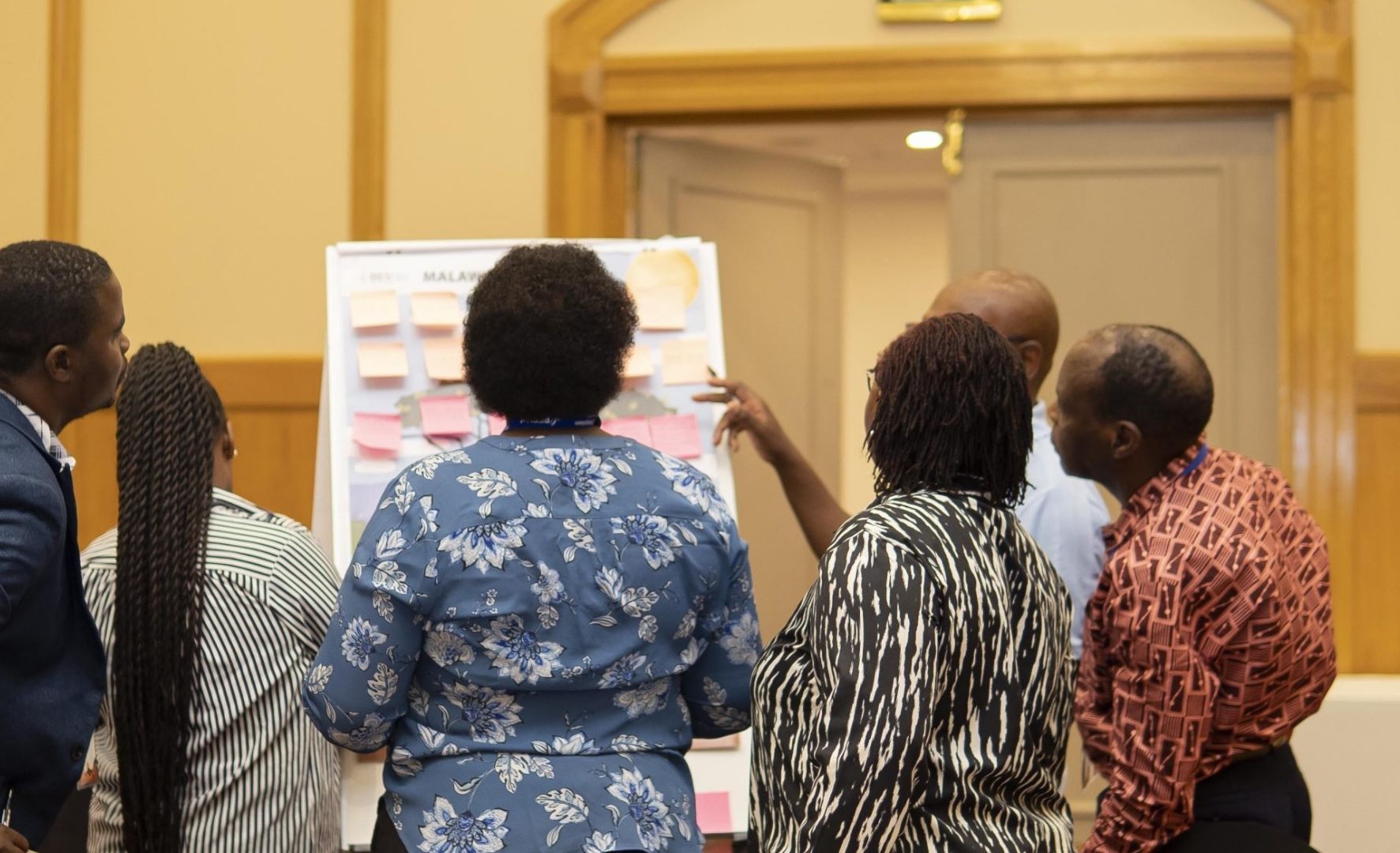
Building on the momentum ignited by the Trialogue, the strong leadership and political will of the Government, and the high level of interest and motivation witnessed among the Trialogue participants from Namibia to tackle the issues associated with wild species and IAS in the country, Namibia was selected as the 11th recipient of BES-Net’s BES Solution Fund catalytic support towards the uptake of priority actions identified in the country action plan developed during the Trialogue. The key actions envisaged include:

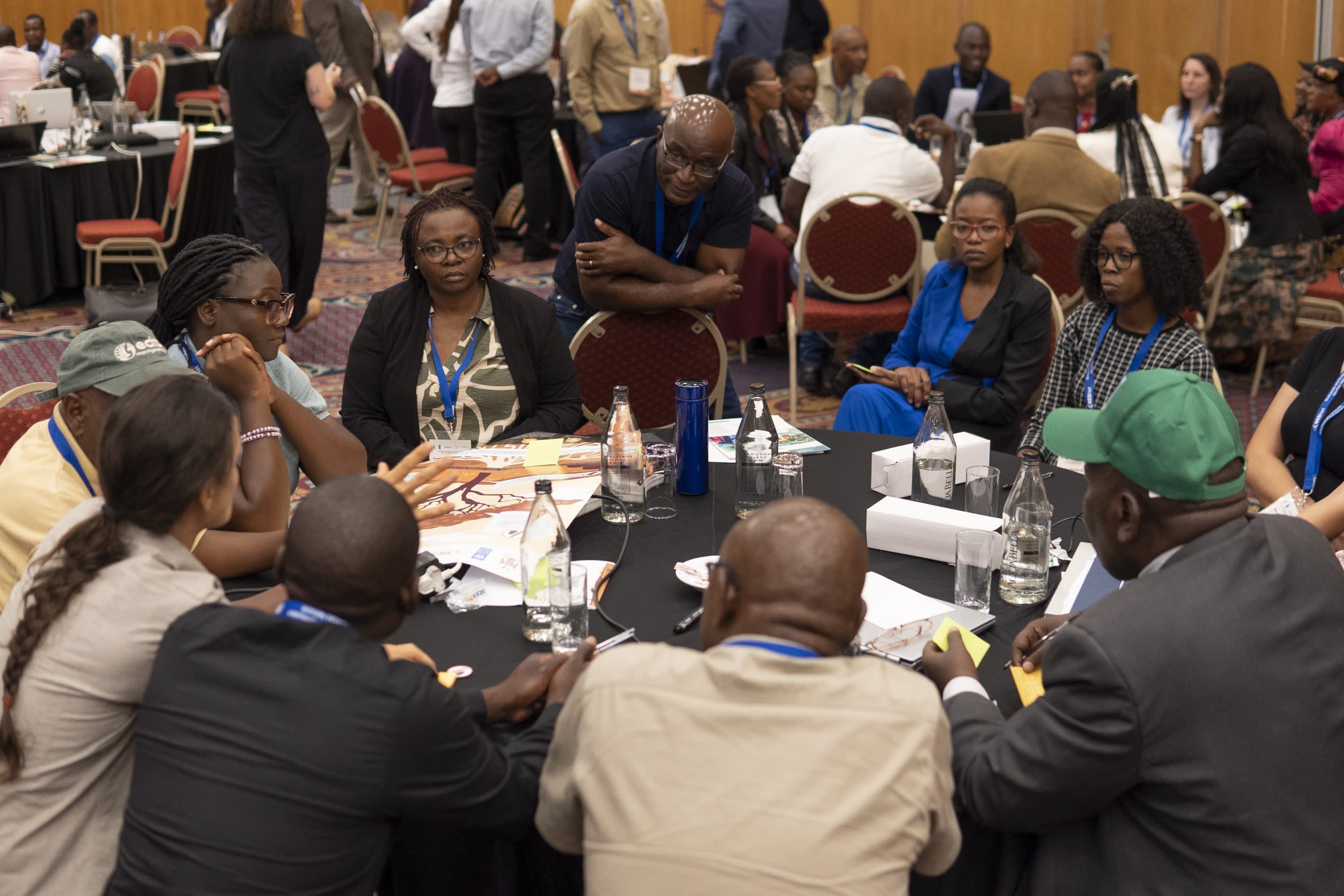
Building on the momentum ignited by the Trialogue, the strong leadership and political will of the Government, and the high level of interest and motivation witnessed among the Trialogue participants from Namibia to tackle the issues associated with wild species and IAS in the country, Namibia was selected as the 11th recipient of BES-Net’s BES Solution Fund catalytic support towards the uptake of priority actions identified in the country action plan developed during the Trialogue. The key actions envisaged include:


Strengthening and operationalizing the national biodiversity platform: The platform will serve as a national science-policy-practice interface for biodiversity governance, facilitating the systematic uptake and application of IPBES assessment findings into national polices, strategies and community-level actions.


Enhancing evidence-based management of IAS: This includes conducting an IAS inventory, mapping the distribution of selected species, creating an early detection and rapid response mechanism and establishing a cross-border IAS management collaboration with neighbouring countries through a memorandum of understanding.


Enhancing community livelihood and local economies through the sustainable use of biodiversity resources: The country aims to engage local communities, including women and youth, with training on IAS control and the sustainable harvesting of selected wild species. Namibia will pilot bio-enterprises that will use selected IAS for the production of resources such as wood, charcoal and animal feed for sale, to boost community livelihoods.


Restoring ecosystems and strengthening biodiversity governance at the local level: This will include the mapping and establishment of demonstration sites for community-led restoration models and the recolonizing of native species in restored areas to control the re-emergence of IAS. The initiative will also seek to formalize community roles in the IAS working group and the National Committee on the Rio Conventions.


Interweaving of Indigenous and local knowledge and practices into biodiversity management: The initiative will seek to document Indigenous and local knowledge on IAS monitoring, control, restoration and resource use, as well as review policies related to selected IAS for the integration of Indigenous and local knowledge.

Strengthening and operationalizing the national biodiversity platform: The platform will serve as a national science-policy-practice interface for biodiversity governance, facilitating the systematic uptake and application of IPBES assessment findings into national polices, strategies and community-level actions.
Enhancing evidence-based management of IAS: This includes conducting an IAS inventory, mapping the distribution of selected species, creating an early detection and rapid response mechanism and establishing a cross-border IAS management collaboration with neighbouring countries through a memorandum of understanding.
Enhancing community livelihood and local economies through the sustainable use of biodiversity resources: The country aims to engage local communities, including women and youth, with training on IAS control and the sustainable harvesting of selected wild species. Namibia will pilot bio-enterprises that will use selected IAS for the production of resources such as wood, charcoal and animal feed for sale, to boost community livelihoods.
Restoring ecosystems and strengthening biodiversity governance at the local level: This will include the mapping and establishment of demonstration sites for community-led restoration models and the recolonizing of native species in restored areas to control the re-emergence of IAS. The initiative will also seek to formalize community roles in the IAS working group and the National Committee on the Rio Conventions.
Interweaving of Indigenous and local knowledge and practices into biodiversity management: The initiative will seek to document Indigenous and local knowledge on IAS monitoring, control, restoration and resource use, as well as review policies related to selected IAS for the integration of Indigenous and local knowledge.
By facilitating the uptake and application of key IPBES assessments, the project ensures that biodiversity policies are grounded in science, inclusive, gender-responsive and reflective of Namibia’s unique ecological and socio-economic context. This work is implemented in close collaboration with the Ministry of Environment, Forestry and Tourism and contributes to Namibia’s obligations under the Convention on Biological Diversity and other multilateral environmental agreements.
By facilitating the uptake and application of key IPBES assessments, the project ensures that biodiversity policies are grounded in science, inclusive, gender-responsive and reflective of Namibia’s unique ecological and socio-economic context. This work is implemented in close collaboration with the Ministry of Environment, Forestry and Tourism and contributes to Namibia’s obligations under the Convention on Biological Diversity and other multilateral environmental agreements.
 Built with Shorthand