Charting Nigeria’s Pollinators
DNA Barcoding and Field-Based Conservation

Dr. Andrew Chibuzor Iloh is a Professor of Plant Molecular Ecology and Population Genetics at the Biodiversity Education and Resource Centre (BERC) in Abuja, Nigeria. He is a member of the Nigeria National Trialogue Working Group, leading the uptake of the IPBES pollinators’ assessment under the BES Solution Fund. His research focuses on plant genetic diversity and conservation, bridging science and policy to support sustainable biodiversity practices in West Africa.


For much of my academic career, I’ve worked at the intersection of molecular biology and conservation, but it wasn’t until I began working on barcoding pollinators across Nigeria that the true scale of what we were missing became clear. In a country as ecologically diverse as ours, the absence of baseline genetic data on native pollinators posed a serious challenge, not only to science, but to agriculture, policy, and long-term food security.
BES-Net, through the BES Solution Fund, provided the support needed to address this gap. The project began as a focused effort to document species diversity through DNA barcoding. But as the work unfolded, its scope naturally expanded. The genetic data BERC scientists were generating held immediate relevance for conservation planning and agricultural resilience, prompting us to integrate molecular research with practical, field-based applications. This shift required us to engage more directly with farmers, extension officers, and local communities to ensure that science translated into meaningful impact on the ground.

Over the past few years, our team has identified species previously unknown to science, introduced pollinator-friendly farming methods, and helped shape Nigeria’s emerging strategy for pollinator conservation. This is the story of how those efforts came together and what I’ve learned along the way.


DNA Barcoding: Naming the Invisible

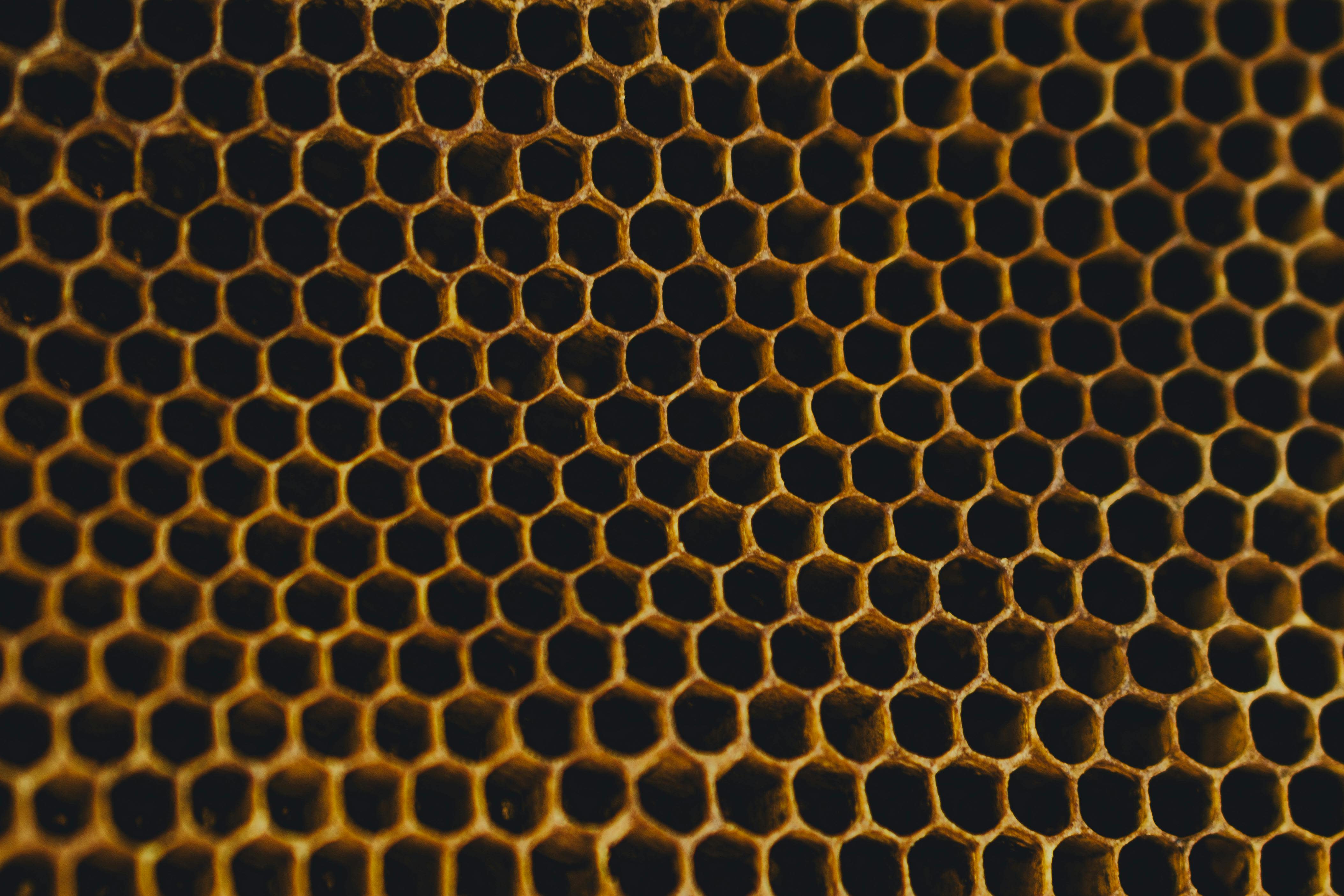
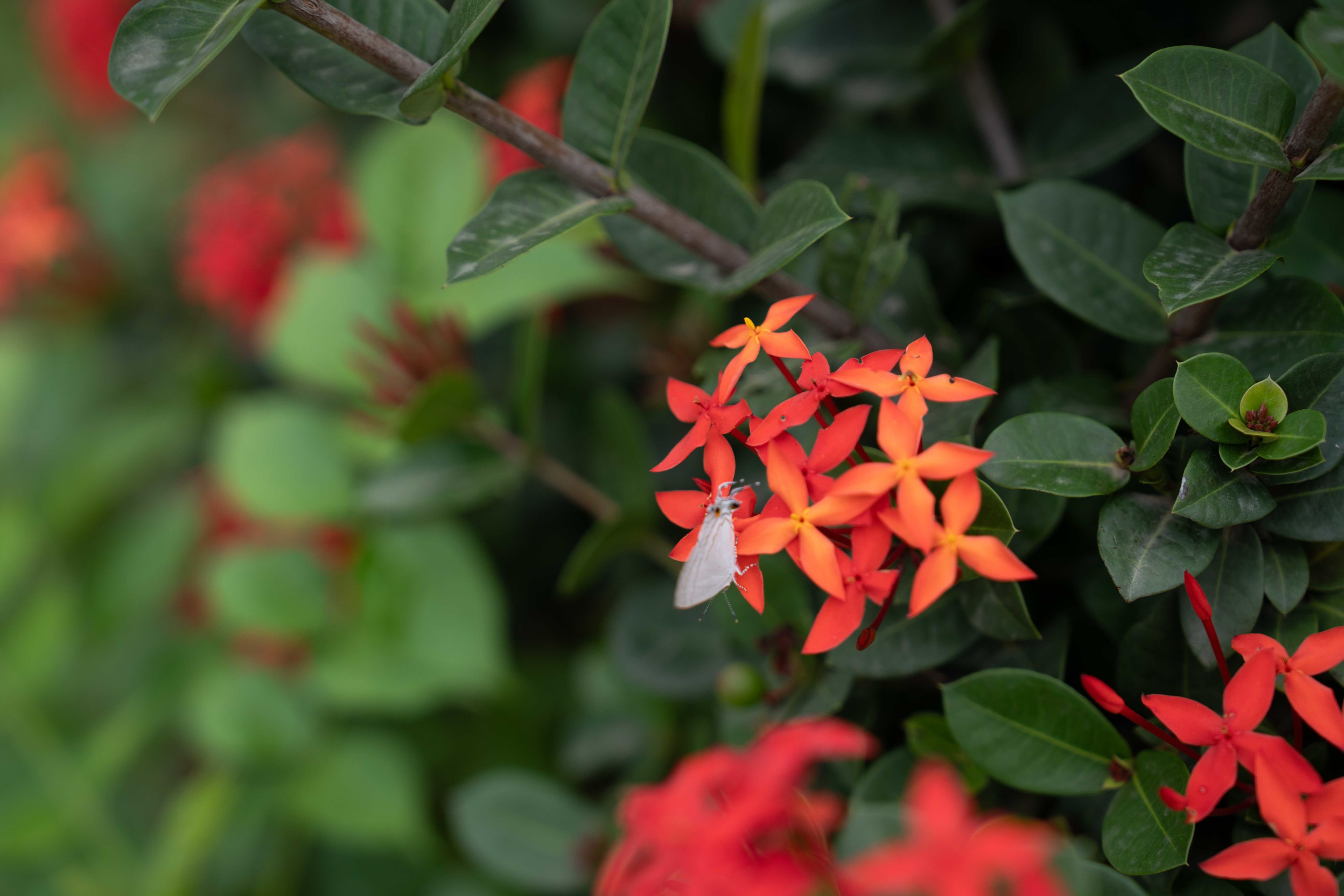
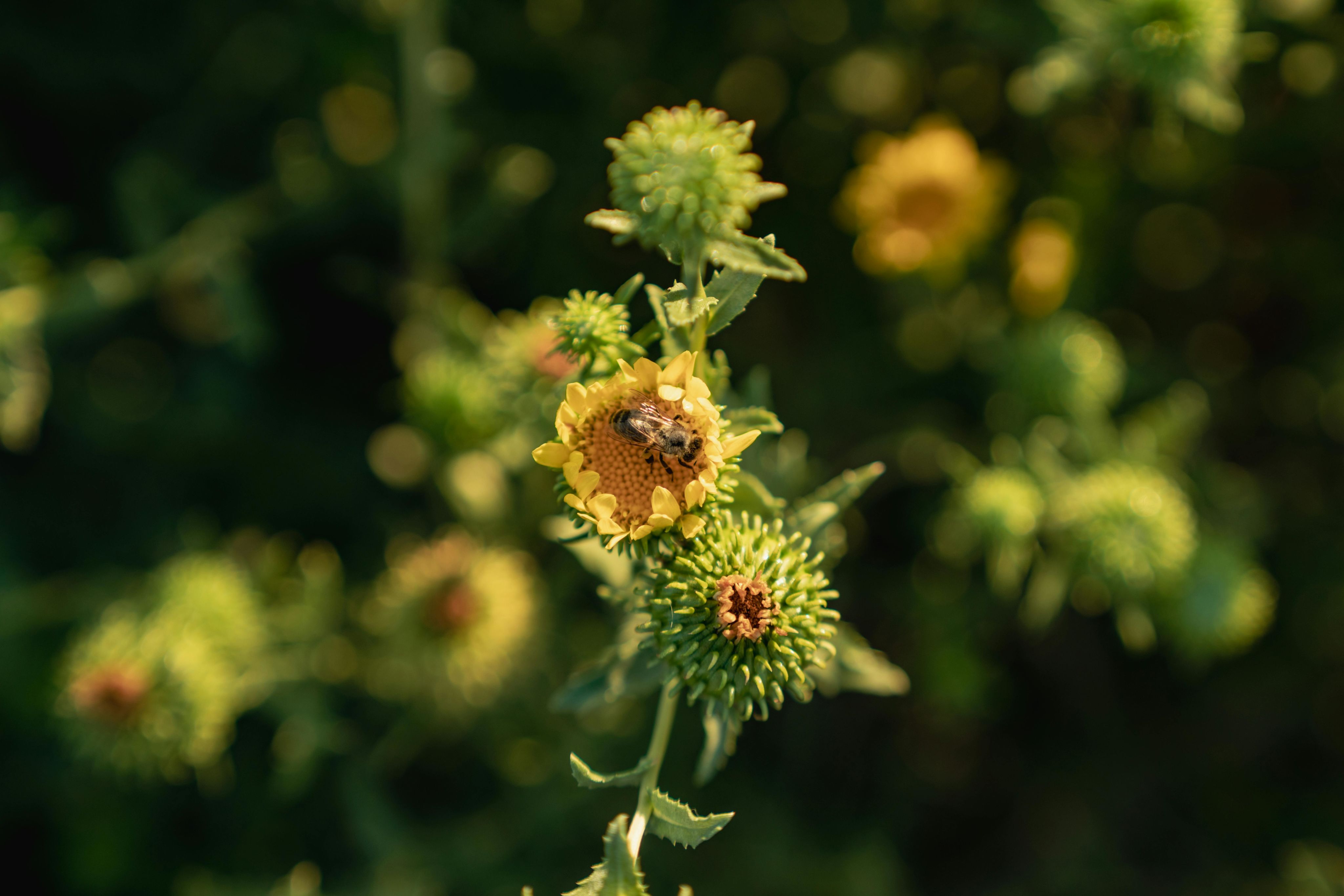
Pollinators, particularly native bees, butterflies, beetles, and certain flies, play a critical role in sustaining Nigeria’s food systems. However, for decades, they’ve been largely invisible in our national biodiversity records. Most existing species data rely on morphological taxonomy, which can be limited when dealing with cryptic species or those lacking distinctive features. For many of Nigeria’s indigenous pollinators, there was simply no genetic reference data available.
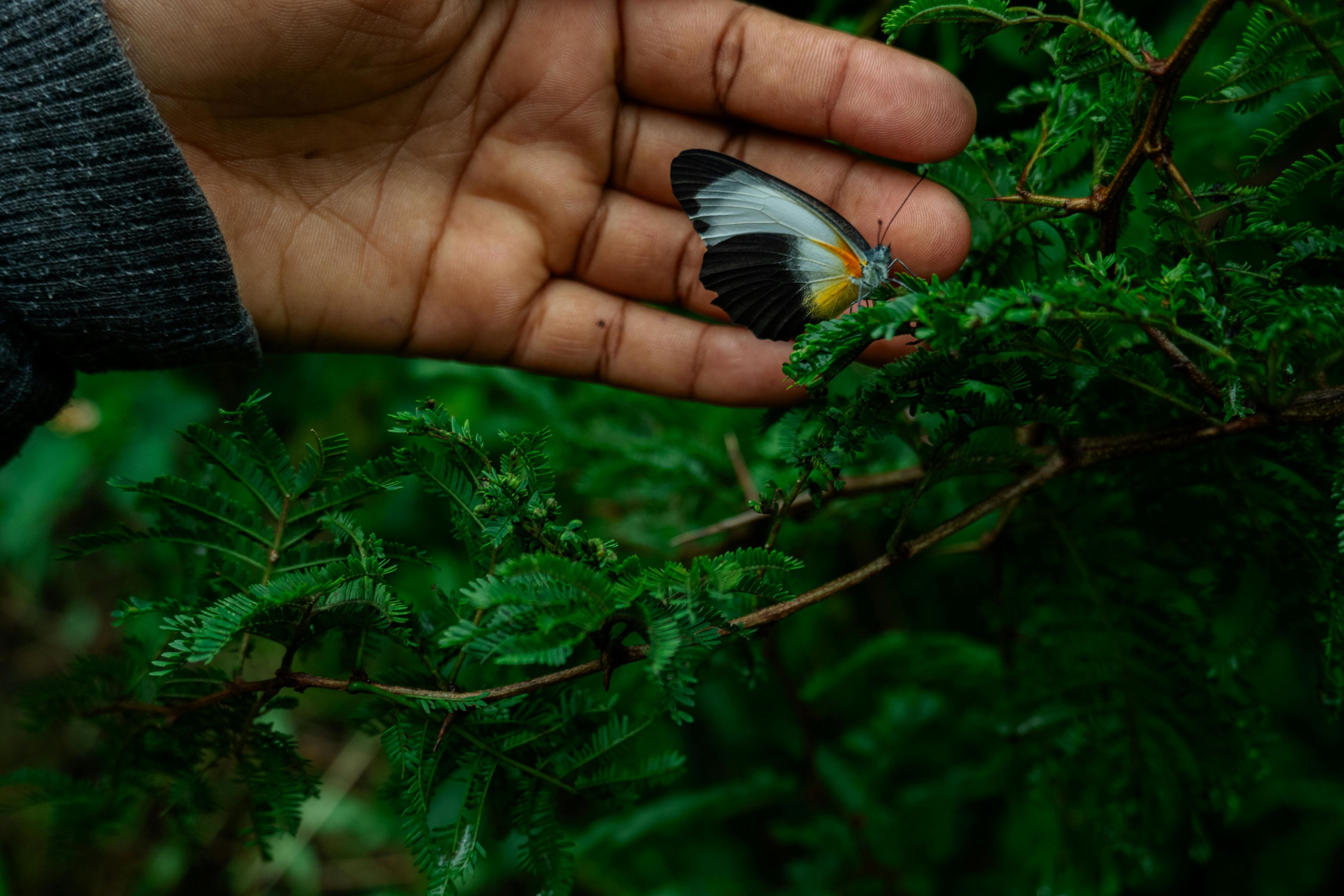
To bridge this gap, we developed a national inventory of pollinators using DNA barcoding, a technique that uses a short genetic sequence from a standardized region of the genome to identify species. We collected specimens from over 25 agro-ecological zones and carried out DNA extraction and sequencing in the BERC laboratory in the capital, Abuja.
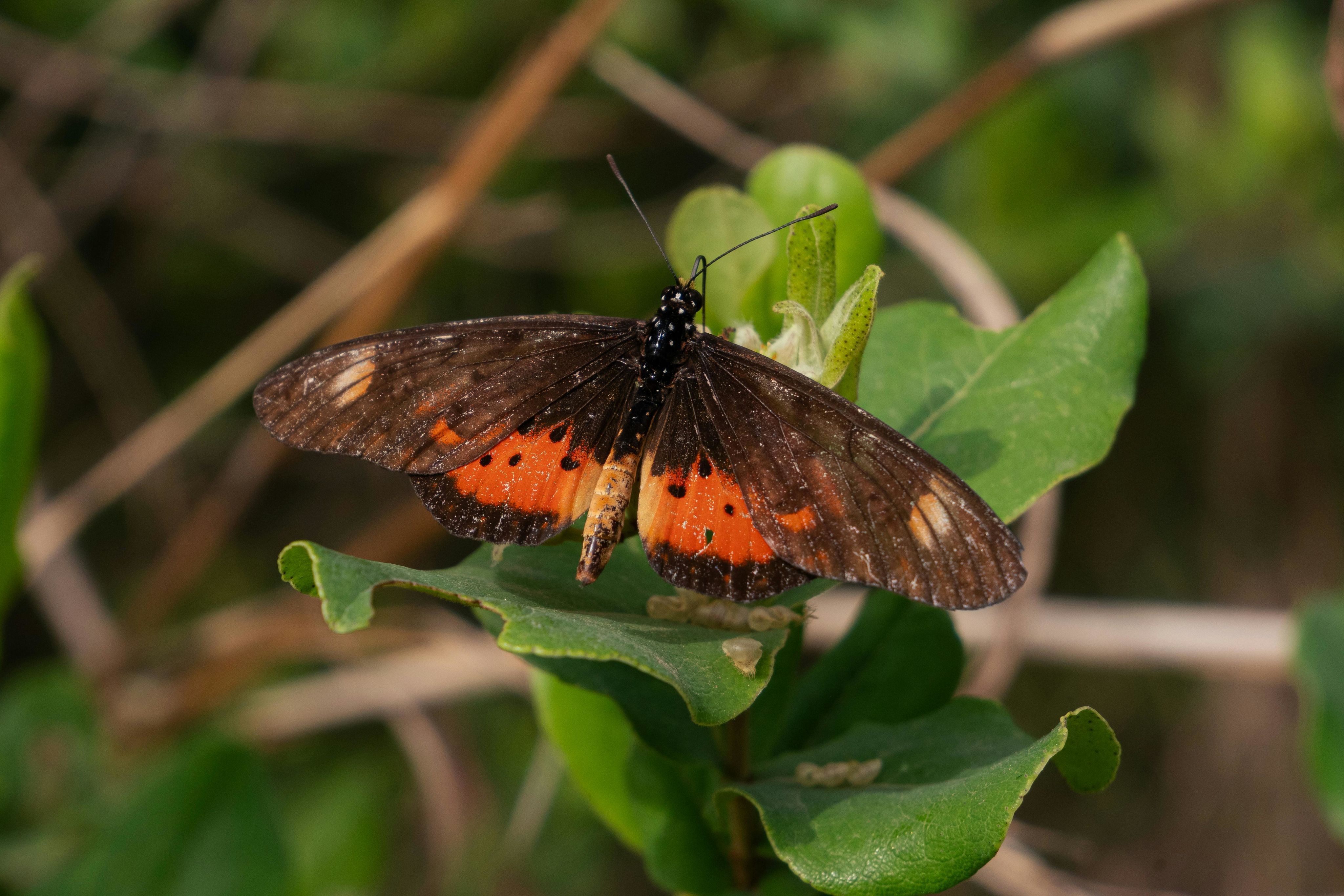
The work was able to unveil a captivating reality: a number of samples showed a high number of undocumented native pollinator species, including at least three probable new butterfly species, which we have sent to the KEW Royal Botanic gardens in Richmond London for further identification. The molecular data will be shared with global platforms like BOLD (Barcode of Life Data System), placing Nigerian pollinators on the international map and contributing to global biodiversity knowledge. Yet, data alone cannot protect ecosystems - action must follow awareness.
Demonstration Plots: Where Science Takes Root

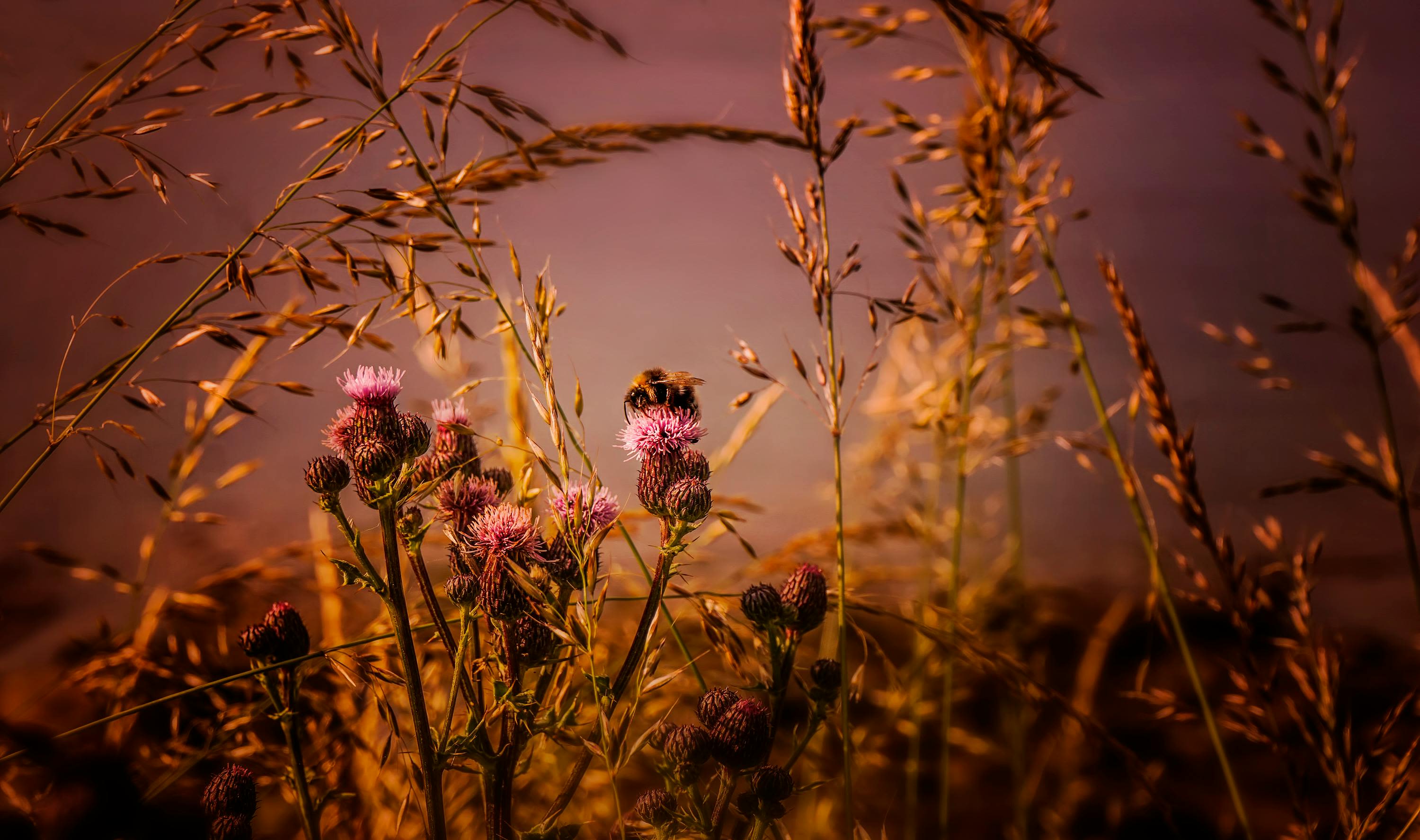
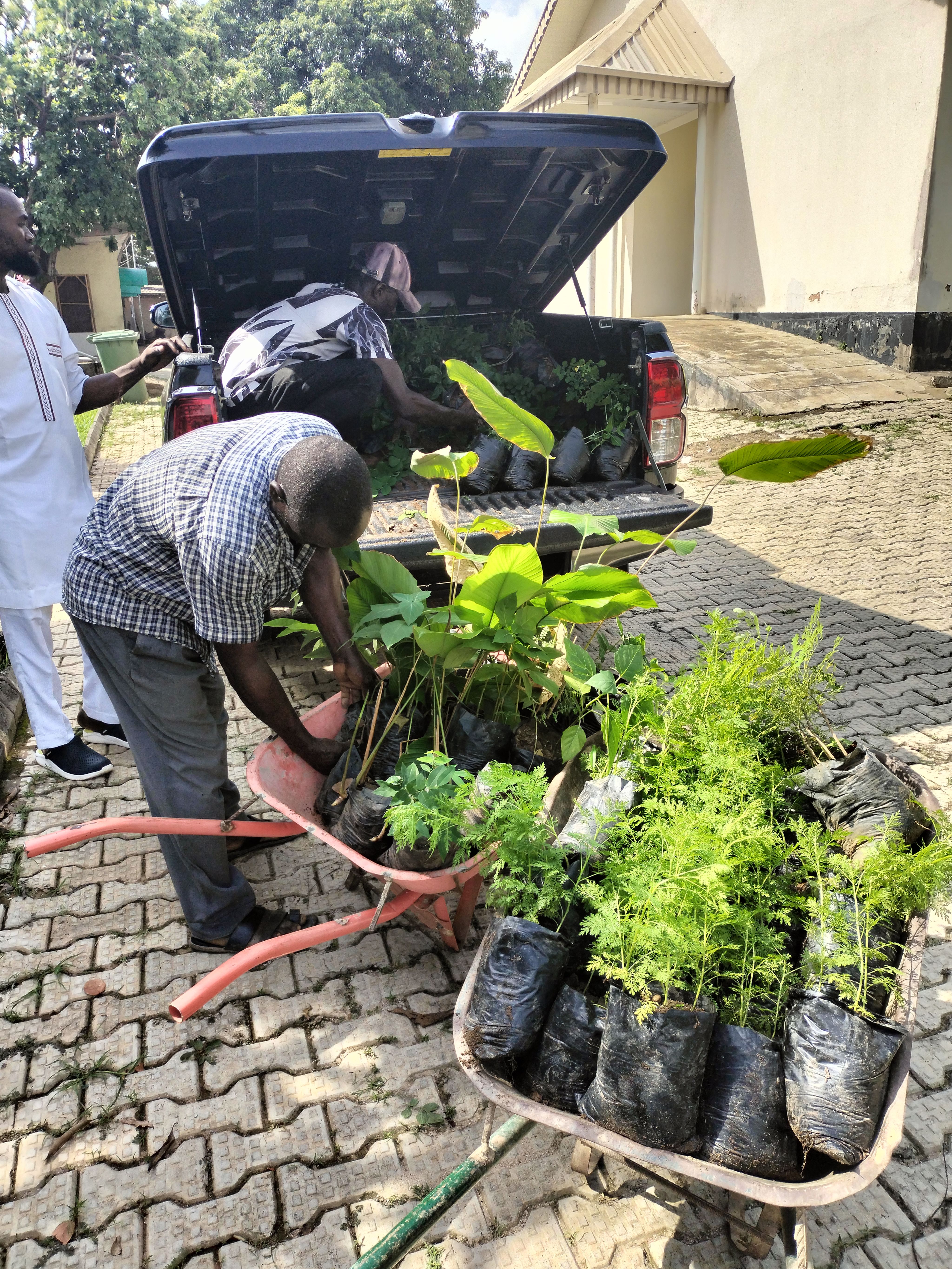
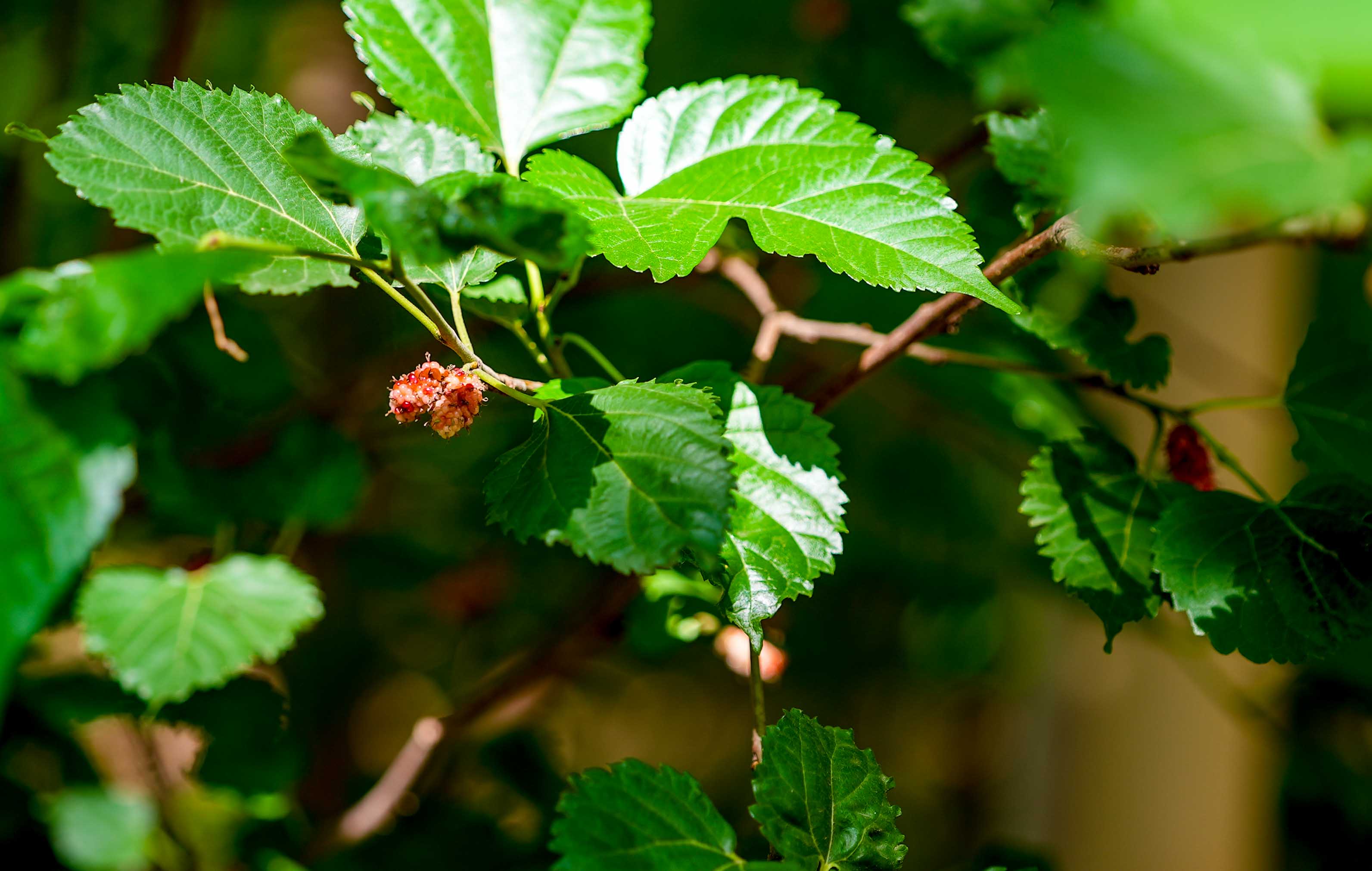
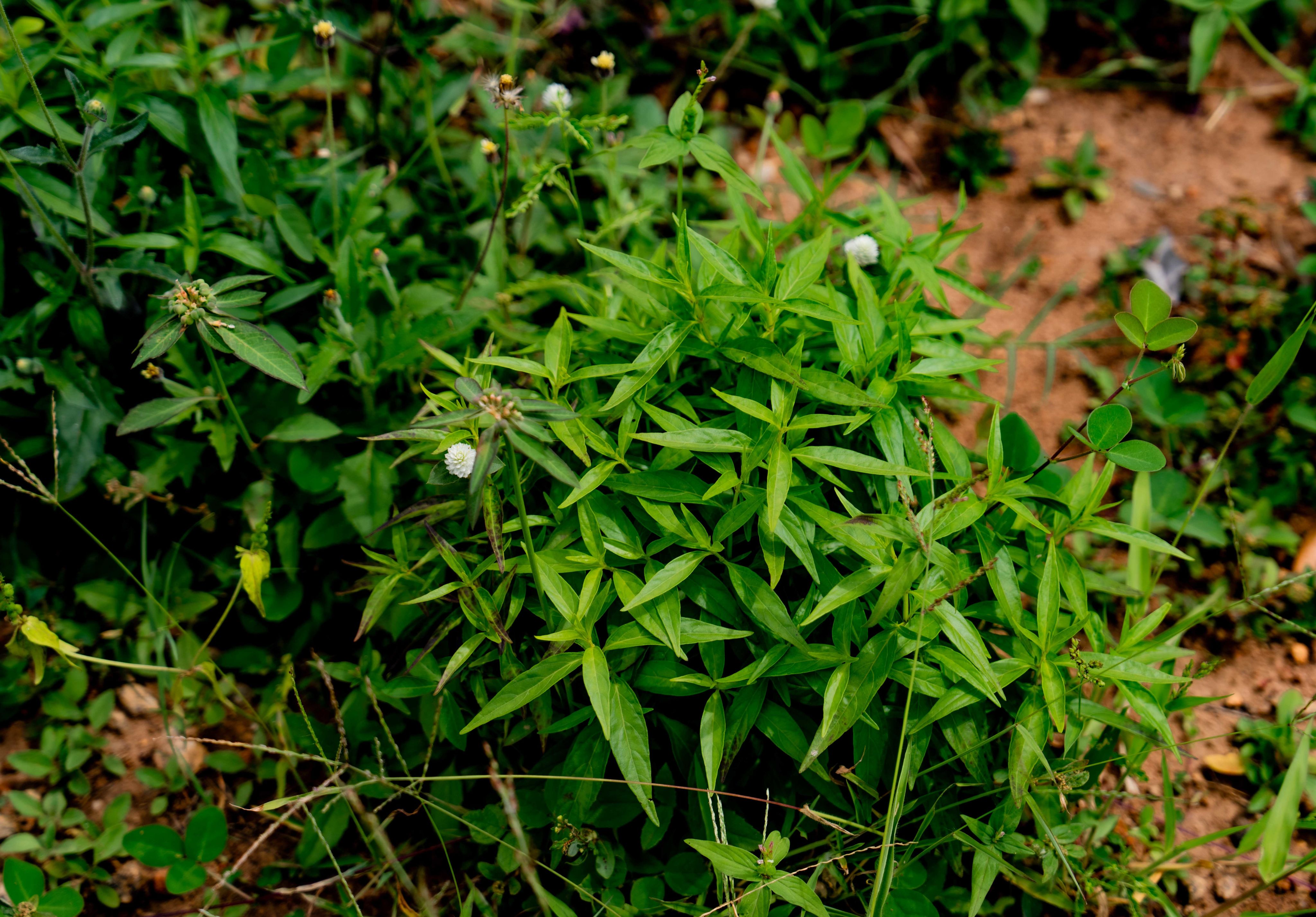
To translate our findings into practice, we developed pollinator-friendly demonstration plots. These plots were not just experimental farms but also open-air classrooms. In one compelling case in Niger State, we established a plot intercropped with sunflower, okra, and sesame crops known to benefit from insect pollination. Farmers were trained to avoid harmful pesticides, preserve native flowering plants along field borders, and integrate simple structures like bee hotels.

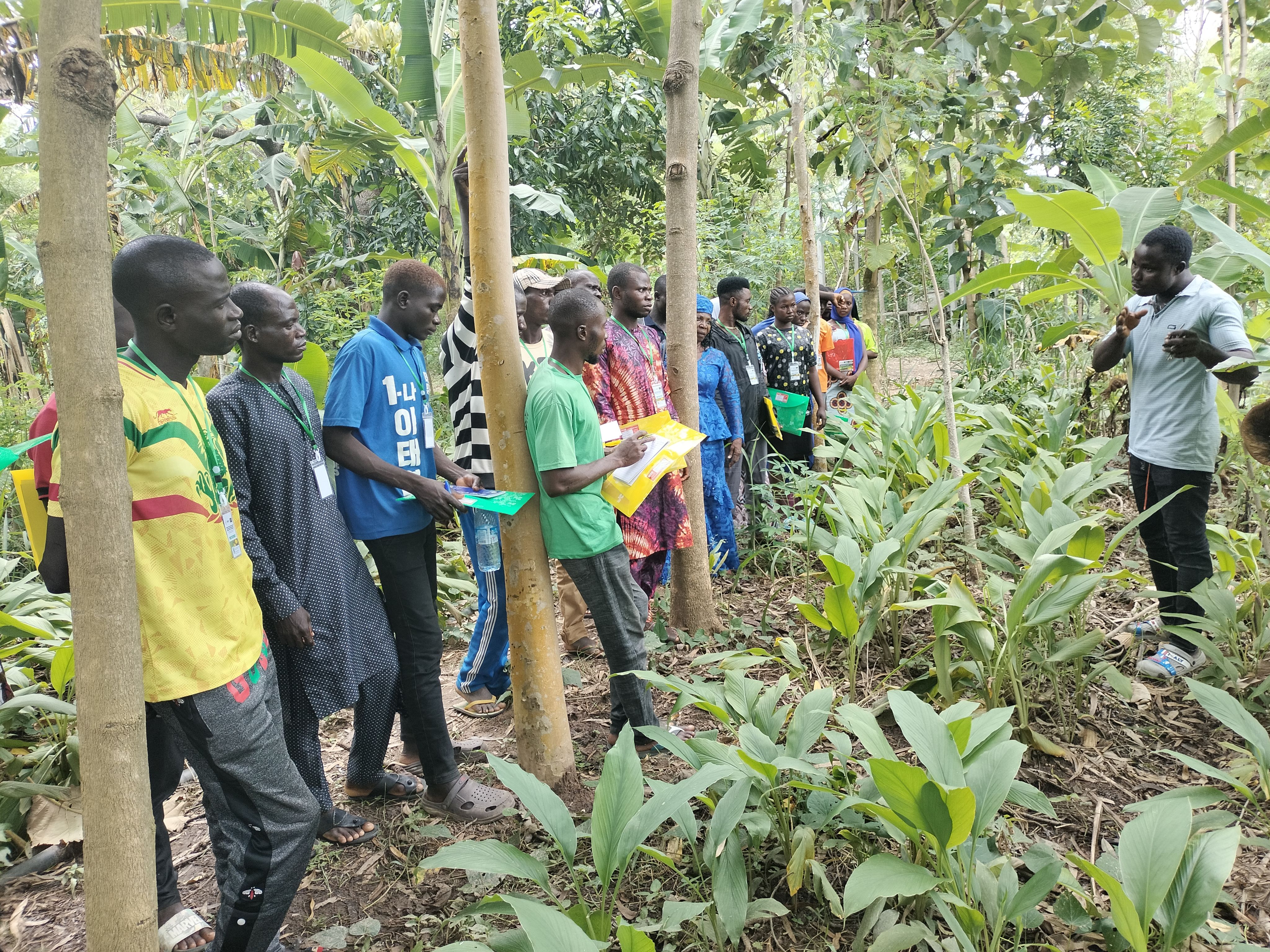
The impact was remarkable within two planting/harvesting seasons. Pollinator abundance increased by over 60%, and yields for sesame rose by nearly 70% compared to control plots. The demonstration farm became a magnet for learning, attracting over 300 farmers and local governments’ extension officers in Niger State. Farmers visited during peak flowering periods to observe pollinator behavior, attend training sessions, and exchange ideas. By the end of the season, many were replicating the approach on their own farms. As one elder farmer, Alhaji Musa, put it: “We used to chase bees away. Now, we plant flowers to bring them closer.”



Extension Agents: Training Biodiversity Ambassadors

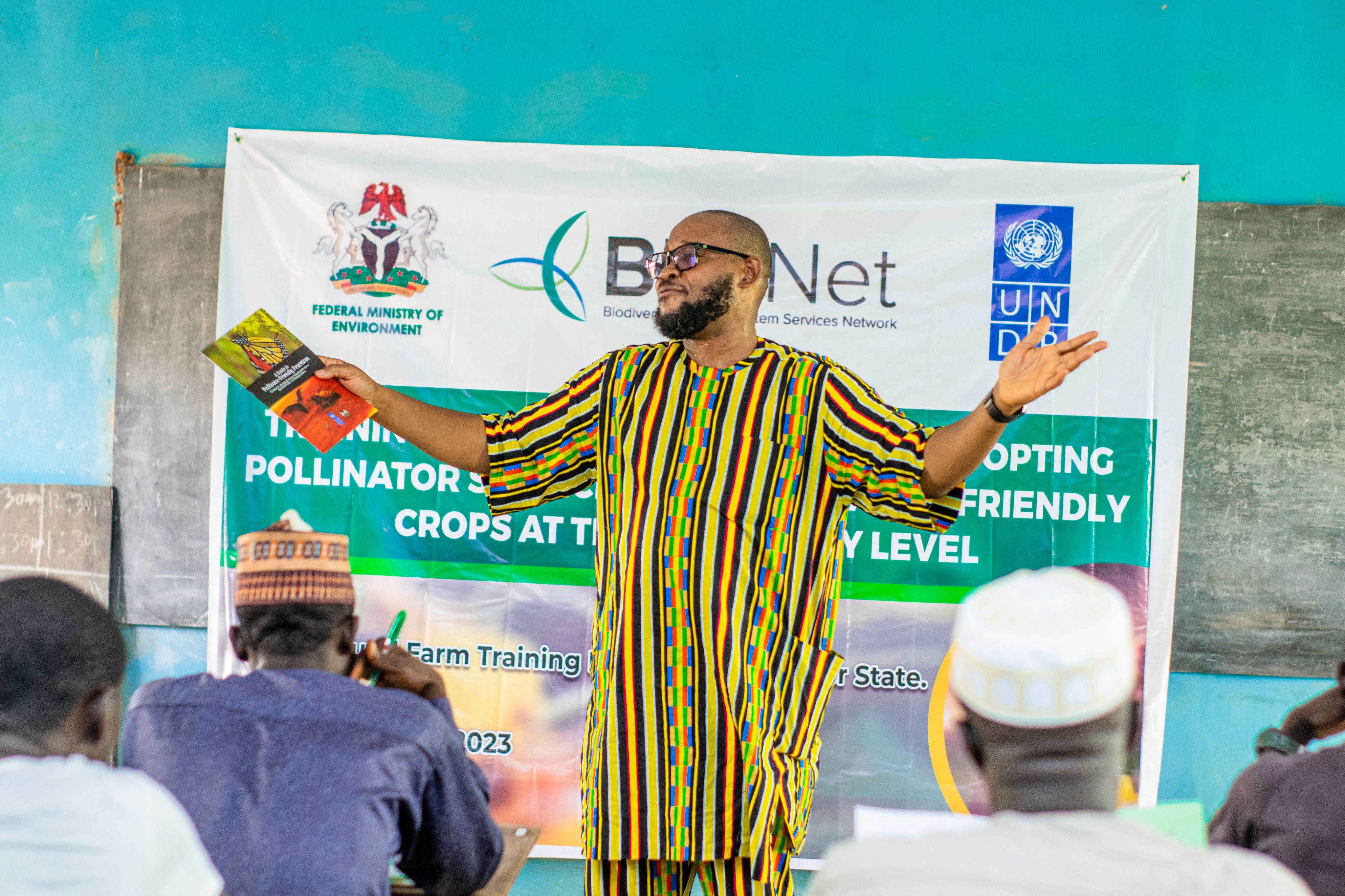
At the core of sustainable change are the extension officers who walk with farmers, answer their questions, and translate policies into planting patterns. While these officers are trusted figures in rural areas, many had never received structured training in pollination ecology or biodiversity-friendly agriculture. To address this, we launched a "Train-the-Trainer" program on pollinator-friendly practices in a structured 4-day module that combined classroom instruction with hands-on field visits.
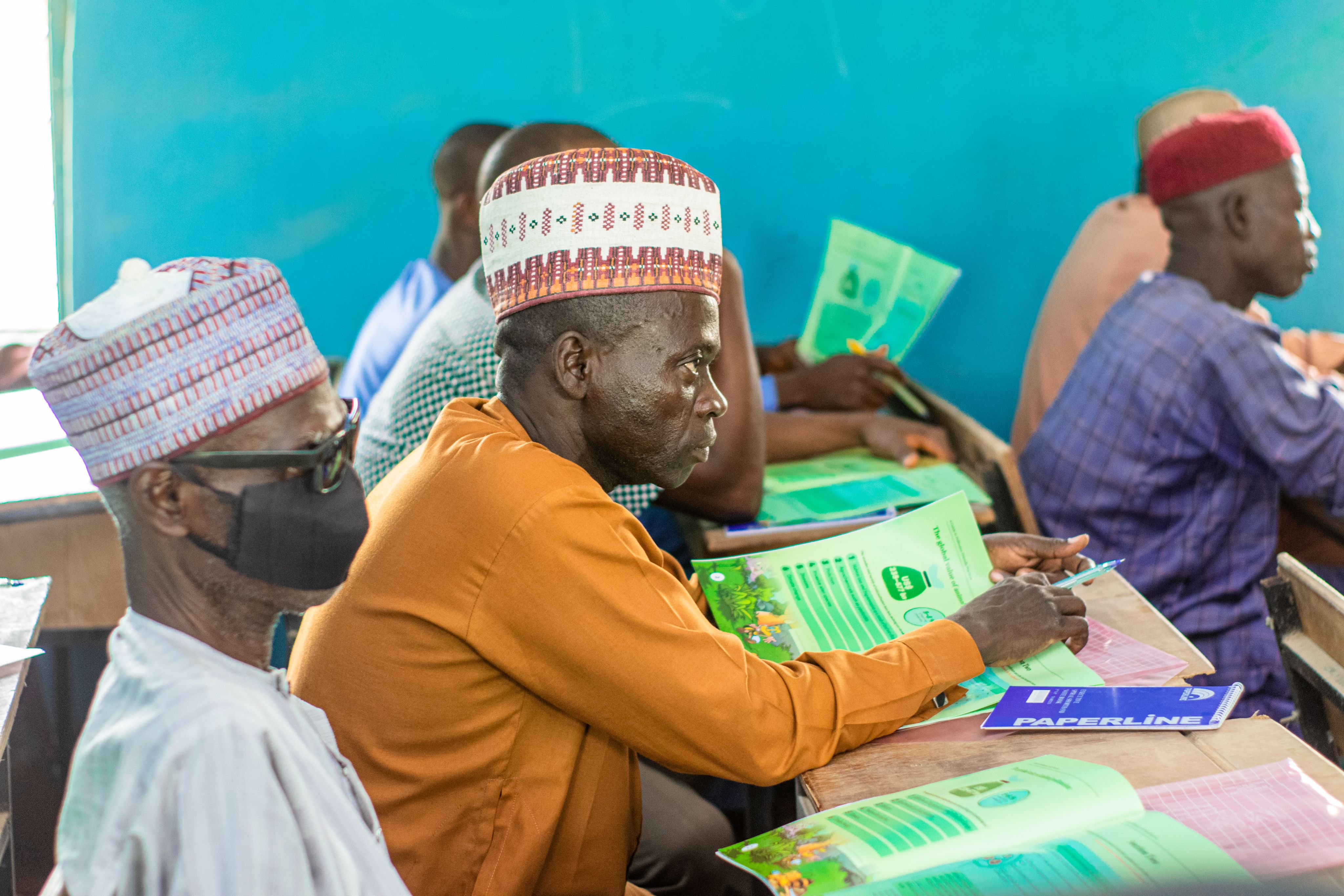
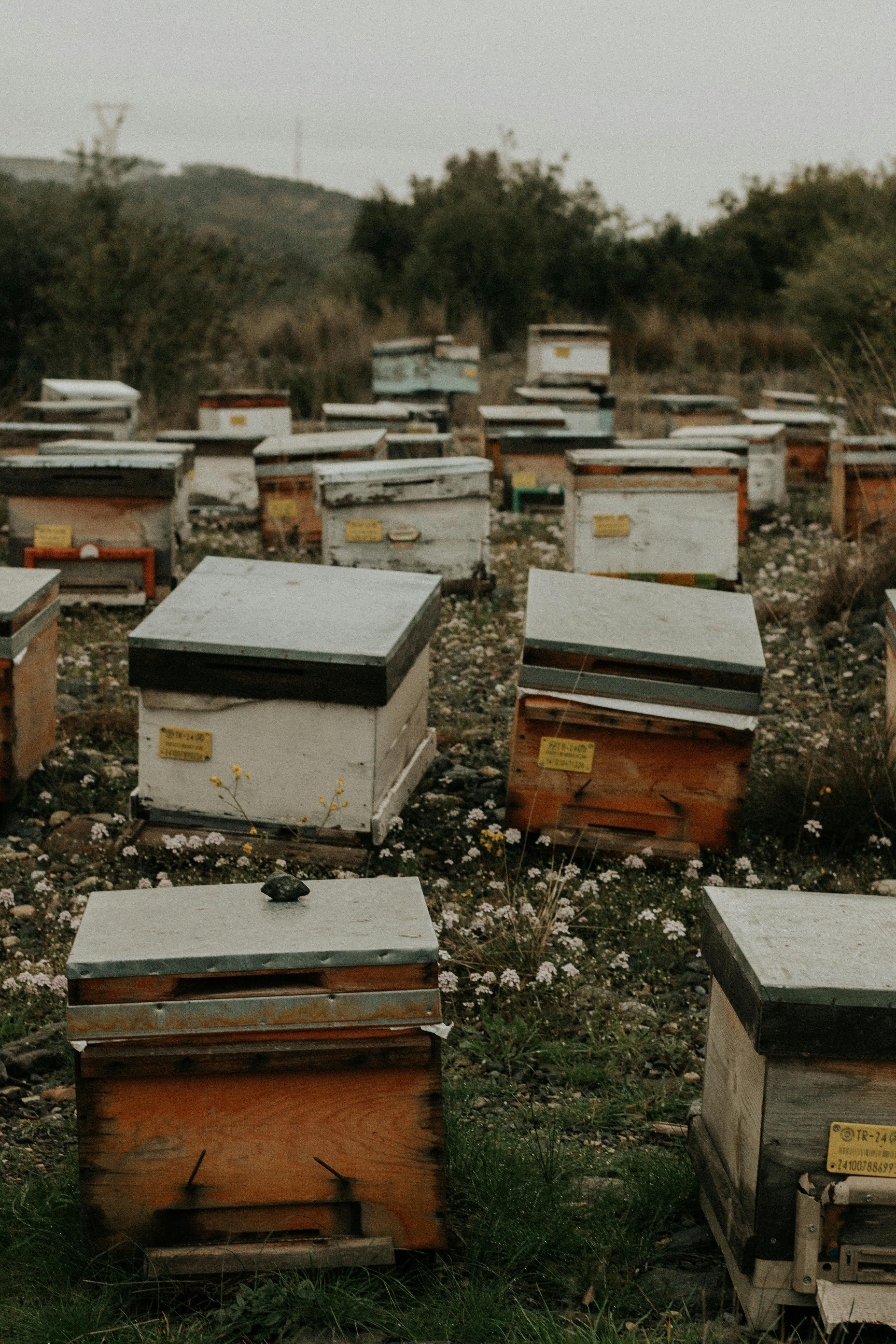
Leveraging on knowledge about types of pollinators by the extension officers, we prioritized a participatory learning style: the extension officers used sweep nets for collection of the insects, observed insect behavior and built demonstration bee shelters using local materials. By the end of our training schedules, over 180 extension officers were trained.
Lessons Learned and Looking Forward

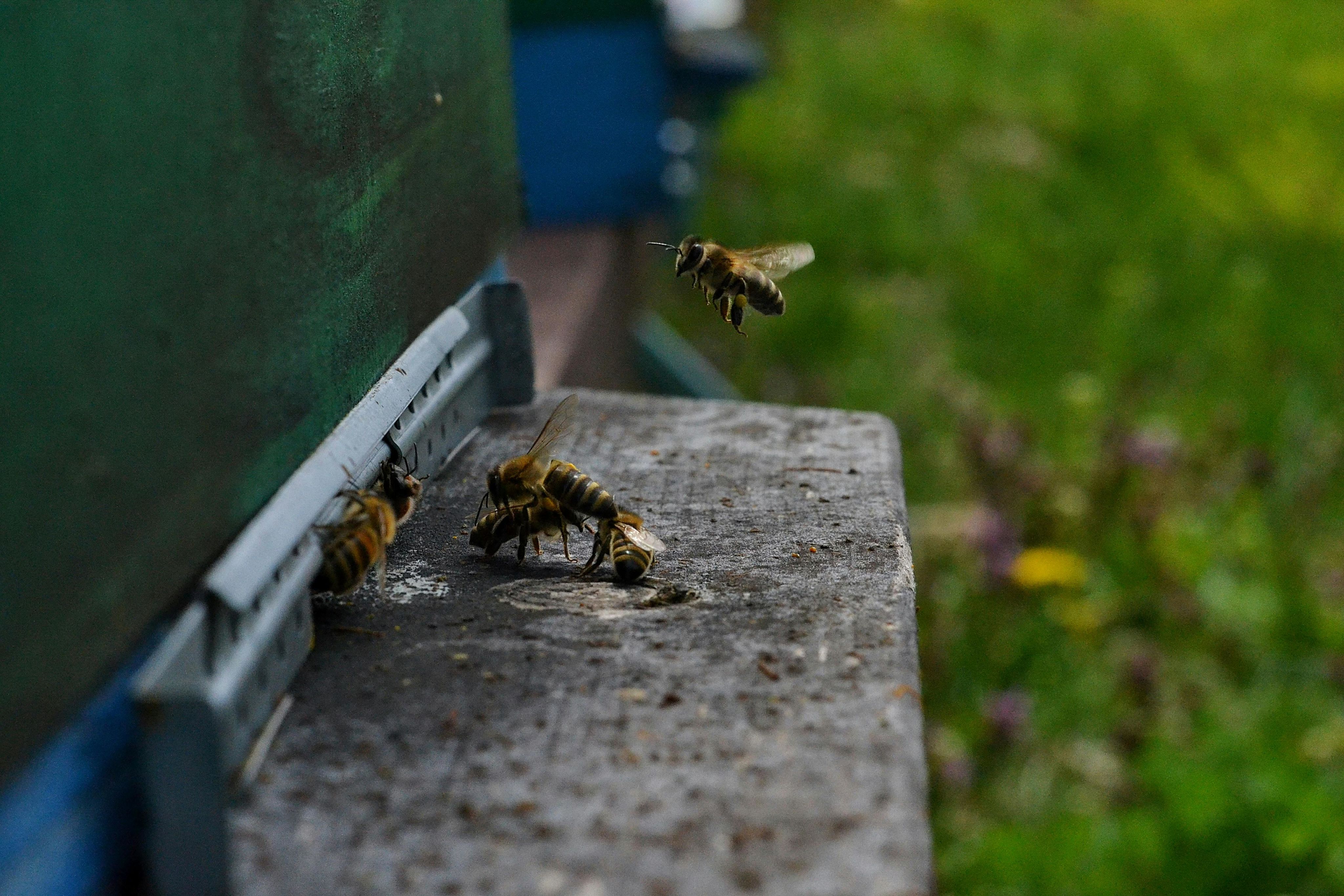
The integration of DNA barcoding, demonstration farming, and extension training has shown that science can thrive outside the lab, and biodiversity can flourish even in resource-limited settings.
Key lessons include:
- Localized knowledge matters: Farmers have valuable insights into flowering cycles, insect behavior, and land use history that can complement scientific research.
- Policy engagement is essential: Collaboration with local agricultural development programs and state-level agencies ensures sustainability beyond donor funding.
- Inclusivity strengthens impact: Women and youth involvement in activities like stingless beekeeping, pollinator gardens, and seed collection enhances community ownership.
Furthermore, Data from the pollinator DNA studies have contributed significantly to Nigerian Pollinator information in the Nigerian National Pollinator Conservation Strategy and have been validated by stakeholders from academia, government, and civil society. This strategy builds on existing data, advocates for pollinator protection in agricultural policy, and scales up education through national agricultural colleges.
We have also developed a Floral Calendar for Nigeria to further help in the protection and conservation of pollinators in Nigeria which is awaiting Government approval before publication. This idea of a floral calendar was born from the vast experience and knowledge shared from the Kenyan Trialogue Working Group during our trilogy meeting in Vietnam.
Final Reflections

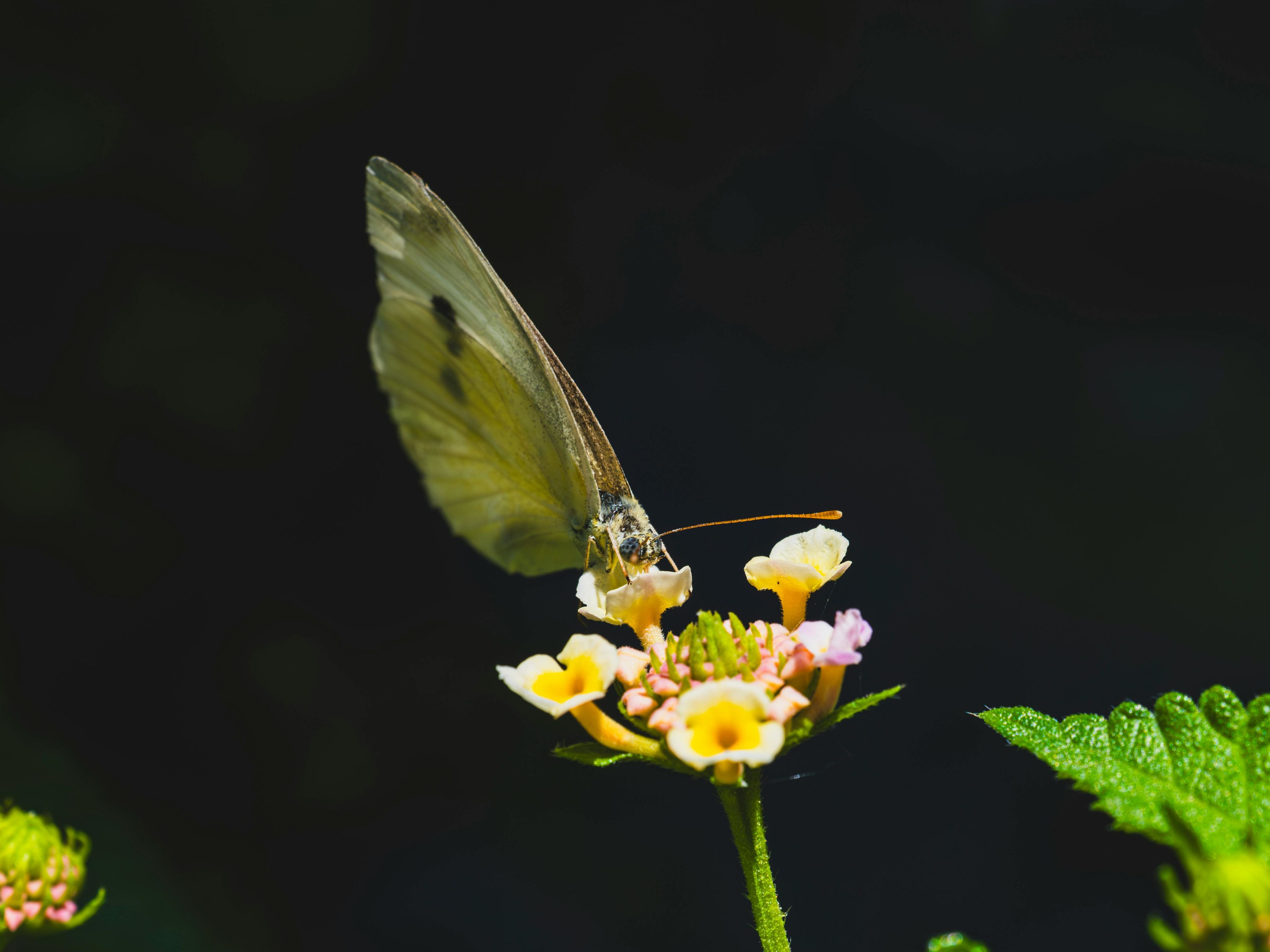
Biodiversity conservation is often framed in the context of iconic mega-fauna or pristine forests. But sometimes, the most profound change can come from a field of okra buzzing with life, or a farmer who plants flowers for insects he once feared.
As a molecular biologist and biodiversity advocate, I have come to see that the smallest species can catalyze the biggest shifts, not only in ecosystems but in people’s minds and hearts. My journey with DNA barcoding and community engagement has reaffirmed this.
When science is shared, it can transform landscapes and livelihoods.

 Built with Shorthand