

News for Nature
Tefera Bekele from the Ethiopian News Agency on the Media’s Role in Biodiversity Conservation


News for Nature
Tefera Bekele from the Ethiopian News Agency on the Media’s Role in Biodiversity Conservation

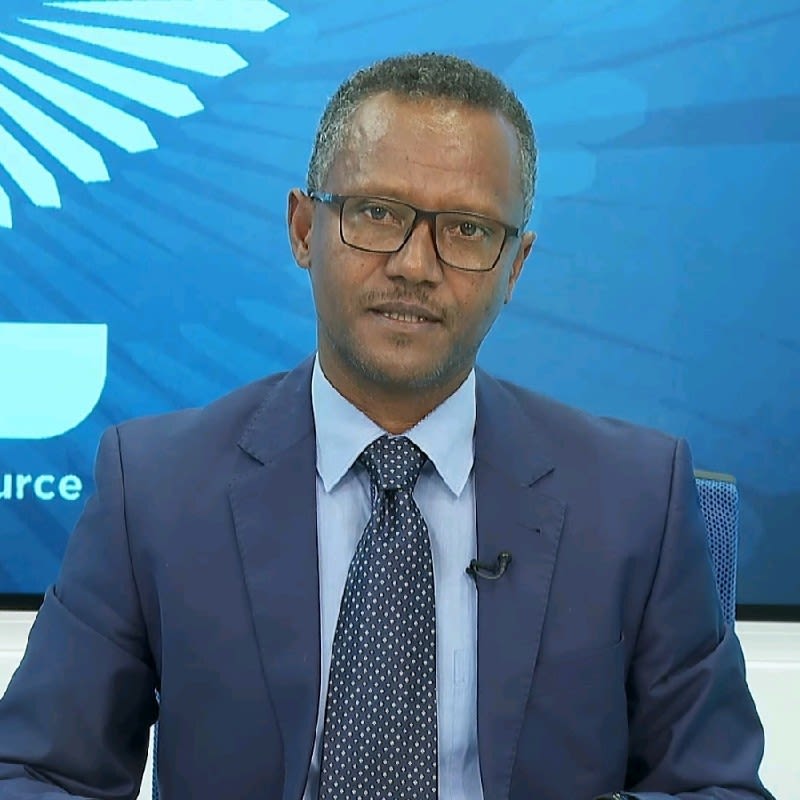
Tefera Bekele Daba has served as Deputy CEO of the News Service Division at the Ethiopian News Agency (ENA) since November 2021. With over three decades of media experience, ENA is Ethiopia’s leading state news agency, producing content in multiple languages for a national and international audience.
Tefera Bekele Daba has served as Deputy CEO of the News Service Division at the Ethiopian News Agency (ENA) since November 2021. With over three decades of media experience, ENA is Ethiopia’s leading state news agency, producing content in multiple languages for a national and international audience.
* * *
The National Biodiversity Platform (NBP-Ethiopia) was established to bring together a diverse network of stakeholders – government agencies, academia, civil society, the private sector, Indigenous and local community representatives and media – to promote the uptake of biodiversity knowledge in national decision-making. Its formation followed Ethiopia’s National Ecosystem Assessment (NEA) in 2022, which provided the most comprehensive analysis of the country’s biodiversity and ecosystem services to date.

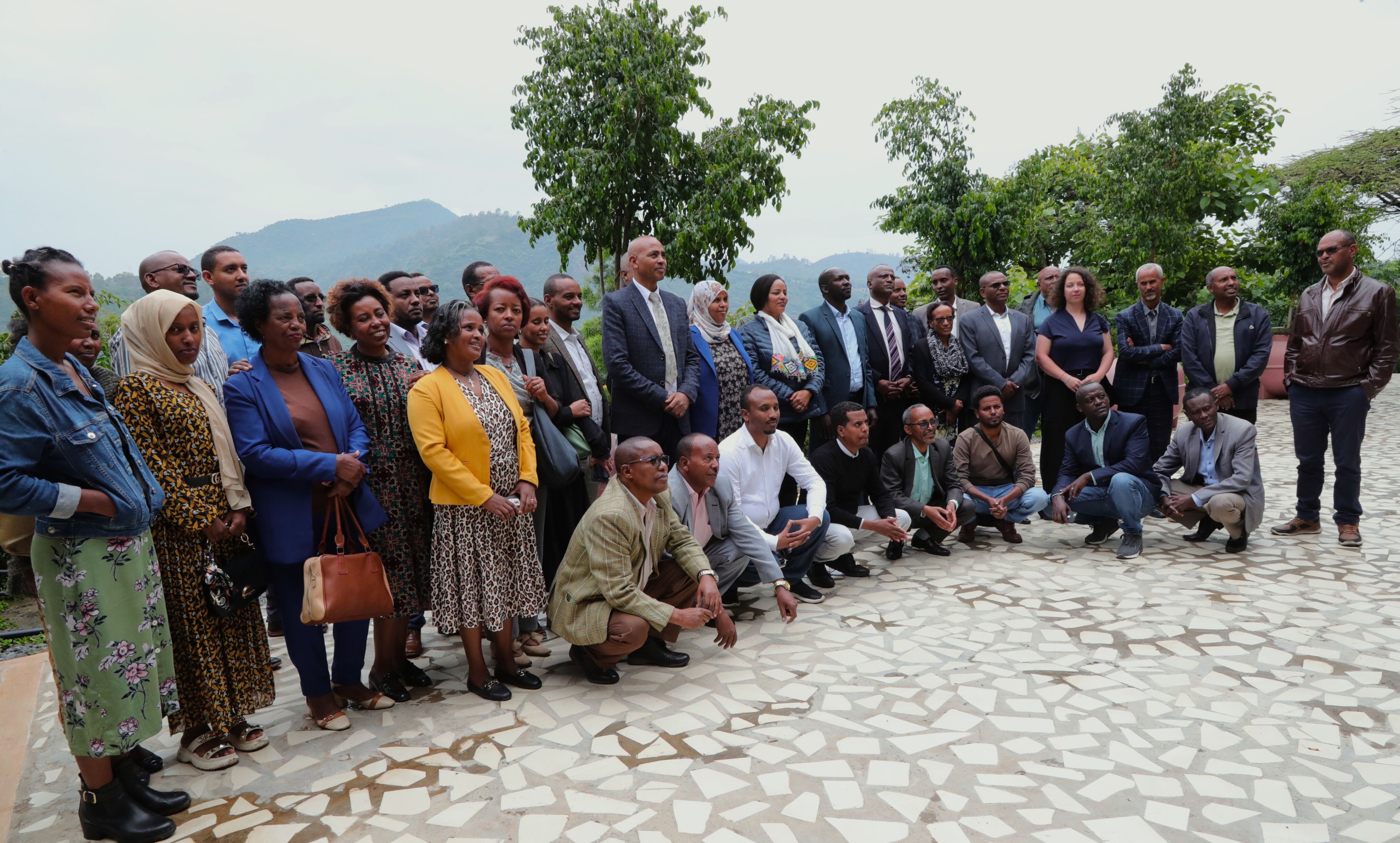
Participants of Ethiopia’s 2024 BES-Net Trialogue event pose for a group photo in Bishoftu, Ethiopia.
Participants of Ethiopia’s 2024 BES-Net Trialogue event pose for a group photo in Bishoftu, Ethiopia.
With catalytic support from the BES Solution Fund, led by UNDP under the Biodiversity and Ecosystem Services Network (BES-Net) initiative, NBP-Ethiopia has been strengthened and operationalized as a hub for connecting science, policy and practice. Media representation, including that of ENA, plays a critical role in making biodiversity knowledge accessible to the Ethiopian public, setting agendas for conservation action and amplifying the voices of communities and experts.
In this interview, Tefera shares how ENA’s involvement in the Platform has transformed its coverage of biodiversity issues, the opportunities and challenges of communicating complex environmental topics to the public, particularly in rural areas, and his vision for the future role of the media in shaping Ethiopia’s biodiversity conversations.

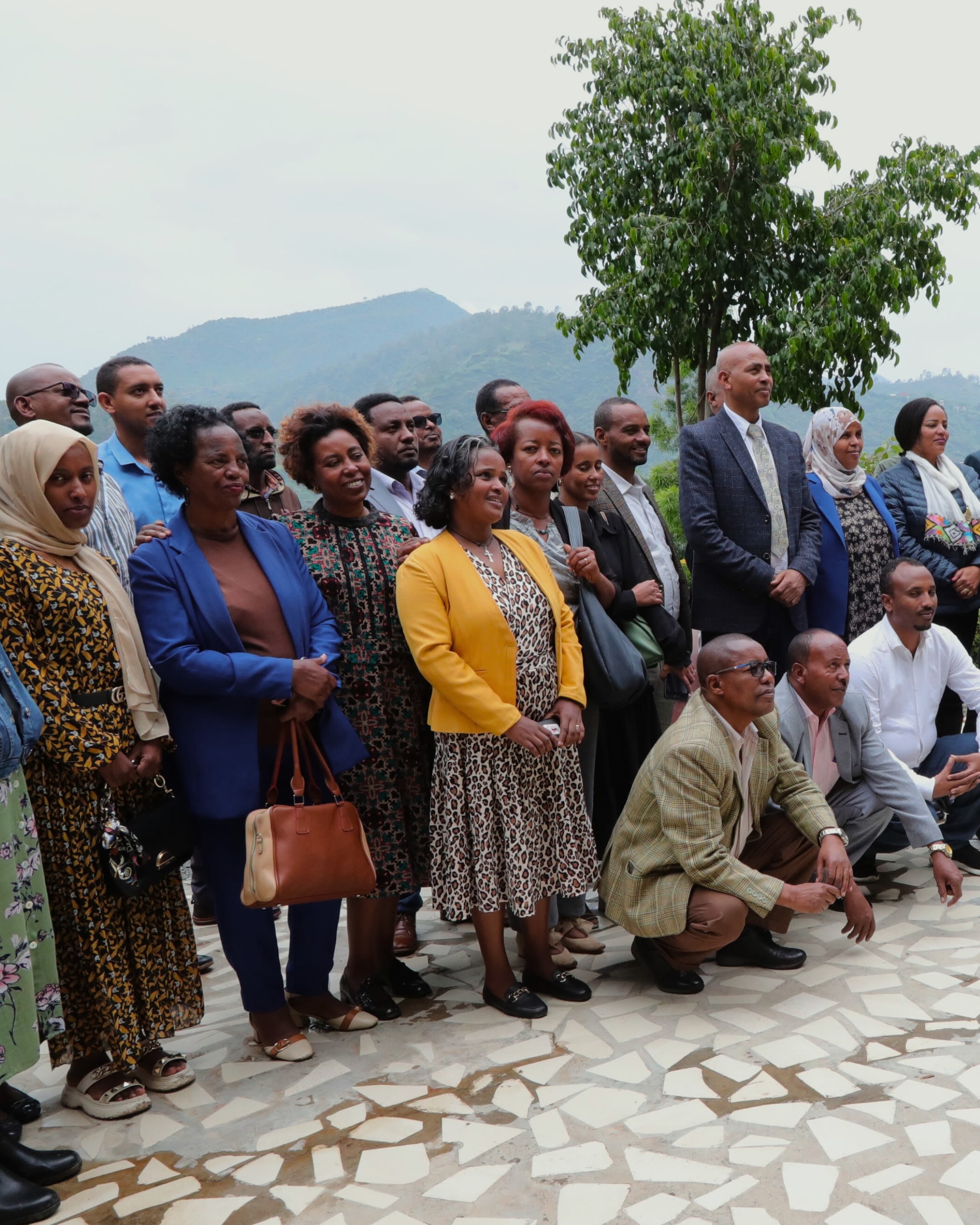
Participants of Ethiopia’s 2024 BES-Net Trialogue event pose for a group photo in Bishoftu, Ethiopia.
Participants of Ethiopia’s 2024 BES-Net Trialogue event pose for a group photo in Bishoftu, Ethiopia.
The National Biodiversity Platform (NBP-Ethiopia) was established to bring together a diverse network of stakeholders – government agencies, academia, civil society, the private sector, Indigenous and local community representatives and media – to promote the uptake of biodiversity knowledge in national decision-making. Its formation followed Ethiopia’s National Ecosystem Assessment (NEA) in 2022, which provided the most comprehensive analysis of the country’s biodiversity and ecosystem services to date.
With catalytic support from the BES Solution Fund, led by UNDP under the Biodiversity and Ecosystem Services Network (BES-Net) initiative, NBP-Ethiopia has been strengthened and operationalized as a hub for connecting science, policy and practice. Media representation, including that of ENA, plays a critical role in making biodiversity knowledge accessible to the Ethiopian public, setting agendas for conservation action and amplifying the voices of communities and experts.
In this interview, Tefera shares how ENA’s involvement in the Platform has transformed its coverage of biodiversity issues, the opportunities and challenges of communicating complex environmental topics to the public, particularly in rural areas, and his vision for the future role of the media in shaping Ethiopia’s biodiversity conversations.
How has being part of NBP-Ethiopia enhanced the role of the ENA in covering biodiversity issues?

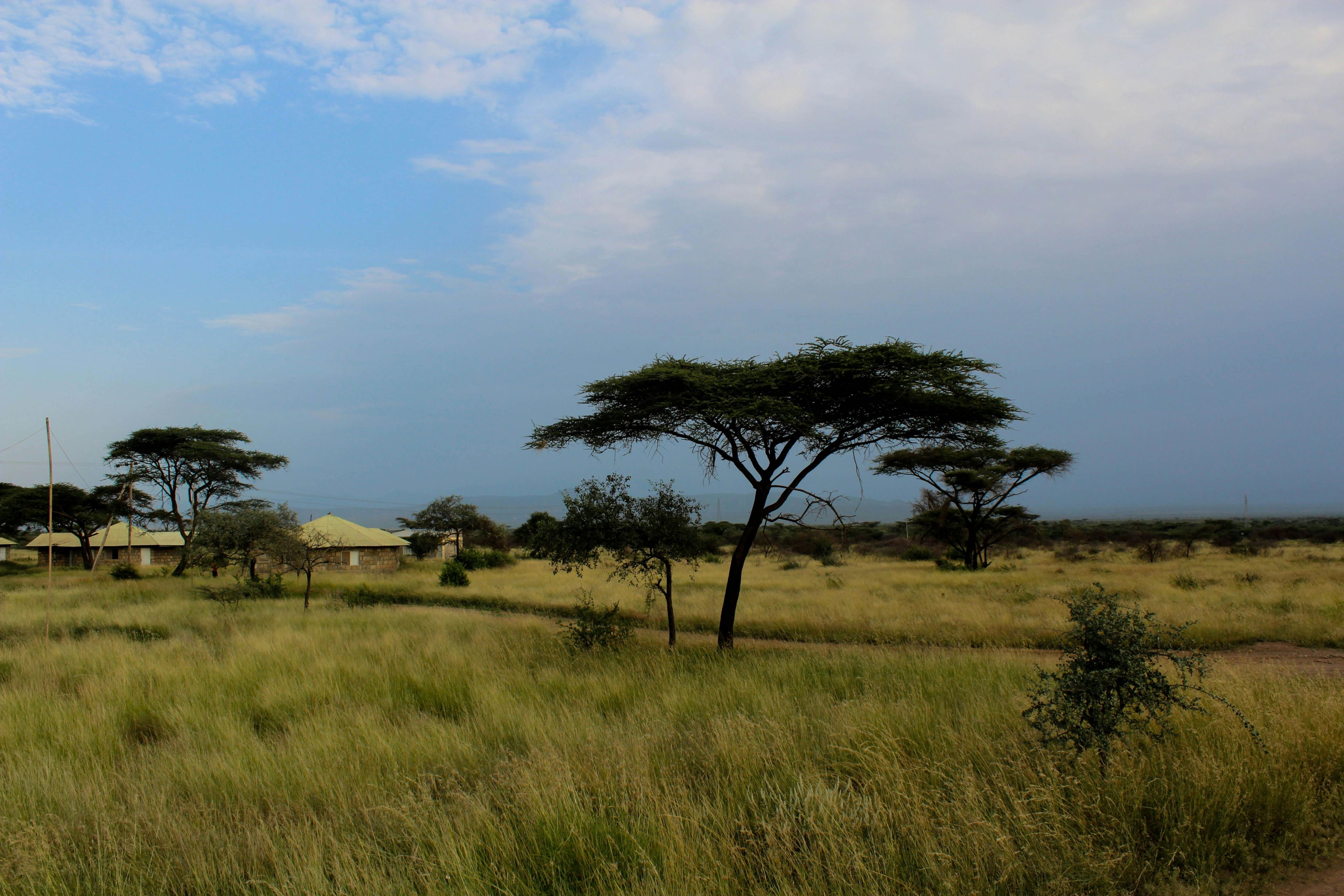
Photo by Lan Yao on Pexels
Photo by Lan Yao on Pexels
In the past three years, the Ethiopian News Agency has been part of NBP-Ethiopia. Being part of the platform has significantly enhanced the role of media in converting biodiversity issues into appropriate and impactful stories.
First, this platform creates access to information and biodiversity expertise, including researchers, policymakers and other stakeholders, whom we typically consult for information. This has helped us understand issues and complex scientific concepts and translate them into accessible language for the general public.
Second, NBP-Ethiopia helps facilitate partnership and collaborative media work with other members of the platform, such as the Ethiopian Biodiversity Institute. We have started working more closely with them since we became a member of the platform.
Using all these opportunities, the Ethiopian News Agency, as the main wire service in Ethiopia, developed several news stories about Ethiopian biodiversity, playing a crucial role in raising awareness about biodiversity issues, inspiring action and driving positive change in the country.
How has being part of NBP-Ethiopia enhanced the role of the ENA in covering biodiversity issues?
In the past three years, the Ethiopian News Agency has been part of NBP-Ethiopia. Being part of the platform has significantly enhanced the role of media in converting biodiversity issues into appropriate and impactful stories.
First, this platform creates access to information and biodiversity expertise, including researchers, policymakers and other stakeholders, whom we typically consult for information. This has helped us understand issues and complex scientific concepts and translate them into accessible language for the general public.
Second, NBP-Ethiopia helps facilitate partnership and collaborative media work with other members of the platform, such as the Ethiopian Biodiversity Institute. We have started working more closely with them since we became a member of the platform.
Using all these opportunities, the Ethiopian News Agency, as the main wire service in Ethiopia, developed several news stories about Ethiopian biodiversity, playing a crucial role in raising awareness about biodiversity issues, inspiring action and driving positive change in the country.
What has been your experience in collaborating with other stakeholders within the platform?
Since the platform includes members from diverse sectors such as government, research and civil society, I was able to build many valuable connections through my interactions with them as an ENA representative. Through these connections, I gained a shared understanding of national biodiversity and ecosystem conservation, broader knowledge of policy issues and Ethiopia’s biodiversity status and clearer insights on how to address biodiversity loss. This knowledge has helped me and my colleagues produce more accurate, impactful and accessible stories that connect biodiversity issues to the everyday lives of our audiences.
What role do you think the media can play in raising awareness about the National Biodiversity Strategy and Action Plan (NBSAP)?
Based on its function, the media can help set the agenda for the NBSAP by providing appropriate and sustained coverage. It must play its role in raising awareness through diverse approaches and continuous promotion.
What are the key challenges in translating complex biodiversity and ecosystem service issues into news stories that are accessible to the general public, particularly in rural areas?
Translating complex biodiversity and ecosystem service issues into news stories for the general public, especially in rural areas, comes with many challenges. These topics often rely on scientific concepts and terminology that are difficult to simplify without losing accuracy. It is also challenging to connect abstract ecological ideas to people’s daily lives, particularly where immediate survival needs take priority over long-term environmental concerns.
Being part of NBP-Ethiopia has helped address these challenges by showing how to link complex concepts to local experiences, highlighting how biodiversity loss affects livelihoods and fostering collaboration with community leaders to tailor messages for different audiences. With effective communication strategies, it becomes possible to make biodiversity issues accessible, relevant and engaging, inspiring action even in remote areas.

Photo by Daniele Levis Pelusi on Unsplash
Photo by Daniele Levis Pelusi on Unsplash
What has been your experience in collaborating with other stakeholders within the platform?
Since the platform includes members from diverse sectors such as government, research and civil society, I was able to build many valuable connections through my interactions with them as an ENA representative. Through these connections, I gained a shared understanding of national biodiversity and ecosystem conservation, broader knowledge of policy issues and Ethiopia’s biodiversity status and clearer insights on how to address biodiversity loss. This knowledge has helped me and my colleagues produce more accurate, impactful and accessible stories that connect biodiversity issues to the everyday lives of our audiences.
What role do you think the media can play in raising awareness about the National Biodiversity Strategy and Action Plan (NBSAP)?
Based on its function, the media can help set the agenda for the NBSAP by providing appropriate and sustained coverage. It must play its role in raising awareness through diverse approaches and continuous promotion.
What are the key challenges in translating complex biodiversity and ecosystem service issues into news stories that are accessible to the general public, particularly in rural areas?
Translating complex biodiversity and ecosystem service issues into news stories for the general public, especially in rural areas, comes with many challenges. These topics often rely on scientific concepts and terminology that are difficult to simplify without losing accuracy. It is also challenging to connect abstract ecological ideas to people’s daily lives, particularly where immediate survival needs take priority over long-term environmental concerns.
Being part of NBP-Ethiopia has helped address these challenges by showing how to link complex concepts to local experiences, highlighting how biodiversity loss affects livelihoods and fostering collaboration with community leaders to tailor messages for different audiences. With effective communication strategies, it becomes possible to make biodiversity issues accessible, relevant and engaging, inspiring action even in remote areas.

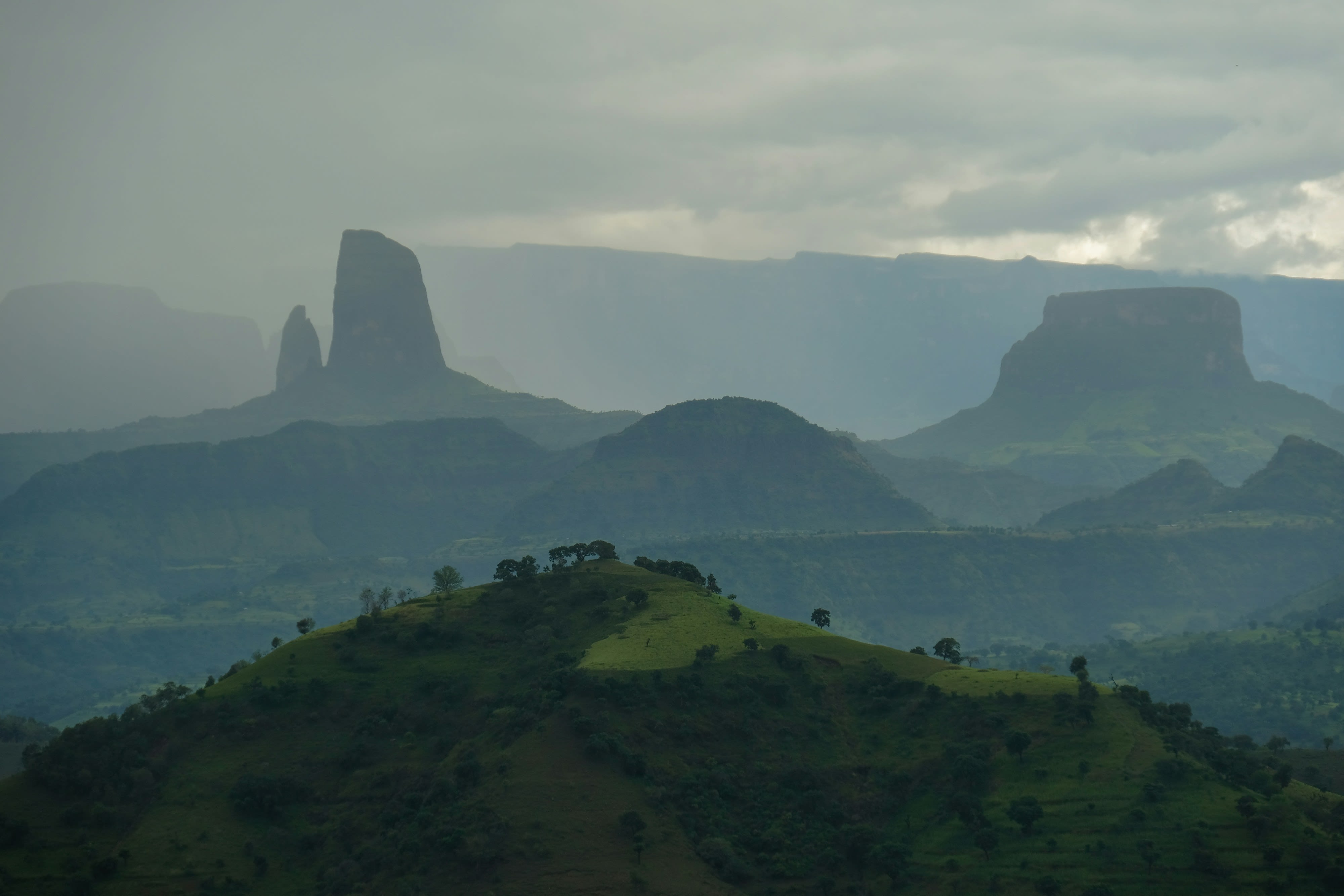
How do you see the future role of the media, especially through its involvement with NBP, in shaping the national conversation on biodiversity and ecosystem conservation in Ethiopia?
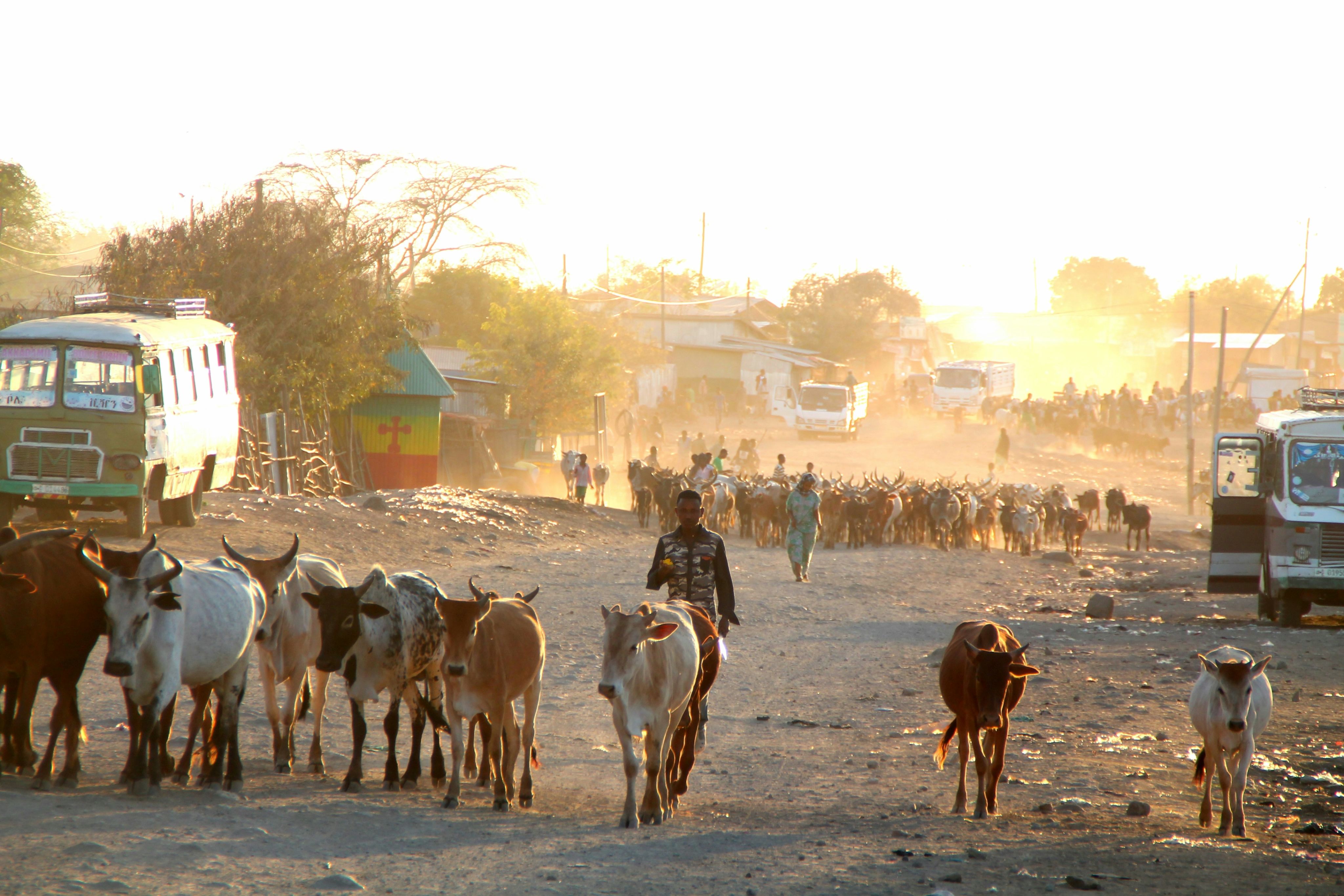
Photo by Hanna Grace on Unsplash
Photo by Hanna Grace on Unsplash
The future role of the media in shaping the conversation on biodiversity and ecosystem conservation in Ethiopia, especially through its involvement with NBP-Ethiopia, is significant and complex.
The media can raise awareness about biodiversity and ecosystem services in a way that is accessible and engaging to the general public. This includes using creative storytelling techniques, visuals and content in local language to reach and resonate with diverse audiences.
Especially by showcasing the stories of individuals and communities directly impacted by biodiversity loss and conservation efforts, the media can create a deeper emotional connection with audiences and mobilize for more solution-oriented engagement.
It is the media’s role to facilitate public participation in decision-making processes related to biodiversity conservation by providing information and platforms for public discussion and feedback. In addition, the media must collaborate with the Platform to disseminate information about biodiversity trends, research findings and policy developments, as well as provide valuable feedback and insights to the Platform on public perception, information needs and communication strategies.
Photo by Hanna Grace on Unsplash
Photo by Hanna Grace on Unsplash
How do you see the future role of the media, especially through its involvement with NBP, in shaping the national conversation on biodiversity and ecosystem conservation in Ethiopia?
The future role of the media in shaping the conversation on biodiversity and ecosystem conservation in Ethiopia, especially through its involvement with NBP-Ethiopia, is significant and complex.
The media can raise awareness about biodiversity and ecosystem services in a way that is accessible and engaging to the general public. This includes using creative storytelling techniques, visuals and content in local language to reach and resonate with diverse audiences.
Especially by showcasing the stories of individuals and communities directly impacted by biodiversity loss and conservation efforts, the media can create a deeper emotional connection with audiences and mobilize for more solution-oriented engagement.
It is the media’s role to facilitate public participation in decision-making processes related to biodiversity conservation by providing information and platforms for public discussion and feedback. In addition, the media must collaborate with the Platform to disseminate information about biodiversity trends, research findings and policy developments, as well as provide valuable feedback and insights to the Platform on public perception, information needs and communication strategies.
 Built with Shorthand