
Second Caribbean Regional Trialogue
2–4 December 2025
Port of Spain, Trinidad and Tobago

Second Caribbean Regional Trialogue
2–4 December 2025
Port of Spain, Trinidad and Tobago
The Caribbean is known for its diverse ecosystems, rich biodiversity and cultural diversity, which play a critical role in supporting the livelihoods and well-being of communities across the region.

But these ecosystems are under growing pressure from climate change, habitat loss, pollution and economic shocks – pressures felt most in small island developing states (SIDS). Addressing these complex challenges means making interconnected, adaptive decisions across biodiversity, climate, water, food and health.
Transformative change and sustainable development depend on all stakeholders working together (from Indigenous Peoples and local communities to policymakers, scientists and private sector leaders) and turning shared priorities into practical actions that protect ecosystems and strengthen everyday life.


Why we look at biodiversity, water, food, health and climate together
The challenges facing SIDS and other vulnerable regions are intertwined. Biodiversity underpins clean water, food and public health, so actions in one area can quickly ripple through the others.
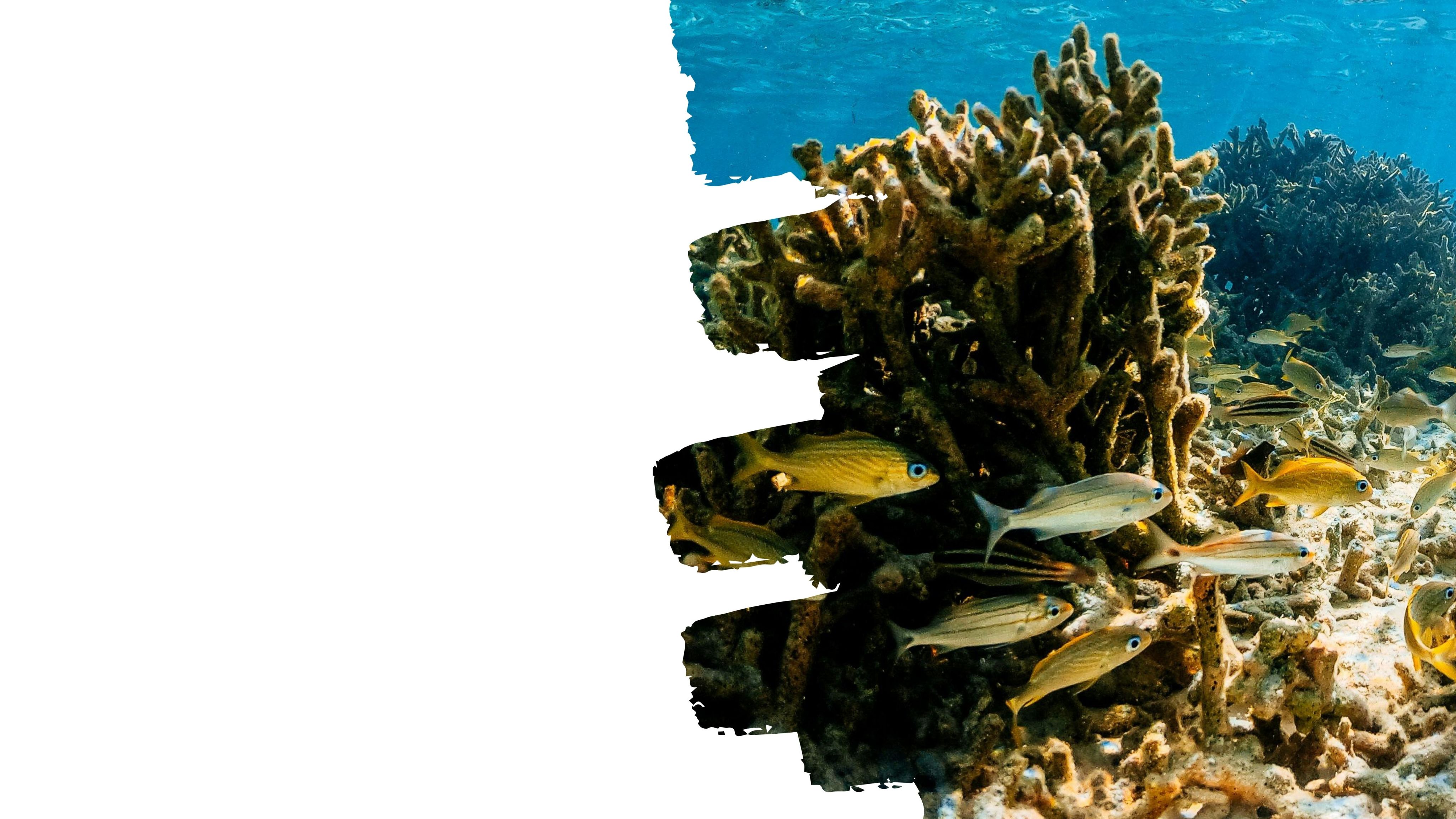
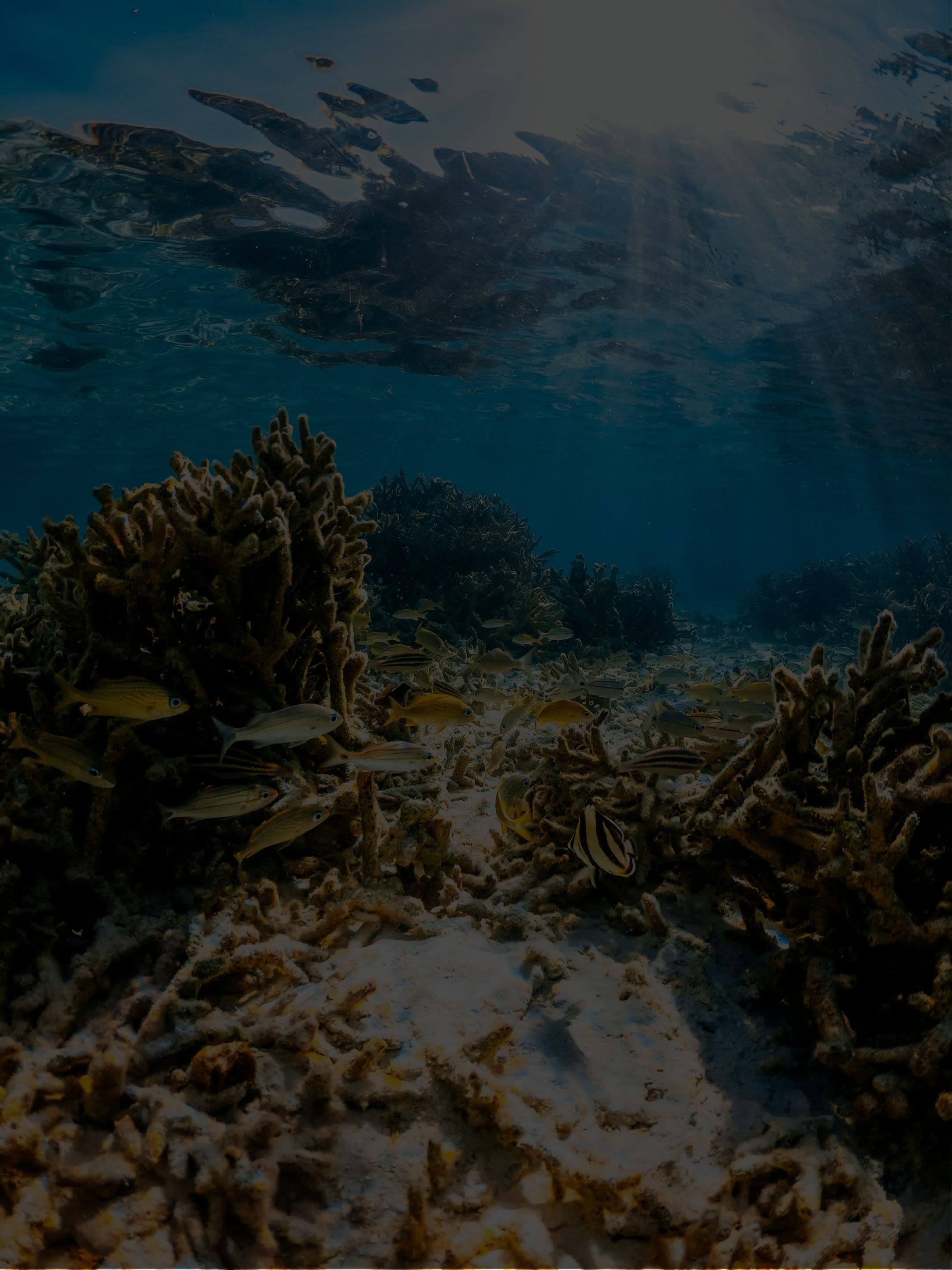
Coral reefs, for example, are biodiversity hotspots, natural coastal barriers and economic lifelines for tourism and fisheries – yet they erode under rising heat, pollution, ocean acidification and invasive species. On land, food systems feel the strain of pollinator decline, invasive pests and extreme weather. When responses treat issues in isolation, they often shift problems rather than solve them.
A systems view changes the outcome.
A nexus approach recognizes interdependencies, manages trade-offs and seeks co-benefits. It pairs evidence with cooperation across knowledge systems, from Indigenous Peoples and local communities to policymakers, scientists and the private sector.
By tackling root causes and aligning efforts, it supports solutions that are robust, locally grounded and fair.



Why we look at biodiversity, water, food, health and climate together
The challenges facing SIDS and other vulnerable regions are intertwined. Biodiversity underpins clean water, food and public health, so actions in one area can quickly ripple through the others.
Coral reefs, for example, are biodiversity hotspots, natural coastal barriers and economic lifelines for tourism and fisheries – yet they erode under rising heat, pollution, ocean acidification and invasive species. On land, food systems feel the strain of pollinator decline, invasive pests and extreme weather. When responses treat issues in isolation, they often shift problems rather than solve them.
A systems view changes the outcome.
A nexus approach recognizes interdependencies, manages trade-offs and seeks co-benefits. It pairs evidence with cooperation across knowledge systems, from Indigenous Peoples and local communities to policymakers, scientists and the private sector.
By tackling root causes and aligning efforts, it supports solutions that are robust, locally grounded and fair.

Objectives of the Second Caribbean Trialogue:
Contextualize global knowledge. Reflect on key findings from the Intergovernmental Science-Policy Platform on Biodiversity and Ecosystem Services (IPBES) Nexus and Transformative Change assessments within the Caribbean’s ecological, social and economic contexts.
Promote integrated approaches and nexus thinking. Share insights, lessons and ideas to expand nexus approaches and improve biodiversity governance across the region.
Support transformative potential. Foster dialogue and collaboration that contribute to the conditions for long-term, system-wide shifts towards sustainable biodiversity management and ecosystem health.
Co-create action plans. Develop action plans that reflect diverse knowledge systems, stakeholder perspectives and policy contexts tailored to the Caribbean.
Objectives of the Second Caribbean Trialogue:

Contextualize global knowledge. Reflect on key findings from the Intergovernmental Science-Policy Platform on Biodiversity and Ecosystem Services (IPBES) Nexus and Transformative Change assessments within the Caribbean’s ecological, social and economic contexts.
Promote integrated approaches and nexus thinking. Share insights, lessons and ideas to expand nexus approaches and improve biodiversity governance across the region.
Support transformative potential. Foster dialogue and collaboration that contribute to the conditions for long-term, system-wide shifts towards sustainable biodiversity management and ecosystem health.
Co-create action plans. Develop action plans that reflect diverse knowledge systems, stakeholder perspectives and policy contexts tailored to the Caribbean.
About the BES-Net Trialogues
The BES-Net Trialogues serve as a collaborative platform that brings together scientists, policymakers and practitioners to address critical biodiversity issues. These Trialogues are informed by IPBES thematic assessments, ensuring that discussions are grounded in the latest scientific findings.
By aligning the focus of BES-Net Trialogues with IPBES assessment themes, stakeholders can translate global biodiversity targets into actionable strategies at national and regional levels. This process facilitates the integration of scientific, Indigenous and local knowledge into policy and practice, ensuring cohesive biodiversity conservation efforts.
IPBES Assessments

The second Caribbean Trialogue focused on two IPBES assessments:
Nexus Assessment. Biodiversity underpins clean water, nutritious food, public health and climate stability. The assessment brings these pieces together and shows how tackling them in silos can create costly trade-offs. Addressing them together unlocks better results for people and nature.
Transformative Change Assessment. Incremental tweaks will not be enough to halt nature’s decline. The assessment outlines the shifts (policies, incentives, institutions and societal values) needed to enable lasting change, as well as the roles of government, business and communities.
About the BES-Net Trialogues
The BES-Net Trialogues serve as a collaborative platform that brings together scientists, policymakers and practitioners to address critical biodiversity issues. These Trialogues are informed by IPBES thematic assessments, ensuring that discussions are grounded in the latest scientific findings.
By aligning the focus of BES-Net Trialogues with IPBES assessment themes, stakeholders can translate global biodiversity targets into actionable strategies at national and regional levels. This process facilitates the integration of scientific, Indigenous and local knowledge into policy and practice, ensuring cohesive biodiversity conservation efforts.

IPBES Assessments
The second Caribbean Trialogue focused on two IPBES assessments:
Nexus Assessment. Biodiversity underpins clean water, nutritious food, public health and climate stability. The assessment brings these pieces together and shows how tackling them in silos can create costly trade-offs. Addressing them together unlocks better results for people and nature.
Transformative Change Assessment. Incremental tweaks will not be enough to halt nature’s decline. The assessment outlines the shifts – policies, incentives, institutions and societal values – needed to enable lasting change, as well as the roles of government, business and communities.
The mangrove metaphor
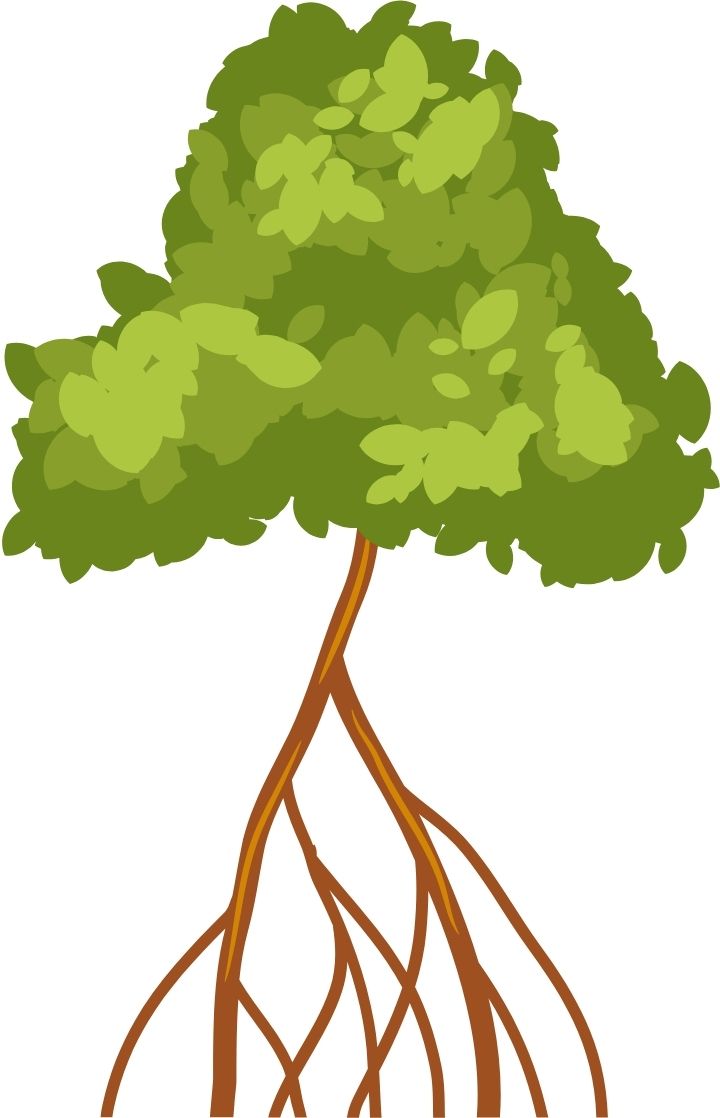
Biodiversity action should be interconnected, much like a mangrove. Strong roots of knowledge and inclusive governance, a trunk of evidence-based policy and branching actions across water, food, health and climate will work together to deliver everyday benefits and long-term resilience. The Trialogue served as the tide zone where these elements met, grounding decisions in real places and nurturing partnerships that will grow.
Building on this shared metaphor, the Trialogue turned to the evidence that would shape decisions across the region.

The mangrove metaphor
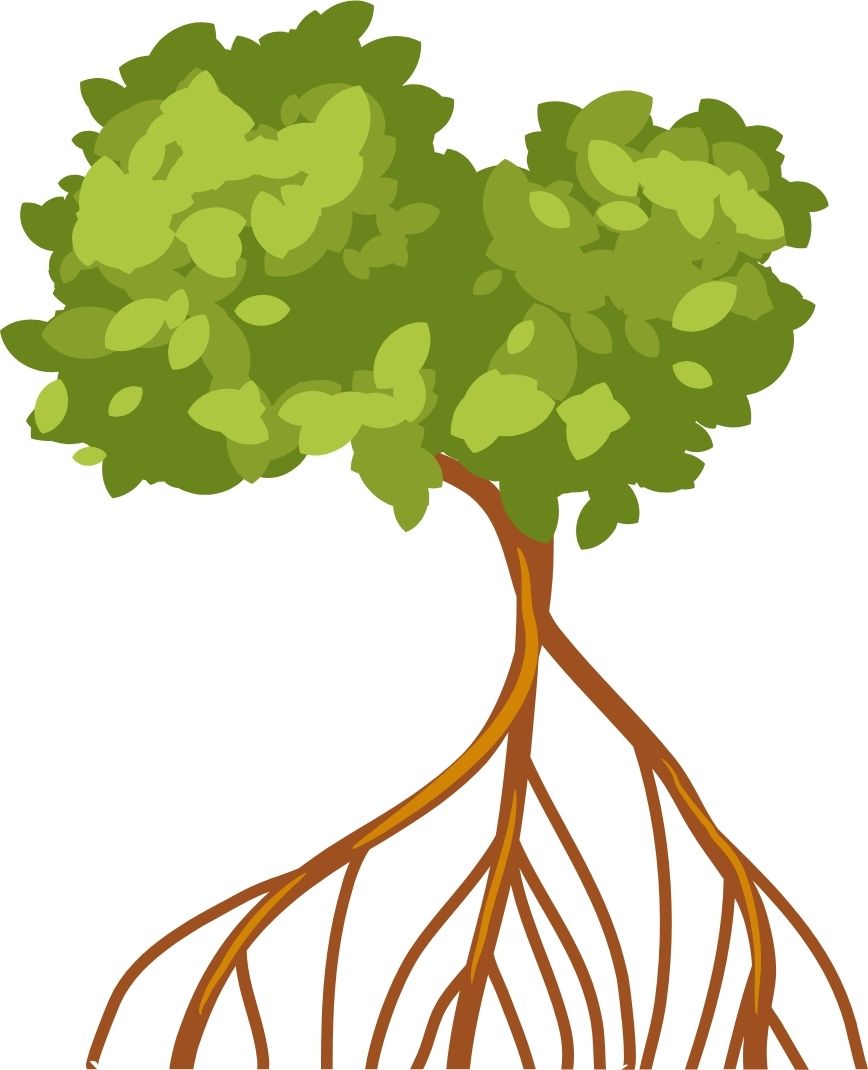
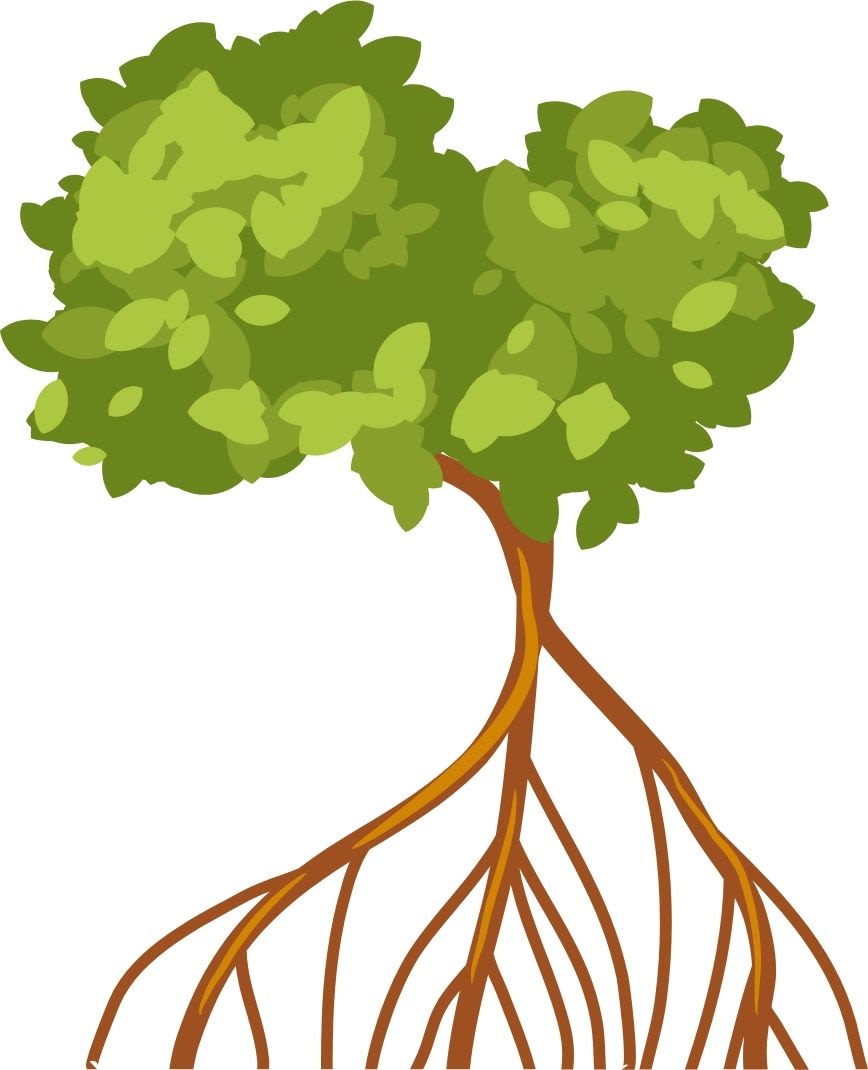
Biodiversity action should be interconnected, much like a mangrove. Strong roots of knowledge and inclusive governance, a trunk of evidence-based policy and branching actions across water, food, health and climate will work together to deliver everyday benefits and long-term resilience. The Trialogue served as the tide zone where these elements met, grounding decisions in real places and nurturing partnerships that will grow.
Building on this shared metaphor, the Trialogue turned to the evidence that would shape decisions across the region.

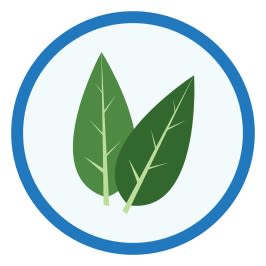
Leaves are visible signs of well-being and renewal. They are the first things we notice: green, vibrant or withering, they represent the visible outcomes of our choices. When healthy, leaves capture sunlight and give life; when they fall, they feed the mud. This cycle of giving back mirrors sustainable living. In our Trialogue, leaves are indicators – the evidence that deeper systems are working in balance.
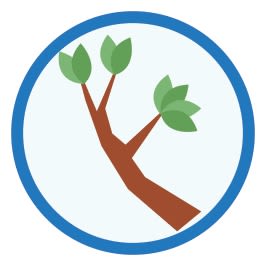
Branches represent the visible elements of change in nature. They are what we notice first when ecosystems shift, whether through degradation (like pollution, overfishing and coastal clearing) or through restoration and resilience. These surface-level dynamics can bend or break under pressure, but they can also visibly recover when nurtured. In our Trialogue, branches are the tangible expressions of stress or strength – what we can observe and respond to.
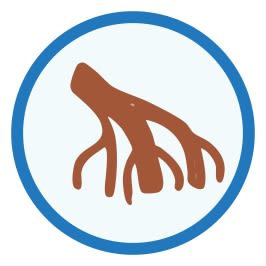
Roots reveal hidden but shaping outer layers (indirect drivers), what holds us together: economies, energy choices, urban growth. Roots anchor the system, often unseen but determining the strength of the whole forest. In our Trialogue, these are the enabling or constraining systems that shape outcomes over time.

Tides bring renewal, just like societies regenerate when equity, justice, Indigenous and local knowledge, and innovation flow through decision-making.

Mud contains the deep foundations (underlying causes): histories, inequities, global pressures. The mud may look messy, but it’s what holds the nutrients. It contains both the weight of the past and the potential for future regeneration.
Leaves are visible signs of well-being and renewal. They are the first things we notice: green, vibrant or withering, they represent the visible outcomes of our choices. When healthy, leaves capture sunlight and give life; when they fall, they feed the mud. This cycle of giving back mirrors sustainable living. In our Trialogue, leaves are indicators – the evidence that deeper systems are working in balance.
Branches represent the visible elements of change in nature. They are what we notice first when ecosystems shift, whether through degradation (like pollution, overfishing and coastal clearing) or through restoration and resilience. These surface-level dynamics can bend or break under pressure, but they can also visibly recover when nurtured. In our Trialogue, branches are the tangible expressions of stress or strength – what we can observe and respond to.
Roots reveal hidden but shaping outer layers (indirect drivers), what holds us together: economies, energy choices, urban growth. Roots anchor the system, often unseen but determining the strength of the whole forest. In our Trialogue, these are the enabling or constraining systems that shape outcomes over time.
Tides bring renewal, just like societies regenerate when equity, justice, Indigenous and local knowledge, and innovation flow through decision-making.
Mud contains the deep foundations (underlying causes): histories, inequities, global pressures. The mud may look messy, but it’s what holds the nutrients. It contains both the weight of the past and the potential for future regeneration.
Participating countries
The second Caribbean Trialogue engaged stakeholders from seven Caribbean countries. It convened government entities, researchers, Indigenous and local knowledge holders, civil society and private-sector actors working across biodiversity, water, food, health and climate.

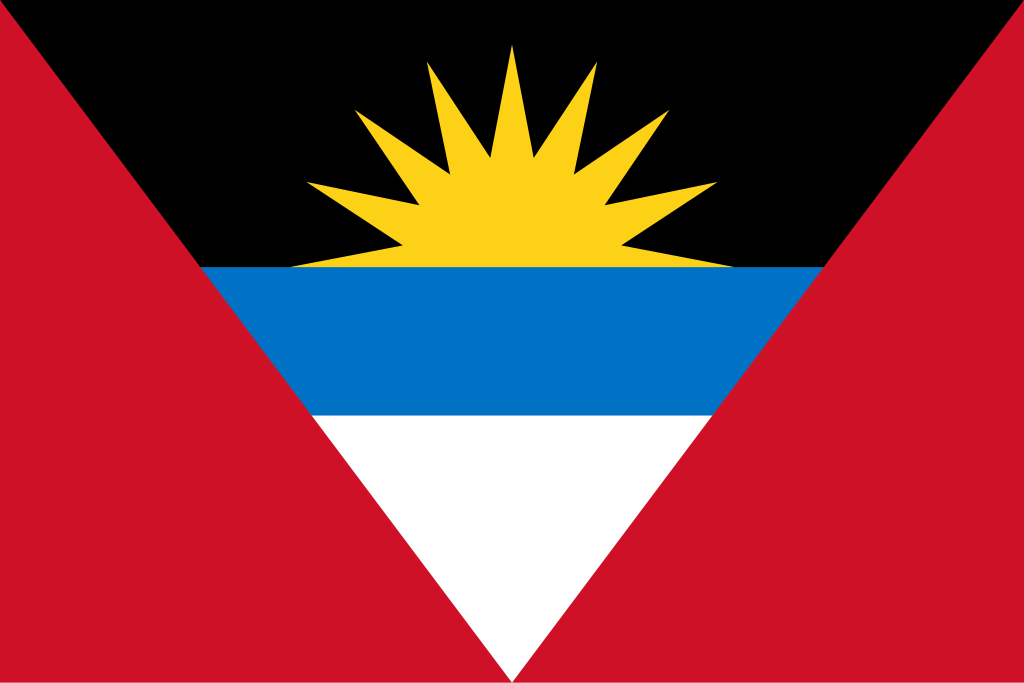
Antigua and Barbuda
For Antigua and Barbuda, coastal livelihoods depend on healthy near-shore ecosystems under increasing pressure. The focus will be easing those pressures while backing small businesses and communities.

Cuba
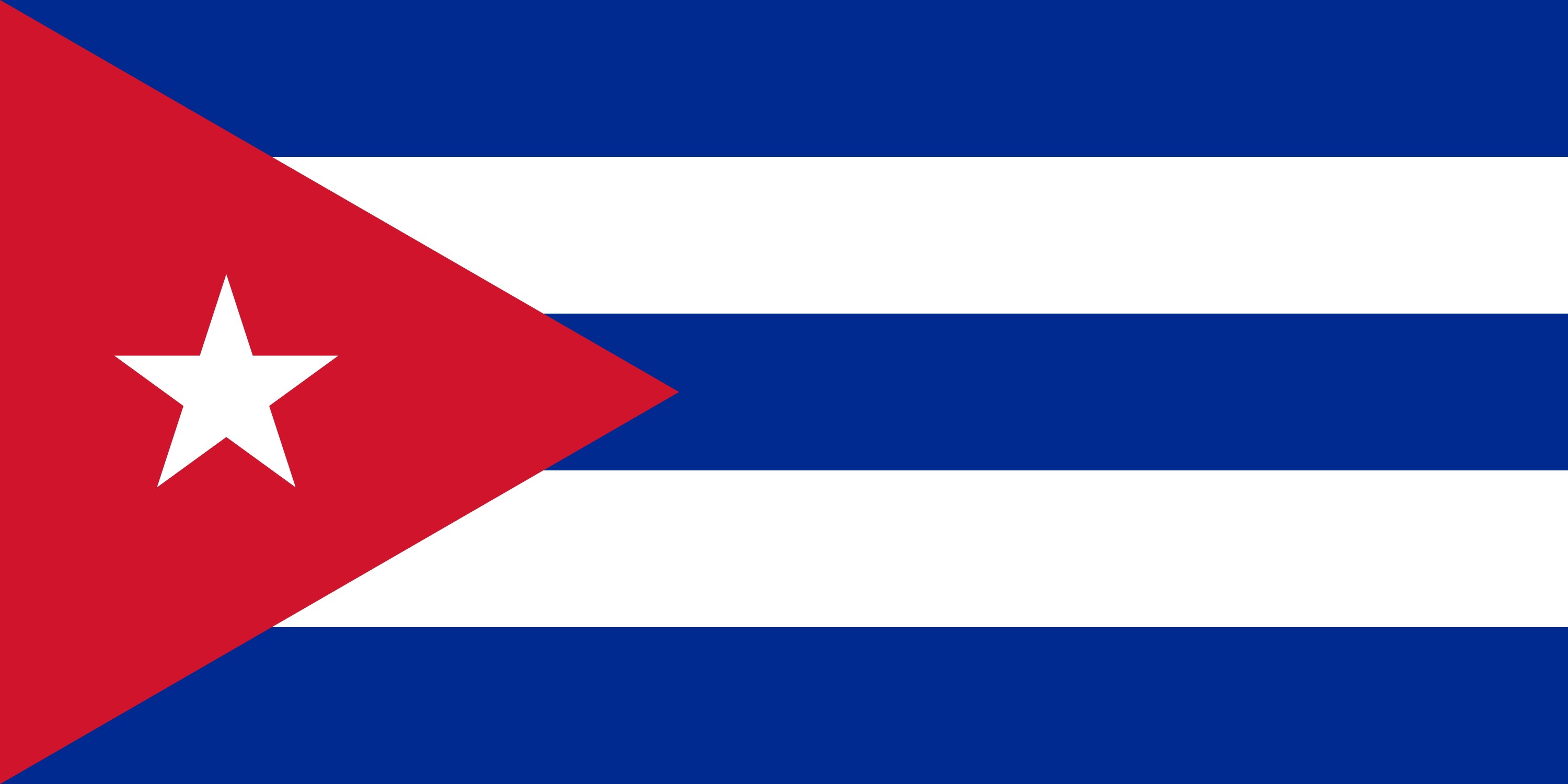
Cuba’s long, busy coastline links ecosystems to jobs in agriculture and tourism. Priorities include improving water quality, reducing erosion and safeguarding nature-based livelihoods.

Dominica
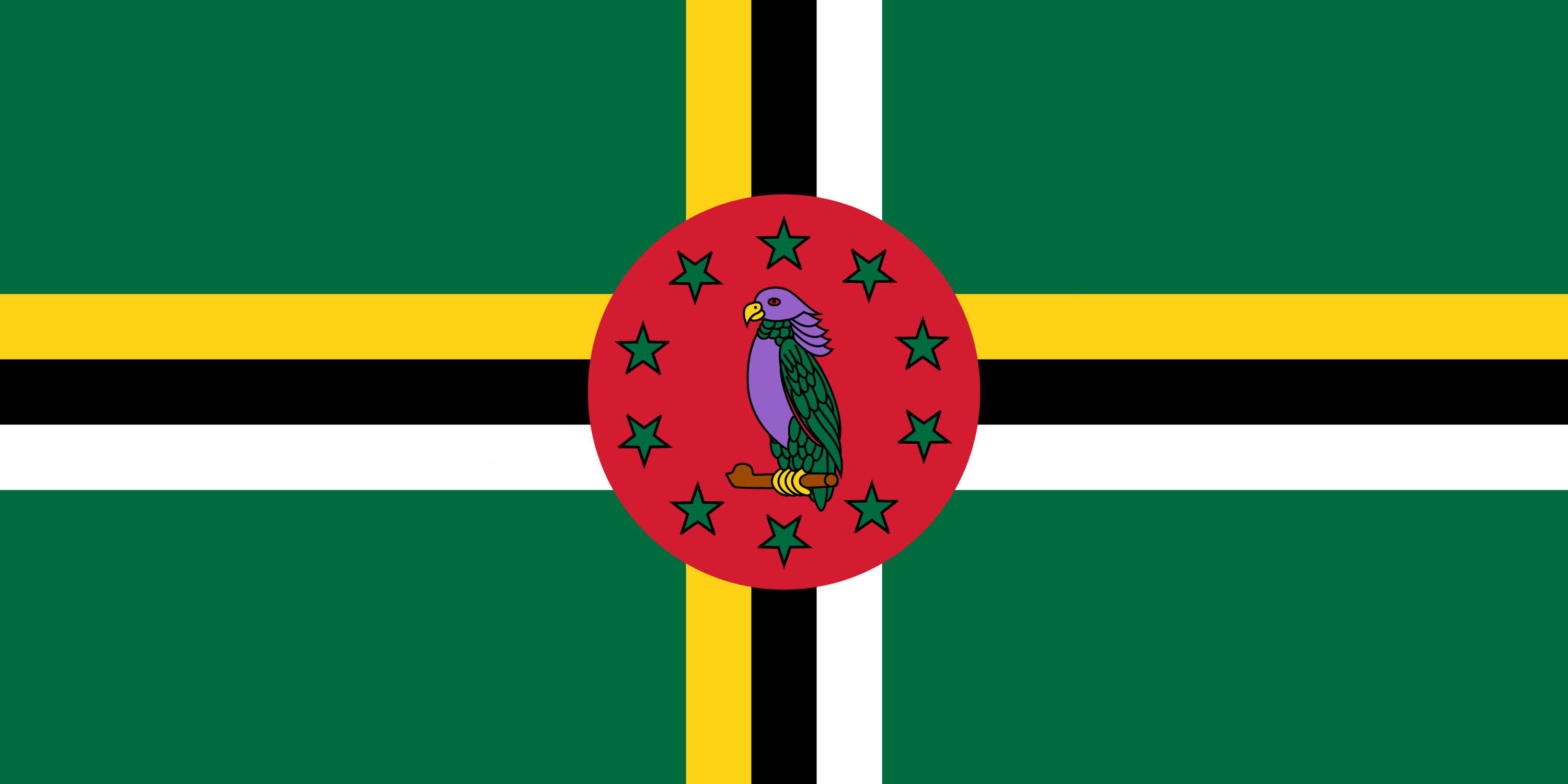
Dominica’s steep watersheds and recent severe storms highlight risks to food, water and health. Country efforts will advance watershed care and nature-based recovery to strengthen resilient livelihoods.

Dominican Republic
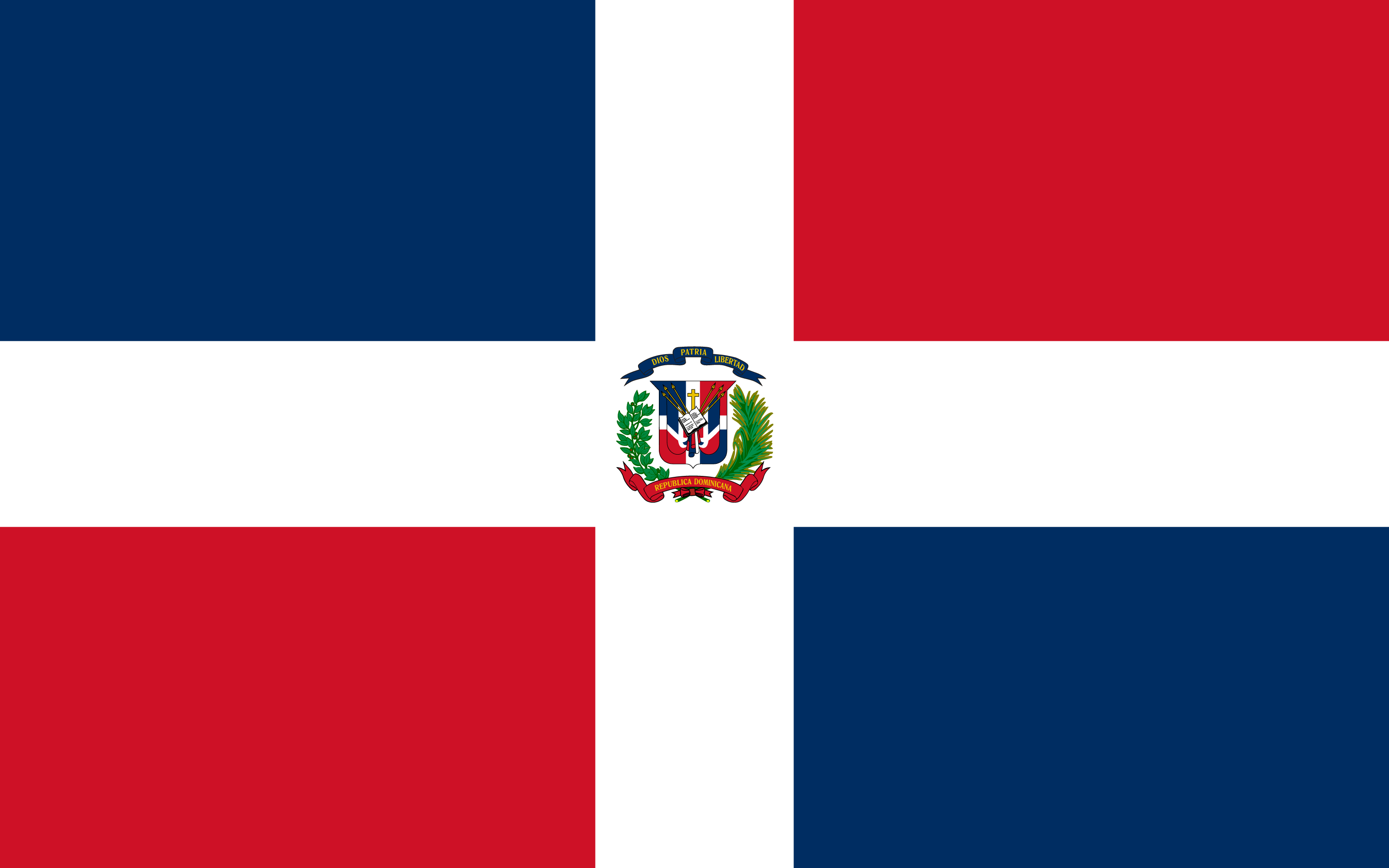
The Dominican Republic’s tourism growth and urban expansion are reshaping coasts and watersheds. Efforts will integrate land and water management to protect reefs, fisheries and reliable supplies.

Grenada
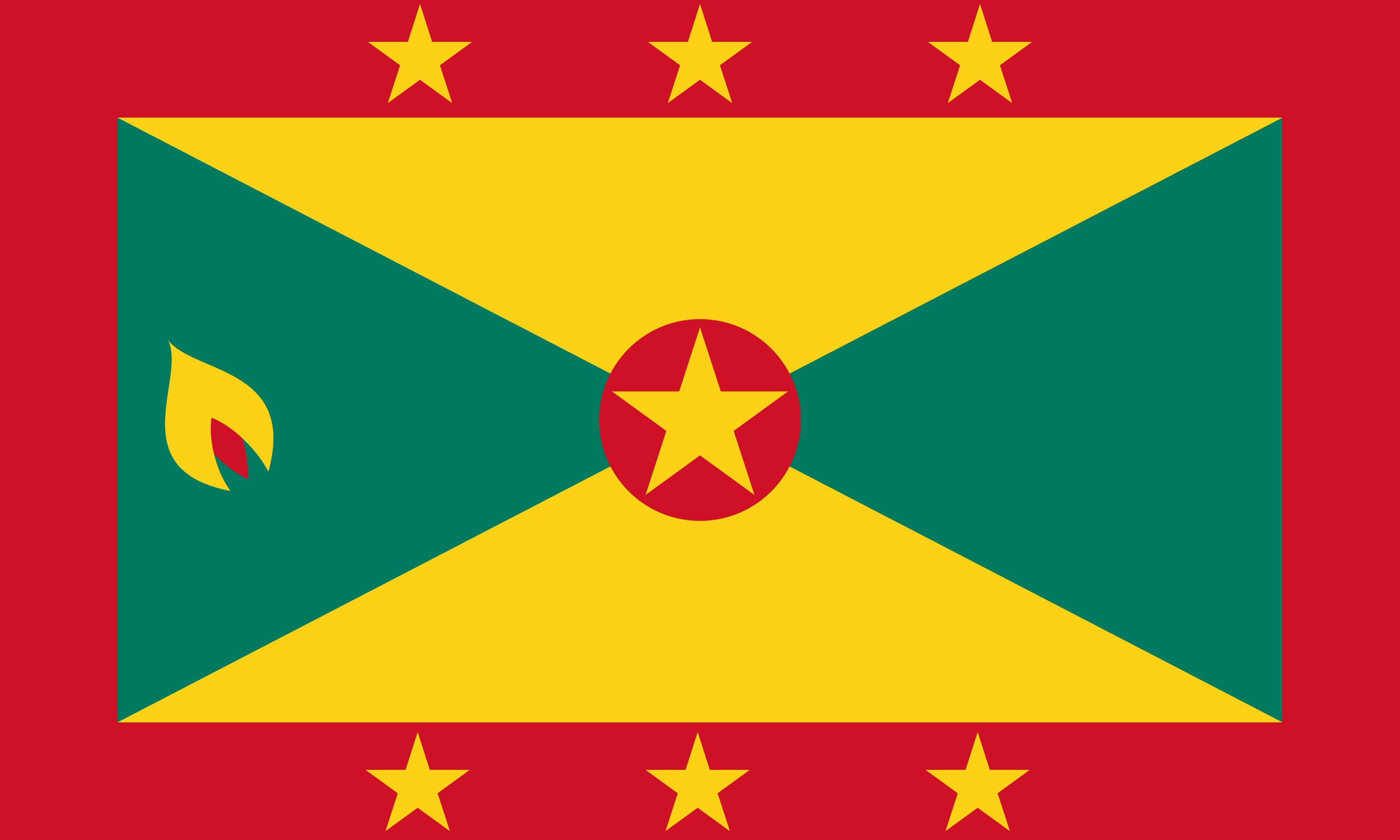
Grenada relies on reefs and near-shore habitats for food and storm protection, yet both face increasing pressure from extreme weather and pollution. Efforts will scale up integrated coastal management alongside local enterprise.

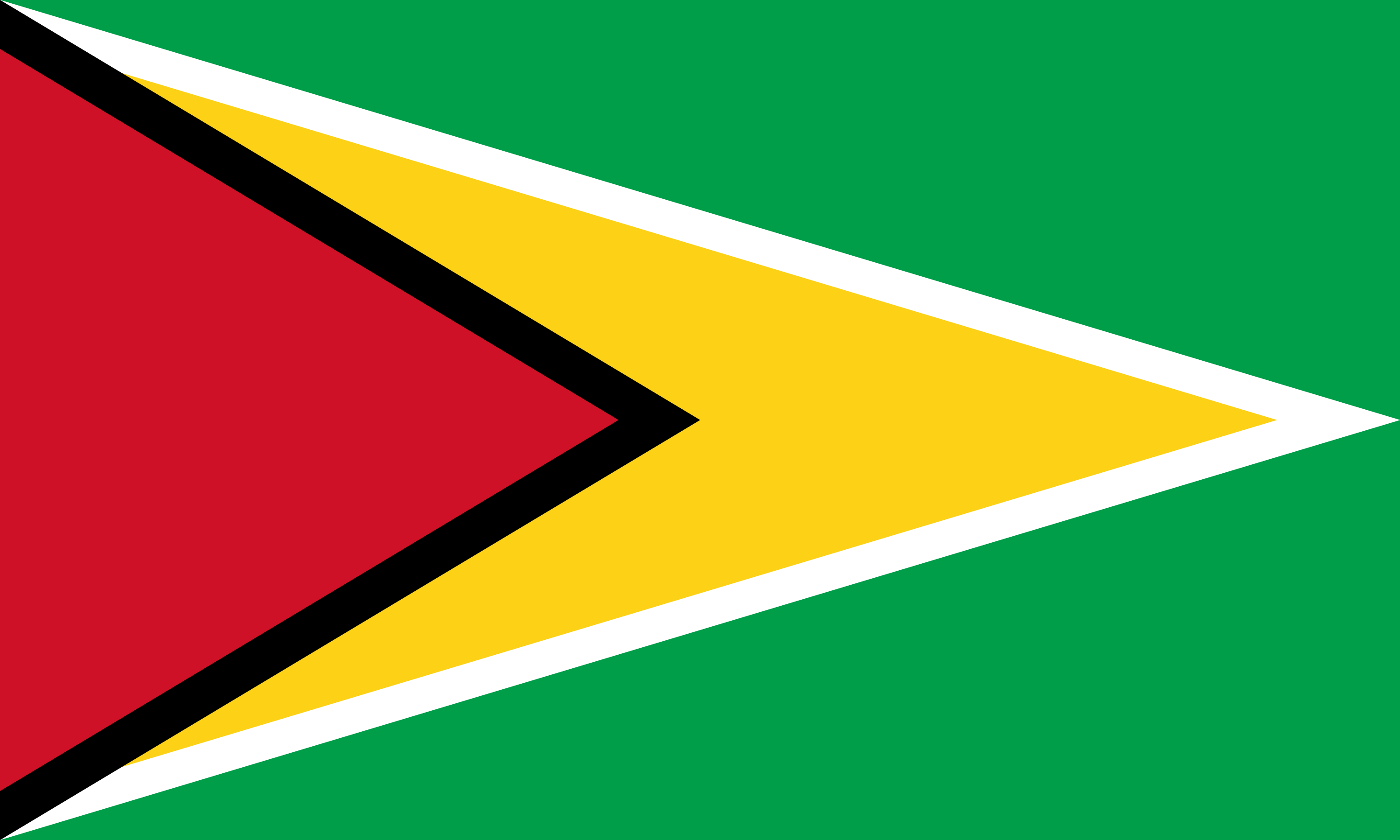
Guyana
In Guyana, vast forests meet low-lying coasts and wide river systems. National efforts will link community livelihoods to sustainable fisheries and stronger flood protection.

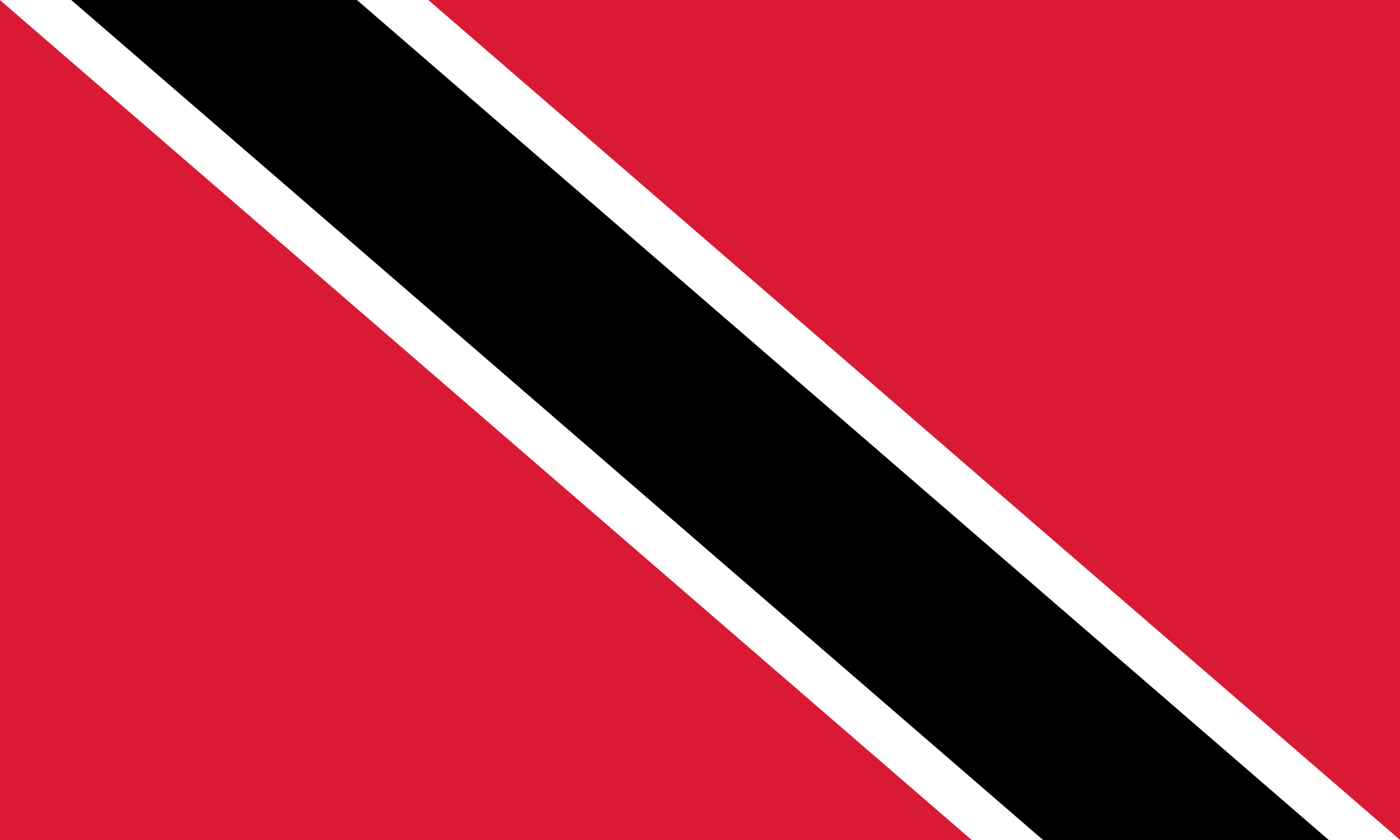
Trinidad and Tobago
Trinidad and Tobago’s bays and wetlands are under strain from urban growth, runoff and flooding. Efforts will include restoring mangroves, cleaning waterways and making heavily used shorelines safer.
Participating countries
The second Caribbean Trialogue engaged stakeholders from seven Caribbean countries. It convened government entities, researchers, Indigenous and local knowledge holders, civil society and private-sector actors working across biodiversity, water, food, health and climate.
Antigua and Barbuda
For Antigua and Barbuda, coastal livelihoods depend on healthy near-shore ecosystems under increasing pressure. The focus will be easing those pressures while backing small businesses and communities.
Cuba
Cuba’s long, busy coastline links ecosystems to jobs in agriculture and tourism. Priorities include improving water quality, reducing erosion and safeguarding nature-based livelihoods.
Dominica
Dominica’s steep watersheds and recent severe storms highlight risks to food, water and health. Country efforts will advance watershed care and nature-based recovery to strengthen resilient livelihoods.
Dominican Republic
The Dominican Republic’s tourism growth and urban expansion are reshaping coasts and watersheds. Efforts will integrate land and water management to protect reefs, fisheries and reliable supplies.
Grenada
Grenada relies on reefs and near-shore habitats for food and storm protection, yet both face increasing pressure from extreme weather and pollution. Efforts will scale up integrated coastal management alongside local enterprise.
Guyana
In Guyana, vast forests meet low-lying coasts and wide river systems. National efforts will link community livelihoods to sustainable fisheries and stronger flood protection.
Trinidad and Tobago
Trinidad and Tobago’s bays and wetlands are under strain from urban growth, runoff and flooding. Efforts will include restoring mangroves, cleaning waterways and making heavily used shorelines safer.




 Built with Shorthand