
Healing Waters and Heritage in Malawi
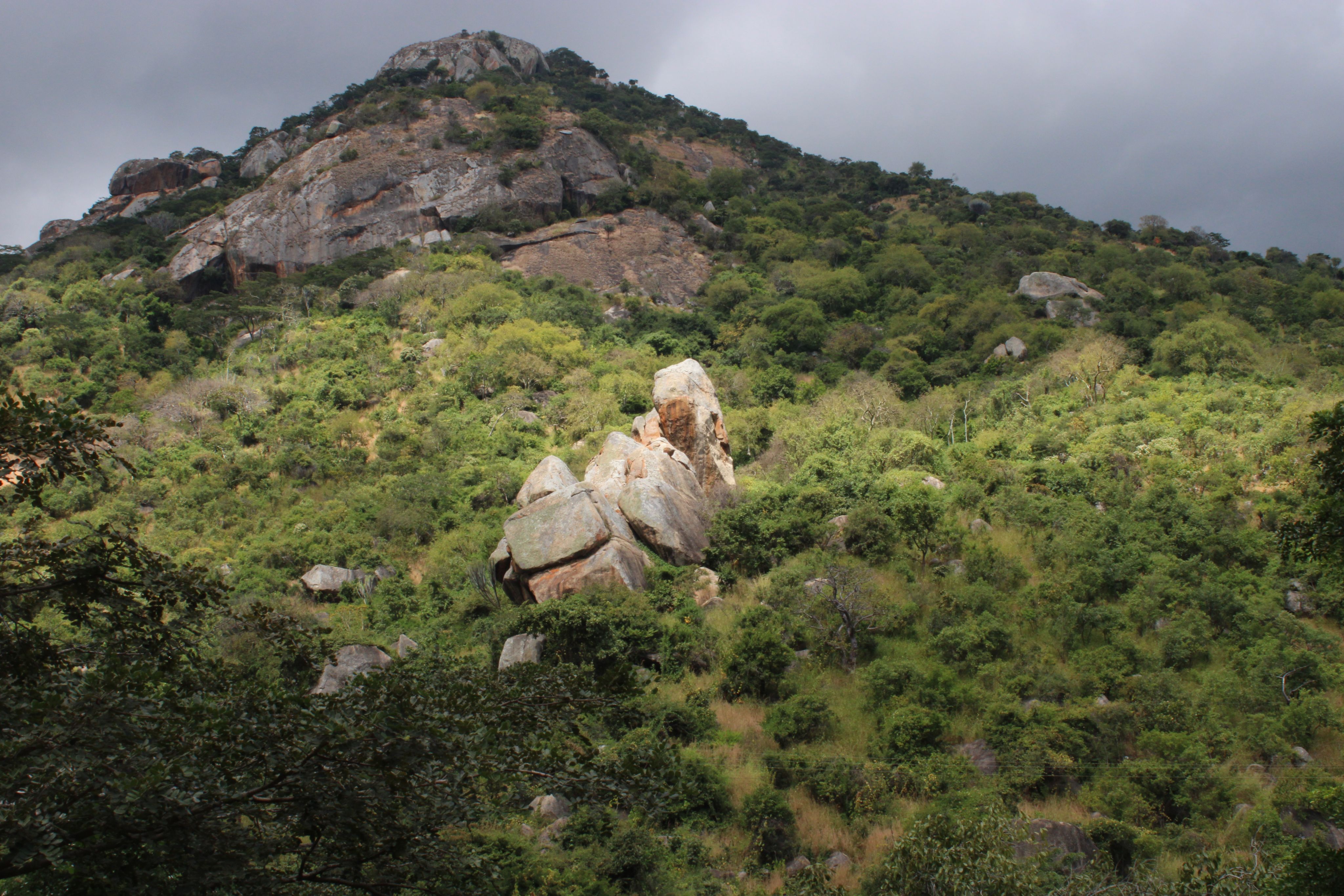

In the heart of Malawi’s Lake Chilwa Basin is the Milola Hot Spring: a place where people live in harmony with nature and listen to their ancestors’ traditions and where spirits are said to listen to those who bathe in its waters.
In Malawi, weaving Indigenous and local knowledge (hereafter ILK) into the National Ecosystem Assessment (hereafter NEA) is enriching the collection and accuracy of data, fostering cultural diversity and understanding, and promoting inclusive decision-making processes. This approach is enabled by the deep-rooted traditional knowledge held by Indigenous Peoples and local communities accumulated over centuries of their close connection with nature. This knowledge is often holistic, encompassing ecological, cultural, and spiritual dimensions and often provides insights complementary to scientific interpretations. Truly listening to its teachings provides an opportunity for diverse perspectives, enabling the formulation of policy and action that are more informed, culturally sensitive, and compatible with local realities and values.


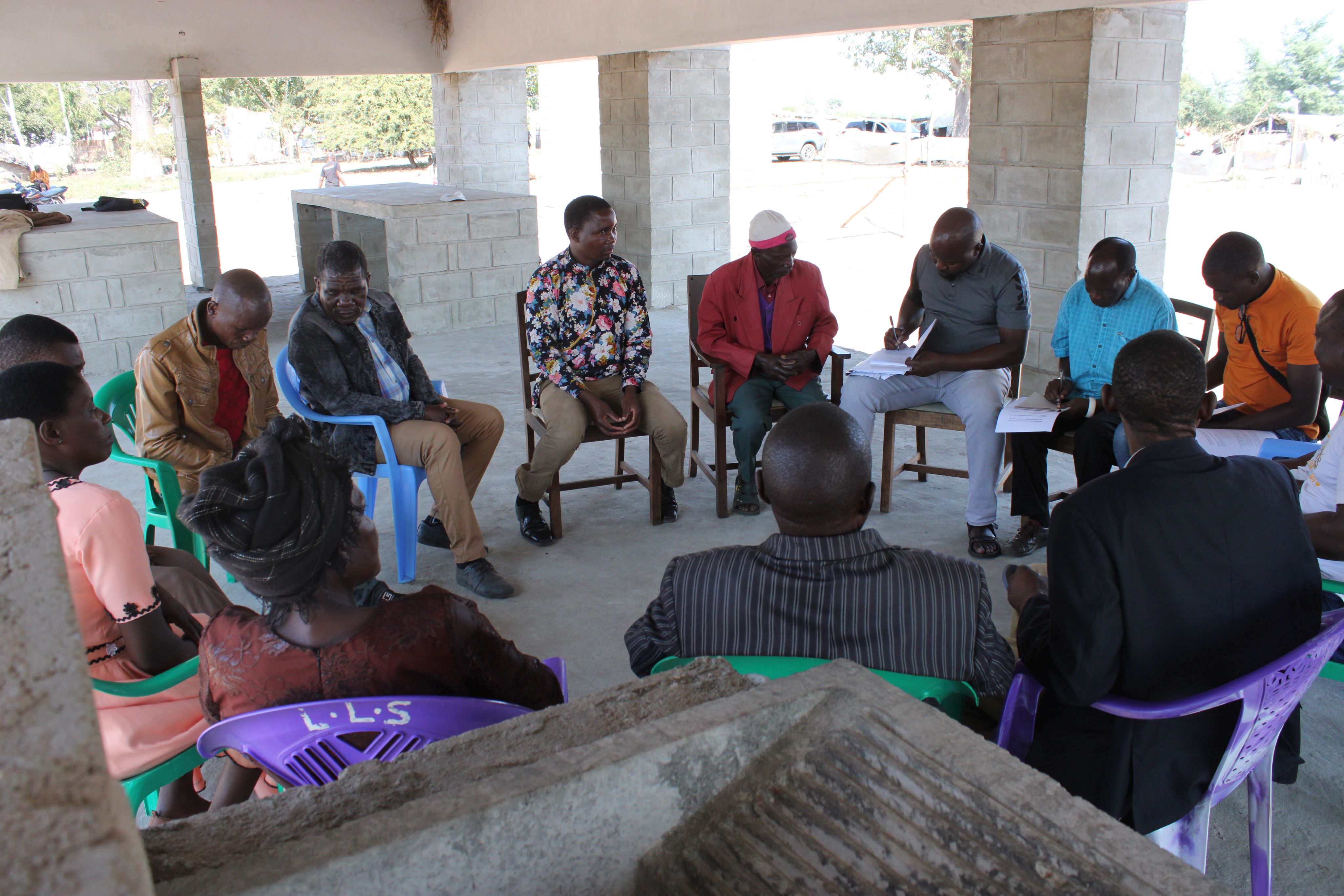
Focus Group Discussion with Lake Chilwa Chiefs | Photo credits: Malawi NEA Team
Focus Group Discussion with Lake Chilwa Chiefs | Photo credits: Malawi NEA Team
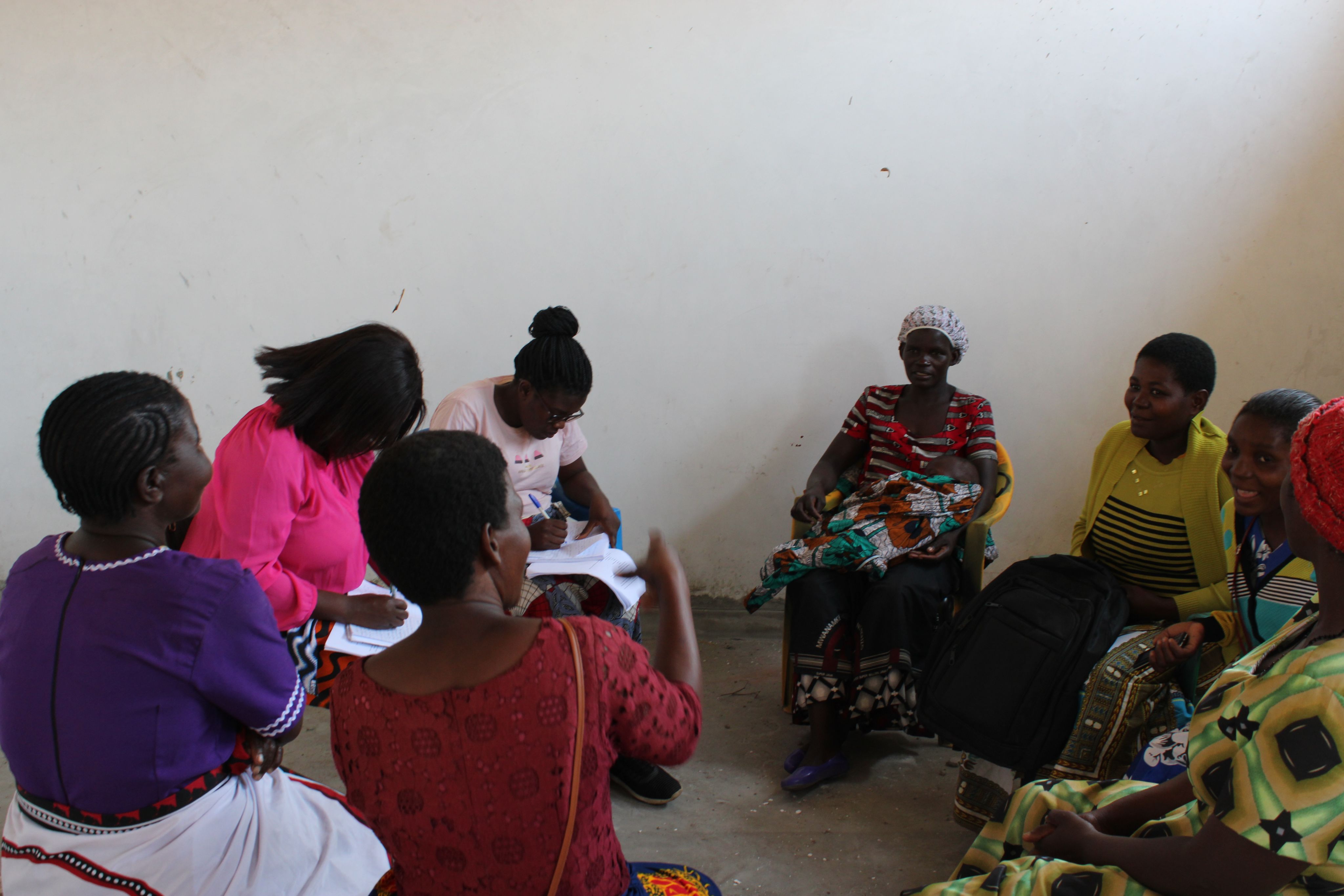
Focus Group Discussion with Lake Chilwa Women | Photo credits: Malawi NEA Team
Focus Group Discussion with Lake Chilwa Women | Photo credits: Malawi NEA Team
Lake Chilwa Basin: The Milola Hot Spring
The Malawi NEA team conducted an ILK data collection activity in the Lake Chilwa UNESCO Biosphere Reserve situated in the Zomba district, in the southern region of Malawi, home to the unique natural resource that is the Milola hot spring.
For more than 5,000 people, Milola is present in all aspects of their life: bathing, agriculture, and spiritual practices connecting them to their ancestors.
Even though the water may appear visually unclean to outsiders, local communities hold strong beliefs in its healing powers and spiritual significance, which have fostered both cultural continuity and biodiversity conservation.
Bathing at Milola follows traditional customs passed down through generations. Women and girls greet the dawn bathing up to 11:30 am, while men and boys take baths in the afternoon hours. This arrangement is rooted in the community’s perception of gender roles, following the rhythm of traditional life, where men are predominantly engaged in fishing activities largely done at night or in the early morning hours.
Despite the hot spring’s popularity, community members do not view the water as susceptible to contamination or as a breeding site for infectious diseases. Instead, the surrounding communities believe that the Milola hot spring is pure, immune to disease and blessed with spiritual and medicinal values.

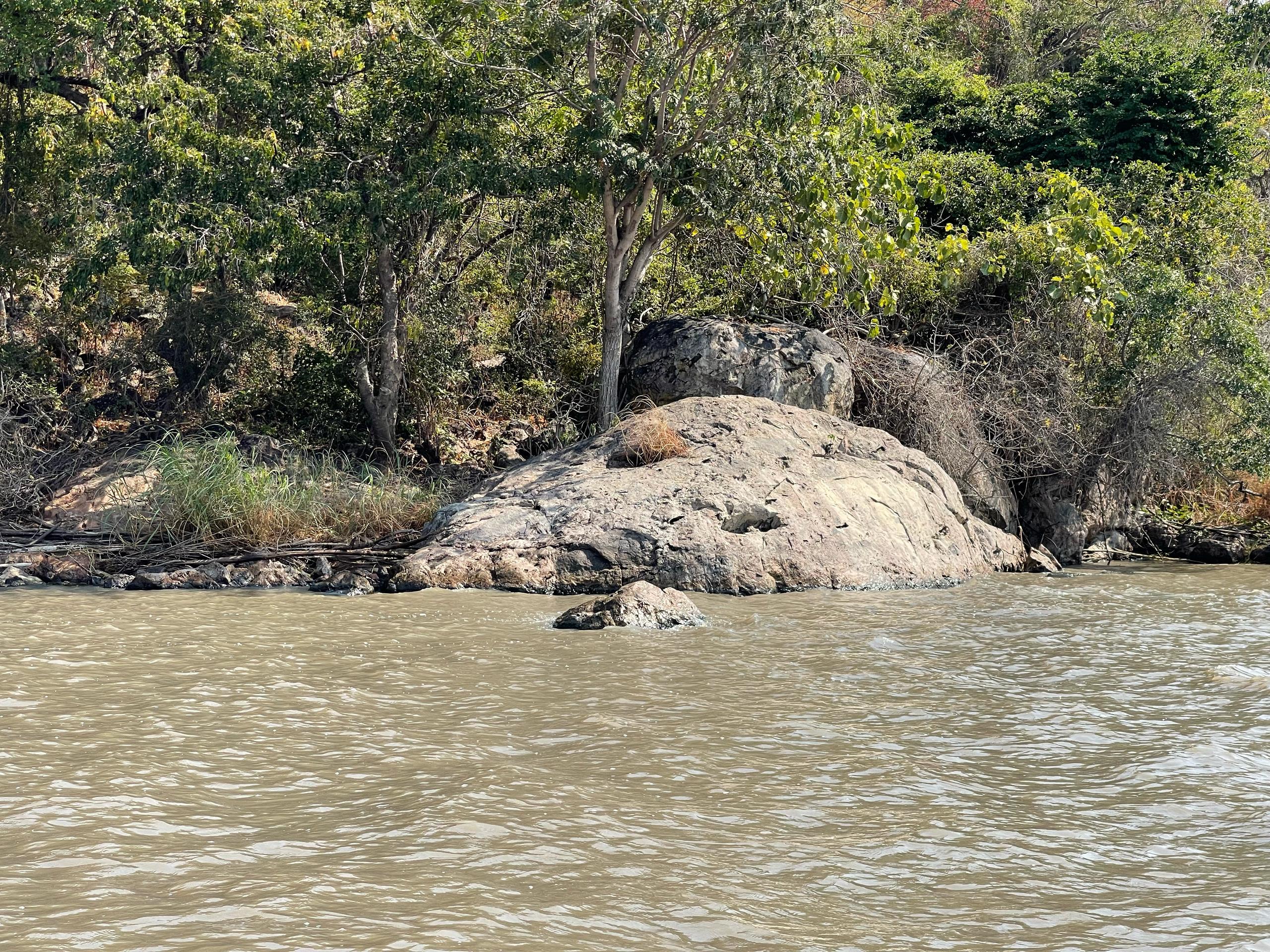
The Spiritual and Medicinal Value of the Milola Hot Spring

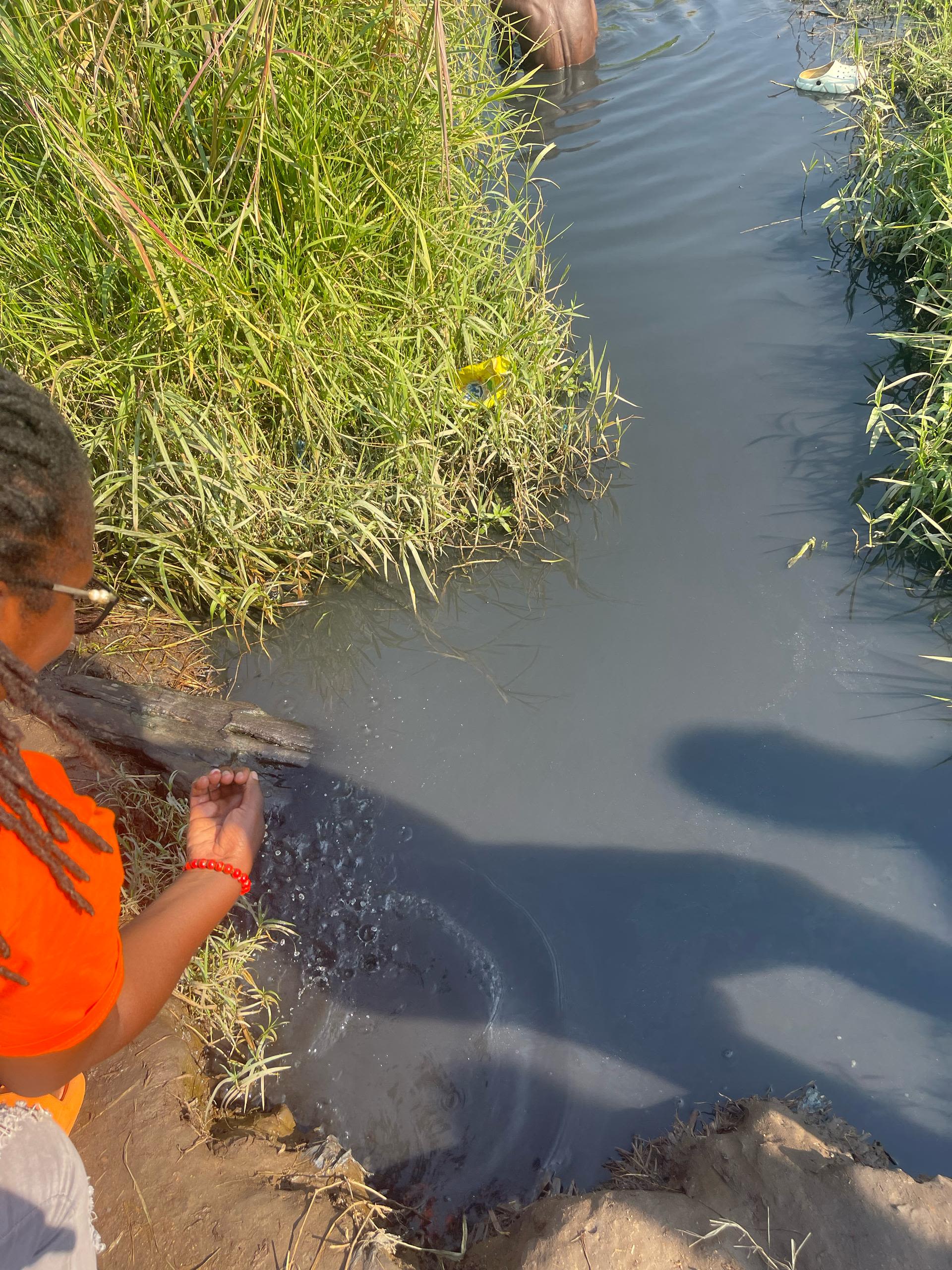
It is said that when someone is sick or has sores or scabies, the hot spring will heal them after bathing. Even illnesses feared for their contagion seem to lose their power here, neutralized by waters said to be spiritually charged with strong healing powers. In honour of these spirits, community members offer sacrifices at the pool, often in the form of coins, to maintain their connection with their ancestors and to show respect.
Beyond its medicinal qualities, Milola is also valued for its spiritual significance and the mystery surrounding it. In the 1970s stories began to be told of strange things happening at the Milola hot spring. Mysterious whitewashed linen was said to appear around the hot spring, but no one would trace the owner of the linen. People would meet harmless snakes while bathing, which they did not fear. One of the most significant beliefs is the appearance of a huge serpent thought to be an ancestral spirit that comes from the hot spring ascending uphill during the night. When the water runs too hot at midday, people simply speak to the spring, asking the ancestors to cool it, and the temperature drops. When the water feels too cool, a few words are enough to warm it again. To the community, these mysterious responses are proof that the spirits of the hot spring are listening.
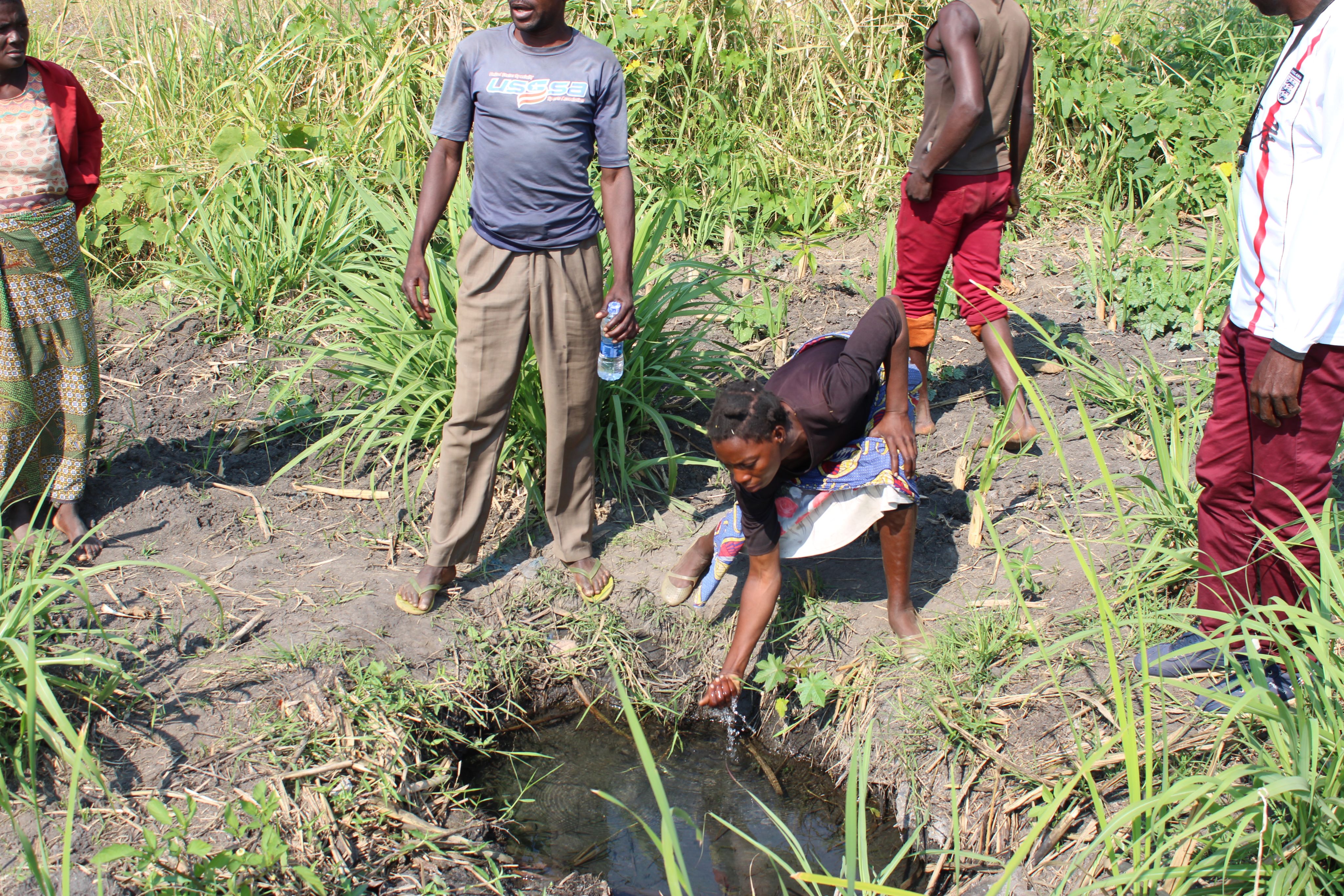
Lake Chilwa community members telling stories about the Milola Hot Spring | Photo credits: Malawi NEA Team
Lake Chilwa community members telling stories about the Milola Hot Spring | Photo credits: Malawi NEA Team
The cultural significance and beliefs of Milola extends to local biodiversity conservation. Although the pool also harbours catfish, surrounding communities do not eat this fish as they believe them to be ancestral. Belief in ancestral spirits has inspired the protection of snakes and fish life in surrounding communities, as harming them would be seen as a deep disrespect to their spiritual heritage.
The sacredness of Milola flows from generation to generation, as young children learn the stories and customs of the spring while bathing beside their elders. This shared practice reflects the continuation of values, beliefs and traditions tied to the site. Education visits by surrounding schools and storytelling between elders and youth ensure that the spiritual values and knowledge systems of Milola are passed down, keeping its cultural and spiritual value alive.
Cultural and Ecological Nexus

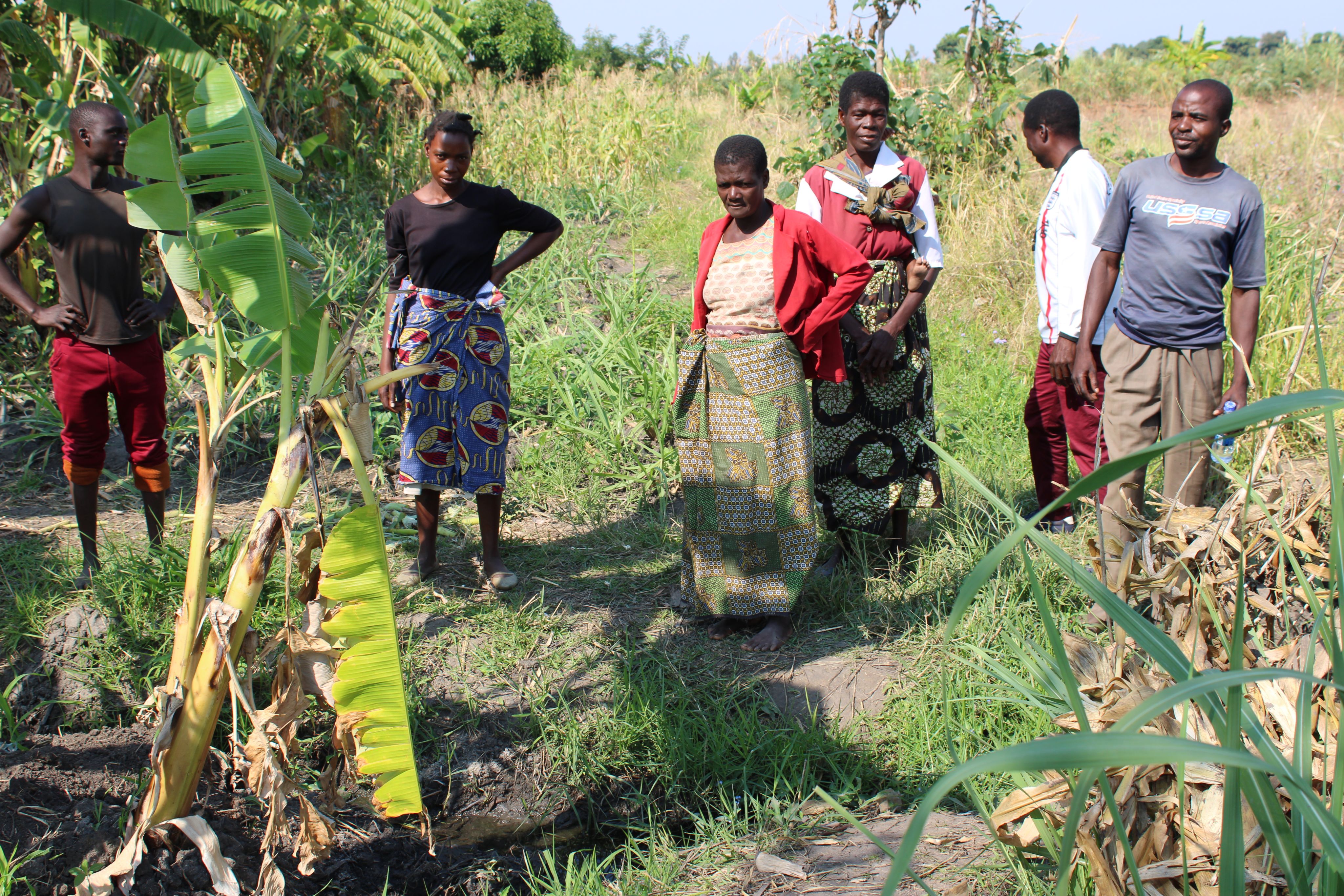
Beyond its cultural and spiritual roles, the Milola hot spring is also an invaluable agricultural resource, serving as a reservoir for water used for crop irrigation which makes its surroundings evergreen. Local Communities at Milola plant crops like maize, Irish potatoes, tomatoes, vegetables or bananas throughout the year using irrigation as the hot spring never dries up. The surplus is then sold to cover daily expenses besides depending on the same harvest for food.
To the people who live near it, the Milola Hot Spring is a part of their identity. More than a water source, it is a place of cultural heritage, ecological stewardship, and community resilience. From healing properties, spiritual significance to agricultural value, this hot spring holds multiple values for a community that thrives by living in harmony with the natural ecosystems. Because it’s deeply respected and cared for by the local community, Milola continues to flourish as a symbol of sustainable living, demonstrating how deep-rooted beliefs can harmoniously support both biodiversity conservation and cultural preservation.

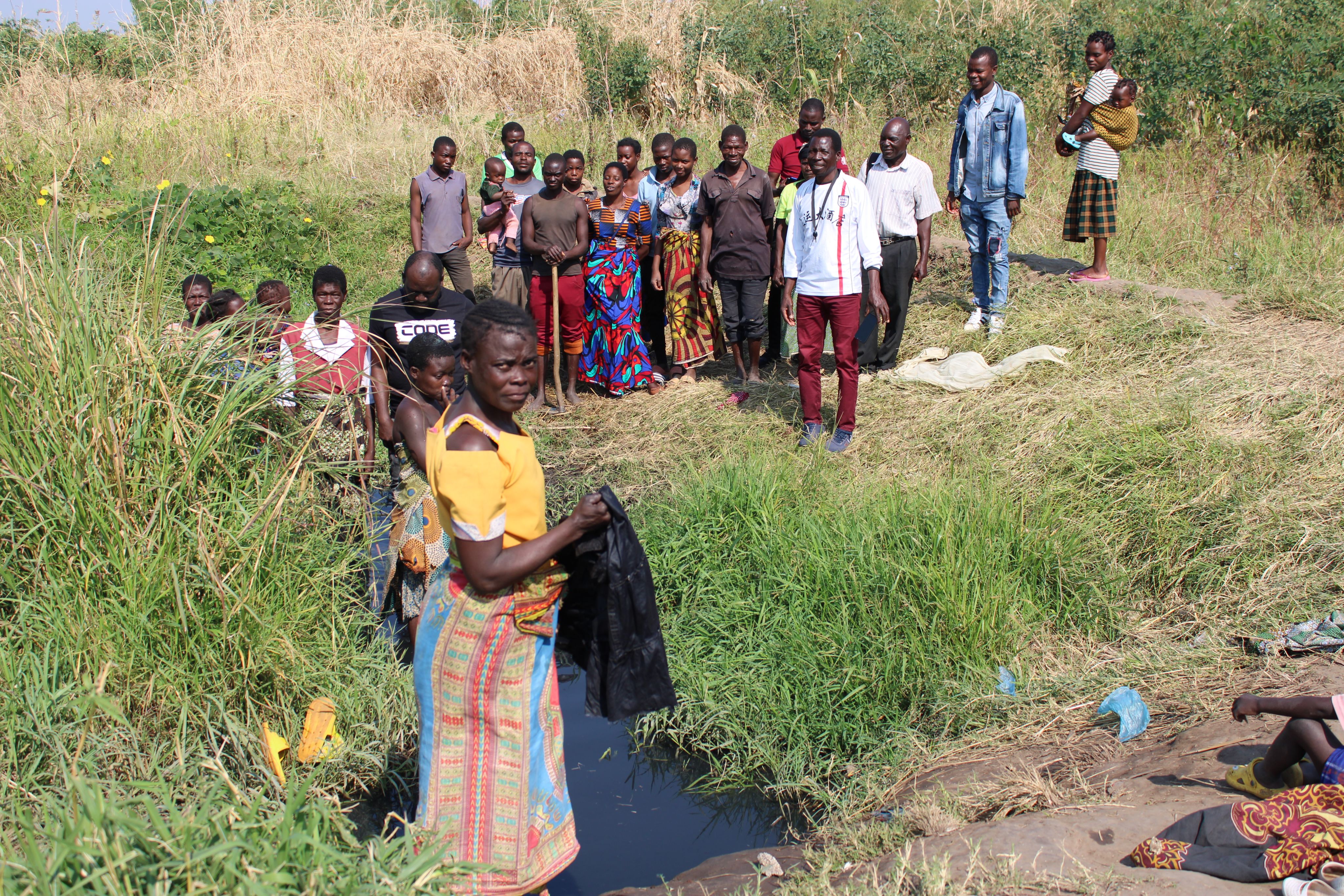
Lake Chilwa community members washing in the Milola Hot Spring | Photo credits: Malawi NEA Team
Lake Chilwa community members washing in the Milola Hot Spring | Photo credits: Malawi NEA Team
 Built with Shorthand