Namibia faces pressing development challenges, including biodiversity loss, habitat degradation and the spread of invasive alien species (IAS). The threats posed by IAS accelerate land degradation and biodiversity loss, particularly in arid and semi-arid regions, which make up 90% of the country’s land. Pervasive IAS such as Prosopis juliflora have compounded water scarcity through the depletion of groundwater. In this context, urgent action is needed to strengthen enforcement and institutional coordination to ensure effective IAS response and to empower local communities to monitor and control IAS while sustainably utilizing native wild species.
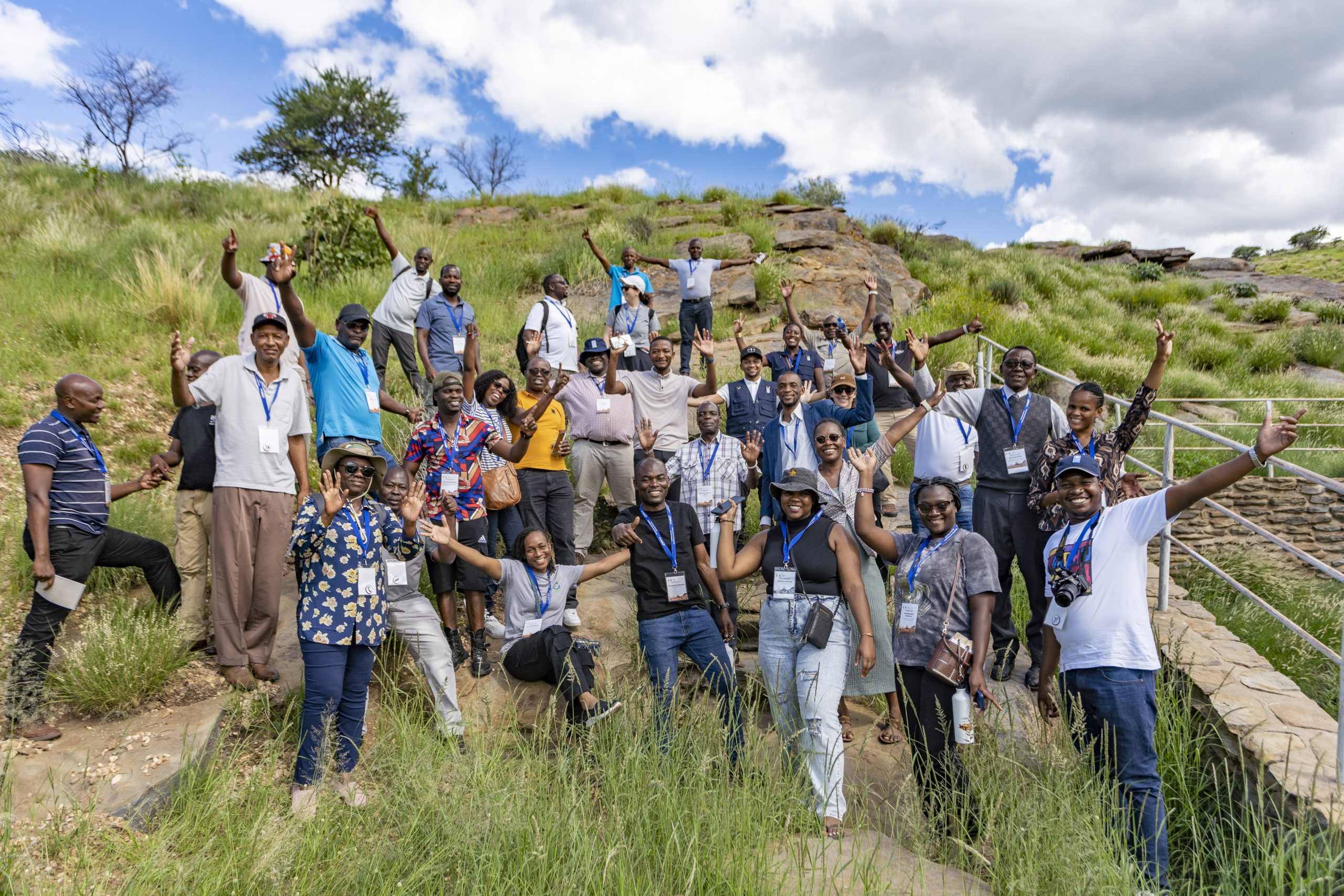
- With strong commitment to minimizing threats to biodiversity in Namibia and ensuring the sustainable management of its biodiversity and use of wild species, the country, through the Ministry of Environment, Forestry and Tourism, hosted the BES-Net Regional Trialogue for East and Southern Africa in Windhoek on 18–20 February 2025, bringing together diverse stakeholders from Botswana, Malawi, Namibia, Tanzania, Uganda and Zimbabwe. The Trialogue aimed at raising awareness of the key messages of the two IPBES thematic assessment reports on the Sustainable Use of Wild Species (2022) and Invasive Alien Species and their Control (2023) and promote integrated solutions across the policy, science and practice sectors, informed by the latest IPBES Nexus Assessment and supporting the uptake of the relevant recommendations from the reports in line with the Global Biodiversity Framework.
- To support in the implementation of priority actions identified during the Trialogue and formulated into an action plan, Namibia is receiving BES-Net’s catalytic seed fund support, the BES Solution Fund, from Q2 of 2025. The country’s workplan aims to (1) strengthen and operationalize the national biodiversity platform, (2) enhance evidence-based management of IAS, (3) enhance community livelihood and local economies through the sustainable use of biodiversity resources, (4) restore ecosystems and strengthen biodiversity governance at the local level and (5) integrate Indigenous and local knowledge and practices into biodiversity management.
The initiative will catalyse national action for biodiversity conservation, strengthen institutional capacity and promote inclusive, integrated governance.
Start of BES Solution Fund implementation period: 1 September 2025
Implementing Agency: UNDP Namibia
Government Partner: Ministry of Environment, Forestry and Tourism