



National Ecosystem Assessments

National ecosystem assessments synthesize critical knowledge on biodiversity and ecosystem services to empower the full consideration of nature’s values in decision-making.

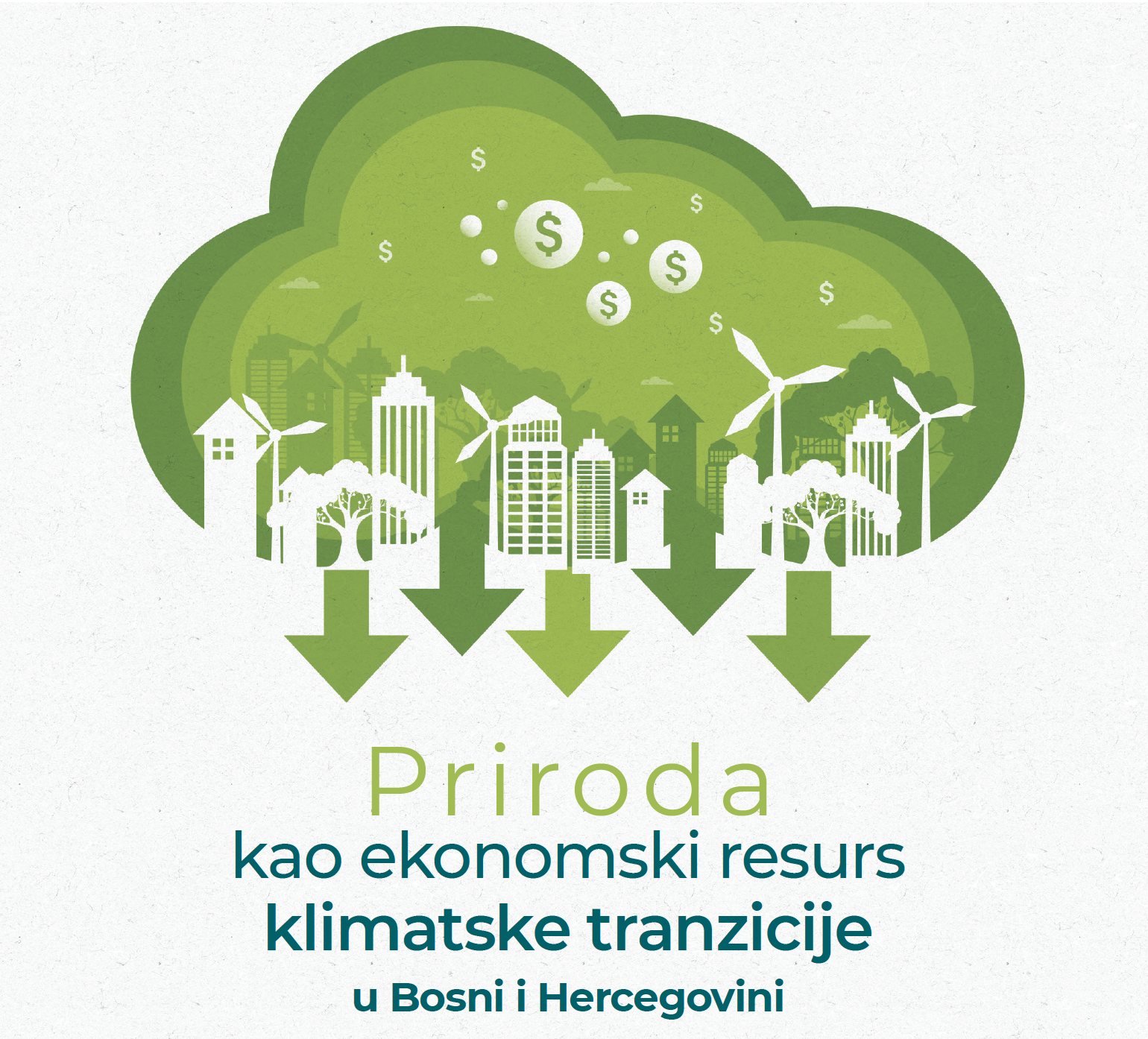
Image courtesy of the NEA Initiative

A national ecosystem assessment is a nationally driven process that culminates in the development of an up-to-date, comprehensive synthesis of knowledge on biodiversity and ecosystem services. Each assessment is contextualized to suit national needs and to respond to specific policy questions.

National ecosystem assessments provide an evidence-based overview of the state of biodiversity, the key drivers of change and the implications for people who depend on nature. Using a Multiple Evidence Base approach, they enable governments to make informed decisions that achieve positive outcomes for biodiversity and society, including climate change mitigation and adaptation and disaster risk reduction.

National ecosystem assessments adopt a whole-of-society approach, engaging diverse stakeholders across sectors and levels of governance to:

  • Build a knowledge base on the status and trends of biodiversity and ecosystem services
  • Highlight the value and effectiveness of different policy options
  • Identify knowledge gaps and capacity-building needs
  • Foster collaboration and engagement between actors and knowledge holders
  • Strengthen the science-policy-practice interface at the country level
  • Bolster national capacities to engage with multilateral environmental processes
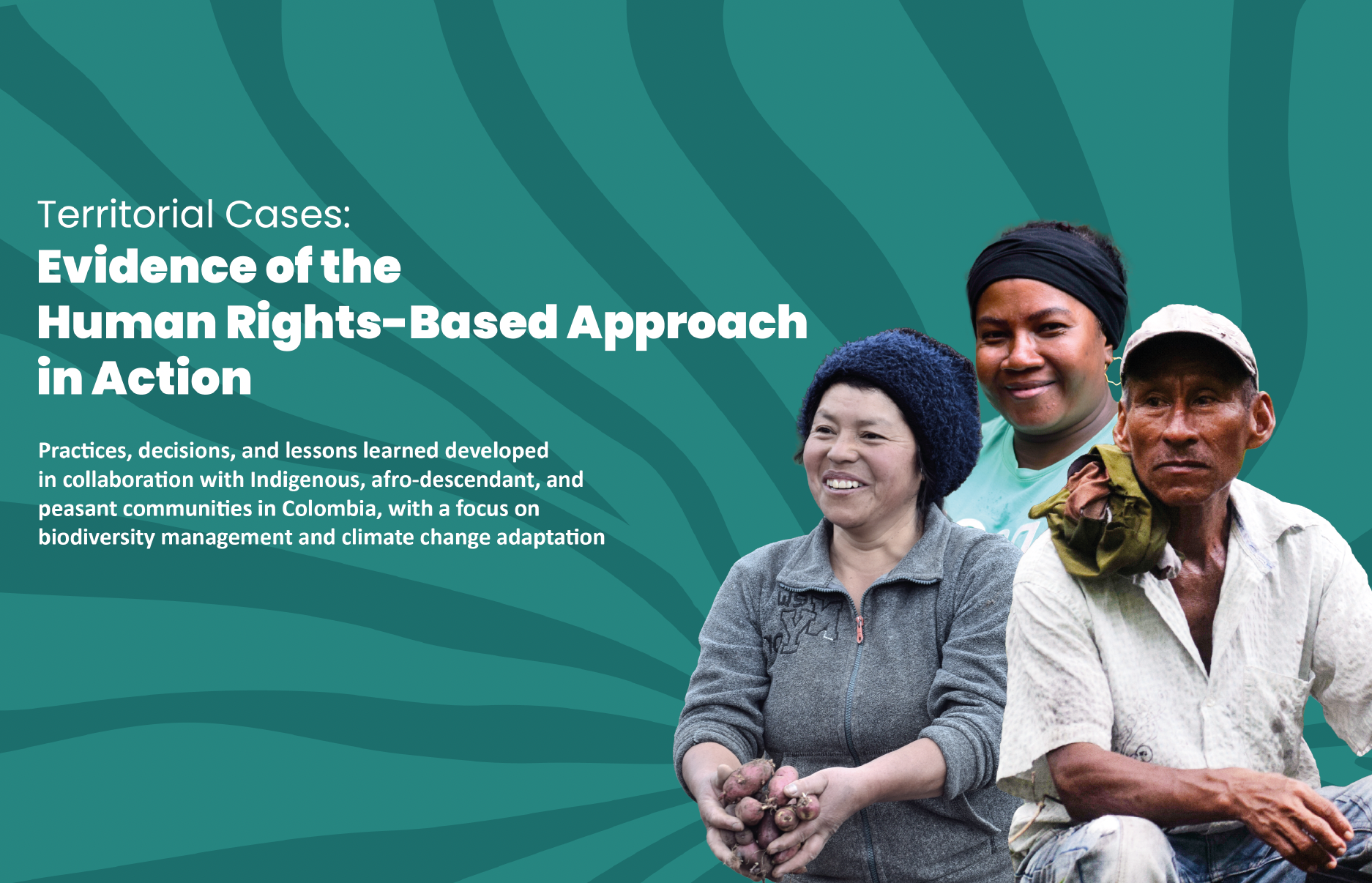
Image courtesy of the NEA Initiative

The National Ecosystem Assessment Initiative

UNEP-WCMC’s National Ecosystem Assessment Initiative, in partnership with UNDP and UNESCO through BES-Net, supports countries to tailor the process developed by the Intergovernmental Science-Policy Platform on Biodiversity and Ecosystem Services to carry out their own assessments. Working alongside national teams across the full process, from scoping the assessment to disseminating and using its findings, the Initiative offers:

  • Capacity development and knowledge exchange workshops
  • Sharing of lessons learned and best practices between countries
  • Dedicated one-to-one technical support
  • Connections to a global network of practitioners and experts
  • Communications support
  • Guidance for the inclusion of Indigenous and local knowledge
  • Guidance on gender and other human rights considerations
  • Outreach tools and activities, including webinars, toolkits and case studies
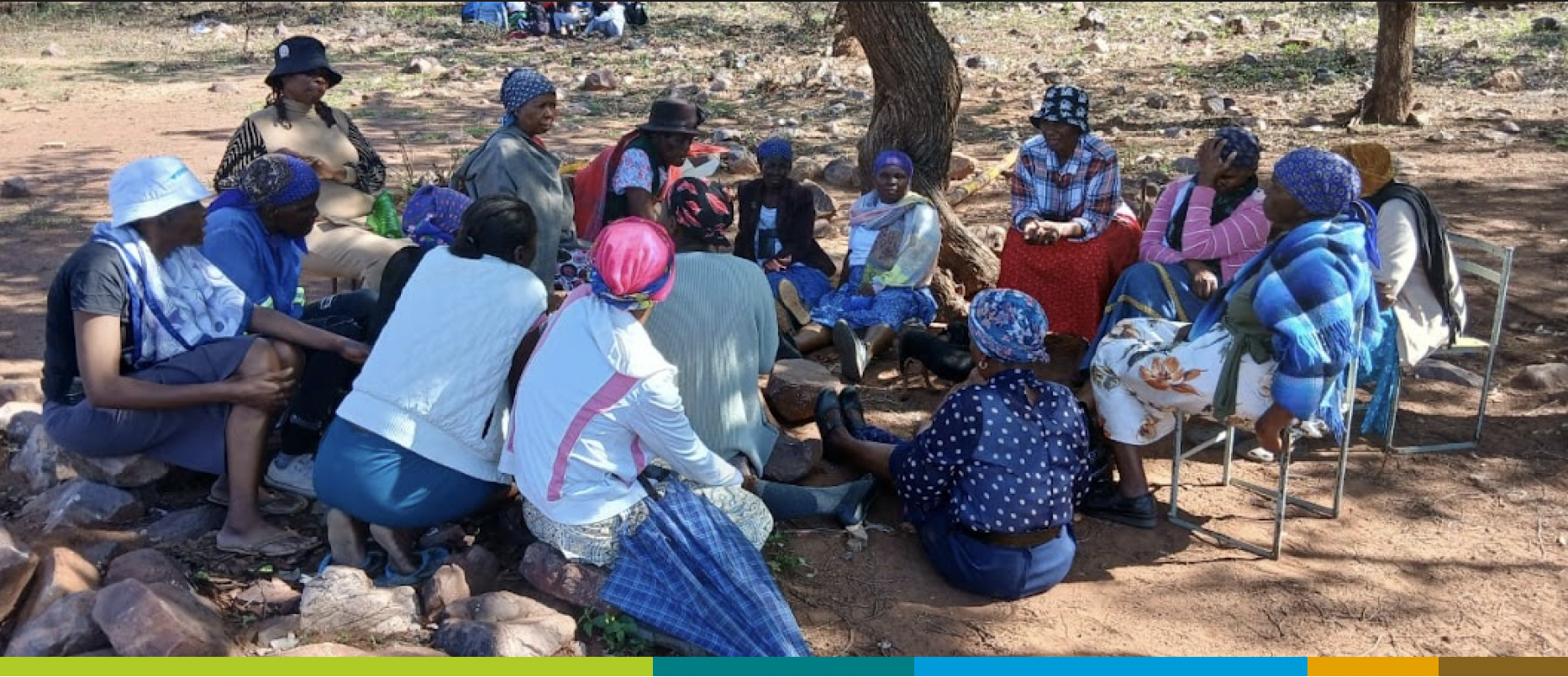
Image courtesy of the NEA Initiative

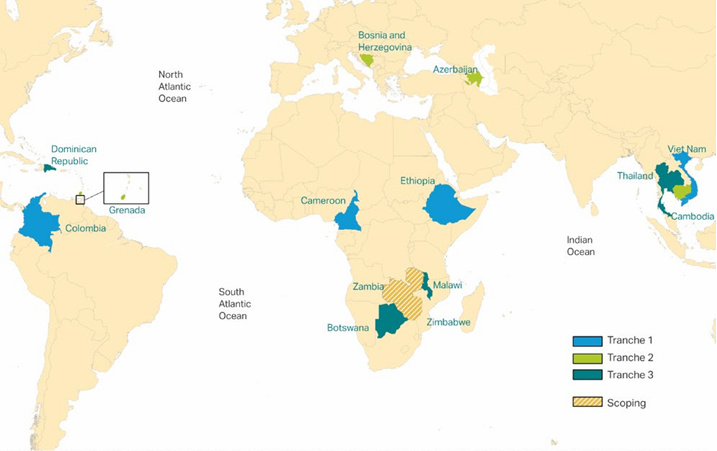
Countries Supported

Tranche I: Cameroon, Colombia, Ethiopia, Viet Nam

Tranche II: Azerbaijan, Bosnia and Herzegovina, Cambodia, Grenada

Tranche III: Botswana, Dominican Republic, Malawi, Thailand

Scoping completed: Zambia, Zimbabwe

Assessments approved
Experts
Indigenous and local knowledge holders

Assessments by Country

Explore national ecosystem assessments by country.

Azerbaijan

Bosnia and Herzegovina

Botswana

Cambodia

Cameroon

Colombia

Dominican Republic

Ethiopia

Grenada

Malawi

Thailand

Viet Nam

Resources