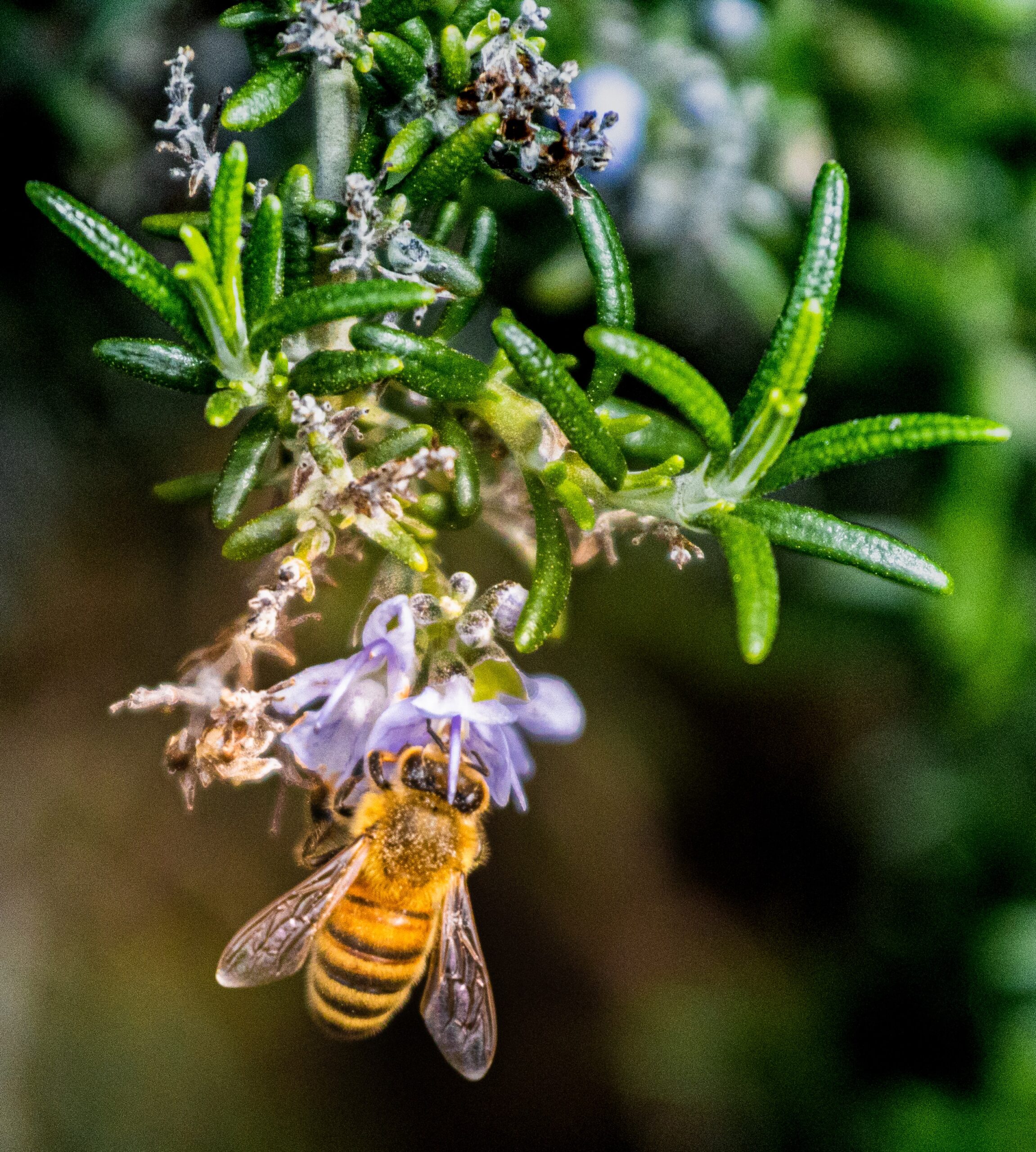
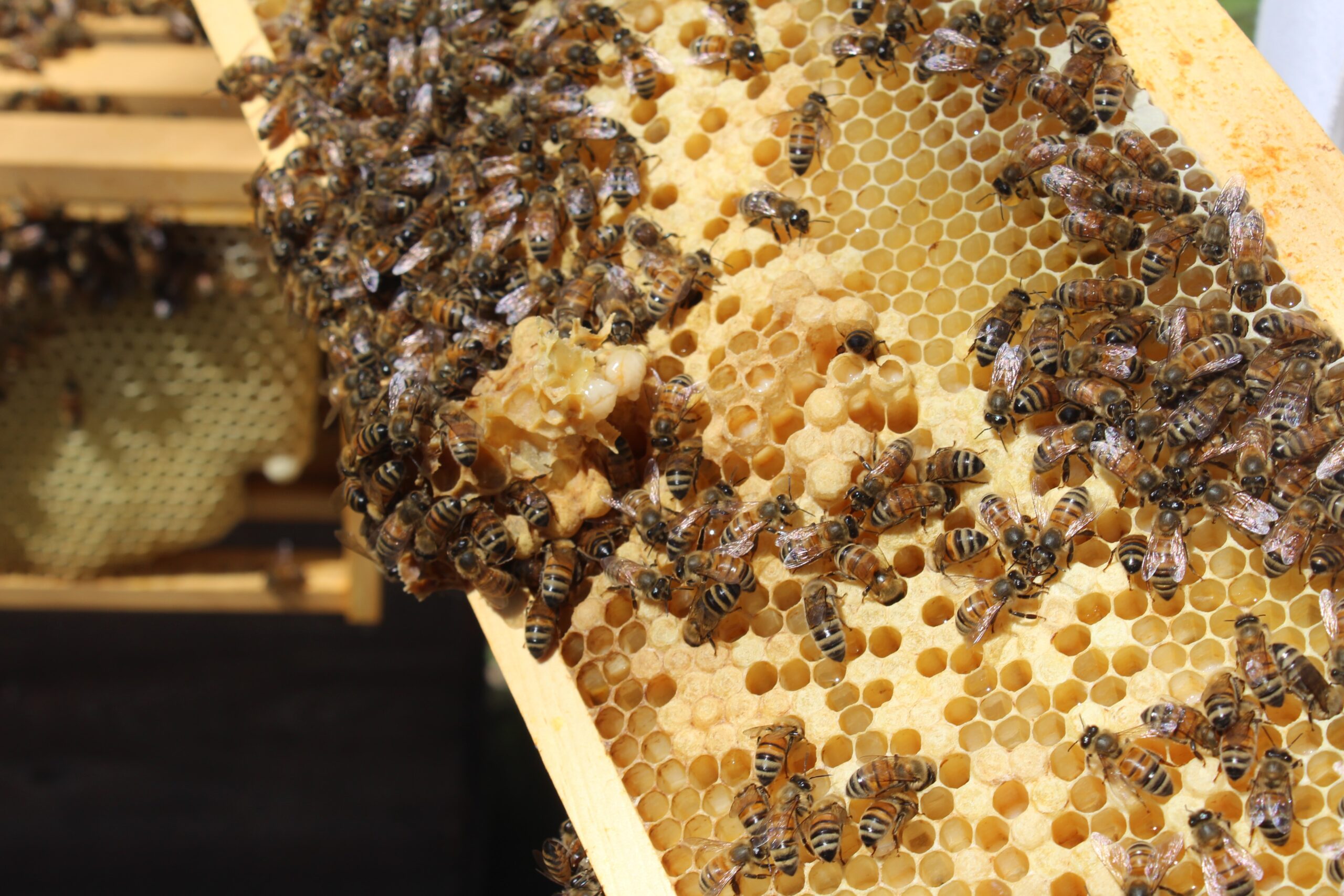
Bee engaged – Build back better for bees We depend on bees and other pollinators for our existence. T...
Building sustainable finance for resilient protected and conserved areas: Lessons from COVID-19 There is widespread concern that funding for protected and c...
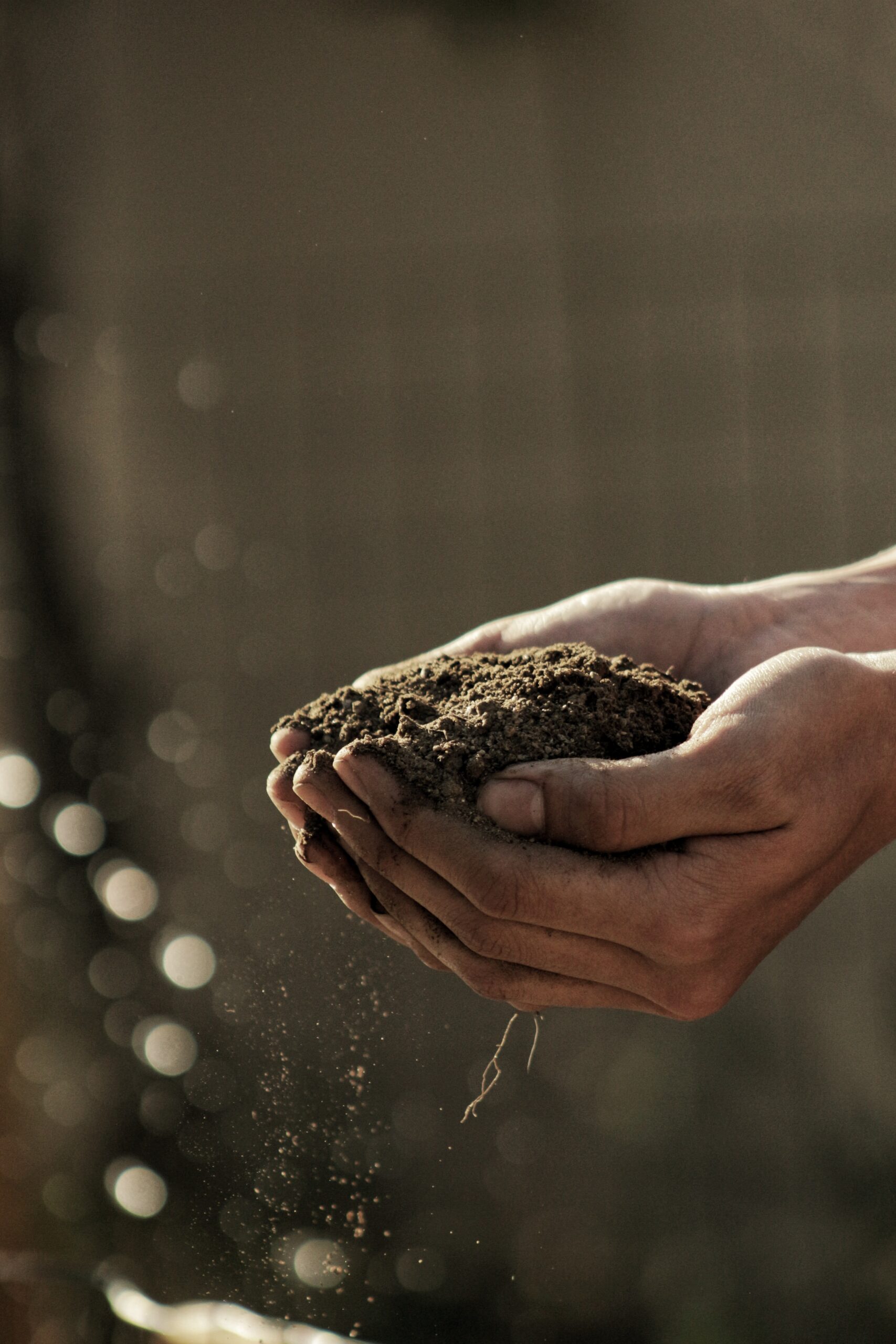
Soil diversity (Pedodiversity) and ecosystem services Soil ecosystem services (ES) (e.g., provisioning, regulation...
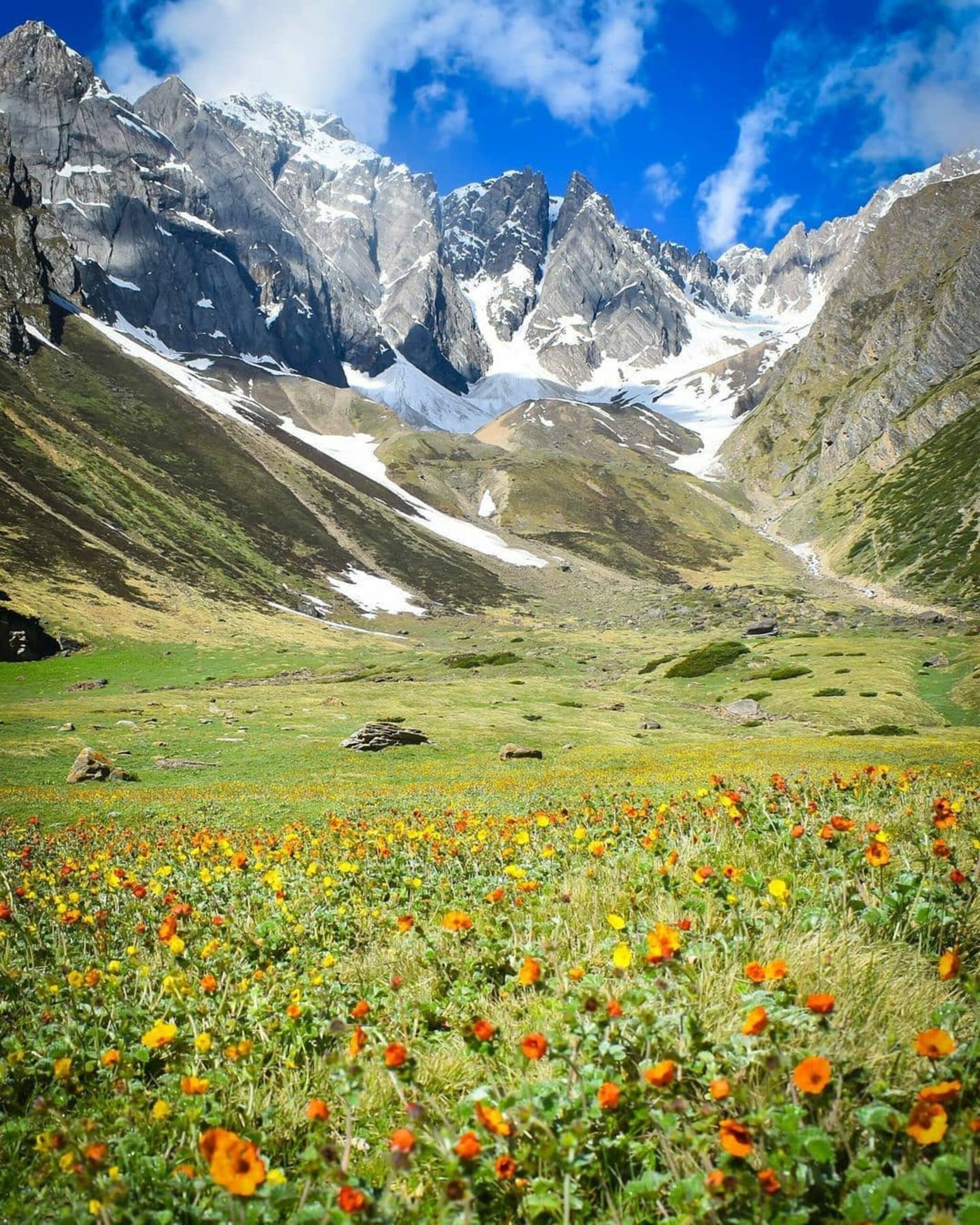
Pastoralism in the highest peaks: Role of the traditional grazing systems in maintaining biodiversity and ecosystem function in the alpine Himalaya Rangelands cover around half of the planet’s landmass and ...
Biodiversity and ecosystem functioning in soil: The dark side of nature and the bright side of life Darwin not only revealed the origin of species in the evolut...
Extreme species density of bees (Apiformes, Hymenoptera) in the warm deserts of North America Despite the long intertwined evolutionary histories of bees ...
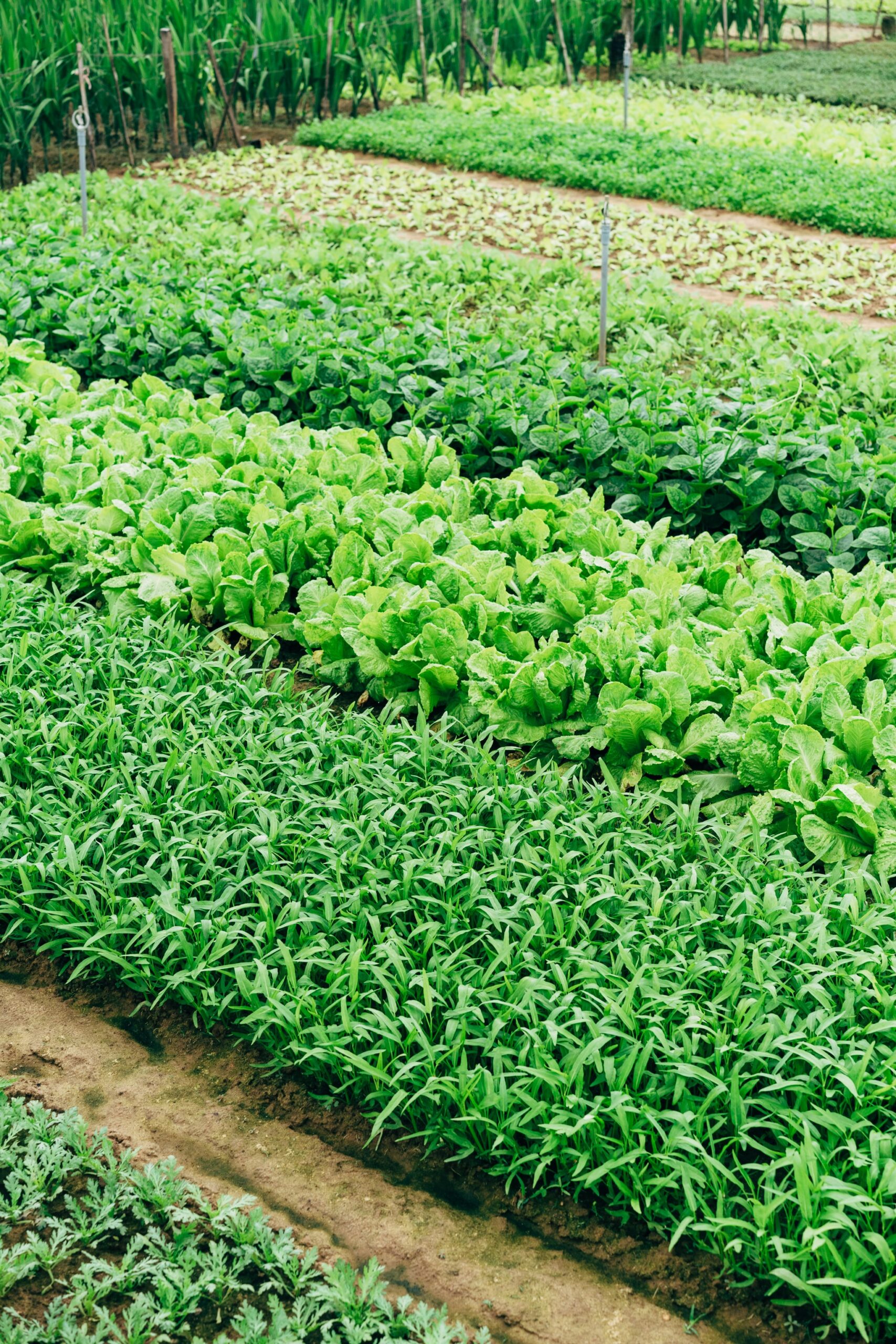
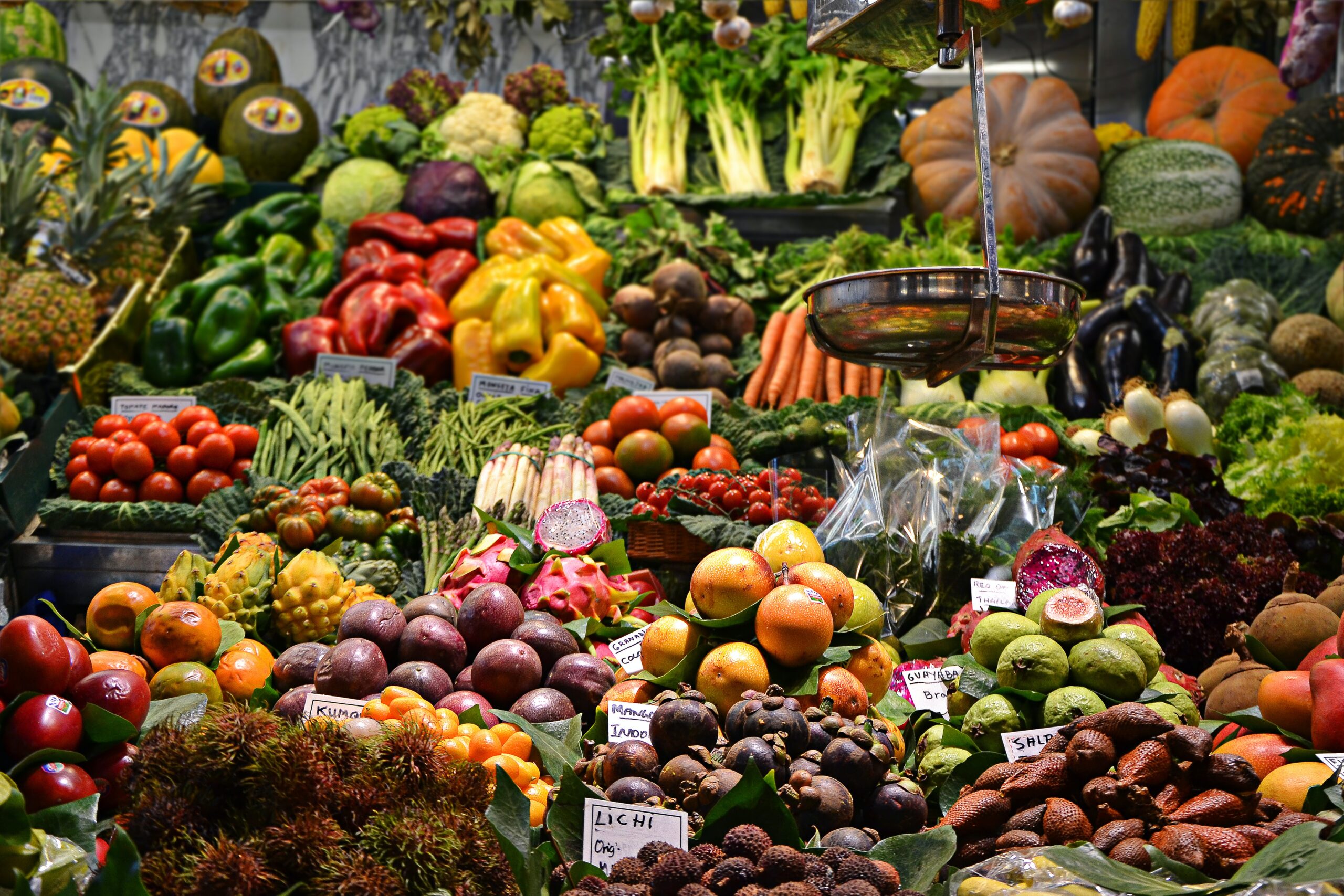
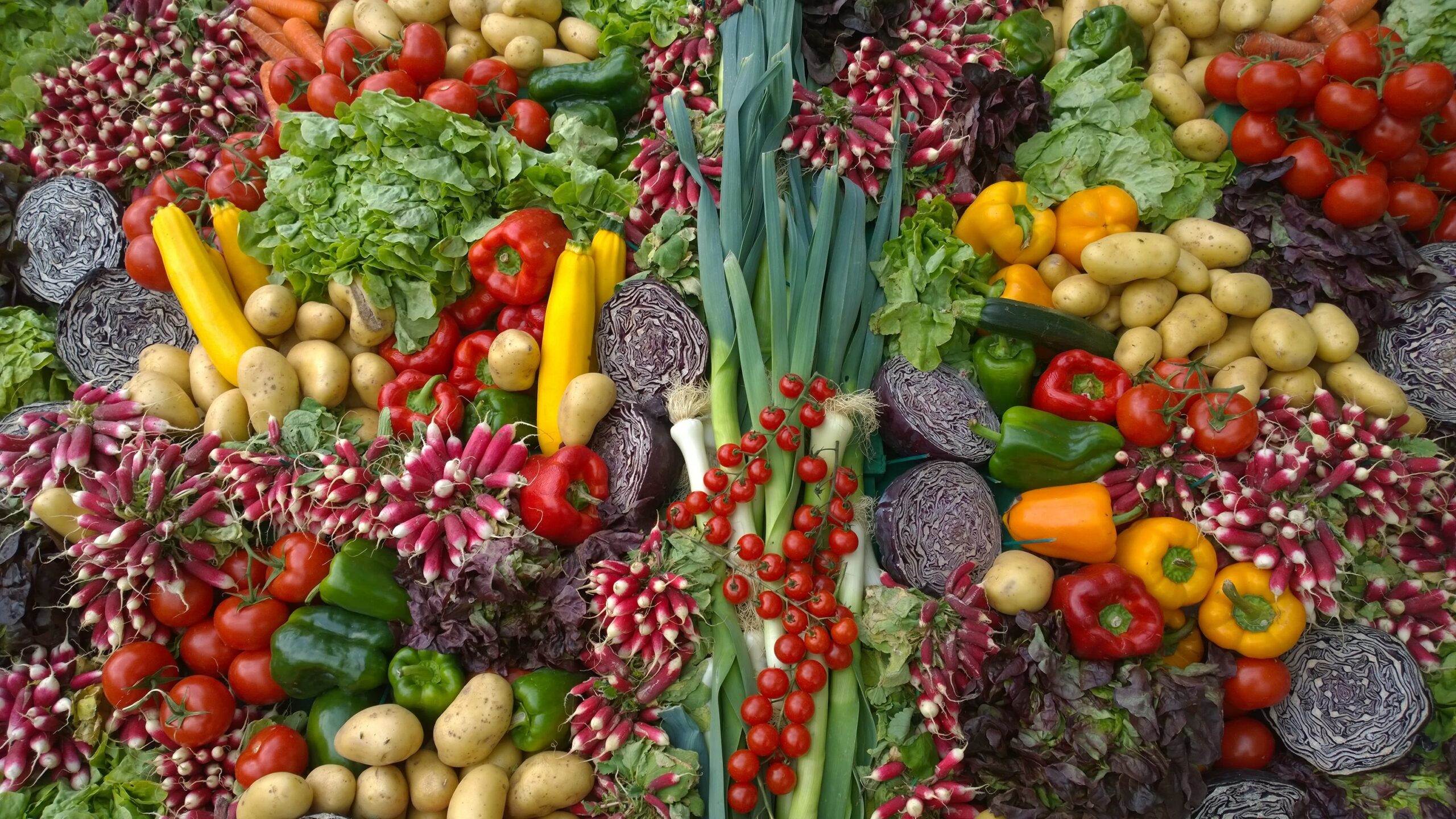
Entering the international year of fruits and vegetables: Tradeoffs between food production and the environment As we leave 2020 behind, “the coronavirus lockdown has ins...
Linking biodiversity into national economic accounting Biodiversity underpins the supply of ecosystem services esse...
Reverse the red: Achieving global biodiversity targets at national level In late 2015, at the third global meeting of the leadership ...
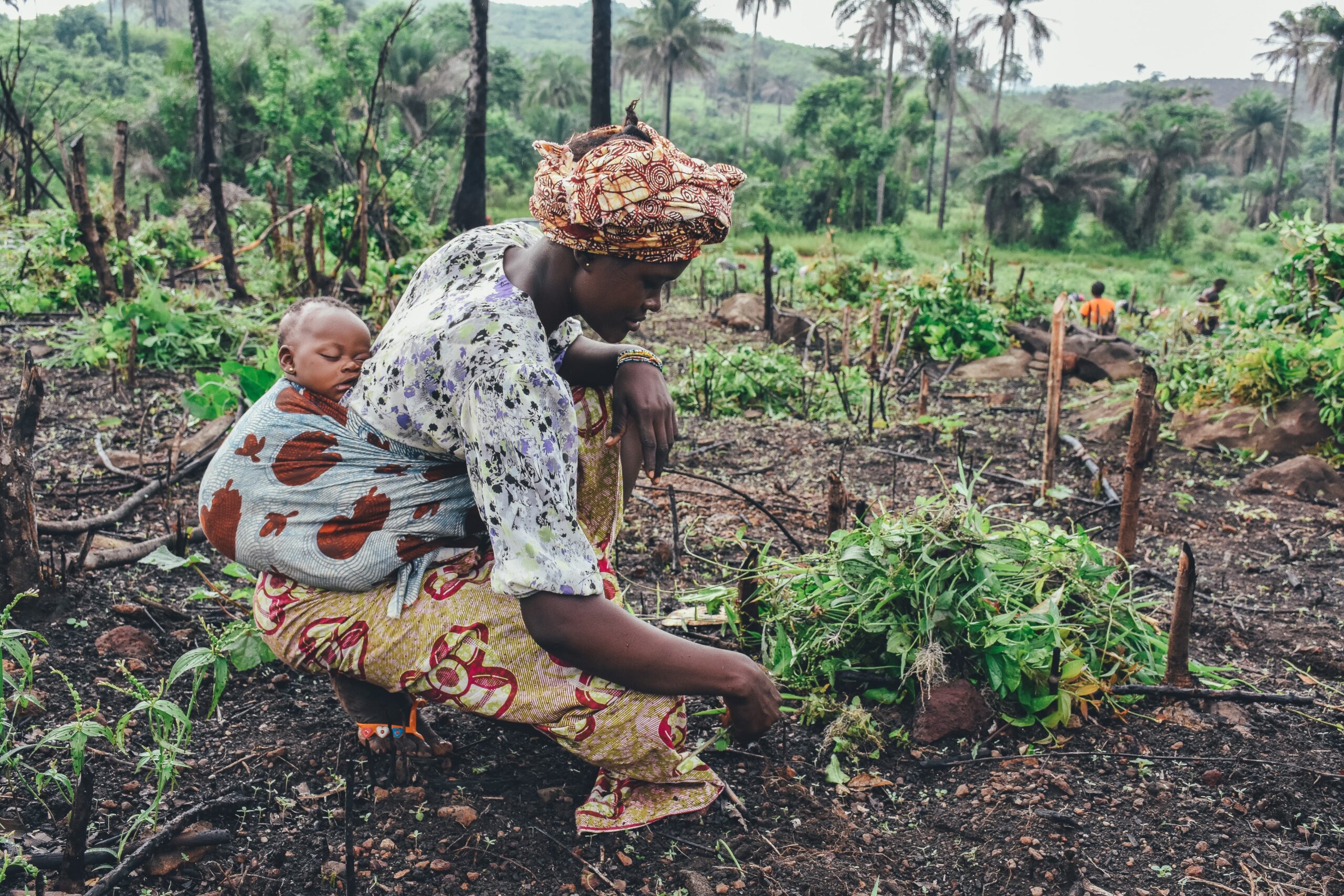
Biodiversity and ecosystem services on the African continent – What is changing, and what are our options? Throughout the world, biodiversity and nature’s contributi...
Applying the Food-Energy-Water Nexus Approach to Urban Agriculture: From FEW to FEWP (Food-Energy-Water-People) Many studies examine the correlation between the use of reso...
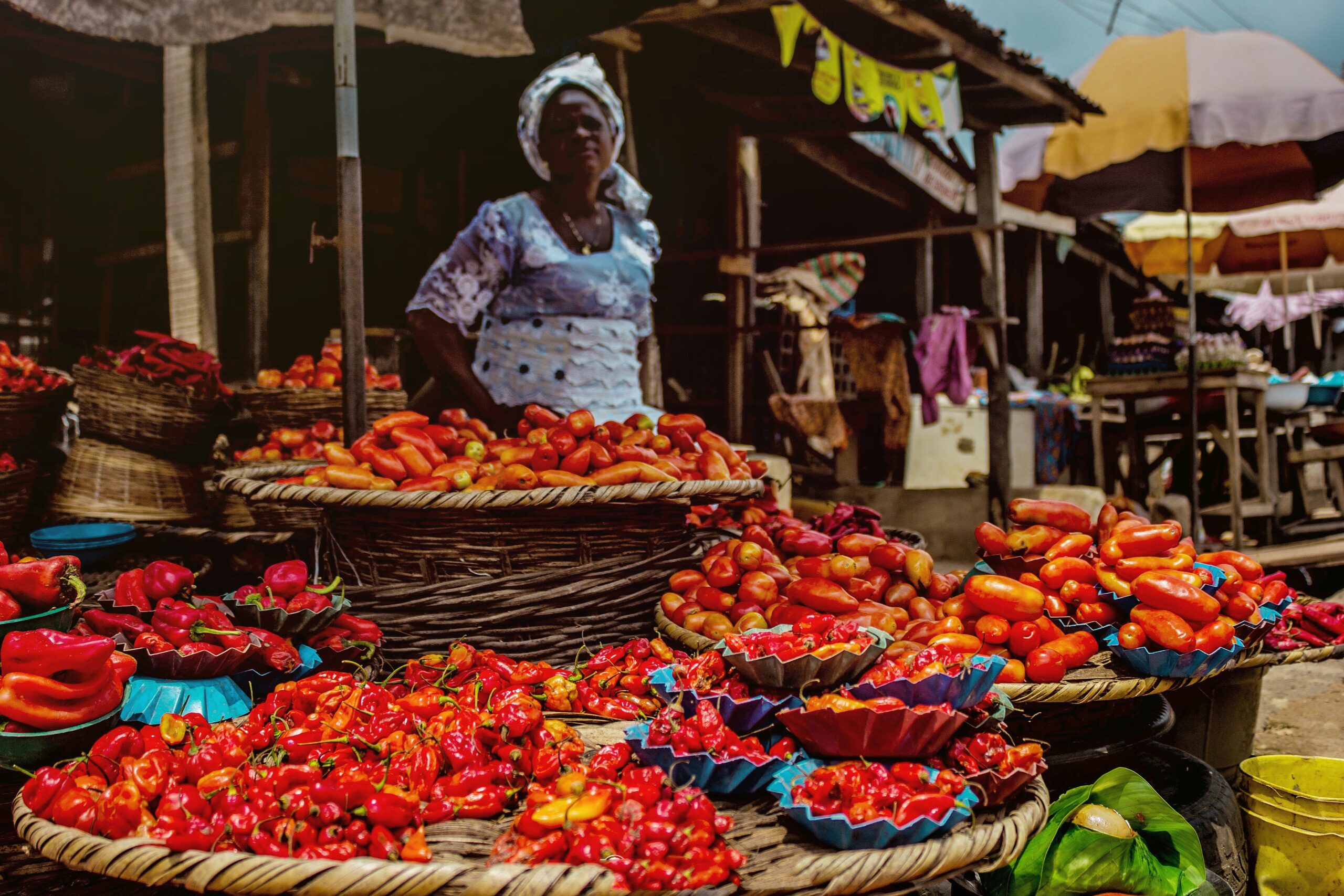
The Effects of the COVID-19 Pandemic on Food Losses in the Agricultural Value Chains in Africa: The Nigerian Case Study The Coronavirus disease (COVID-19) pandemic has wreaked grea...