The Regional Assessment Report on Biodiversity and Ecosystem Services for Africa The objective of the Intergovernmental Science Policy Platfo...
A systems approach reveals urban pollinator hotspots and conservation opportunities Urban areas are often perceived to have lower biodiversity t...
Nature-based solutions: Delivering national-level adaptation and global goals Many of the world’s vital natural ecosystems, and the comm...
Ecosystem-based approaches to adaptation: Strengthening the evidence and informing policy. Research results from the adaptation, vulnerability and ecosystems (ave) project, Costa Rica and Panama Ecosystem-based adaptation (EbA) is the use of biodiversity ...
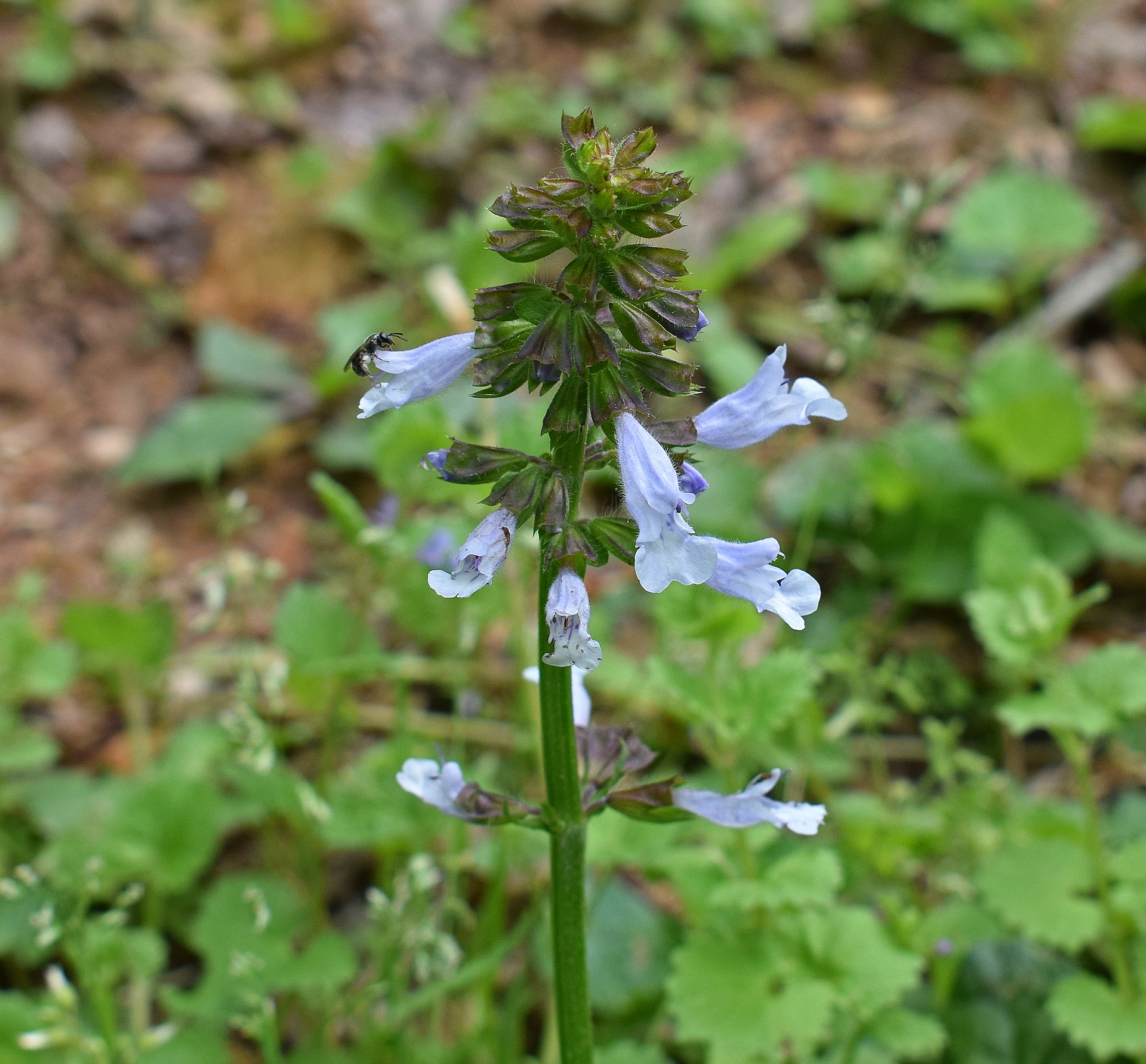
Pollinators exert natural selection on flower size and floral display in Penstemon digitalis A major gap in our understanding of floral evolution, especi...
Pollinators of the rocky mountain Columbine: Temporal variation, functional groups and associations with floral traits Pollinators together with other biotic and some abiotic fact...
Importance of pollinators in changing landscapes for world crops The extent of our reliance on animal pollination for world c...
Are managed pollinators ultimately linked to the pollination ecosystem service paradigm? Crop pollination performed by wild pollinators is arguably t...
Organic farming and landscape structure: Effects on insect-pollinated plant diversity in intensively managed grasslands Parallel declines in insect-pollinated plants and their poll...
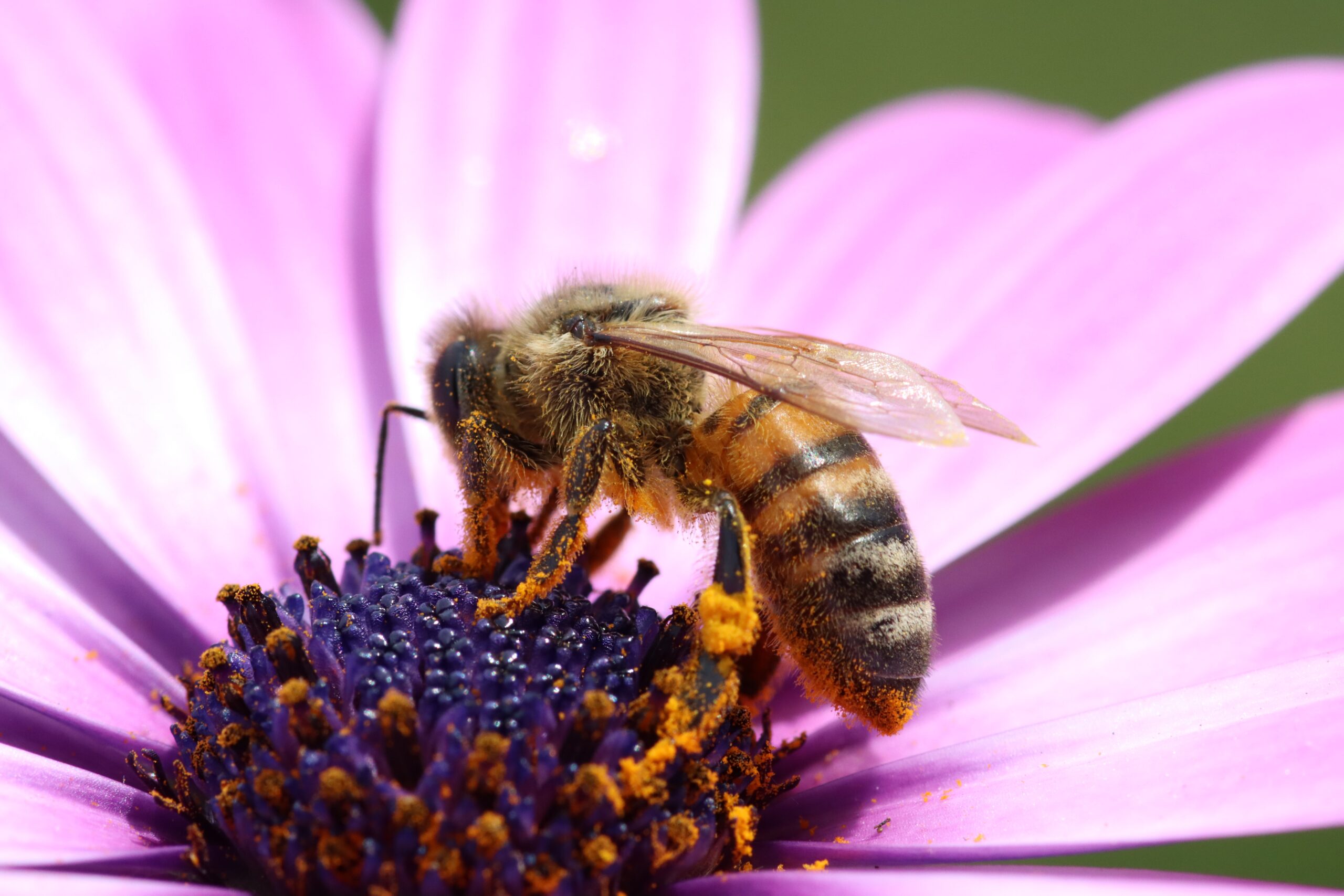
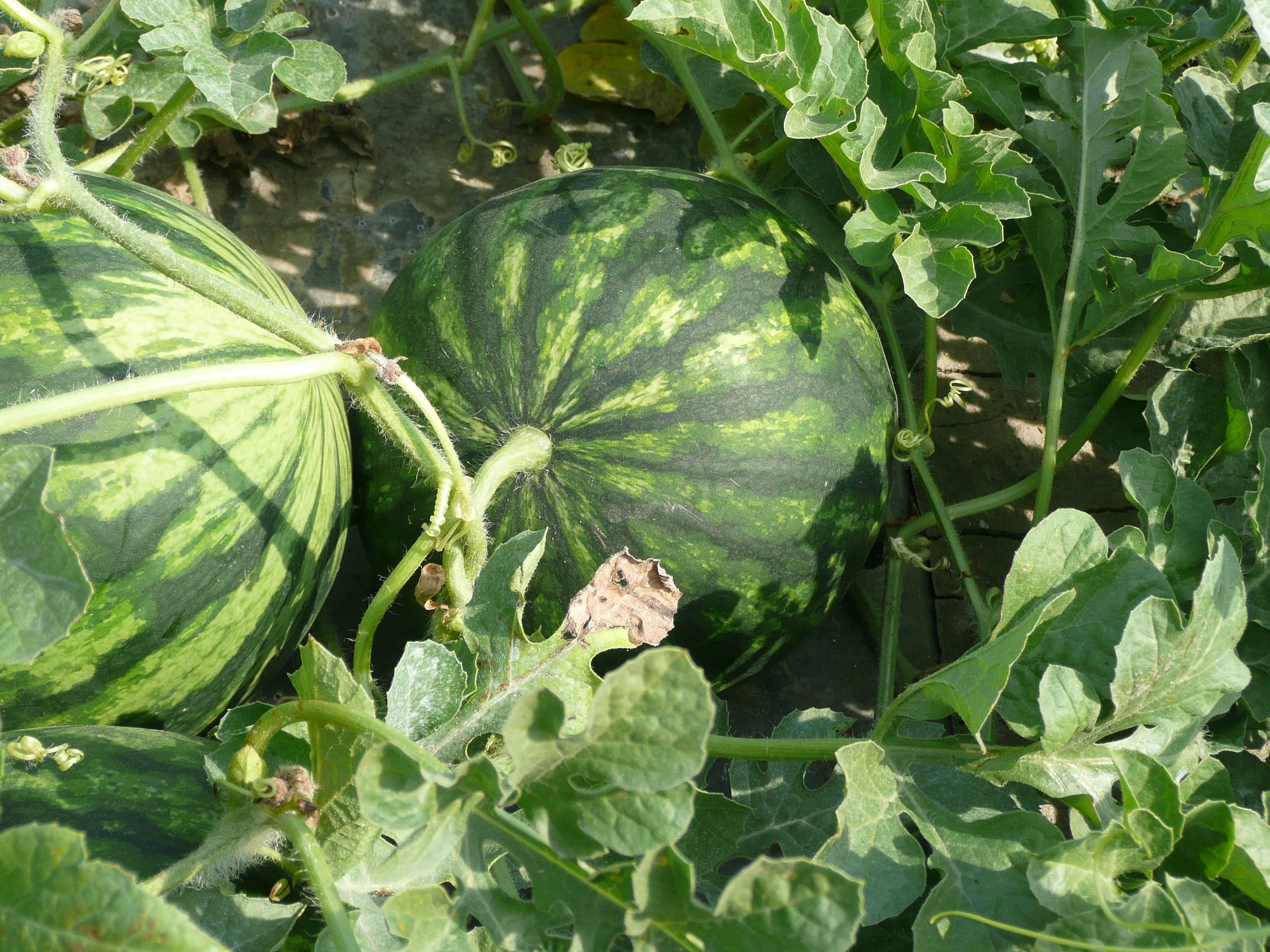
Watermelon Pollinators Exhibit Complementarity in both Visitation Rate and Single-Visit Pollination Efficiency The concept of pollinator niche complementarity maintains th...