Adaptation planning, implementation and evaluation addressing ecosystems and areas such as water resources Healthy ecosystems play an essential role in increasing the ...
Final performance evaluation report for community-based natural resource management and biodiversity implemented by the Laikipia wildlife forum LWF’s strength is its role in coordinating natural res...
Costs and benefits of reducing deforestation and forest degradation in Nepal The study estimated the benefits and costs of reducing defor...
Initiatives in the area of human settlements and adaptation Global and regional initiatives supporting adaptation or cli...
Full and effective participation of indigenous peoples in forest monitoring for reducing emissions from deforestation and forest degradation (REDD+): Trial in Panama’s Darién A primary technical requirement of the climate change mitiga...
Managing trade-offs between growing food and conserving forests in sub-Saharan Africa Governments in sub-Saharan Africa face a dilemma: how to rec...
Mozambique’s REDD+: The challenge is scaling success The Testing REDD+ in the Beira Landscape Corridor of Mozambi...
Boosting governance in Mozambique’s forests. Options for more sustainable forestry among Chinese timber traders and Mozambican partners Mozambique has seen a huge rise in the volume of its timber ...
Reconciling forest conservation with food production in sub-Saharan Africa: Case studies from Ethiopia, Ghana and Tanzania Forest cover in sub-Saharan Africa declined by nearly 10 per...
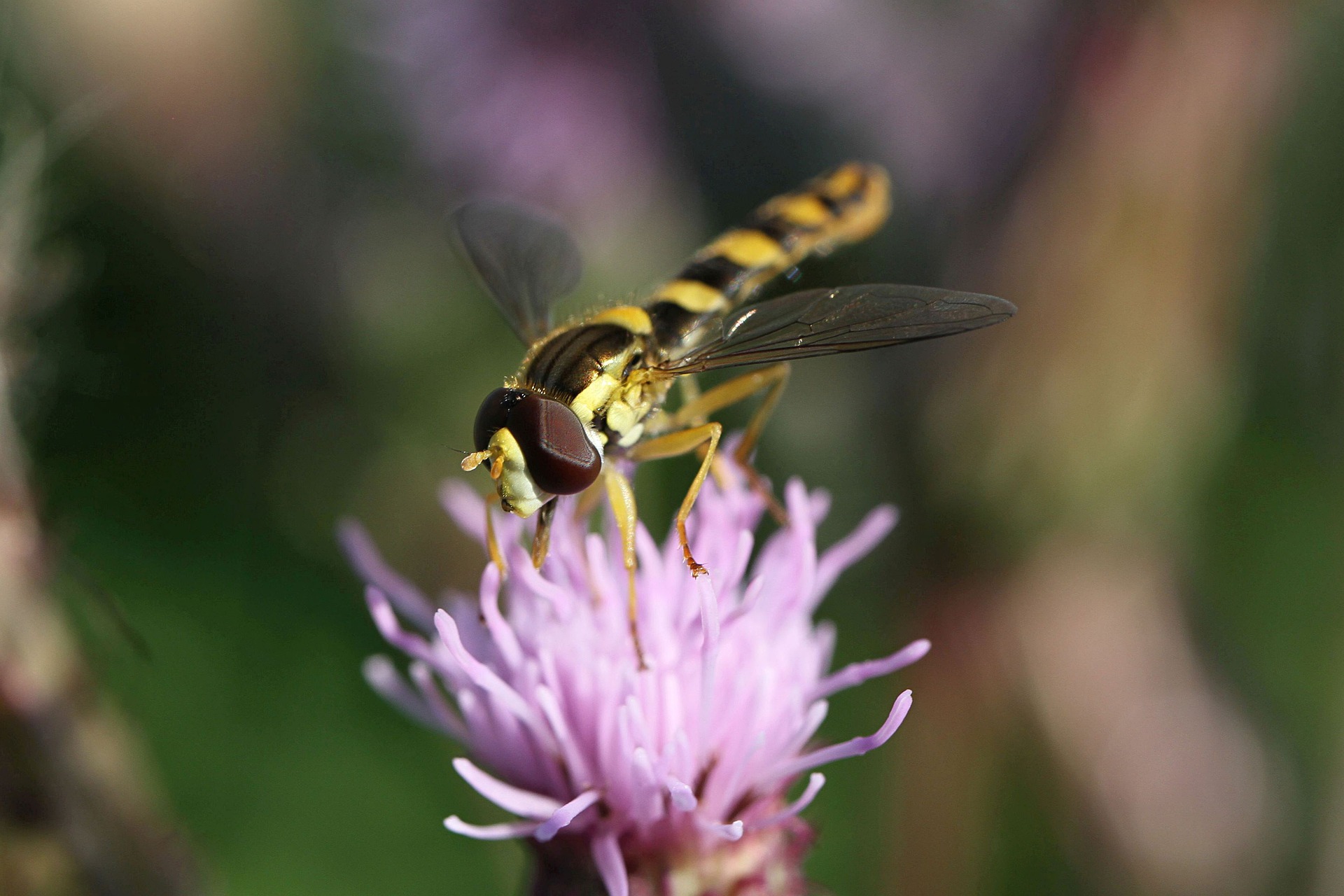
The costs of beekeeping for pollination services in the UK – an explorative study Honey bees are a key managed pollination service resource in...
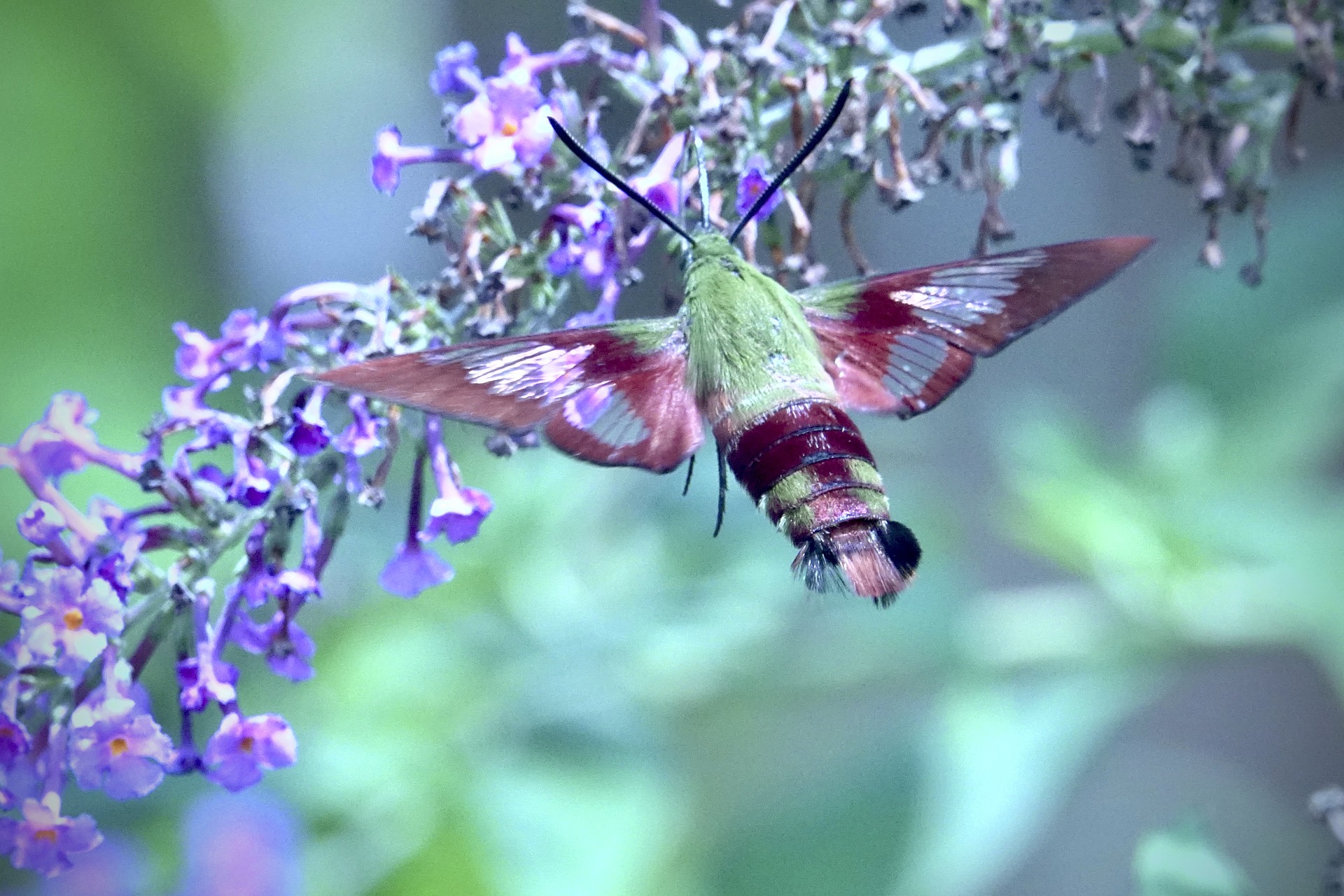
Ecosystem restoration strengthens pollination network resilience and function Land degradation results in declining biodiversity and the d...
Comparative toxicity of pesticides and environmental contaminants in bees: Are honey bees a useful proxy for wild bee species? Threats to wild and managed insect pollinators in Europe are...