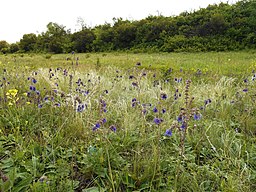
Overstory effects on the understory of Aleppo pine plantations—Implications for ecosystem restoration At the end of the 19th century and along the first half of t...
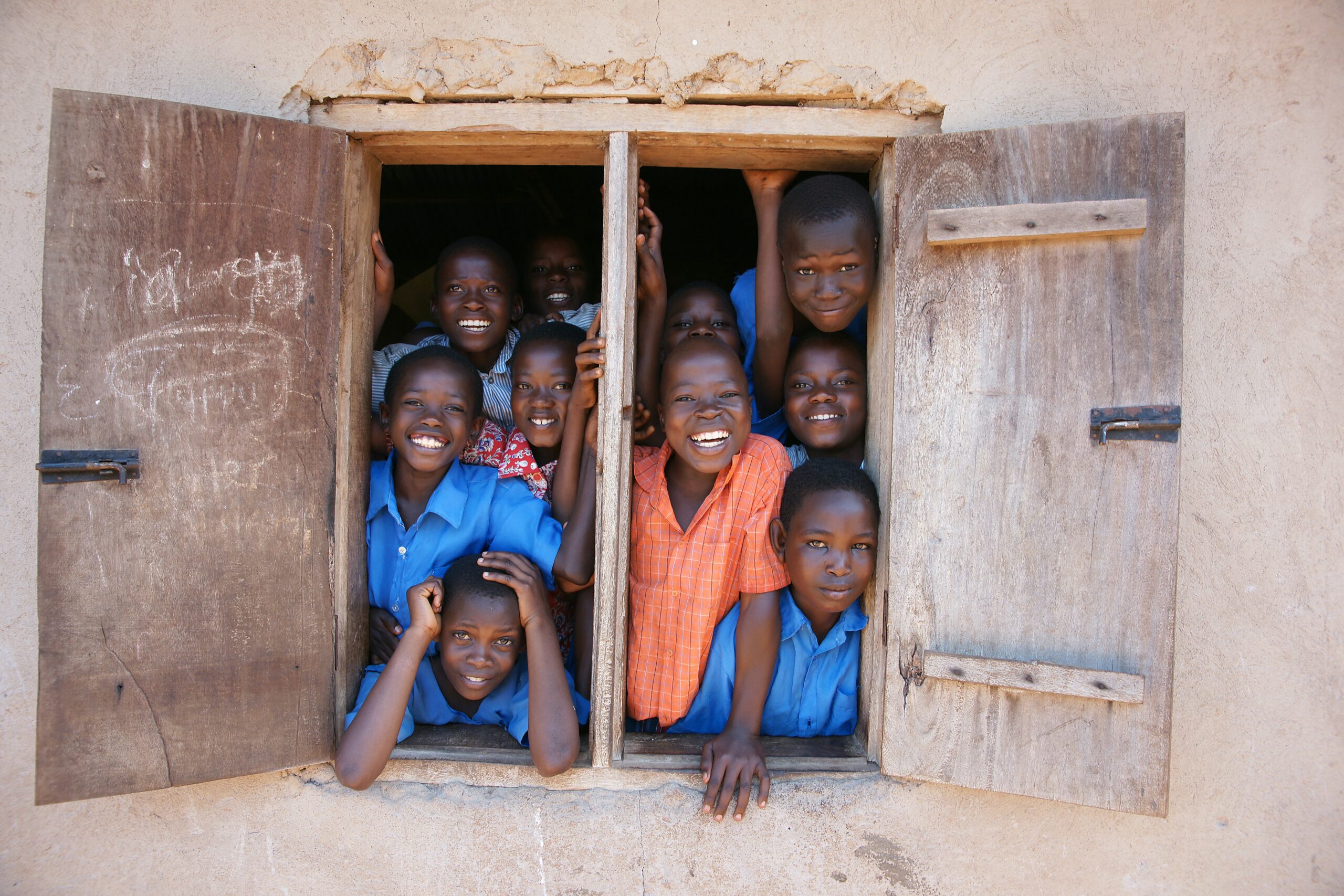
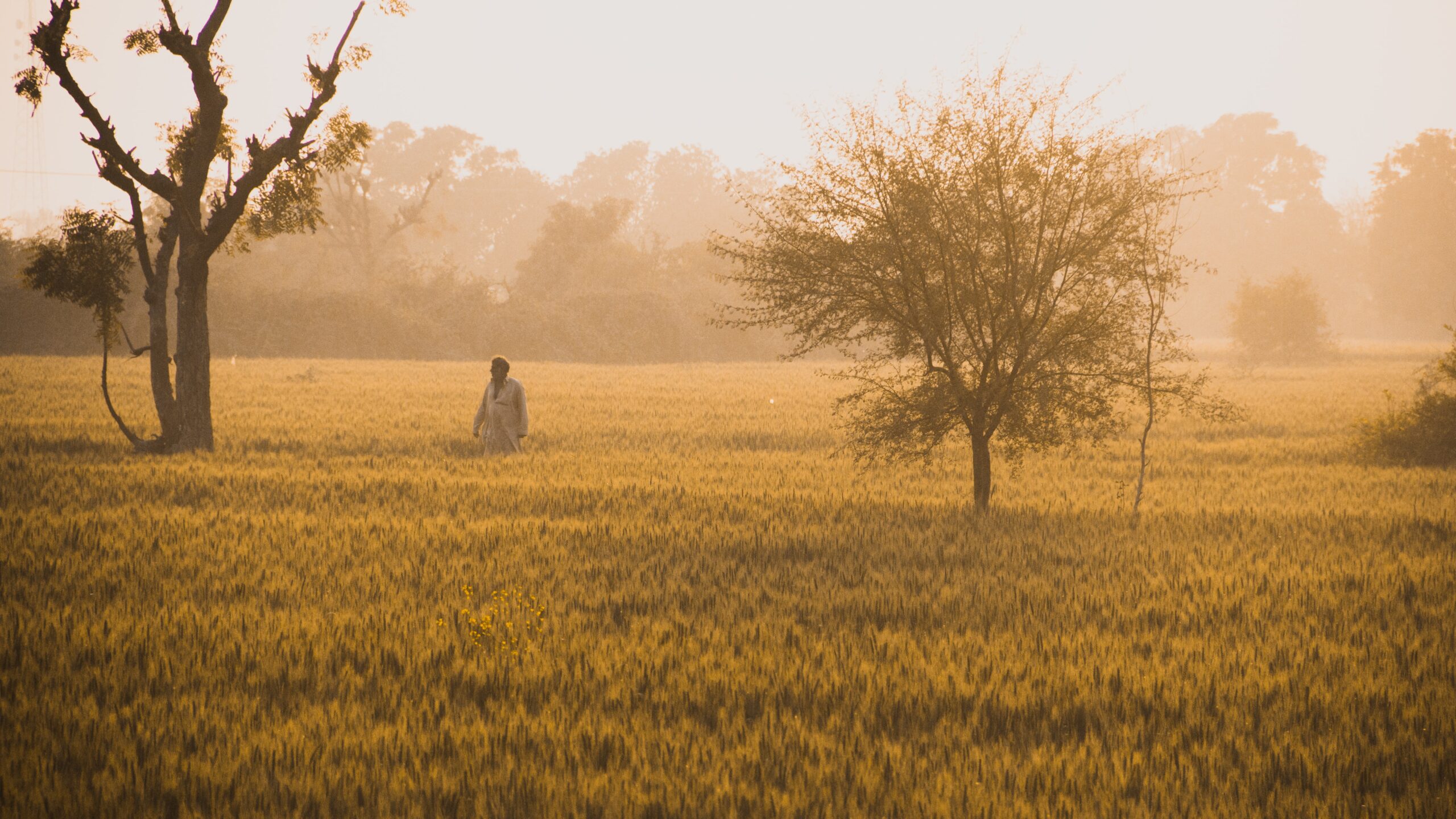
Towards concerted government efforts? Assessing nutrition policy integration in Uganda To tackle malnutrition more effectively, Sub-Saharan African...
Mediterranean forest policy beyond the Paris Climate Agreement The nature and complexity of forest ecosystems in the Medite...
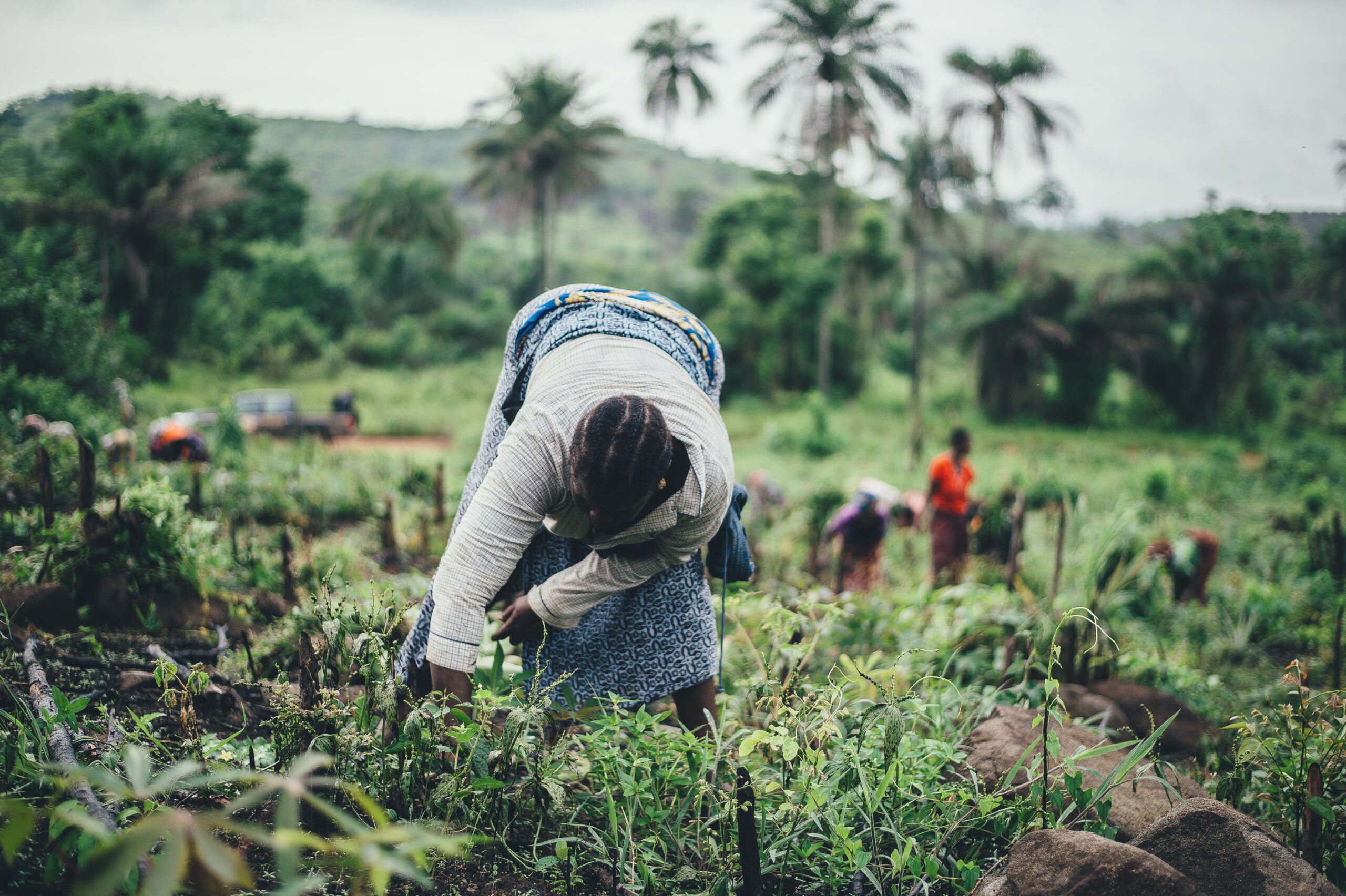
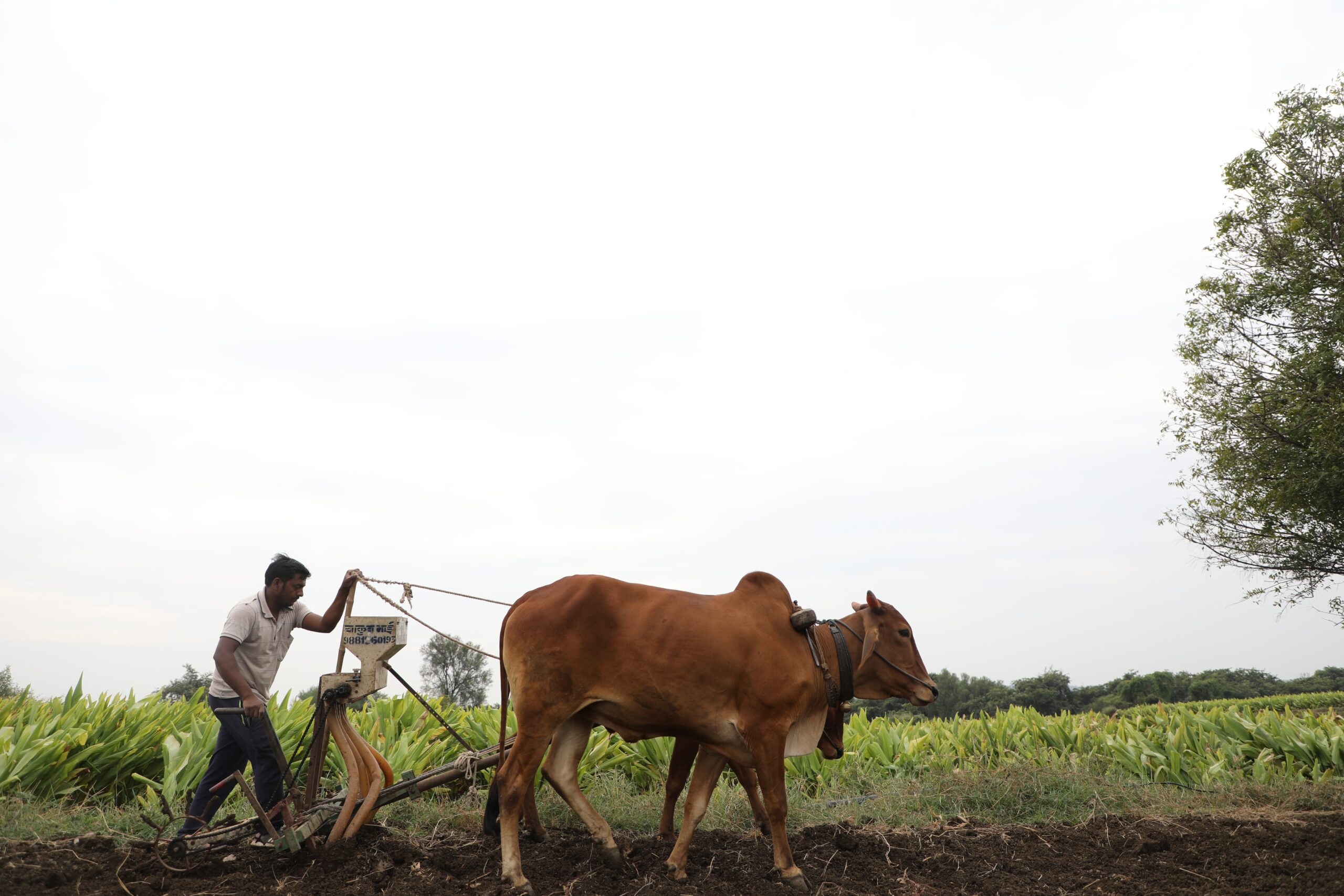
Crop-livestock integration and technology choices for improving fodder availability, livestock productivity and farmers’ income in West Africa The present study generates evidence to better understand th...
Increasing diversity to save biodiversity: Rising to the challenge and supporting Indonesian women in conservation Indonesia is one of the most biodiverse countries in the wor...
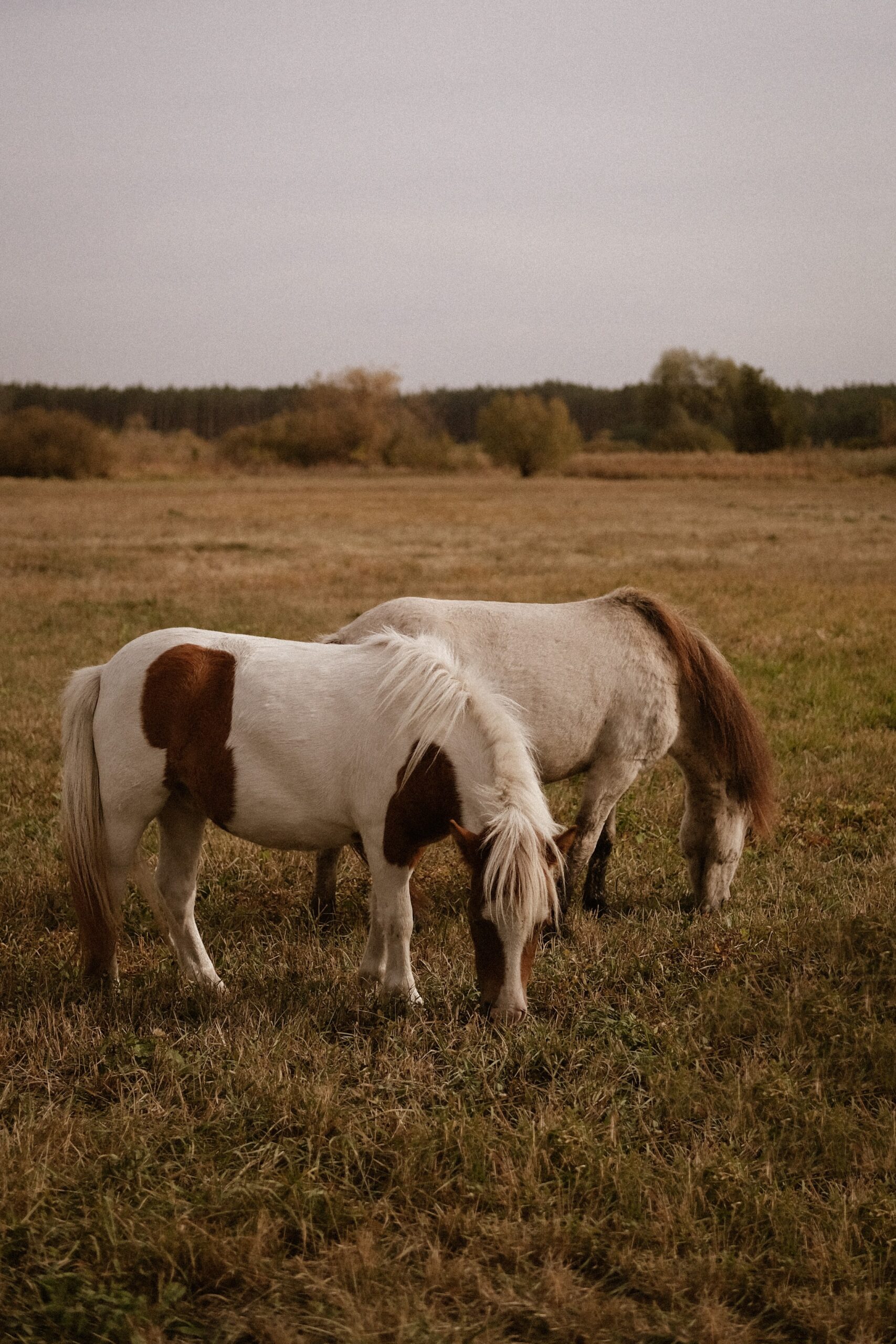
Herbivore management for biodiversity conservation: A case study of kangaroos in the Australian Capital Territory (ACT) Populations of macropods are higher than estimated pre-Europ...
Towards a sustainable grazing management based on biodiversity and ecosystem multifunctionality in drylands Overgrazing largely causes biodiversity loss and land degrad...
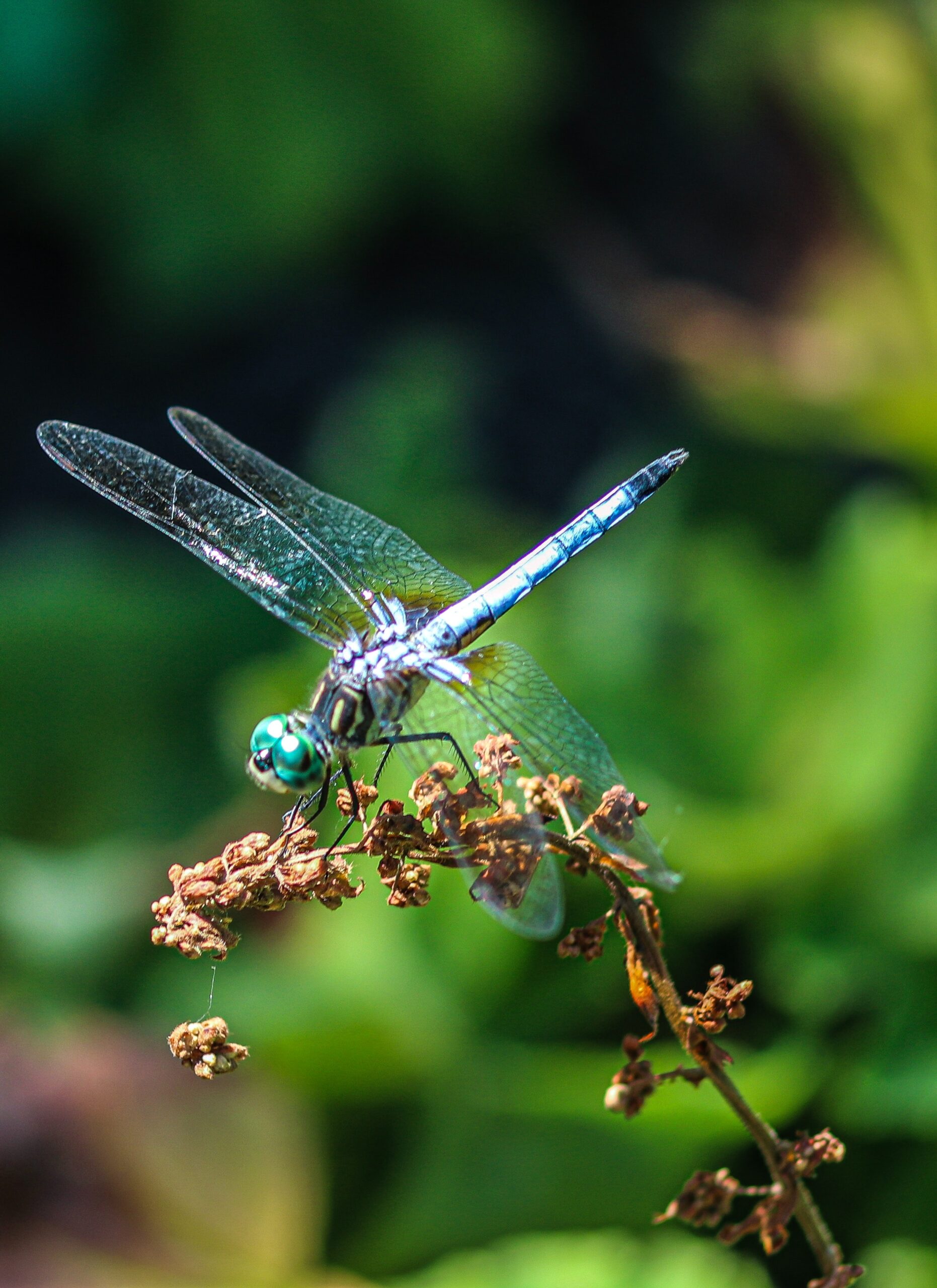
Agricultural intensification and climate change are rapidly decreasing insect biodiversity Major declines in insect biomass and diversity, reviewed her...
Time to integrate global climate change and biodiversity science policy agendas There is an increasing recognition that, although the climat...
Biodiversity, natural capital, and the economy: A policy guide for finance, economic and environment ministries Nature underpins all economic activities and human well-bein...
Strengthening food security post-COVID-19 and locust attacks: Supporting crop insurance in Pakistan This study mainly focussed on linking Insurance and Technolo...
Climate change adaptation and mitigation strategies for sustainable crop production Climate change is the main environmental problem facing huma...