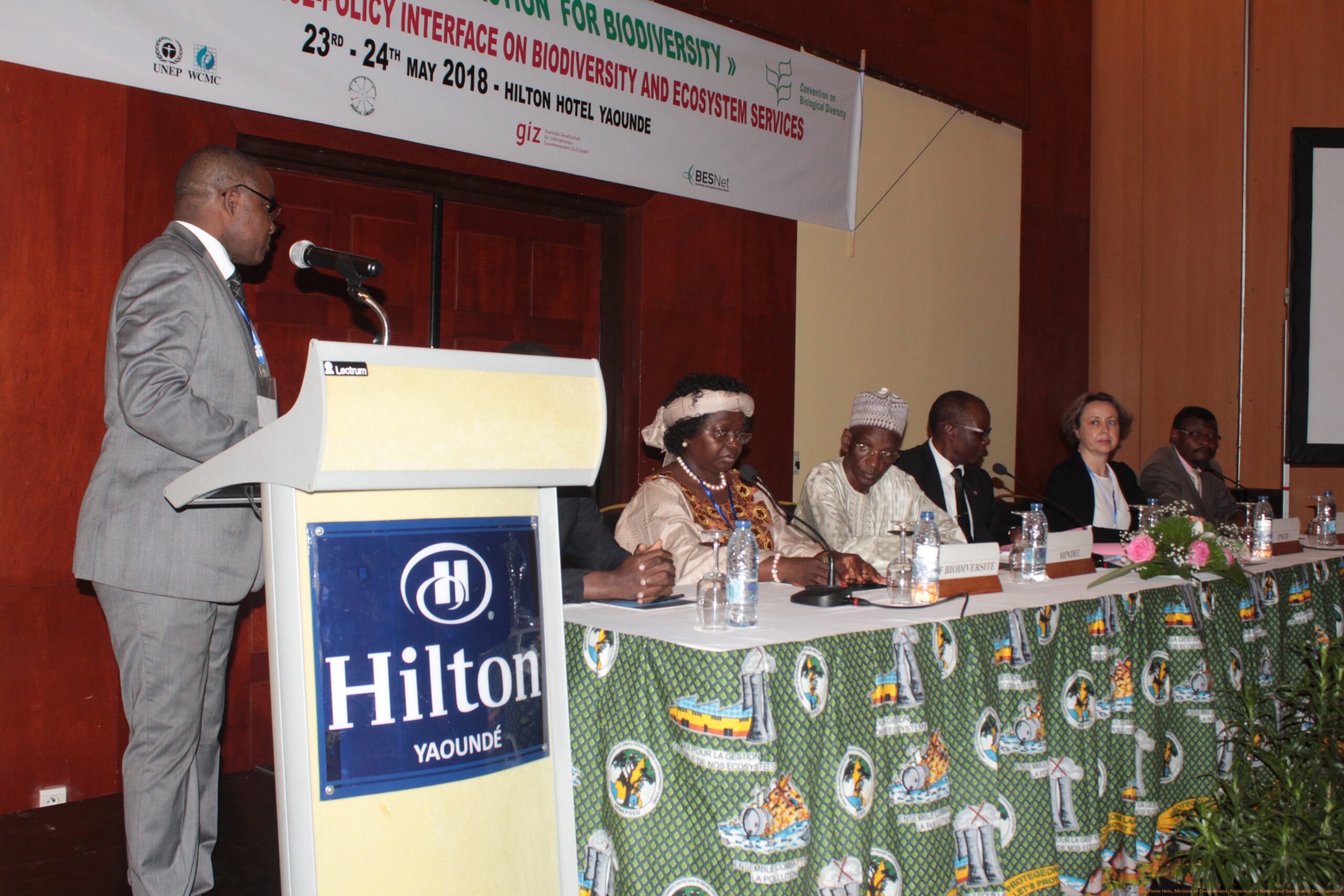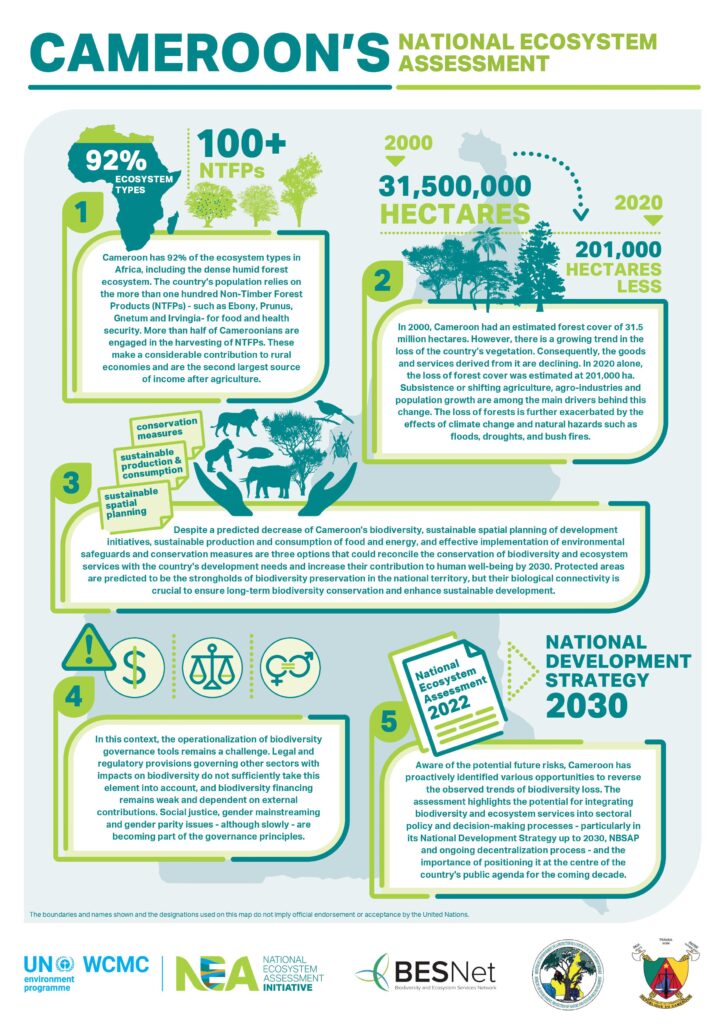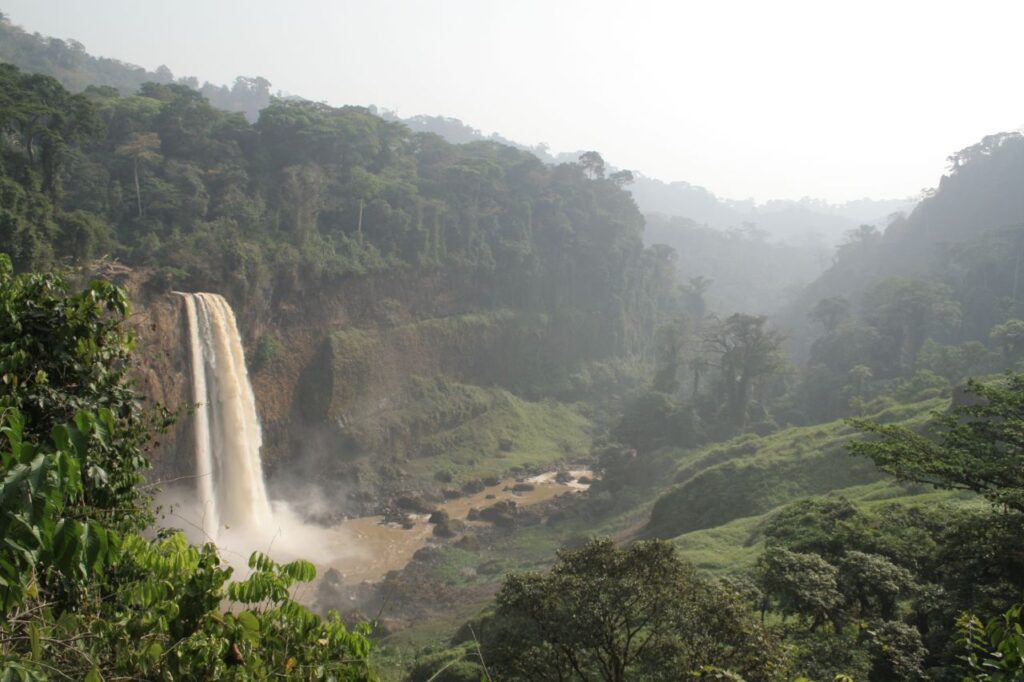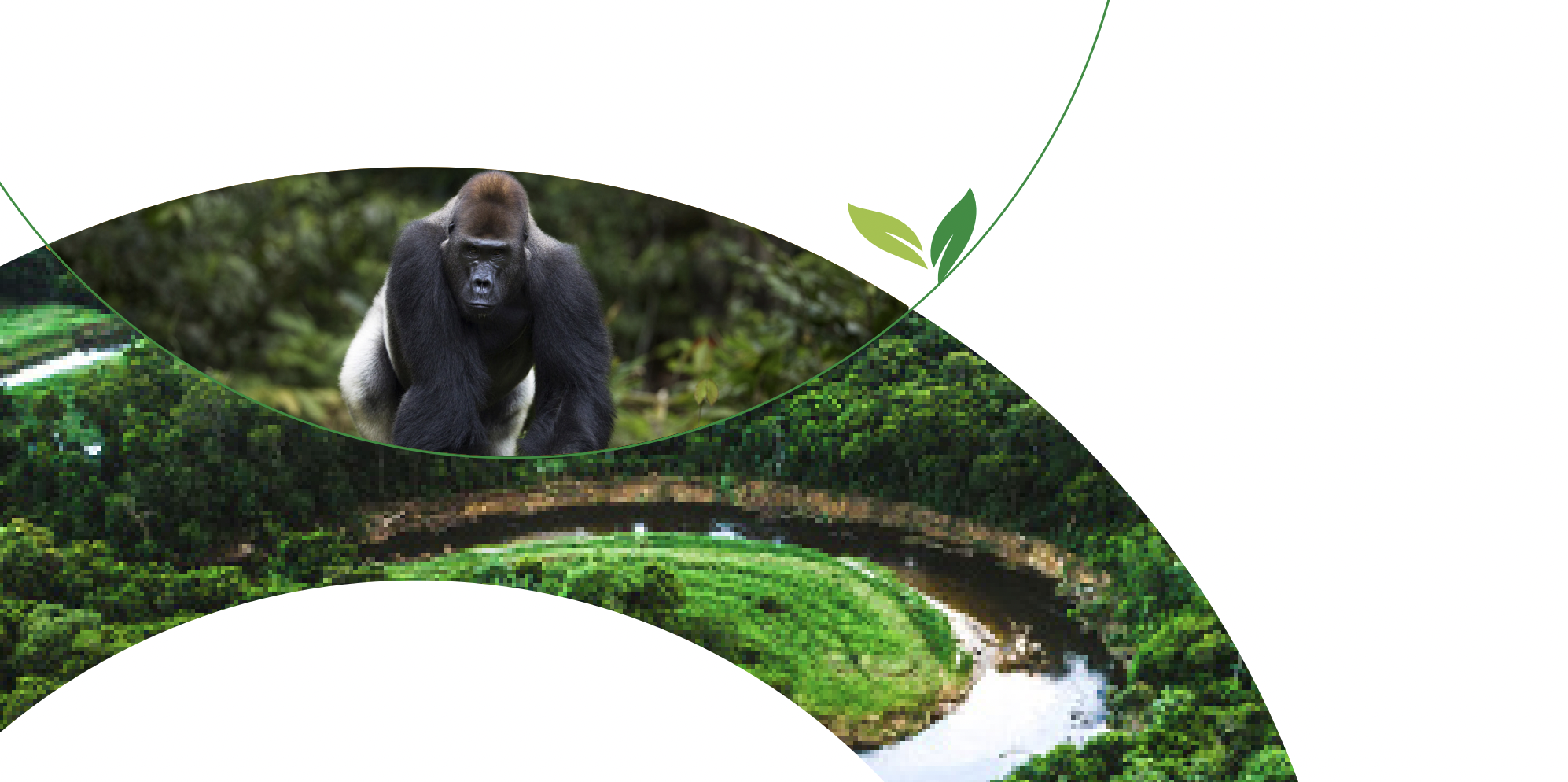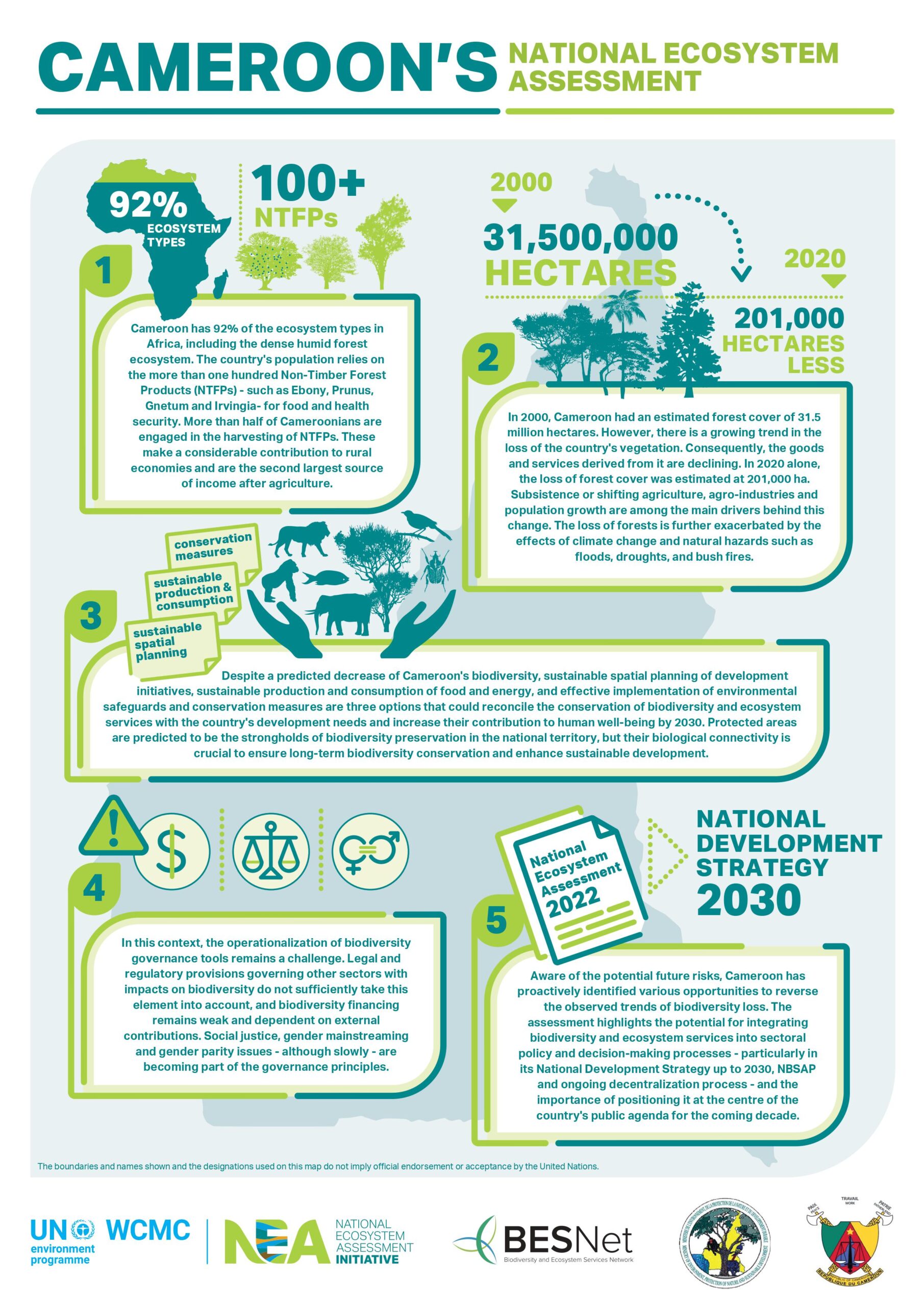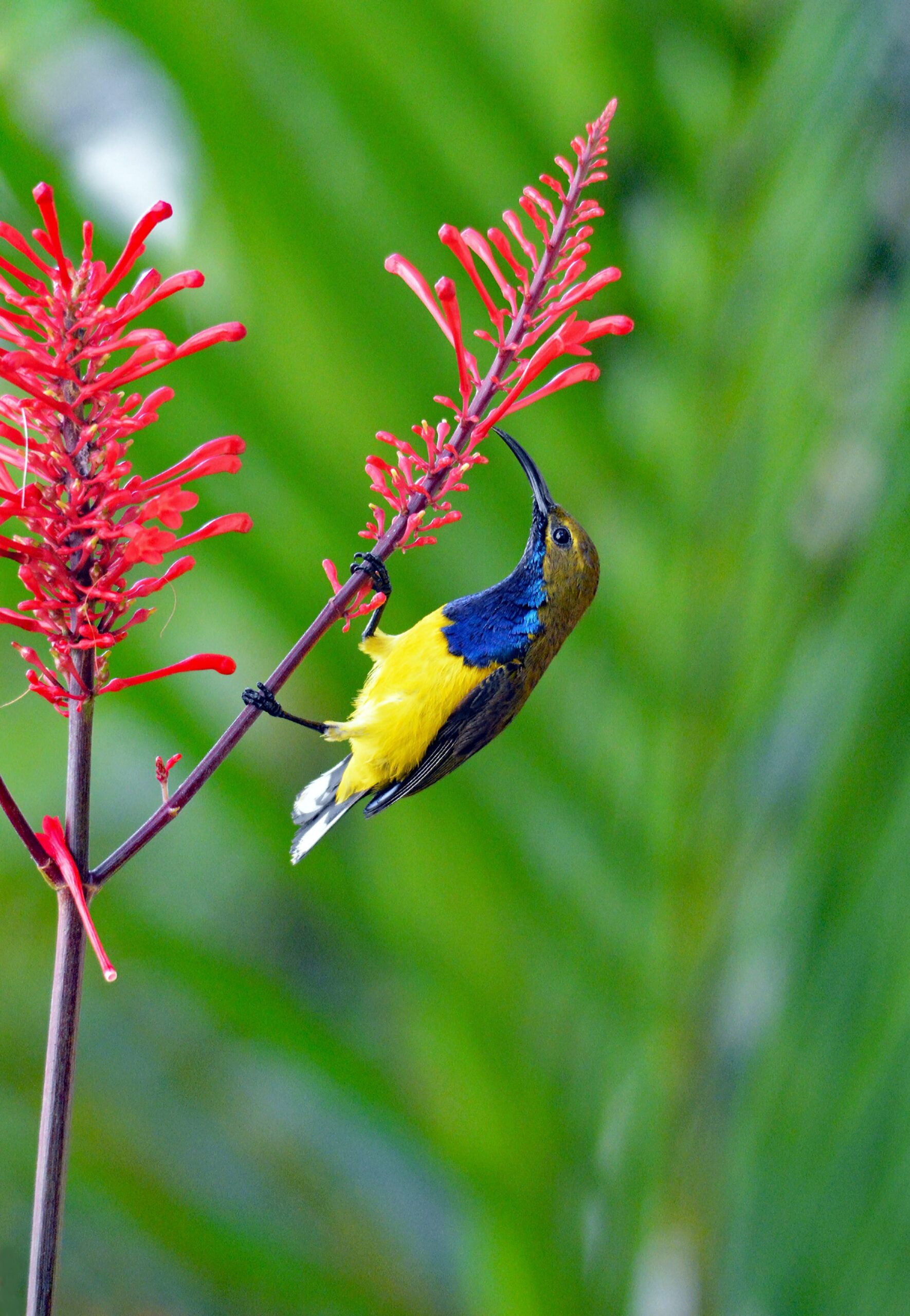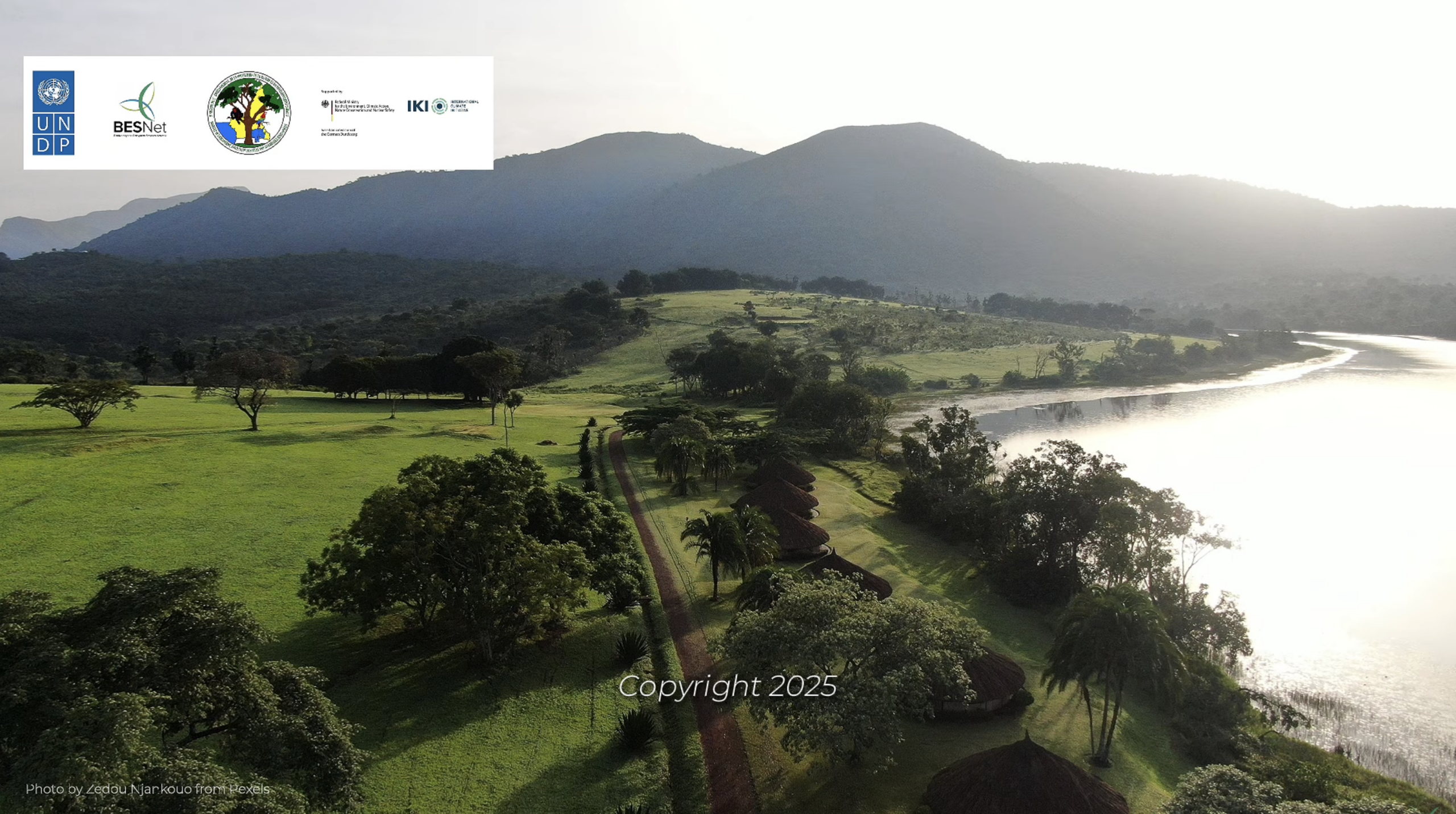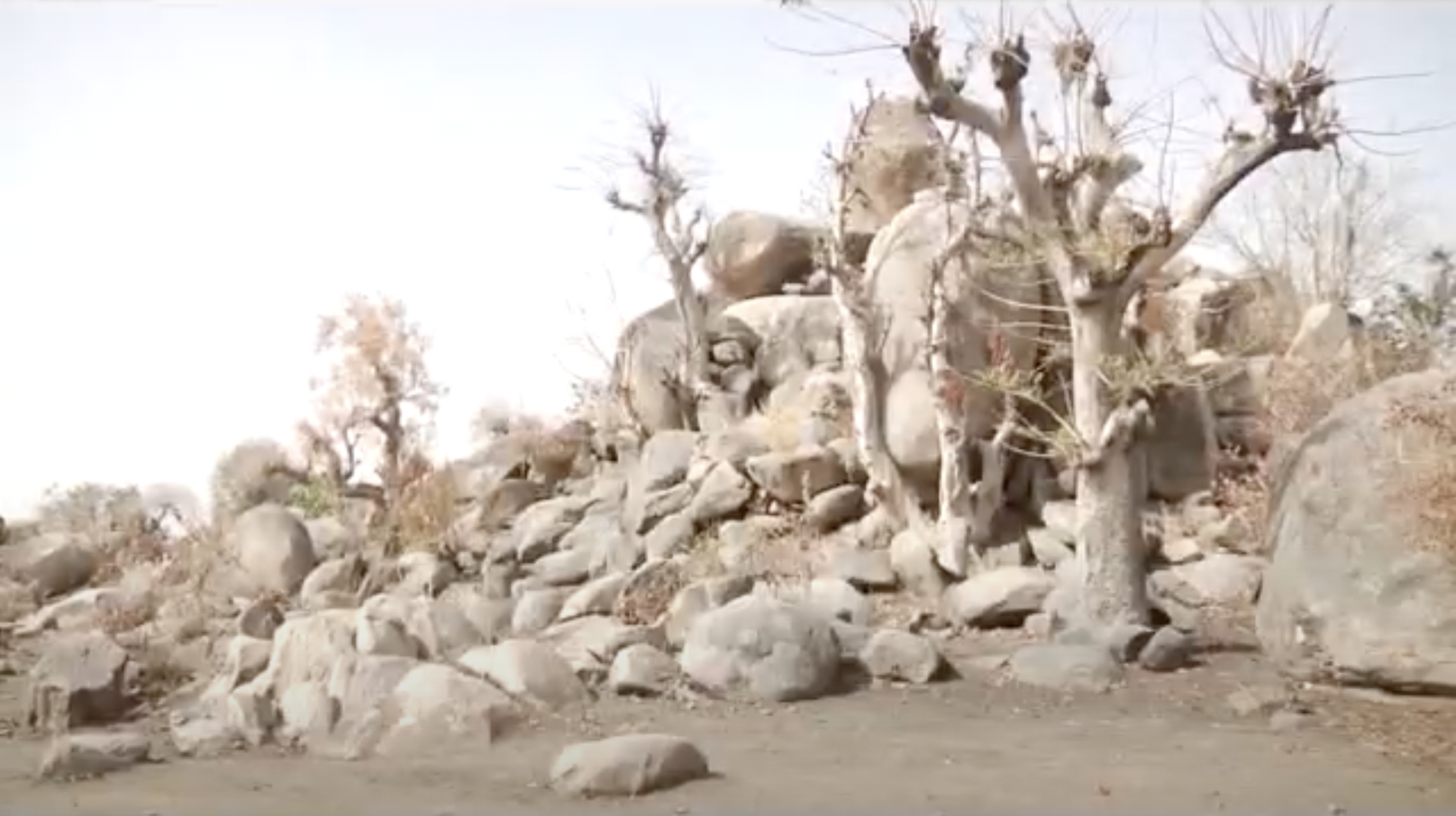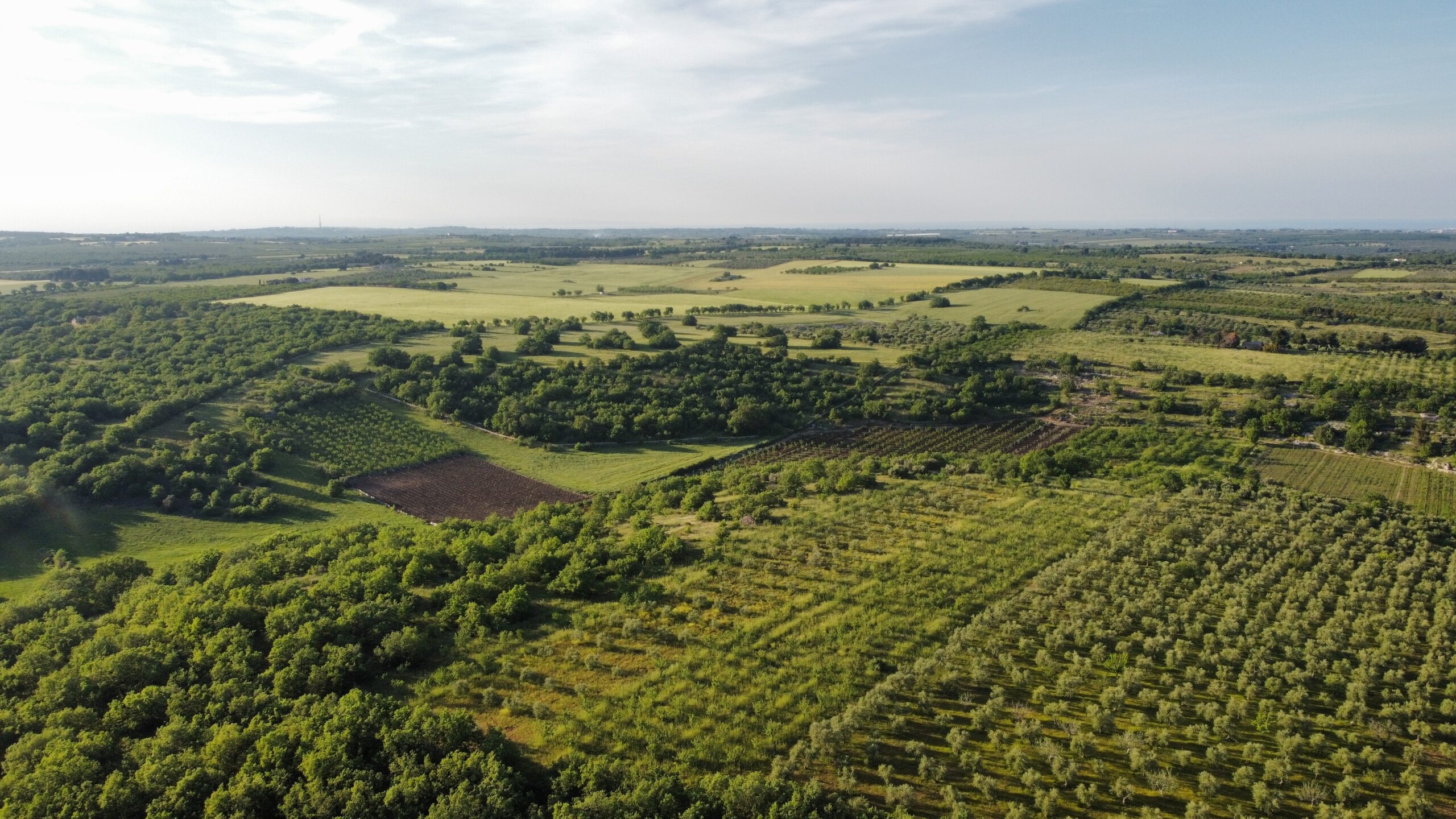
Cameroon is one of the most biodiverse countries in Africa, with tropical forests, tropical wooded savannah, semi-arid, montane, freshwater and marine and coastal ecosystems. It is also one of the countries that received support under the first phase of BES-Net to carry out its national ecosystem assessment process. The process was led by the Network for Environment and Sustainable Development in Africa (NESDA), with political support from the Ministry of Environment, Protection of Nature and Sustainable Development and technical backstopping support from UNEP-WCMC.
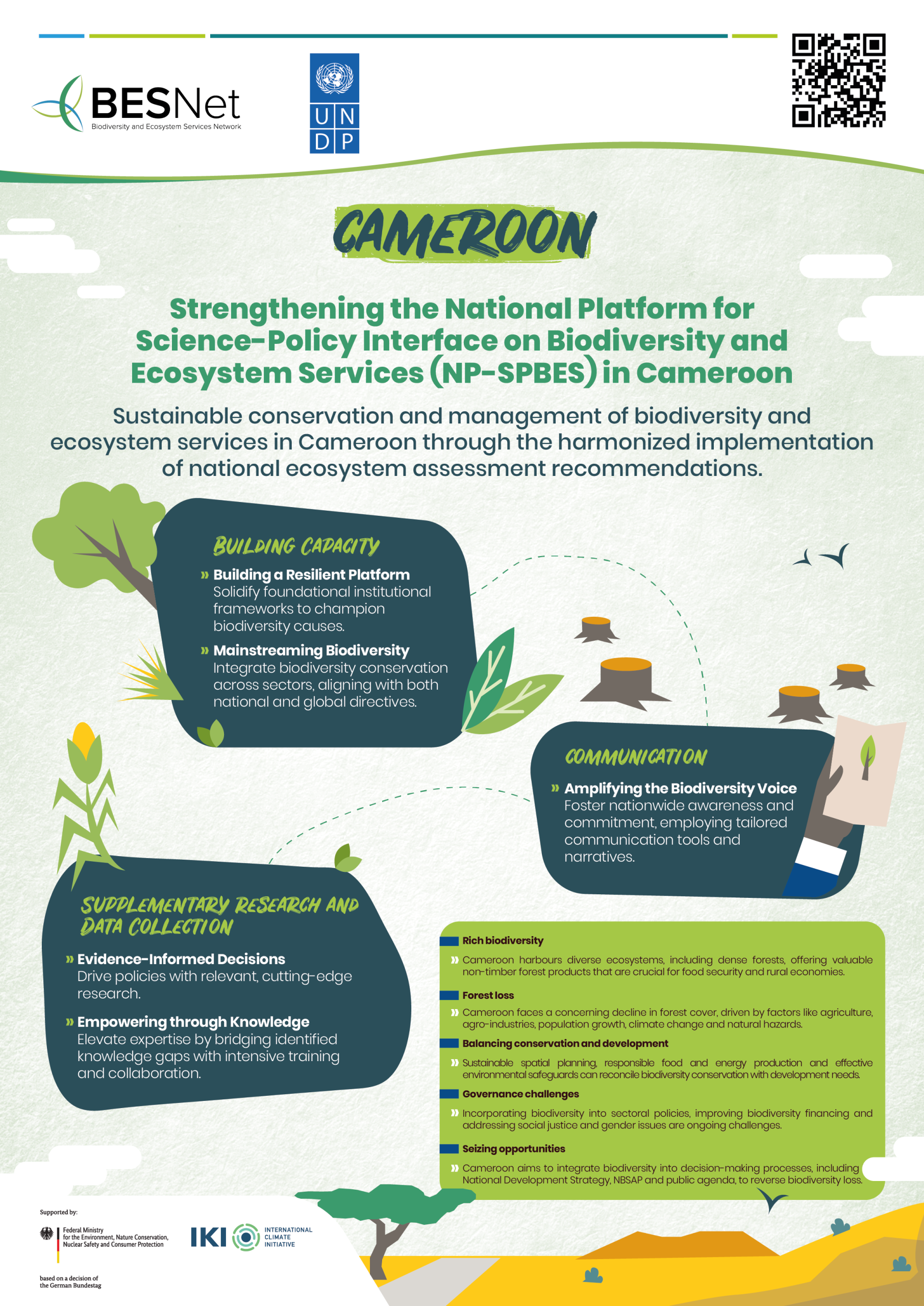
Between 2022 and 2025, Cameroon leveraged BES Solution Fund support to strengthen the uptake of its national ecosystem assessment and embed biodiversity evidence into national decision-making. Through the National Platform for Science-Policy Interface on Biodiversity and Ecosystem Services (NP‑SPBES), interministerial coordination was enhanced, enabling a more holistic approach to biodiversity management. The platform played a pivotal role in revising Cameroon’s National Biodiversity Strategy and Action Plan, addressing knowledge gaps with targeted desk studies and integrating findings into the National Development Strategy (SND30). Evidence from the assessment also informed legislative reforms, such as the draft law on organic farming, and guided initiatives like BIODEV 30 and the Global Biodiversity Framework Early Action Support. These efforts ensured that biodiversity considerations were systematically woven into national planning, climate strategies and sectoral policies.
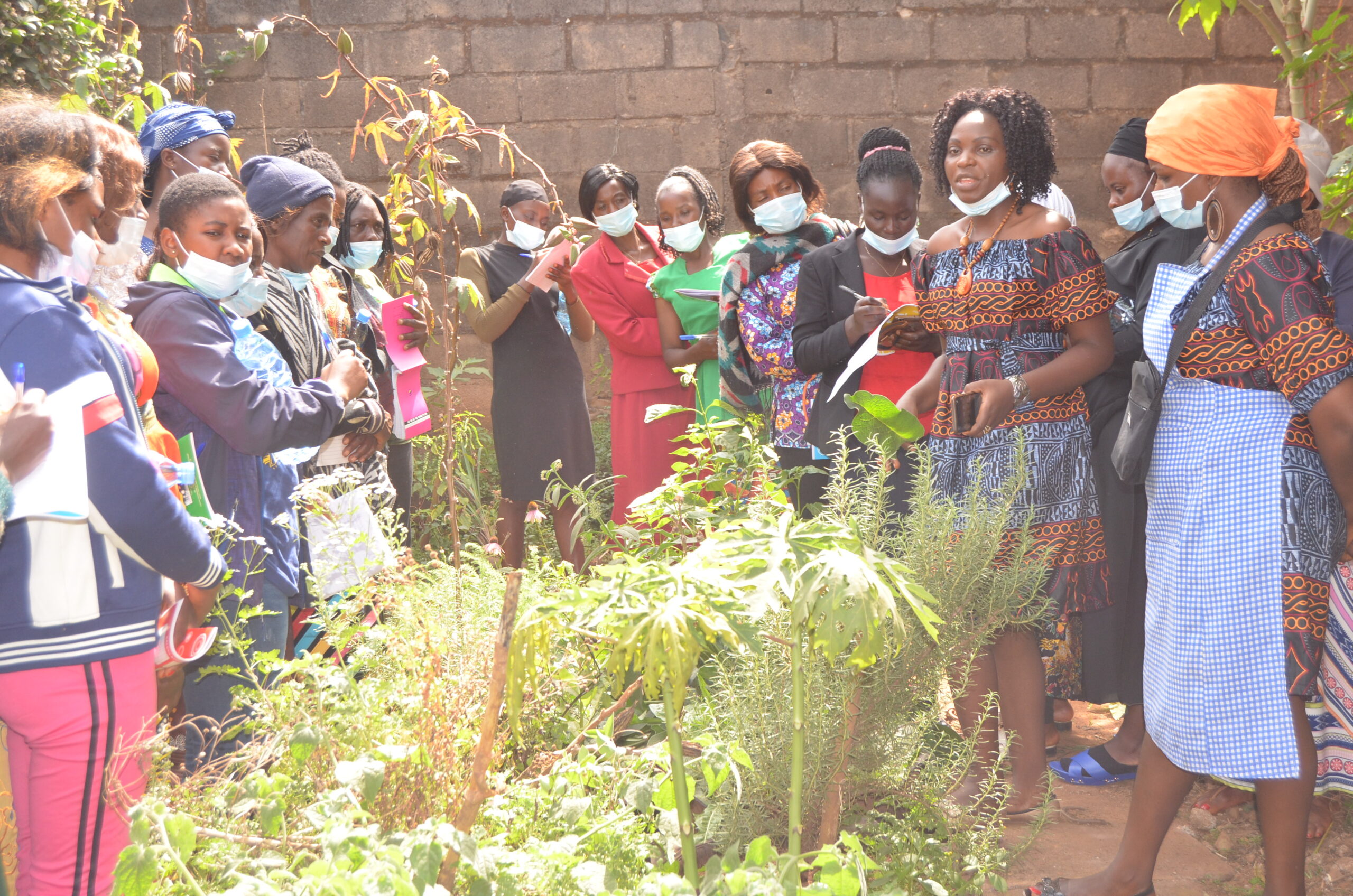
The BES Solution Fund catalysed broad stakeholder engagement and capacity-building, extending awareness to ministries, women and youth groups, the private sector and local communities. Training manuals and standardized guides now serve as national references, while studies on gender roles in biodiversity management continue to shape Cameroon’s implementation of the Global Biodiversity Framework Gender Action Plan. The NP‑SPBES facilitated stronger community involvement, with best practices from Yoko community forest inspiring replication across other forests. Enhanced biodiversity information management, through collaboration between Government and universities, is laying the foundation for a centralized national biodiversity information system. These achievements have elevated Cameroon’s visibility in regional and international fora, strengthened its science-policy interface and demonstrated how national ecosystem assessment findings can cascade into tangible policies, strategies and grassroots conservation action.
Start of BES Solution Fund implementation period: 7 March 2022
End of BES Solution Fund implementation period: 31 October 2025
Implementing agencies: Network for Environment and Sustainable Development in Africa (NESDA) for the national ecosystem assessment process; UNDP Cameroon for the BES Solution Fund
Government Partner: Ministry of Environment, Protection of Nature and Sustainable Development for the BES Solution Fund