Road vegetation in central Europe – An example from the Czech Republic Road nets are man-made constructions in the open landscape w...
Searching for Nests of the Invasive Asian Hornet (Vespa velutina) Using Radio-Telemetry Asian hornets (Vespa velutina) are voracious predators of be...
Thank You for Not Flowering: Conservation Genetics and Gene Flow Analysis of Native and Non-Native Populations of Fraxinus (Oleaceae) in Ireland The risks of gene flow between interfertile native and intro...
Transcriptomic responses to diet quality and viral infection in Apis Mellifera Background: Parts of Europe and the United States have witne...
Imagining transformative biodiversity futures The world has changed. Posited to be a ‘super year’ for ...
Pollination methods, stigma receptivity and pollen tube growth in Eucalyptus Argophloia Eucalyptus argophloia Blakely (Western white gum) has shown ...
Soil eutrophication shaped the composition of pollinator assemblages during the past century Atmospheric nitrogen deposition and other sources of environ...
The North Atlantic oscillation synchronizes fruit production in western European forests Weather and its lagged effects have been associated with int...
Tool for genomic selection and breeding to evolutionary adaptation: Development of a 100K single nucleotide polymorphism array for the honey bee High-throughput high-density genotyping arrays continue to b...
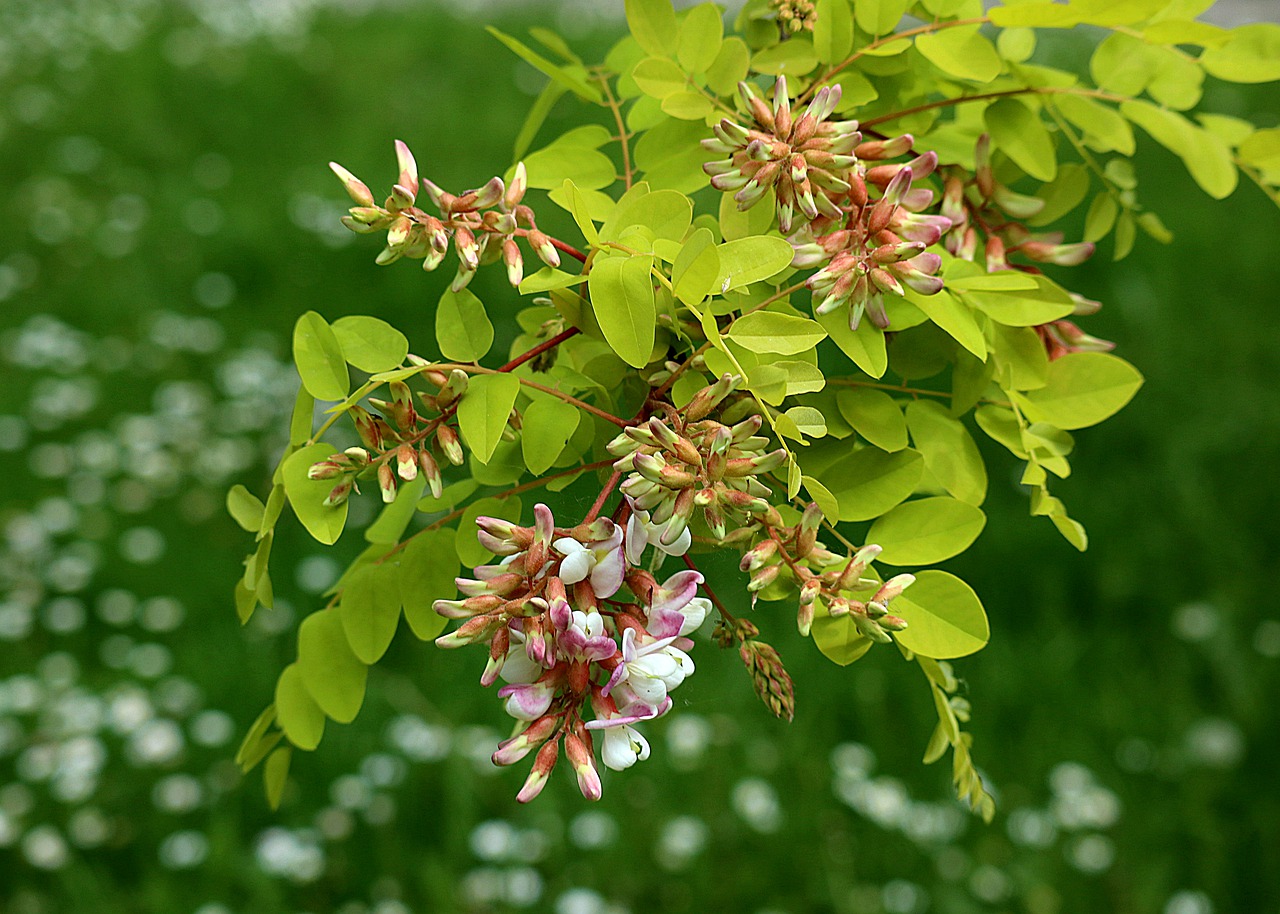
Transcriptional profiles of emasculated flowers of black locust (Robinia Pseudoacacia) determined using the cDNA-AFLP technique Black locust (Robinia pseudoacacia) is a tree in the subfami...
Comparative genomics and description of putative virulence factors of Melissococcus Plutonius, the causative agent of European Foulbrood disease in honey bees In Europe, approximately 84% of cultivated crop species depe...
Blackwell publishing Ltd enhancing pollinator biodiversity in intensive grasslands Increased agricultural intensification has led to well-docum...