Hybridization amongst New Zealand Schoenus (Cyperaceae)? Artificial pollinations were made between five New Zealand s...
Hymenopteran pollinators as agents of selection on flower colour in the New Zealand mountains: Salient chromatic signals enhance flower discrimination Flowering plants in New Zealand have often been described as...
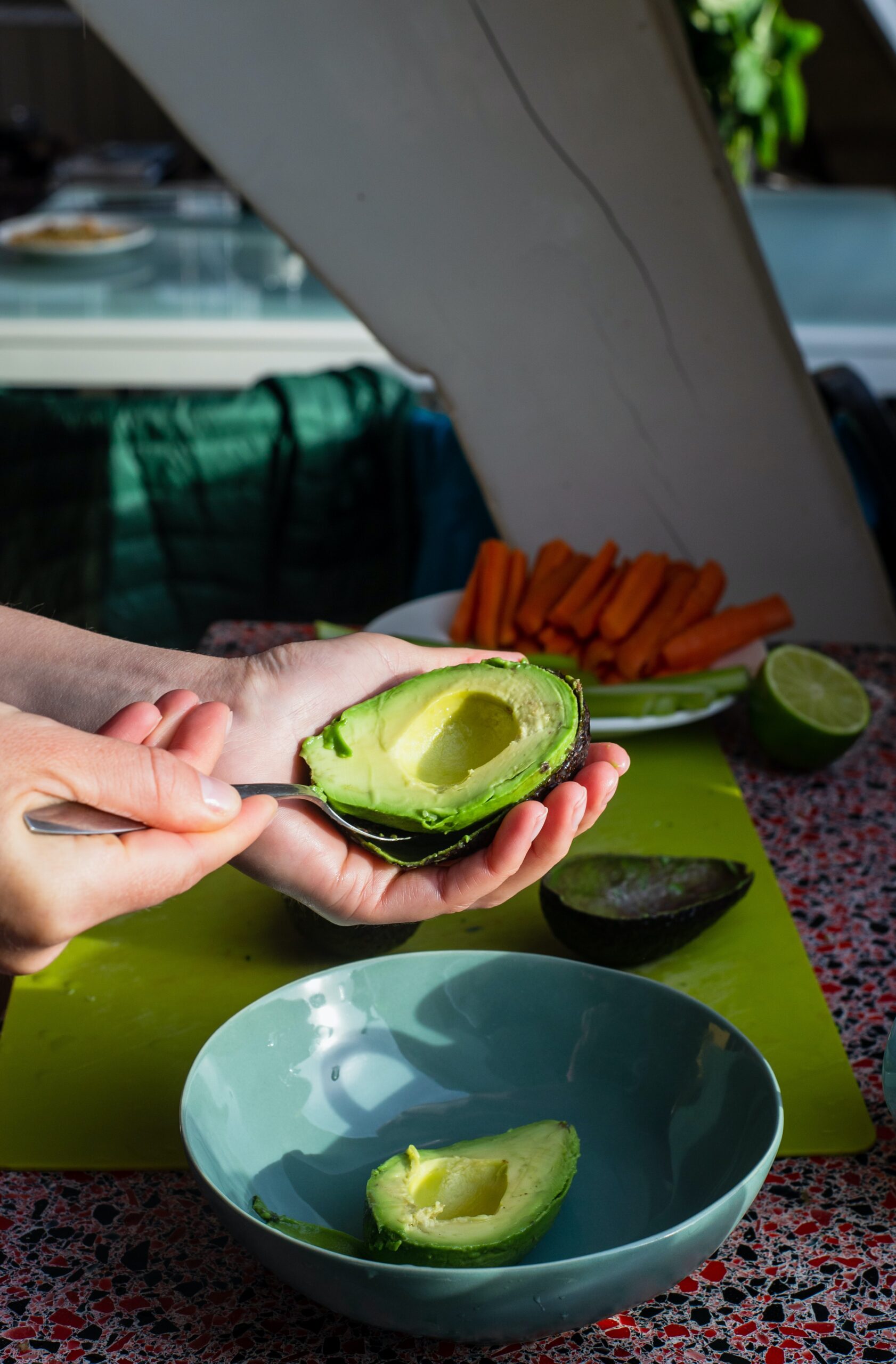
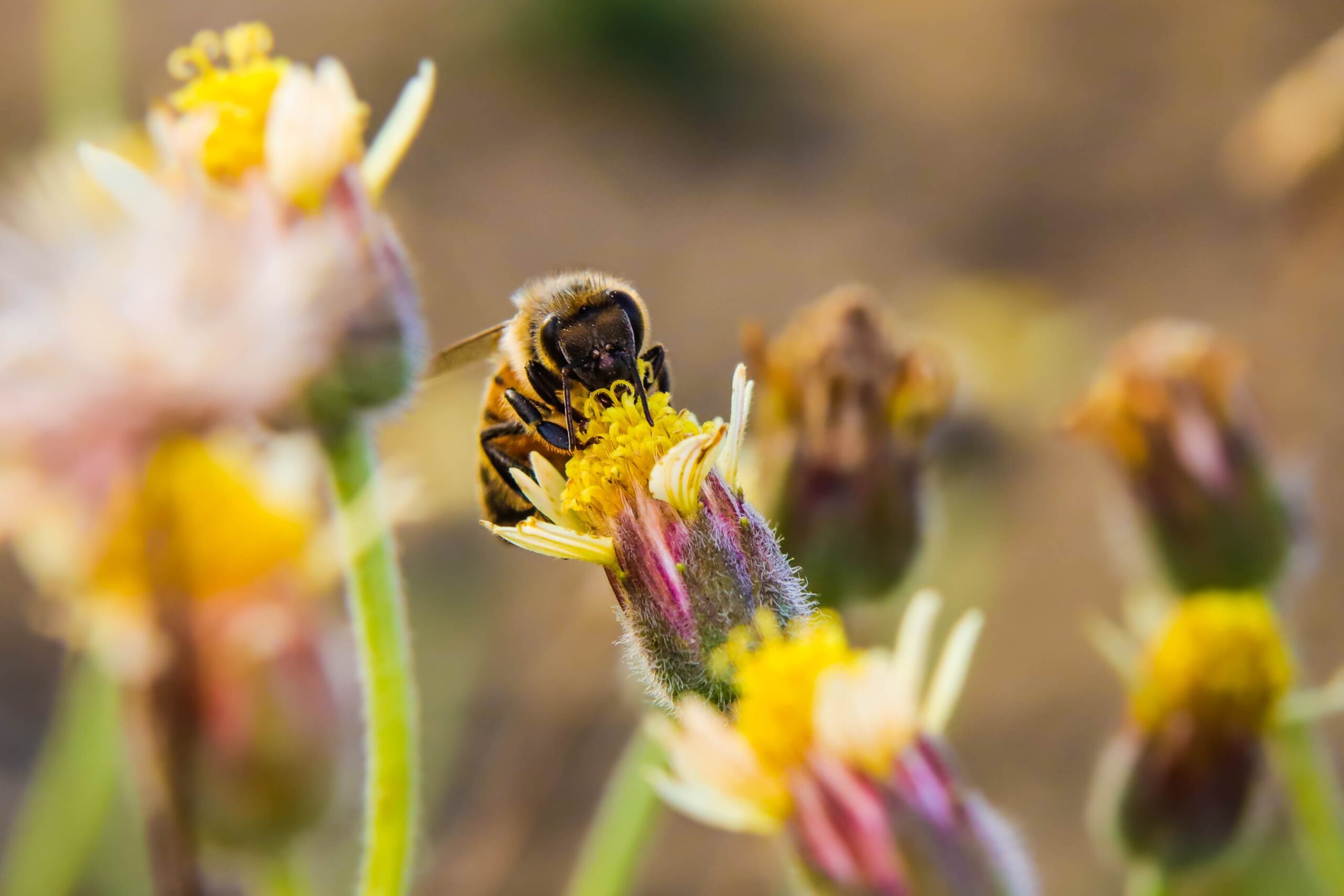
Insect visitors to avocado flowers in the Bay of Plenty, New Zealand Insect pollination is key to ensuring adequate fruit yields ...
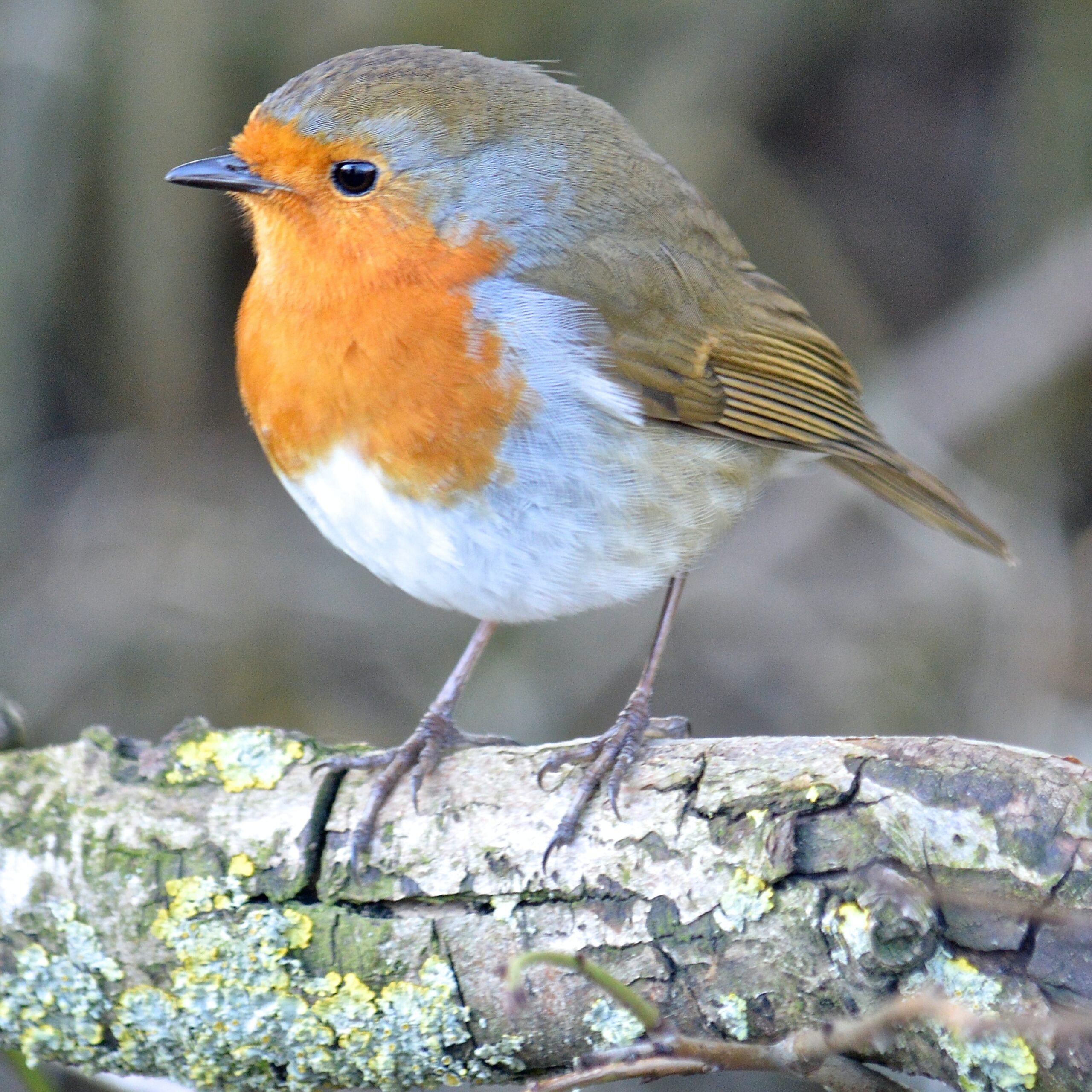
Invasive Rats and Recent Colonist Birds Partially Compensate for the Loss of Endemic New Zealand Pollinators Reported declines of pollinator populations around the world...
Low outcrossing rates and shift in pollinators in New Zealand Pohutukawa New Zealand pohutukawa (Metrosideros excelsa), a member of t...
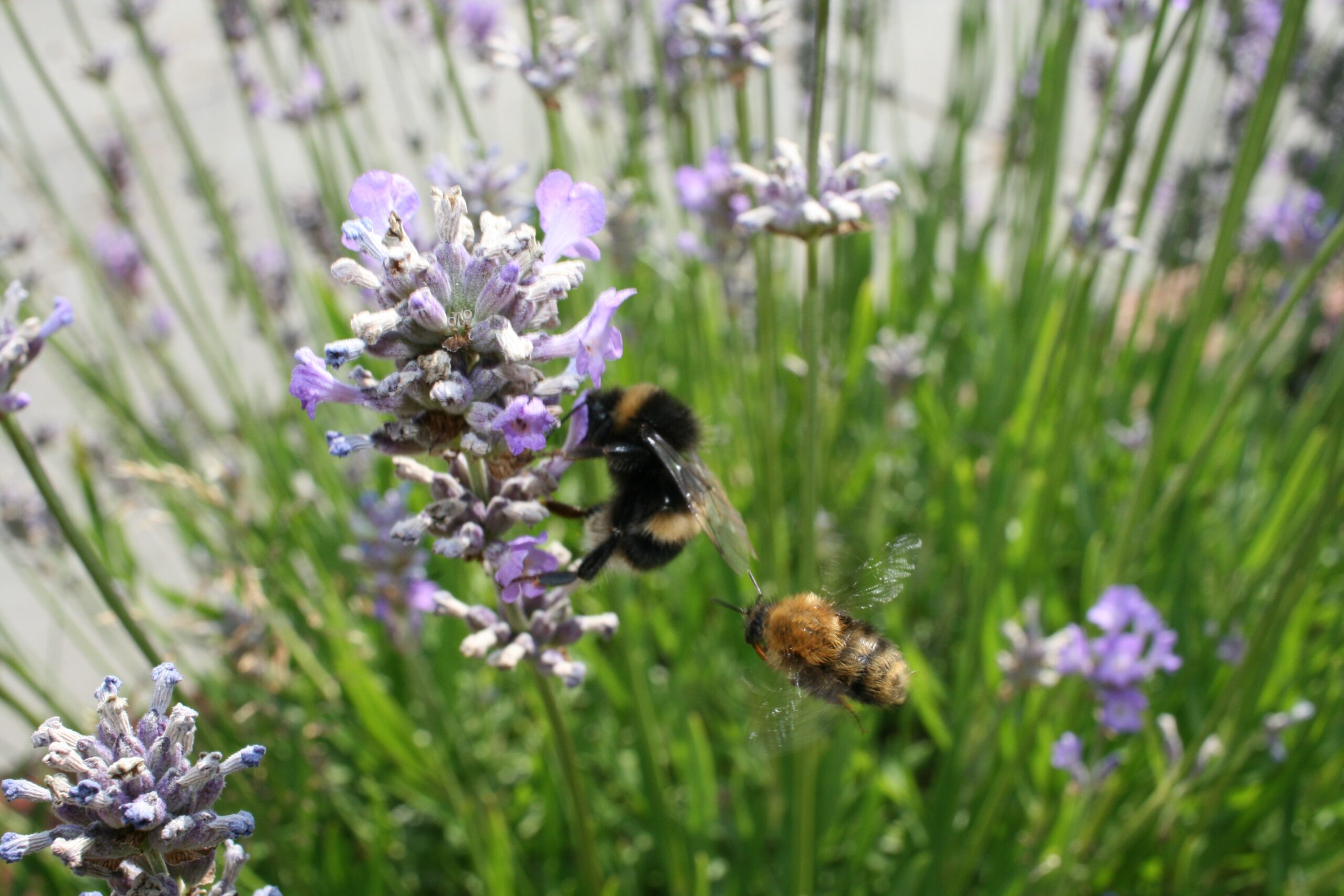
Managed bumble bees are viable as pollinators in netted Kiwifruit orchards Protected cropping can increase orchard productivity; howeve...
Origin and dispersal of Homalictus (Apoidea: Halictidae) across Australia, Papua New Guinea and Pacific The halictid bee genus Homalictus (Apoidea: Halictidae) is d...
Parallel evolution of angiosperm colour signals: Common evolutionary pressures linked to hymenopteran vision Flowering plants in Australia have been geographically isola...
Reproductive ecology of the basal angiosperm Trithuria submersa (Hydatellaceae) Background and Aims: Trithuria, the sole genus in the family...
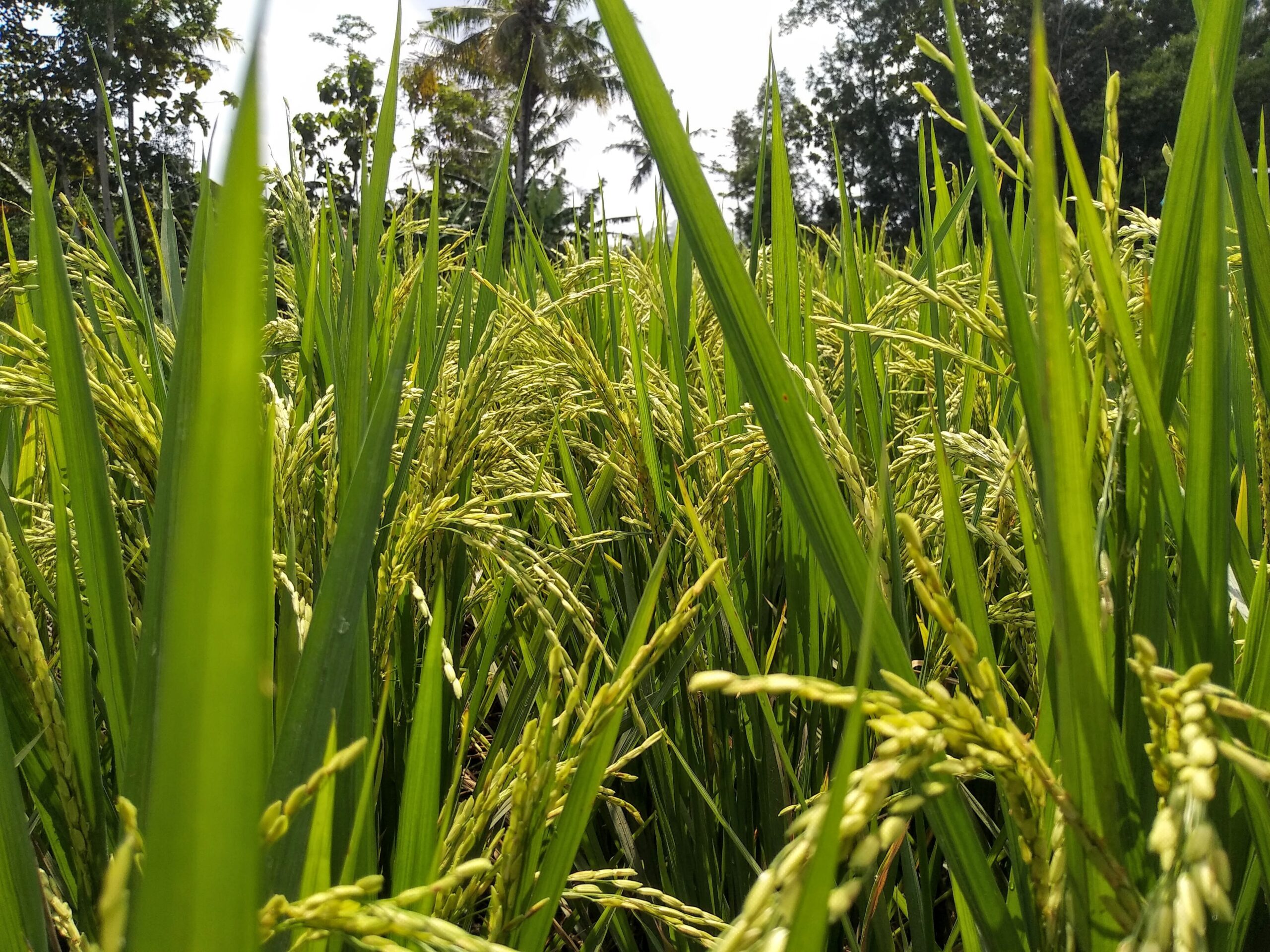
Stability of rice pollination in the field under hot and dry conditions in the Riverina region of New South Wales, Australia Even Under Extremely Hot (40ºC) Conditions During Anthesis,...
The density of feral honey bee (Apis Mellifera ) colonies in south East Australia is greater in undisturbed than in disturbed habitats Apis mellifera is an important pollinator but is sometimes a...
The discovery of 2,5-Dialkylcyclohexan-1,3 Diones as a new class of natural products Orchids employing sexual deceit attract males of their polli...