Urban development decreases bee abundance and diversity within coastal dune systems Globally, coastal human population density is approximately ...
Varietal and seasonal differences in the effects of commercial bumblebees on fruit quality in Strawberry crops Both wild and managed pollinators significantly contribute t...
Web monitoring of bee health for researchers and beekeepers based on the internet of things The Colony Collapse Disorder (CCD) also entitled ‘Colony L...
When is an asymmetric plant-pollinator relationship symmetrica l? The Orchidaceae is a highly evolved, pollinator orientated f...
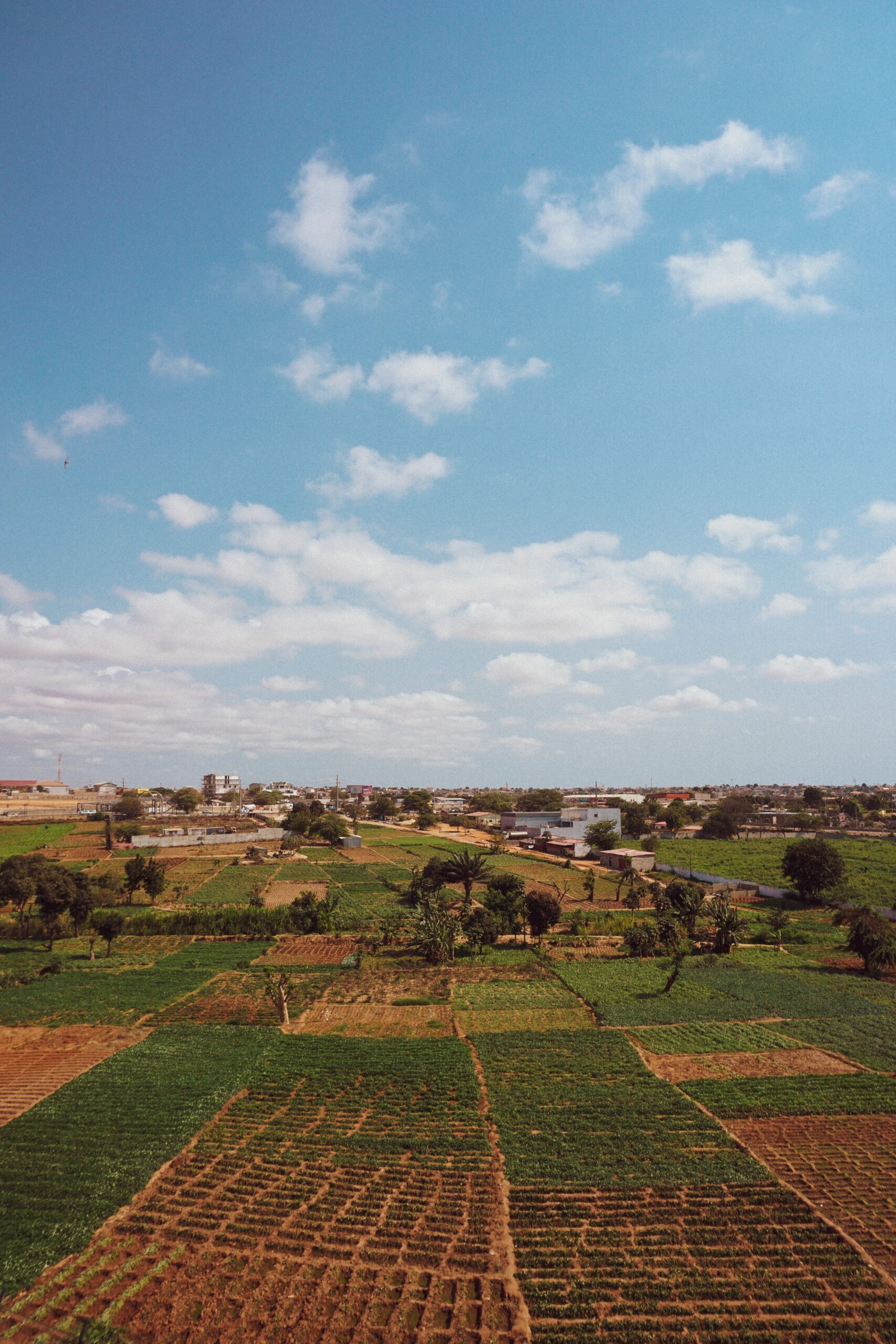
A modeling assessment of geneflow in smallholder agriculture in west Africa Purpose: Small-scale agriculture is an important issue for f...
Allergenic Asteraceae in Air Particulate Matter: Quantitative DNA Analysis of Mugwort and Ragweed Mugwort (Artemisia vulgaris) and ragweed (Ambrosia artemisii...
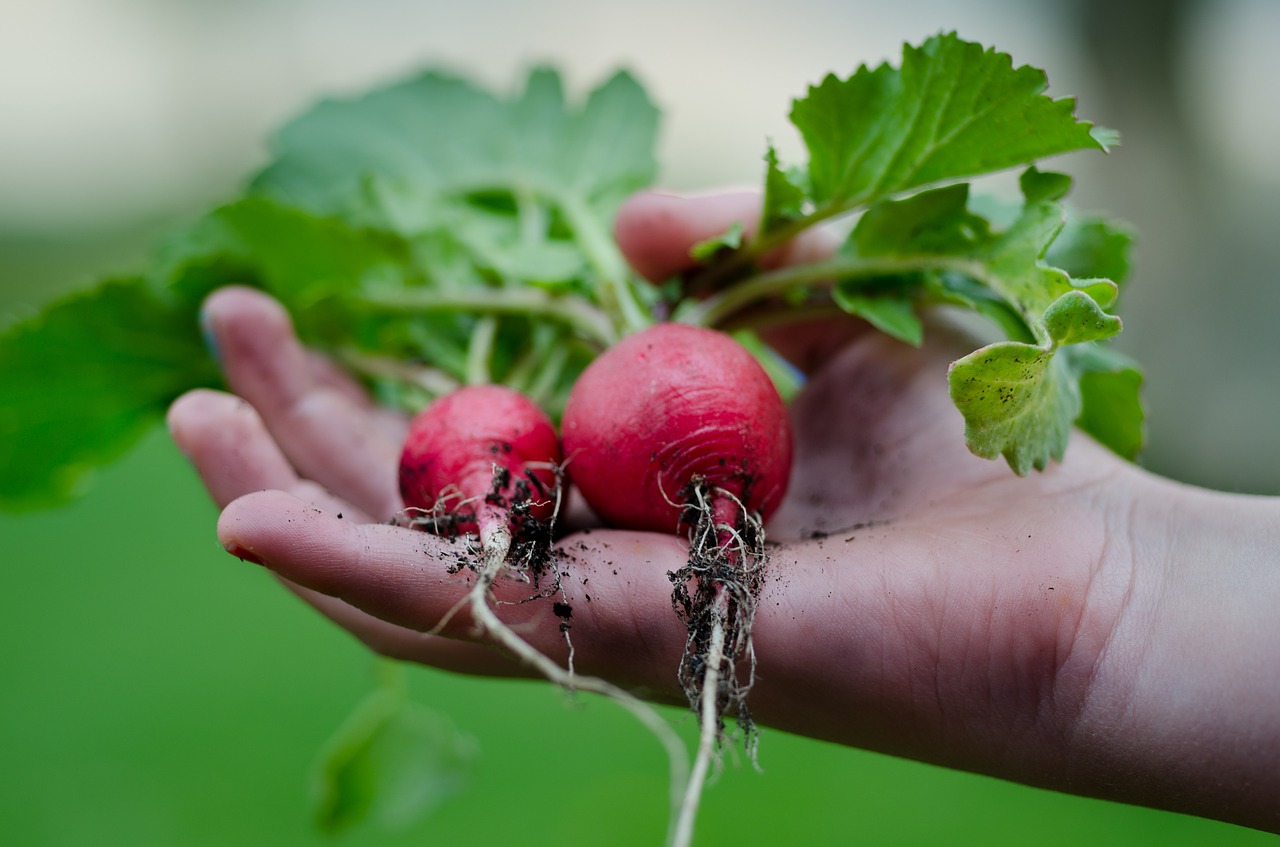
Allozyme diversity and population structure of Japanese and Korean populations of wild radish, Raphanus Sativus Var. Hortensis F. Raphanistroides Raphanus satiuus var. hortensis f. raphanistroides (wild rad...
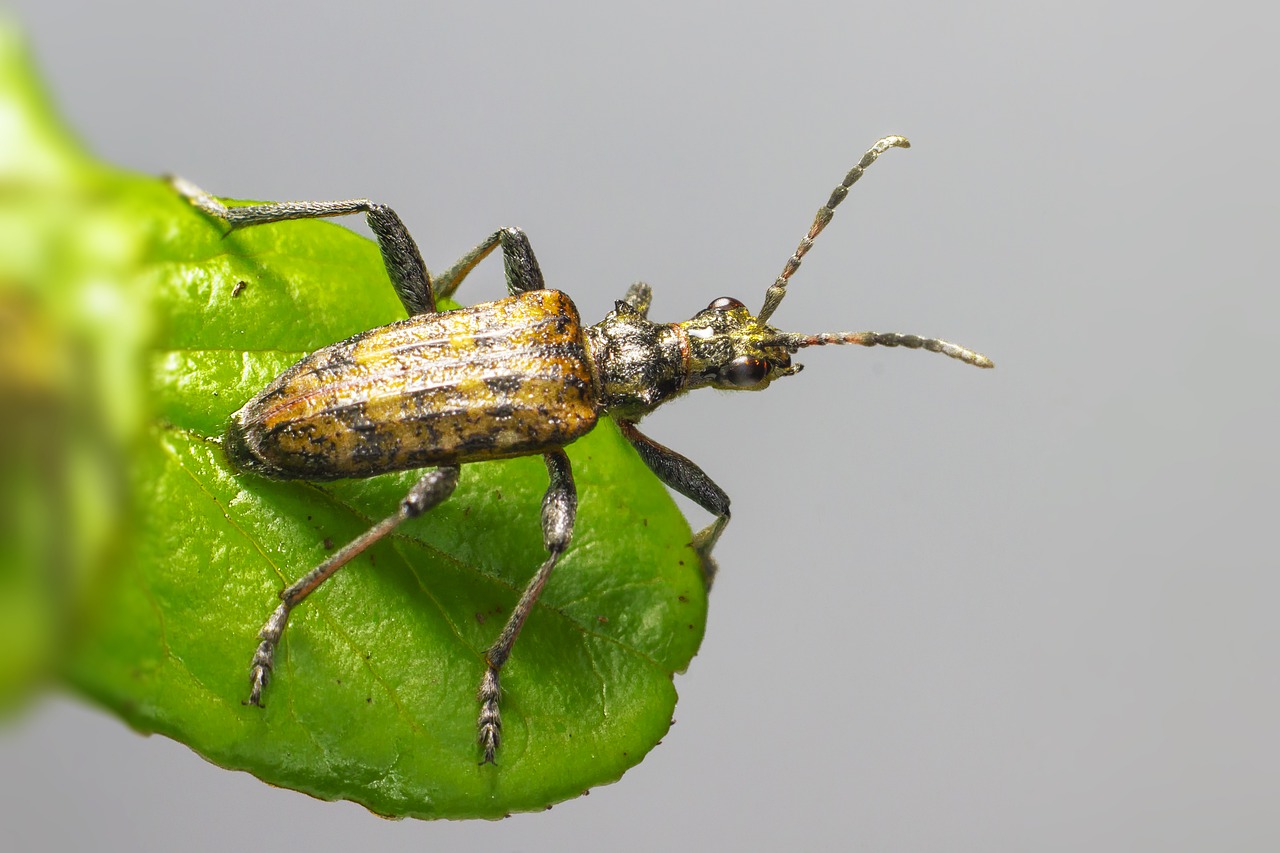
Asian longhorned Beetle (Coleoptera: Cerambycidae), an introduced pest of Maple and other hardwood trees in north America and Europe The Asian longhorned beetle, Anoplophora glabripennis (Motsc...
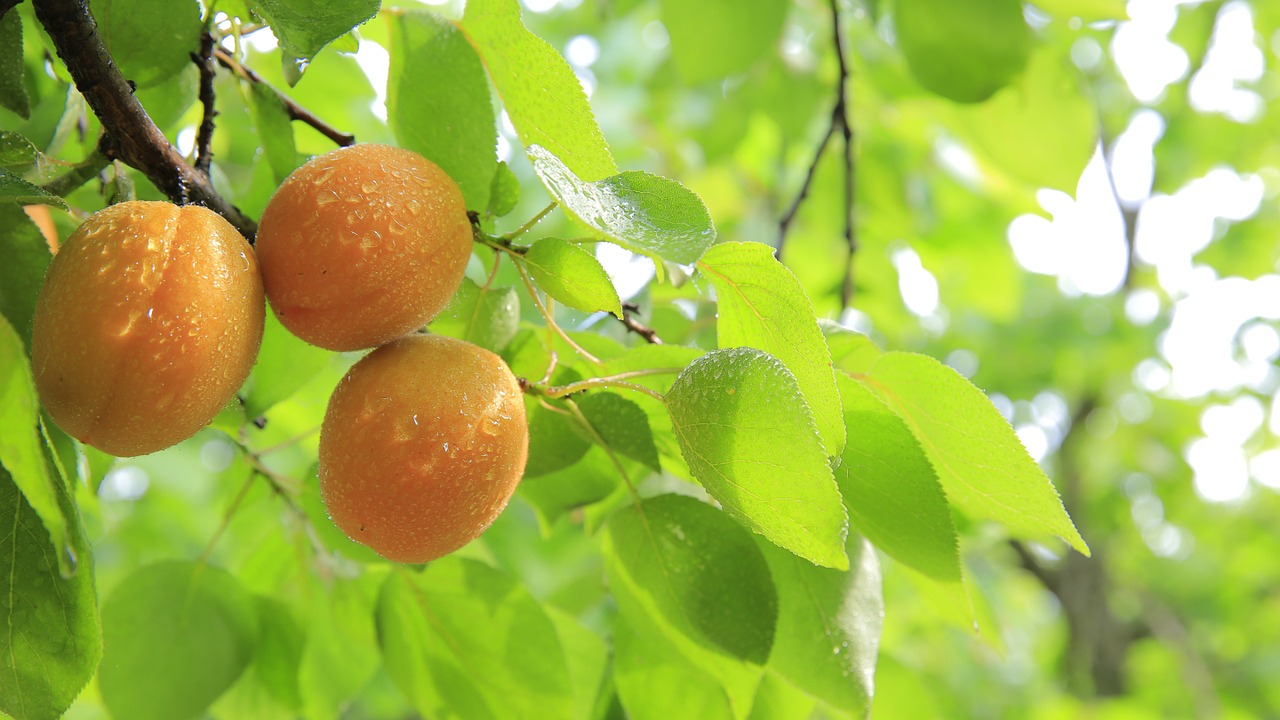
Optimizing production in the new generation of Apricot cultivars: Self-incompatibility, S-RNase allele identification, and incompatibility group assignment Apricot (Prunus armeniaca L.) is a species of the Rosaceae ...
Pollinator visitation to mass-flowering courgette and co-flowering wild flowers: Implications for pollination and bee conservation on farms Managing the complex relationship between pollinators and ...
Range expansion of an already widespread bee under climate change Climate change is a key threat to pollination networks and h...
Semi-natural habitats support biological control, pollination and soil conservation in Europe: A review Semi-natural habitats are integral to most agricultural area...