Unsuccessful Introduced Biocontrol Agents Can Act as Pollinators of Invasive Weeds: Bitou Bush The extent of self‐compatibility and reliance on pollinato...
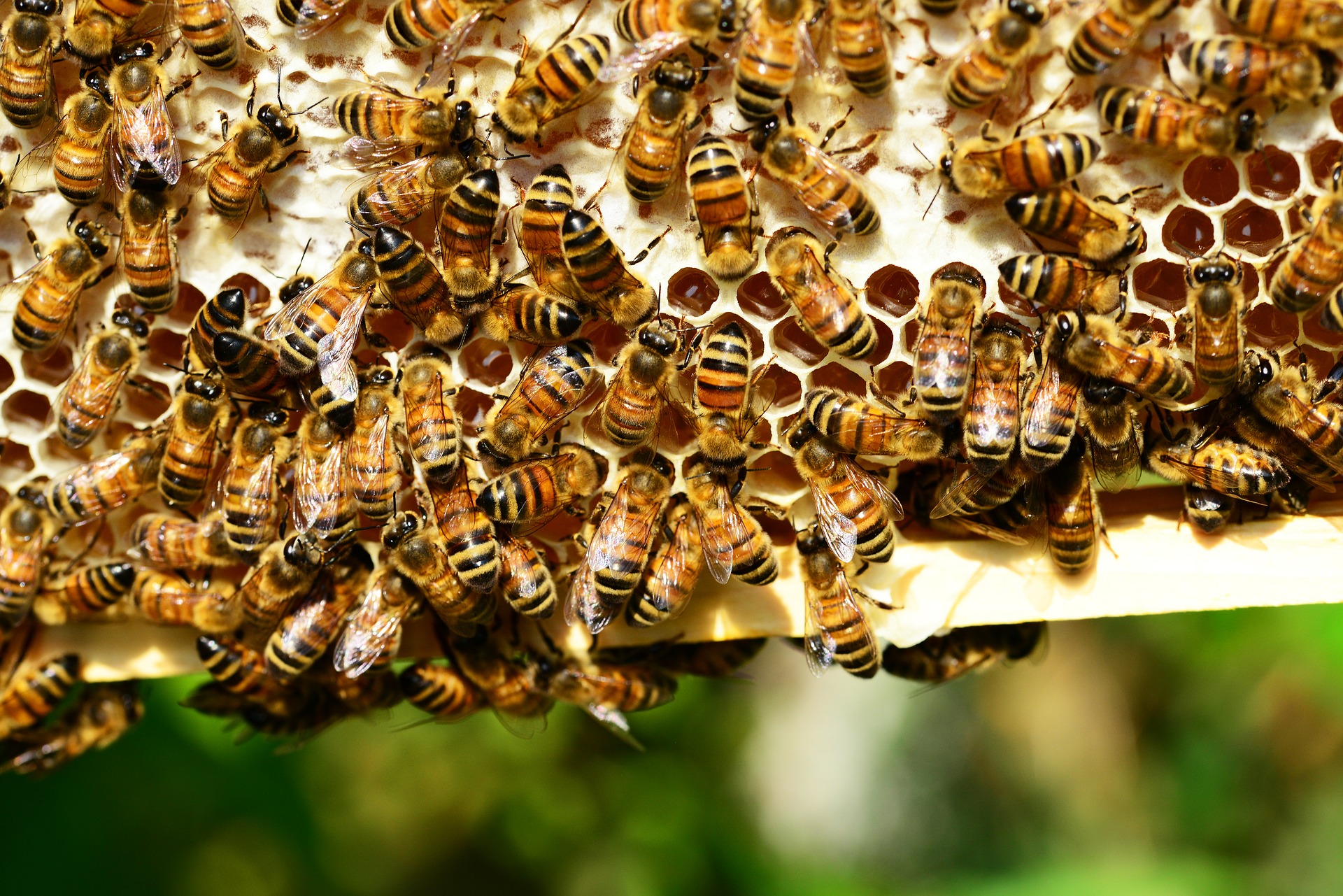
Western honey bee management for crop pollination This literature review seeks to provide an outlook of the us...
Why Africa matters: Evolution of old world Salvia (Lamiaceae) in Africa Background and aims: Salvia is the largest genus in Lamiace...
Tree diversity and its ecological importance value in organic and conventional cocoa agroforests in Ghana Cocoa agroforestry systems have the potential to conserve bi...
Baobabs are self-incompatible and ‘male’ trees can produce fruit if hand-pollinated The African baobab’s (Adansonia digitata) breeding sys...
Breeding Systems of Invasive Alien Plants in South Africa: Does Baker’s Rule Apply? According to Baker’s Rule, plant species capable of un...
Butterfly-wing pollination in Scadoxus and other south African Amaryllidaceae Understanding the evolution of floral morphology requires in...
Coevolution between food-rewarding flowers and their pollinators The concept of coevolution was first developed by Darwin, wh...
Effect of pollination mode on progeny of Panicum Coloratum Var. Makarikariense: Implications for conservation and breeding Panicum coloratum var. makarikariense, a perennial grass ...
Flowering, post-pollination development and propagation of Ebolo (Crassocephalum Crepidioides (benth.) S. Moore) in Ile-Ife, Nigeria A study of Crassocephalum crepidioides, a green leafy veget...
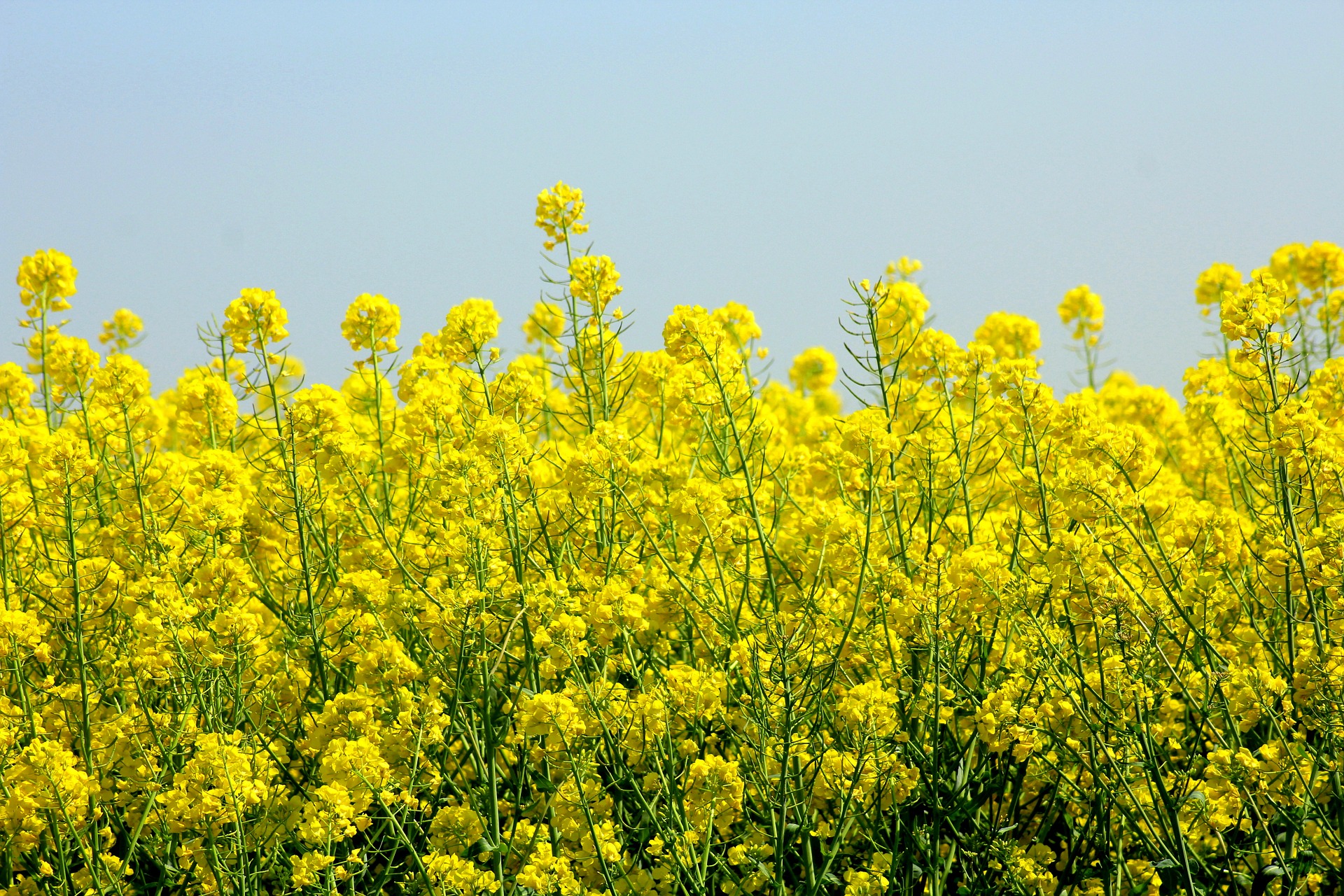
The bee community and its relationship to Canola seed production in homogenous agricultural areas Canola crop productivity is benefited by bee pollination and...
The complex demographic history and evolutionary origin of the western honey bee, Apis Mellifera The western honey bee, Apis mellifera, provides critical pol...