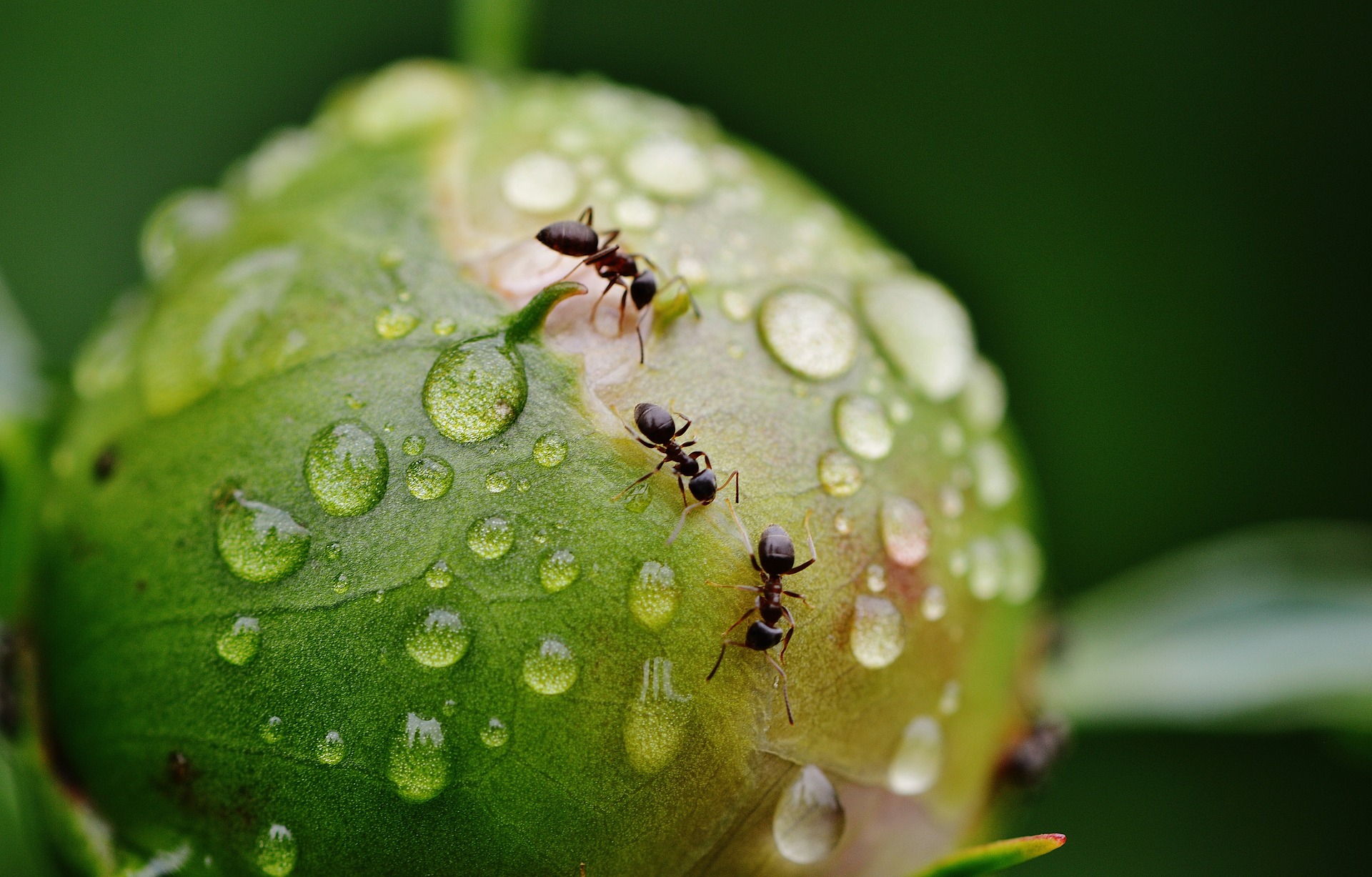
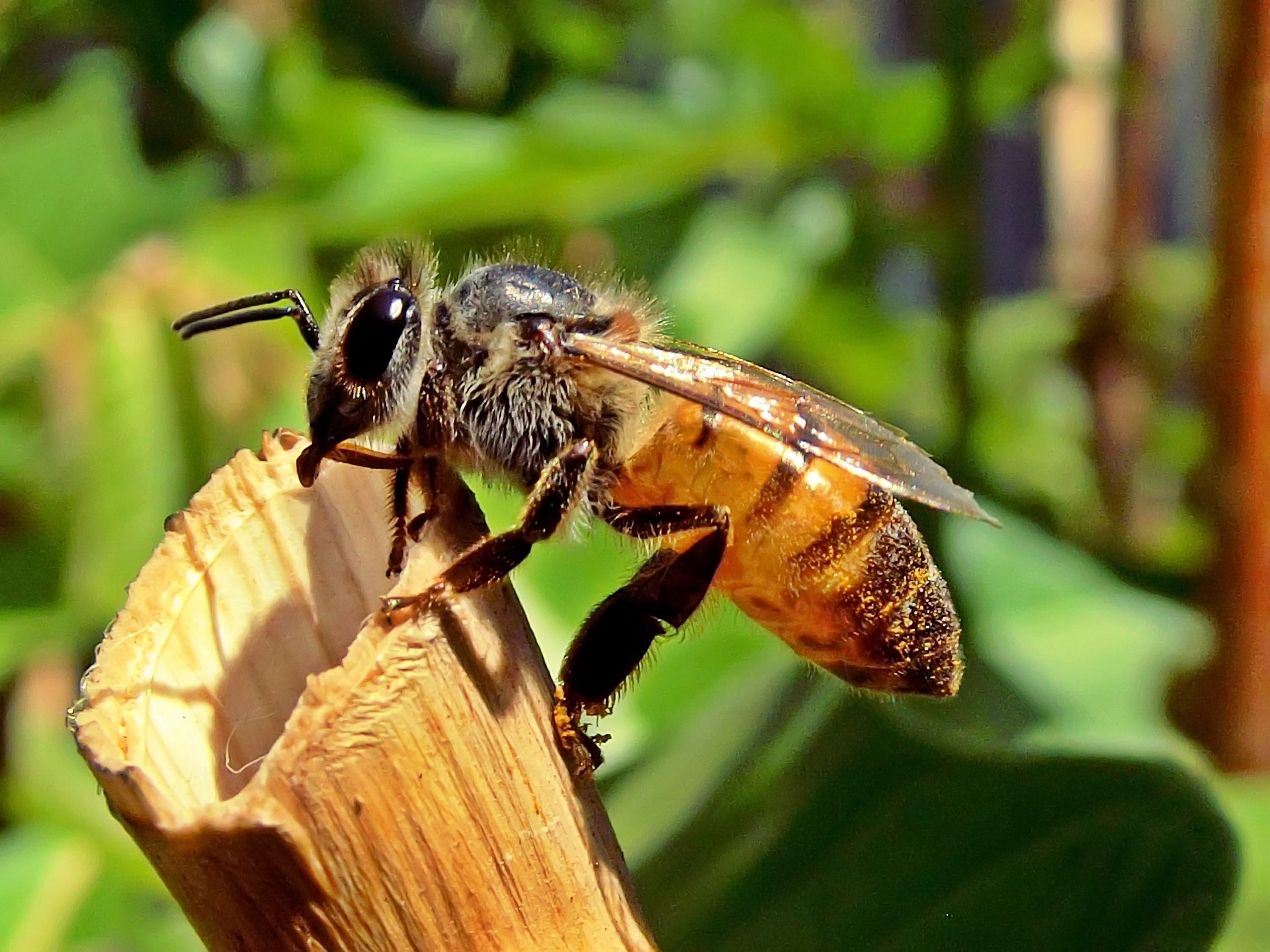
Foraging behaviour and pollination efficiency of Apis Mellifera l. on the oil tree peony ‘Feng Dan’ To solve the issue of insufficient pollinating of insects fo...
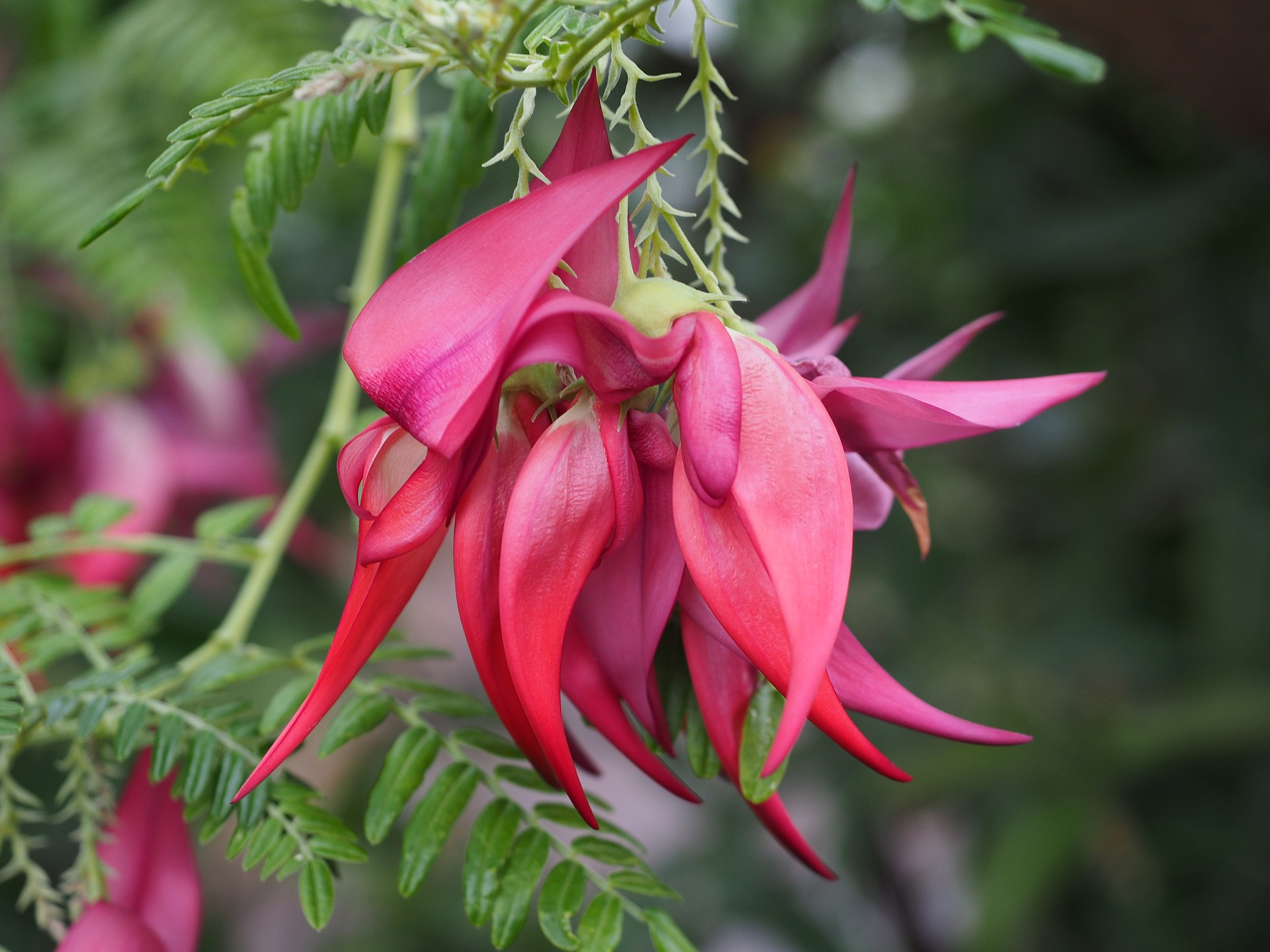
Pollination insights for the conservation of a rare threatened plant species, Astragalus tragacantha (Fabaceae) The increase in habitat fragmentation impacts plant-pollinat...
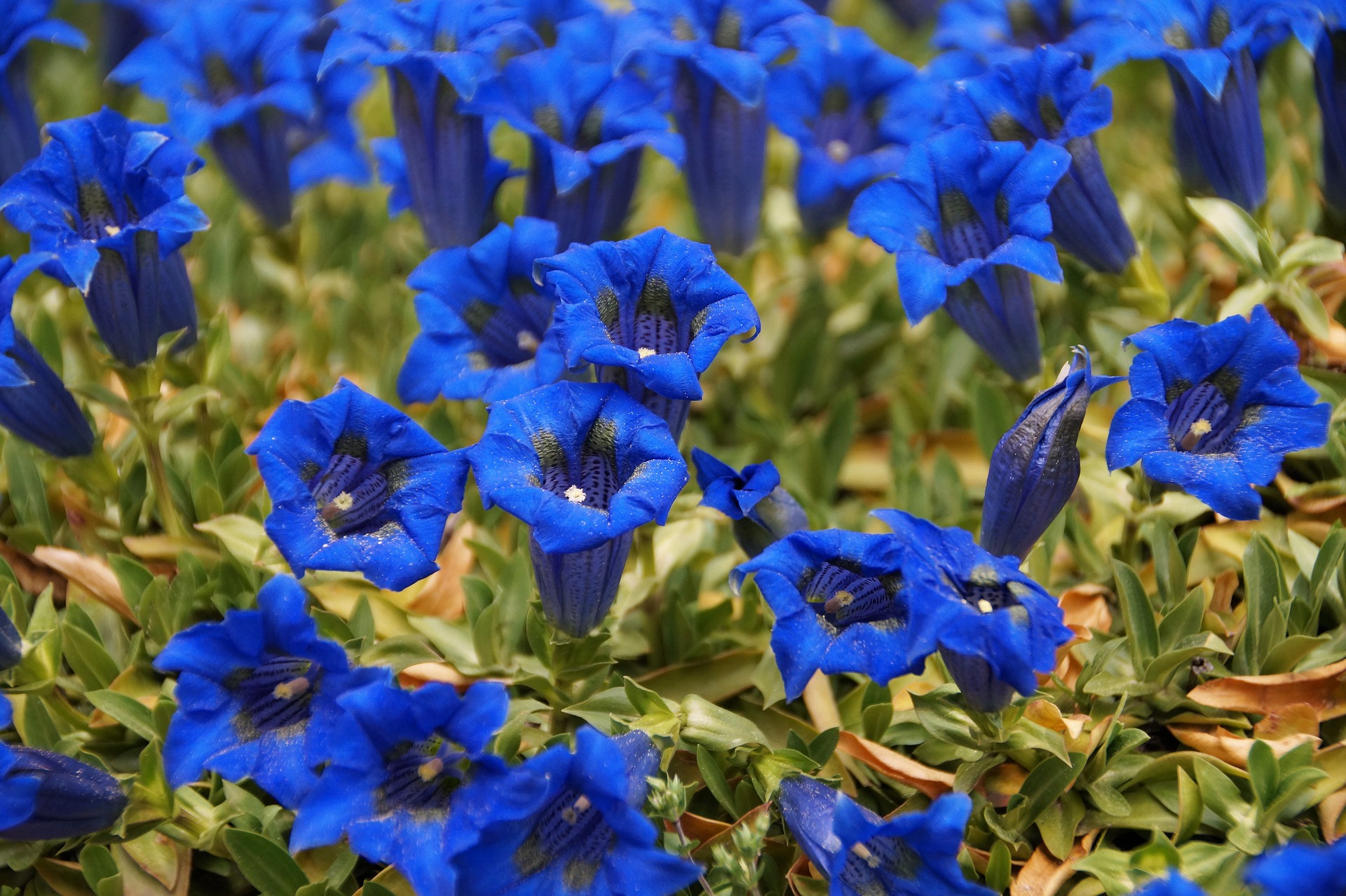
Urbanization threaten the pollination of Gentiana dahurica With rapid spread of the urbanization, many environmental fa...
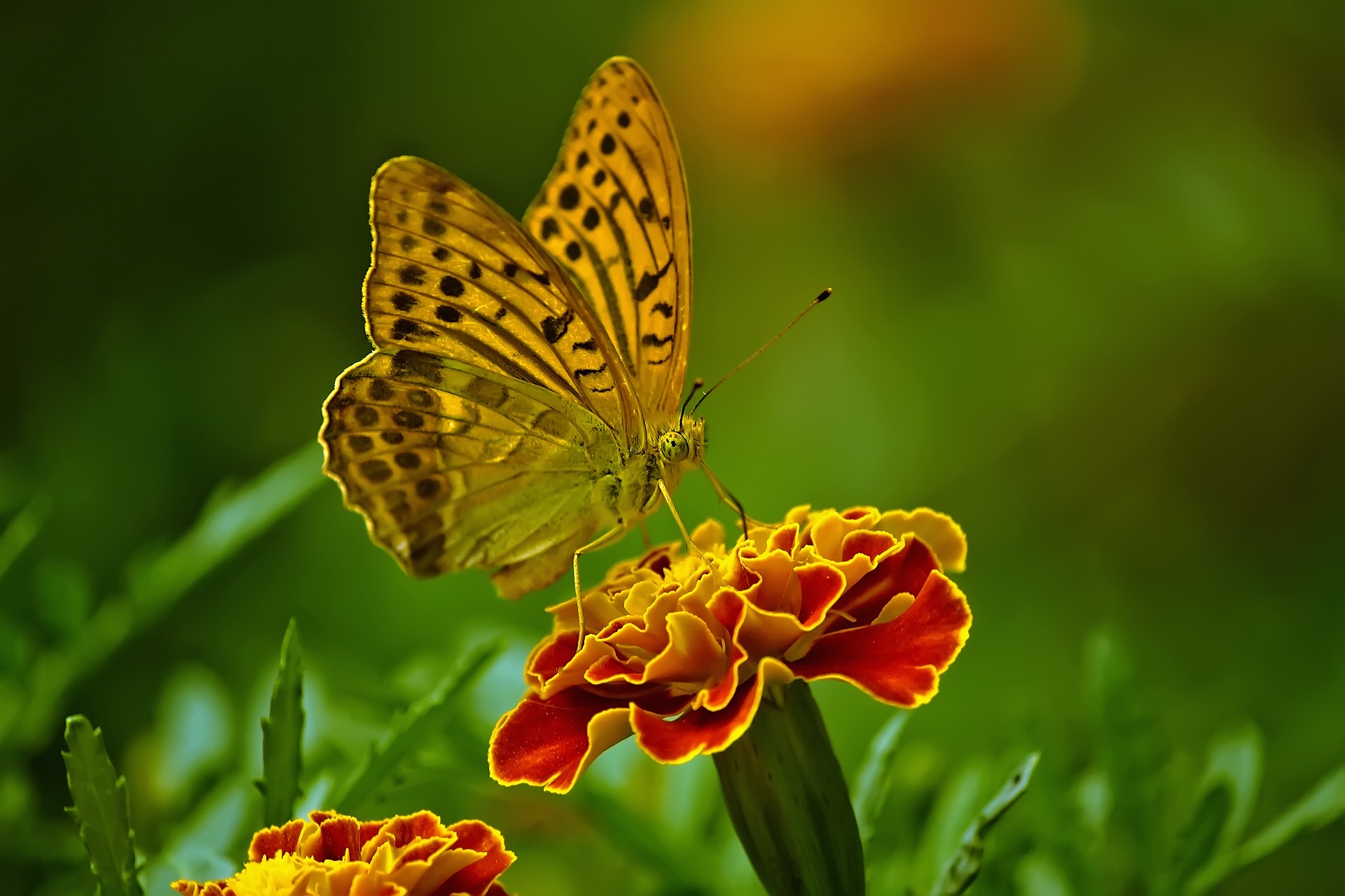
Pollination services from insects in home gardens in the Chengdu plain will be confronted with crises Chengdu Plain is one of China’s most important agricultura...
Naturally available wild pollination services have economic value for nature dependent smallholder crop farms in Tanzania Despite the importance of naturally available wild pollinati...
A meta-analysis of the agents of selectionon floral traits Floral traits are hypothesized to evolve primarily in respon...
Pollination ecology of the neotropical gesneriadgloxinia perennis: Chemical composition and temporal fluctuation of floral perfume Although common among orchids, pollination by perfume-gather...
What do nectarivorous bats like? Nectar composition in bromeliaceae with special emphasis on bat-pollinated species Floral nectar is the most important reward for pollinators a...
Comparison of the ecology and evolution of plants with a generalist bird pollination system between continents and islands worldwide Thousands of plant species worldwide are dependent on birds ...
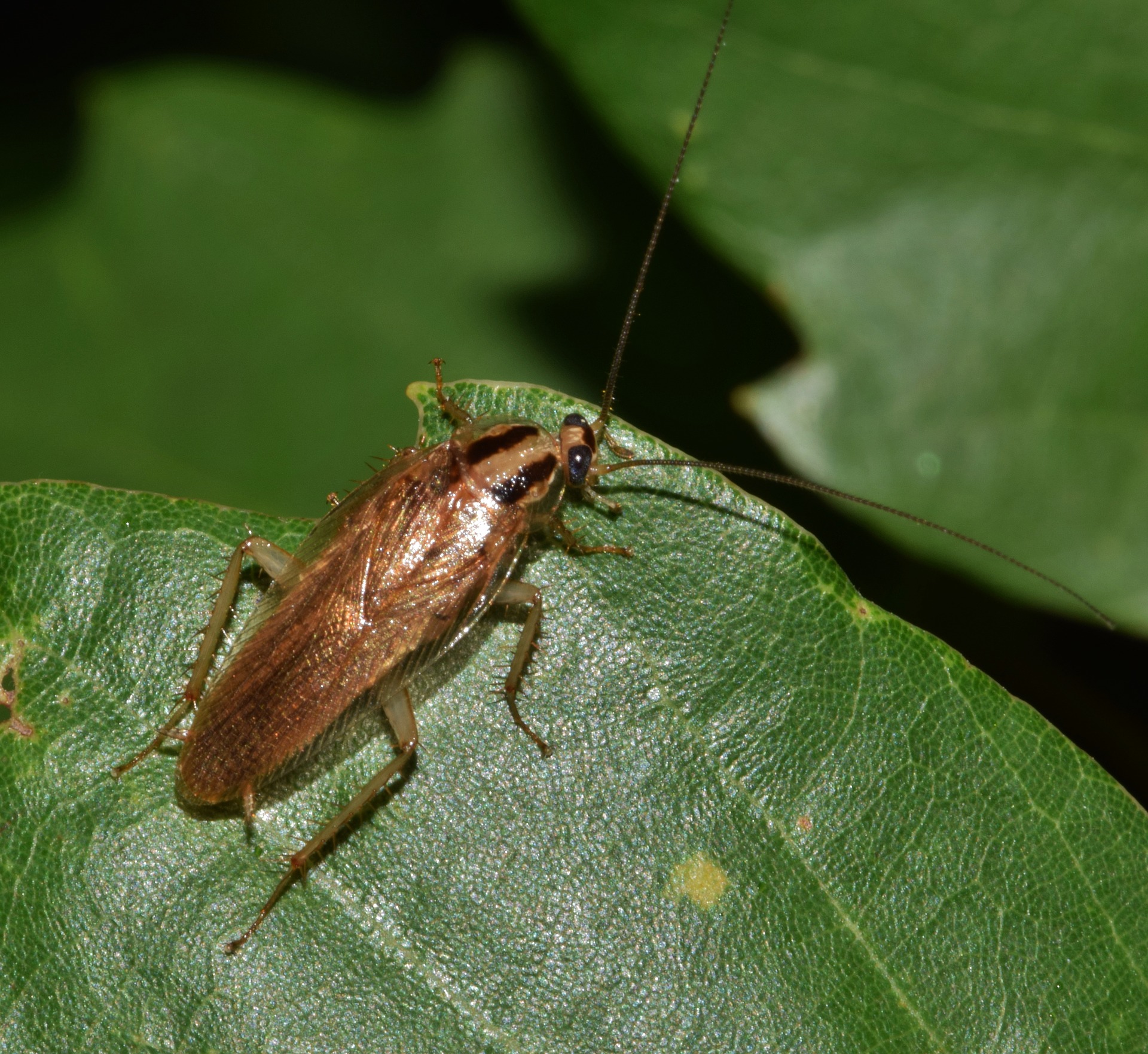
Pollination efficiency of cockroaches and other floral visitors of Clusia blattophila Cockroaches have rarely been documented as pollinators. In t...
Beyond buzz-pollination – Departures from an adaptive plateau lead to new pollination syndromes Pollination syndromes describe recurring adaptation to selec...