Integrating conservation and restoration in a changing world Conservation biology and restoration ecology share a common interest in maintaining or enhancing pop...
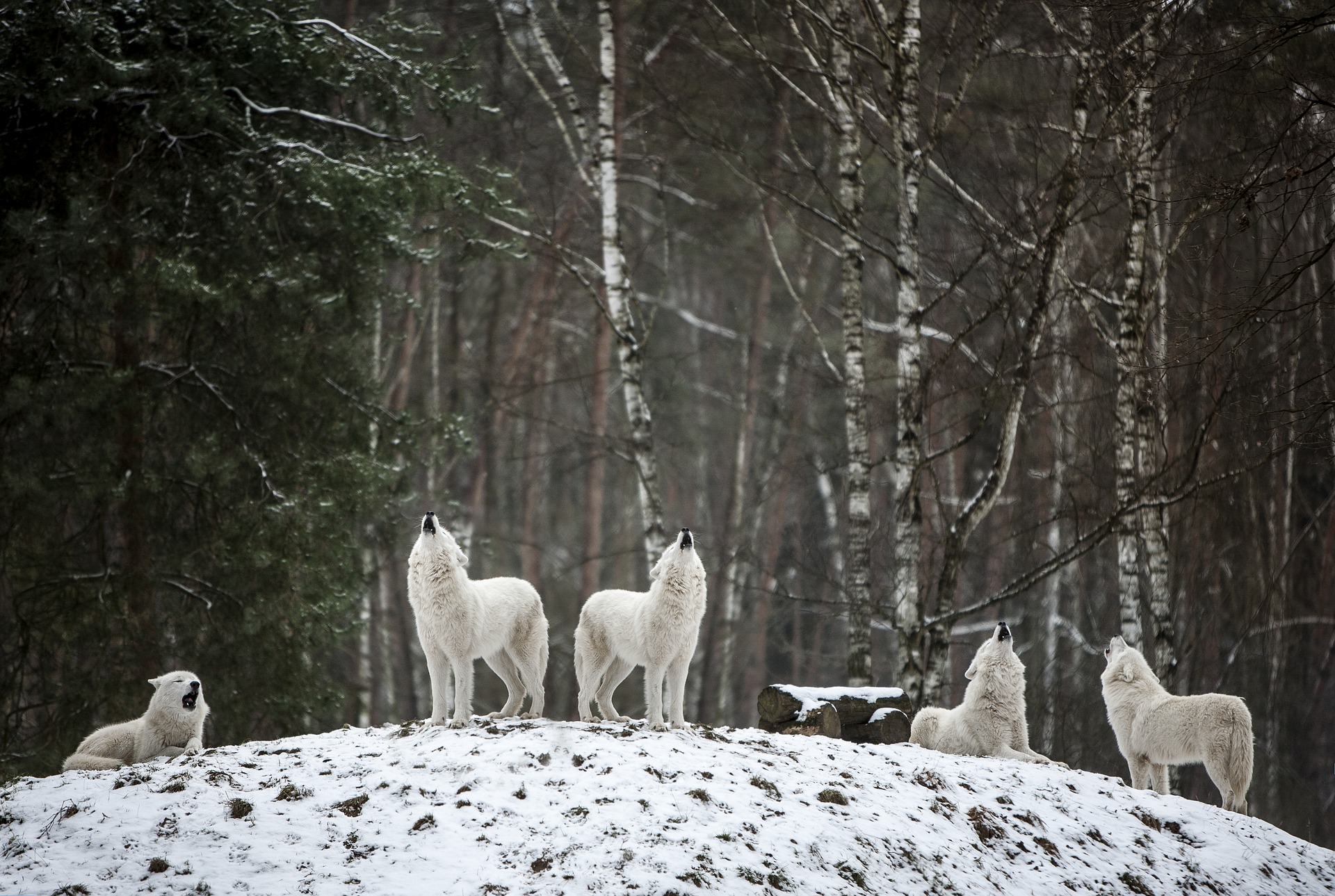
Trophic cascades from wolves to alders in Yellowstone We explored possible interactions among gray wolves (Canis lupus), Rocky Mountain elk (Cervus elaphu...
Millennial-scale sustainability of the Chesapeake Bay native American oyster fishery Estuaries around the world are in a state of decline following decades or more of overfishing, pollu...
Reducing nitrogen export from the corn belt to the Gulf of Mexico: Agricultural strategies for remediating hypoxia SPAtially Referenced Regression on Watershed models developed for the Upper Midwest were used to hel...
A global meta-analysis on the ecological drivers of forest restoration success Two billion ha have been identified globally for forest restoration. Our meta-analysis encompassing...
Spatial priorities for restoring biodiverse carbon forests A price on carbon is driving land-use changes globally, including the establishment of biodiverse ca...
Ecological engineering and aquatic connectivity: A new perspective from beaver‐modified wetlands Habitat fragmentation and wetland loss due to anthropogenic causes are usually attributed to physica...
A framework for establishing restoration goals for contaminated ecosystems As natural resources become increasingly limited, the value of restoring contaminated sites, both te...
Restoration of impaired ecosystems: An ounce of prevention or a pound of cure? Introduction, overview, and key messages from a SETAC-SER workshop A workshop on Restoration of Impaired Ecosystems was held in Jackson, Wyoming, in June 2014. Experts...
The dynamics of architectural complexity on coral reefs under climate change One striking feature of coral reef ecosystems is the complex benthic architecture which supports div...
Opportunities and challenges of integrating ecological restoration into assessment and management of contaminated ecosystems Ecosystem restoration planning near the beginning of the site assessment and management process (“ea...
Characteristic and derived diversity: Implementing the species pool concept to quantify conservation condition of habitats Anthropogenic environmental changes in climate, land use and disturbance regimes, as well as mass pr...