Phylogenomic insights into the evolution of stinging wasps and the origins of ants and bees Summary: The stinging wasps (Hymenoptera: Aculeata) are an e...
Mutualistic strategies minimize coextinction in plant-disperser networks. The global decline of mutualists such as pollinators and see...
Effects of fire on pollinators and pollination Increased incidence of landscape fire and pollinator decline...
Mass‐flowering crops dilute pollinator abundance in agricultural landscapes across Europe Mass‐flowering crops (MFCs) are increasingly cultivated an...
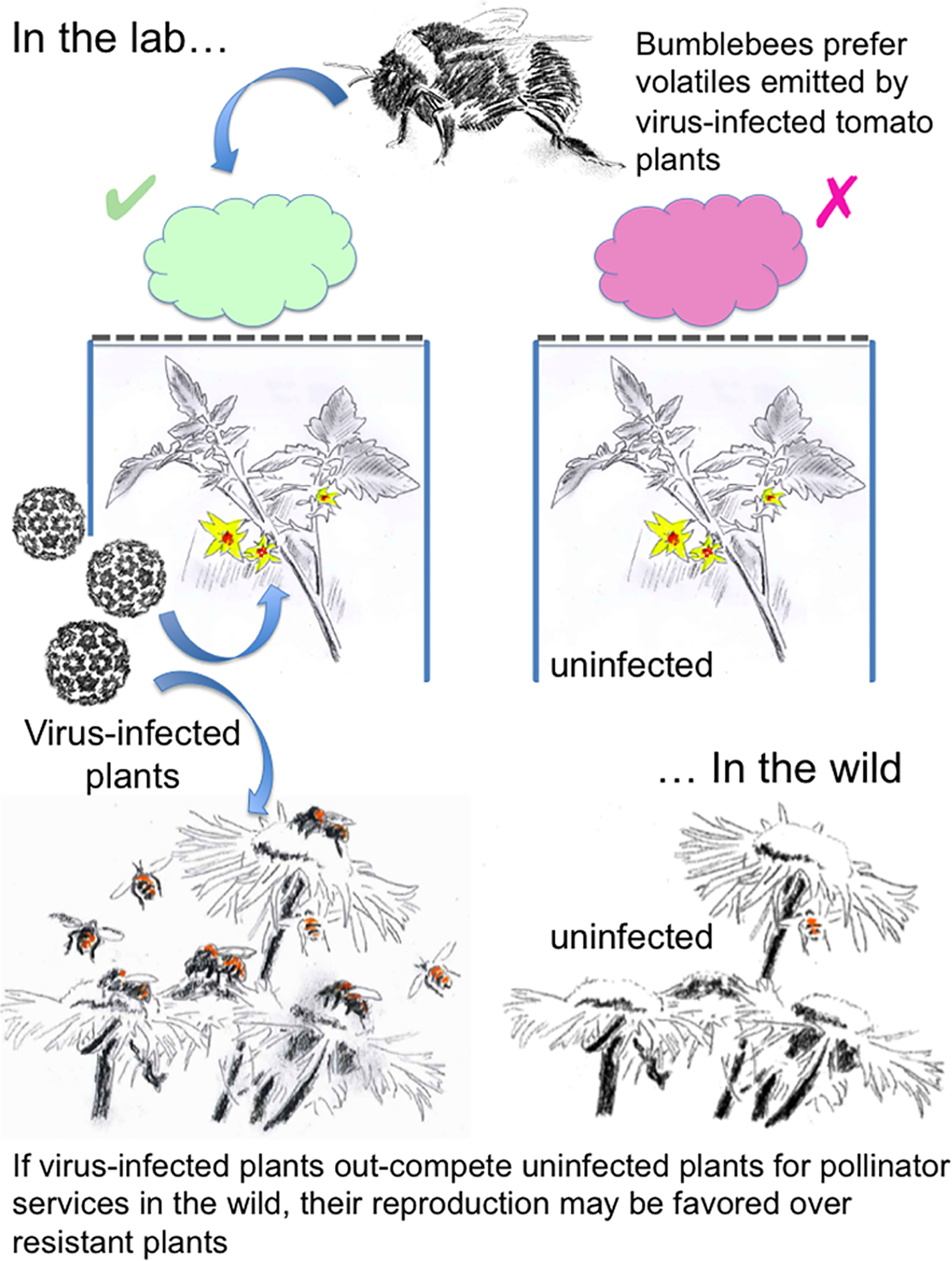
Getting the smell of it – odour cues structure pollinator networks Floral visitors vary greatly among plant species and depend ...
Why be a shrub? A basic model and hypotheses for the adaptive values of a common growth form Shrubs are multi-stemmed short woody plants, more widespread...
Towards systematic conservation planning adapted to the local flow of ecosystem services Ecosystem services (ES) are increasingly included in conserv...
Tolerance adaptation and precipitation changes complicate latitudinal patterns of climate change impacts Global patterns of biodiversity and comparisons between trop...
Thresholds in Caribbean coral reefs: Implications for ecosystem‐based fishery management Ecosystem-based management of coral reef fisheries aims to ...
The use of ecosystem-based adaptation practices by smallholder farmers in Central America There is growing interest in promoting the use of Ecosystem-...
The right incentives enable ocean sustainability successes and provide hope for the future Healthy ocean ecosystems are needed to sustain people and li...
Restoring forests: What constitutes success in the twenty-first century? Forest loss and degradation is occurring at high rates but h...