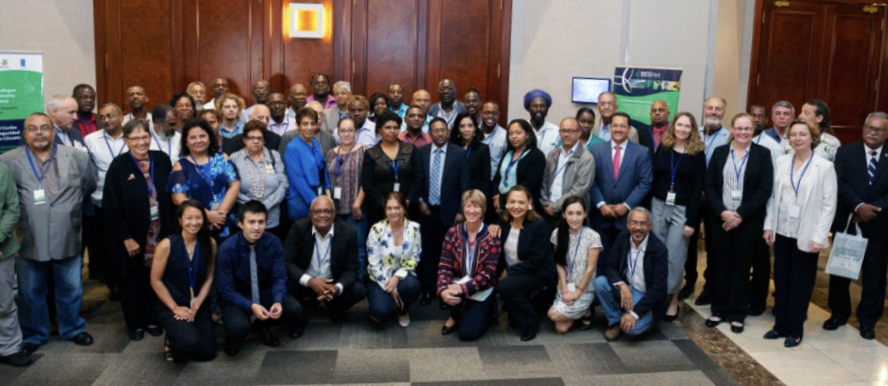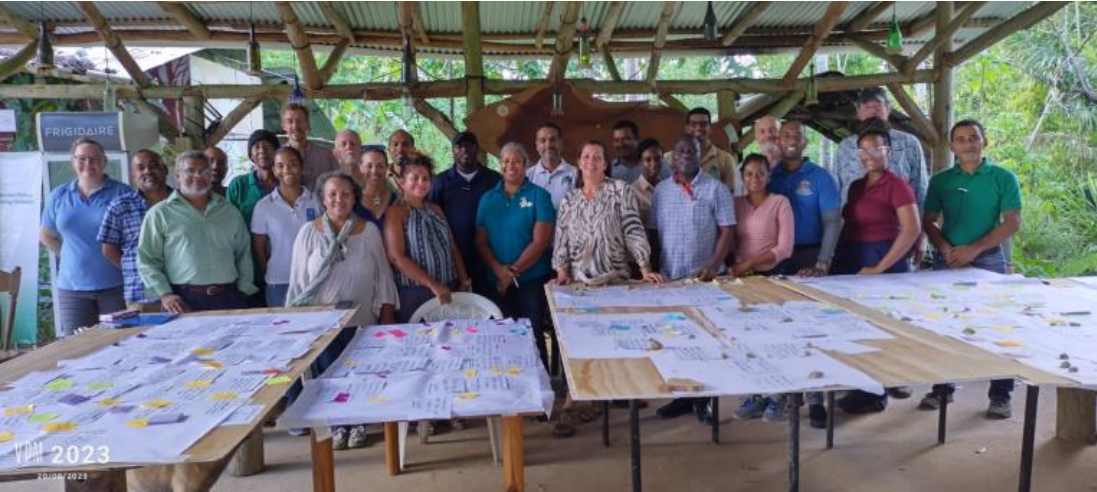
Second Caribbean Regional Trialogue
Location: Port of Spain, Trinidad and Tobago
Participating Countries: Antigua and Barbuda, Guyana, Cuba, Dominica, Dominican Republic, Grenada, Trinidad and Tobago
View Event 
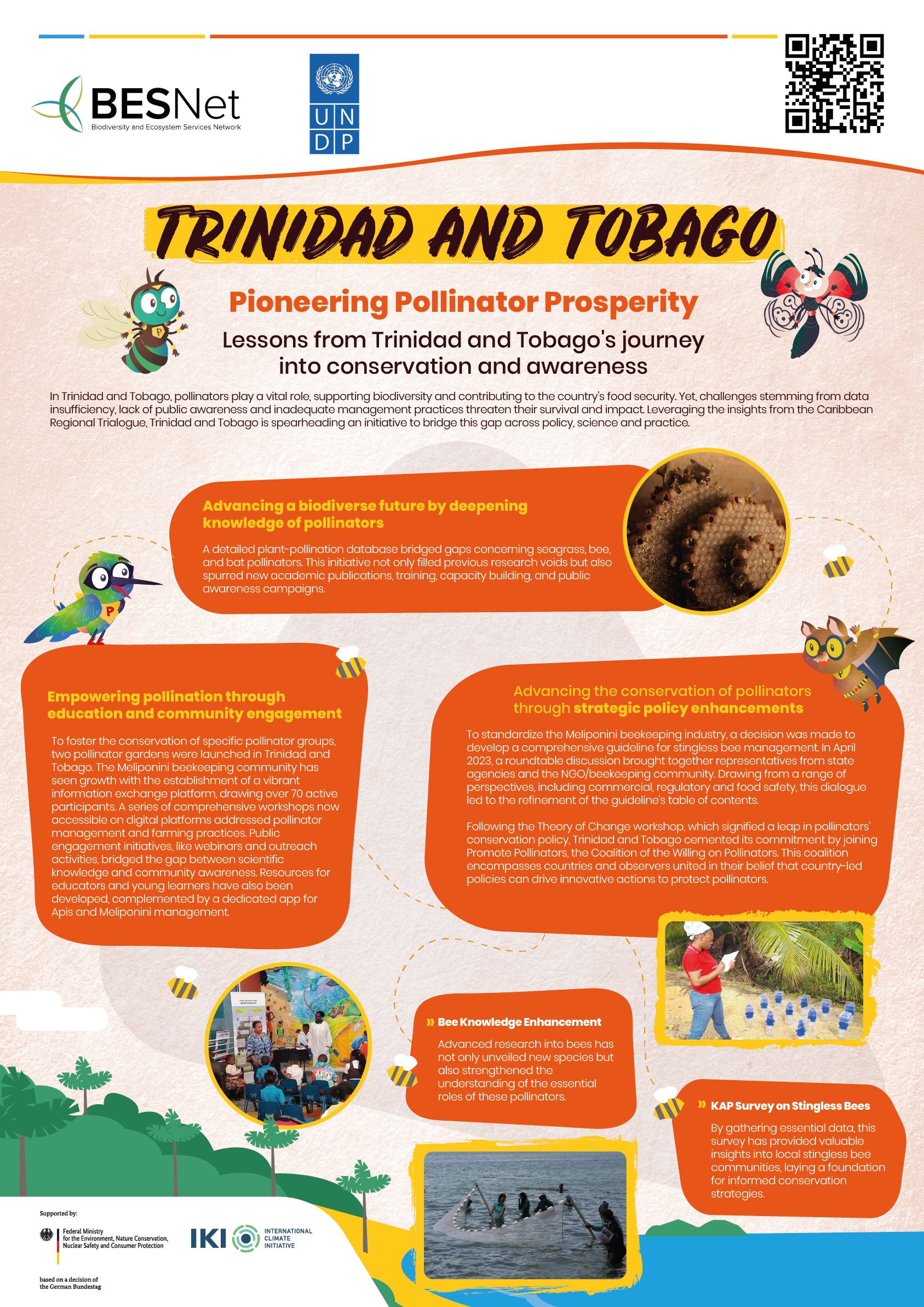
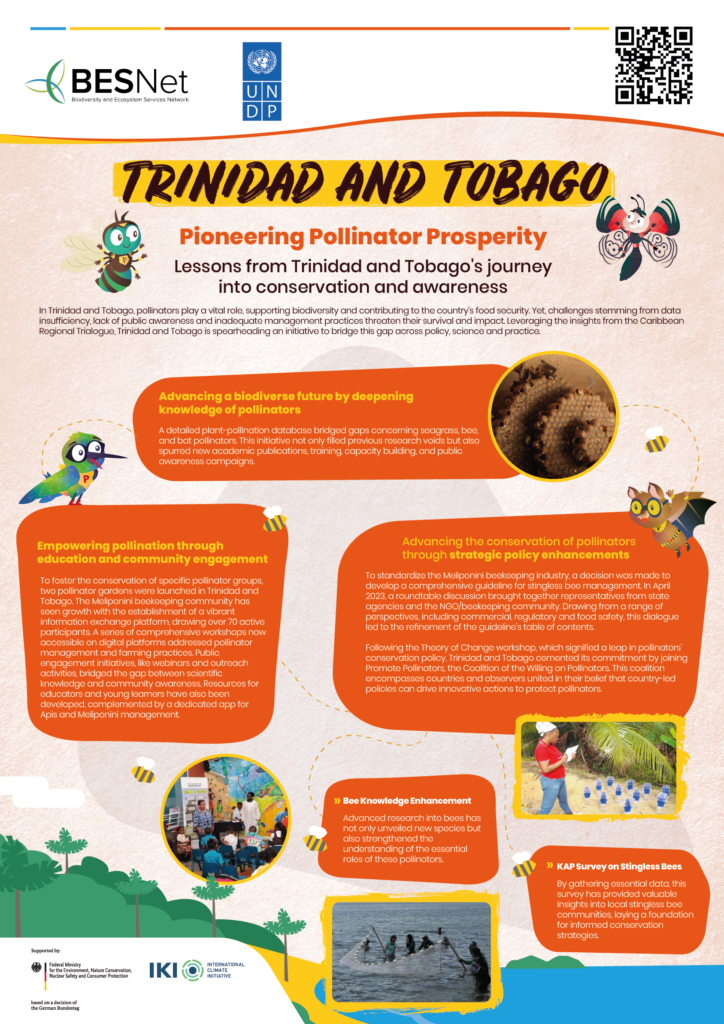
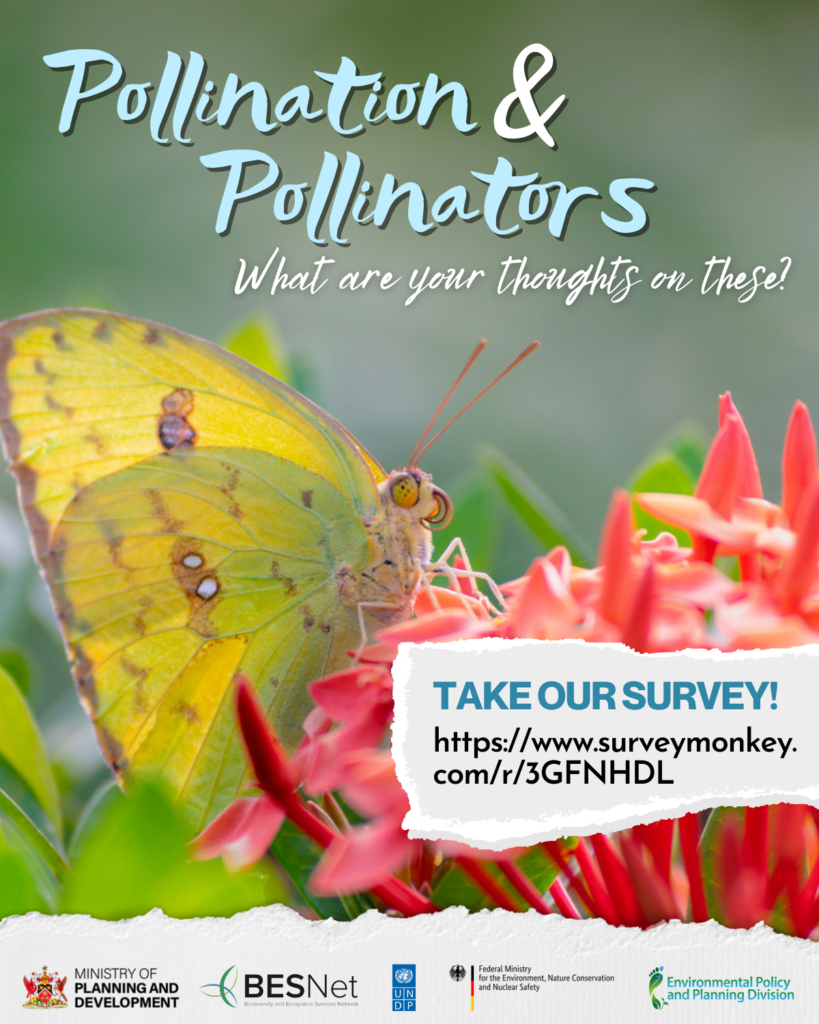
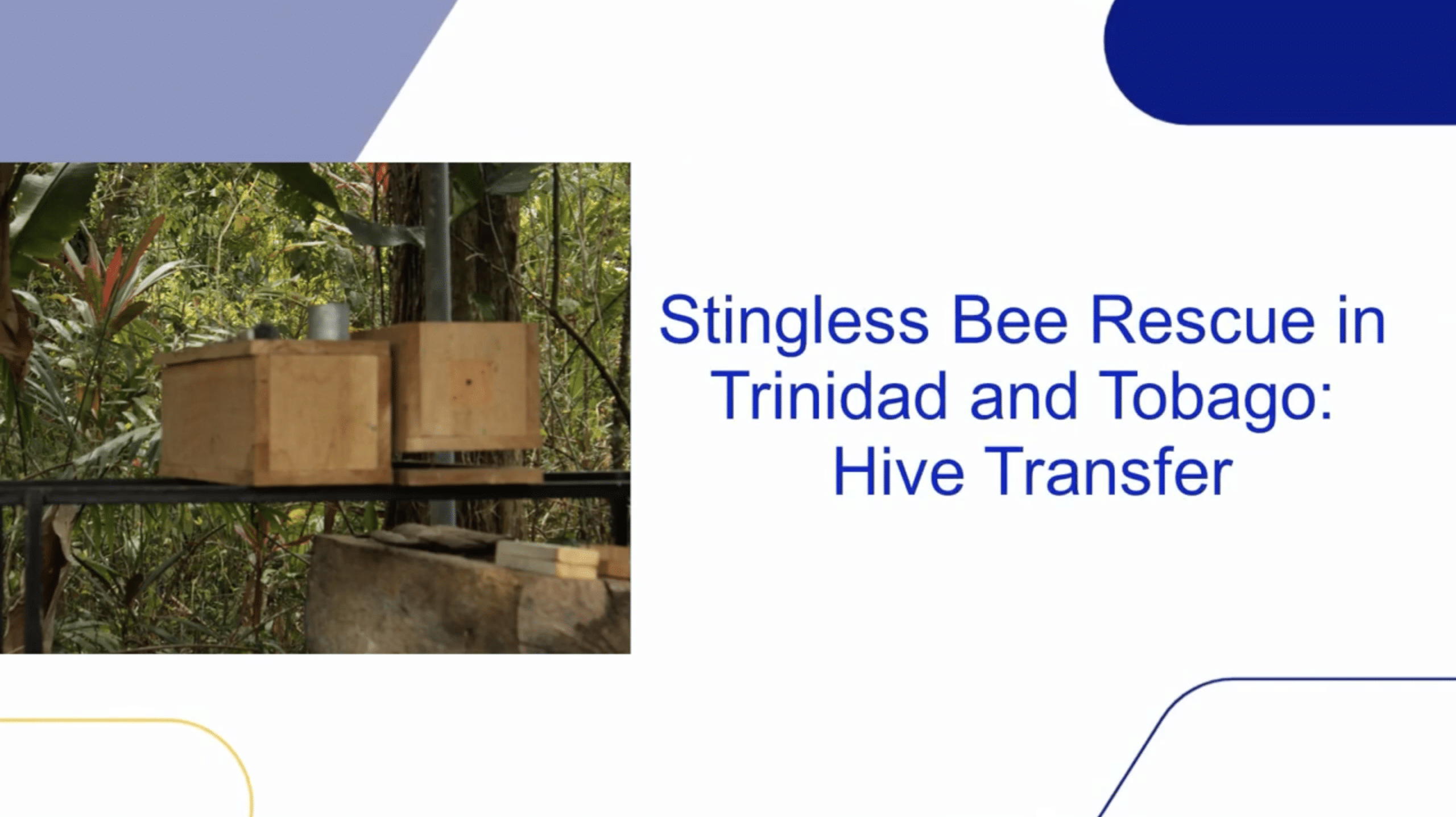
Trinidad and Tobago’s engagement with BES-Net was initiated through its participation in the Caribbean Regional Trialogue in September 2018, which catalysed national dialogue on the uptake of the IPBES Assessment on Pollinators, Pollination and Food Production. Building on this momentum, the country accessed support under BES-Net Phase II through the BES Solution Fund (2021–2024) to implement priority actions identified during the Trialogue. Leveraging its rich biodiversity and diverse ecosystems, the initiative was structured around science, policy and practice components, aiming to strengthen knowledge, inform policy and promote practical conservation of pollinators at national and community levels.
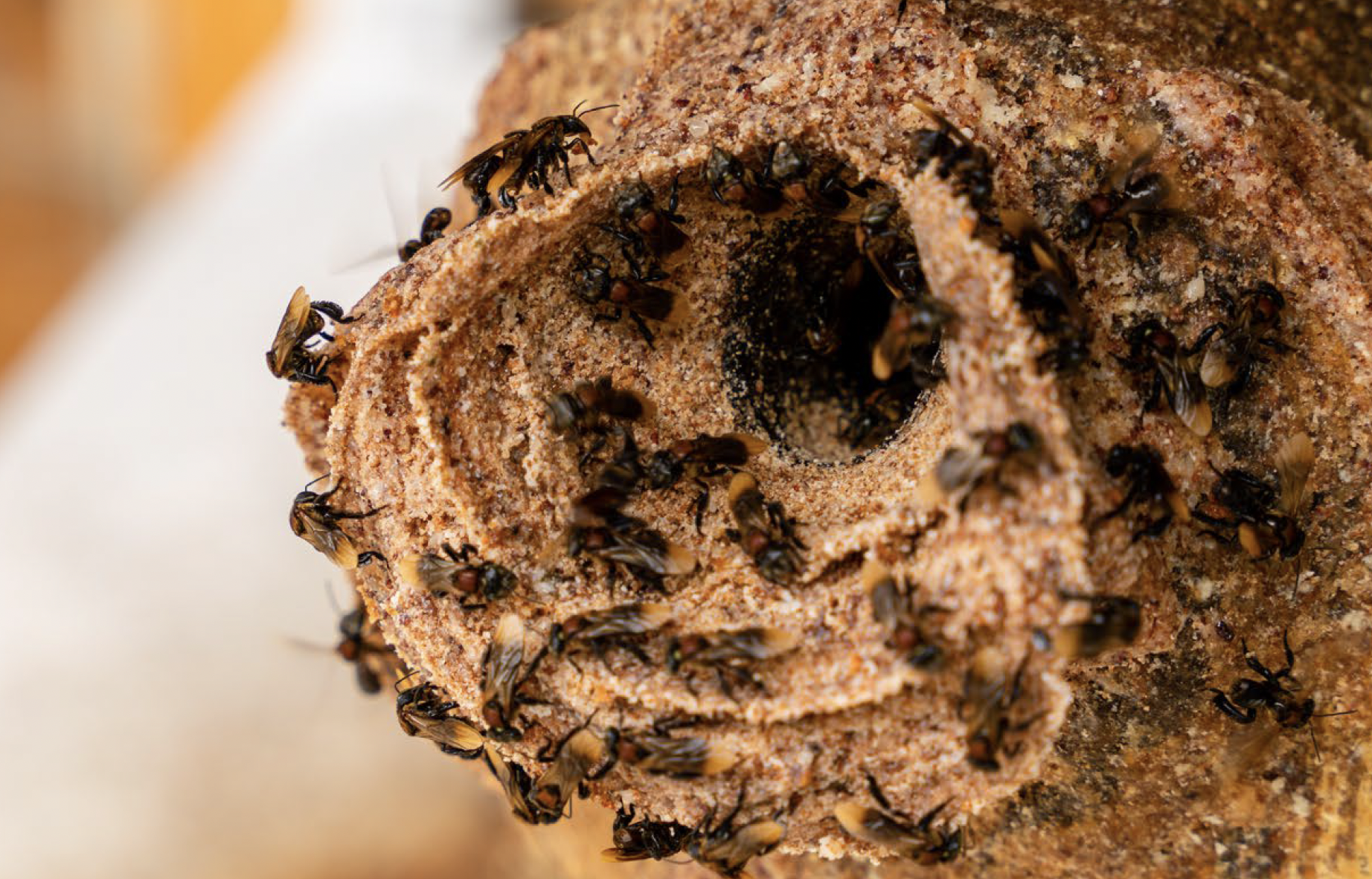
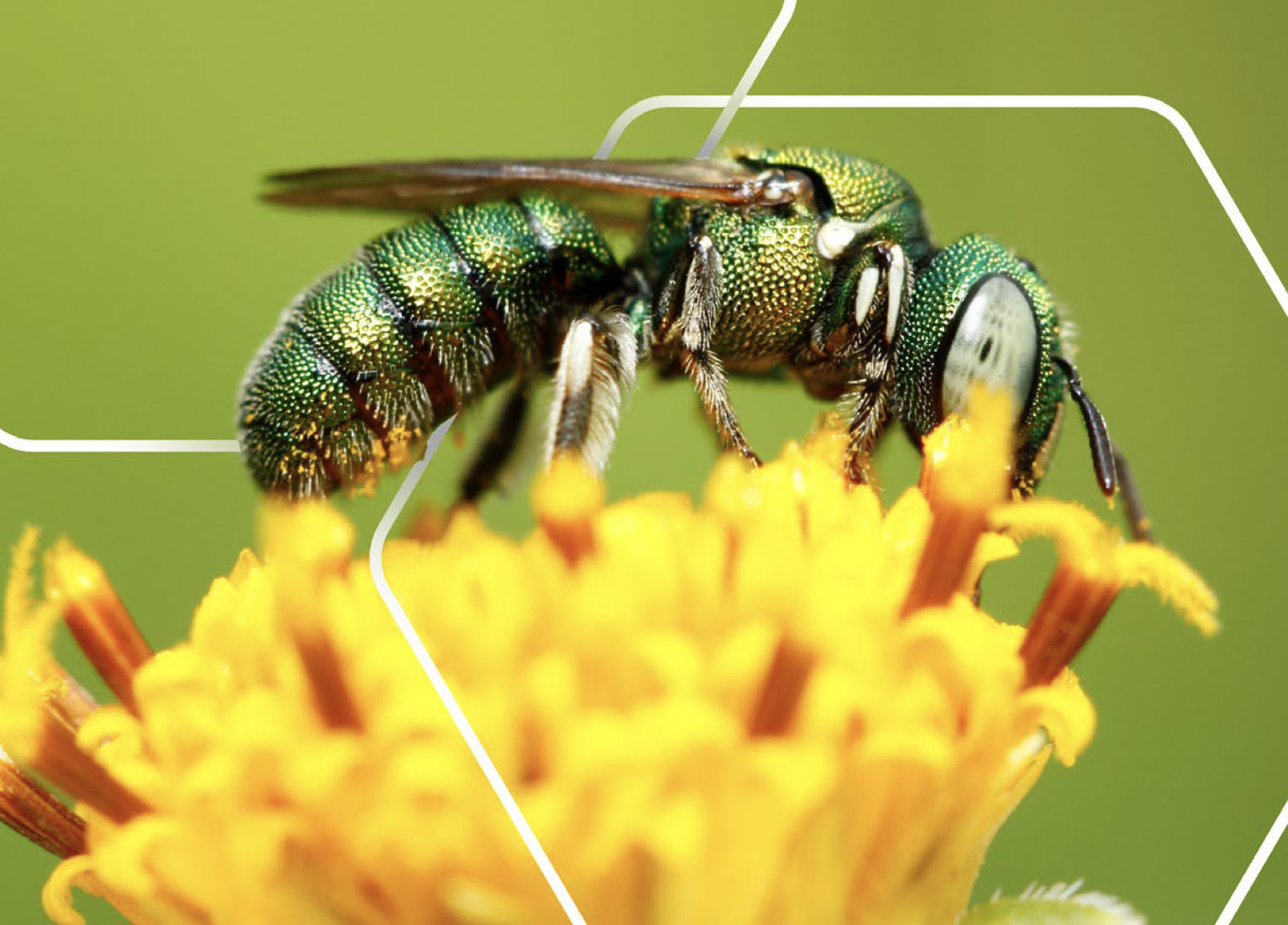
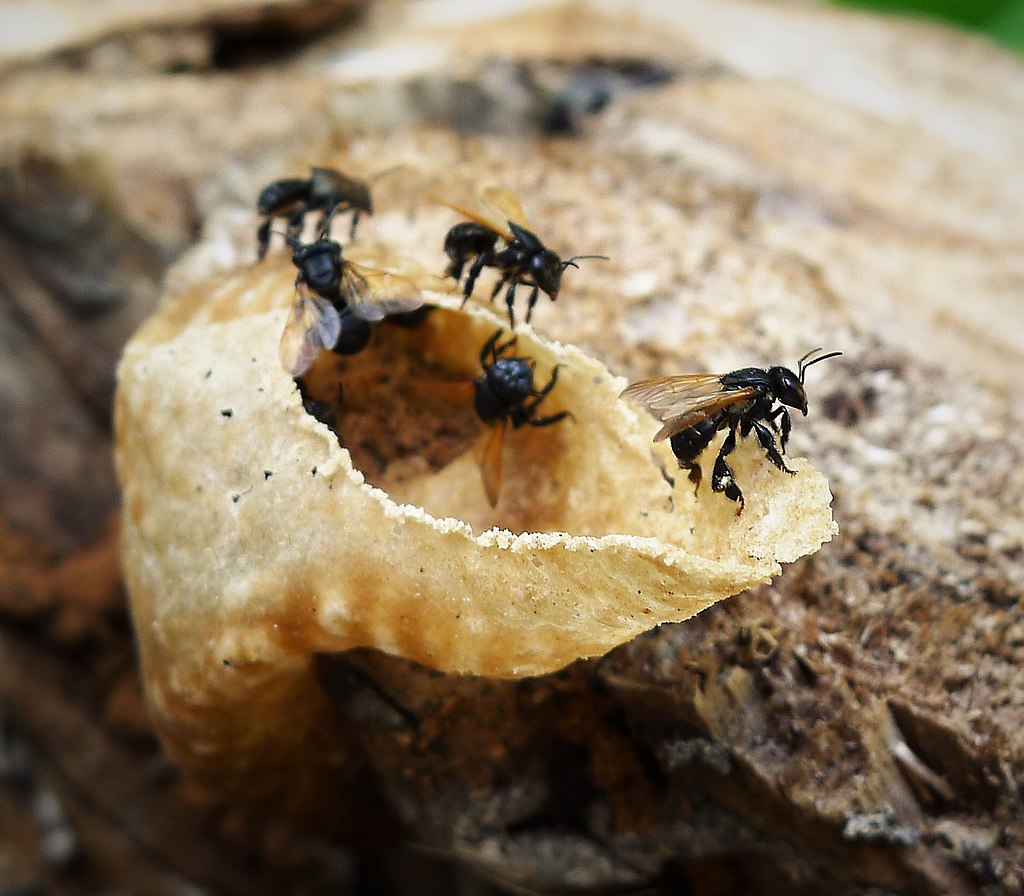
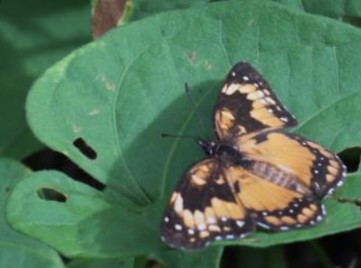
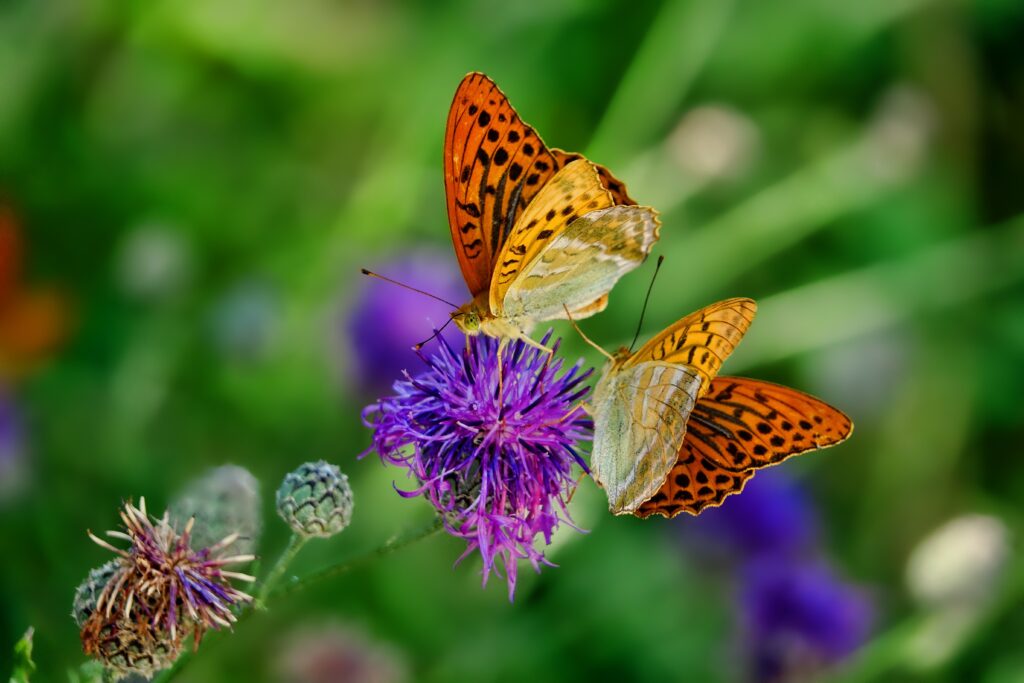
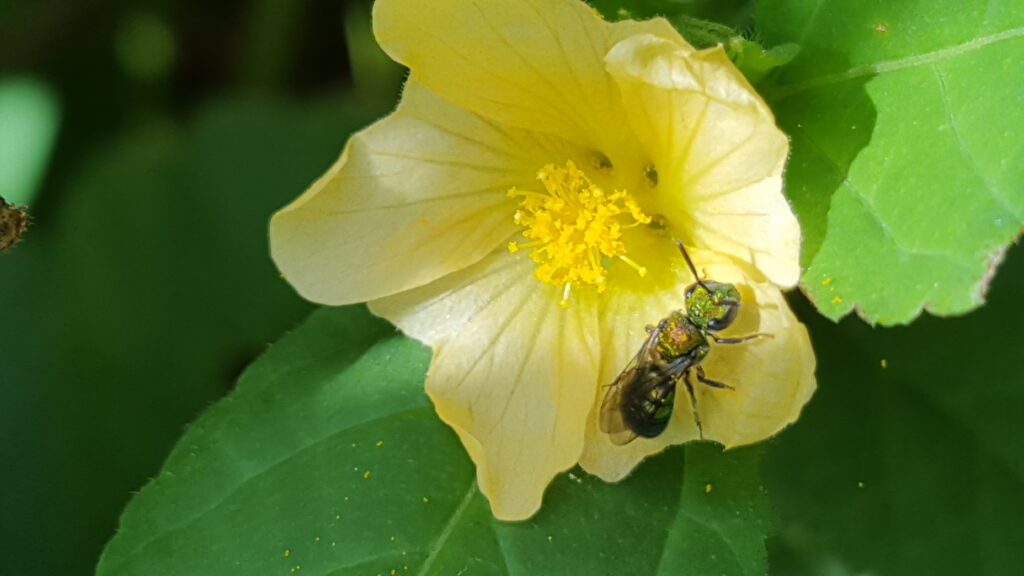
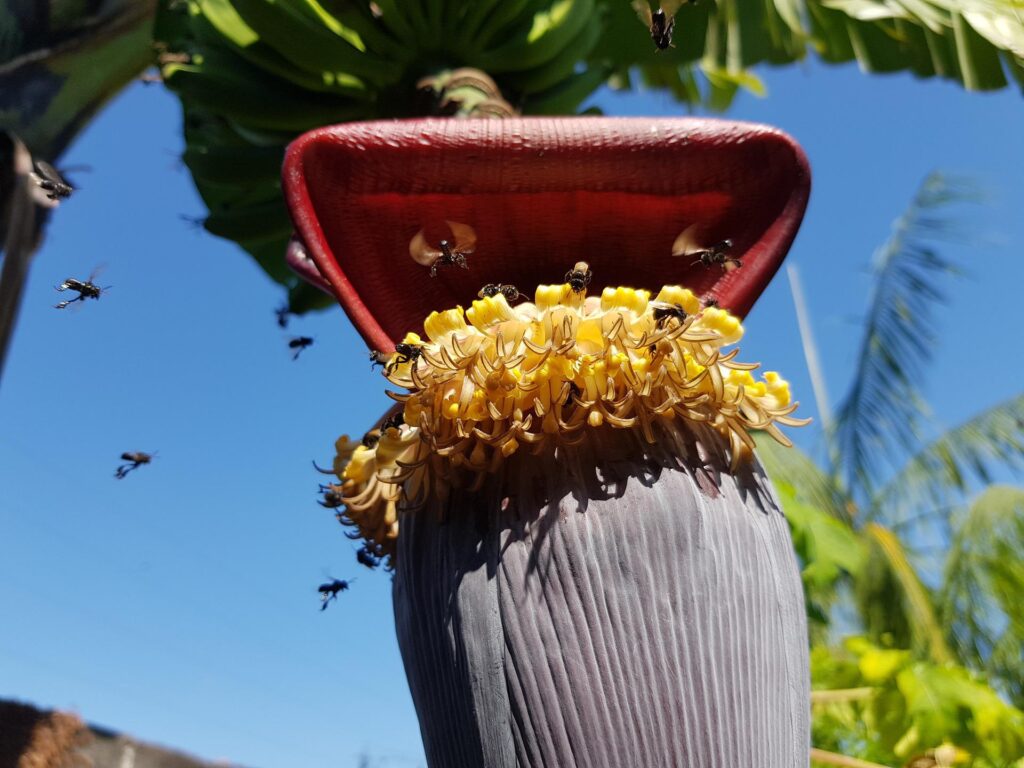
A key achievement of the BES Solution Fund in Trinidad and Tobago was the strengthening of the scientific knowledge base on pollinators and their ecosystem services. Through targeted research and citizen science, over 760 pollinator species were documented via contributions to the iNaturalist database, alongside the development of plant–pollinator and Lepidoptera databases. Field studies on bees, bats and seagrasses generated new insights into pollinator diversity and behaviour, including the potential identification of previously unrecorded bee genera. These efforts were complemented by capacity-building workshops on pollinator sampling and identification, DNA barcoding of species and partnerships with local communities, non-governmental organizations and international research institutions. Baseline data generated through a knowledge, attitudes and practices survey further guided project interventions and outreach strategies.
Start of BES Solution Fund implementation period: 1 July 2021
End of BES Solution Fund implementation period: 30 June 2024
Implementing agency: UNDP Multi-Country Office for Trinidad and Tobago, Aruba, Curacao and Sint Maarten
Government Partner: Environmental Policy and Planning Division, Ministry of Planning and Development