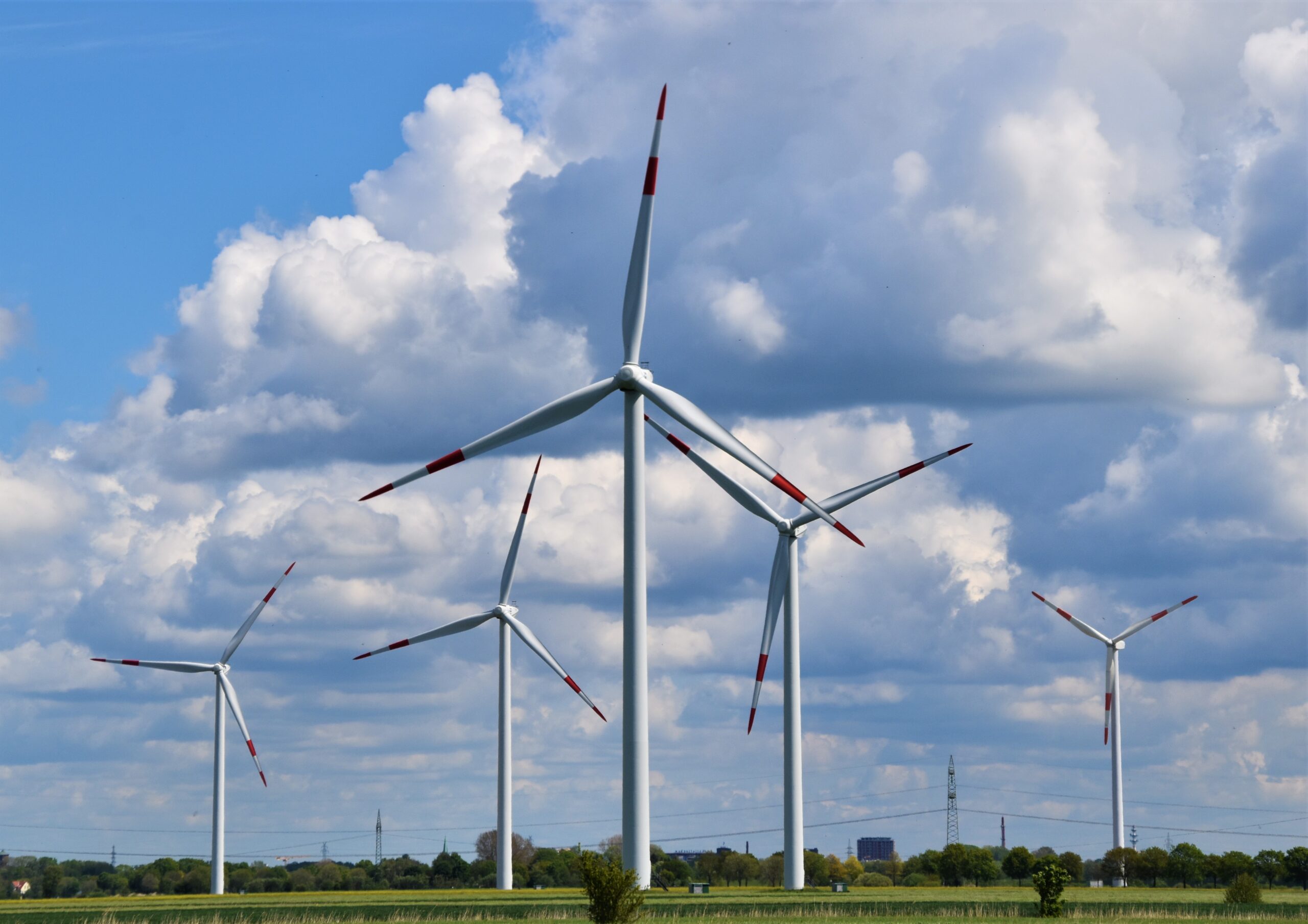
The biodiversity-wind energy-land use nexus in a global biodiversity hotspot Wind energy is the leading renewable technology towards achi...
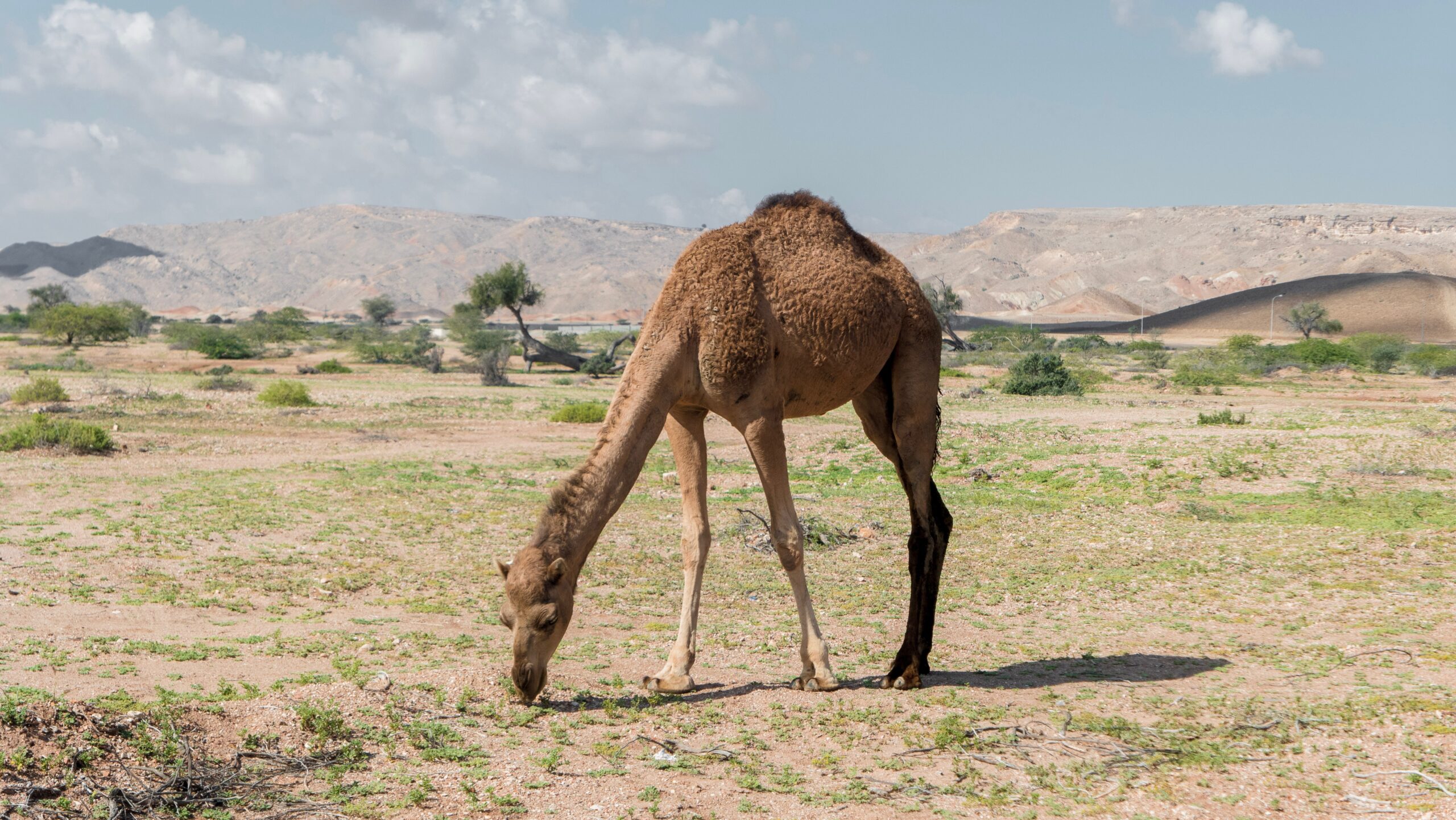
Assessment of land degradation in northern Oman using geospatial techniques The northern coast of Oman (Al-Batinah plain), hosts the maj...
Assessment of land degradation ‘on the ground’ and from ‘above’ Assessments of land degradation vary in methodology and outc...
Using technology to improve the management of development impacts on biodiversity The mitigation hierarchy (MH) is a prominent tool to help bu...
Biodiversity loss leads to reductions in community-wide trophic complexity With increasing biodiversity loss occurring worldwide, there...
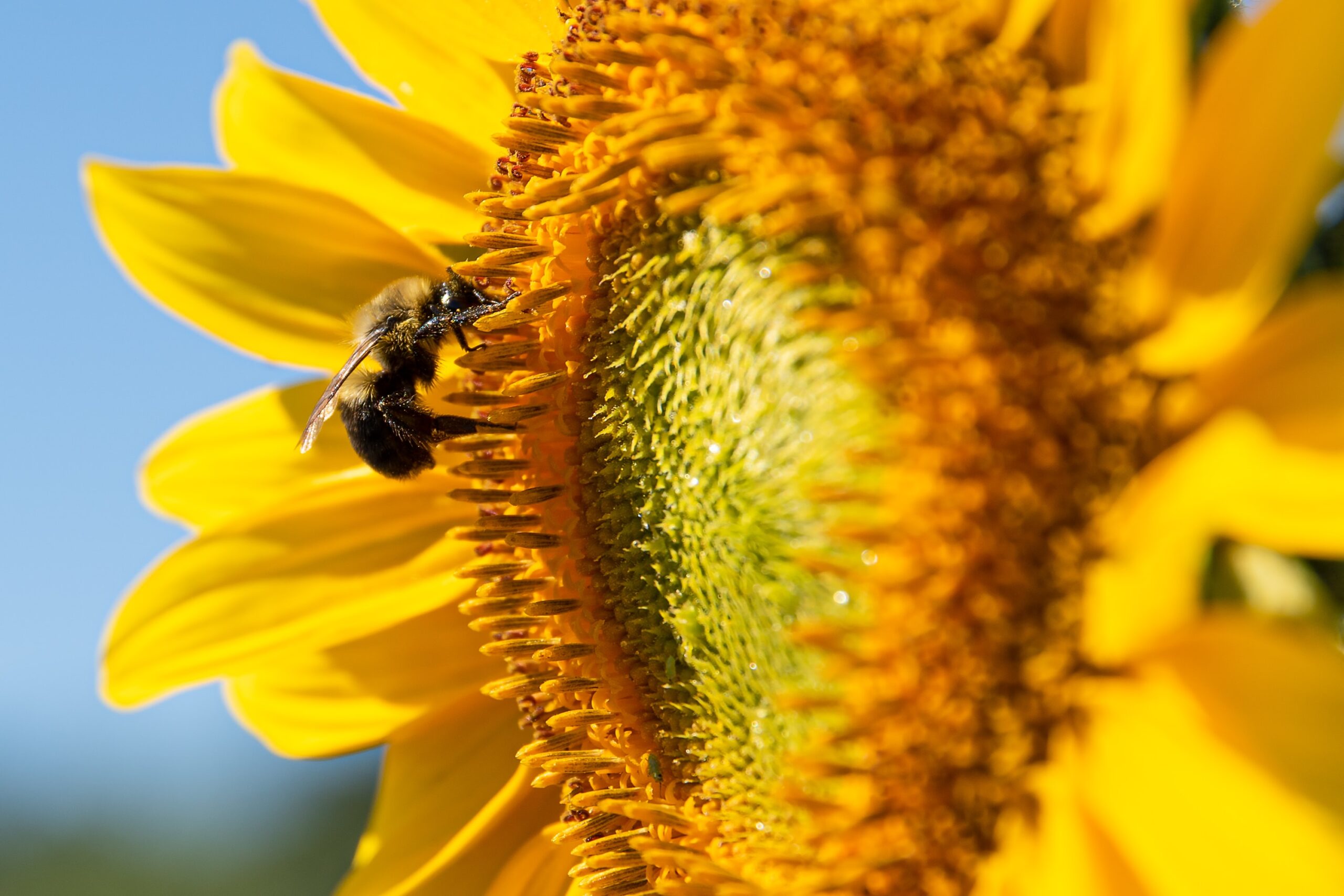
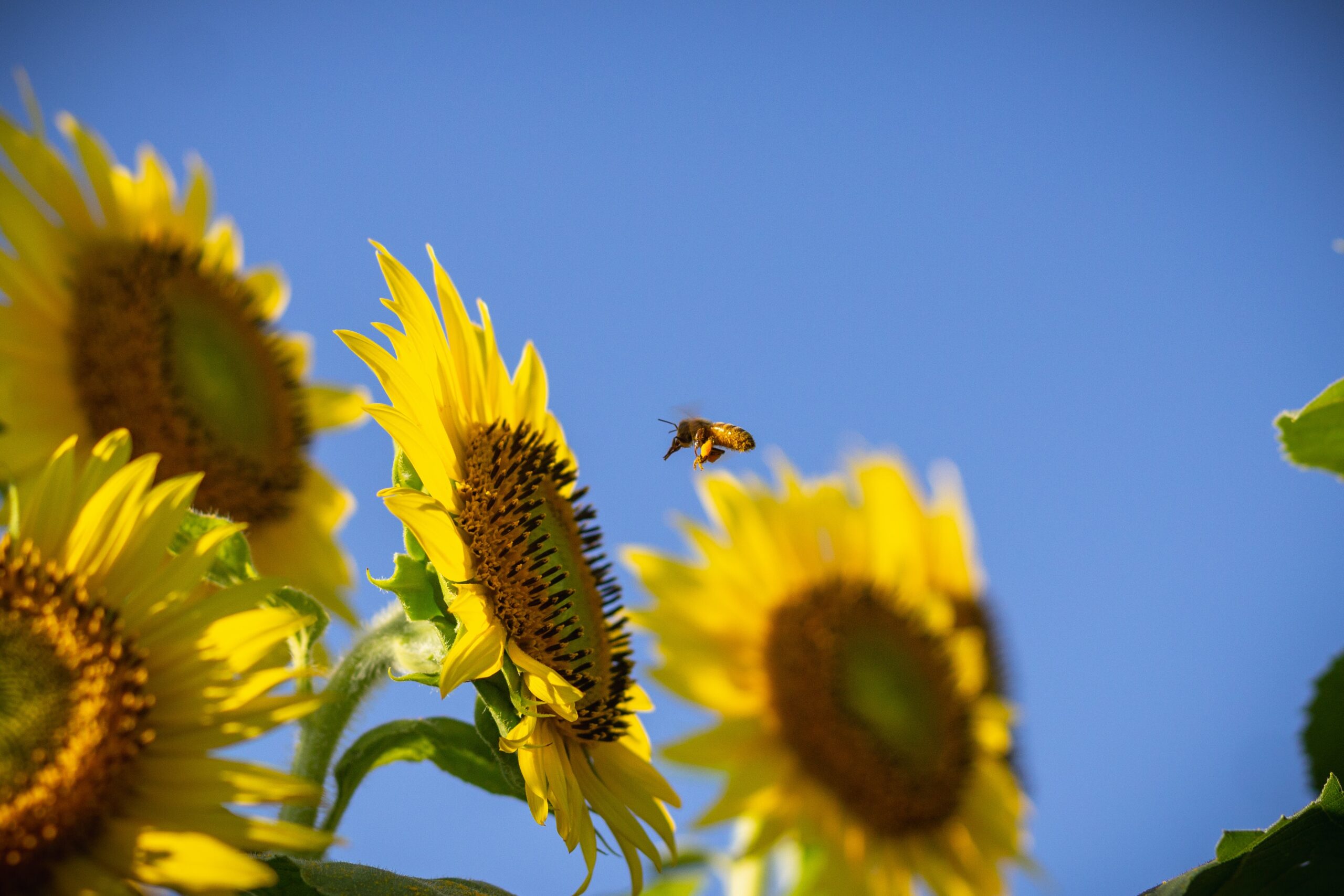
Landscape structure affects the sunflower visiting frequency of insect pollinators Mass-flowering crop monocultures, like sunflower, cannot har...
Artificial nighttime lighting impacts visual ecology links between flowers, pollinators and predators The nighttime environment is being altered rapidly over larg...
Ozone pollution alters olfaction and behavior of pollinators The concentration of air pollutants, particularly ozone (O3 ...
Do farmers care about pollinators? A cross-site comparison of farmers’ perceptions, knowledge, and management practices for pollinator dependent crops Pollinator conservation has become a key challenge to achiev...
The Attractiveness of Five Common Mediterranean Weeds to Pollinators Concerns about a global decline in pollinators have called f...
Reduced crop density increases floral resources to pollinators without affecting crop yield in organic and conventional fields Effective weed control in agricultural crop fields increases...