Beyond species counts for assessing, valuing, and conserving biodiversity: Response to Wallach et al. 2019 Wallach et al. (2019) propose including all non-native speci...
A survey of biodiversity informatics: Concepts, practices, and challenges The unprecedented size of the human population, along with i...
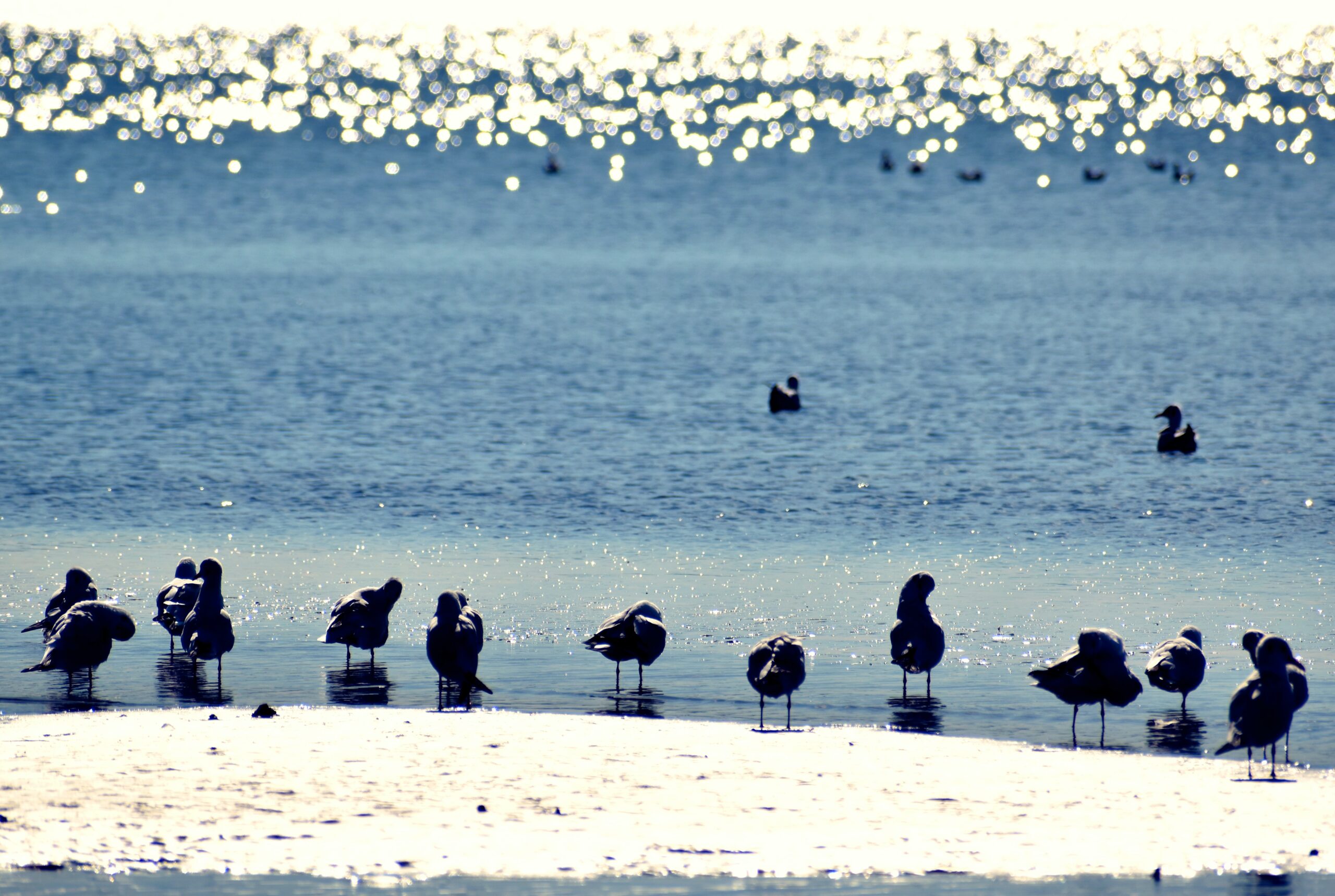
Status and phenology of breeding seabirds and a review of important bird and biodiversity areas in the British Indian Ocean Territory Seabirds are one of the most threatened avian taxa and are h...
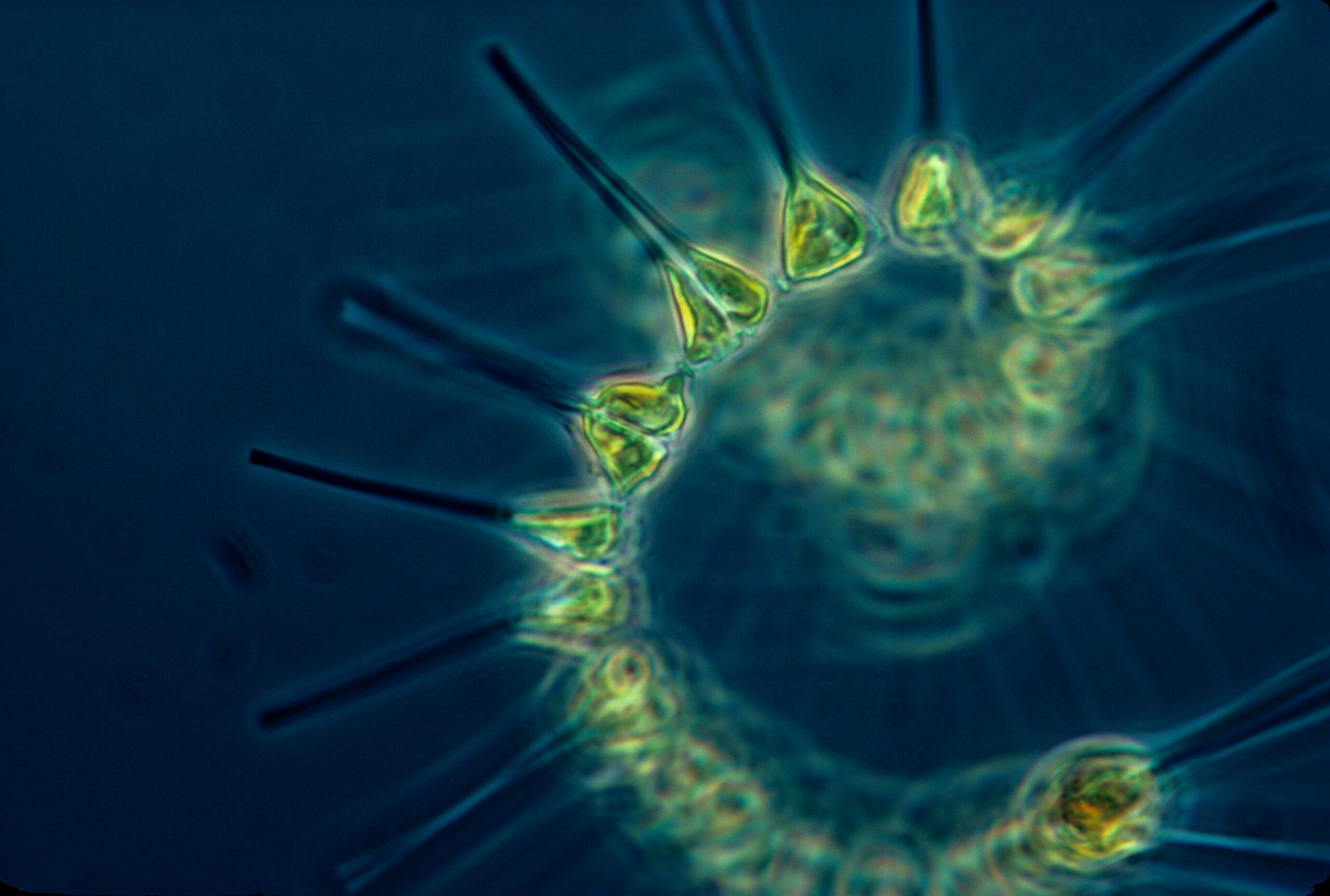
Phytoplankton in Antarctic lakes: biodiversity and mainecological features Antarctica holds a great number of inland lakes whose charac...
The role of ‘nativeness’ in urban greening to support animal biodiversity The classification of plant species as native or exotic has ...
A framework for complex climate change risk assessment Real-world experience underscores the complexity of interact...
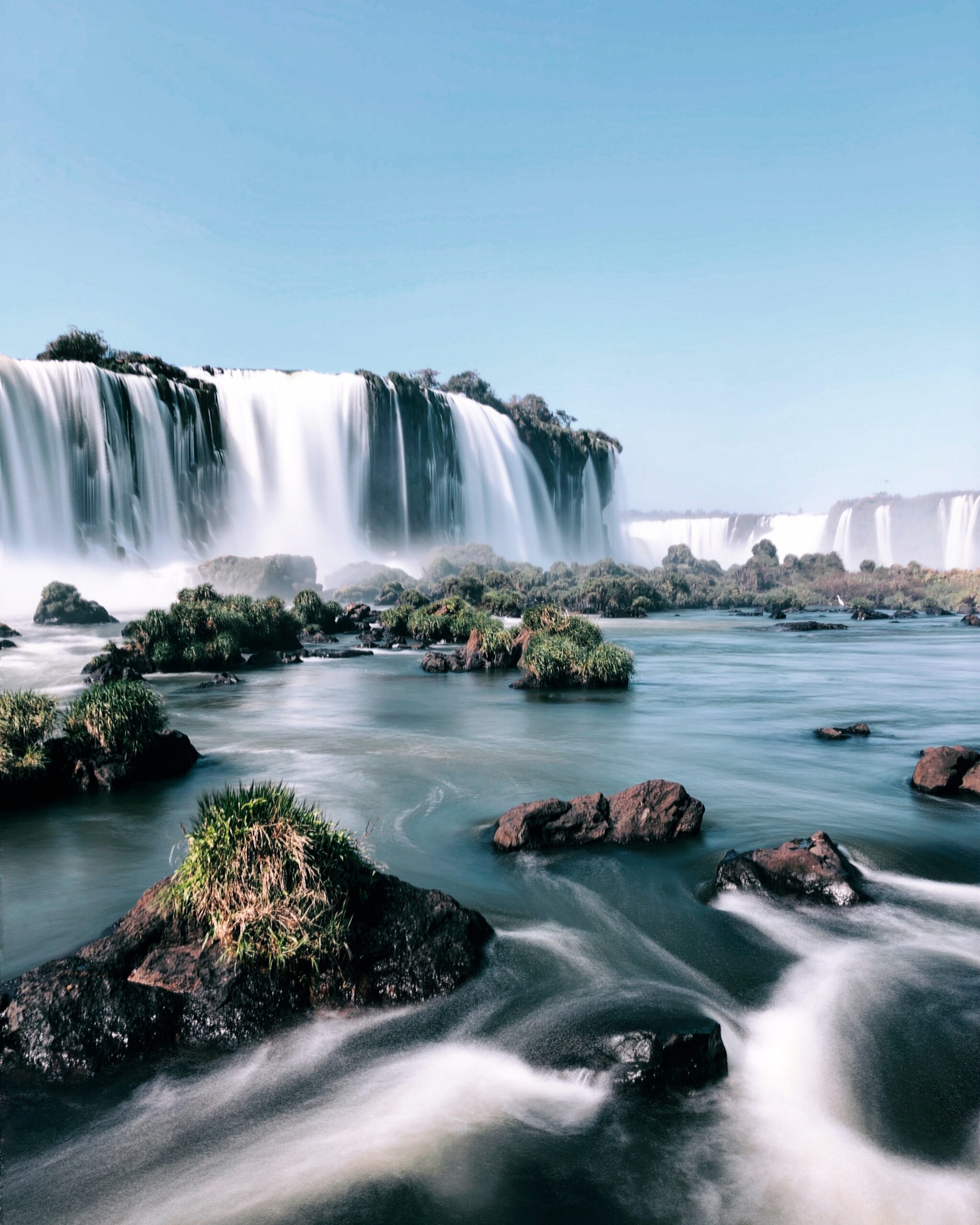
Conservation of Brazilian freshwater biodiversity: Thinking about the next 10 years and beyond In 2021 the countries of the world will discuss a framework ...
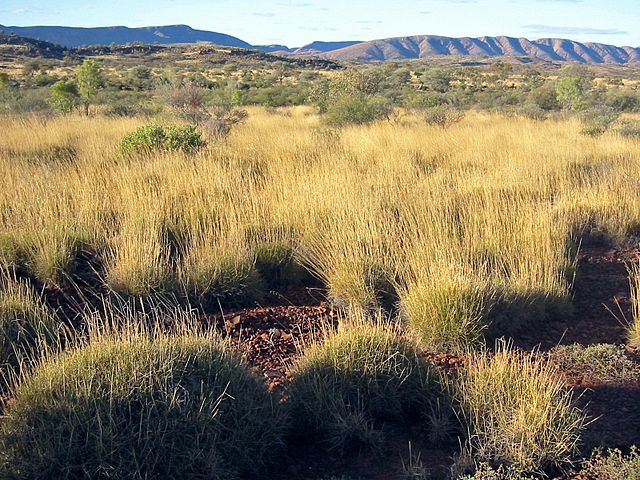
Better biodiversity accounting is needed to prevent bioperversity and maximize co-benefits from Savanna burning Strategies for mitigating climate change through altered lan...
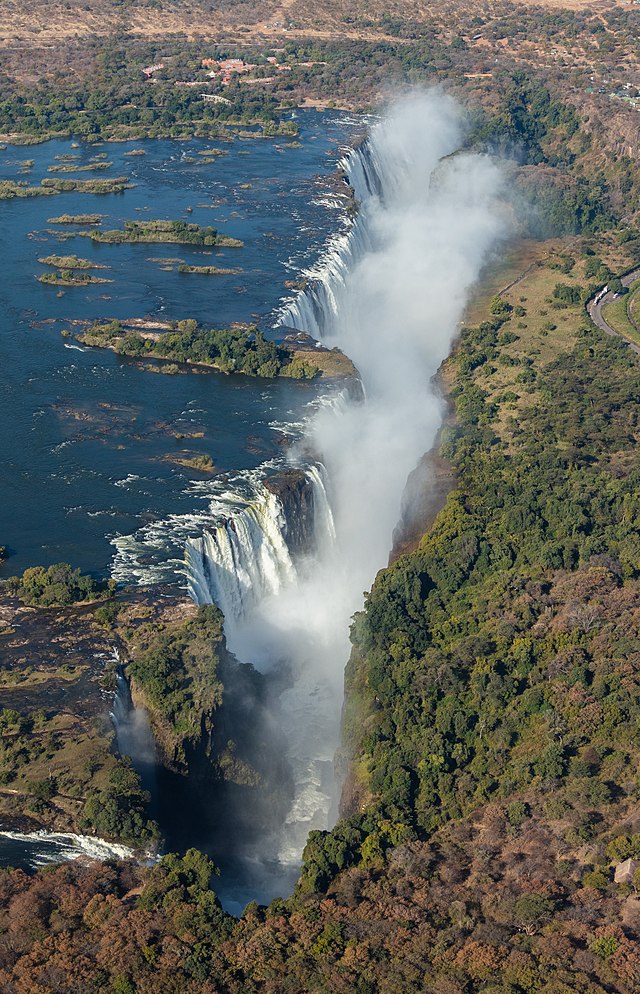
Unpacking ecological stress from economic activities for sustainability and resource optimization in Sub-Saharan Africa Most sub-Saharan African (SSA) nations are governed by tradi...
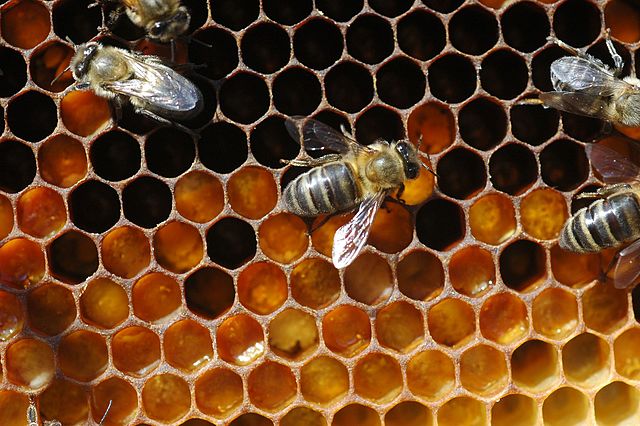
The social diversity of biodiversity: Interdisciplinary communication and the example of honeybees Environmental issues still tend to be studied and publicly d...
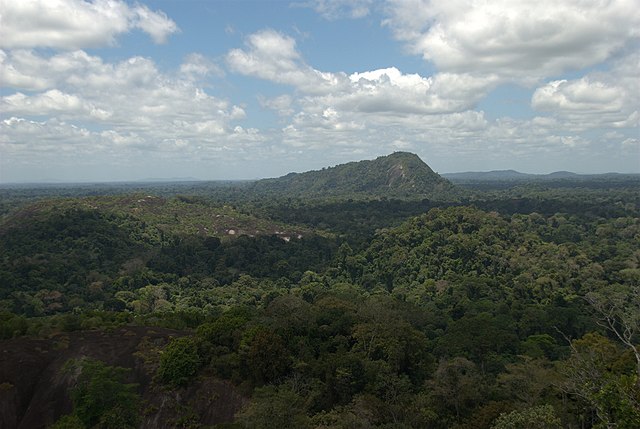
Mapping and assessing ecosystems and their services: A comparative approach to ecosystem service supply in Suriname and French Guiana Current environmental resource management policies acknowled...
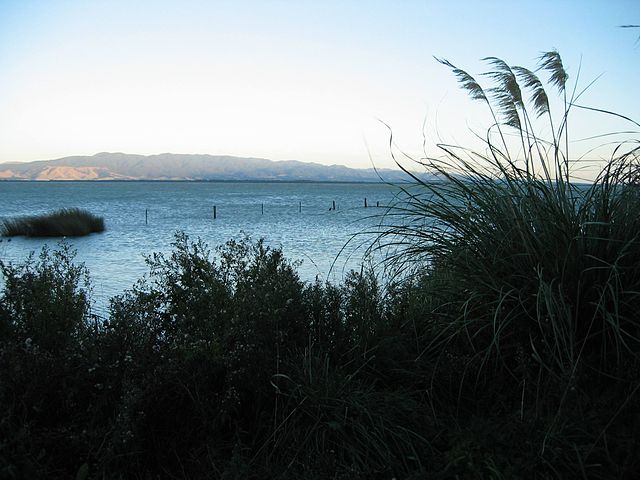
Multiple methods confirm wetland restoration improves ecosystem services Global wetland loss has reduced biodiversity and ecosystem s...