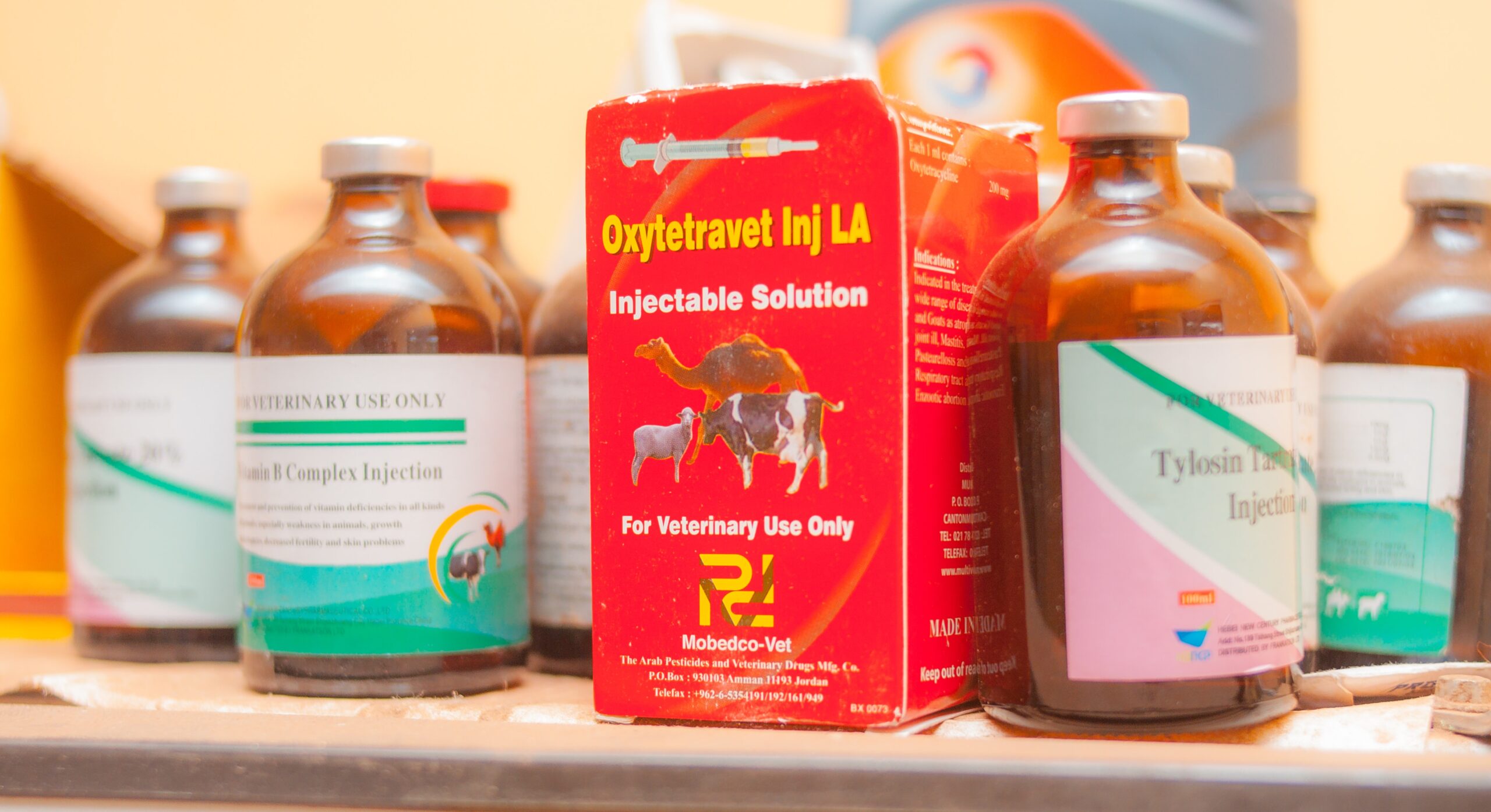
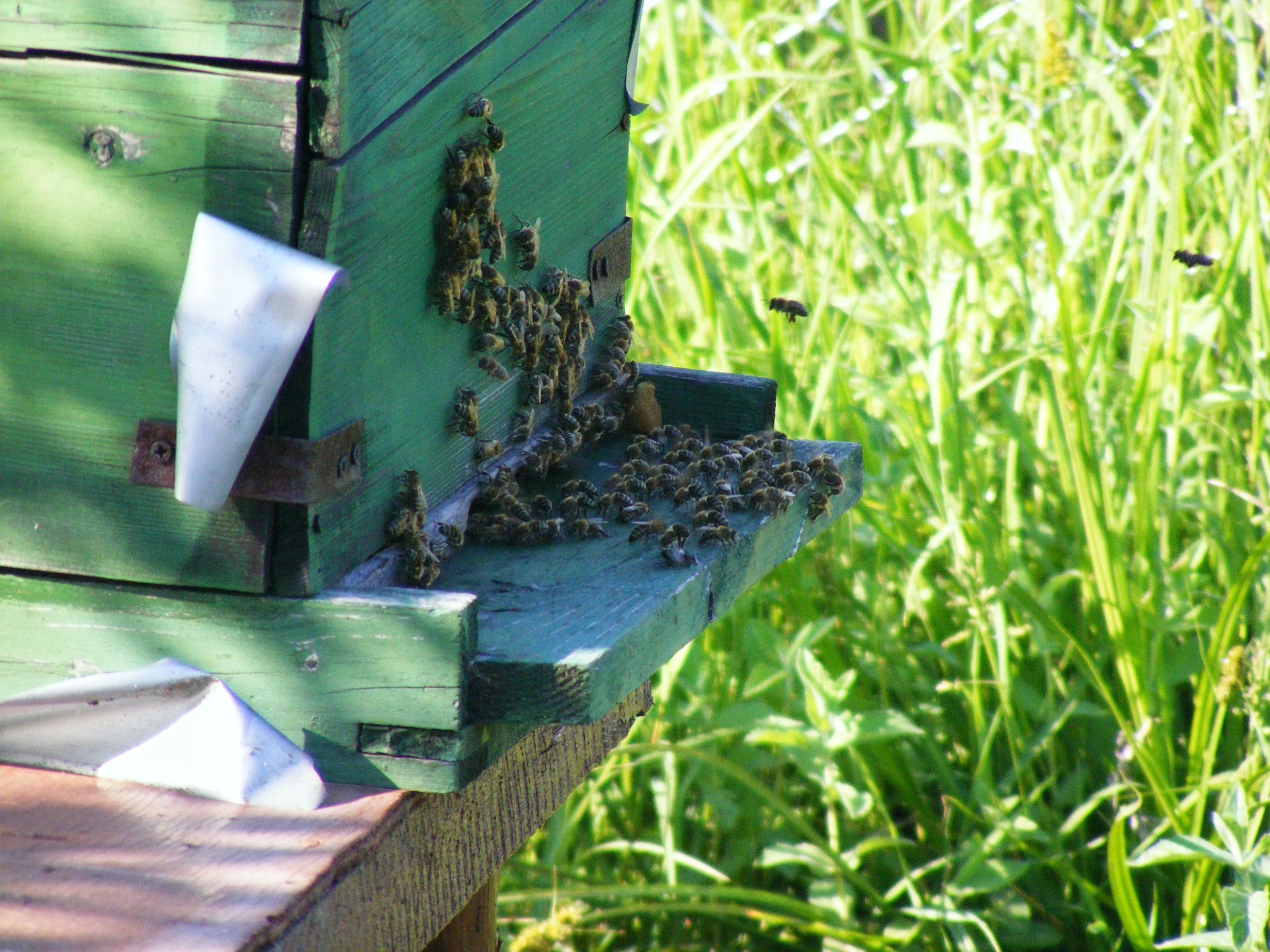
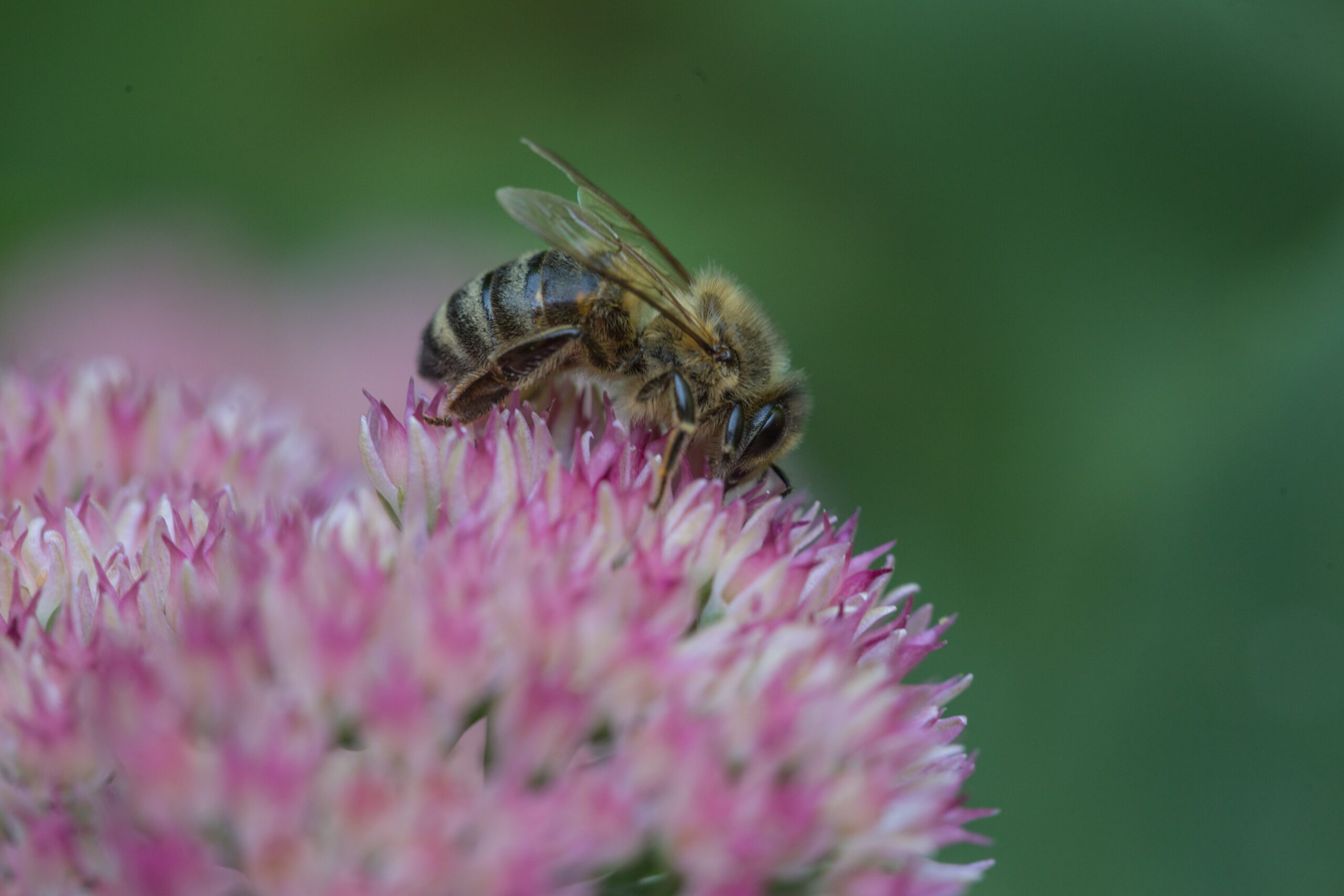
The threat of veterinary medicinal products and biocides on pollinators: A One Health perspective The One Health approach acknowledges that human health is fi...
What do we mean by sustainable finance? Assessing existing frameworks and policy risks I observe that the sustainable finance landscape as it stand...
Four steps for the earth: Mainstreaming the post-2020 global biodiversity framework The upcoming Convention on Biological Diversity (CBD) meetin...
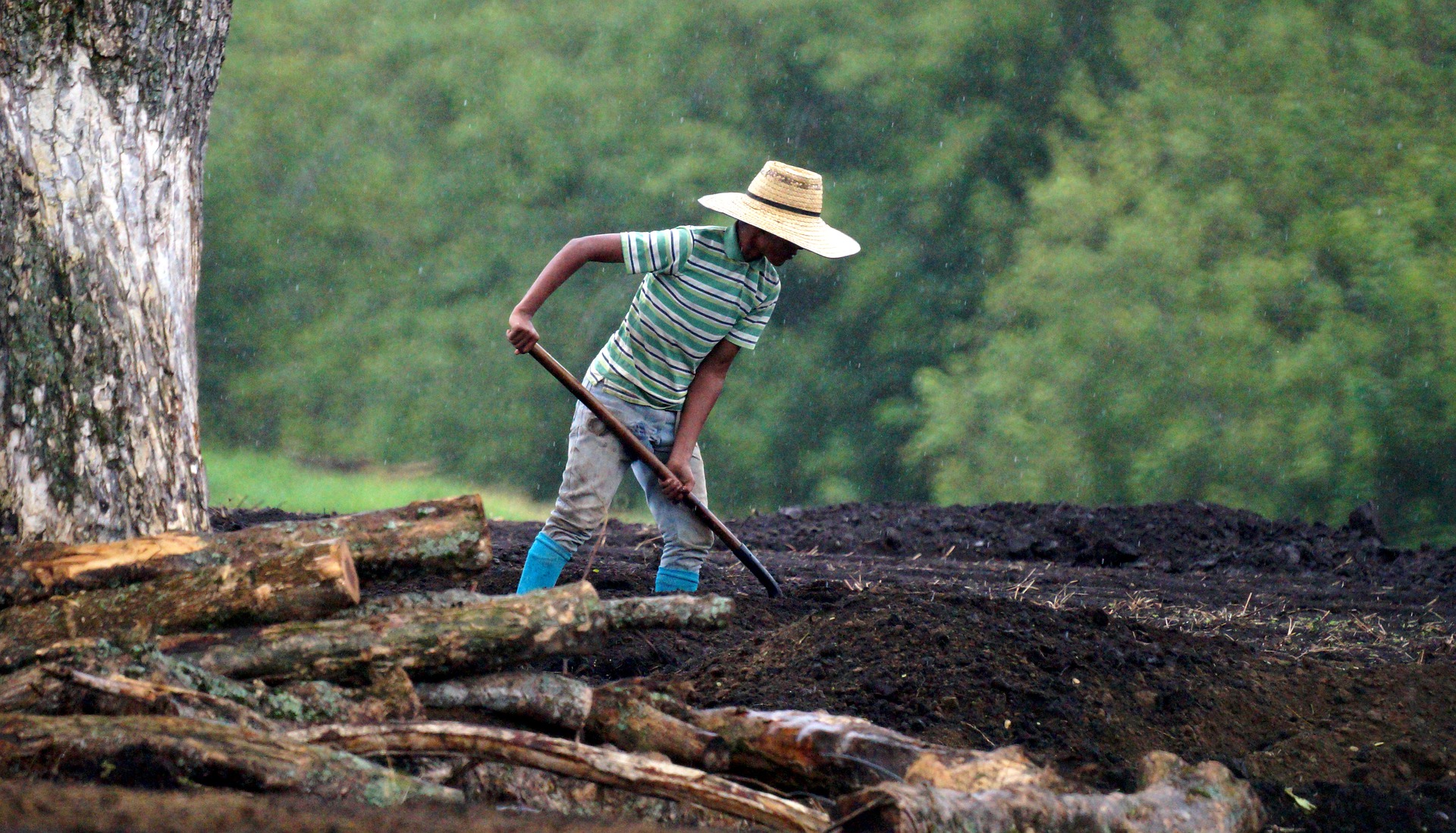
Feedback between drought and deforestation in the Amazon Deforestation and drought are among the greatest environment...
Conditional cash transfers to alleviate poverty also reduced deforestation in Indonesia Solutions to poverty and ecosystem degradation are often fra...
Deforestation in Colombian protected areas increased during post-conflict periods Protected areas (pAs) are a foundational and essential strat...
Deforestation and world population sustainability: A quantitative analysis In this paper, we afford a quantitative analysis of the sust...
Food production in China requires intensified measures to be consistent with national and provincial environmental boundaries Meeting increasing food demands in an environmentally sustai...
‘Clearing the air’: Common drivers of climate-smart smallholder food production in eastern and southern Africa African smallholders should adopt climate-smart agriculture ...
Insect farming for feed and food production from a circular business model perspective The studies focused on the use of insects have outlined nume...
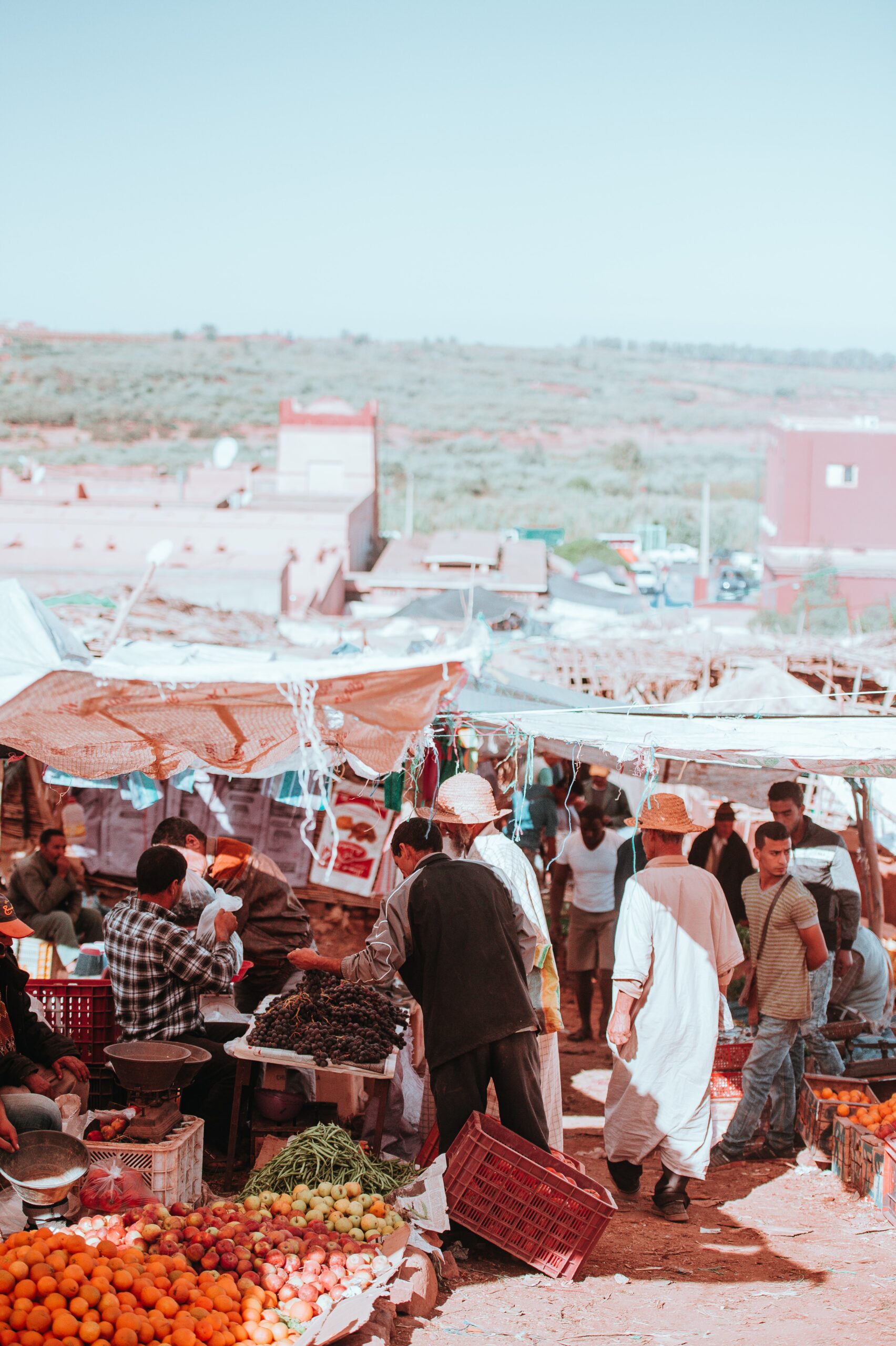
Virtual pollination trade uncovers global dependence on biodiversity of developing countries Nations’ food consumption patterns are increasingly global...
Fruit orchards and woody semi-natural habitat provide complementary resources for pollinators in agricultural landscapes Context To safeguard insect pollinators and their pollinatio...