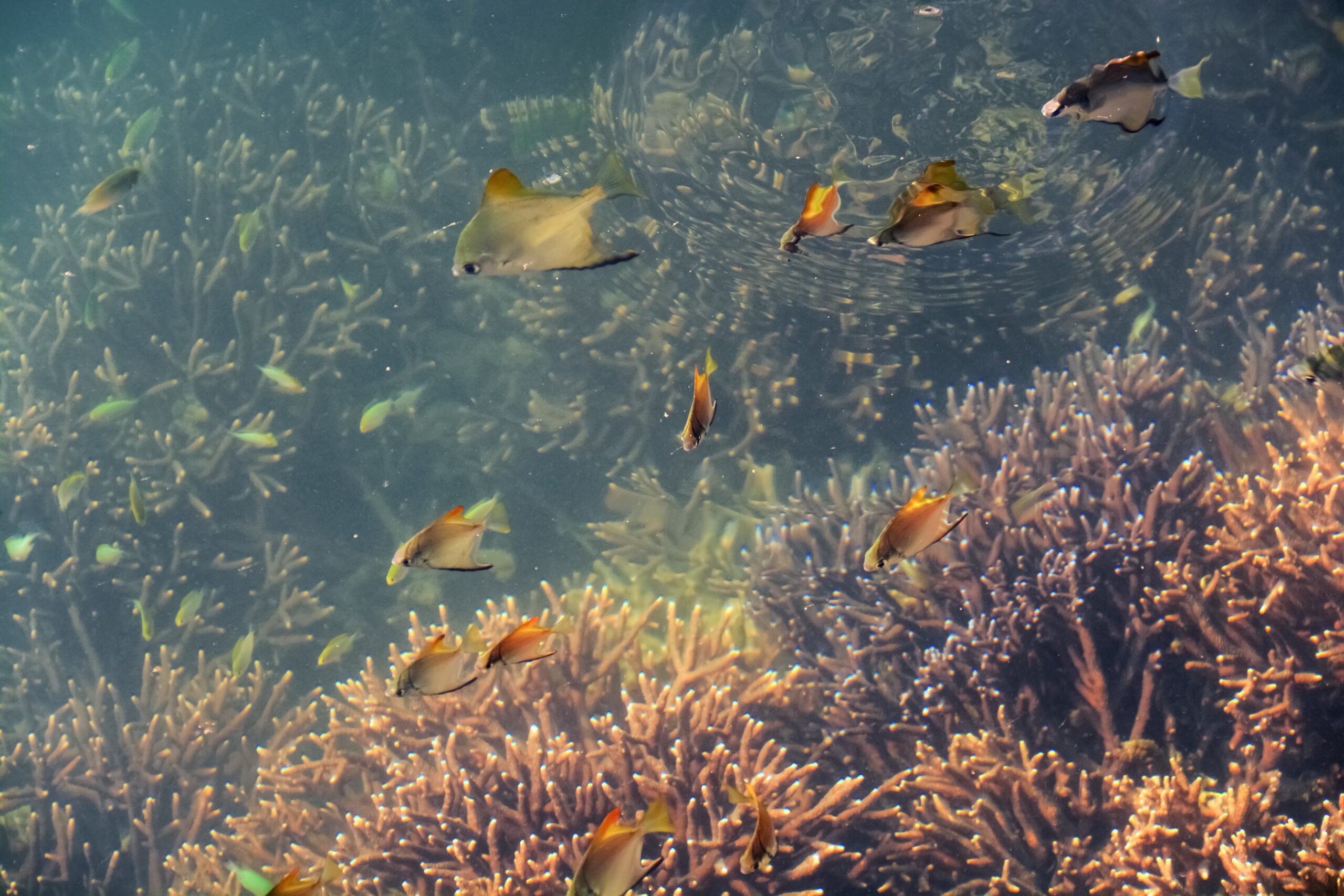
A reconstruction of the Paleoecology and environmental dynamics of the Bahariya formation of Egypt The Bahariya formation is one of the most productive in Afri...
A socio-ecological approach for identifying and contextualizing spatial ecosystem-based adaptation priorities at the subnational level Climate change adds an additional layer of complexity to exi...
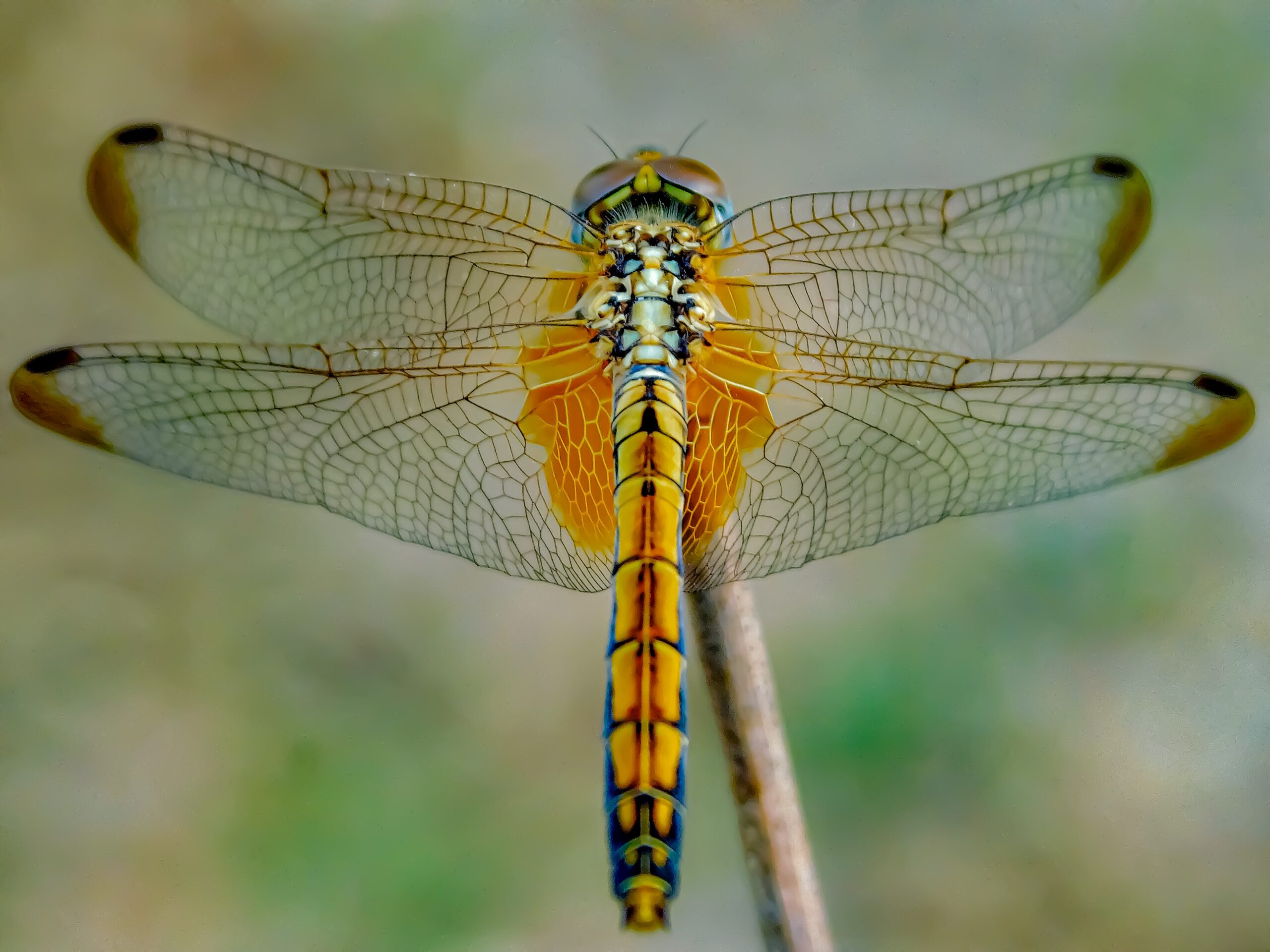
Adapting the Dragonfly Biotic Index to a Katydid (Tettigoniidae) Rapid Assessment Technique: Case Study of a Biodiversity Hotspot, the Cape Floristic Region, South Africa Global biodiversity faces many challenges, with the conserva...
Geographical distribution of the giant honey bee Apis laboriosa Smith, 1871 (Hymenoptera, Apidae) Worldwide pollinator declines have dramatically increased ou...
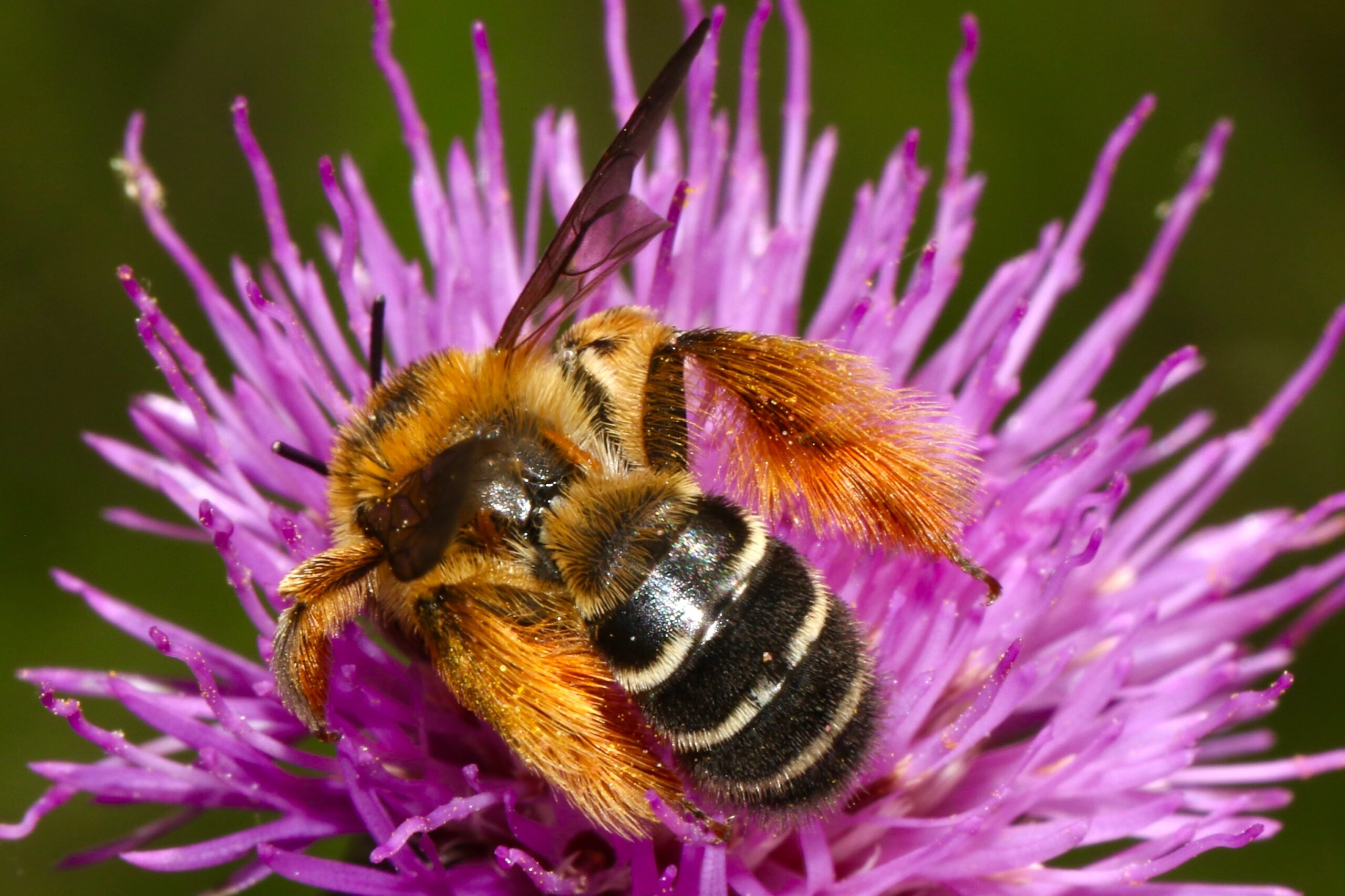
Giant resin bee Megachile sculpturalis (Smith) (Insecta: Hymenoptera: Megachilidae) Originally from eastern Asia, the giant resin bee, Megachile...
Identification of hybridization and introgression between Cinnamomum Kanehirae Hayata and C. Camphora (L.) Presl using genotyping‑by‑sequencing Cinnamomum kanehirae Hayata and C. canephora (L.) Presl is i...
Introduced bees (Osmia cornifrons) collect pollen from both coevolved and novel host-plant species within their family-level phylogenetic preferences Studying the pollen preferences of introduced bees allows us...
Mitochondrial genomes illuminate the evolutionary history of the western honey bee (Apis Mellifera) Western honey bees (Apis mellifera) are one of the most impo...
Plant–pollinator interactions over time: Pollen metabarcoding from bees in a historic collection Pollination is a key component in agricultural food producti...
Prevalence and population genetics of the emerging honey bee pathogen DWV in Chinese apiculture Honey bees are agriculturally important, both as pollinators...