Risks and Benefits of the Biological Interface Between Managed and Wild Bee Pollinators 1. Increasing global human populations and climate change no...
Social learning as a vehicle for complementary strategies in forest resource management Cooking is a daily activity often based on energy to satisfy...
Socioecological approaches for combining ecosystem-based and customary management in Oceania This paper summarizes various integrated methodological appr...
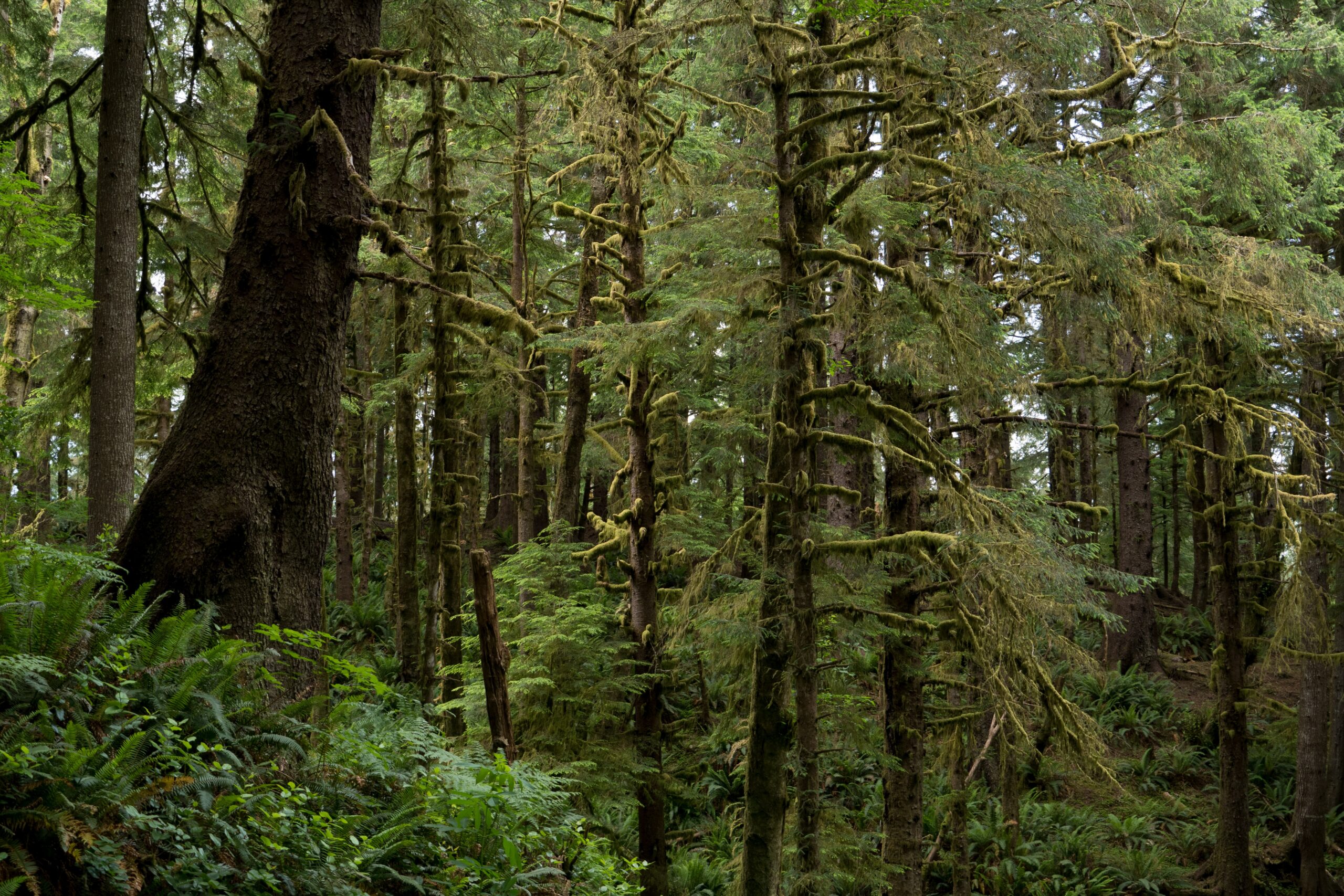
Status of uneven-aged management in the Pacific northwest, USA The Pacific Northwest is an important timber‐producing reg...
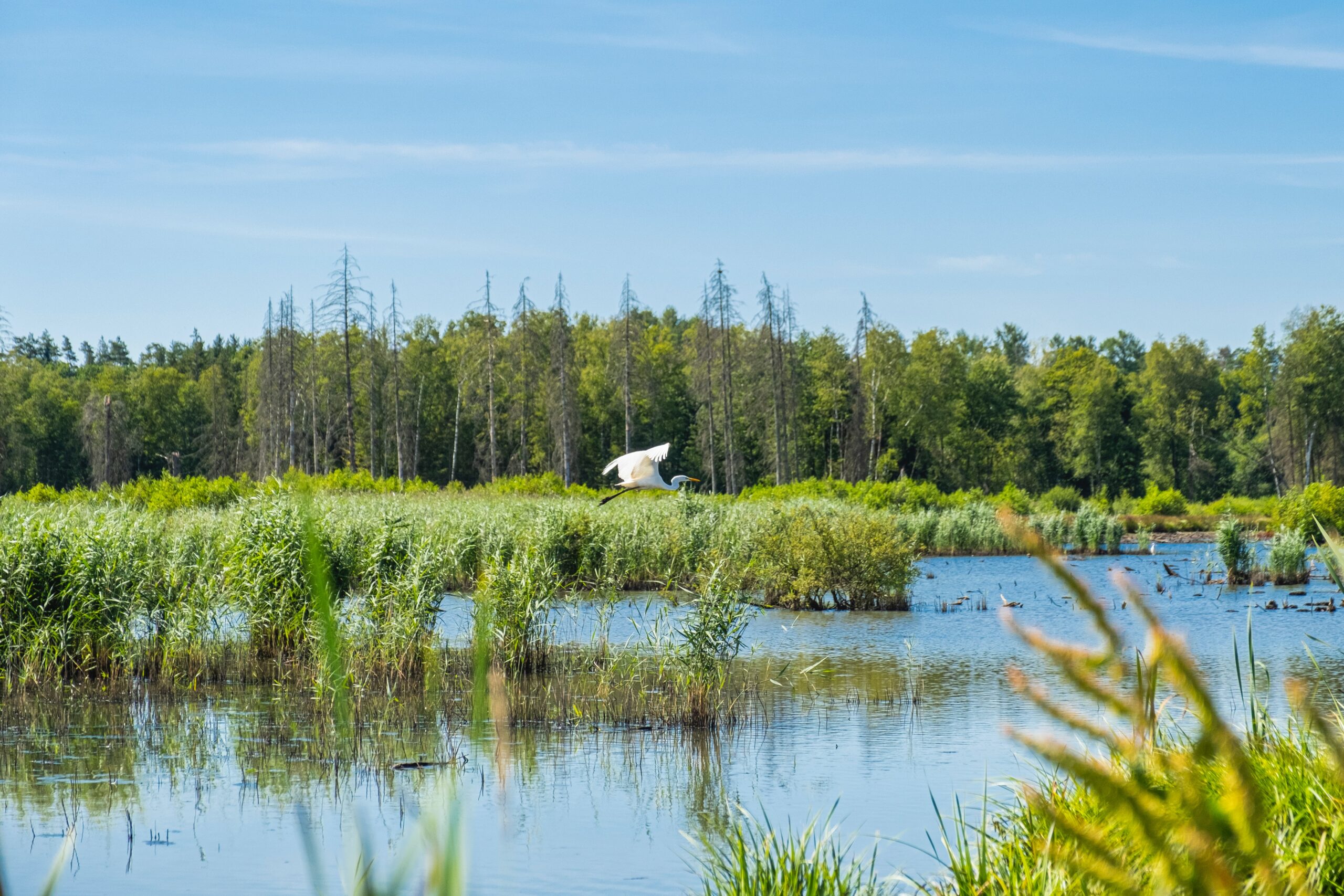
Ten years of vegetation change in northern California marshlands detected using Landsat satellite image analysis The Landsat Ecosystem Disturbance Adaptive Processing System...
The implications of climate change for Africa’s economic development Studies confirm that developing countries could be hardest h...
‘Thinking like a fish’: Adaptive strategies for coping with vulnerability and variability emerging from a relational engagement with Kob Based on ethnographic fieldwork amongst a group of commercia...
Climate consoles: Pieces in the puzzle of climate change adaptation Conservation Biology Institute (CBI) has been developing web...
Different forms of accommodation in agritourism: The role of decoupled farmer-based accommodation in the ötztal valley (Austria) The general decline of mountain farming all over Europe sugg...
Genome rearrangement shapes Prochlorococcus ecological adaptation Prochlorococcus is the most abundant and smallest known free...
Hotspots of Biodiversity and Ecosystem Services: The Outermost Regions and Overseas Countries and Territories of the European Union The obligations of the EU Biodiversity Strategy 2020 create ...
Identifying species from the air: UAVs and the very high resolution challenge for plant conservation The Pacific Equatorial dry forest of Northern Peru is recogn...