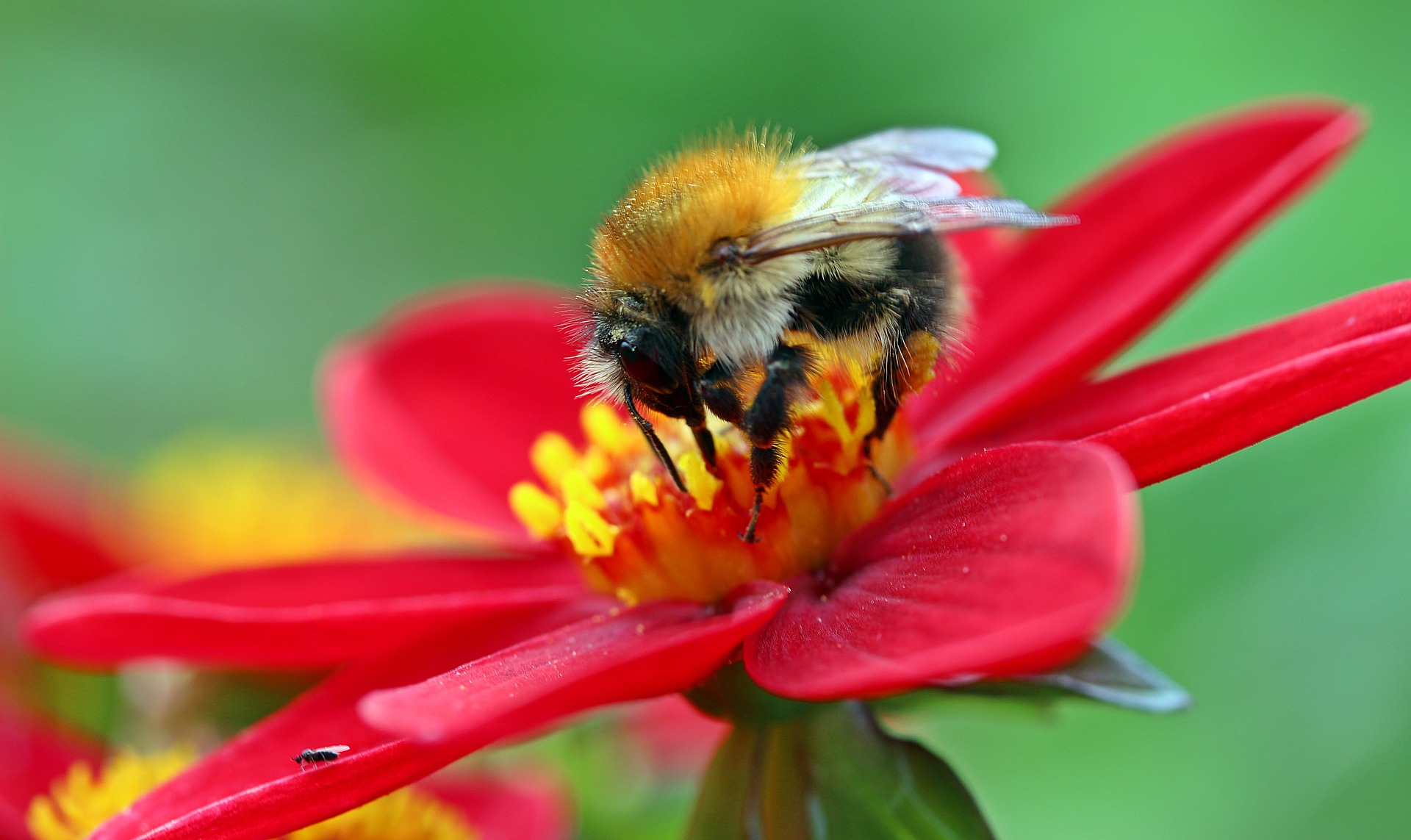
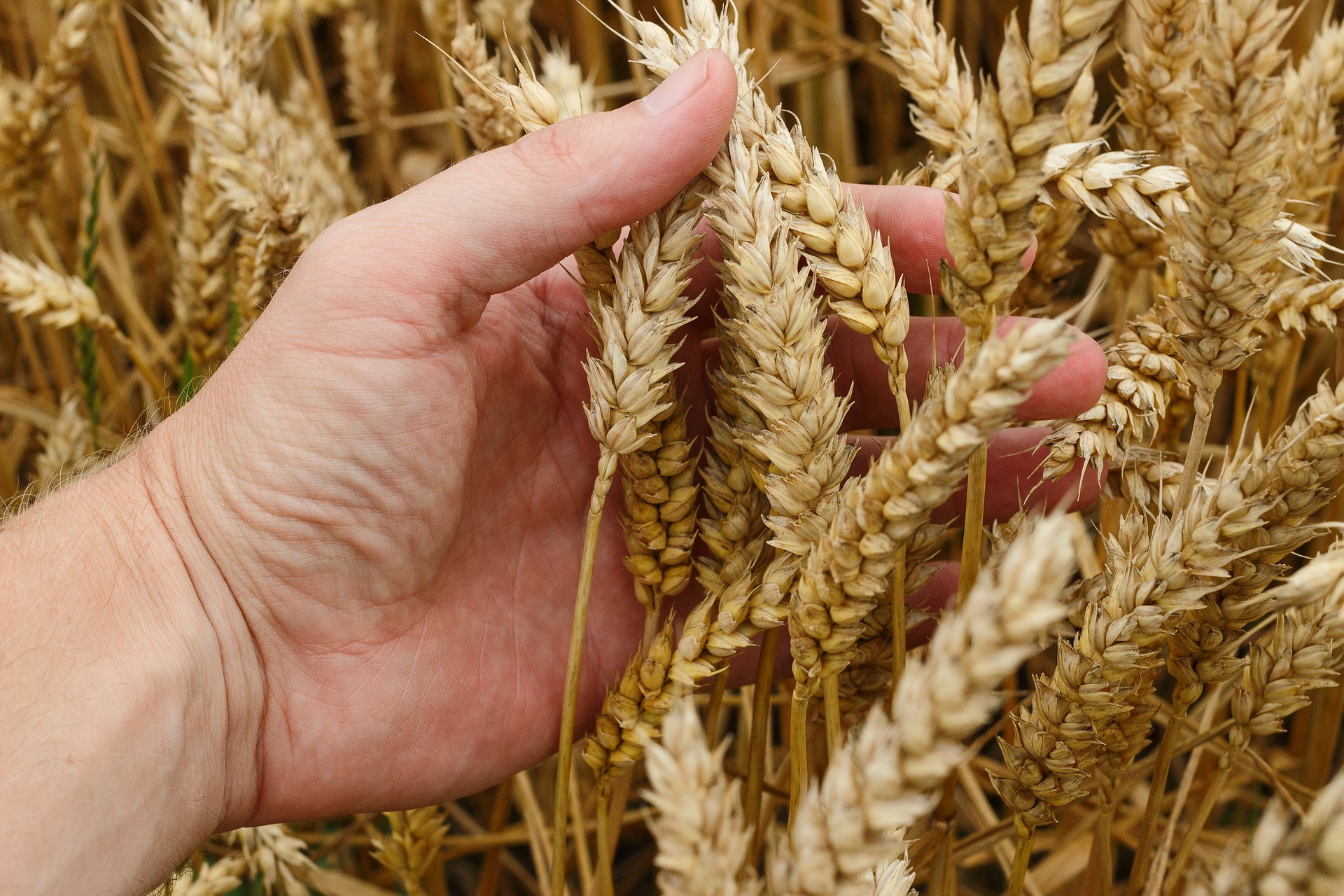
The pollination deficit: Towards supply chain resilience in the face of pollinator decline As a society, we are increasingly dependent on pollinators. ...
Innovative finance for resilient coasts and communities Coastal zones are critical to life and livelihoods, people, ...
The Bwindi Collection 2017- 2018: Developing the capacity of community groups to produce high quality handicrafts This report summarises the project’s training program deve...
Exploring natural capital opportunities, risks and exposure: A practical guide for financial institutions Natural capital is a way of thinking about nature as a stock...
Integrating natural capital in risk assessments: A step-by-step guide for banks Natural capital is a way of thinking about nature as a stock...
Mainstreaming international biodiversity goals for the private sector Biodiversity – the diversity within species, between speci...
Biodiversity-friendly production and commercialisation In its 18-month orientation phase (09/2016 to 02/2018), the ...
Connecting the policy dots: Linking adaptation, mitigation and sustainable development for climate-resilient land use planning In the land-use sector mitigation, adaptation, and developme...
Perceived changes in ecosystem services in the Panchase mountain ecological region, Nepal Ecosystem services (ES) are increasingly recognized as a mea...
Strengthening legal frameworks for licit and illicit trade in wildlife and forest products The regulation of licit trade, and the prevention, detection...
The state of the world’s biodiversity for food and agriculture This report presents the first global assessment of biodiver...
Non-native honey bees disproportionately dominate the most abundant floral resources in a biodiversity hotspot Most plant-pollinator mutualisms are generalized. As such, t...