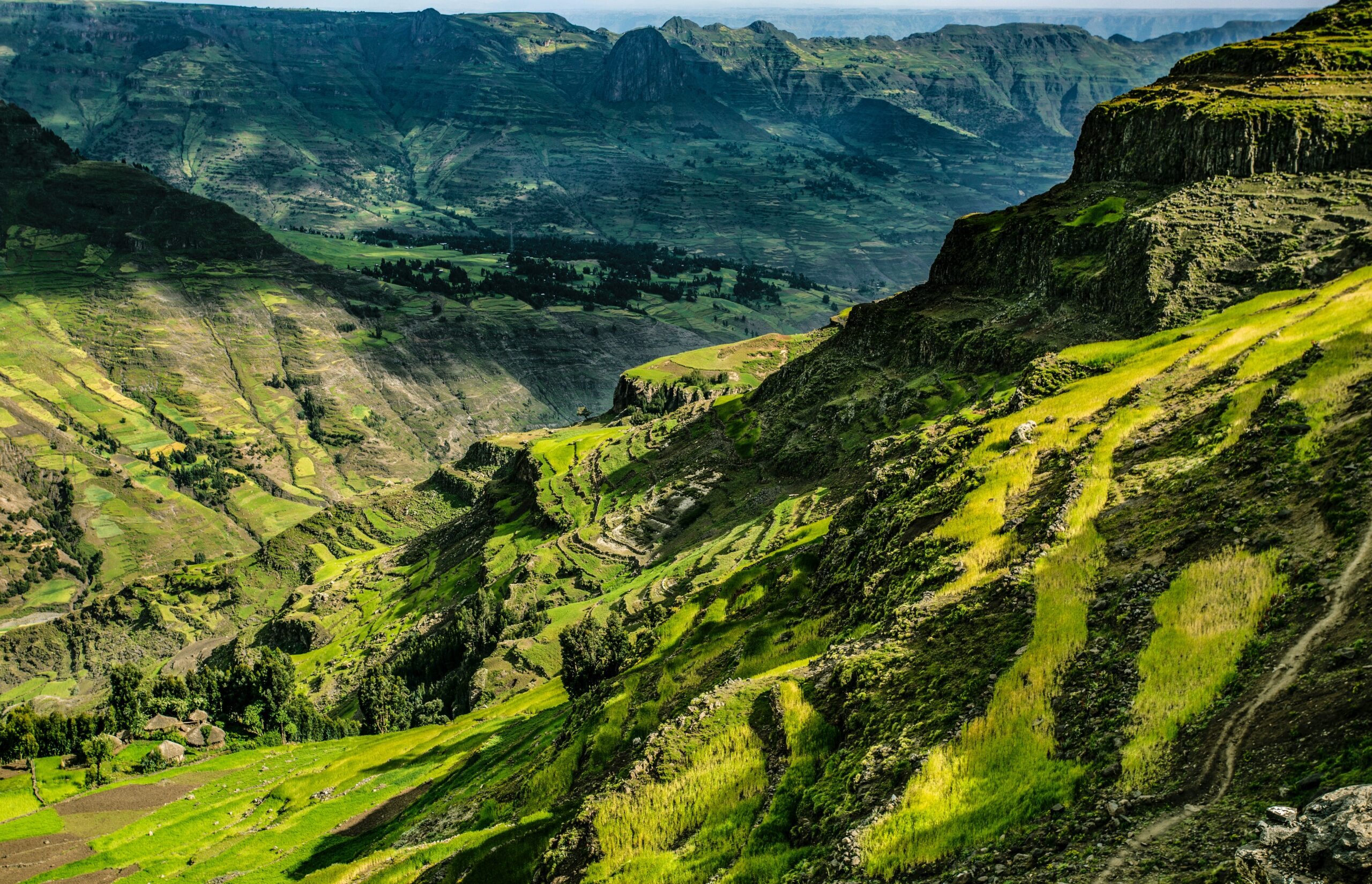
Ethiopia National Ecosystem Assessment | Summary for Policymakers The publication has been produced by the Ethiopian Biodiversity Institute (EBI), as part of the init...
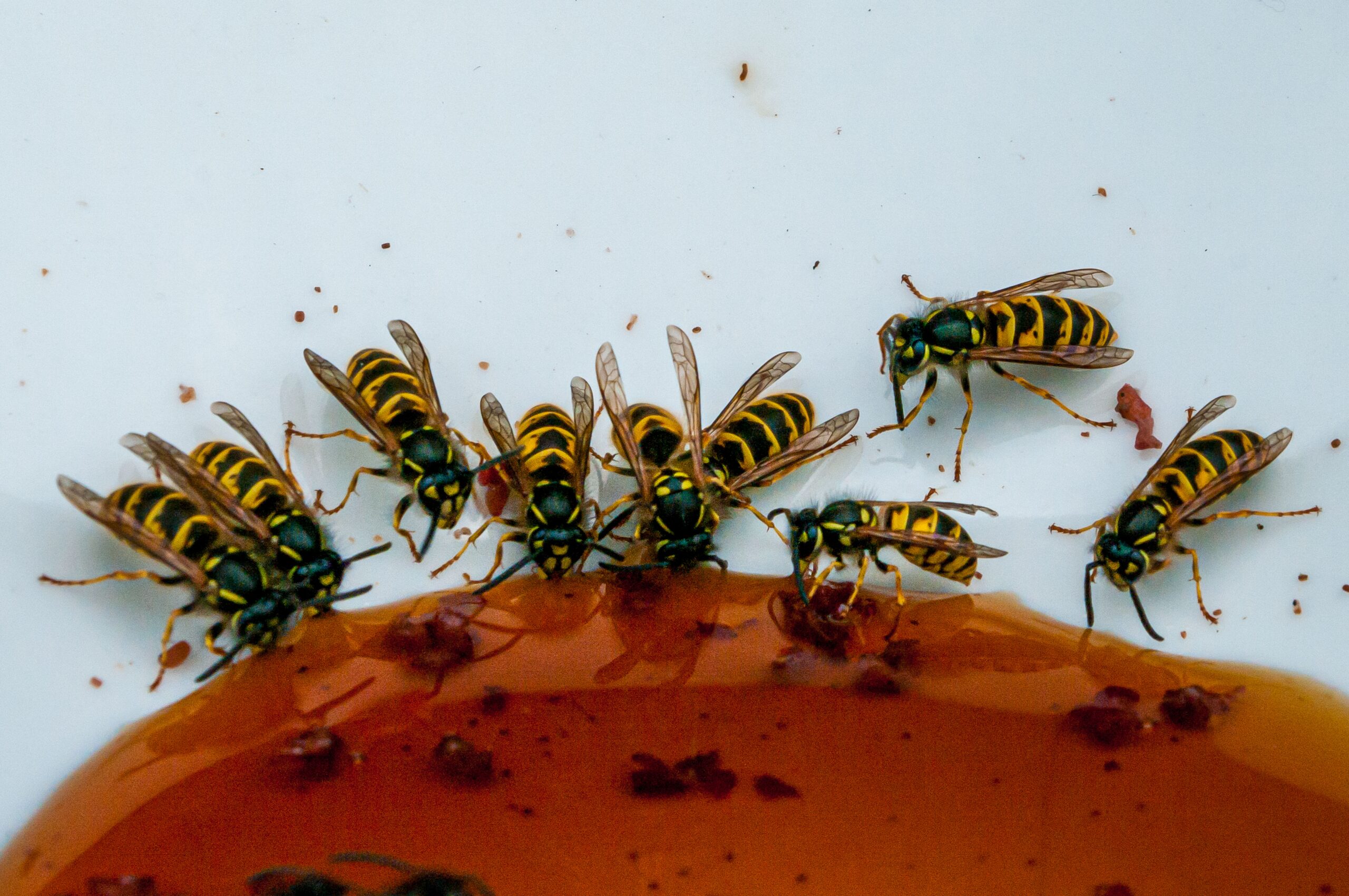
Wasps of the Mediterranean – Field guide (English) Wasps are a diverse group of insects with different forms of life. Some are eusocial and live in col...
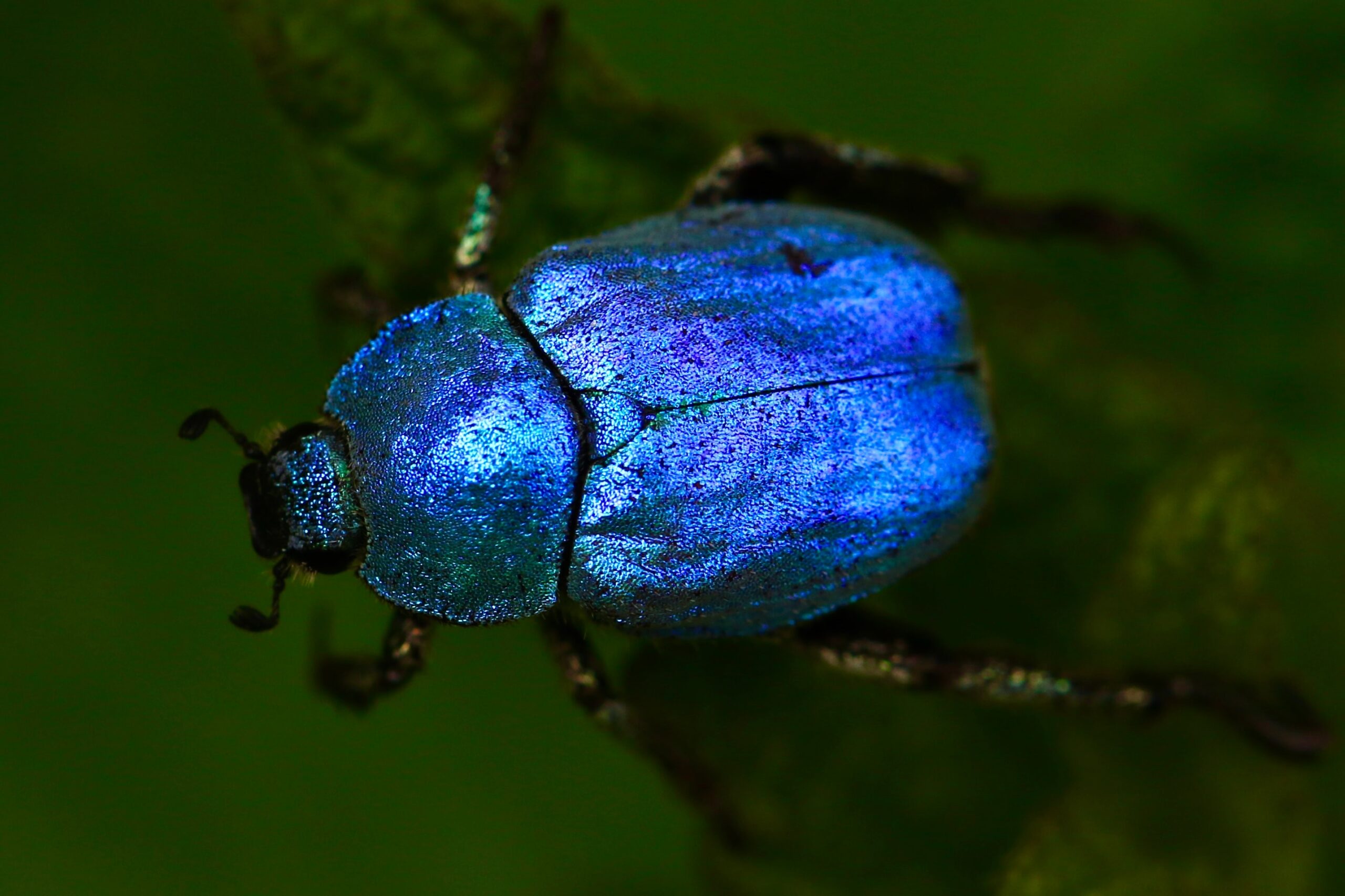
Beetles of the Mediterranean – Field guide (ENGLISH) Beetle pollinators can be found on flowers mostly from spring to summer. Their larvae develop as con...
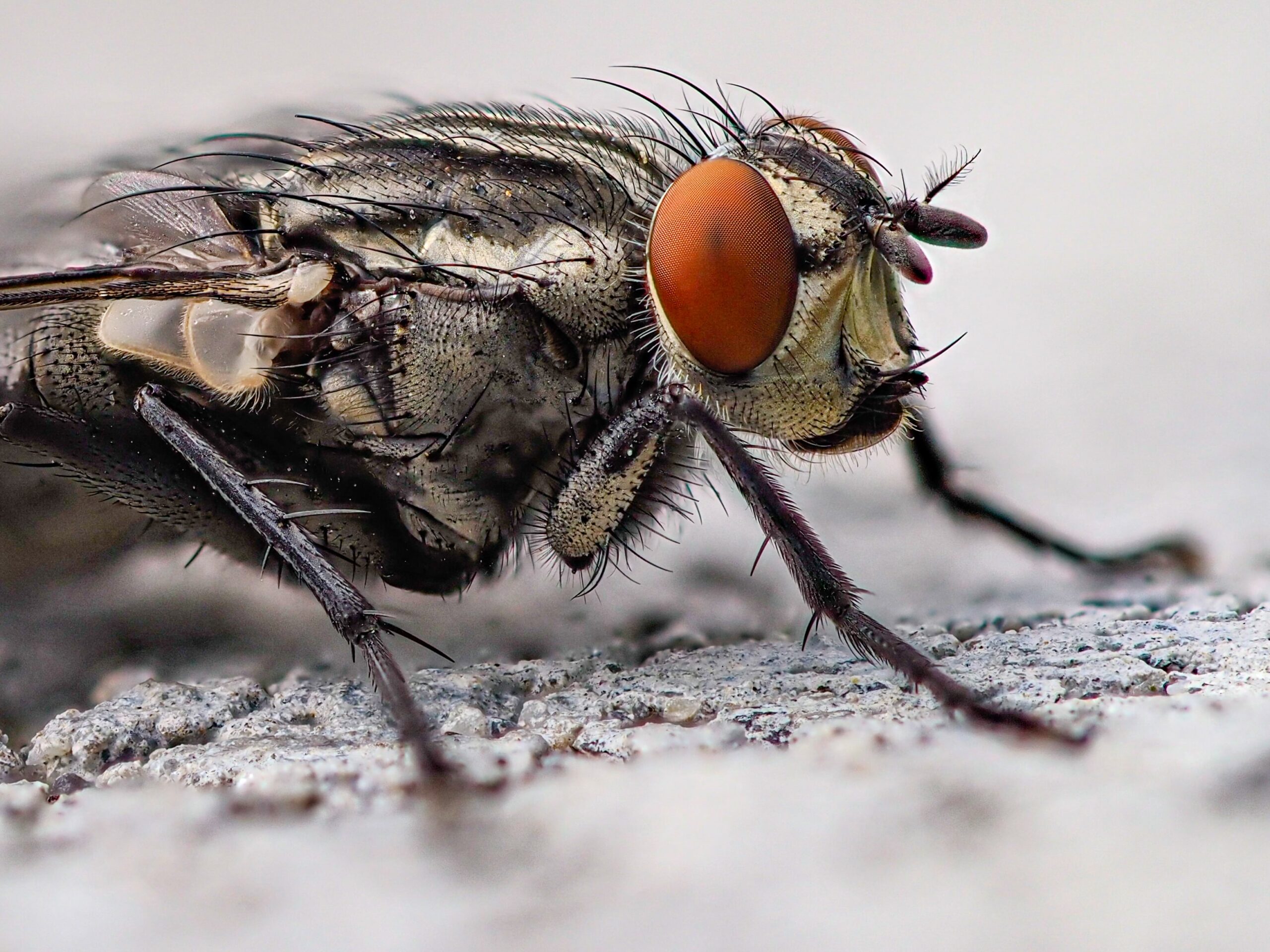
Flies of the Mediterranean – Field guide (English) Fly pollinators can be found all year round on flowers. In cold climates they are often the dominant...
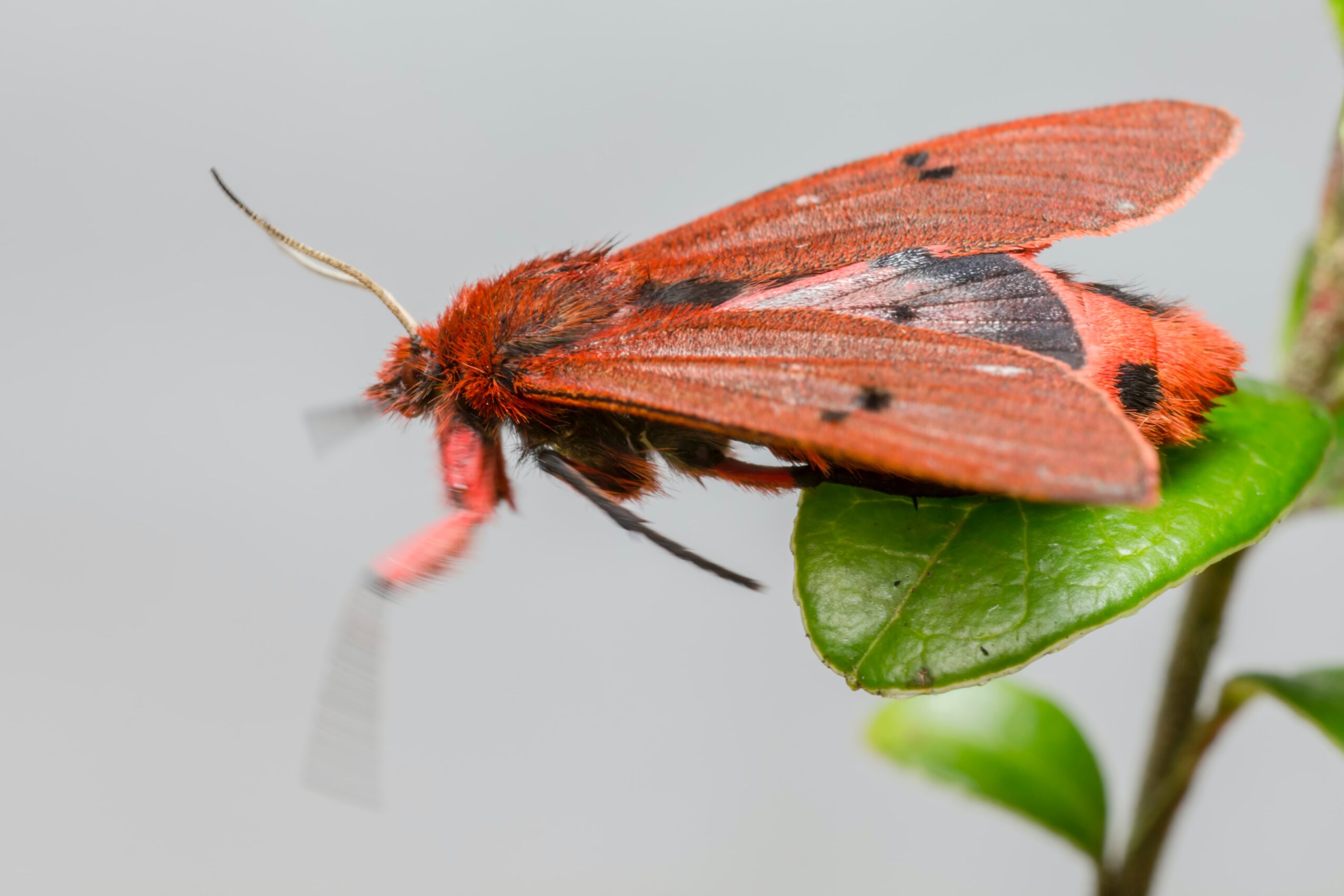
Butterflies and moths of the Mediterranean – Field guide (English) Due to their great aesthetic value and their transformation of metamorphosis that they undergo in th...
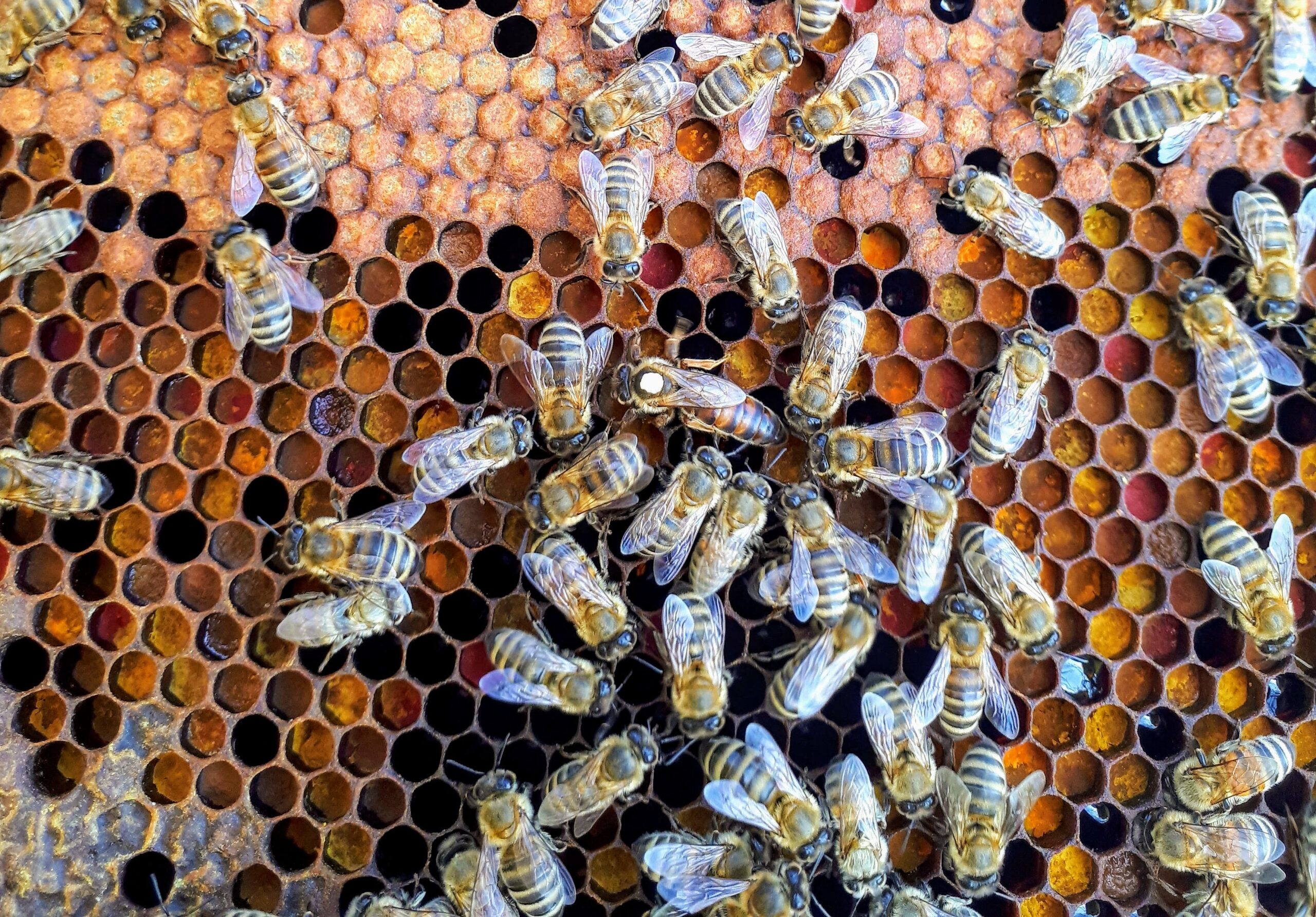
Bees of the Mediterranean – Field guide (English) Bees are part of the pollinators guild altogether with butterflies, flies, beetles and other insects...
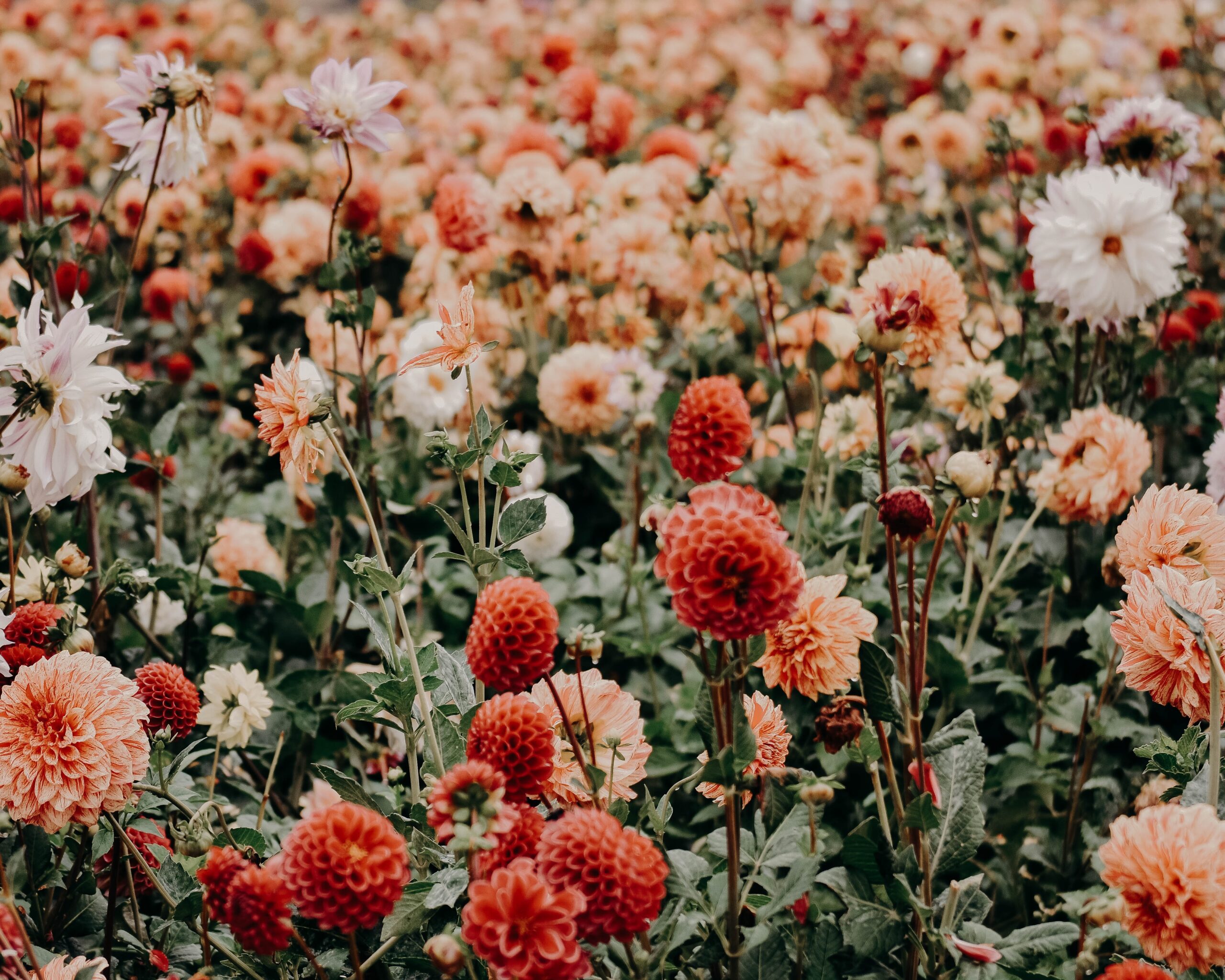
Entomophilous plants of the Mediterranean – Field guide (English) For wild flower identification in general it is necessary to have a plant in good condition, complet...
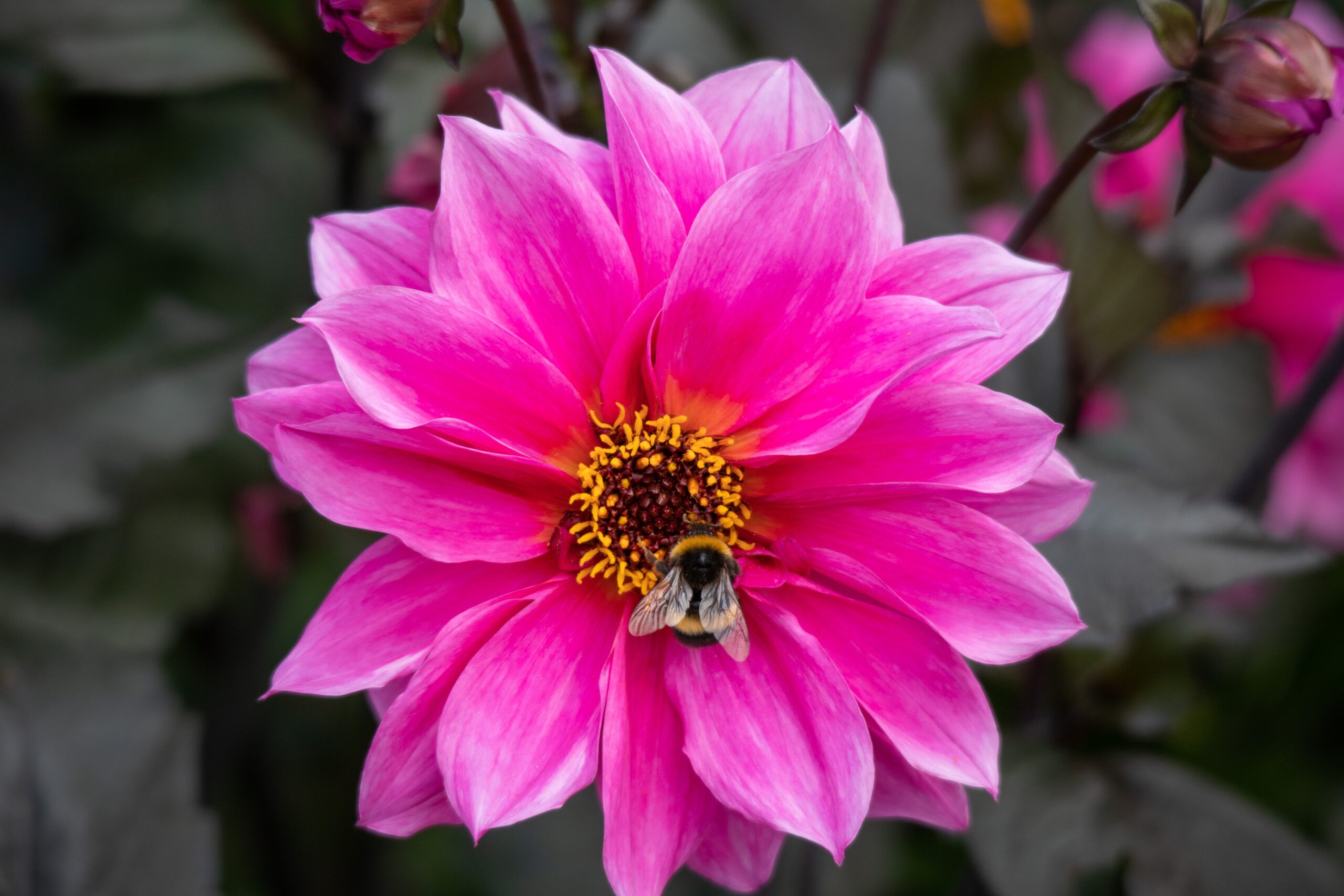
Citizen science handbook The pollination of flowers by animals implies a partnership between plants and pollinators, a partne...
Handbook “Management of Urban Green Areas” Pollination is fundamental for the sexual reproduction of flowering plants (angiosperms). It involve...
Pollinator-friendly declaration for local authorities International commitments by governments to the Sustainable Development Goals (SDGs), specifically S...
Food versus wildlife: Will biodiversity hotspots benefit from healthier diets? Terrestrial biodiversity is threatened by land use change. Modelling suggests that the remaining, po...
A cool spot in a biodiversity hotspot: Why do tall Eucalyptus forests in Southwest Australia exhibit low diversity? Southwest Australia is a biodiversity hotspot, with greatest plant species diversity on the most sev...