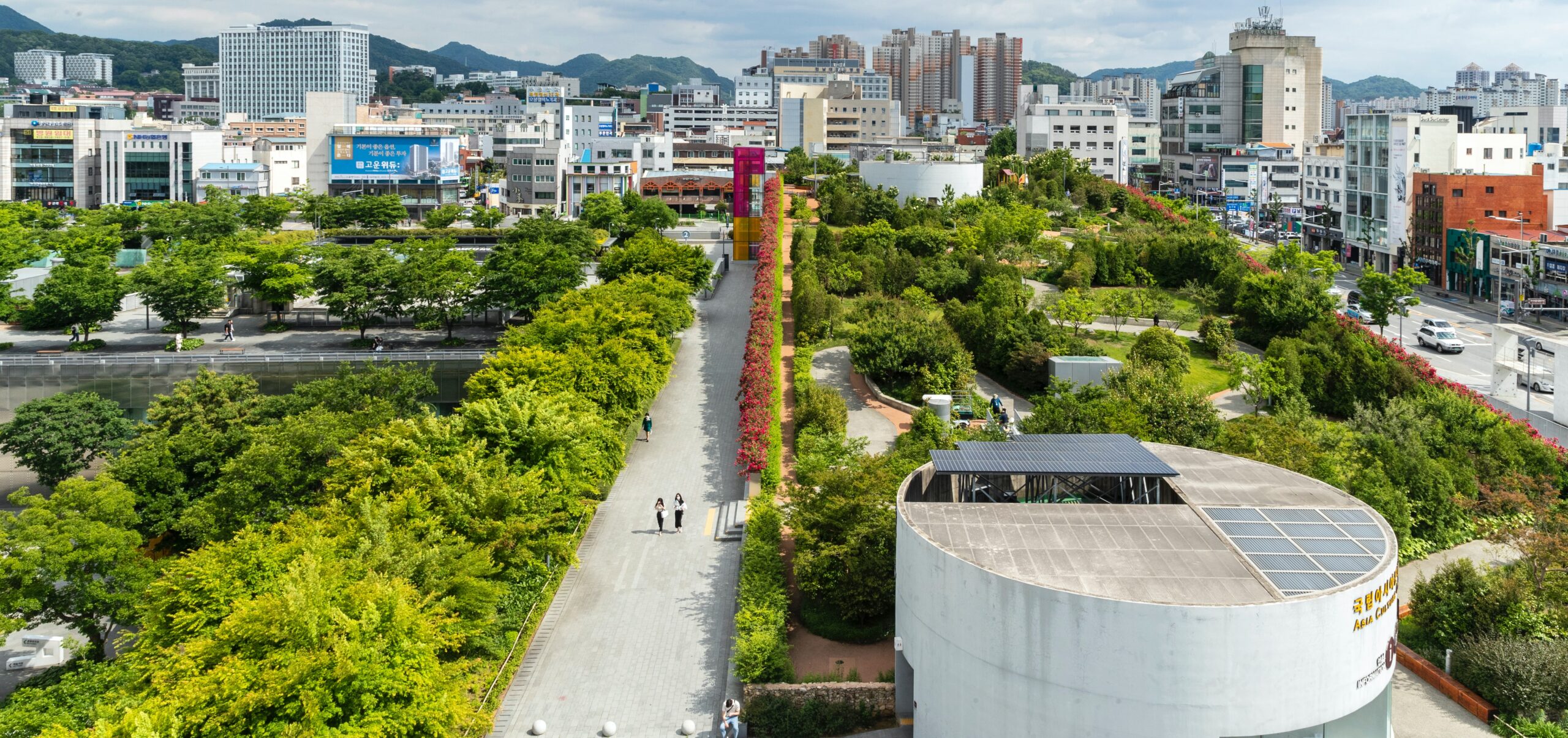
Smart, Sustainable and Resilient cities: The Power of Nature-Based Solutions City life is becoming the default human experience. Cities a...
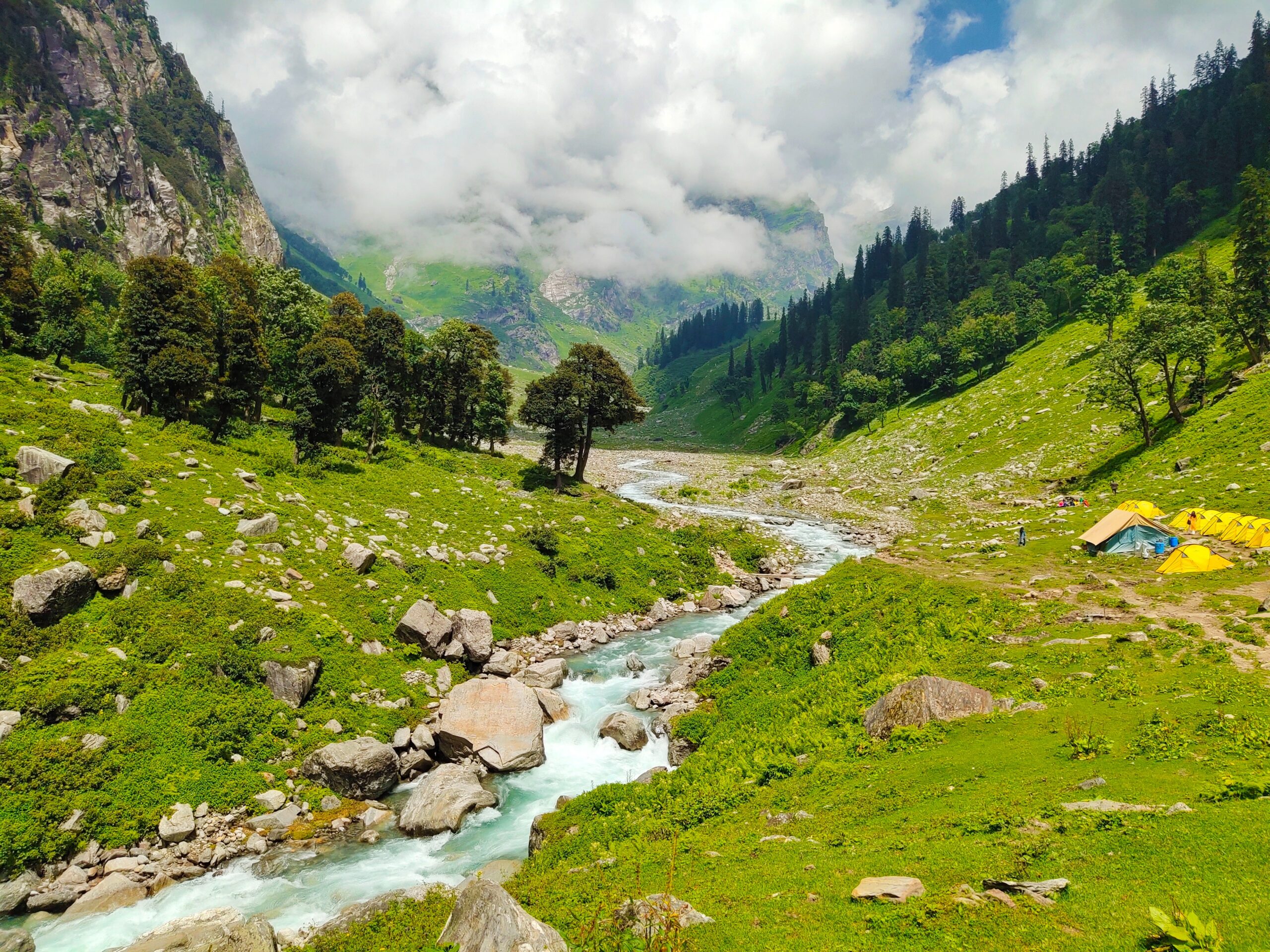
Diversity and use of wild and non cultivated edible plants in the Western Himalaya Local people in the Himalayan region use a wide range of wil...
Three global conditions for biodiversity conservation and sustainable use: An implementation framework Nature and its vital contributions to people, which together...
Integrating ecosystem markets to co-ordinate landscape-scale public benefits from nature Ecosystem markets are proliferating around the world in resp...
A new tool to evaluate, improve, and sustain marine protected area financing built on a comprehensive review of finance sources and instruments Marine protected areas (MPAs) require sustained funding to p...
BES Solution Fund Multi-Stakeholder Engagement Workshop 2022 – Event Report Alongside the Introductory Workshop for Post-Trialogue Count...
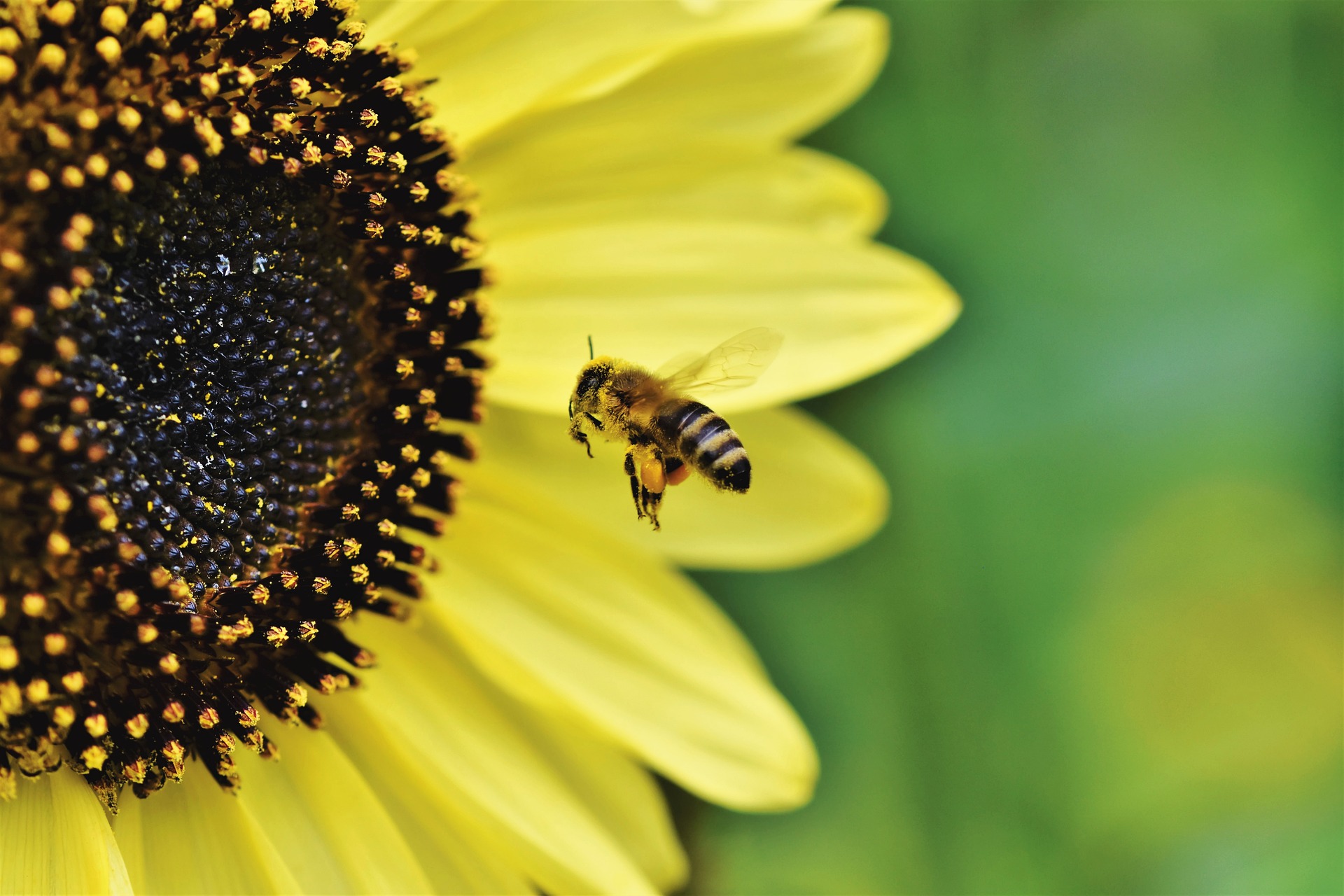
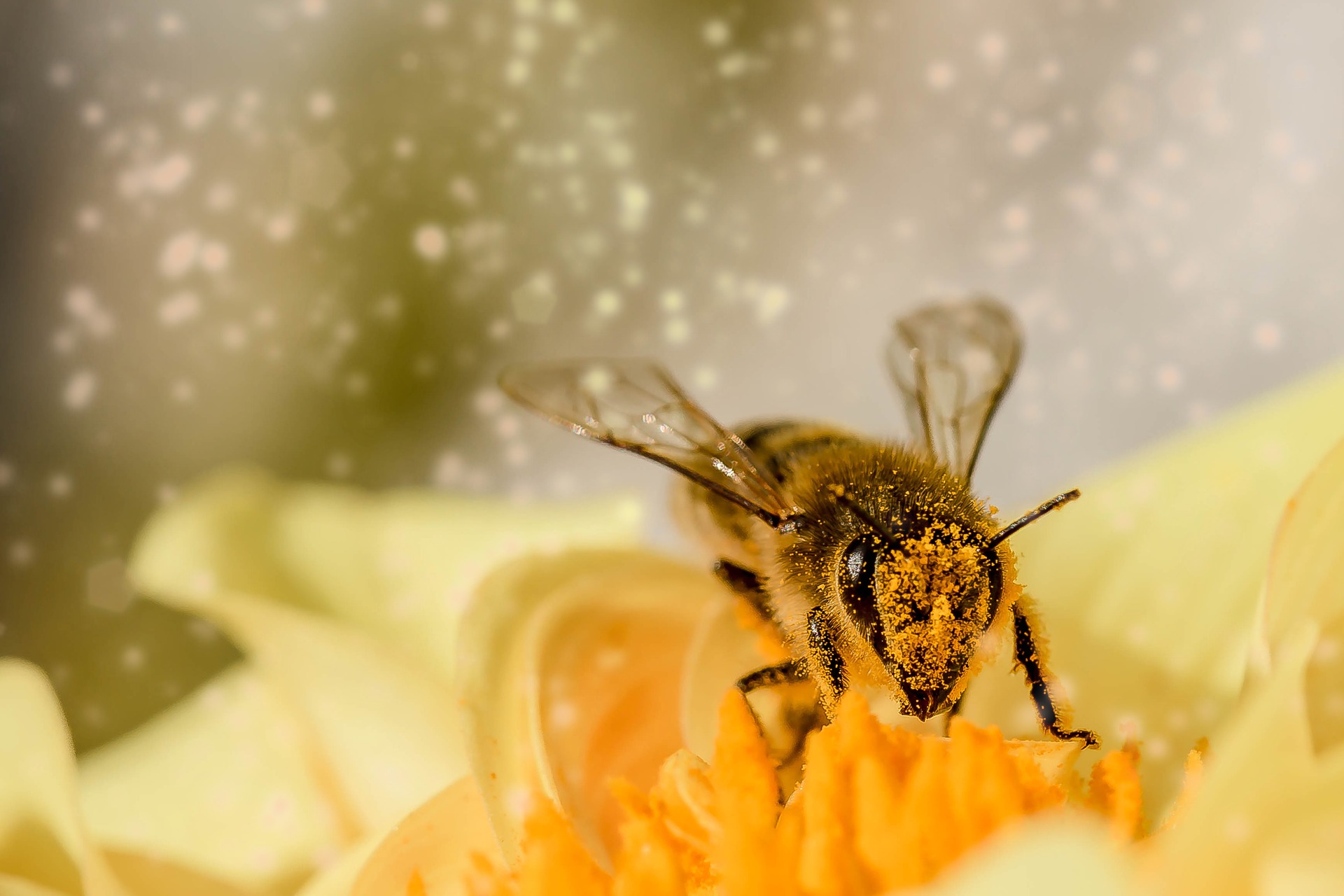
Assessing pollinator friendliness of plants and designing mixes to restore habitat for bees The worldwide decline in bee populations is threatening the ...
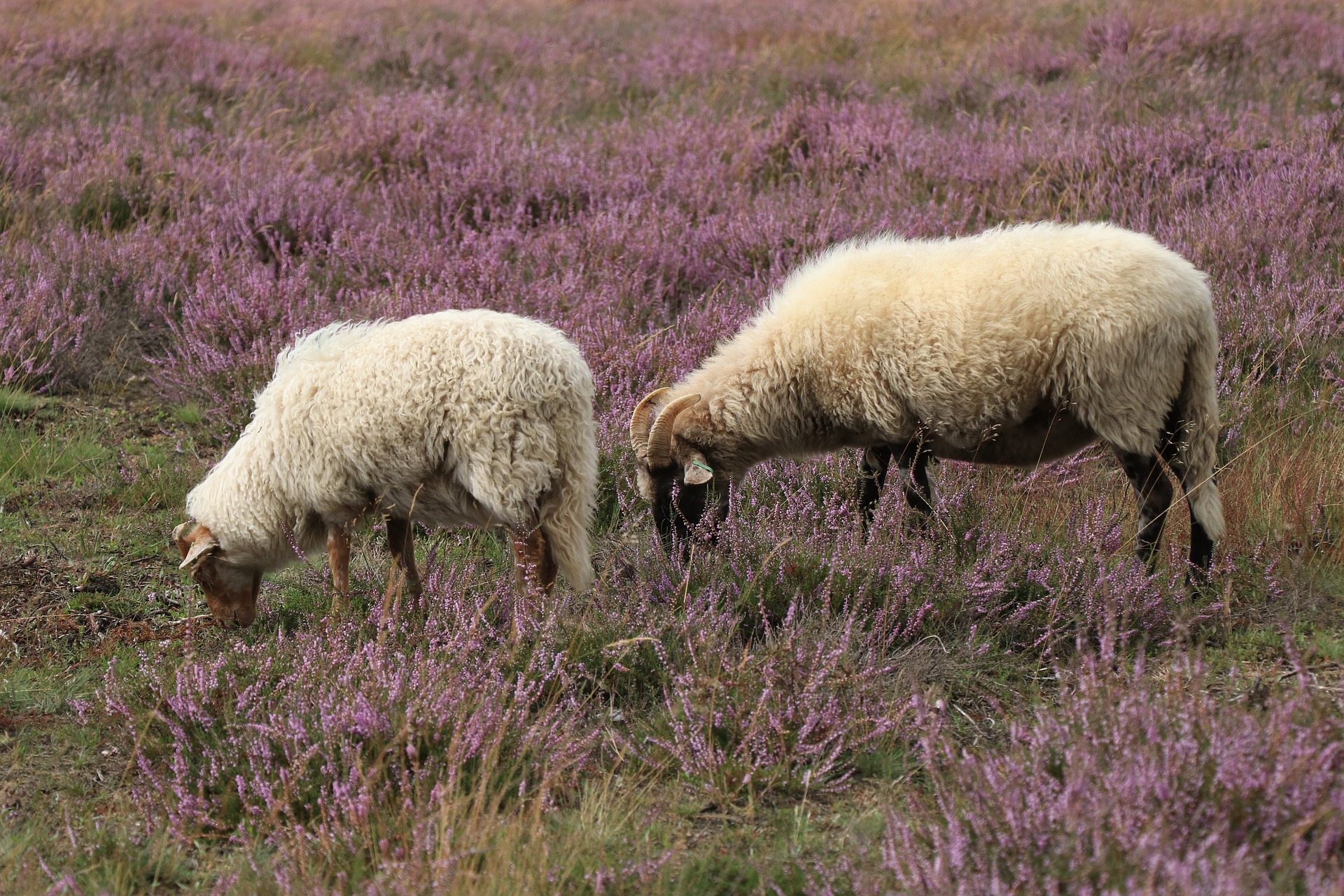
Cattle grazing results in greater floral resources and pollinators than sheep grazing in low-diversity grasslands Land-use and land-cover change associated with agriculture i...
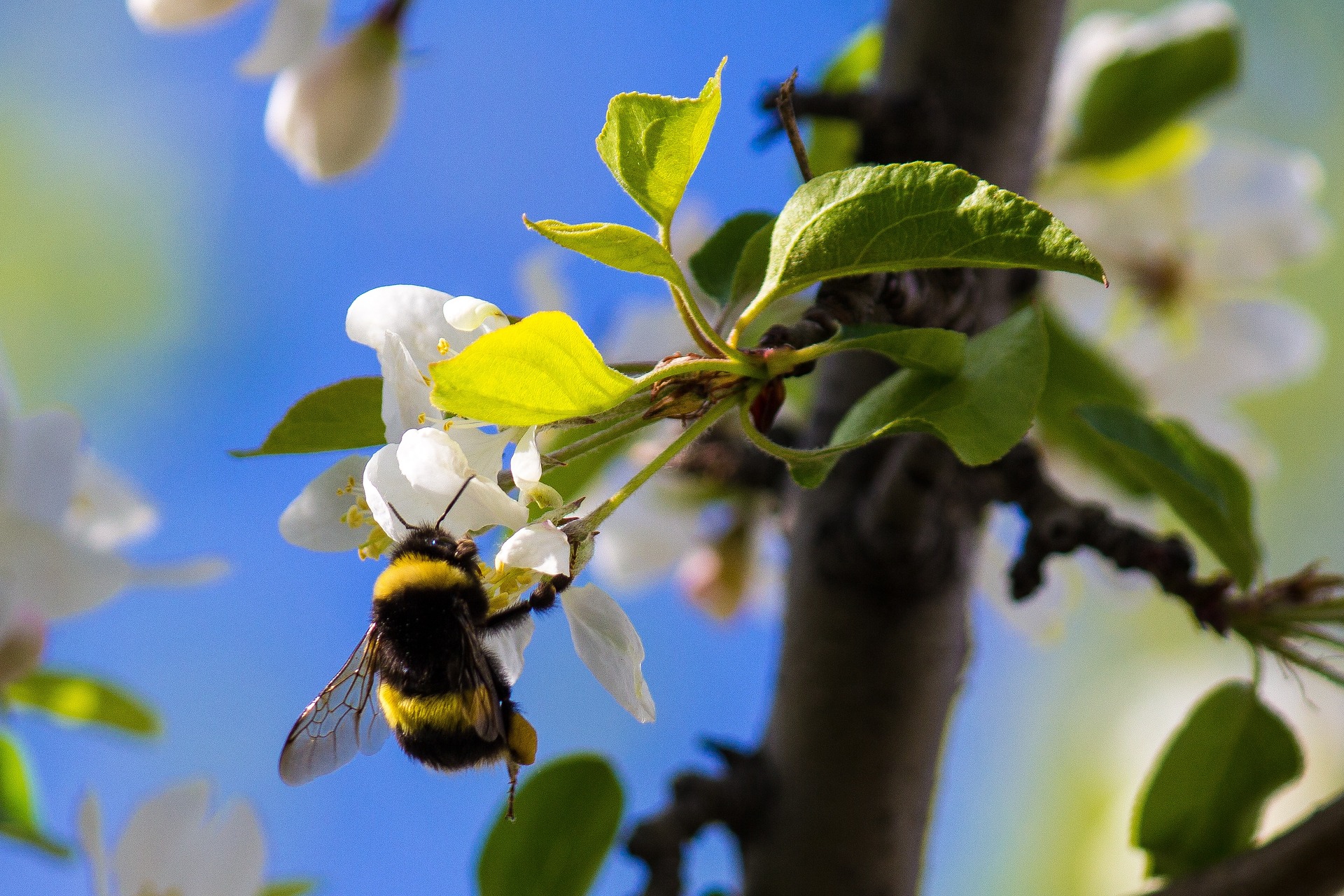
Supporting Wild Pollinators in Agricultural Landscapes through Targeted Legume Mixtures Insect-pollinated legumes are rich in plant-based proteins m...
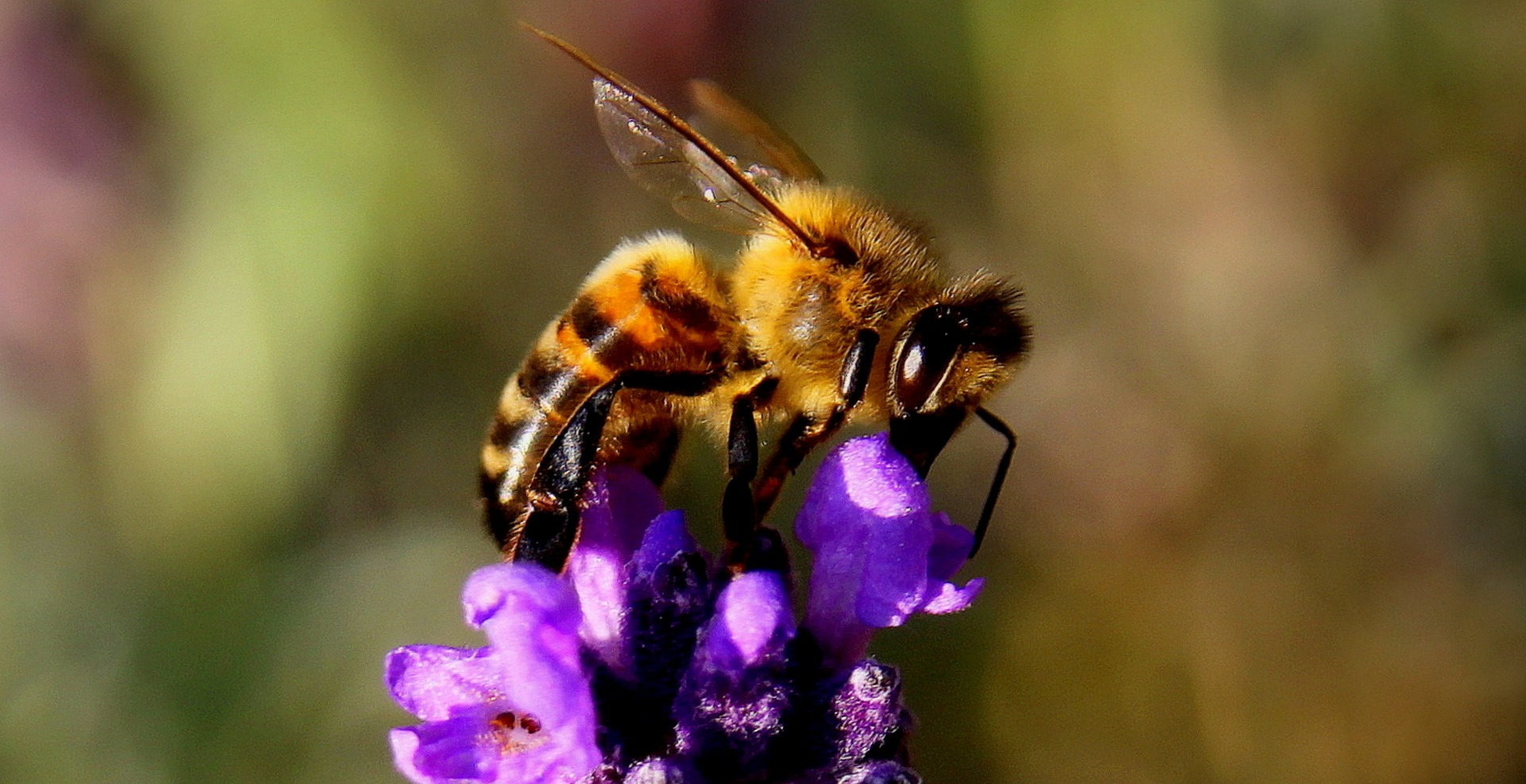
Wild bees are less abundant but show better pollination behavior for sweet cherry than managed pollinators Pollinating insects provide pollination services to many cro...
The selective effects of environmental change on the functional diversity of soil decomposers Whether decomposition can be affected by the biodiversity of...
Effects of forestry transformation on the landscape level of biodiversity in Poland’s forests At all times, historical, political, economic, and social fa...