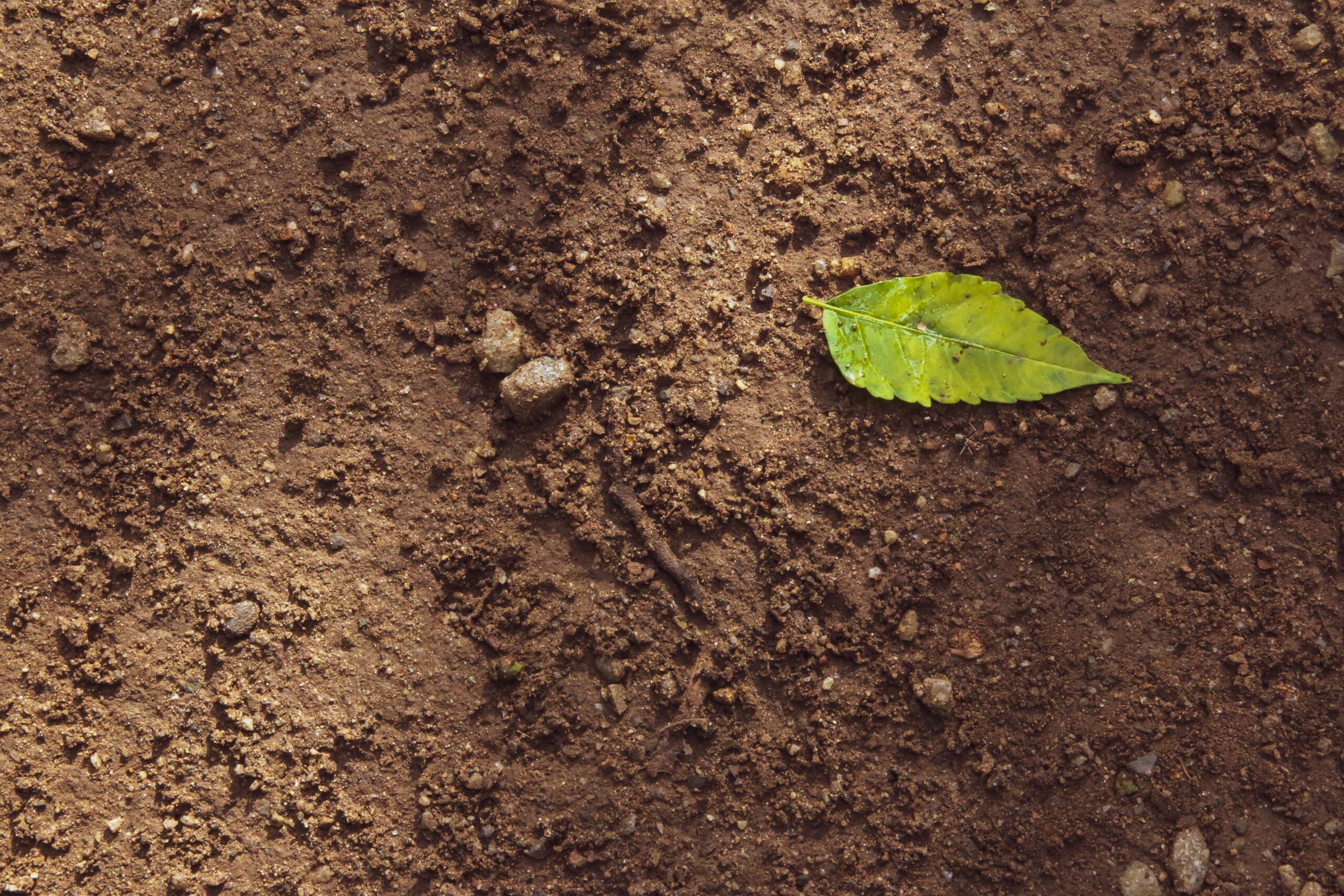
Monitoring soil for sustainable development and land degradation neutrality The adoption of the 17 sustainable development goals (SDGs) ...
The Amazon river plume, a barrier to animal dispersal in the western tropical Atlantic The dispersal of marine organisms can be restricted by a set...
Multiple Bacterial Partners in Symbiosis with the Nudibranch Mollusk Rostanga Alisae The discovery of symbiotic associations extends our understa...
Ecology and management of northern red oak (Quercus rubra L. syn. Q. borealis F. Michx.) in Europe: A review Northern red oak (Quercus rubra L. syn. Q. Borealis F. Michx...
Stakeholders’ Perceptions Towards Non-Native Acacias and Implications for their Management in Portugal Humans act as drivers for the introduction of non-native tre...
What can Beijing learn from the world’s megacities on energy and environmental issues? In order to build Beijing into a world-class harmonious and ...
Natural polymers-based materials: A contribution to a greener future Natural polymers have emerged as promising candidates for th...
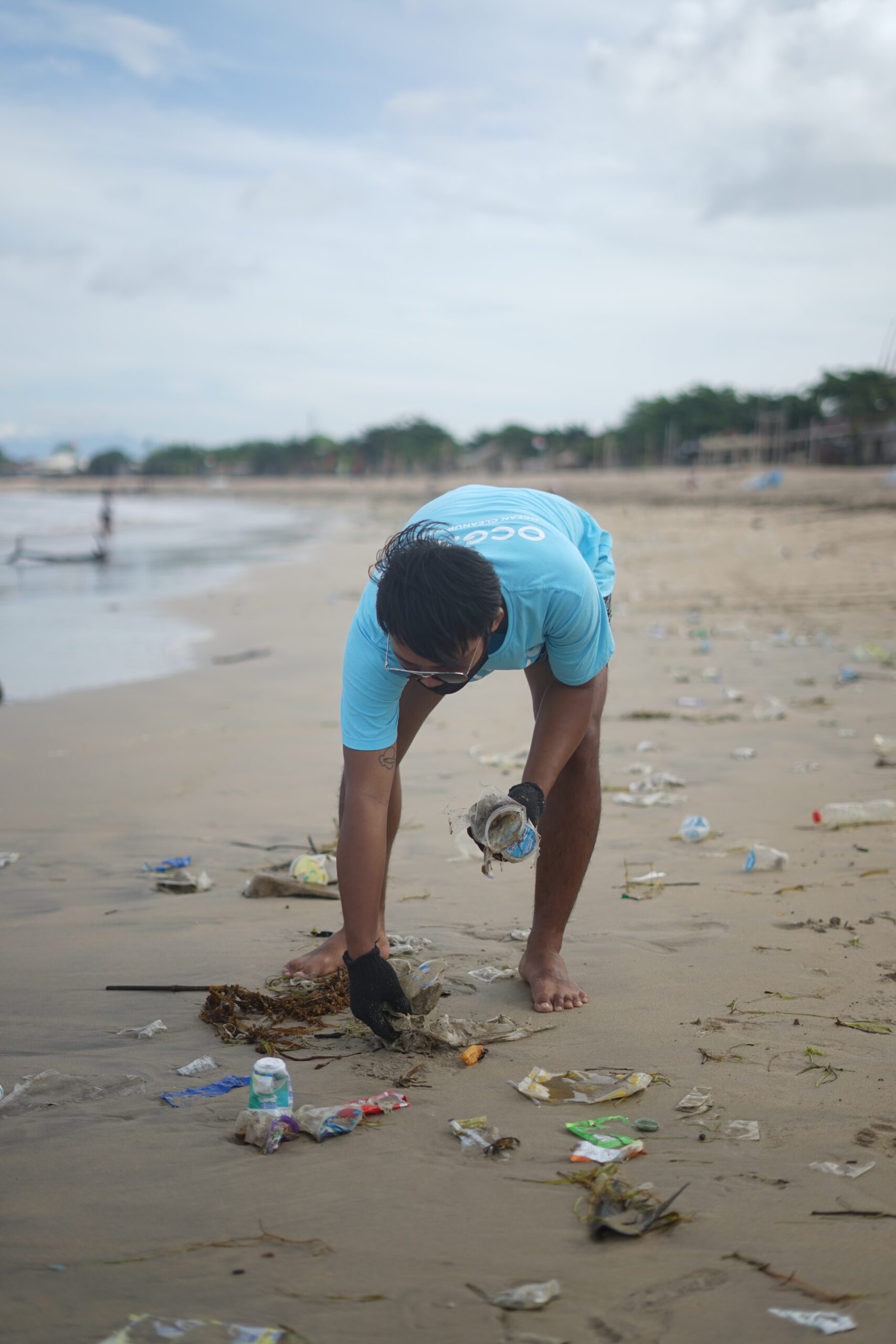
The cost of marine litter damage to the global marine economy: Insights from the Asia-Pacific into prevention and the cost of inaction Marine litter is recognized as imposing a range of costs on ...
Pollution, ecological risk, and source identification of potentially toxic elements in sediments of a landscape urban lagoon, China Given the great importance of the Yundang lagoon (China), a ...
Prediction of High-Risk Areas of Soil Heavy Metal Pollution with Multiple Factors on a Large Scale in Industrial Agglomeration Areas Heavy metals in soil are a great threat to ecosystems and hu...
An overview of research on natural resources and indigenous communities: A bibliometric analysis based on Scopus database (1979–2020) Indigenous people constitute an important section of society...
Caring for indigenous data to evaluate the benefits of indigenous environmental programs Advances in open data, big data, and data linkage allow us t...