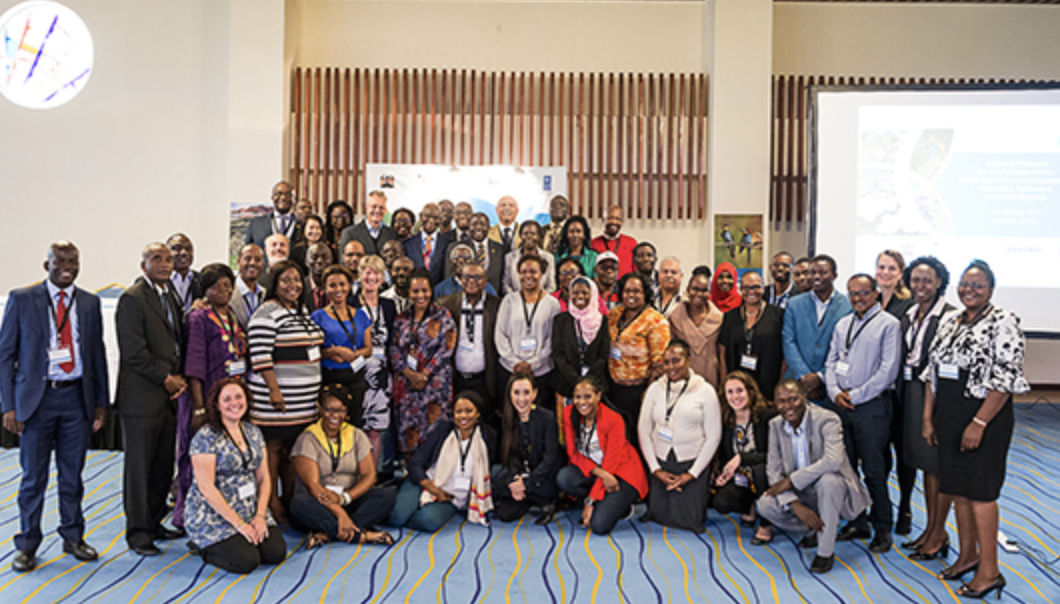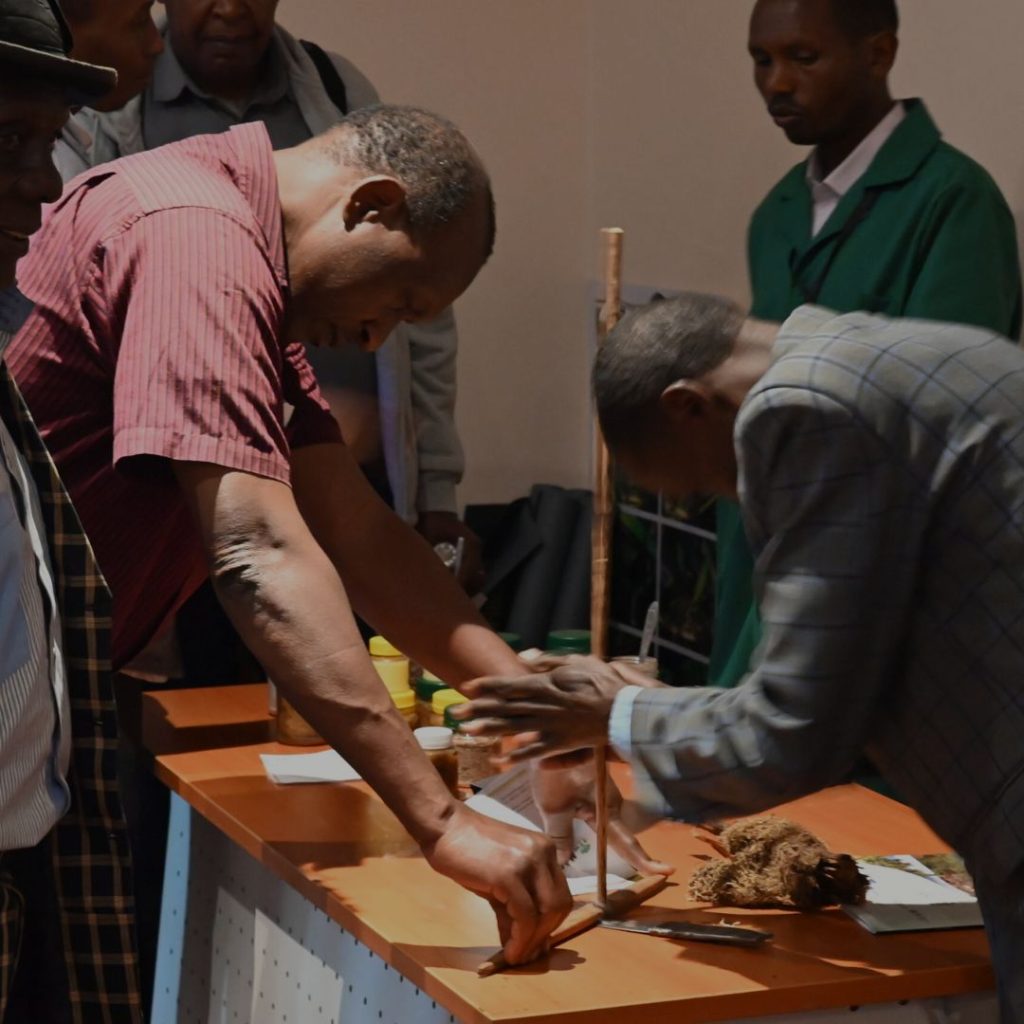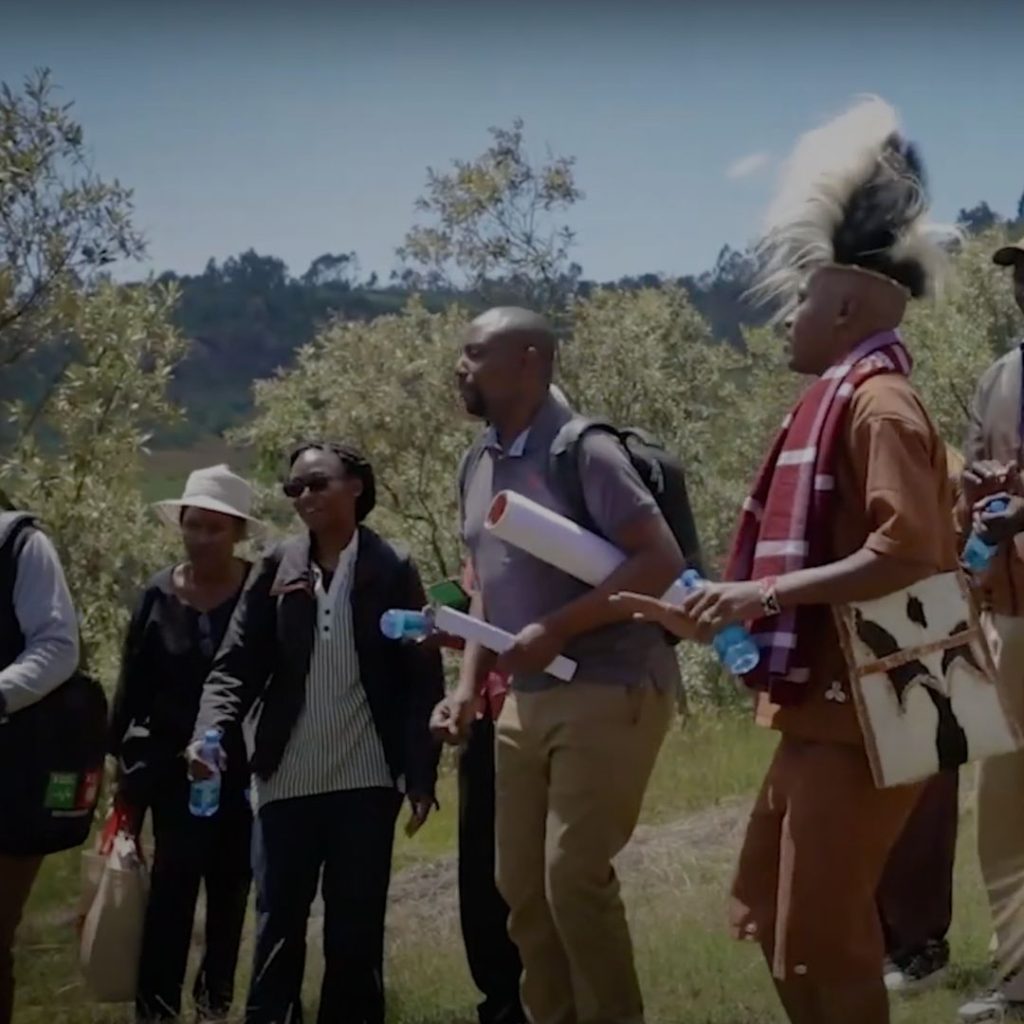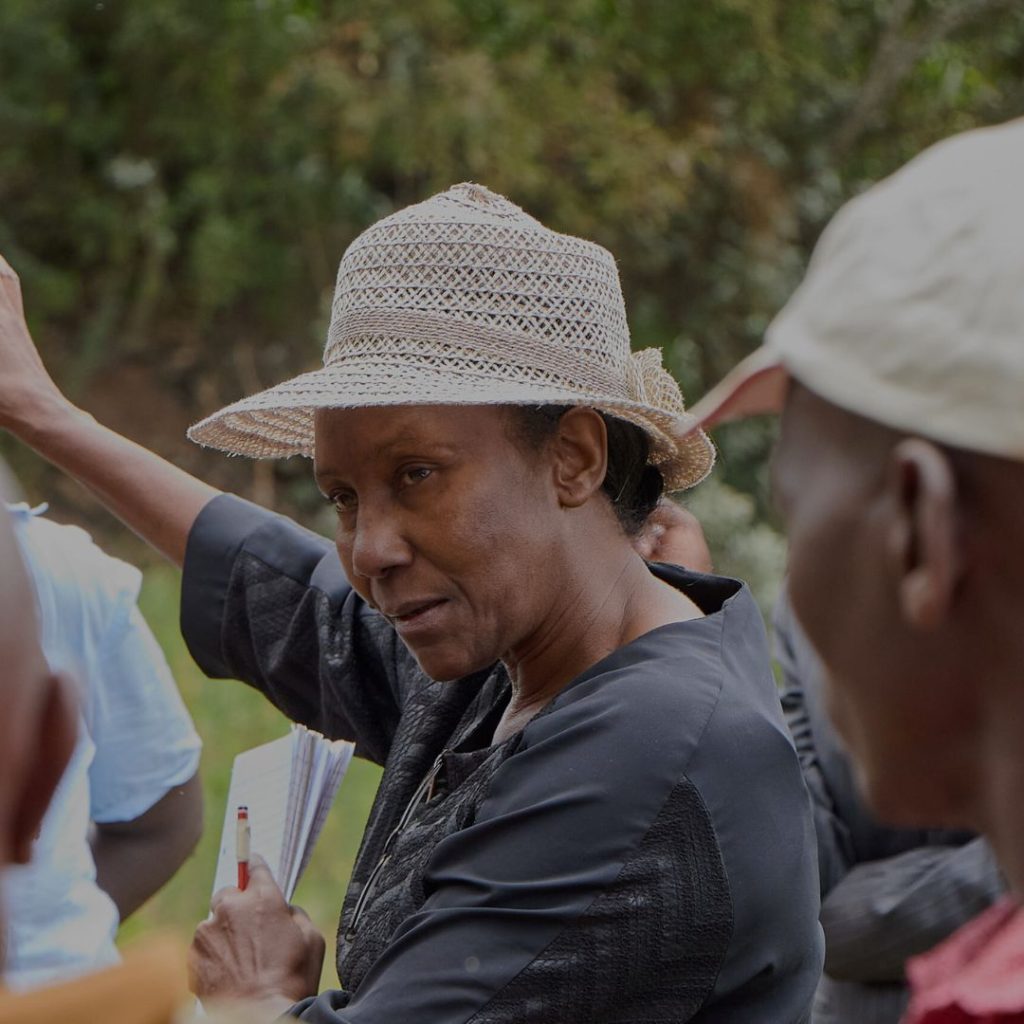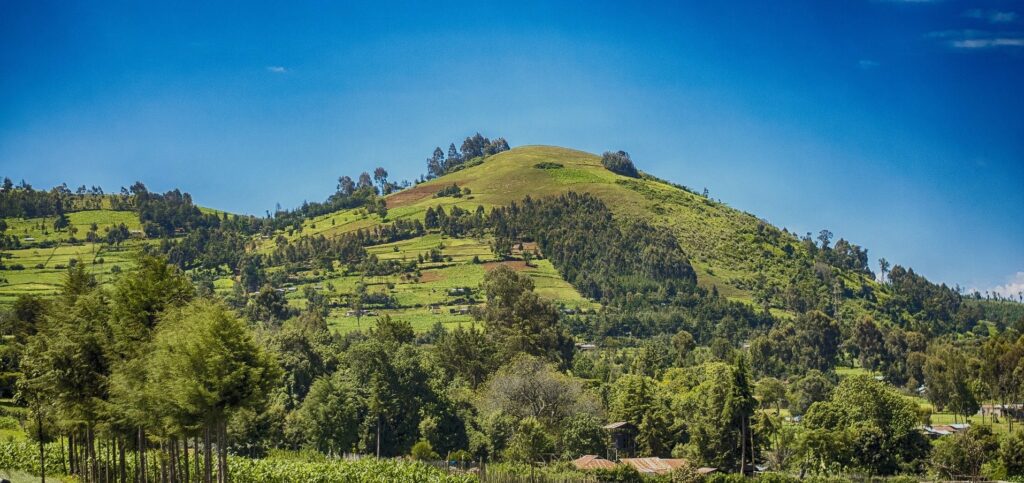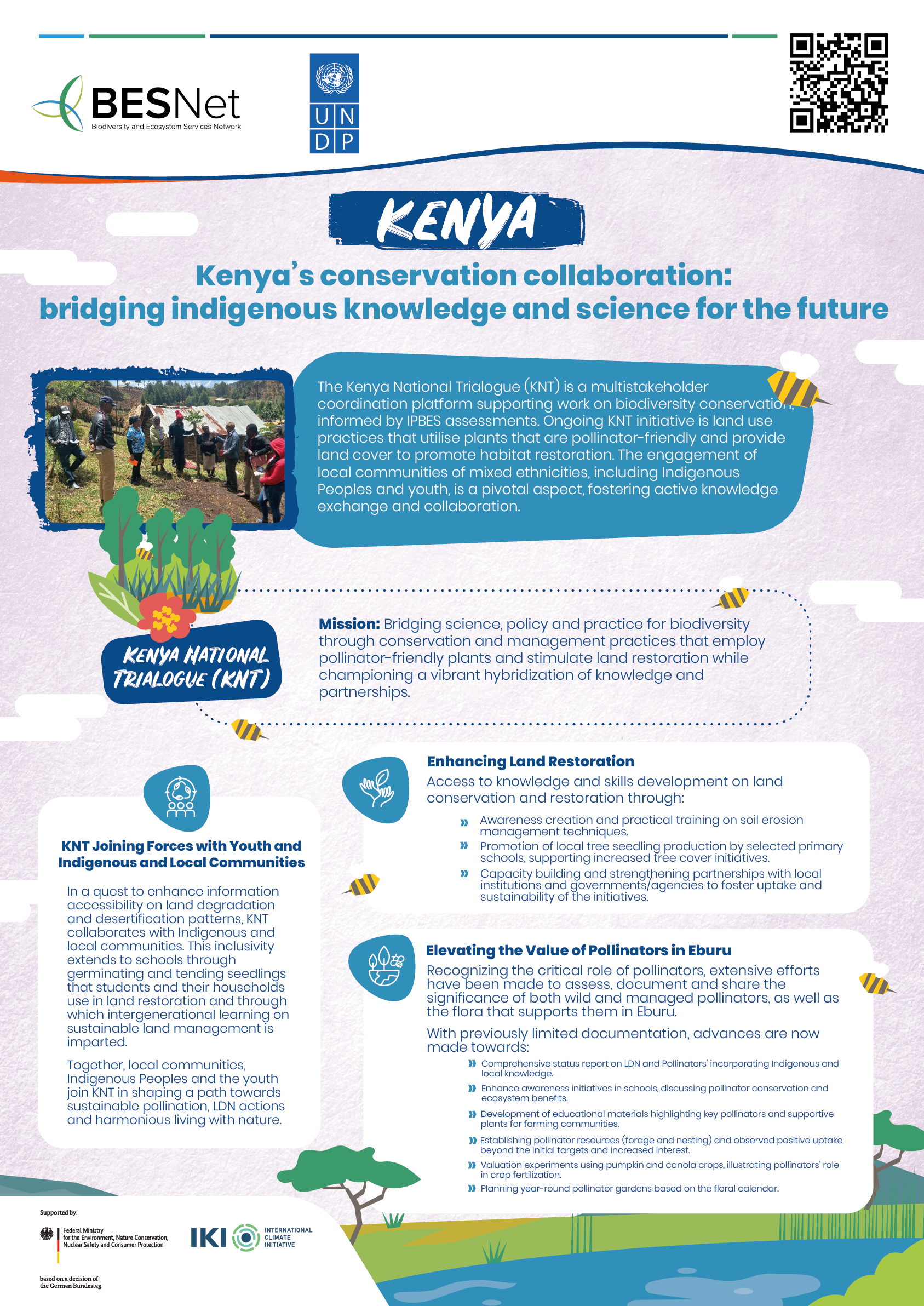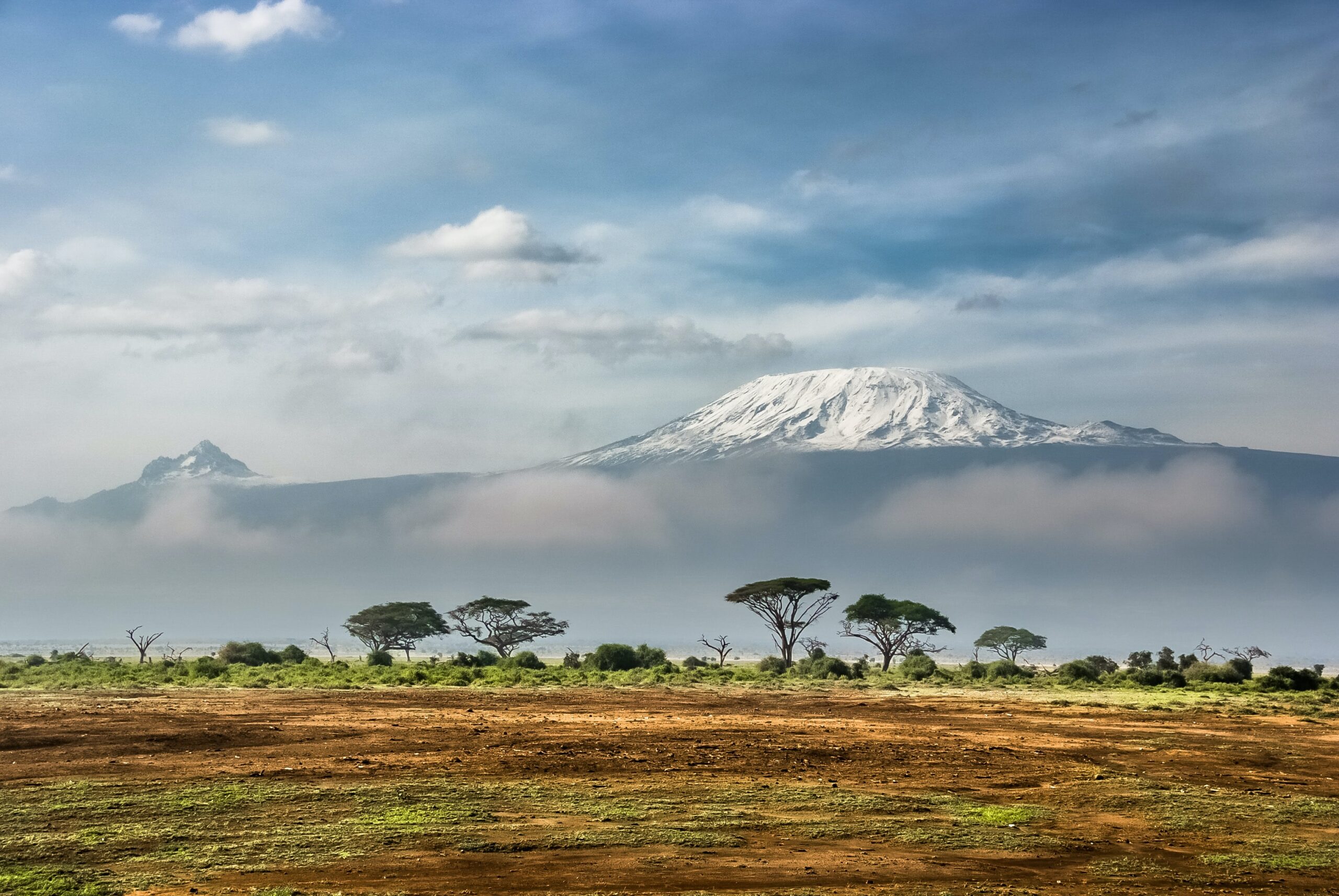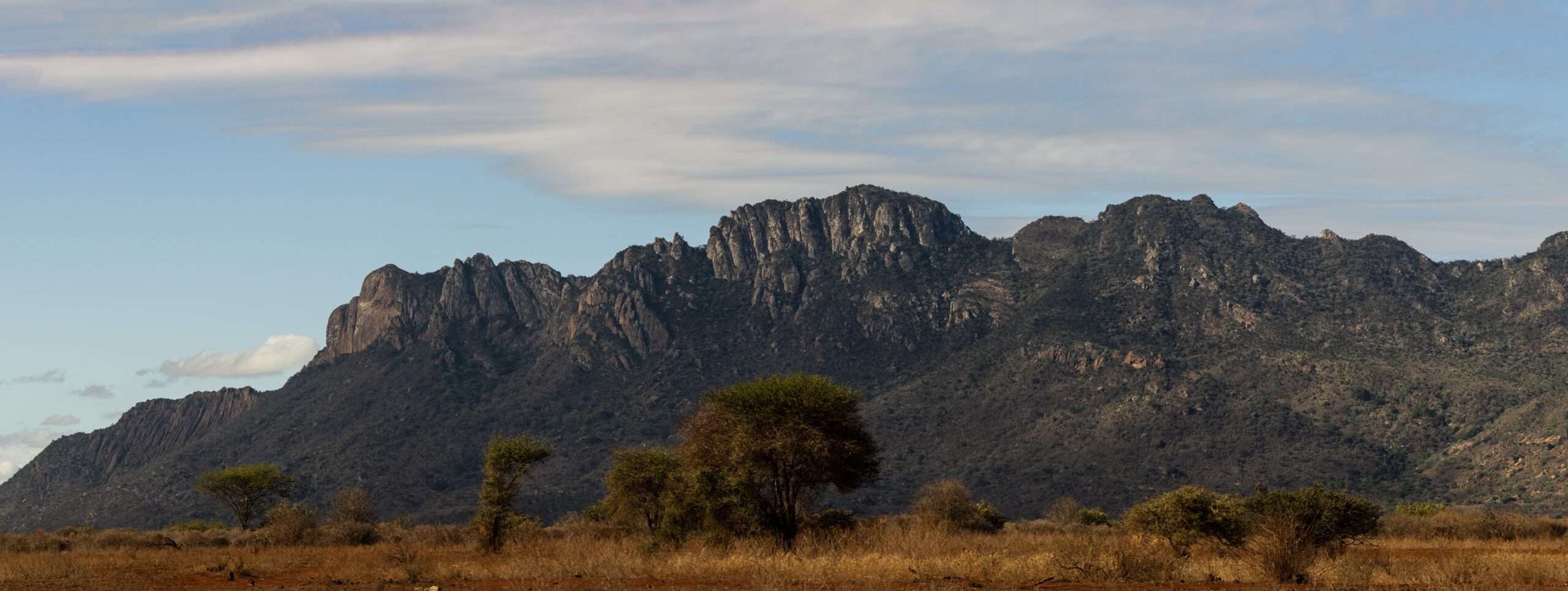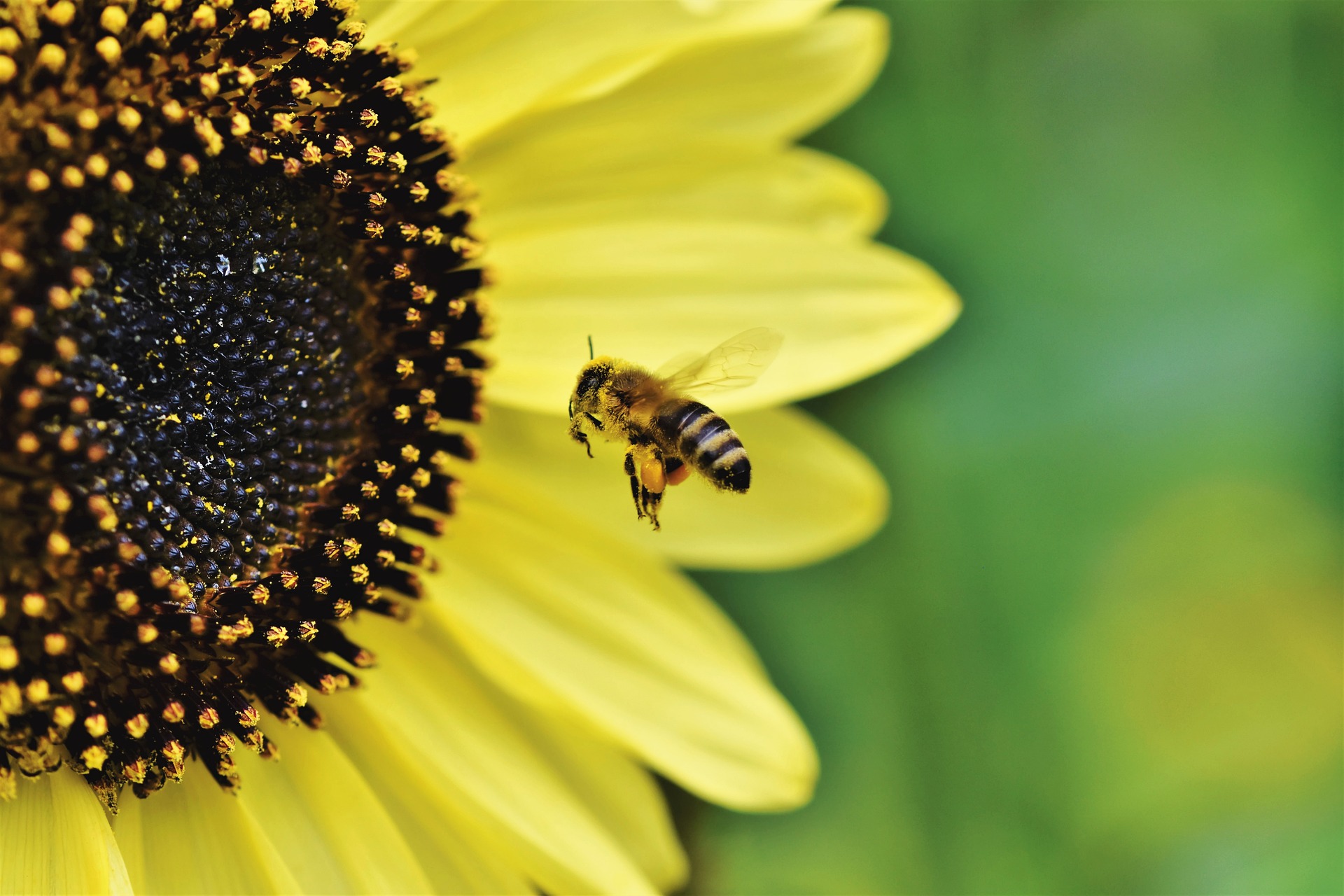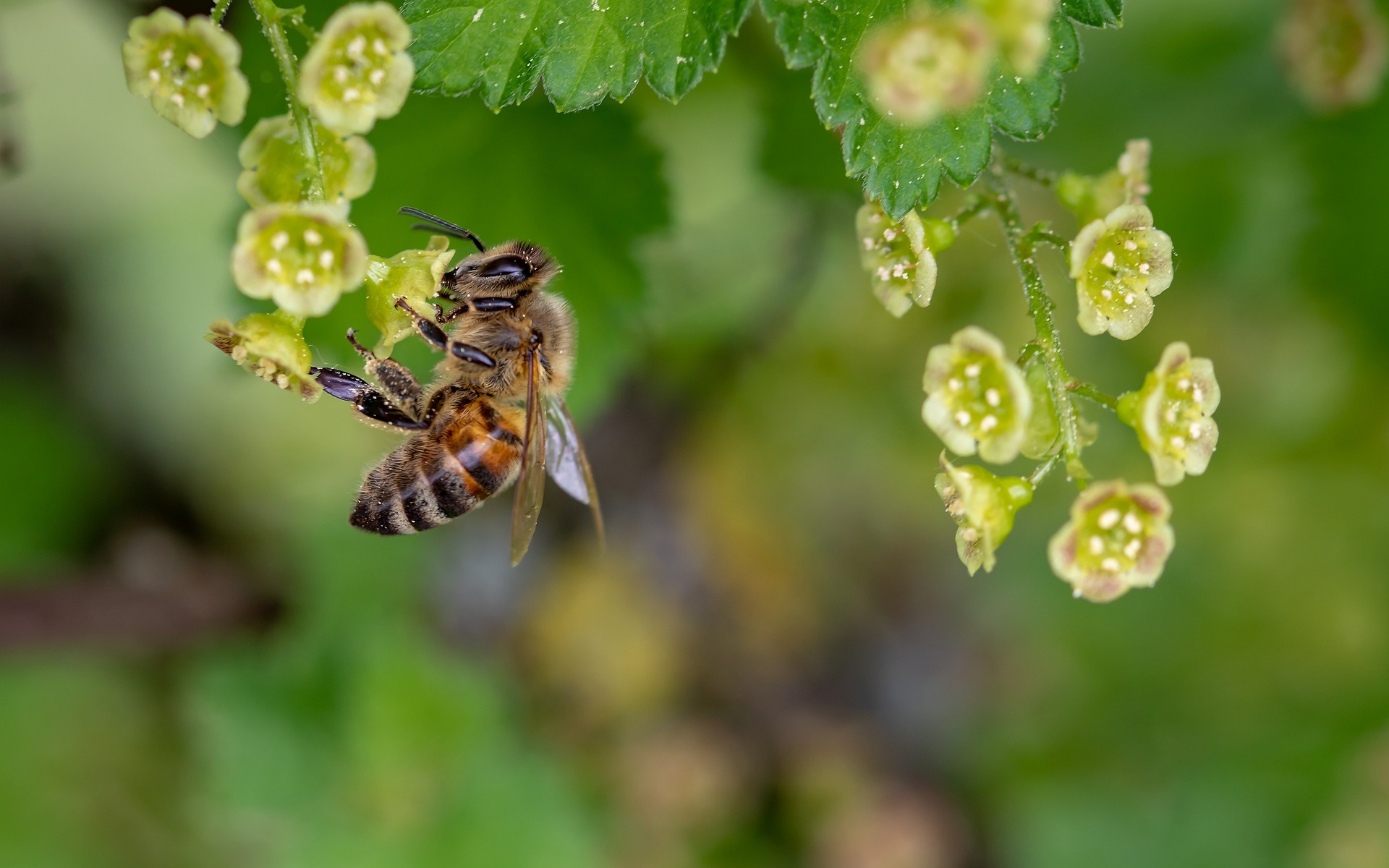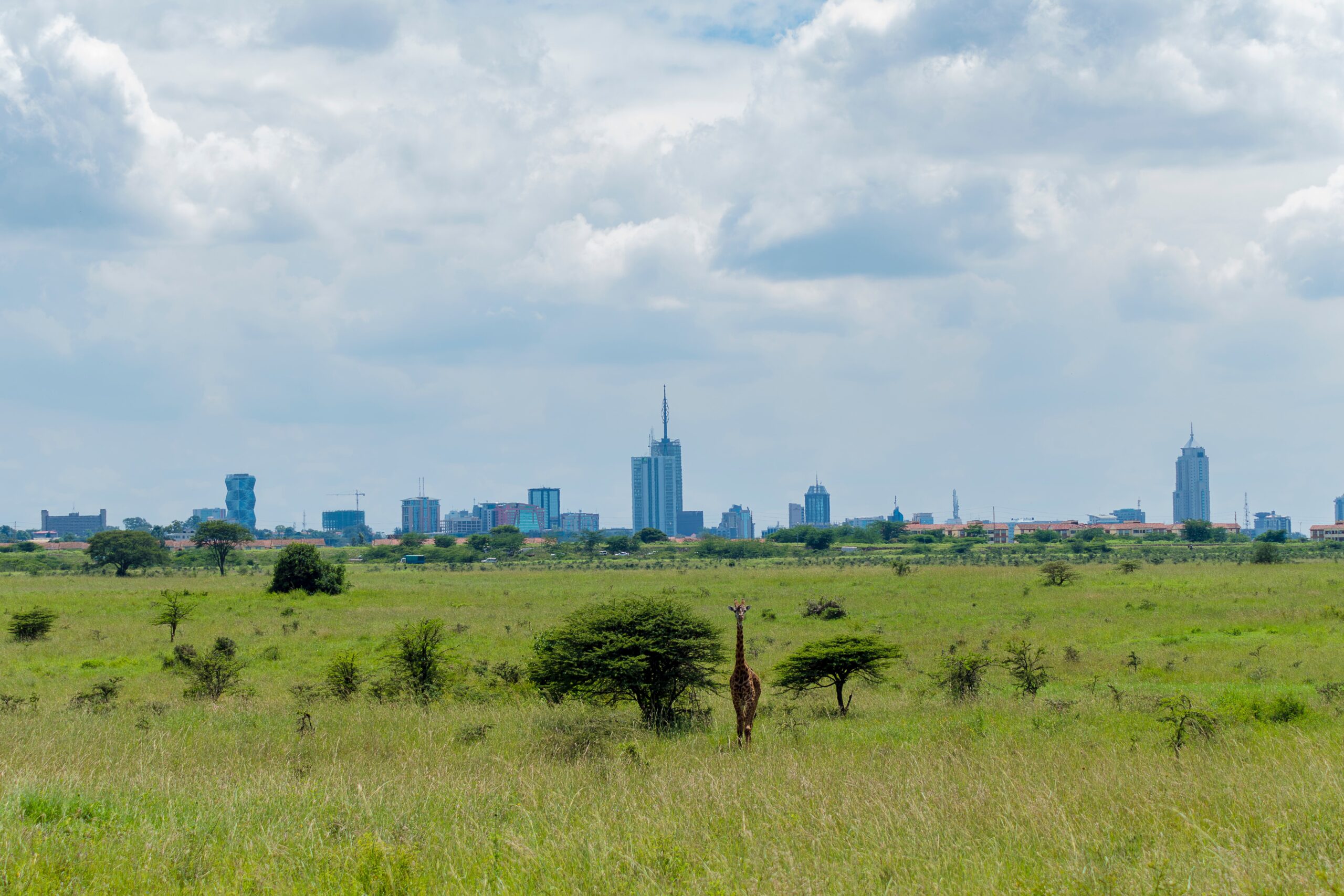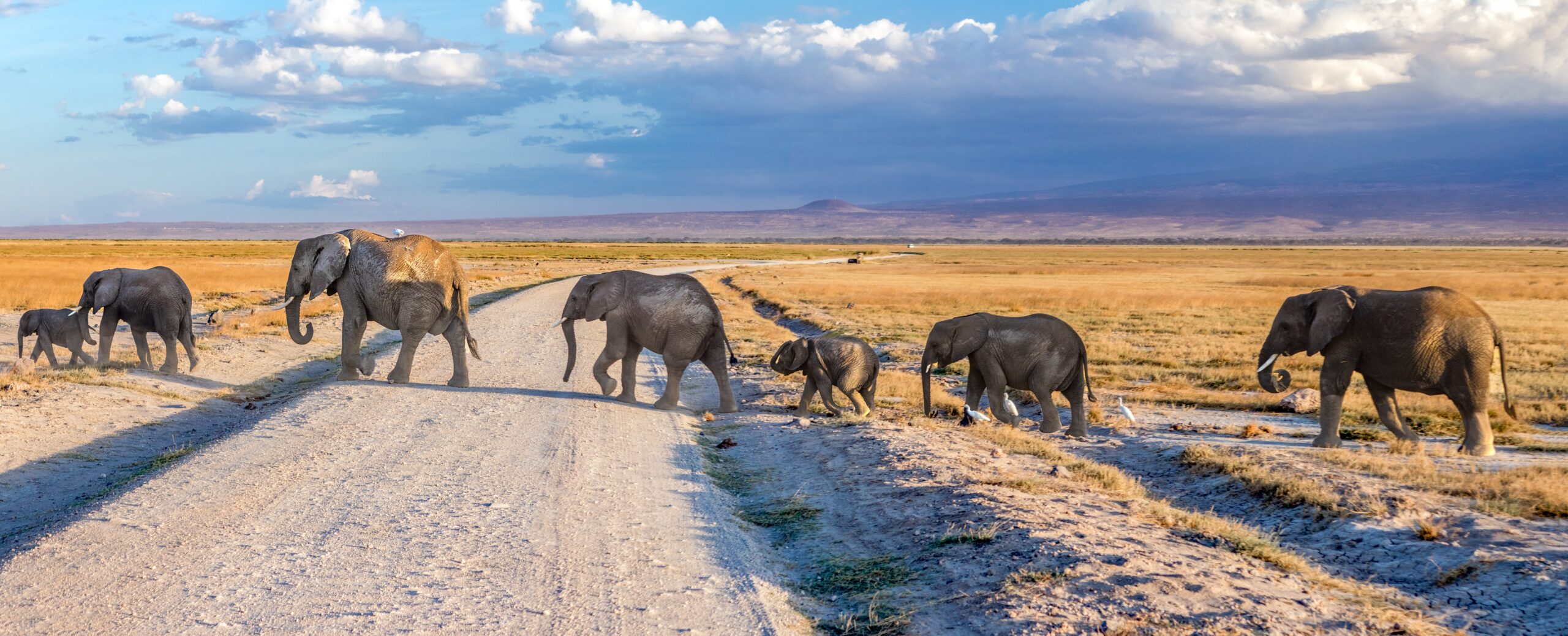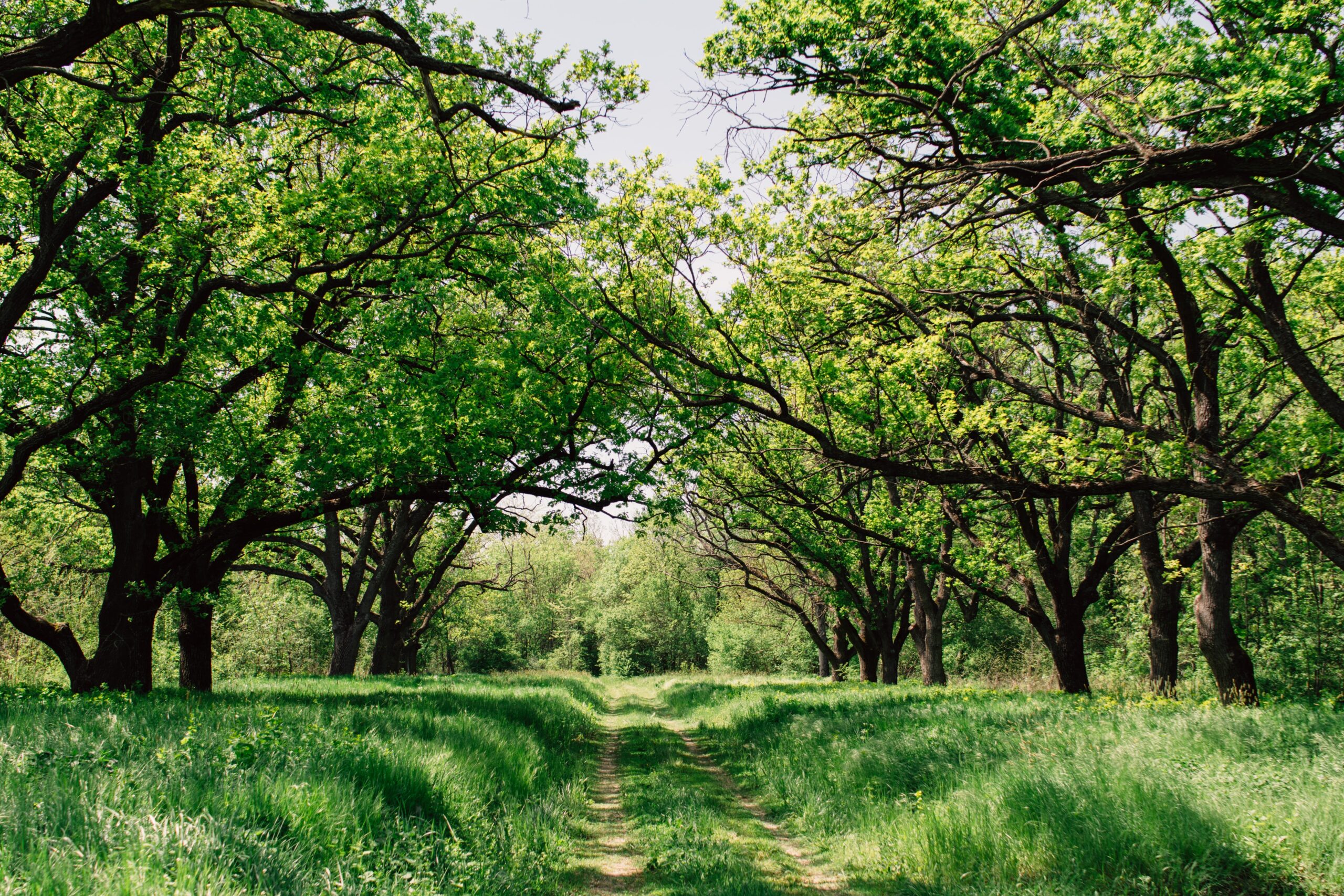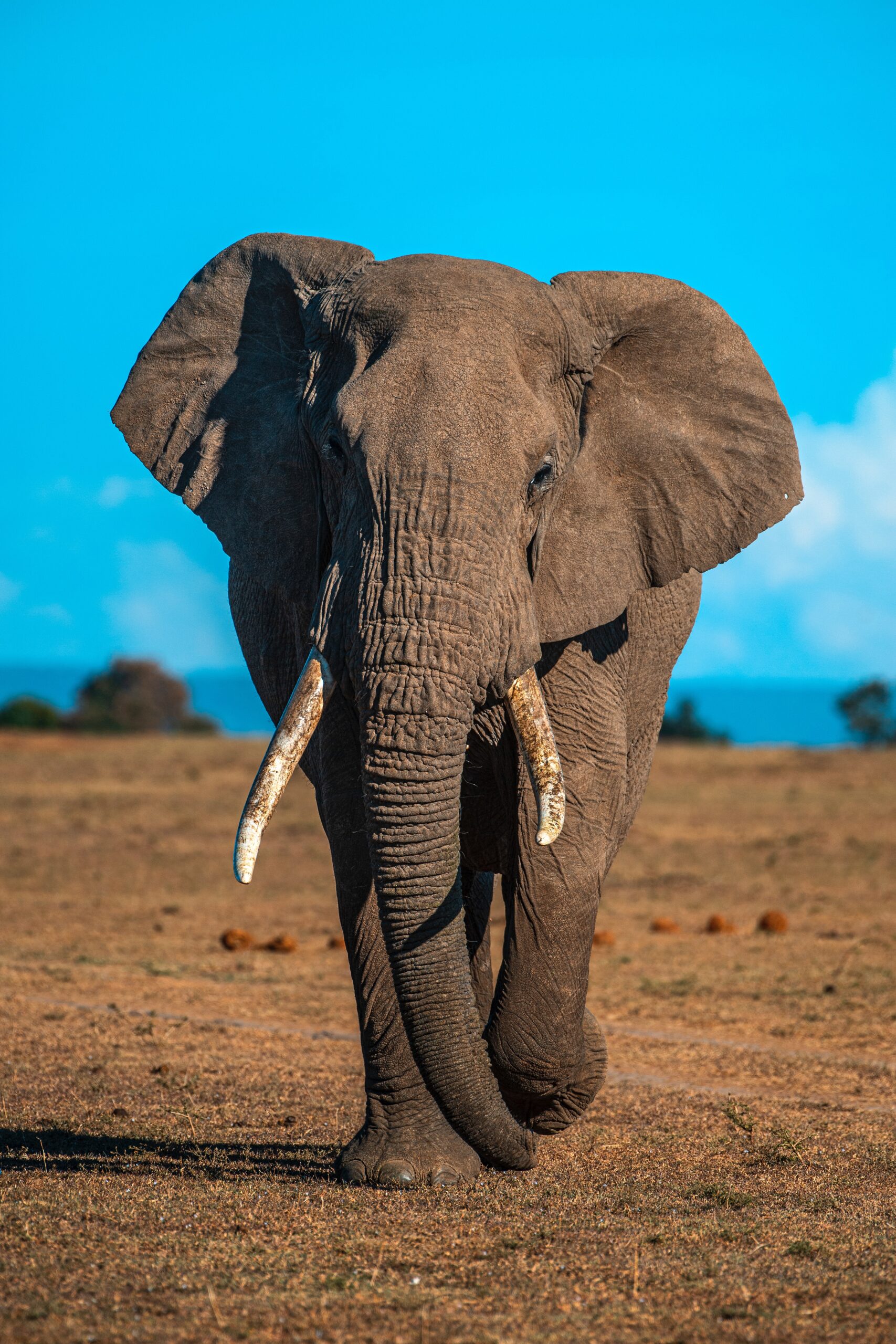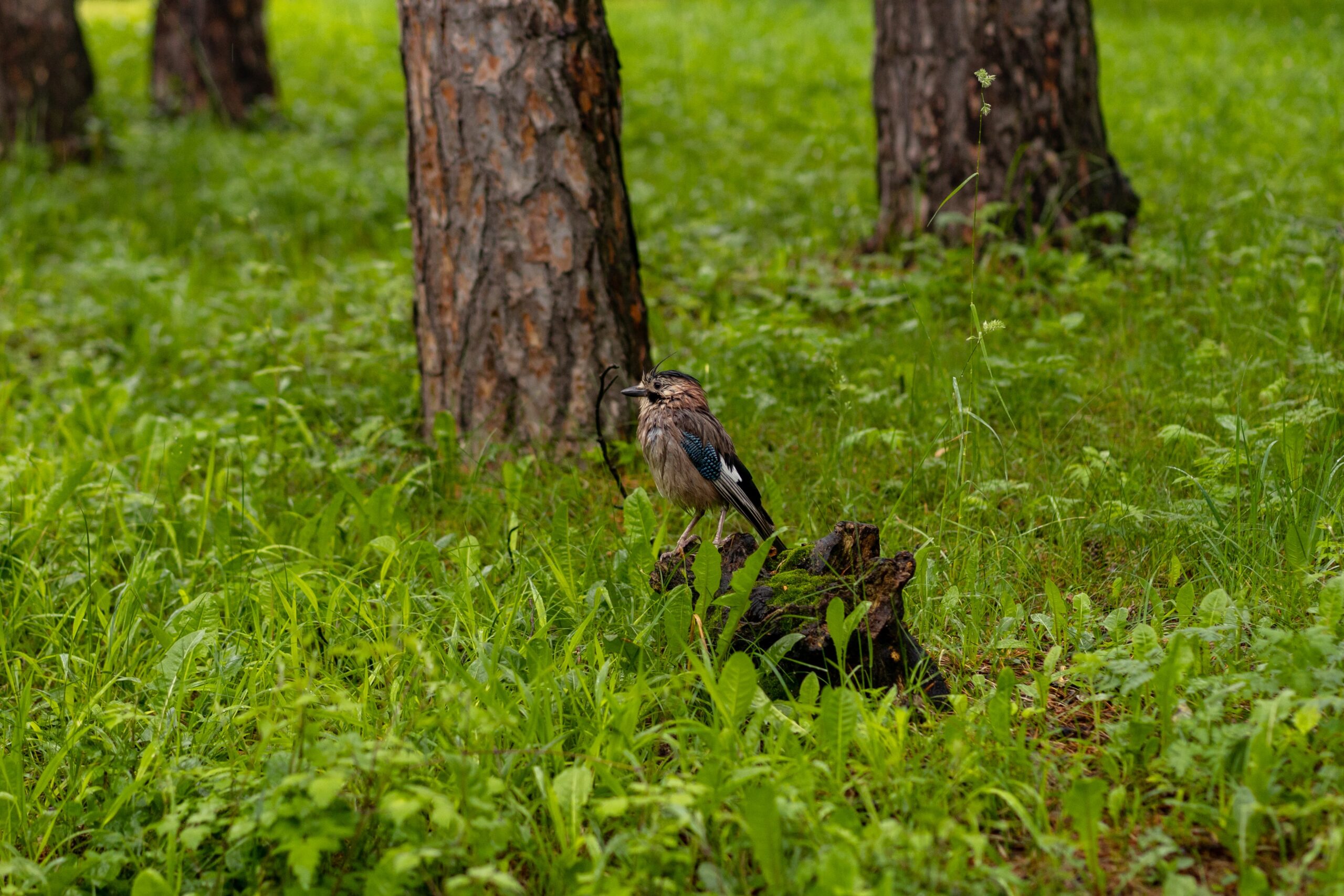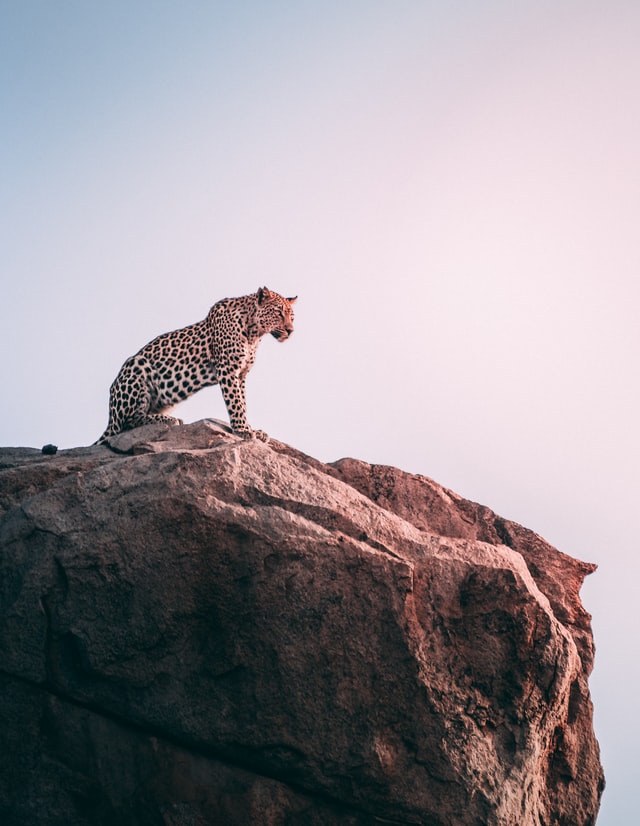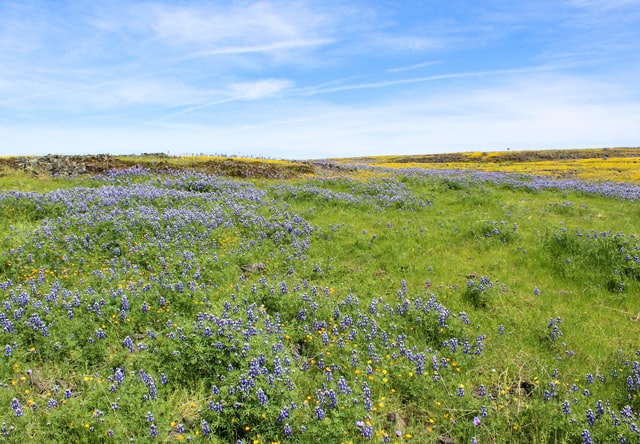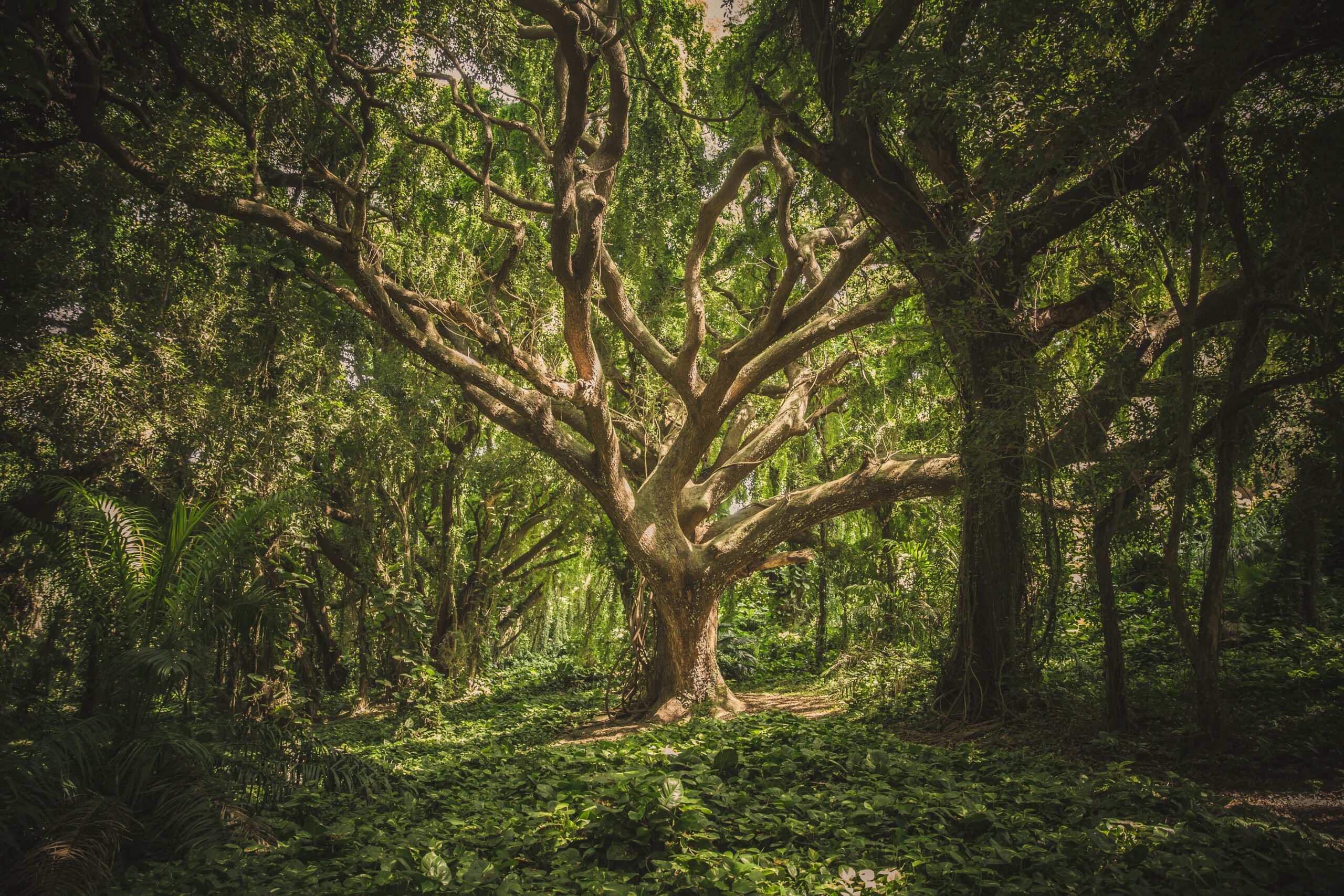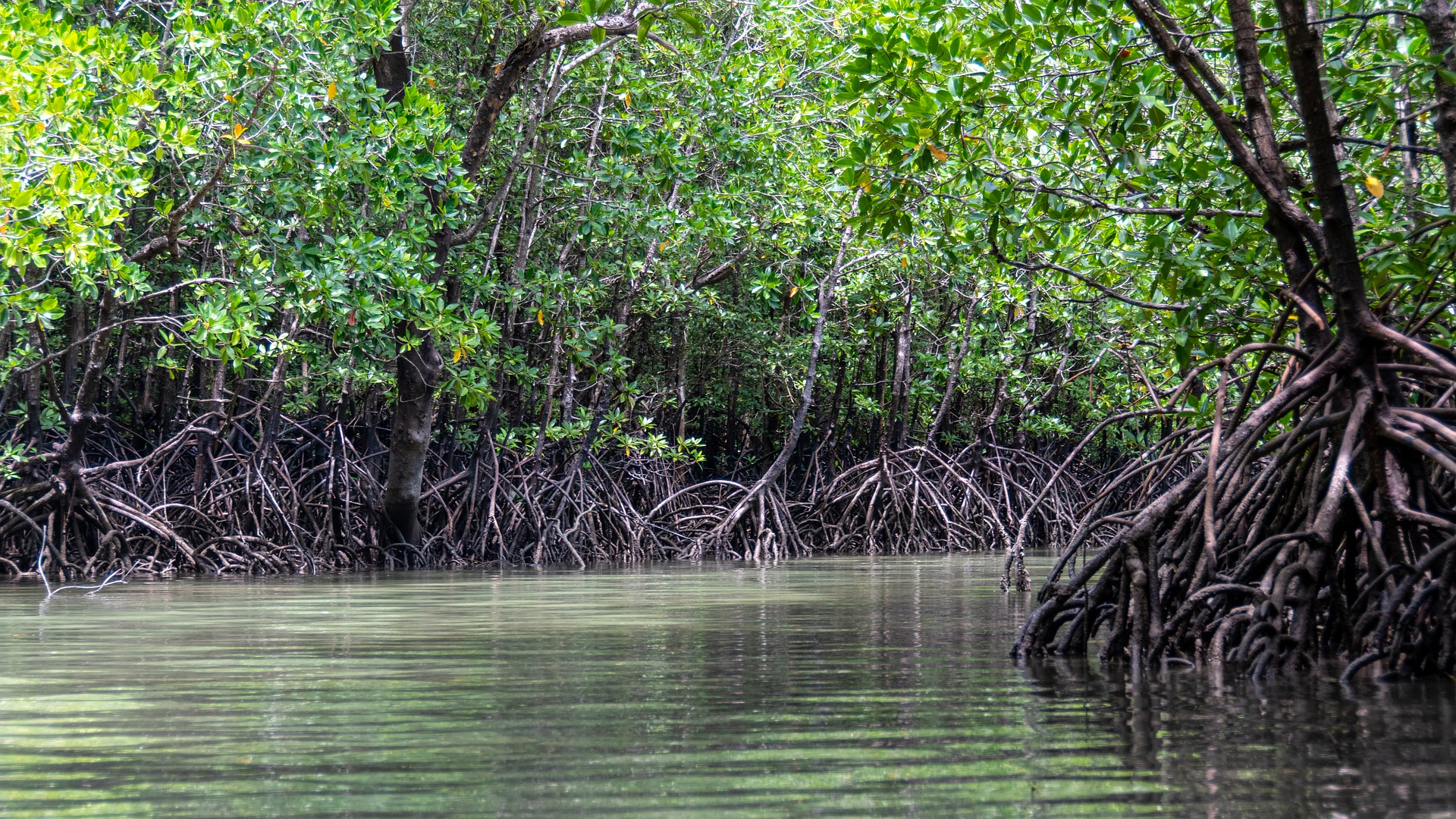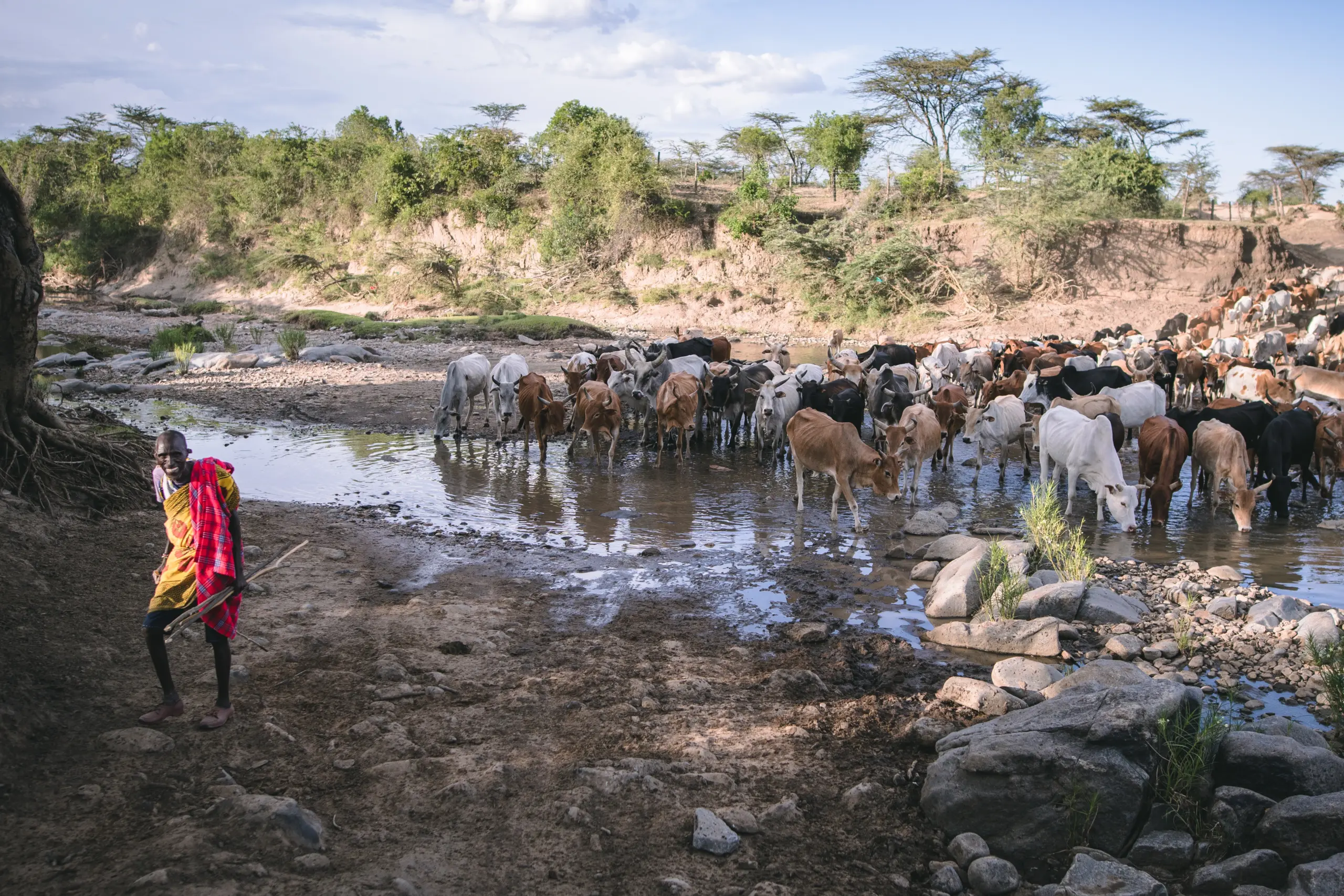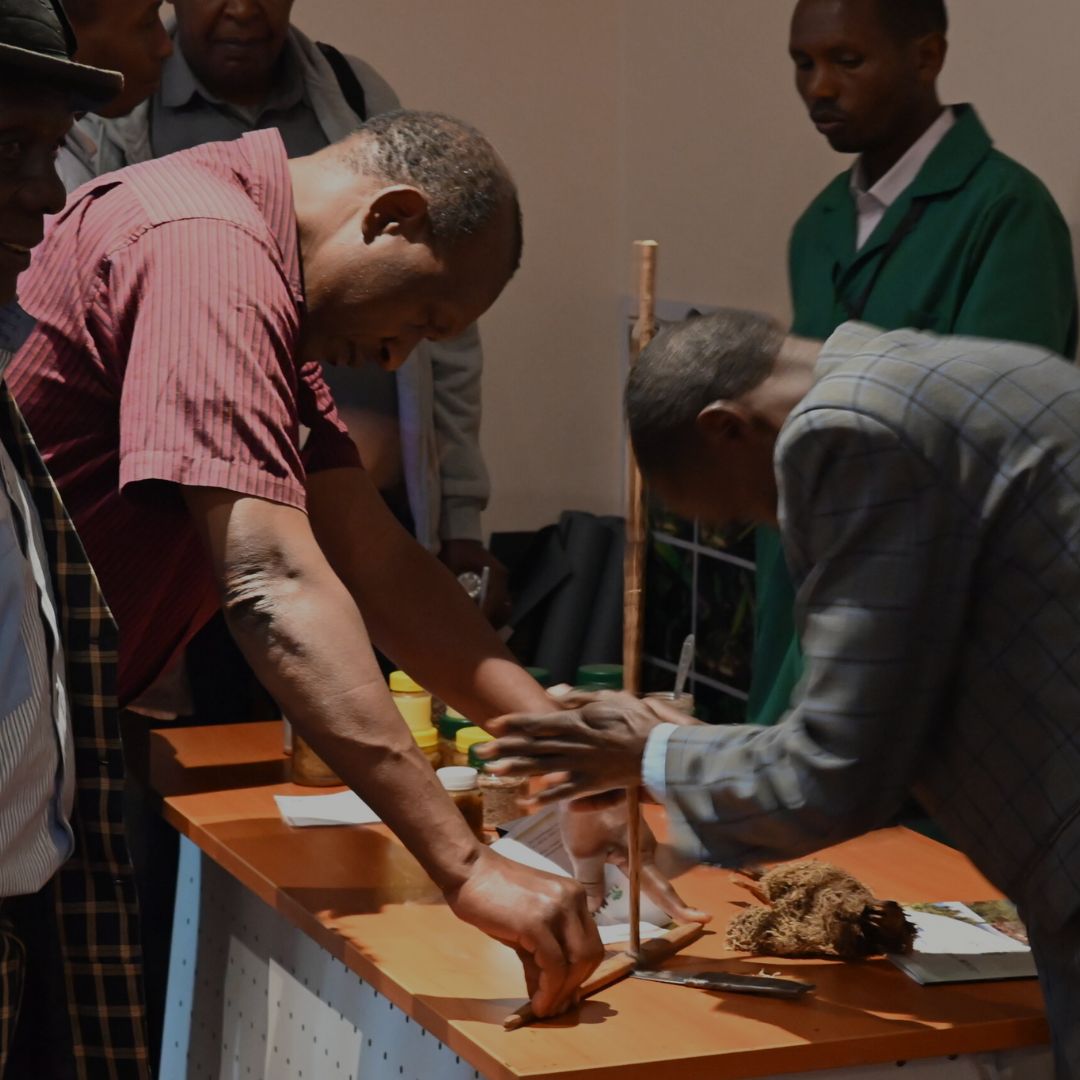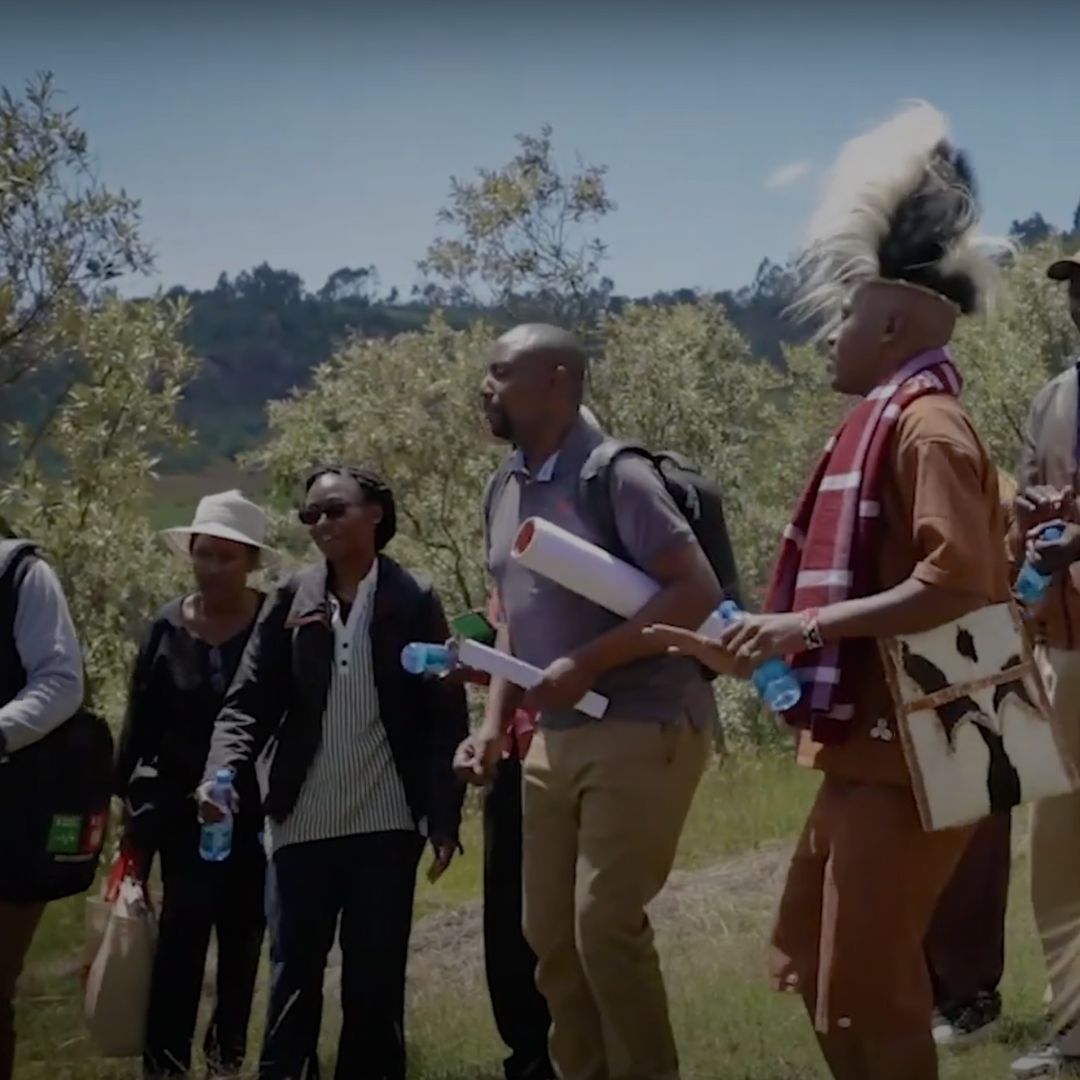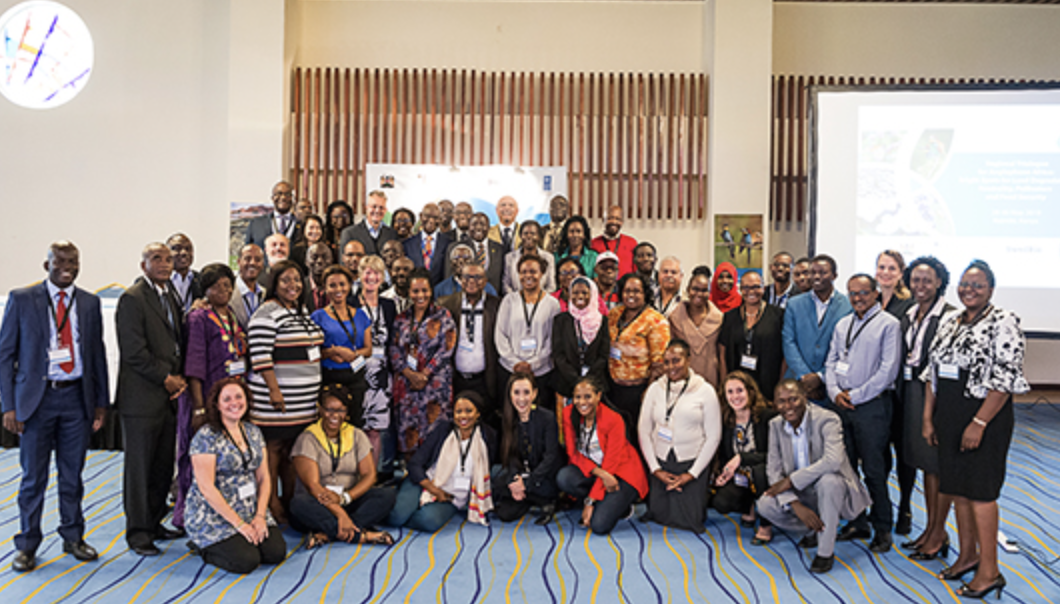
Kenya’s ecological diversity ranges from lowland and mountain forests to wooded and open grasslands, semi-arid scrubland, dry woodlands, inland aquatic and coastal and marine ecosystems. As part of taking strategic actions to address threats and promote the sustainable use of biodiversity, the country hosted the Anglophone Africa Regional Trialogue in Nairobi in May 2019 to raise awareness of the key messages of the two interlinked IPBES Thematic Assessment Reports on Pollinators, Pollination and Food Production and Land Degradation and Restoration. The Trialogue brought together government, academia, non-governmental organization and community representatives to discuss the findings of the two IPBES assessments. The dialogue produced a national action plan that prioritized pollinator protection and sustainable land management, laying the foundation for Kenya’s selection as a recipient of catalytic support under the BES Solution Fund from 2020 to 2024. This support enabled the country to strengthen its National Trialogue platform and advance the uptake of IPBES recommendations through science-policy-practice collaboration.
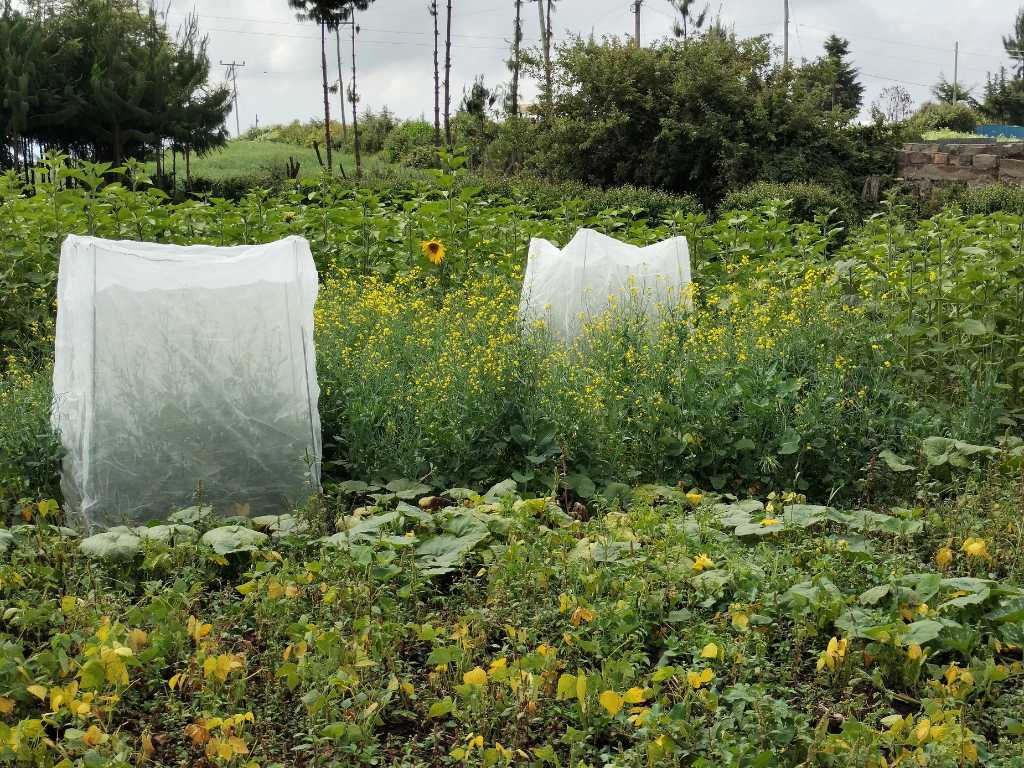
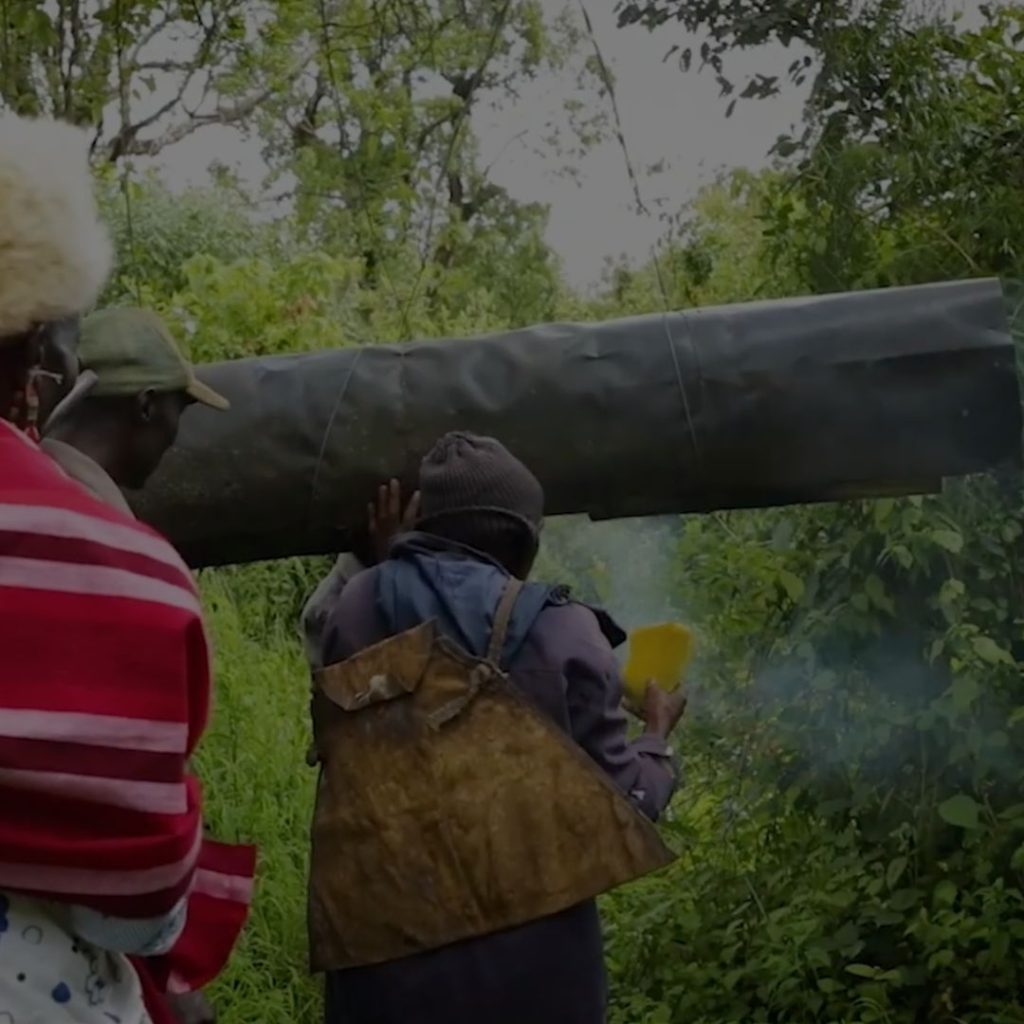
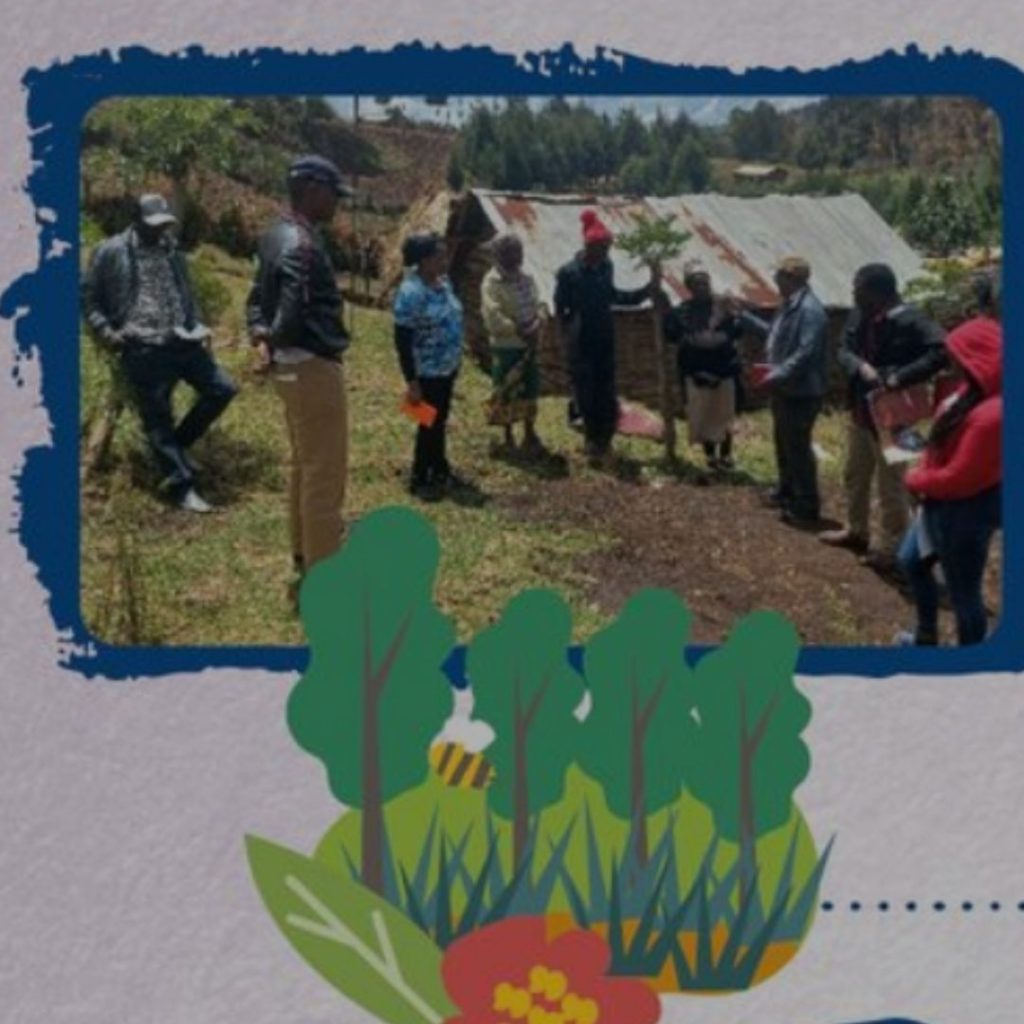
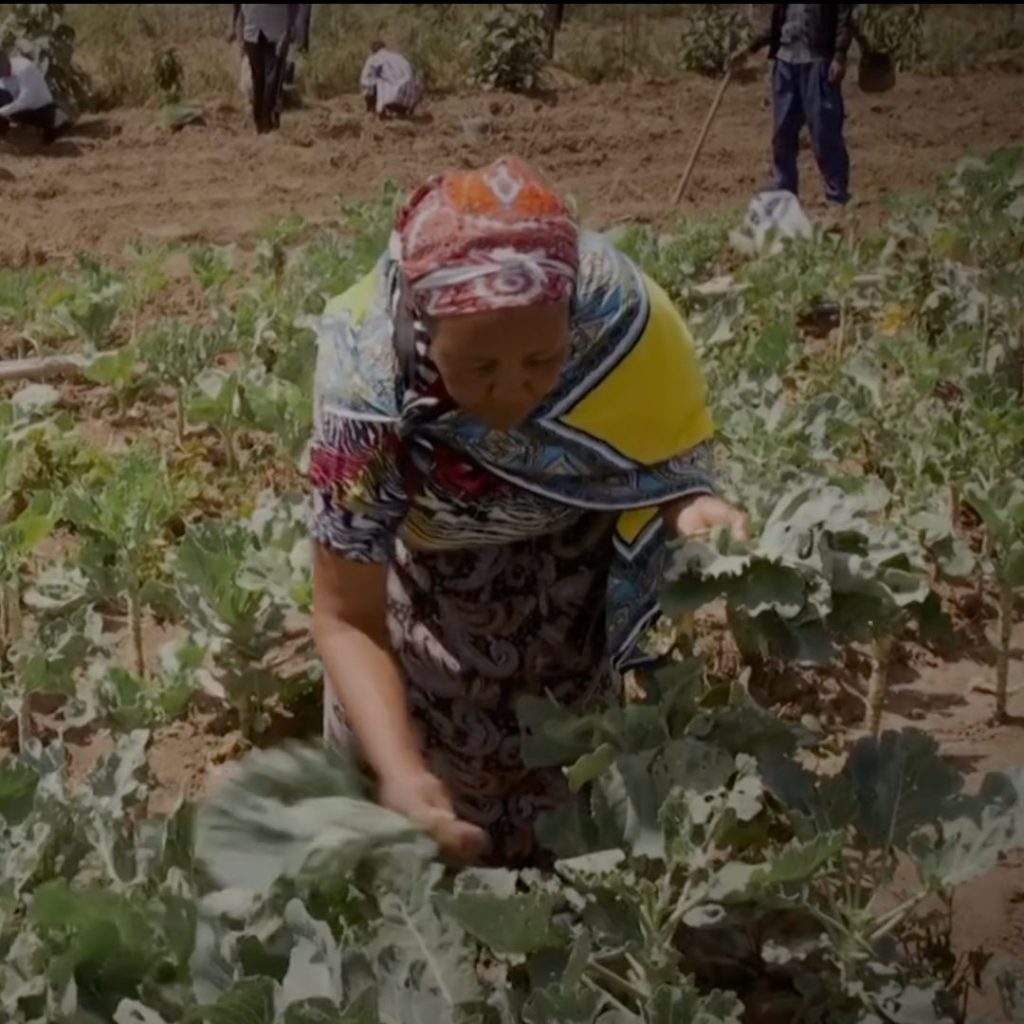
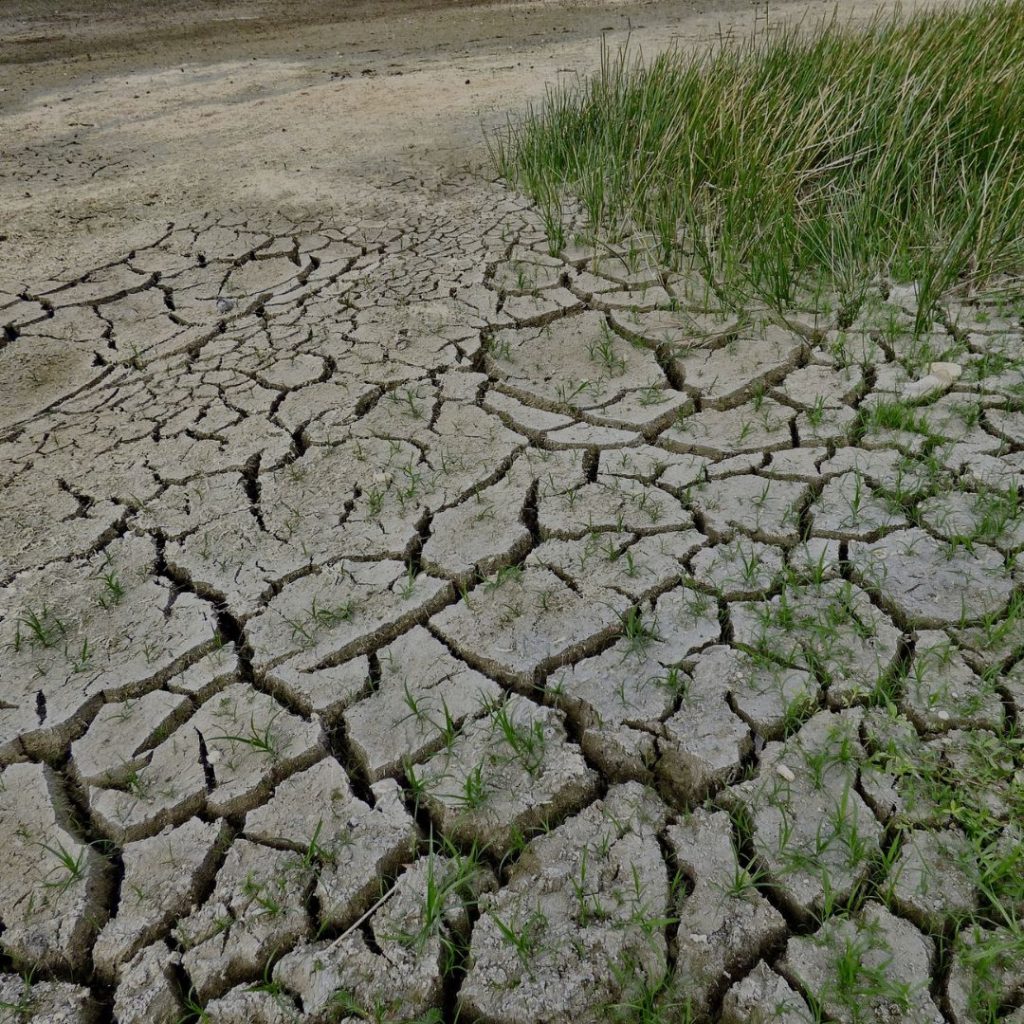
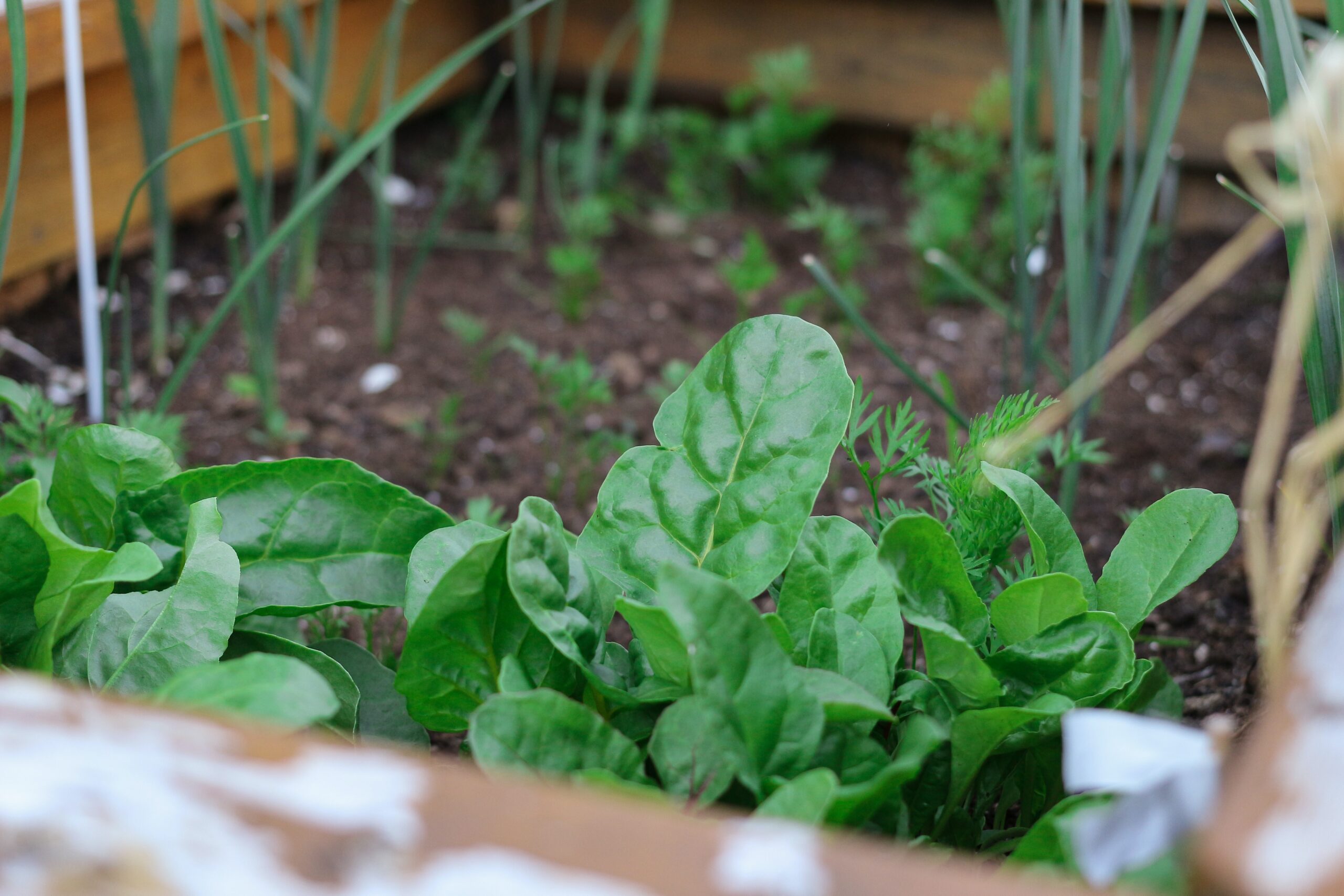
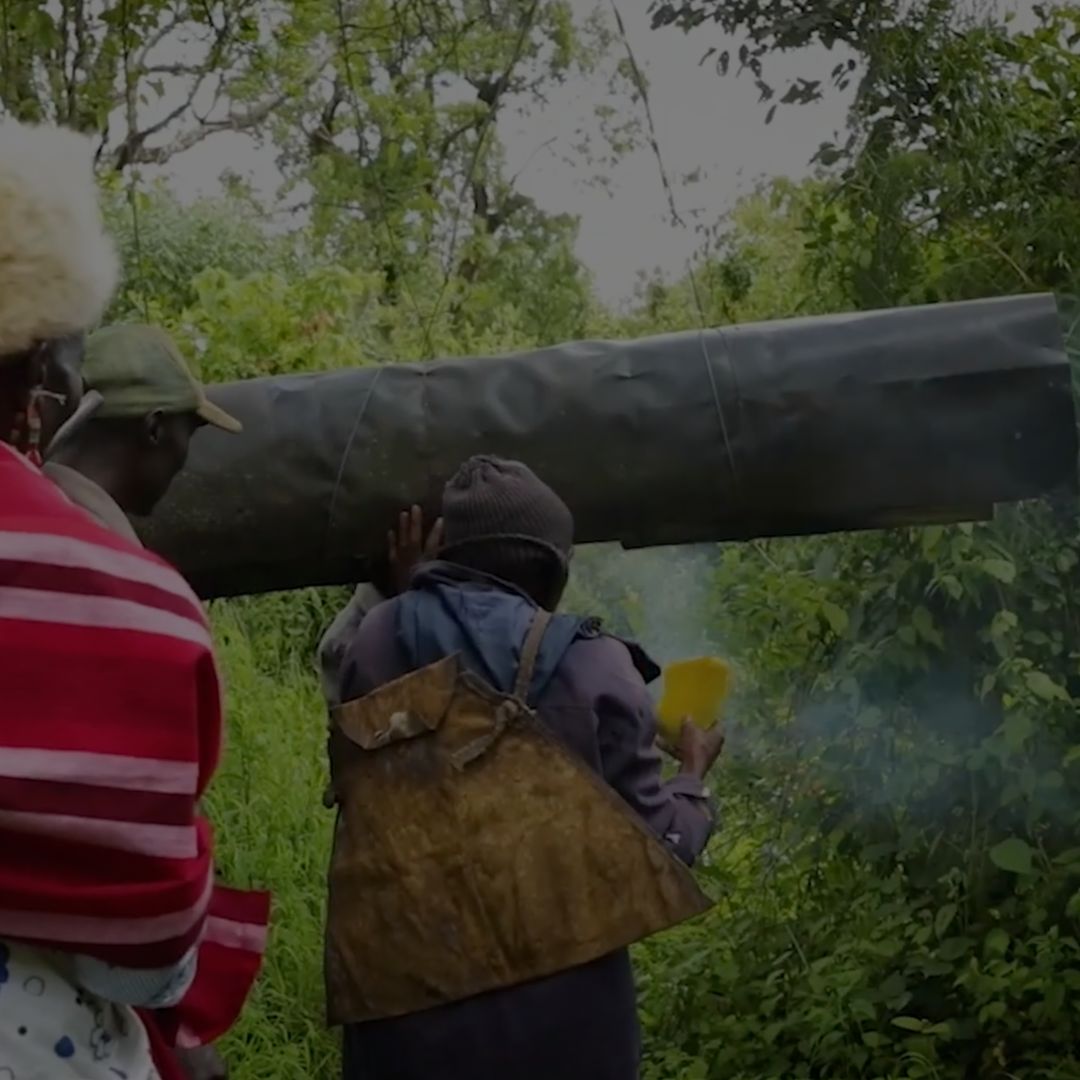
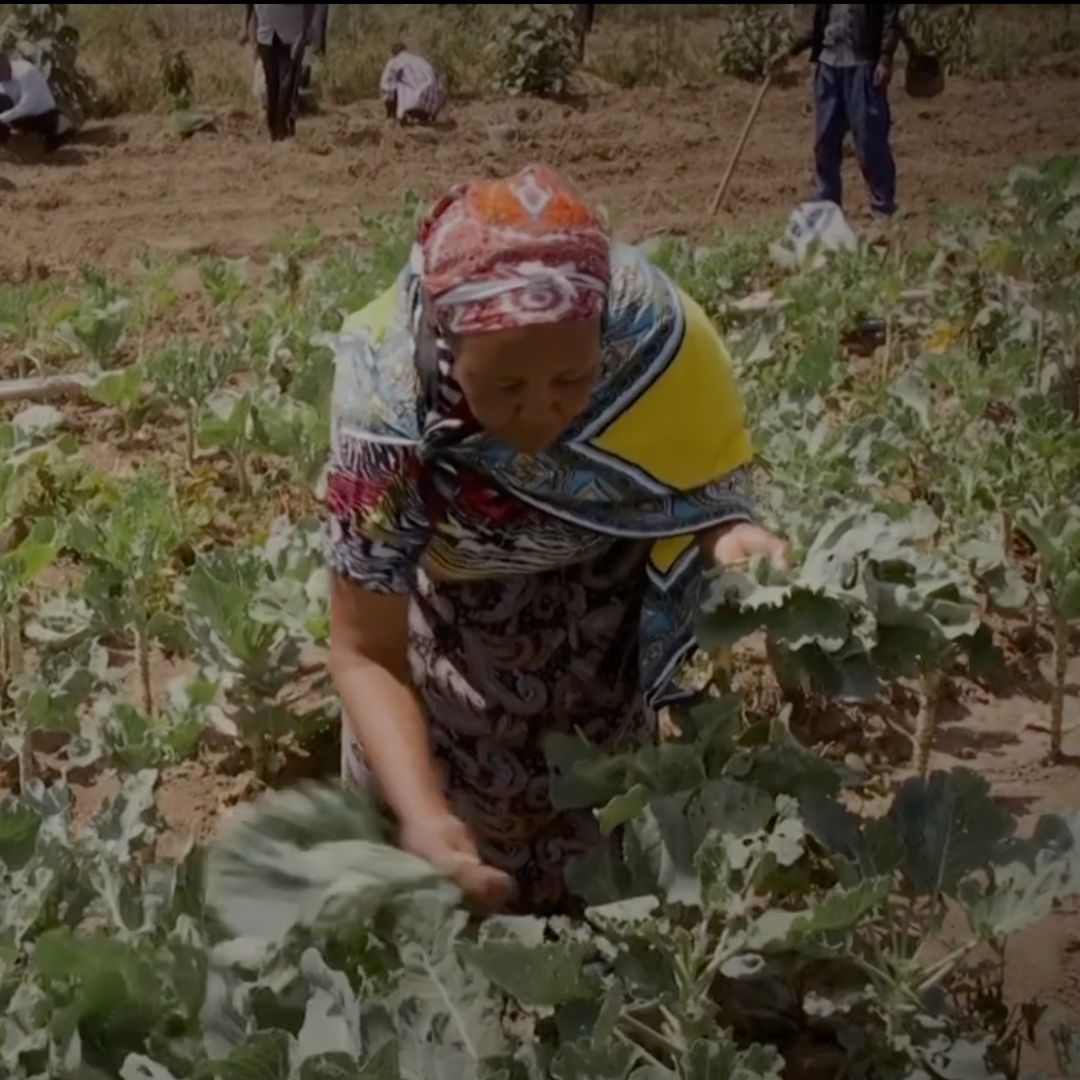
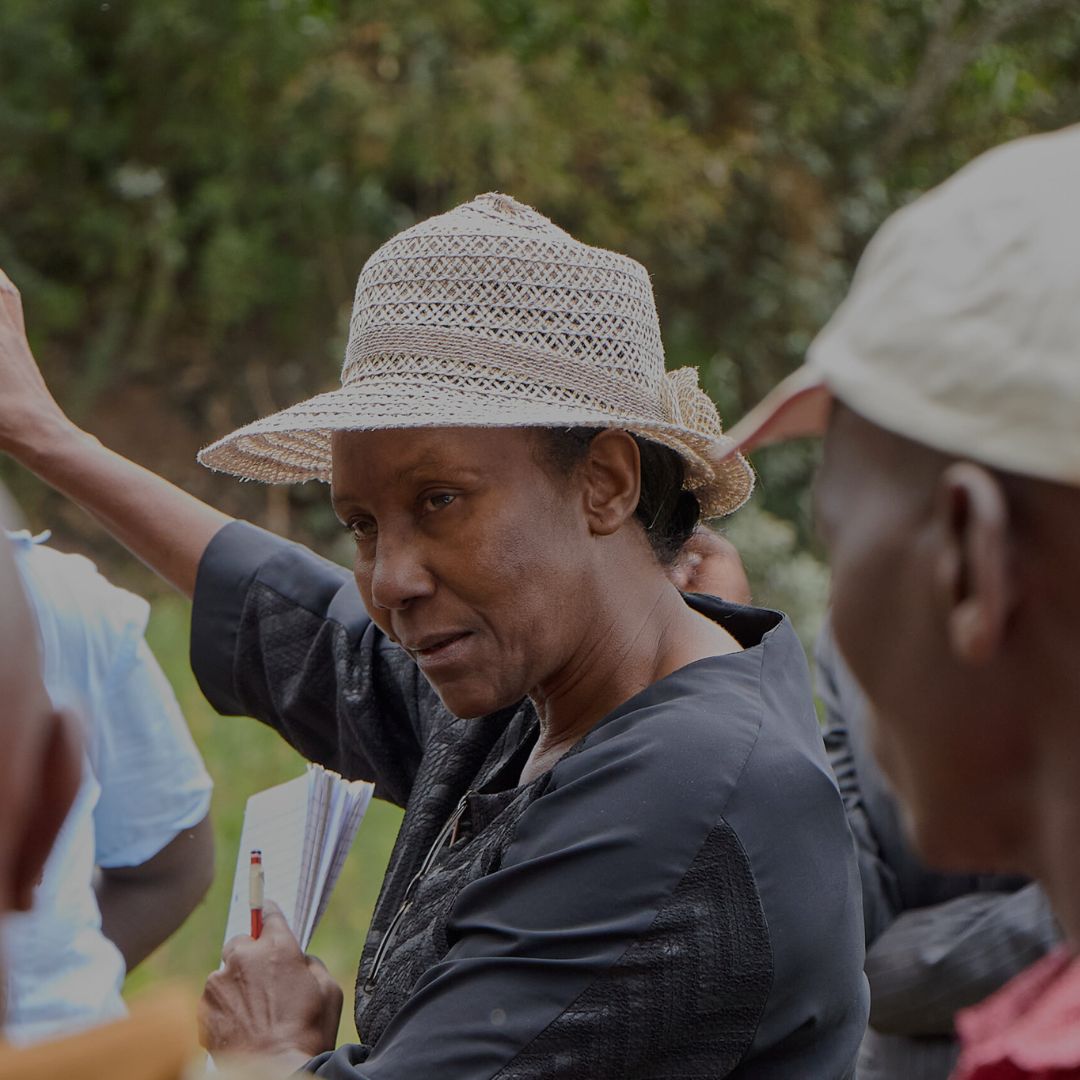
The country achieved significant progress in pollinator conservation and land restoration through the BES Solution Fund support. In the Eburu ecosystem, awareness campaigns and farmer training demonstrated the value of pollinators, with exclusion experiments showing yield increases of up to 50% when pollinator-friendly practices were adopted. Farmers were supported with floral calendars, pollinator checklists and exposure visits to beekeeping centres, while schools established pollinator gardens to promote intergenerational knowledge transfer. At the same time, mapping of land degradation hotspots in Eburu and the Chalbi Desert guided restoration interventions, including indigenous tree planting, soil and water conservation measures and the use of drought-resistant species for grassland regeneration. These efforts not only improved ecosystem health but also informed larger initiatives such as the National Agriculture and Rural Inclusive Growth Project.
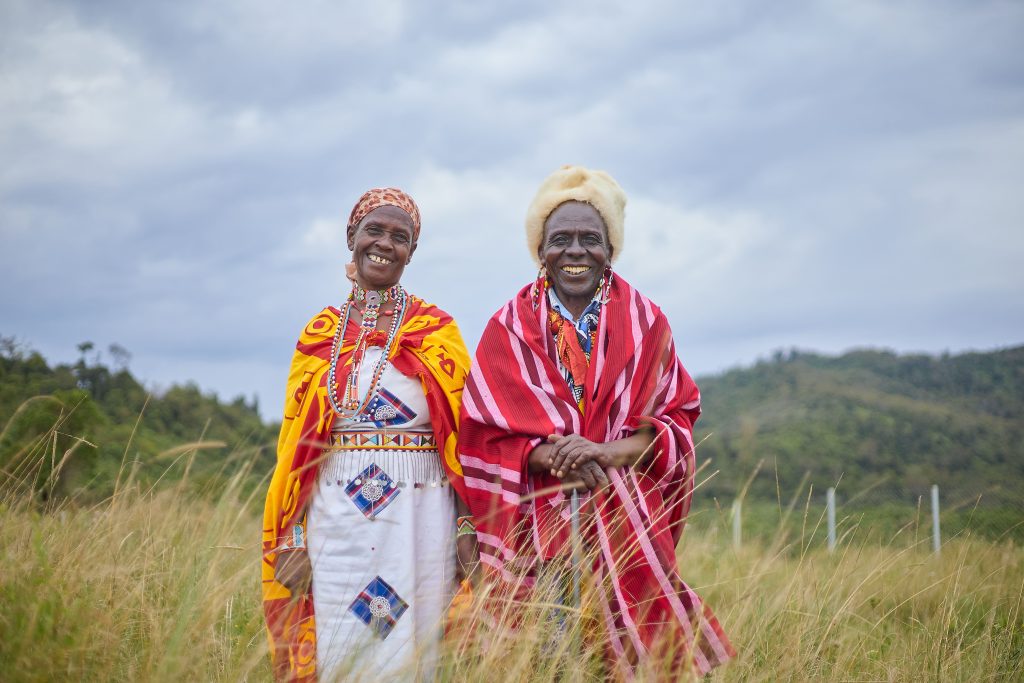
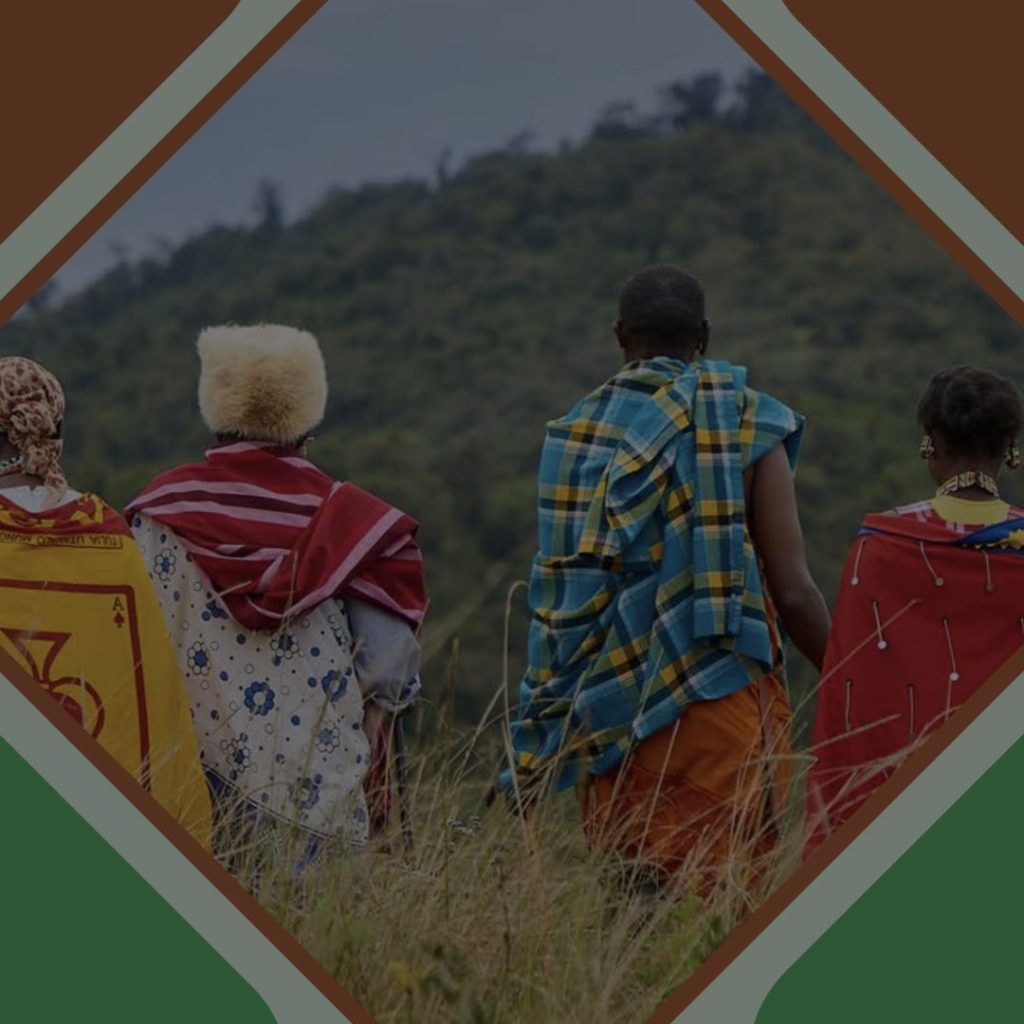
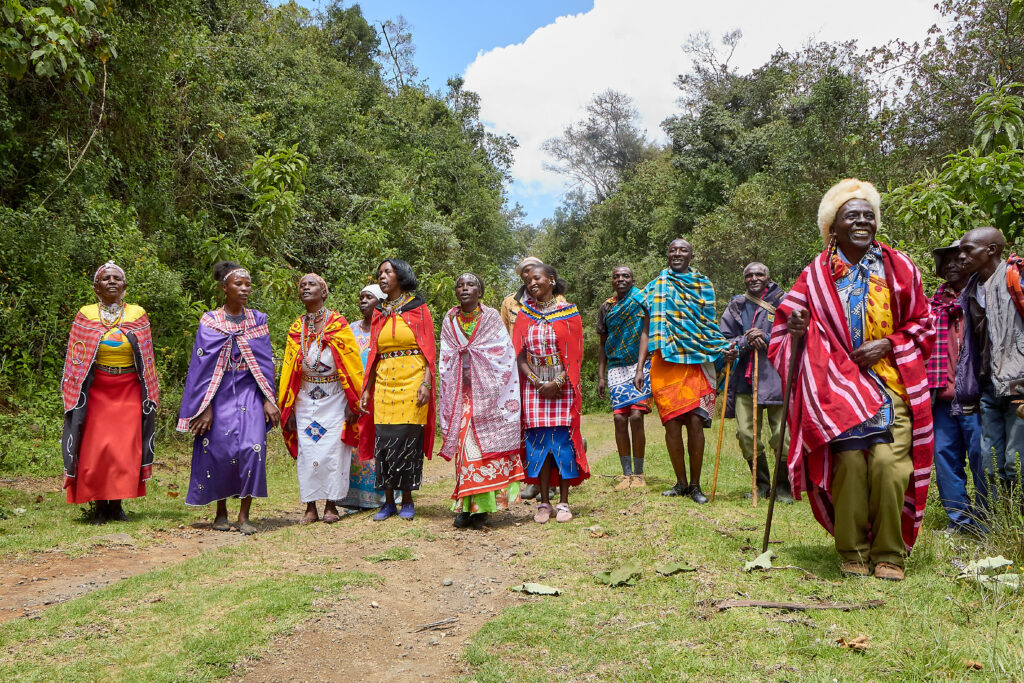
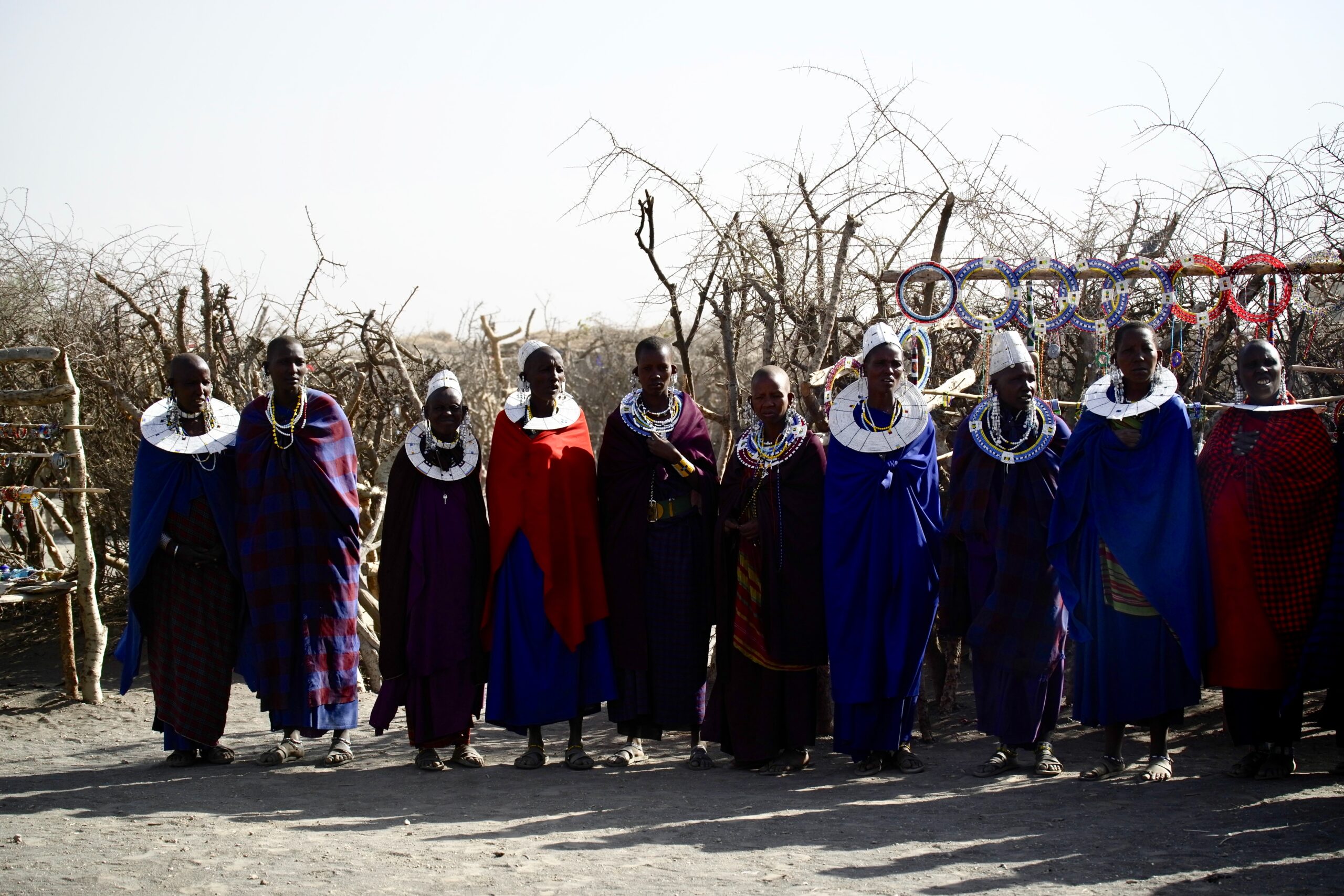
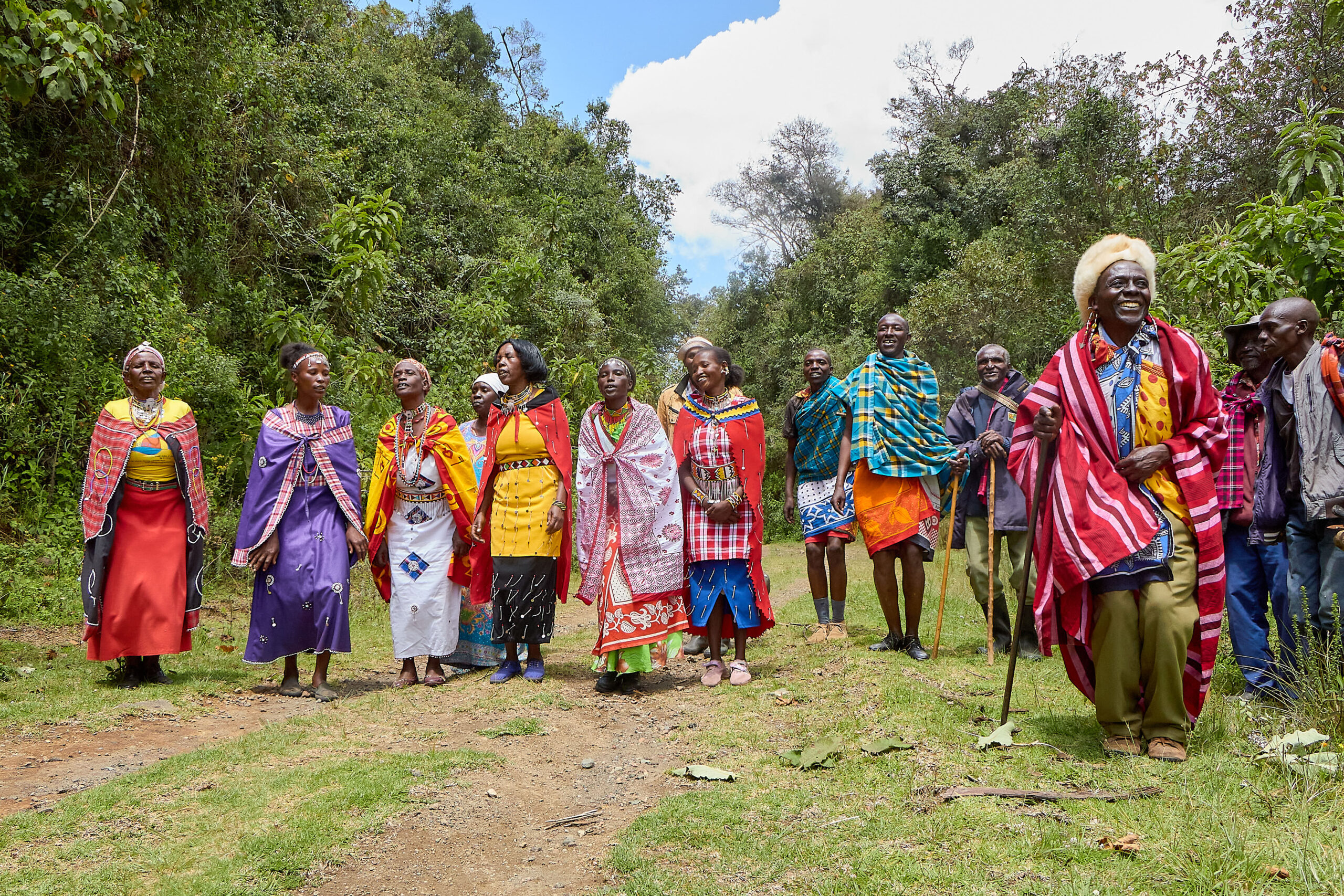
Kenya also advanced Indigenous and local knowledge documentation, producing films, booklets and photo essays that captured traditional practices for pollinator conservation and sustainable land management. Students and community members engaged in interactive sessions to share and preserve this knowledge, strengthening cultural continuity. At the policy level, multi-stakeholder dialogues at county and national levels promoted the integration of biodiversity priorities into governance frameworks, with Indigenous and local knowledge products informing Nakuru County’s agro-ecological policy. Collectively, these achievements highlight how BES Solution Fund support enabled Kenya to bridge science, policy and practice, embedding IPBES findings into local action, national strategies and community-driven conservation.
Start of BES Solution Fund implementation period: 1 May 2022
End of BES Solution Fund implementation: 31 December 2024
Implementing agencies: UNDP Kenya; Kenya National Trialogue secretariat