Ecoland: A multiscale niche modelling framework to improve predictions on biodiversity and conservation Species are disappearing worldwide with increasing rates thr...
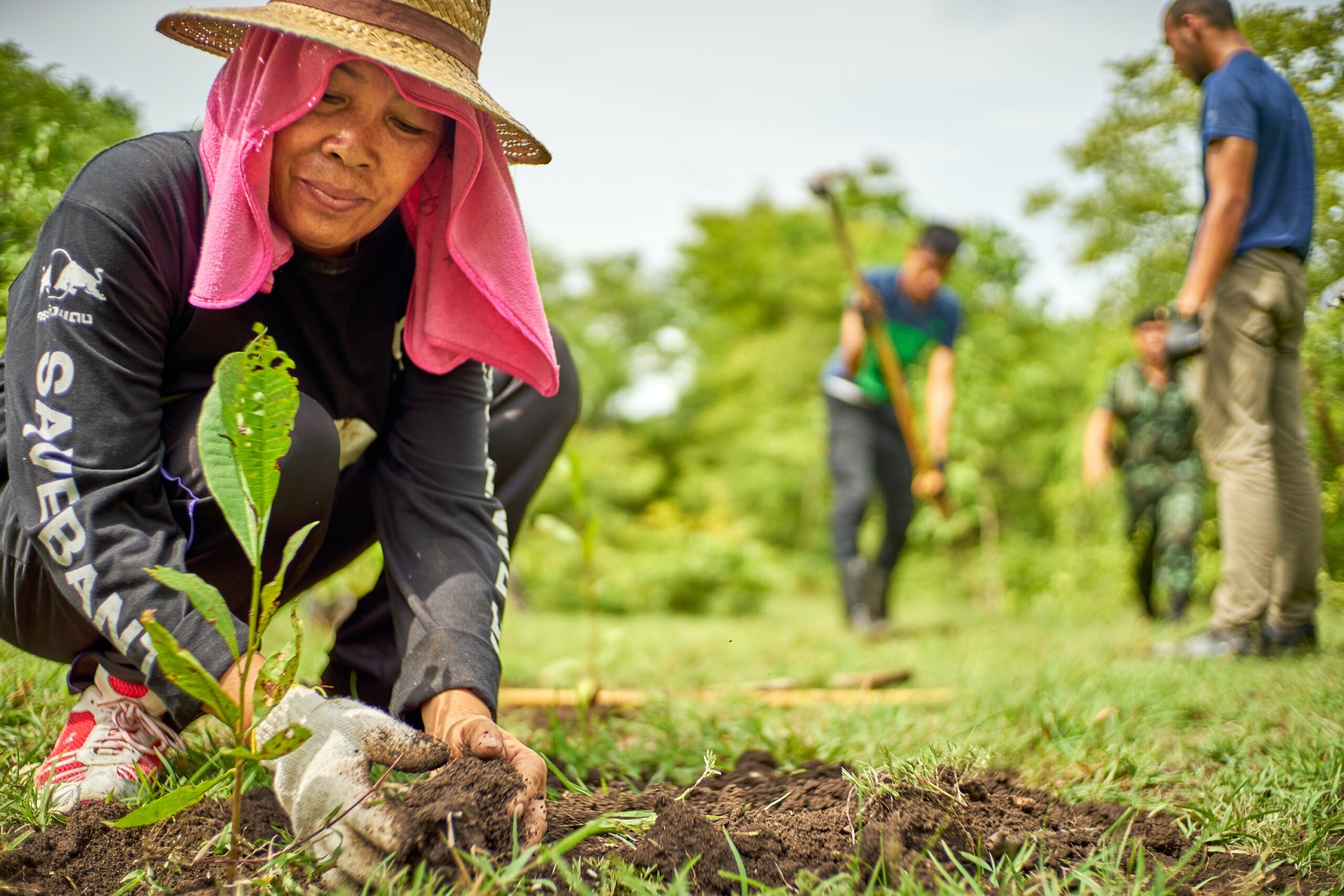
People plant trees for utility more often than for biodiversity or carbon Tree planting is both a promising and controversial solution...
Biodiversity loss leads to reductions in community-wide trophic complexity With increasing biodiversity loss occurring worldwide, there...
Actions on sustainable food production and consumption for the post-2020 global biodiversity framework Current food production and consumption trends are inconsist...
Occupancy-based diversity profiles: Capturing biodiversity complexities while accounting for imperfect detection Measuring the multidimensional diversity properties of a com...
Using technology to improve the management of development impacts on biodiversity The mitigation hierarchy (MH) is a prominent tool to help bu...
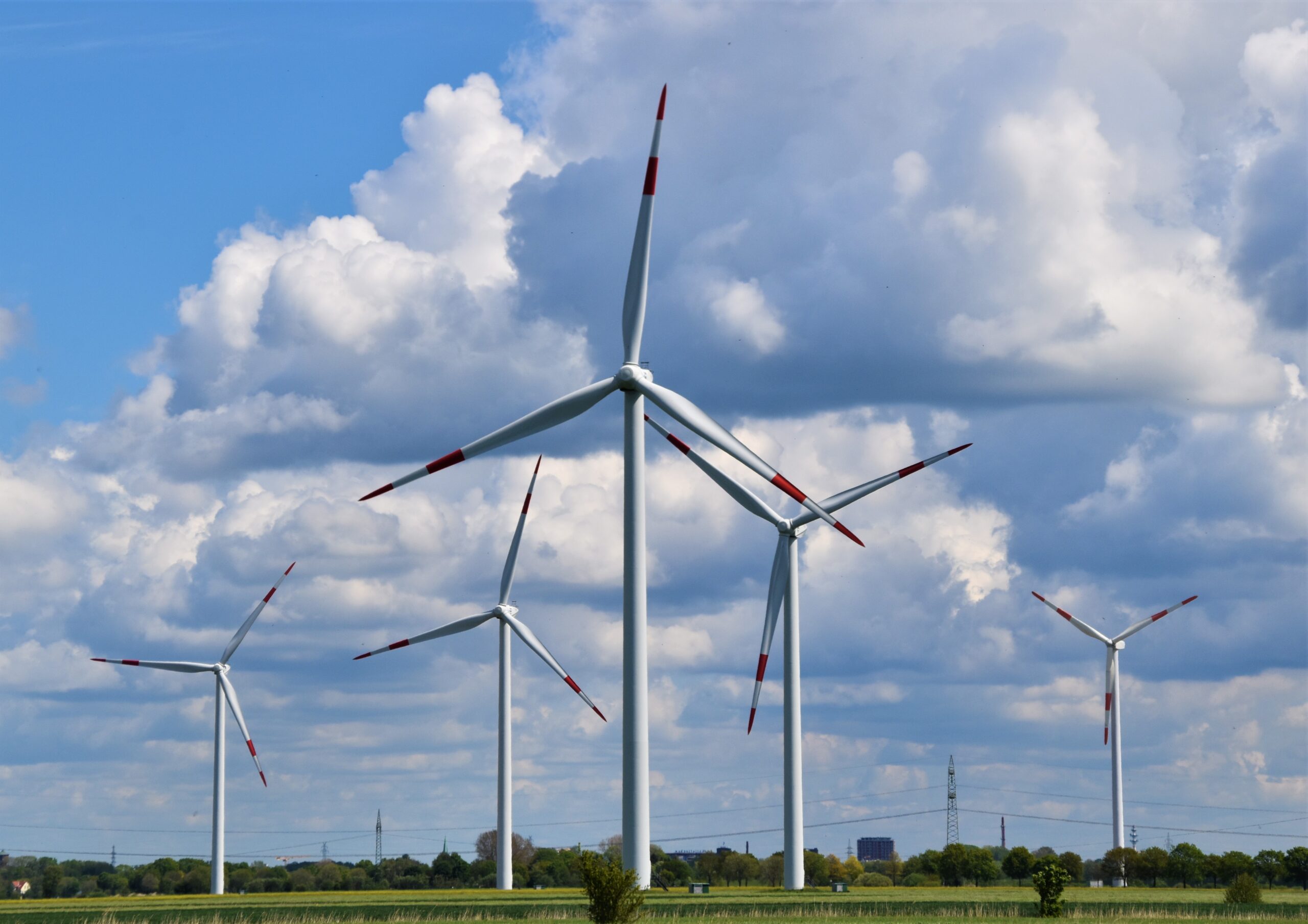
The biodiversity-wind energy-land use nexus in a global biodiversity hotspot Wind energy is the leading renewable technology towards achi...
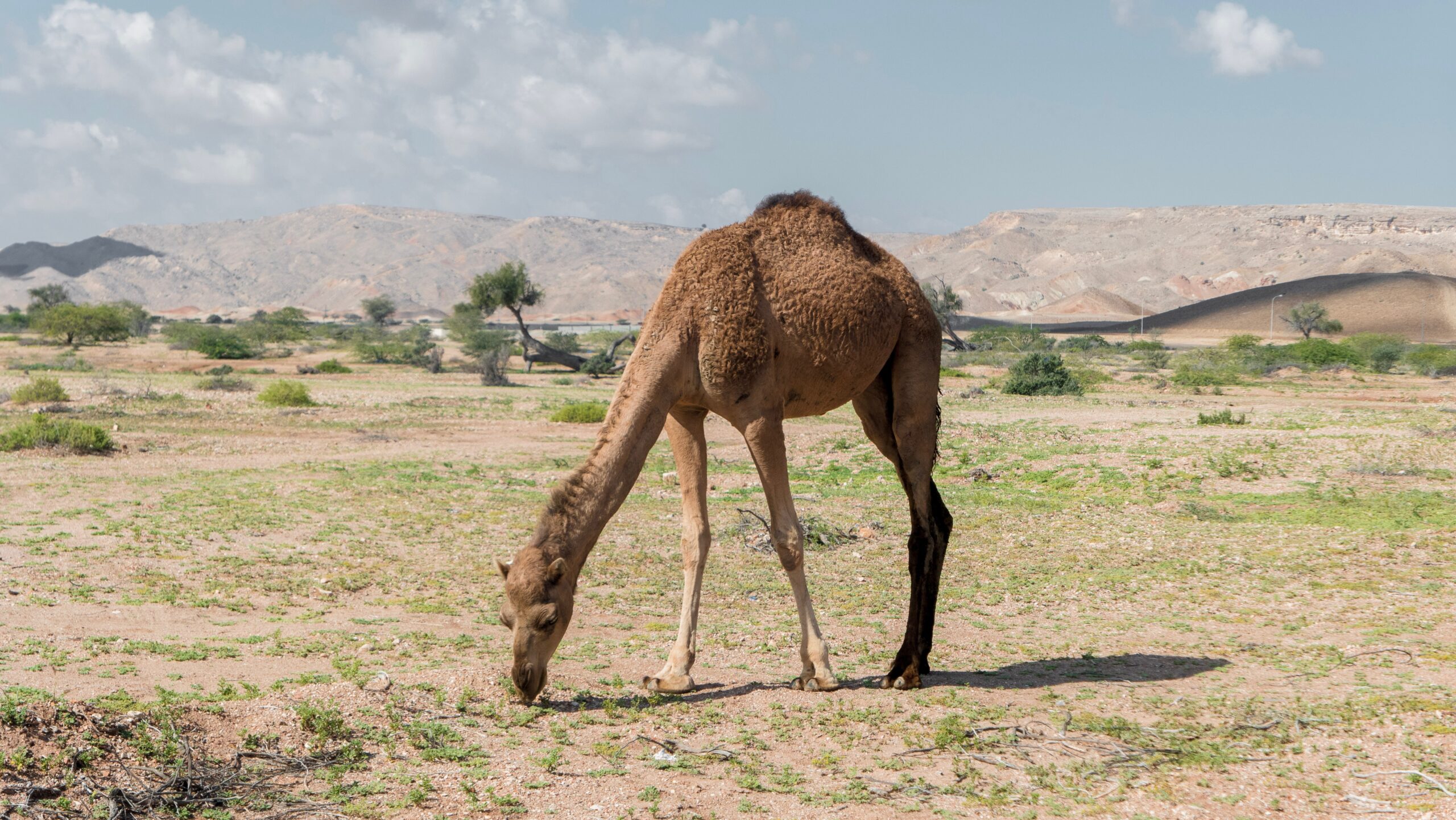
Assessment of land degradation in northern Oman using geospatial techniques The northern coast of Oman (Al-Batinah plain), hosts the maj...
Assessment of land degradation ‘on the ground’ and from ‘above’ Assessments of land degradation vary in methodology and outc...
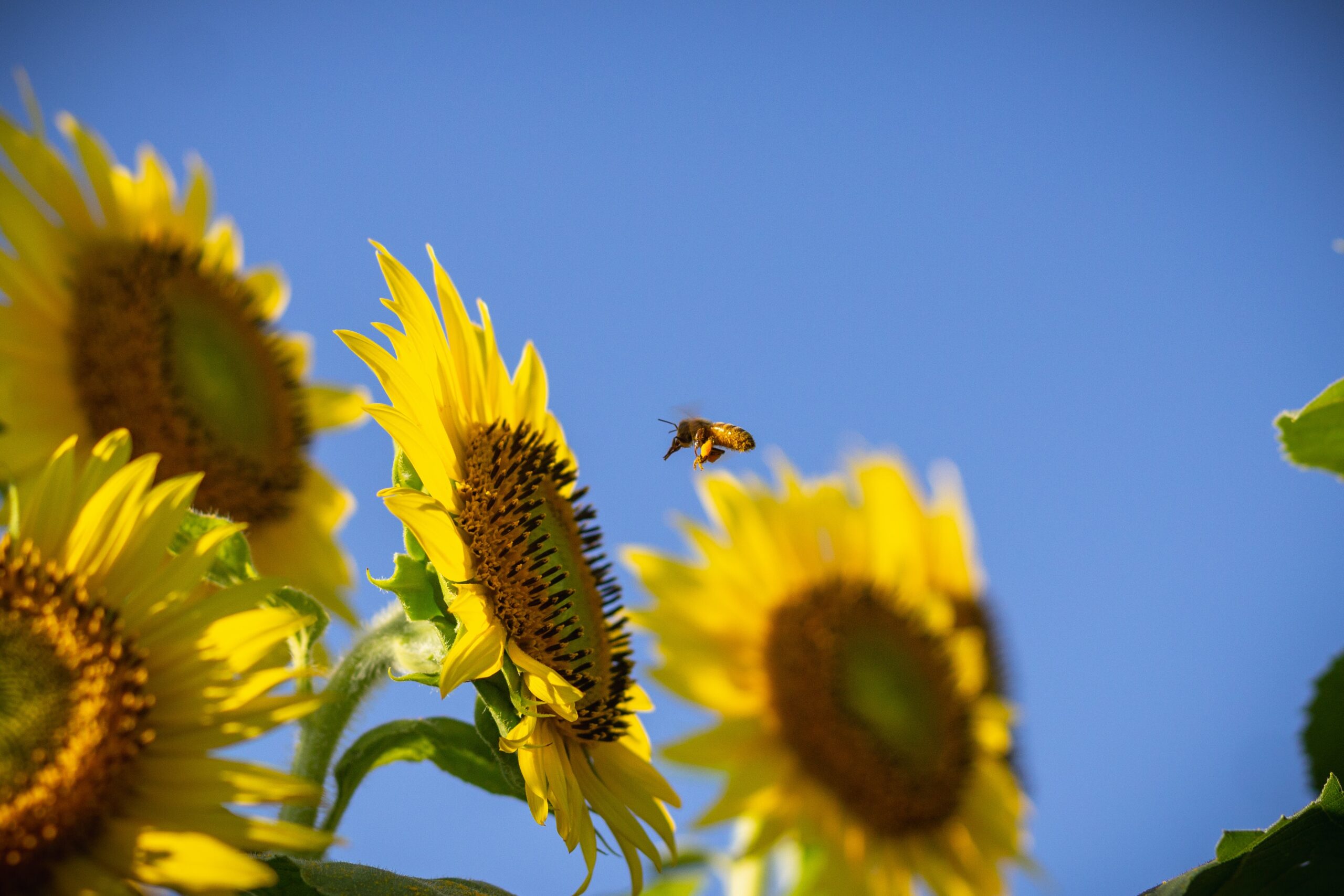
Ozone pollution alters olfaction and behavior of pollinators The concentration of air pollutants, particularly ozone (O3 ...
A Pediatrician’s Guide to Climate Change-Informed Primary Care Despite the urgency of the climate crisis and mounting evide...
Reduced crop density increases floral resources to pollinators without affecting crop yield in organic and conventional fields Effective weed control in agricultural crop fields increases...