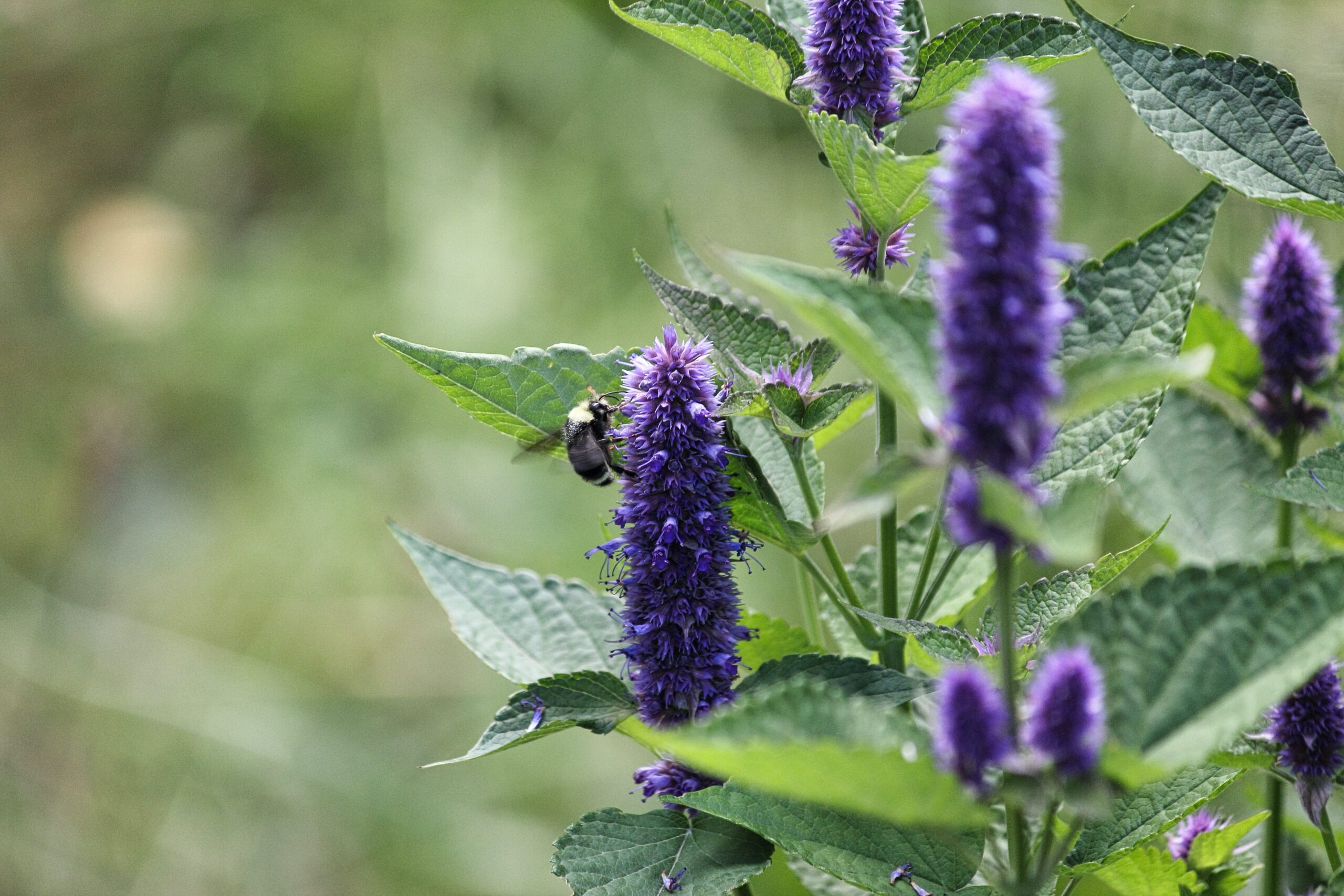
Practices to conserve pollinators and natural enemies in agro ecosystems Intensive agriculture has put great pressure on populations ...
Fruit orchards and woody semi-natural habitat provide complementary resources for pollinators in agricultural landscapes Context To safeguard insect pollinators and their pollinatio...
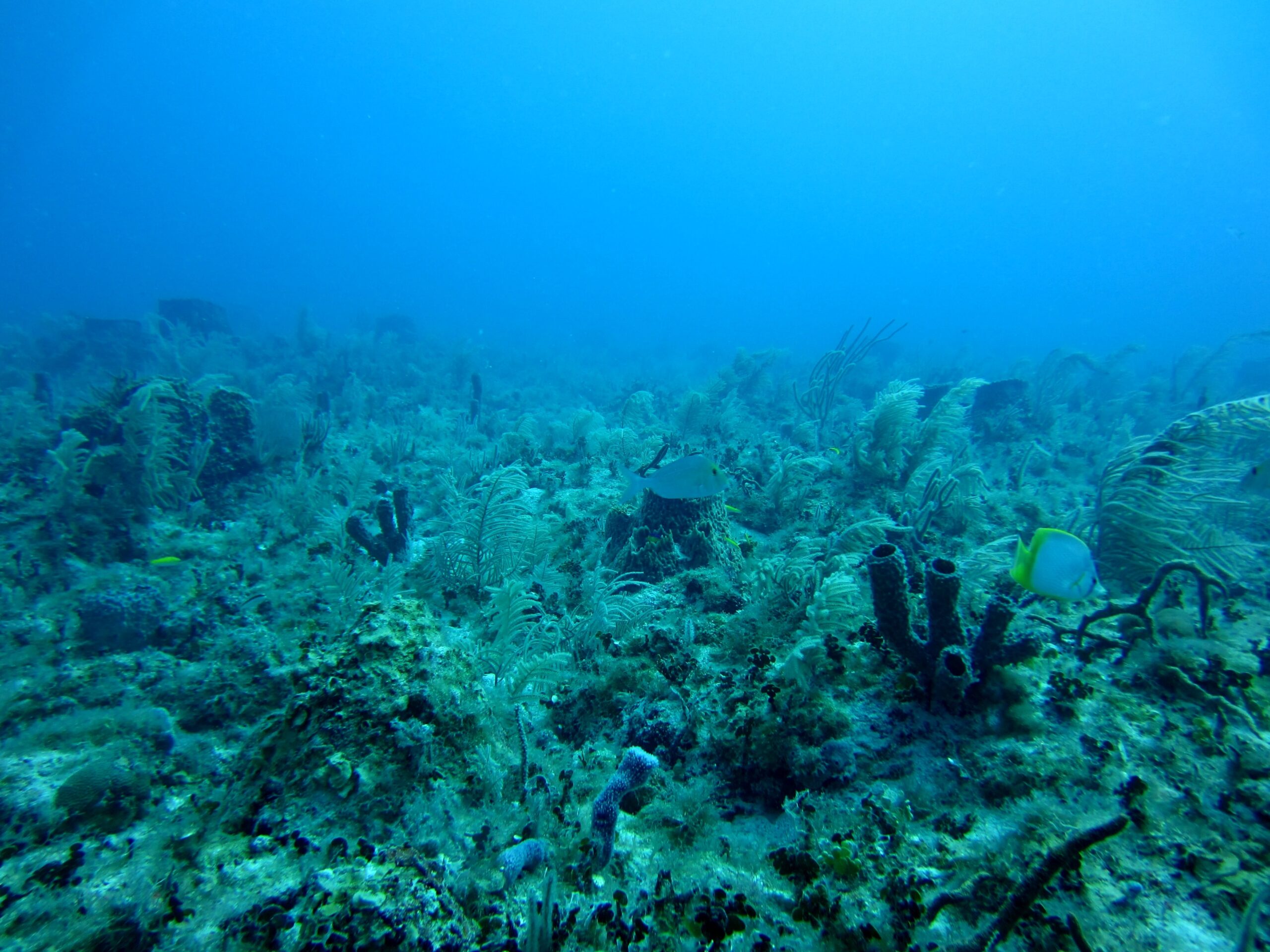
The geography of biodiversity change in marine and terrestrial assemblages Human activities are fundamentally altering biodiversity. Pr...
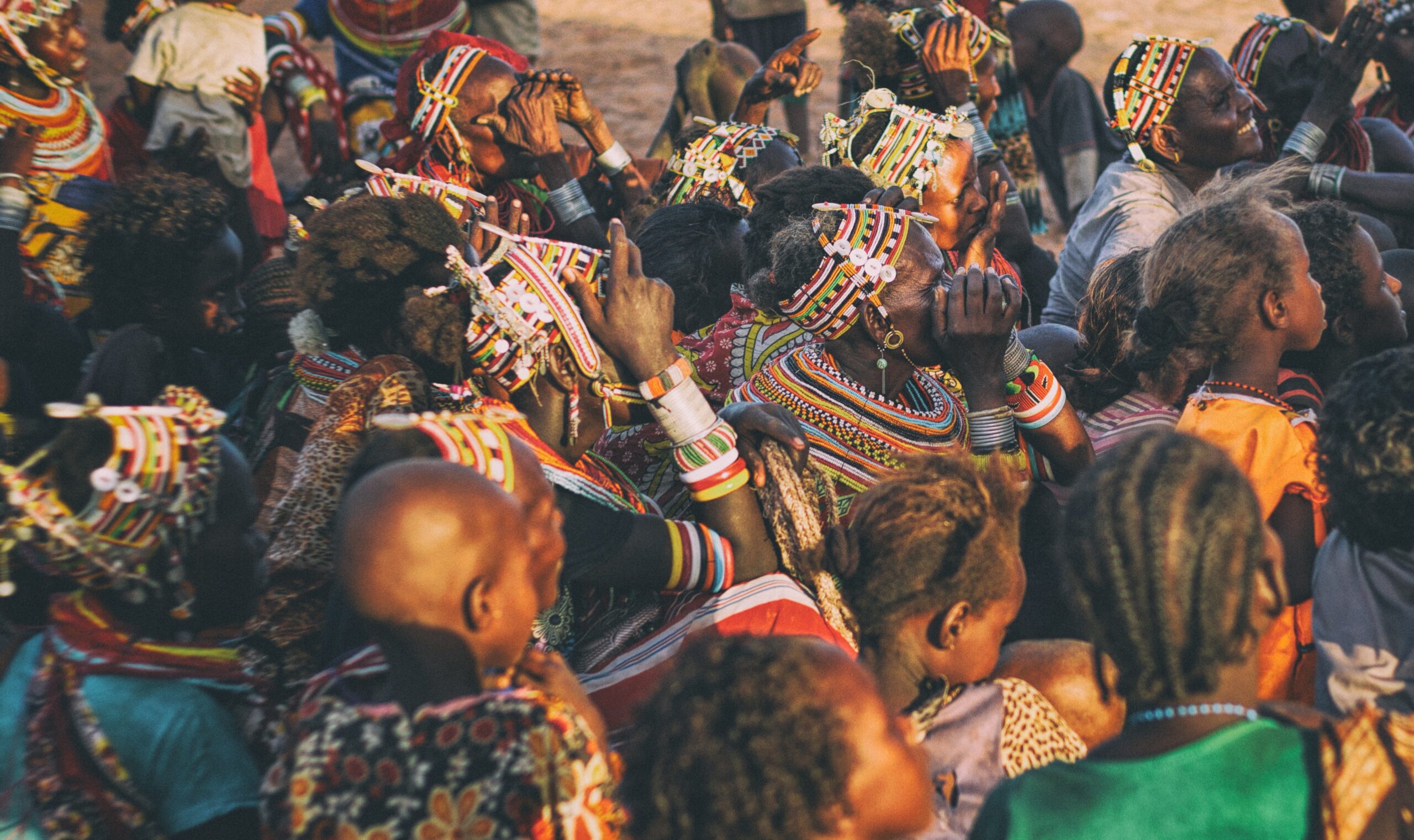
Indigenous knowledge on climate change adaptation: A global evidence map of academic literature There is emerging evidence of the important role of indigeno...
Designing optimal human-modified landscapes for forest biodiversity conservation Agriculture and development transform forest ecosystems to h...
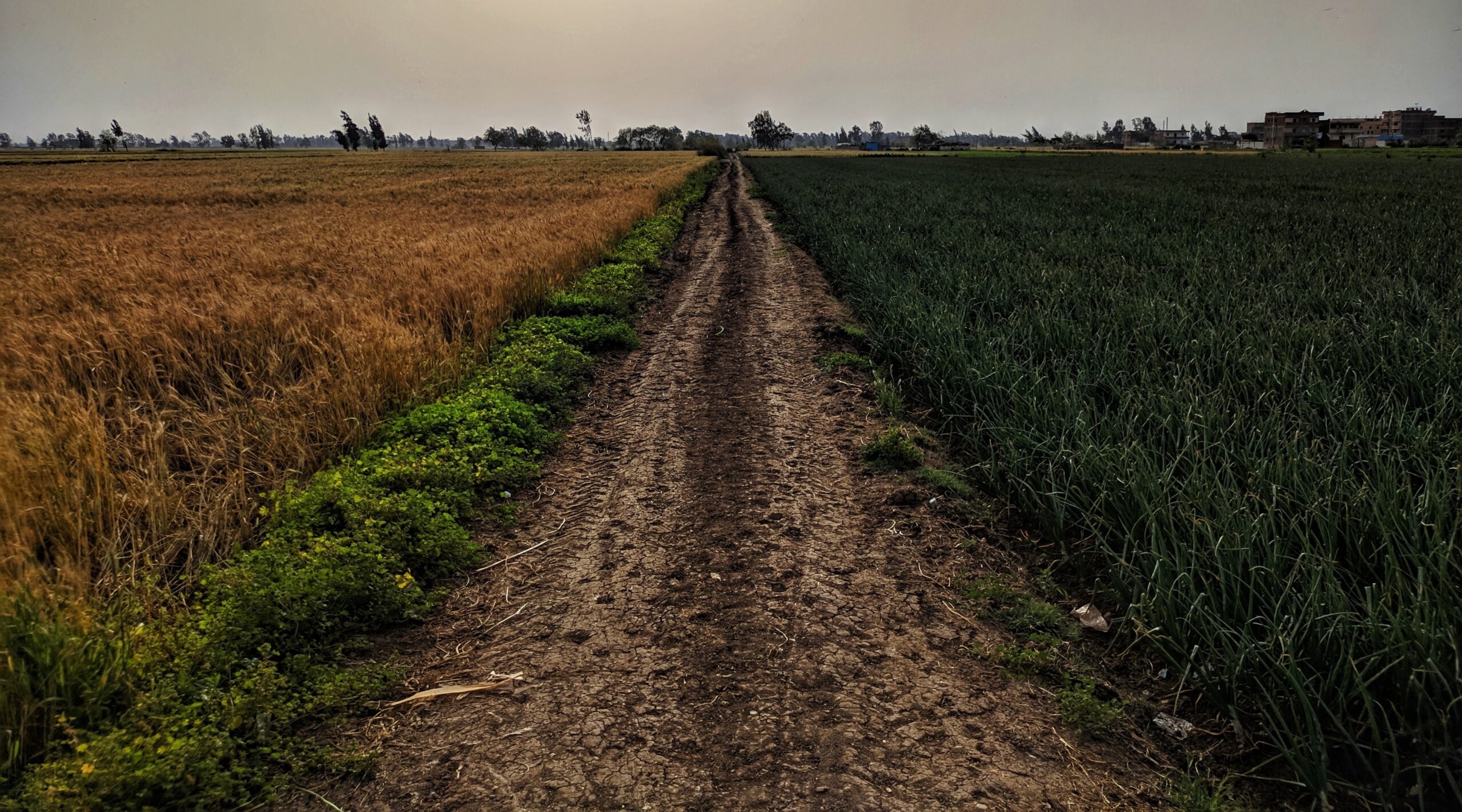
Social-ecological archetypes of land degradation in the Nigerian Guinea Savannah: Insights for sustainable land management The Nigerian Guinea Savannah is the most extensive ecoregion...
Identifying high priority conservation areas for Patagonian wetlands biodiversity Given the multiple stressors affecting freshwater ecosystems...
Exploring the rise of expenditure reviews as a tool for more effective biodiversity conservation and the protection of ecosystem services How much money is being spent on conserving biodiversity? Is...
Pollination increases white and narrow-leaved lupin protein yields but not all crop visitors contribute to pollination Global biodiversity is declining under pressure of agricultu...
Science must embrace traditional and indigenous knowledge to solve our biodiversity crisis Traditional and Indigenous knowledge has successfully preser...
Safeguarding Freshwater Life Beyond 2020: Recommendations for the New Global Biodiversity Framework from the European Experience Plans are currently being drafted for the next decade of act...