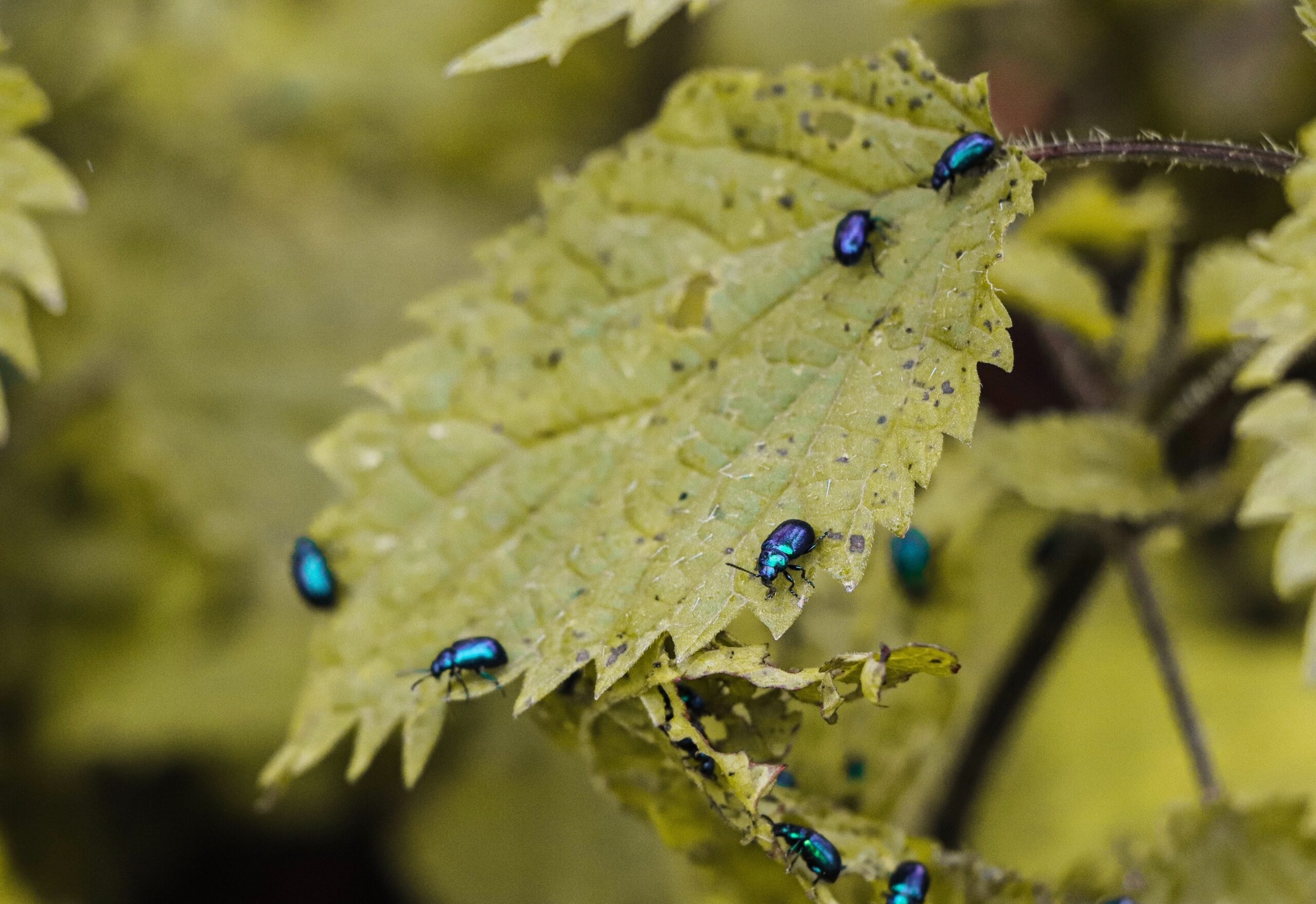
A window to the world of global insect declines: Moth biodiversity trends are complex and heterogeneous Moths are the most taxonomically and ecologically diverse in...
The economics of biodiversity: The Dasgupta Review We are facing a global crisis. We are totally dependent upon...
Feedbacks between vegetation restoration and local precipitation over the Loess Plateau in China The implementation of large-scale vegetation restoration ove...
Sustainability assessment of intensified forestry—forest bioenergy versus forest biodiversity targeting forest birds Intensified forestry can be seen as a solution to climate ch...
The biological deserts fallacy: Cities in their landscapes contribute more than we think to regional biodiversity Cities are both embedded within and ecologically linked to t...
The role of coastal biodiversity conservation on sustainability and environmental awareness in mangrove ecosystem of southern Malang, Indonesia The role of coastal biodiversity conservation on sustainabil...
“Two-Eyed Seeing”: An Indigenous framework to transform fisheries research and management Increasingly, fisheries researchers and managers seek or are...
Ecological restoration of pastoral landscapes in the drylands of East Africa The East African drylands cover about 47% of the land surfac...
Learning plant biodiversity in nature: The use of the citizen–science platform iNaturalist as a collaborative tool in secondary education Biodiversity is a concept of great scientific interest and s...
Food system impacts on biodiversity loss Humanity relies on the earth’s natural systems to regulate...
Genomic evidence of prevalent hybridization throughout the evolutionary history of the fig-wasp pollination mutualism Ficus(figs) and their agaonid wasp pollinators present an ec...
Crop pollination services: Complementary resource use by social vs solitary bees facing crops with contrasting flower supply Many farmers are facing high economic risks if pollinator de...