Recent advances in molecular biology research of a rice pest, the brown Planthopper The brown planthopper, Nilaparvata lugens Stål, has become ...
Selection of Pesticides to Reduce Human and Environmental Health Risks: A Global Guideline and Minimum Pesticides List Background: Pesticides present widespread risks to human and...
The Floriphilic Katydid, Phaneroptera Brevis, is a frequent flower visitor of nonnative, flowering forbs The distribution of consumers in a patch of vegetation can b...
The pollination system of the widely distributed mammal pollinated Mucuna Macrocarpa (Fabaceae) in the tropics Although the pollinators of some plant species differ across...
A reconstruction of the Paleoecology and environmental dynamics of the Bahariya formation of Egypt The Bahariya formation is one of the most productive in Afri...
A socio-ecological approach for identifying and contextualizing spatial ecosystem-based adaptation priorities at the subnational level Climate change adds an additional layer of complexity to exi...
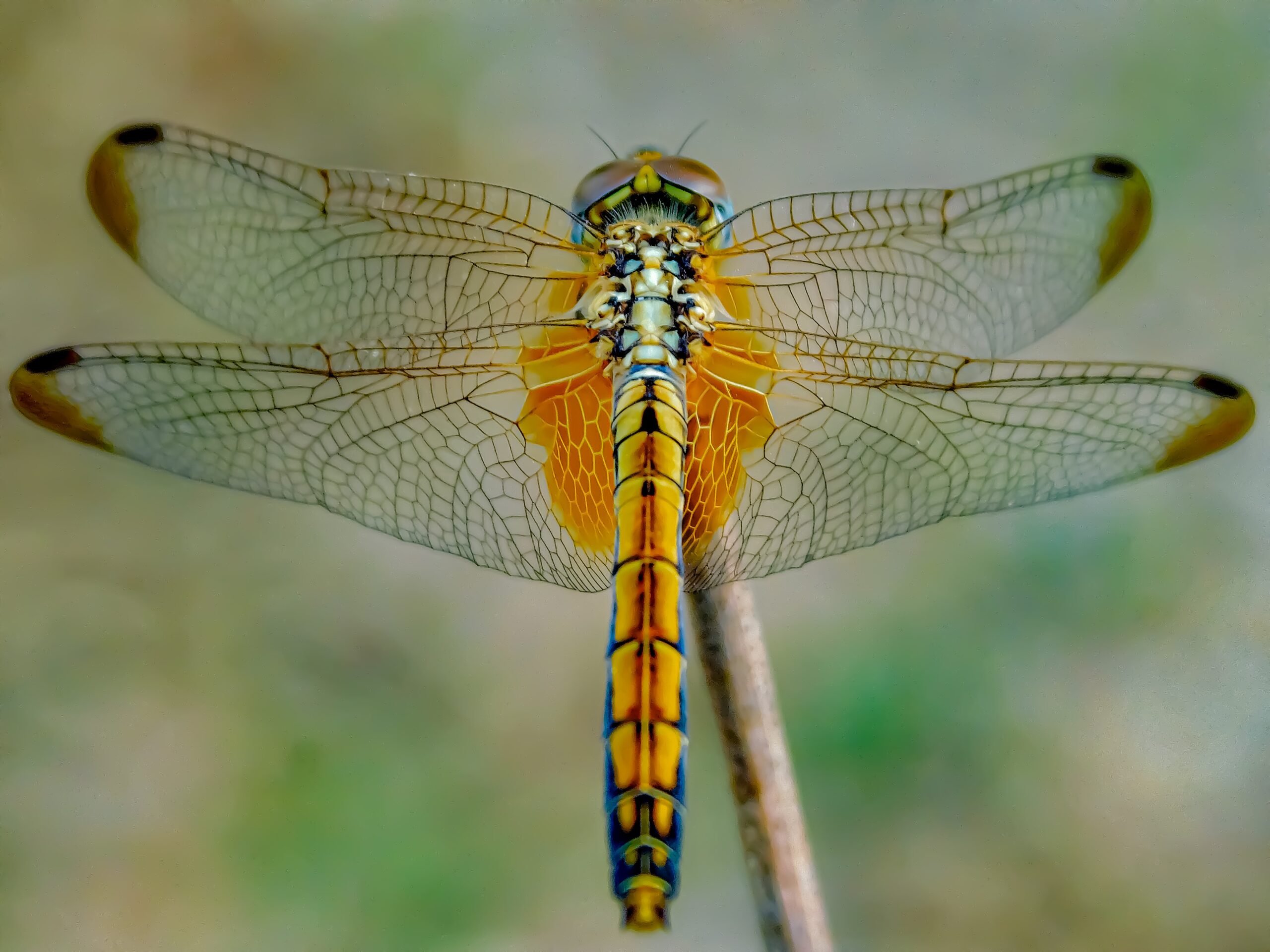
Adapting the Dragonfly Biotic Index to a Katydid (Tettigoniidae) Rapid Assessment Technique: Case Study of a Biodiversity Hotspot, the Cape Floristic Region, South Africa Global biodiversity faces many challenges, with the conserva...
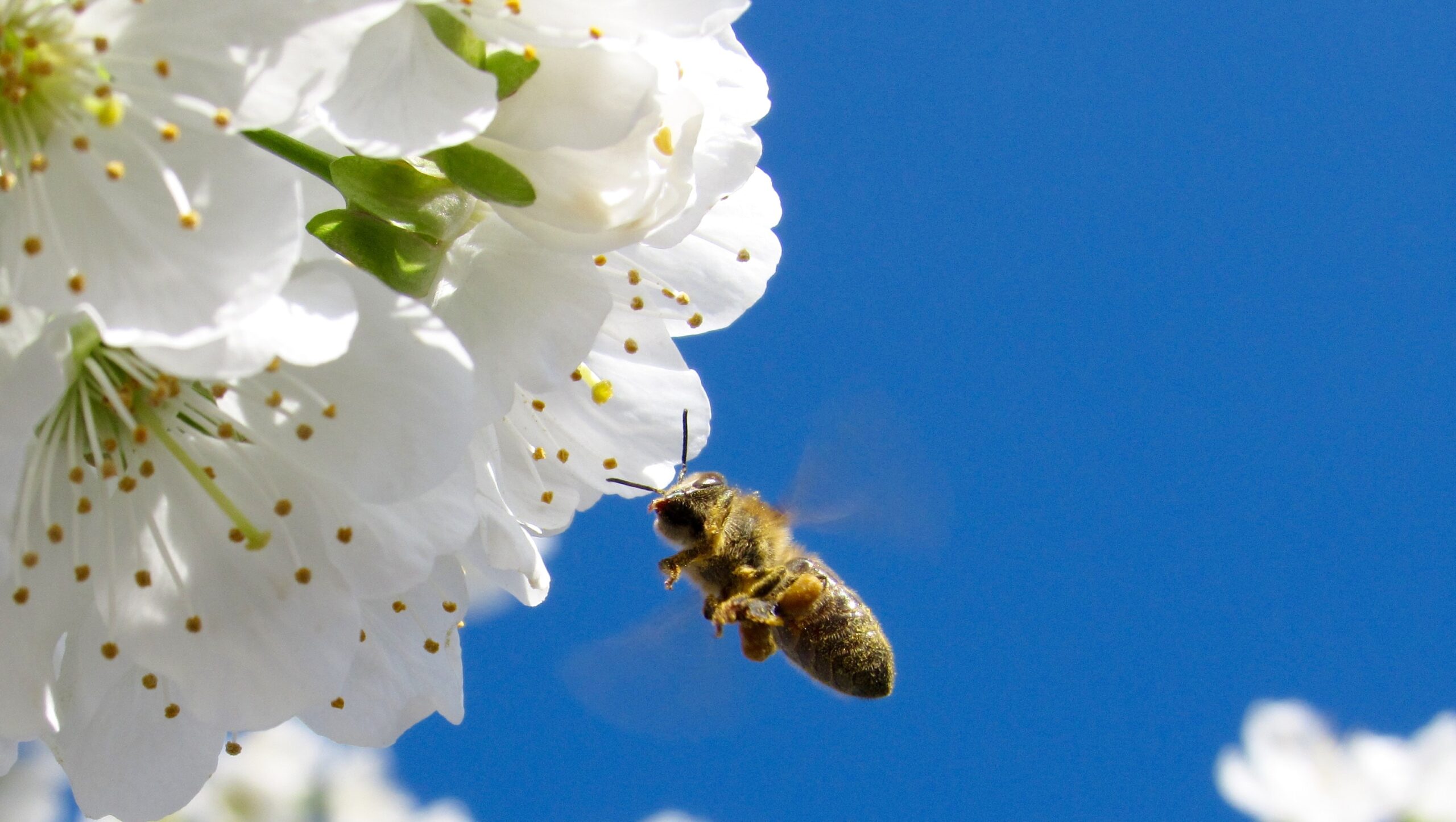
Introduced bees (Osmia cornifrons) collect pollen from both coevolved and novel host-plant species within their family-level phylogenetic preferences Studying the pollen preferences of introduced bees allows us...
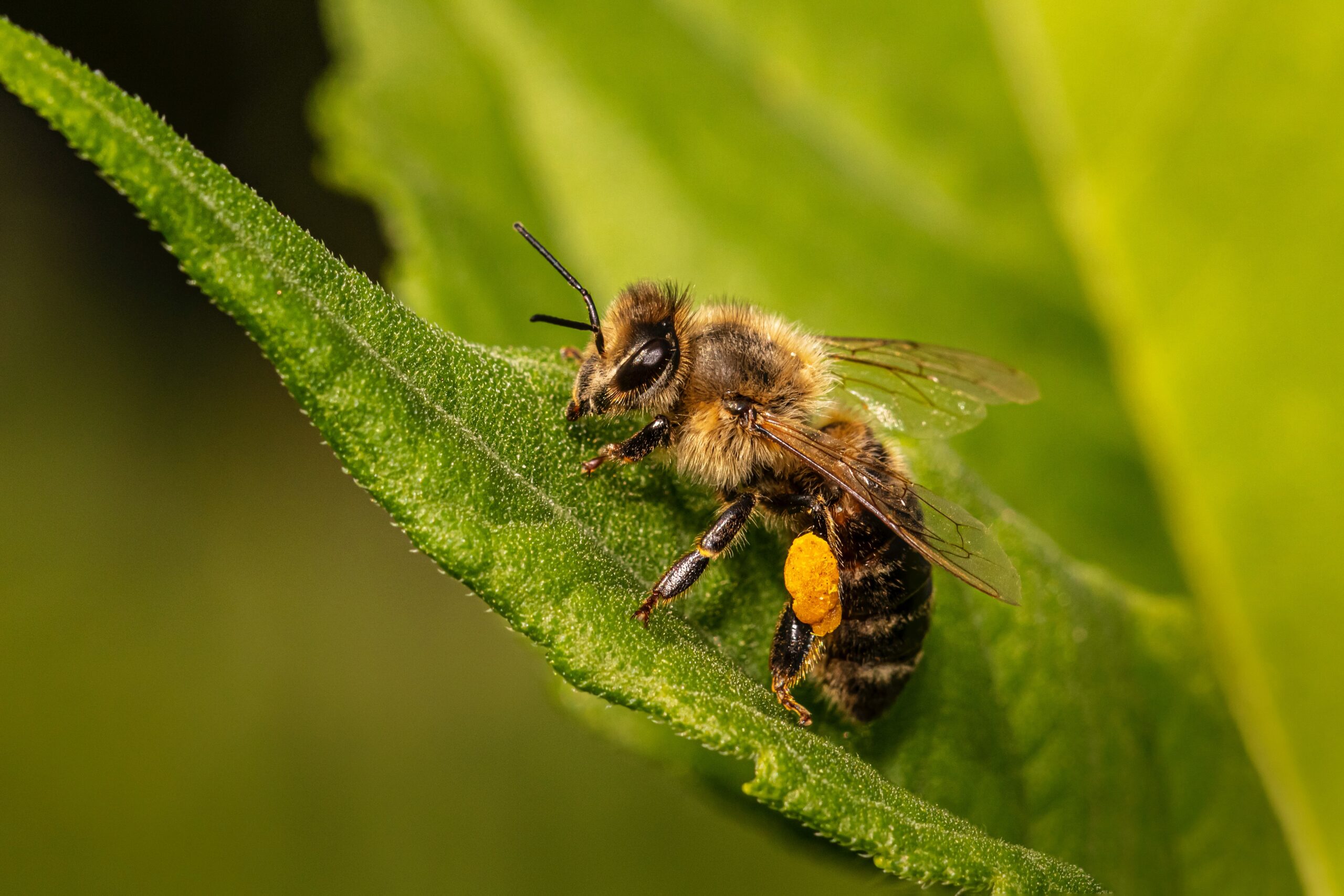
Mitochondrial genomes illuminate the evolutionary history of the western honey bee (Apis Mellifera) Western honey bees (Apis mellifera) are one of the most impo...
Prevalence and population genetics of the emerging honey bee pathogen DWV in Chinese apiculture Honey bees are agriculturally important, both as pollinators...