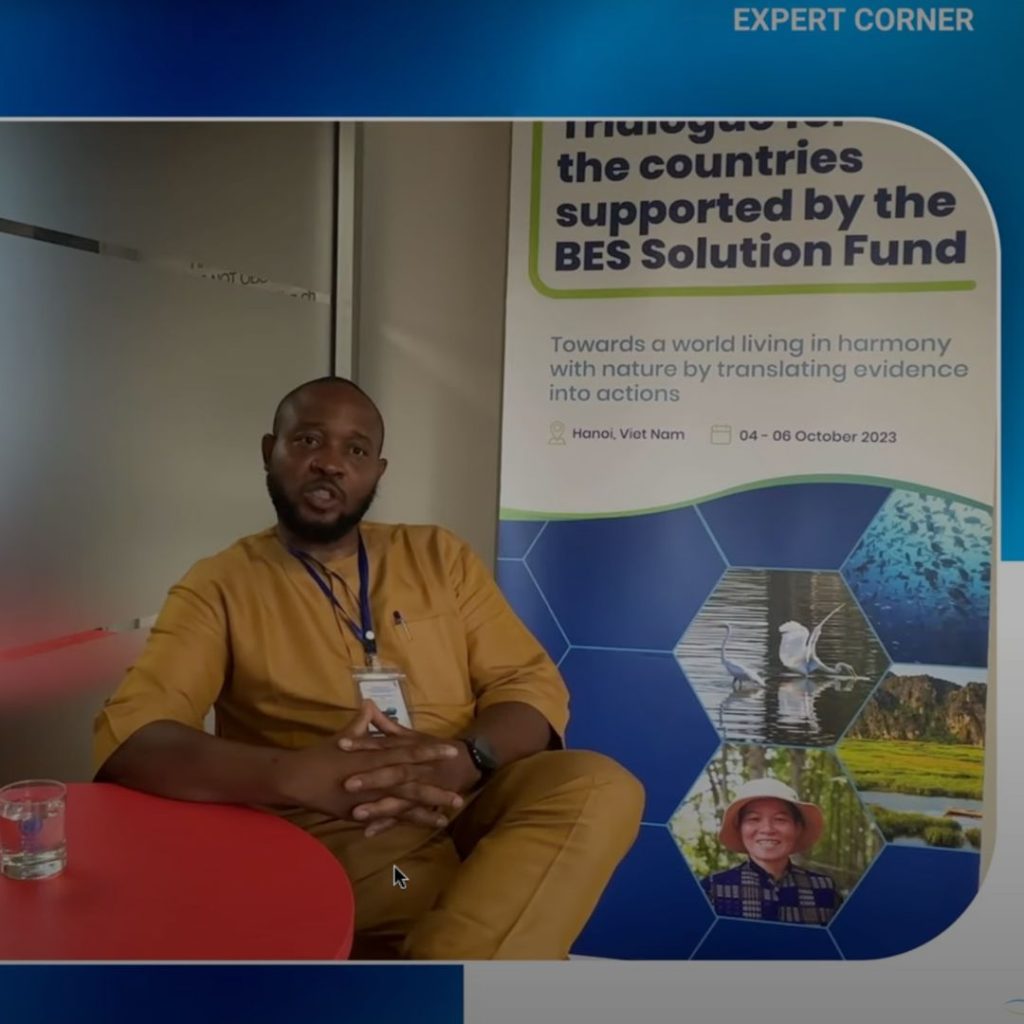
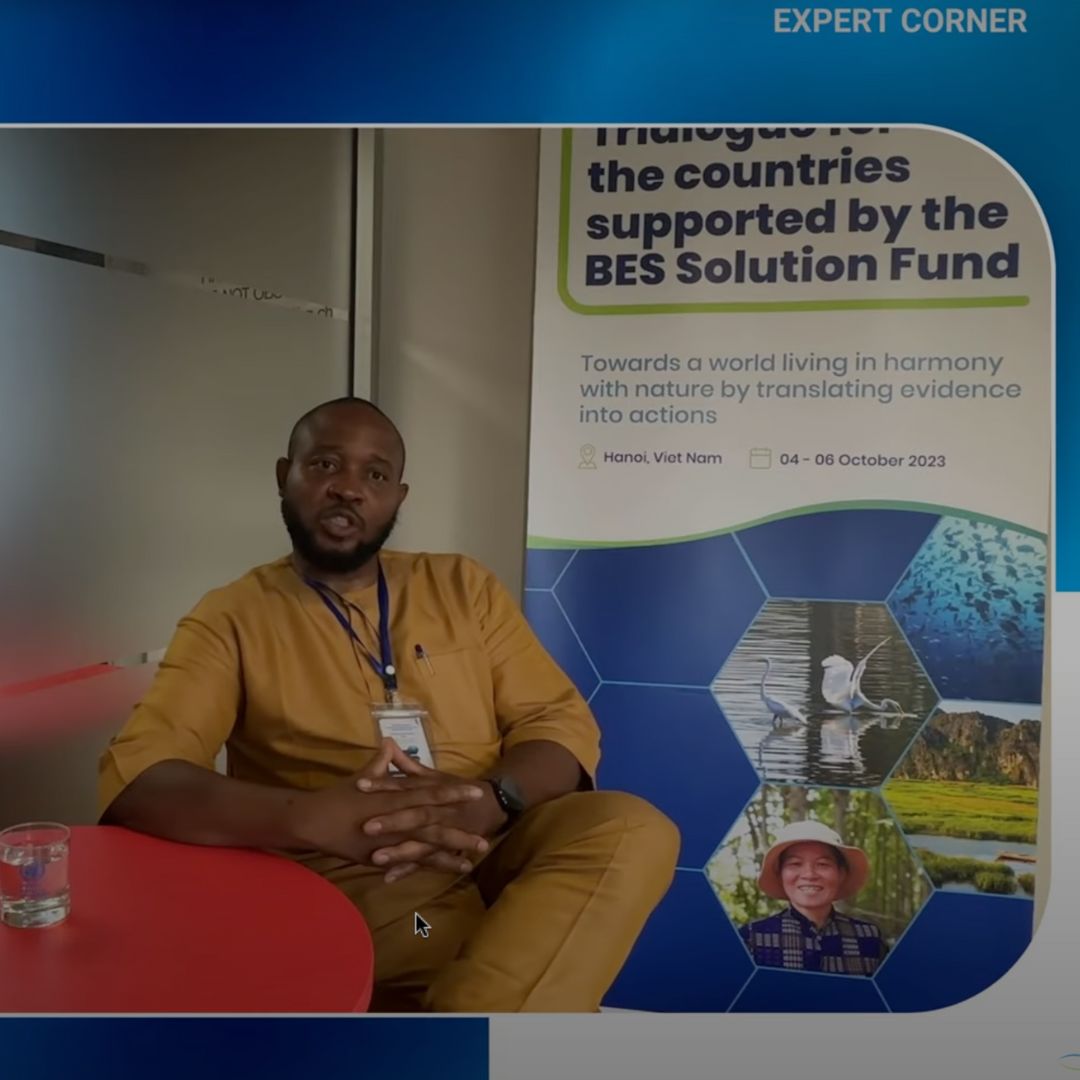
Trialogue for the Countries Supported by the BES Solution Fund
Location: Hanoi, Viet Nam
Participating Countries: Cameroon, Colombia, Ethiopia, Kazakhstan, Kenya, Nigeria, Trinidad and Tobago, Viet Nam
View Event 
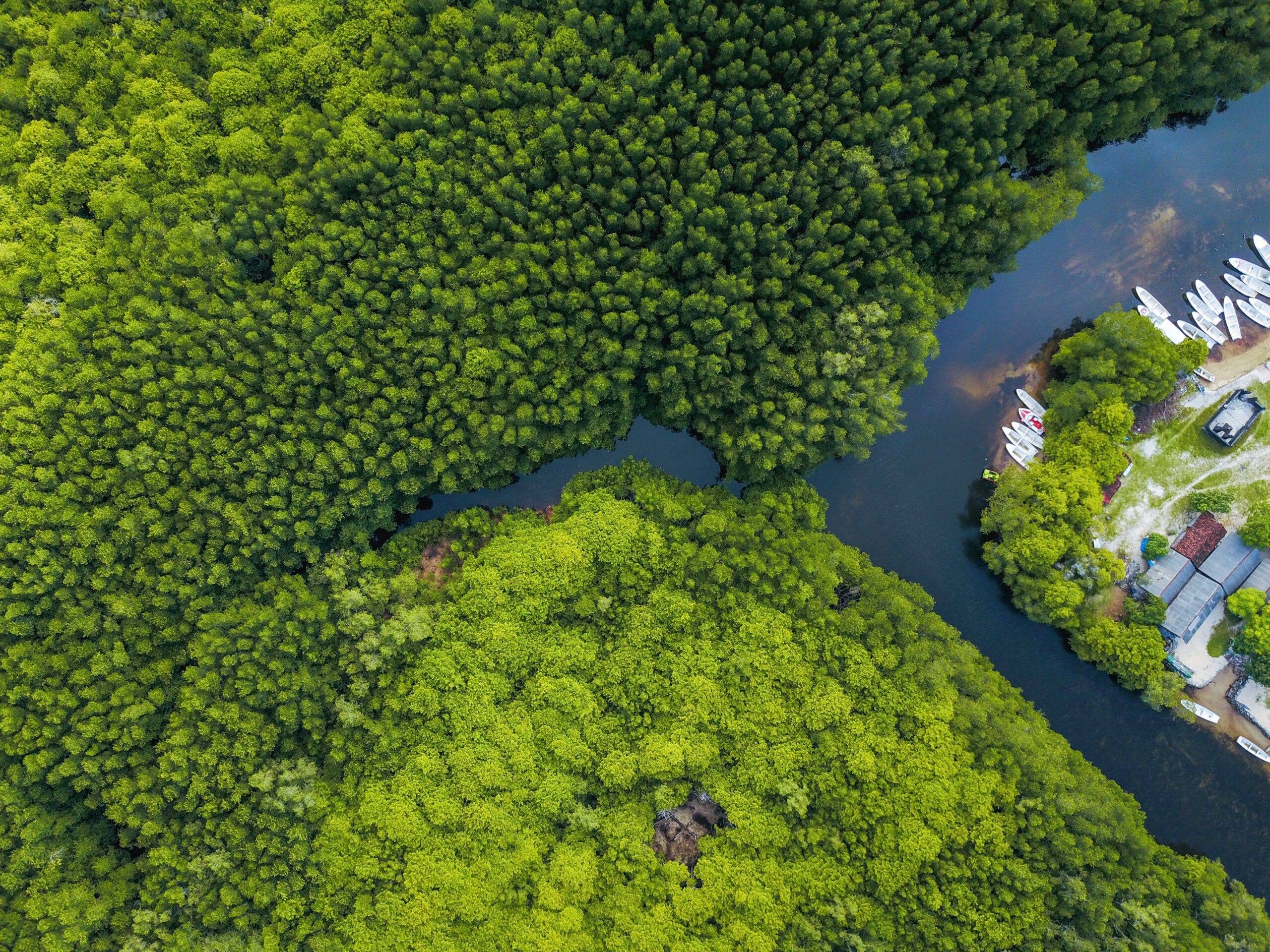
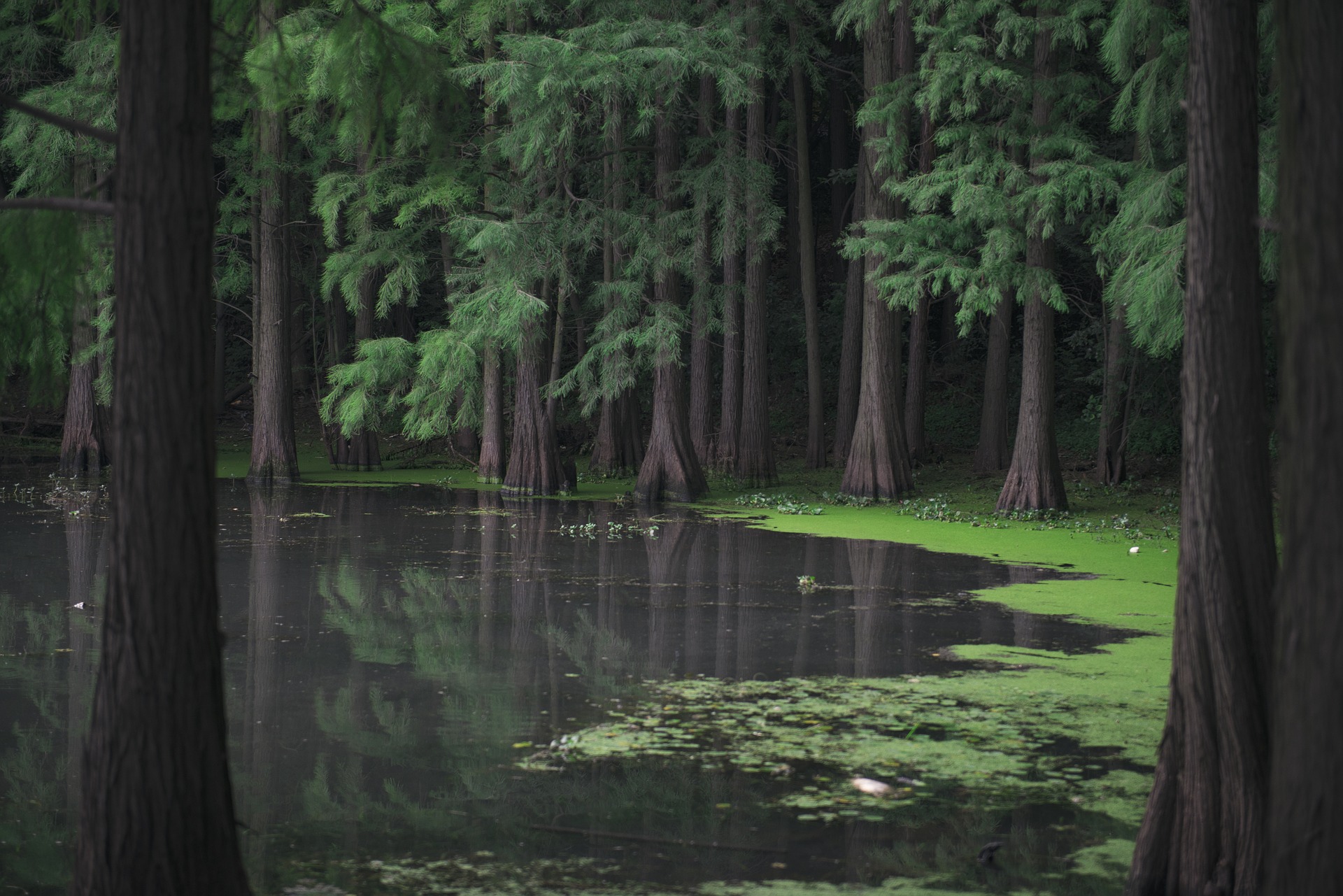
Nigeria’s ecosystem diversity ranges from semi-arid savannah to mountains, seasonal floodplains, rainforests, freshwater swamps and coastal and marine ecosystems. The Niger Delta in Nigeria has the largest expanse of mangroves in Africa, contributing to biodiversity richness in the country.
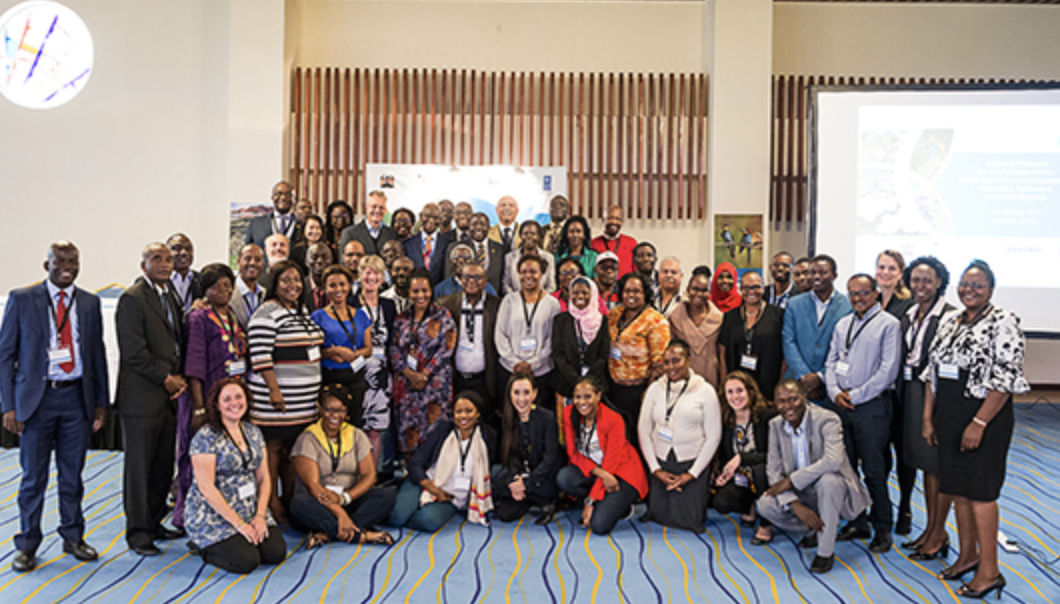
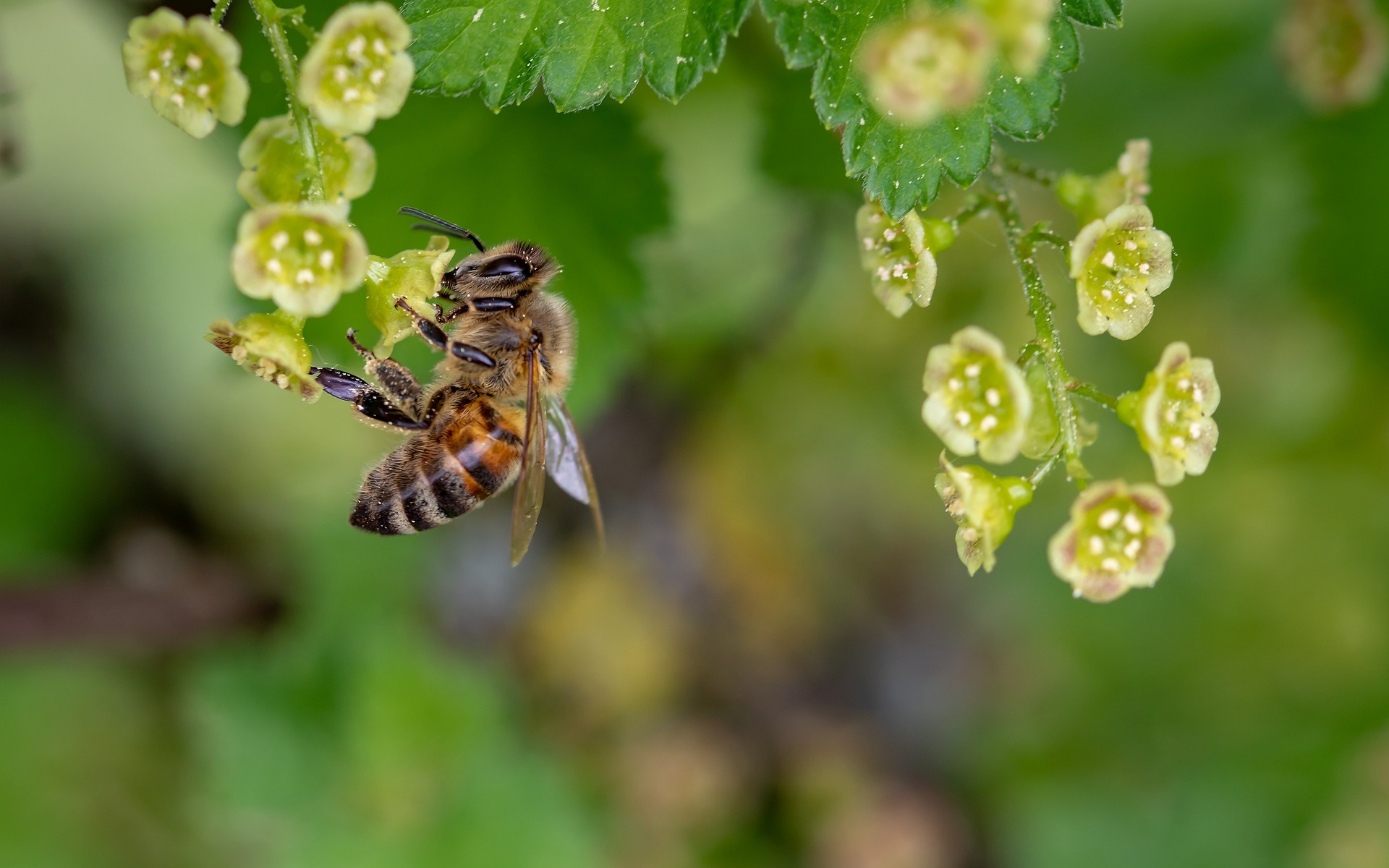
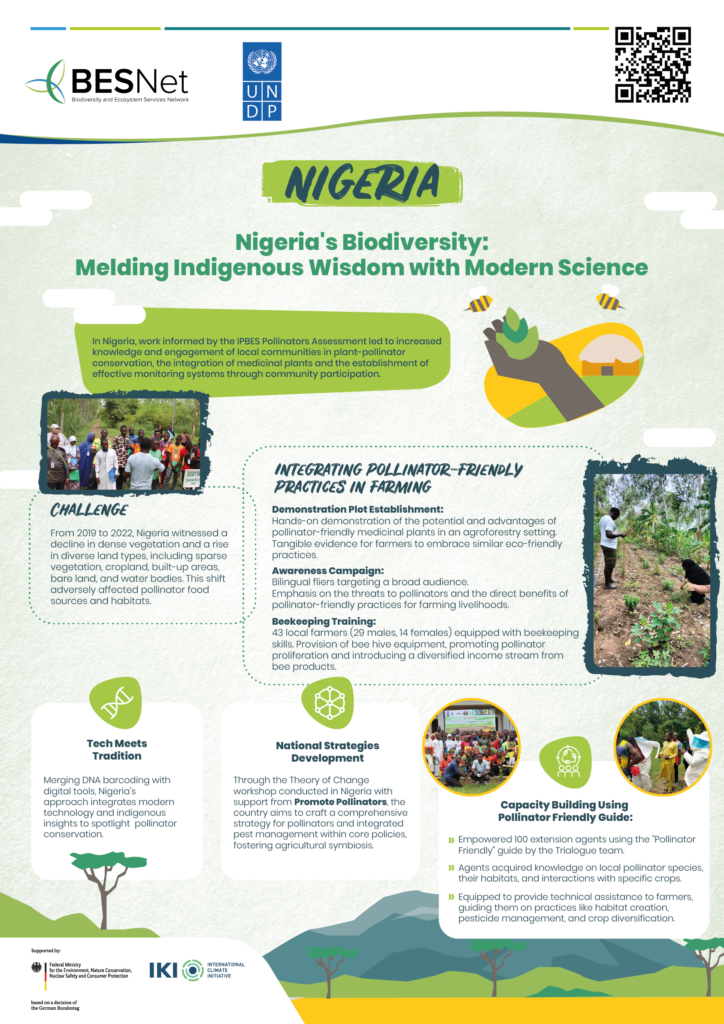
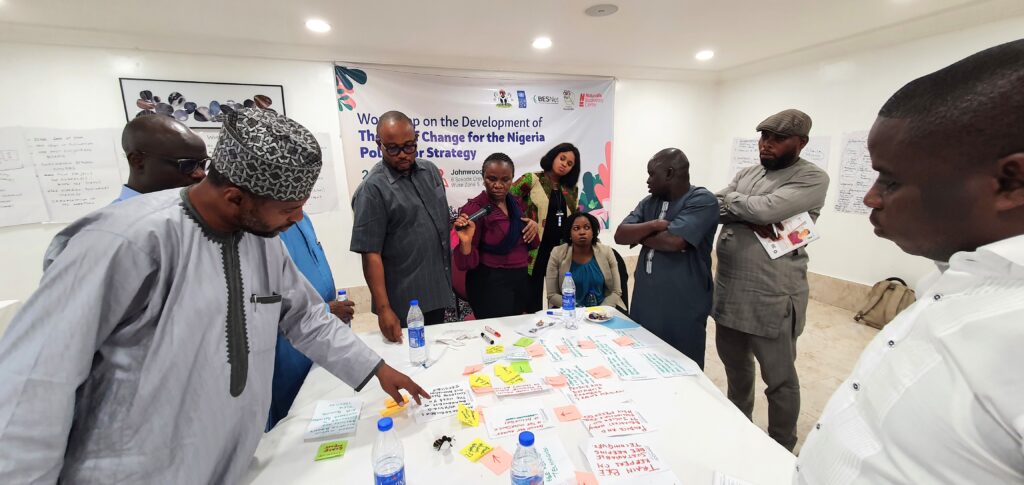
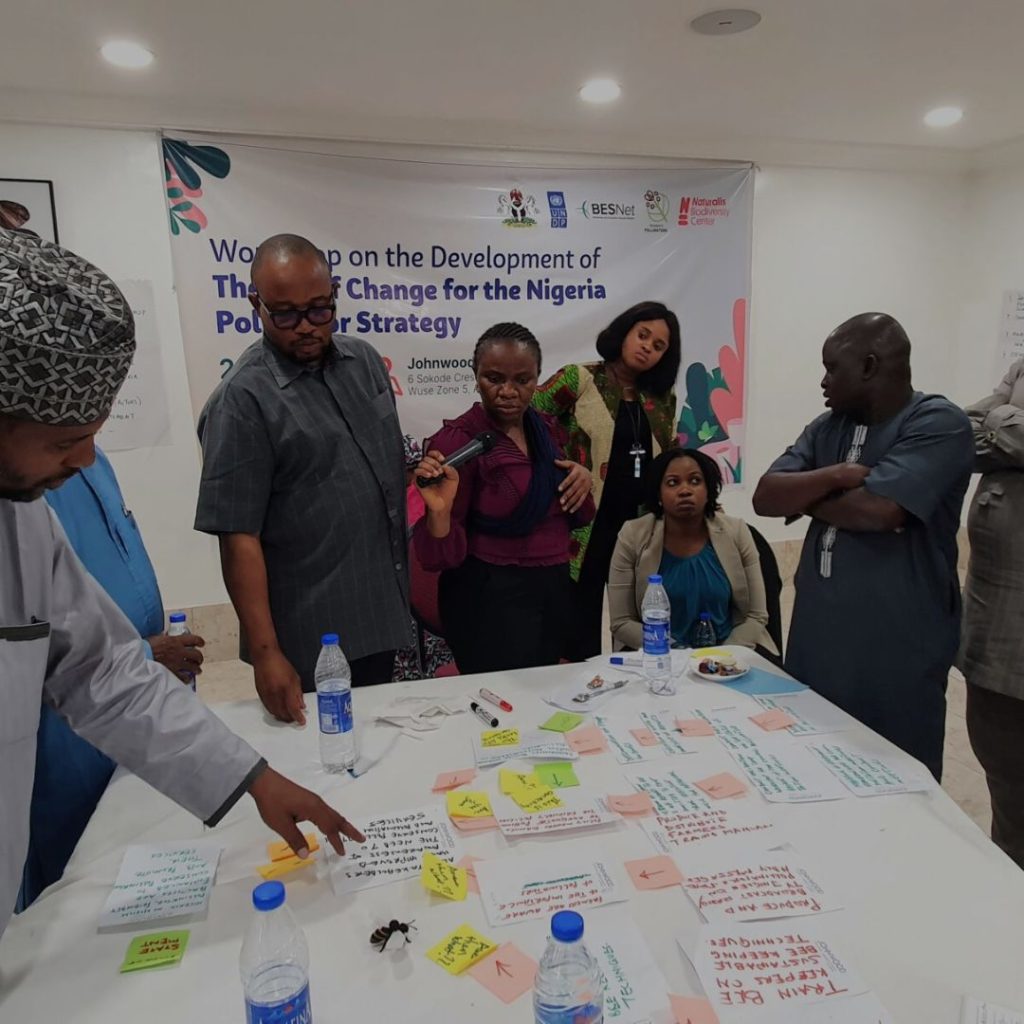
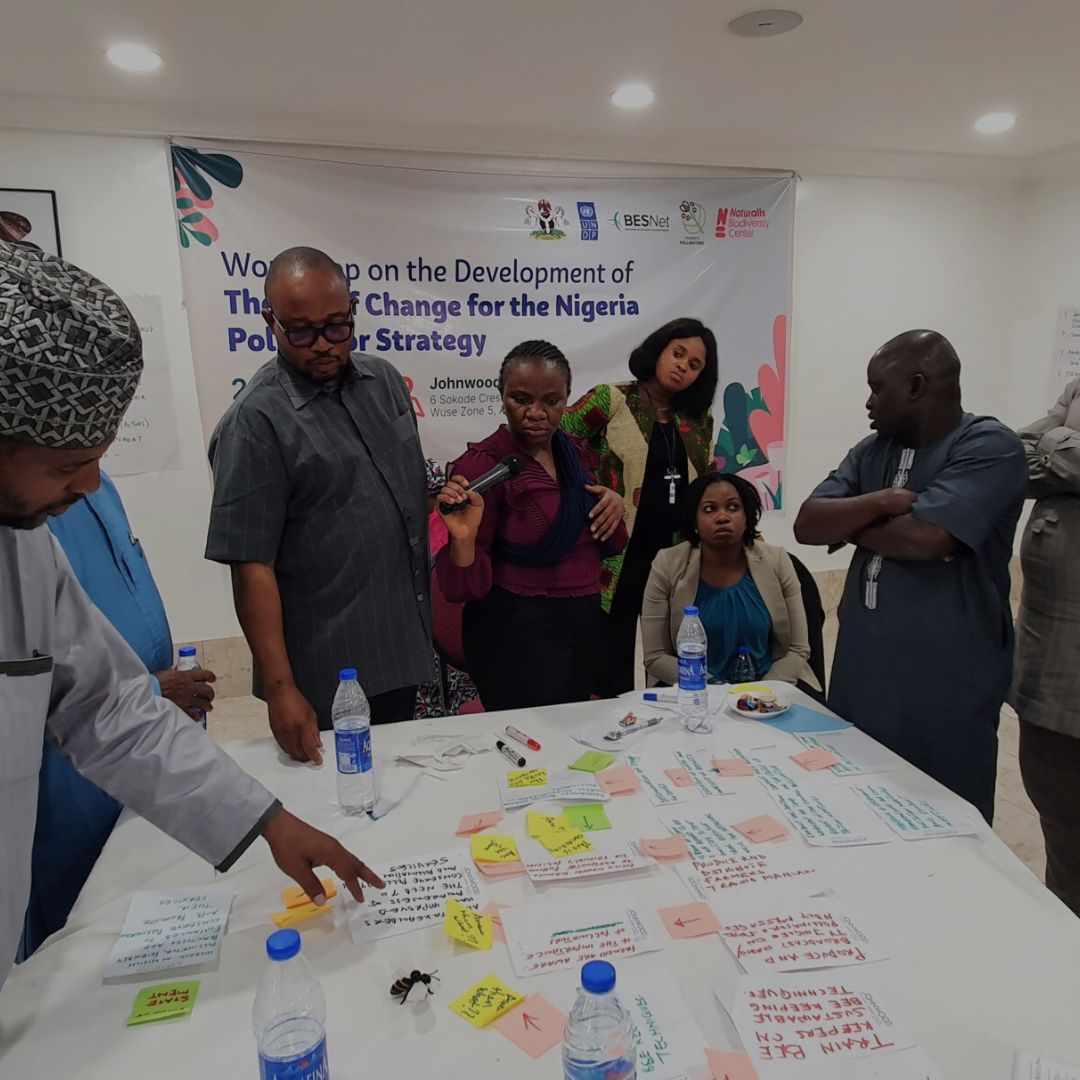
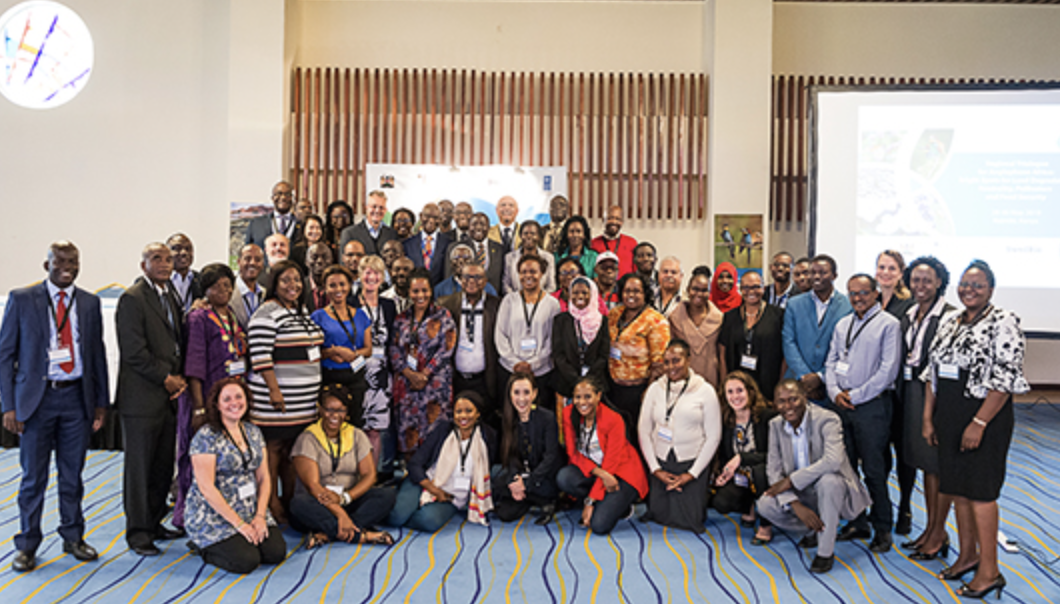
The country’s engagement with BES-Net was catalysed by its participation in the Anglophone Africa Trialogue held in Kenya in May 2019, where seven national representatives contributed to raising awareness and dialogue around the IPBES global assessments on Pollinators, Pollination and Food Production and on Land Degradation and Restoration. Building on this momentum and demonstrating strong leadership through early post-Trialogue actions – such as joining the Coalition of the Willing on Pollinators, initiating a national pollinator strategy, planning national assessments and conducting awareness activities – Nigeria was selected as a priority country under BES-Net Phase II through the BES Solution Fund. Implemented from May 2021 to August 2024 by UNDP Nigeria in collaboration with the Federal Ministry of Environment and partners, the initiative focused on strengthening science-policy-practice interfaces, advancing pollinator protection and promoting sustainable land management aligned with IPBES recommendations.
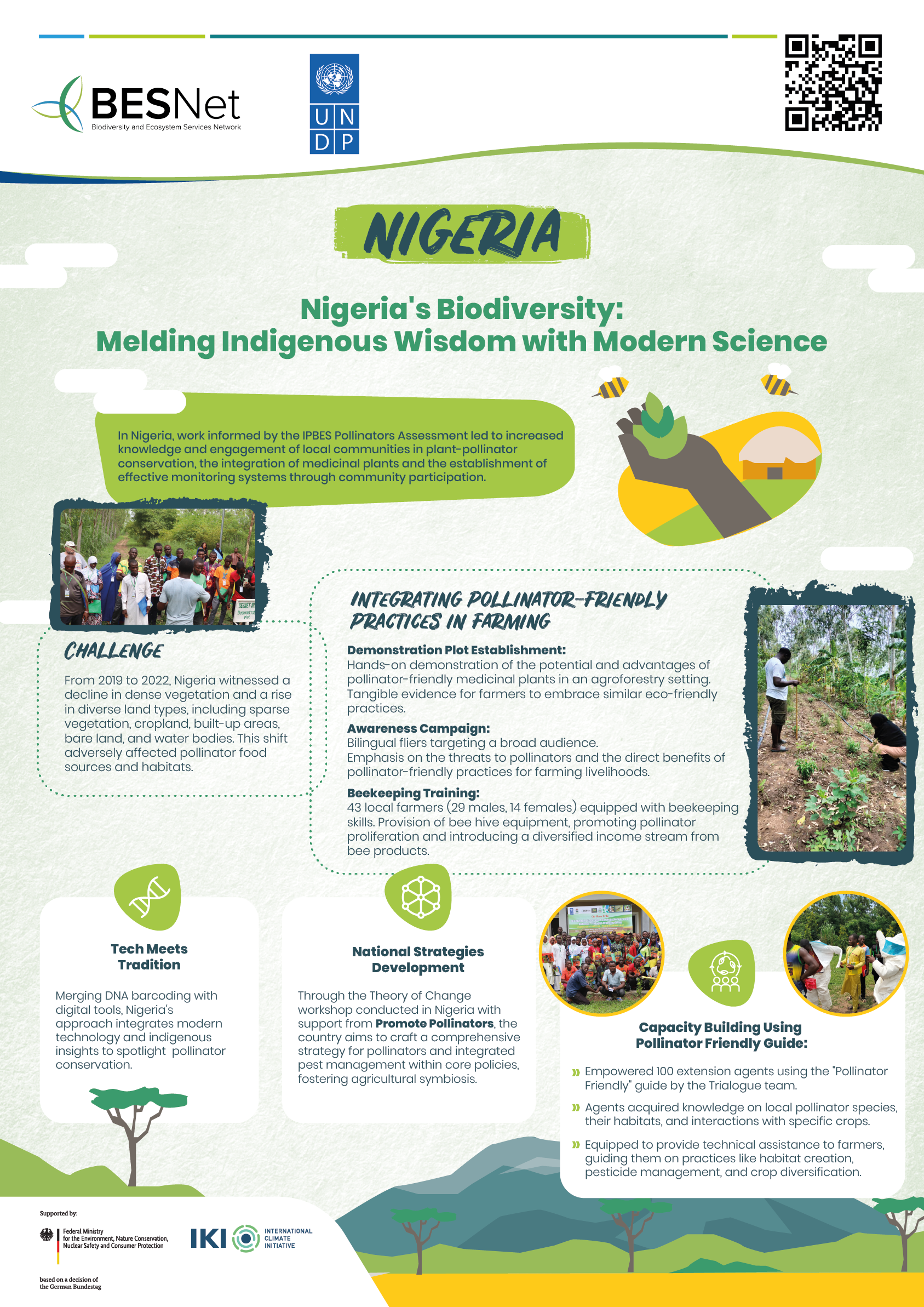
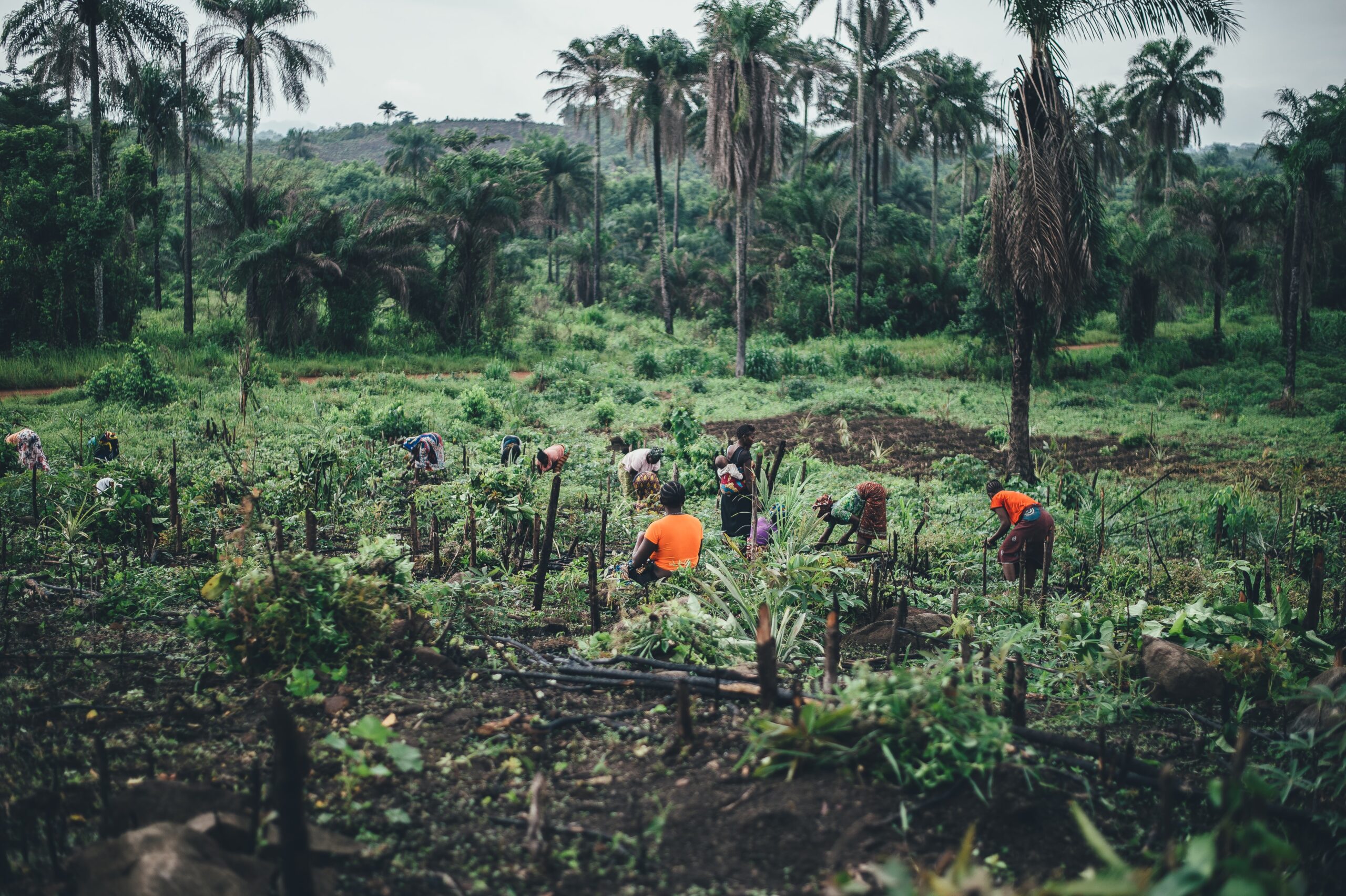
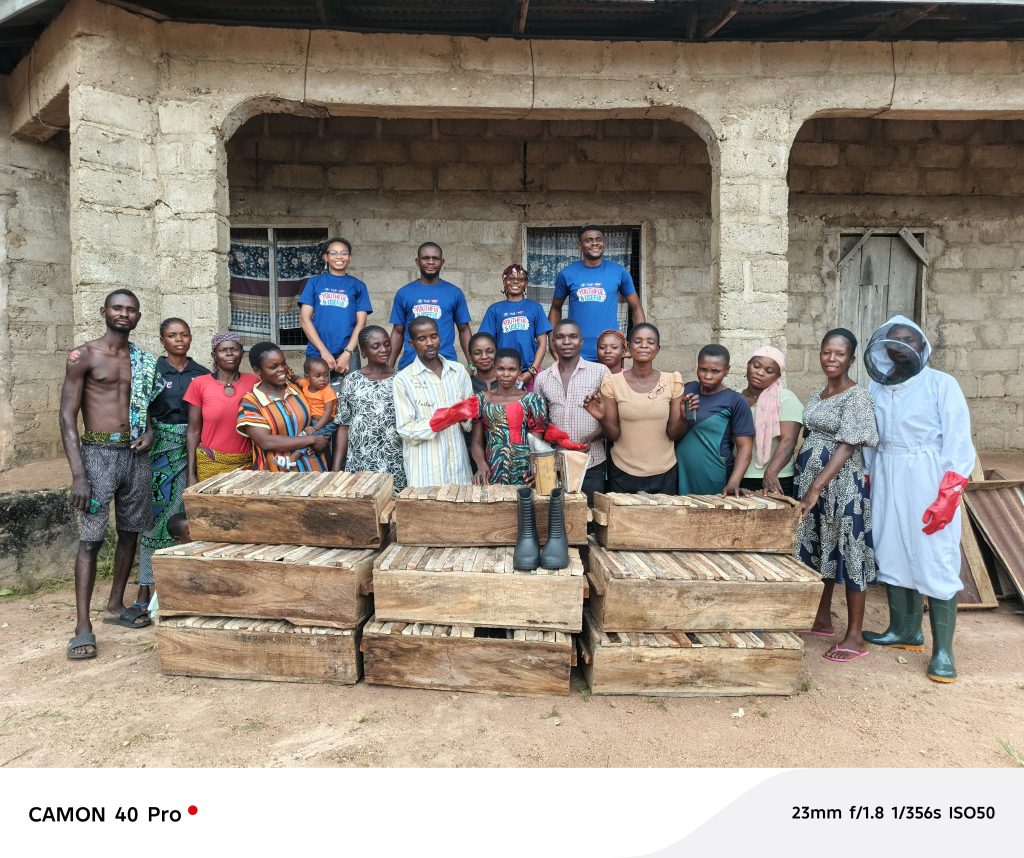
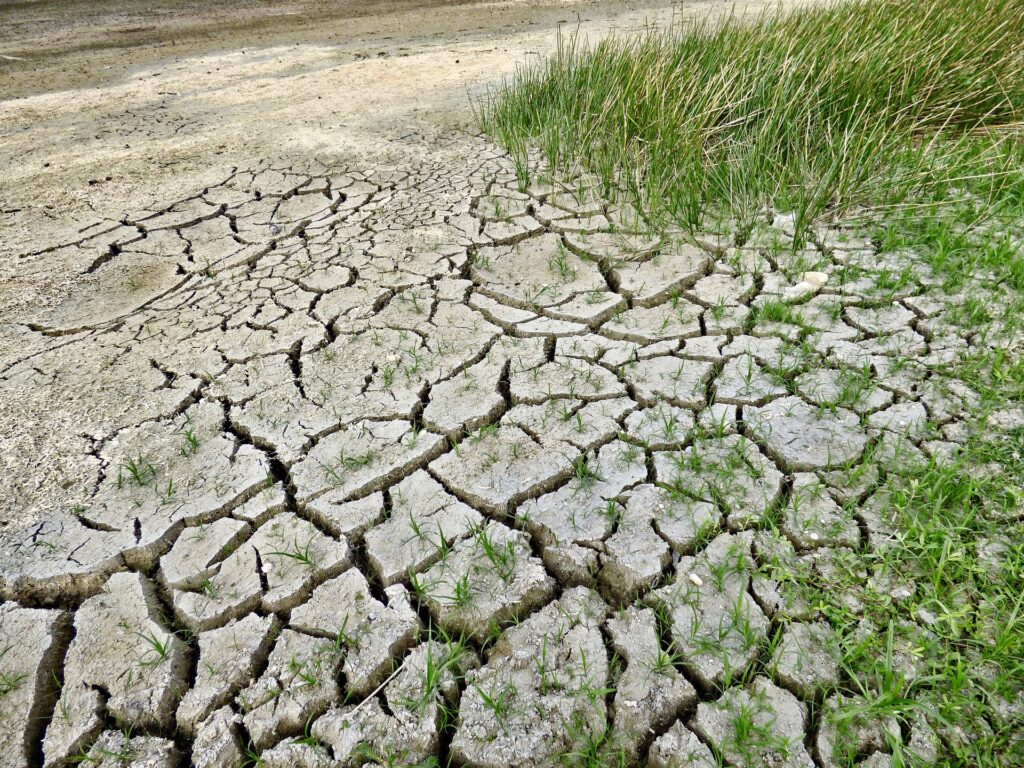
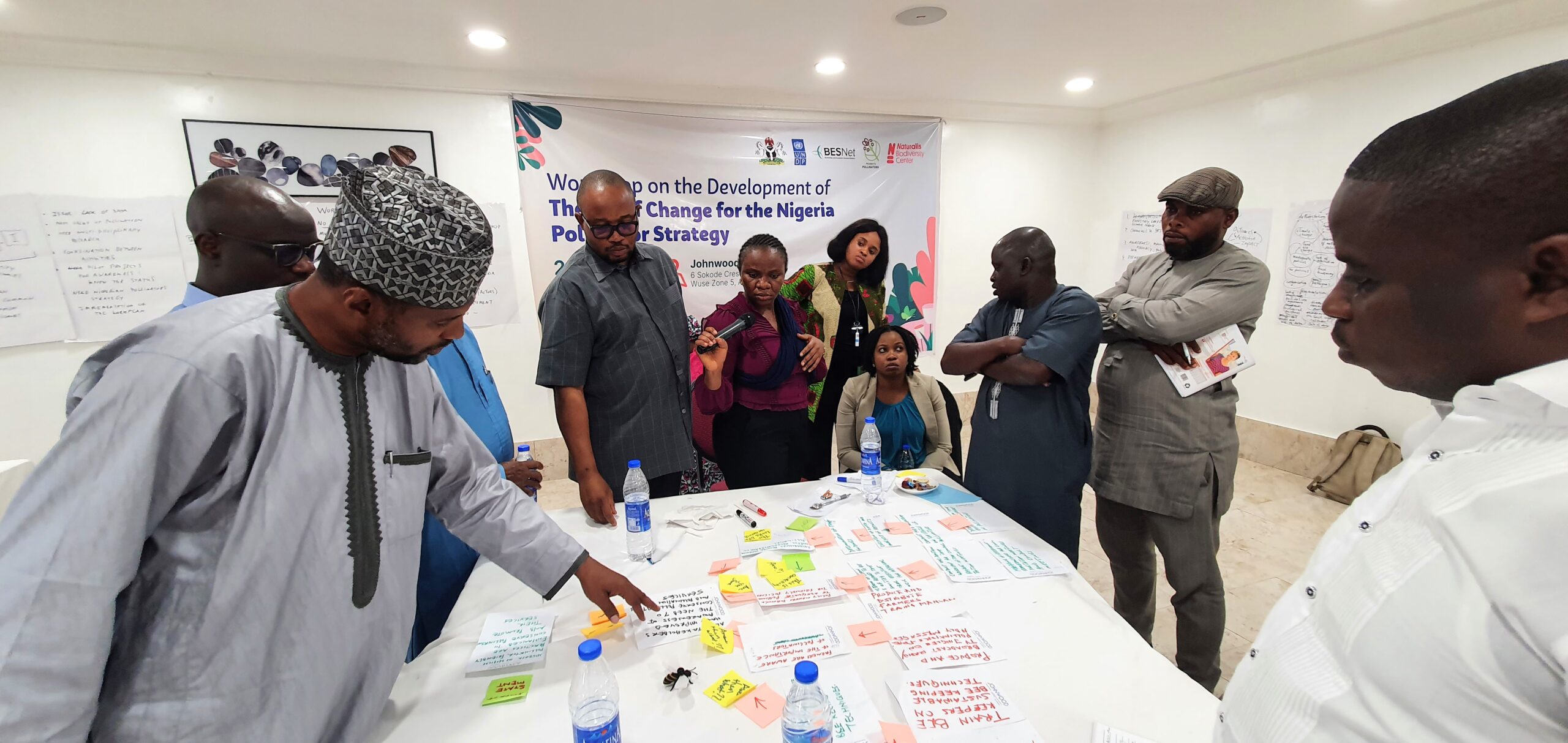
A major achievement of the BES Solution Fund in Nigeria has been the strengthening of the policy and capacity landscape for pollinator conservation and sustainable land use. This included the development of national Integrated Pest Management and Pollinator Strategies (2023–2024), which were aligned with and partially integrated into Nigeria’s updated National Biodiversity Strategy and Action Plan. The strategies promote reduced reliance on harmful agrochemicals and the adoption of pollinator-friendly farming practices, directly addressing drivers of biodiversity loss identified in the IPBES assessments. Capacity-building efforts reached farmers, extension agents and communities, particularly in Benue and Kano States, where over 200 farmers were trained in eco-friendly practices. These interventions contributed to behaviour change, the establishment of Forest User Groups to support habitat conservation and broader uptake of agroecological approaches that reduce land degradation while maintaining ecosystem services that are essential for food production.
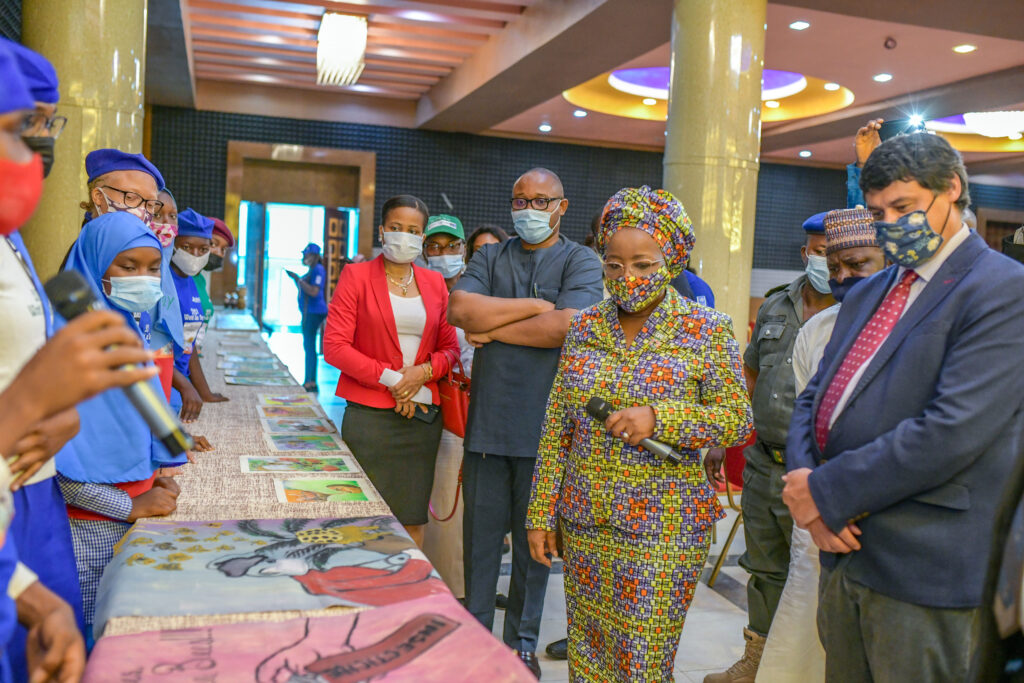
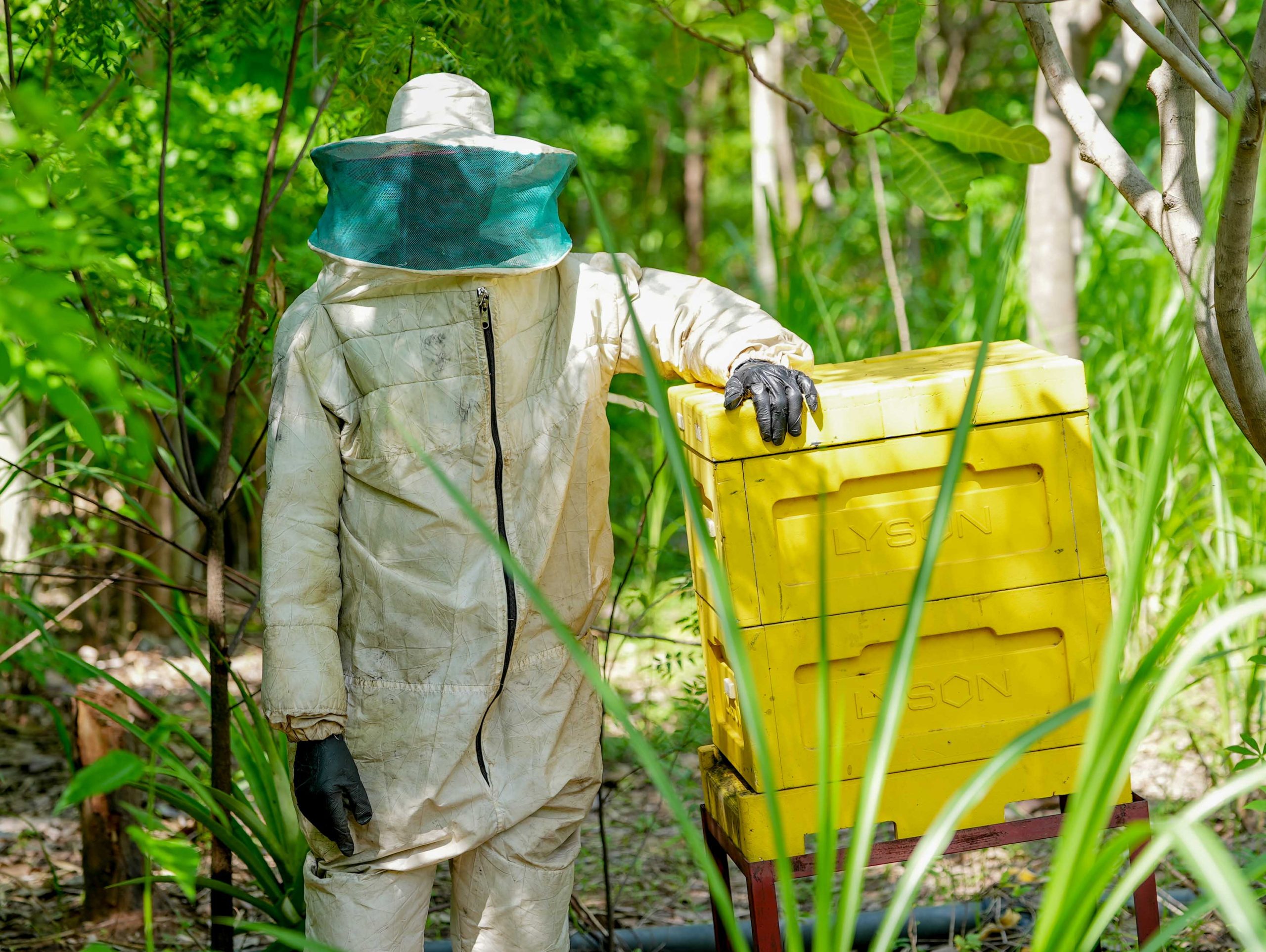
Significant progress was also made in advancing scientific knowledge, awareness and practical uptake of IPBES findings. Baseline data on pollinators were generated through DNA barcoding of species and mapping of habitats across three national parks, alongside the establishment of community-based Site Support Groups for monitoring. A GIS-based land use and land cover assessment across 22 states provided critical data on degradation trends to inform restoration priorities. Public awareness and education were strengthened through school-based World Bee Day events, reaching hundreds of students and embedding long-term behavioural change. Practical tools such as afarmer-friendly manual distributed nationwide and a demonstration plot in Abuja showcased pollinator-friendly agriculture, combining scientific and Indigenous knowledge. These efforts collectively enhanced the science-policy-practice interface, improved national capacity to implement IPBES recommendations and fostered sustainable, community-driven approaches to pollinator conservation and land restoration.
Start of BES Solution Fund implementation period: 1 May 2021
End of BES Solution Fund implementation period: 31 August 2024
Implementing agency: UNDP Nigeria
Government Partners: Department of Forestry; Ministry of Environment