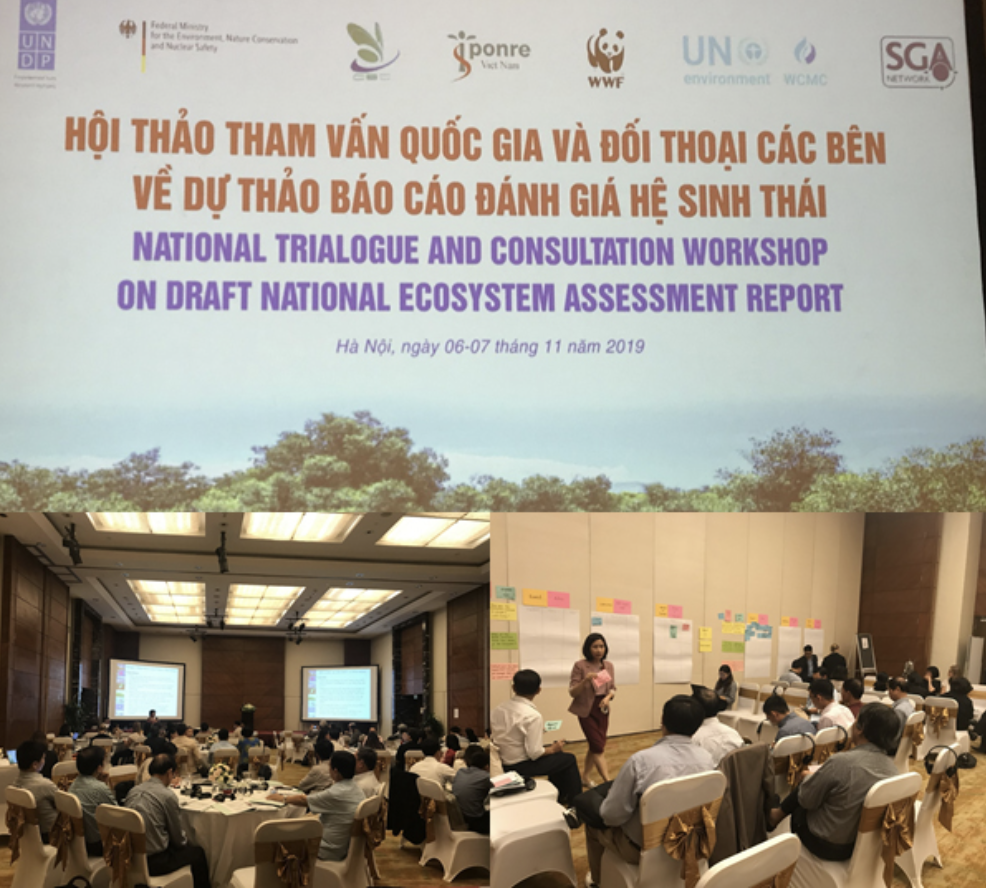
Trialogue for the Countries Supported by the BES Solution Fund
Location: Hanoi, Viet Nam
Participating Countries: Cameroon, Colombia, Ethiopia, Kazakhstan, Kenya, Nigeria, Trinidad and Tobago, Viet Nam
View Event 
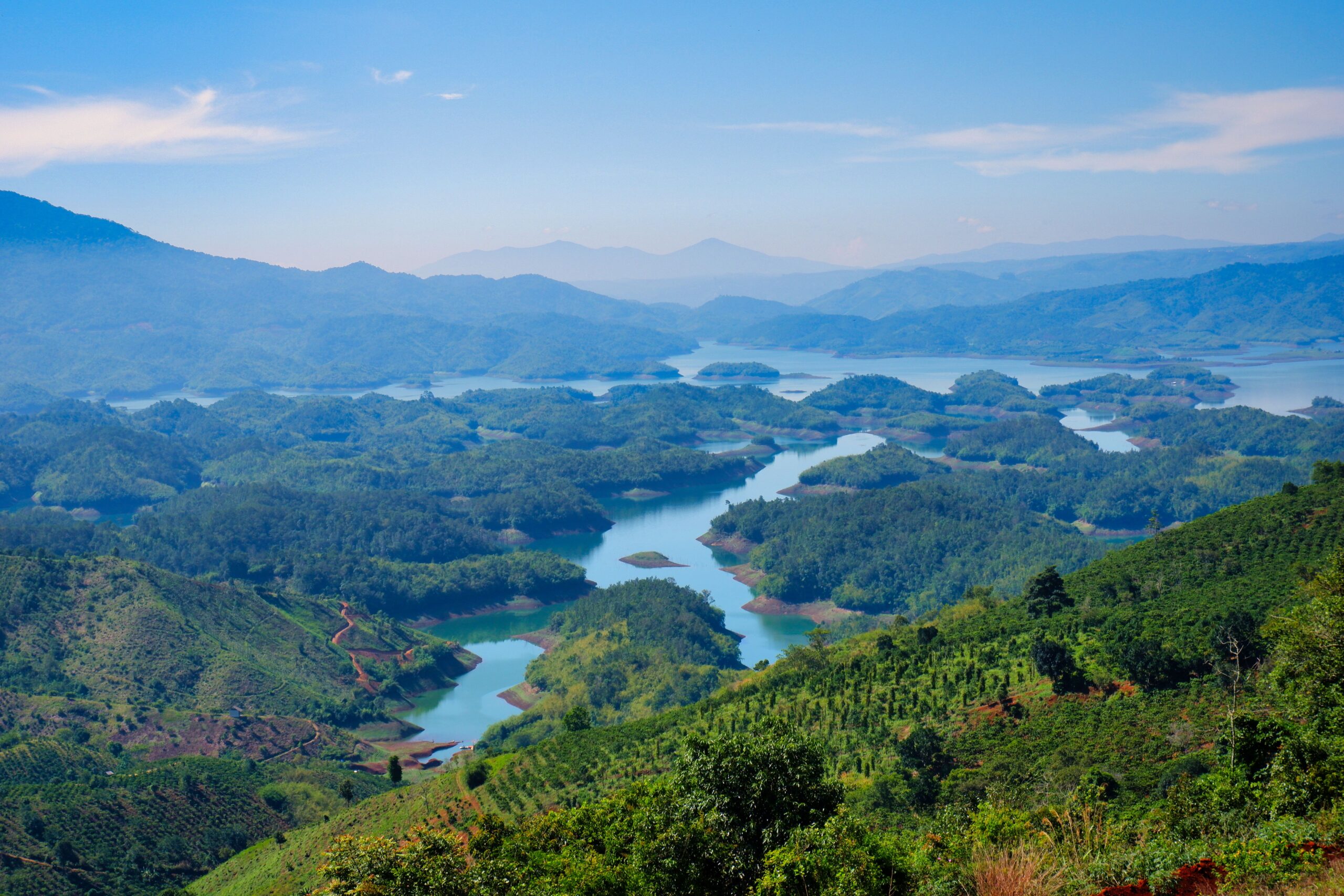
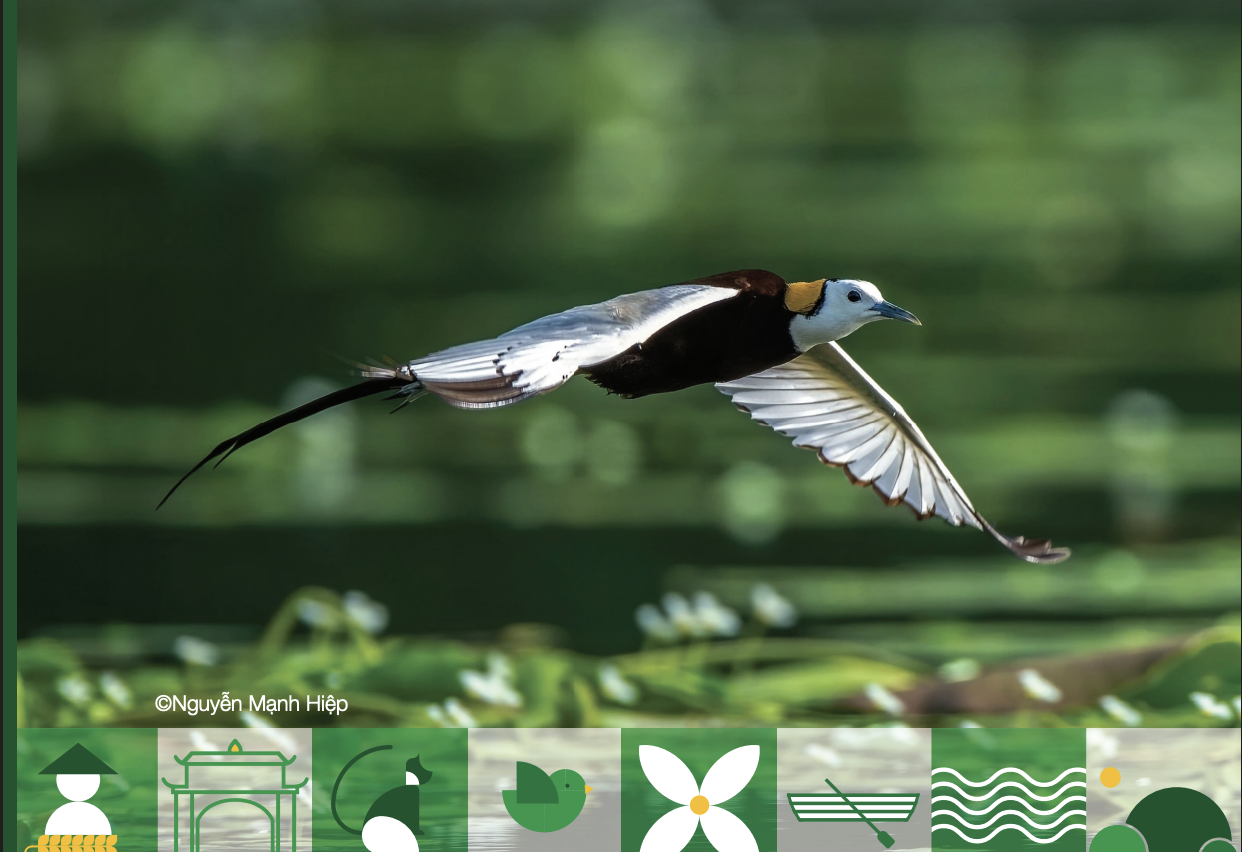
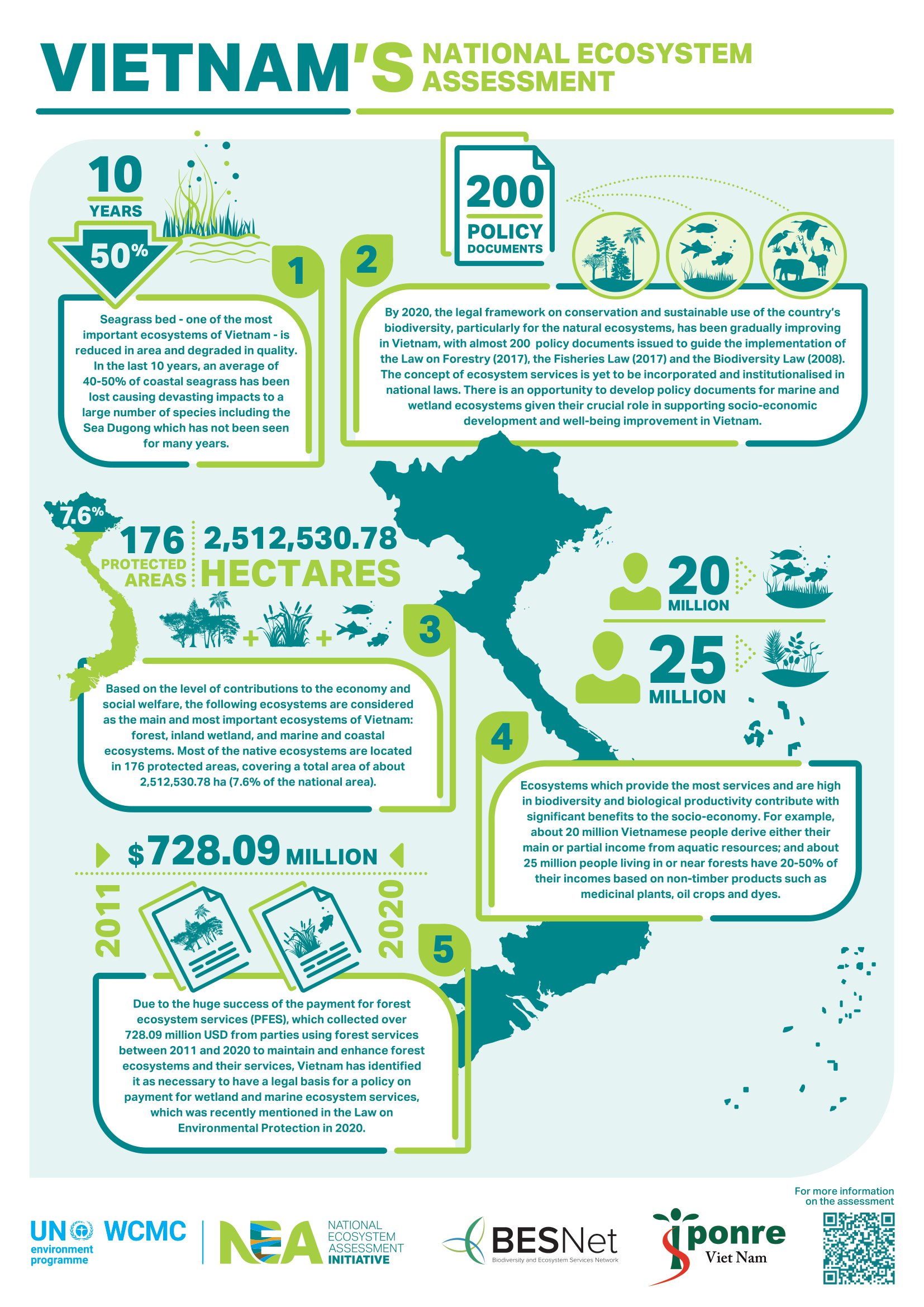
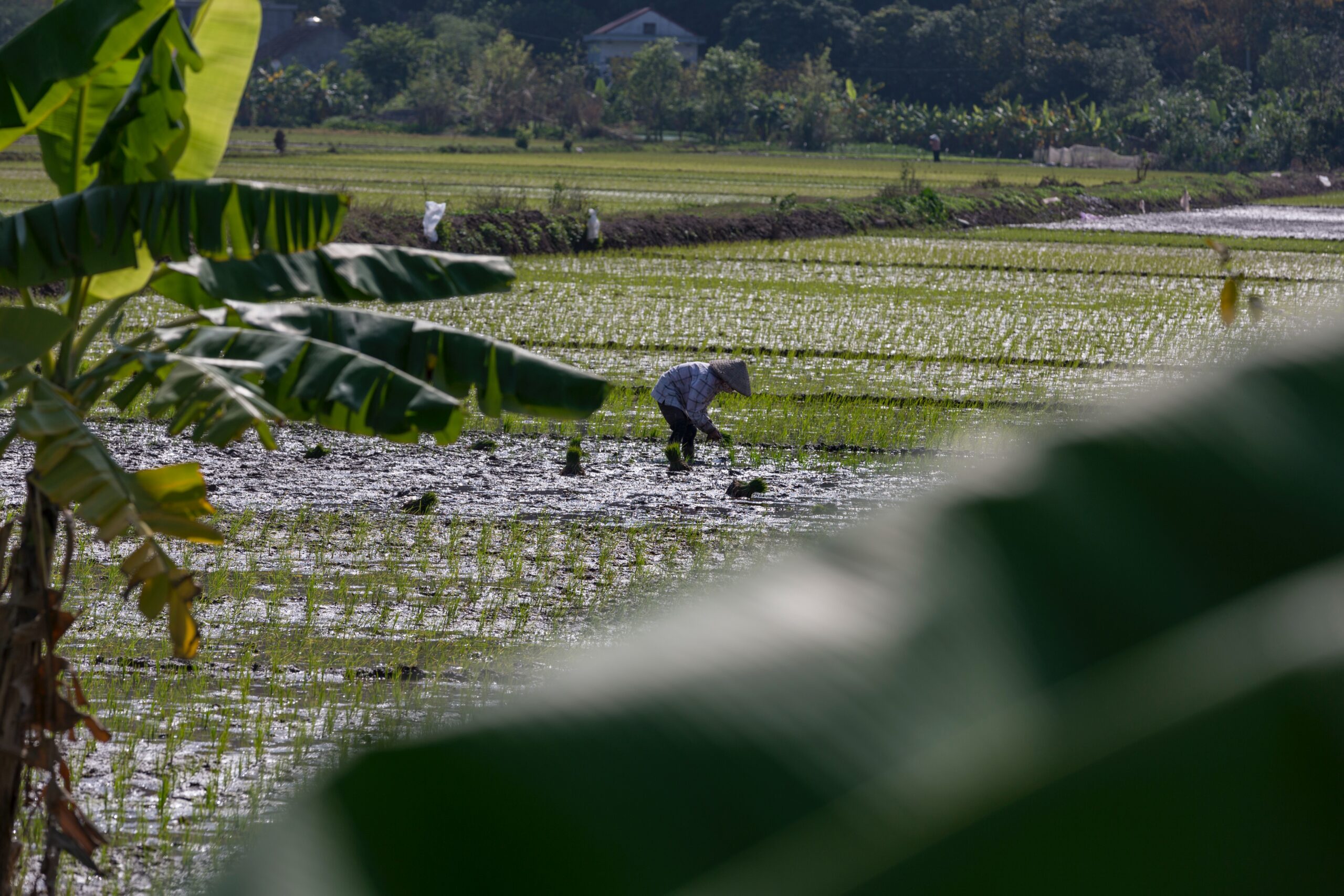
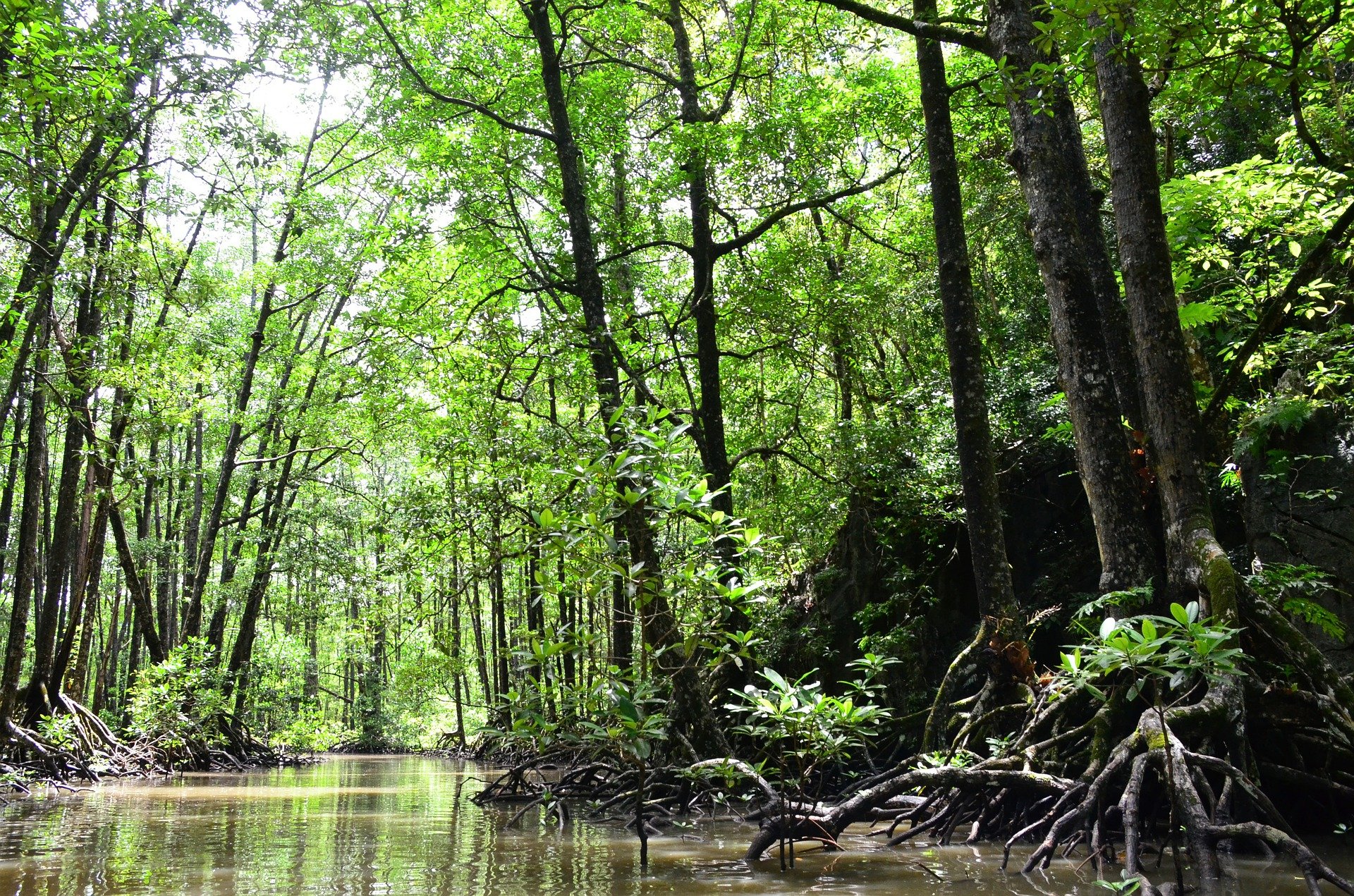
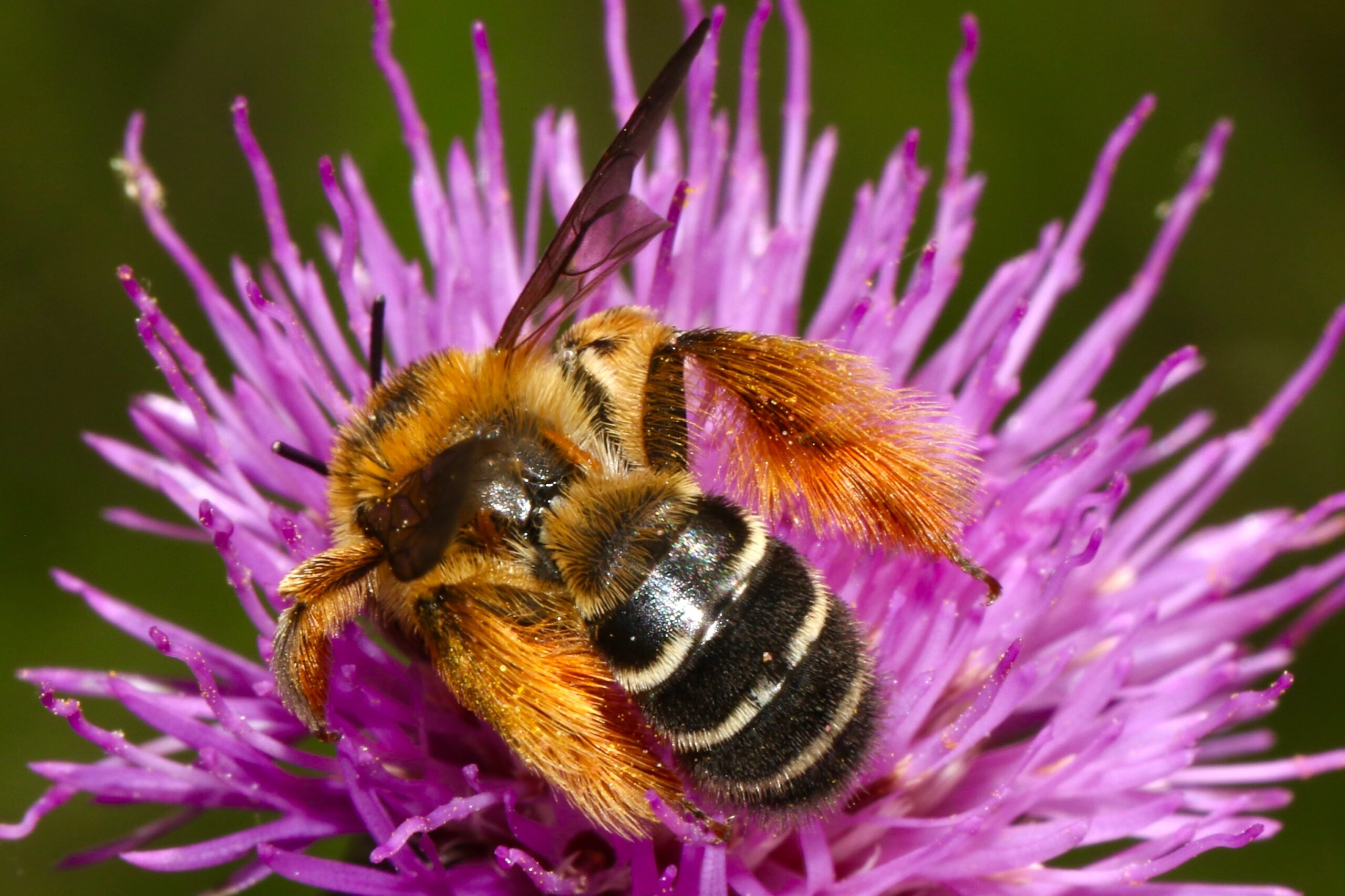
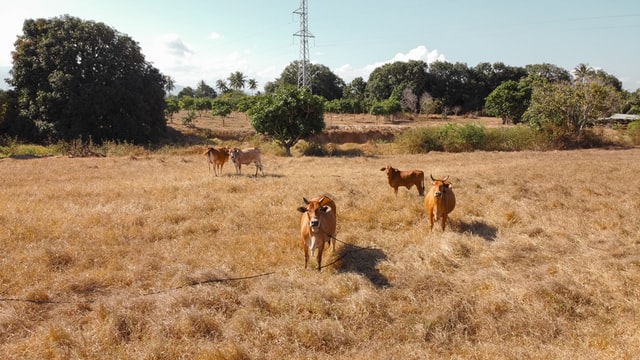
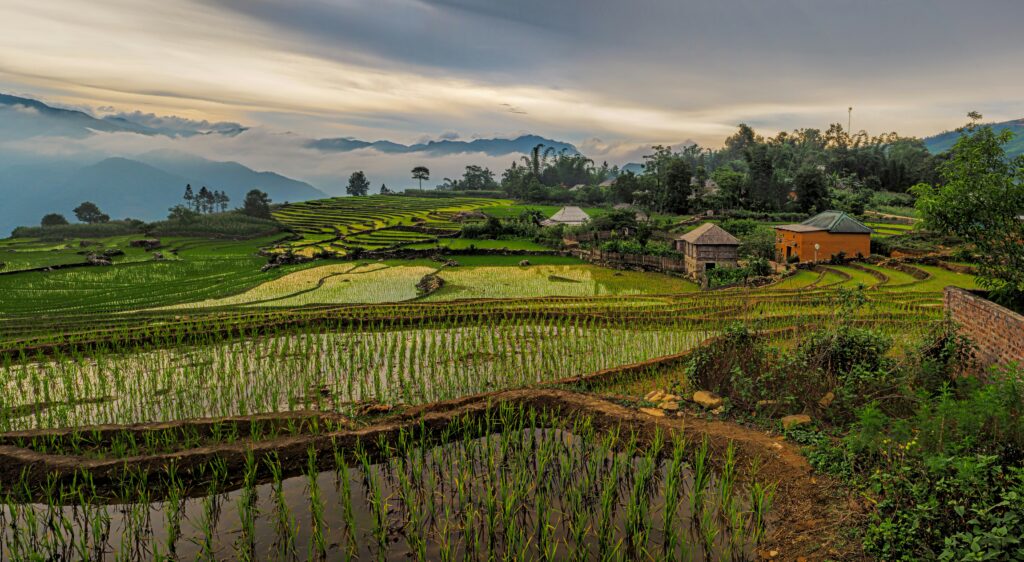
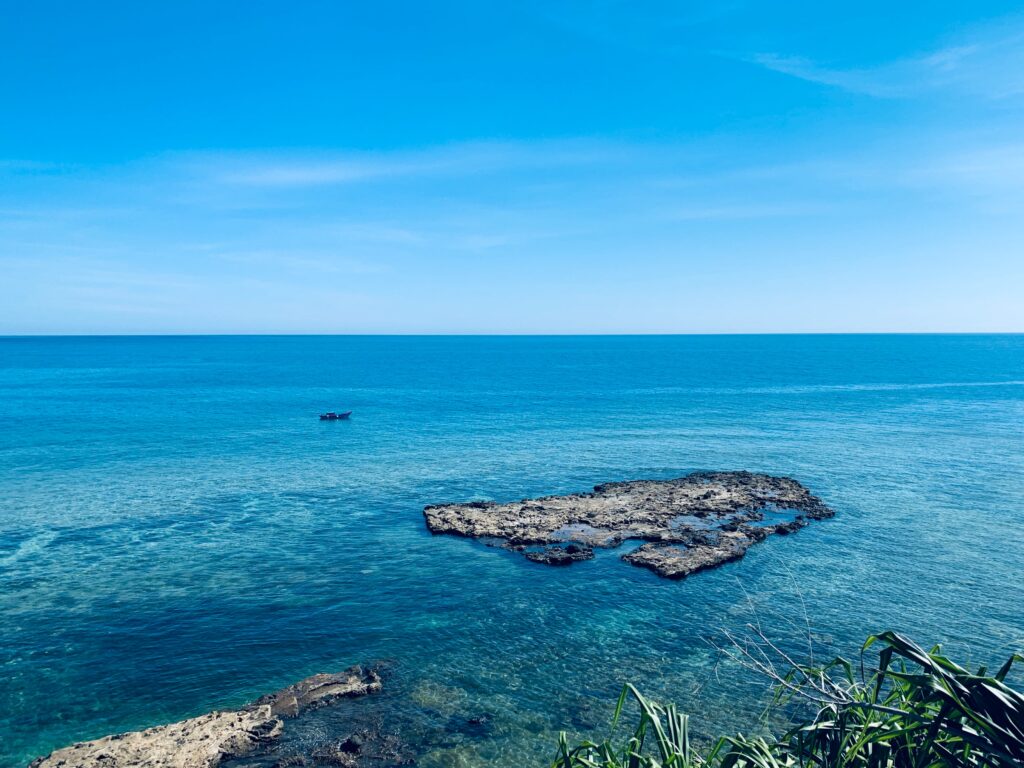
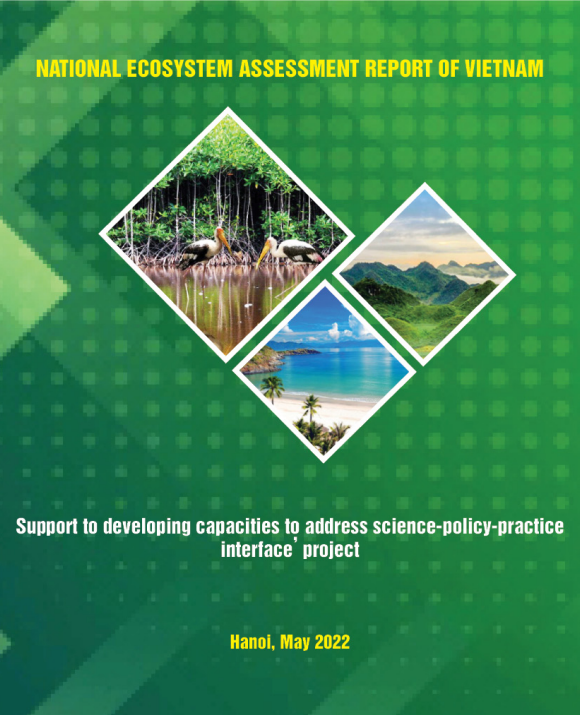
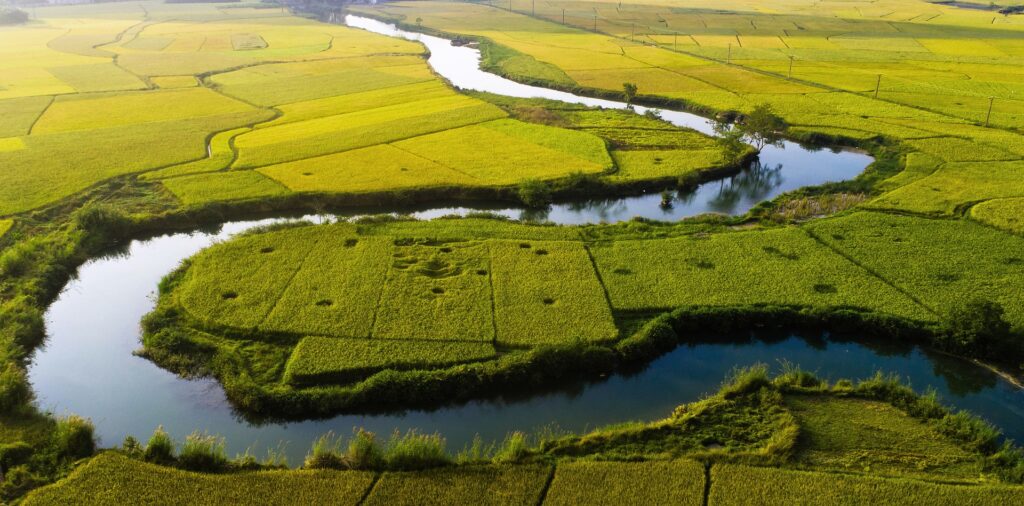
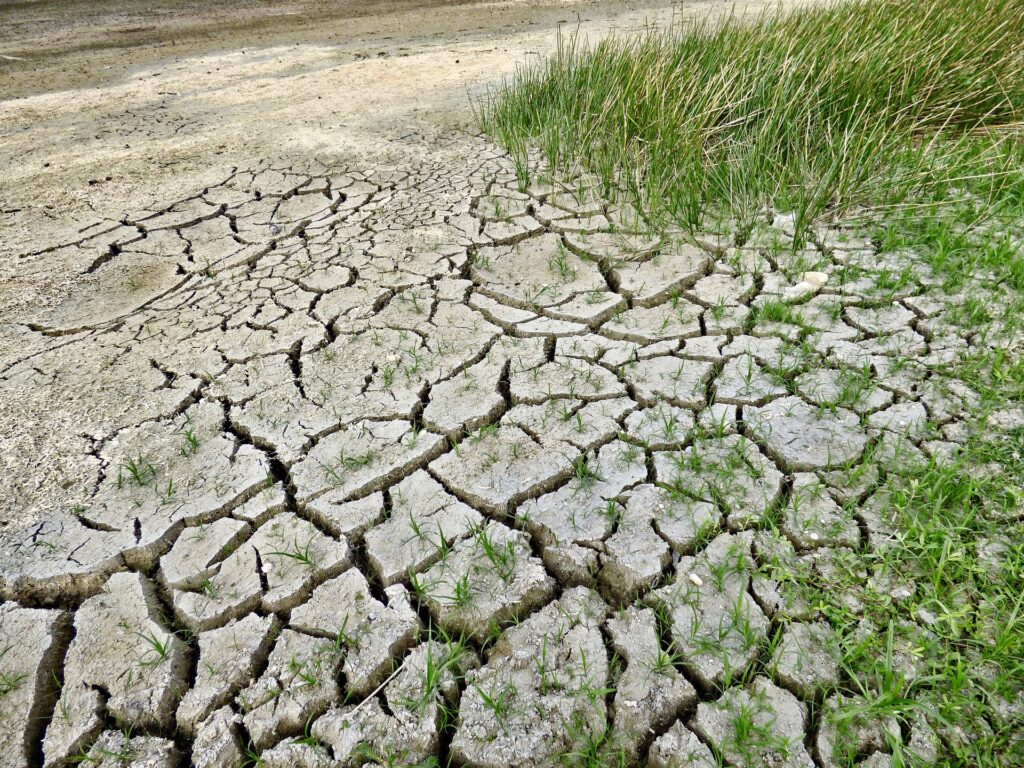
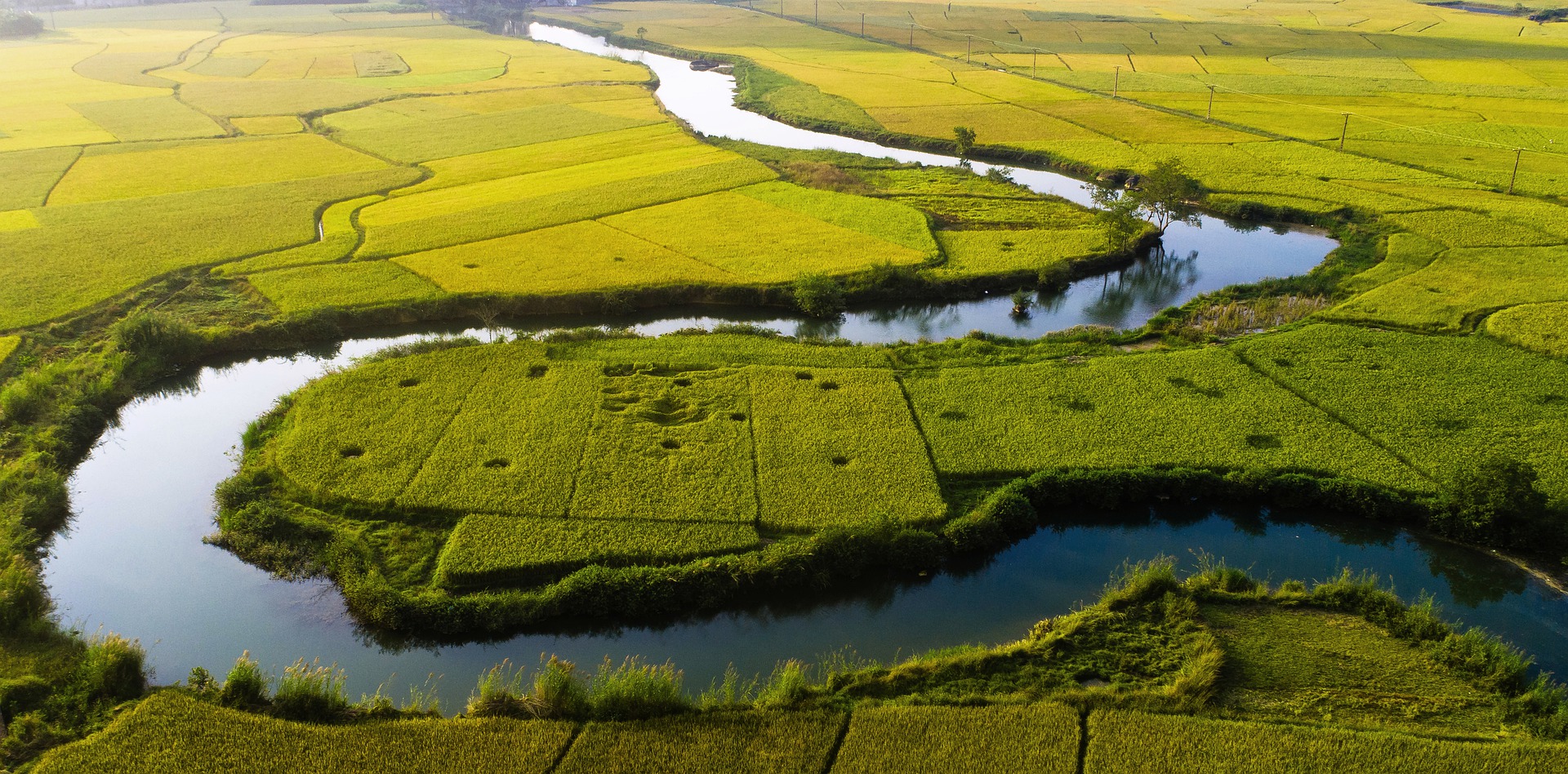
Viet Nam is one of the countries in the world with the highest biodiversity and a wide range of ecosystems, including mountains, tropical forests, karst/limestone and marine and coastal ecosystems. Around 10 per cent of Viet Nam’s flora and over 100 bird species are endemic to the country.
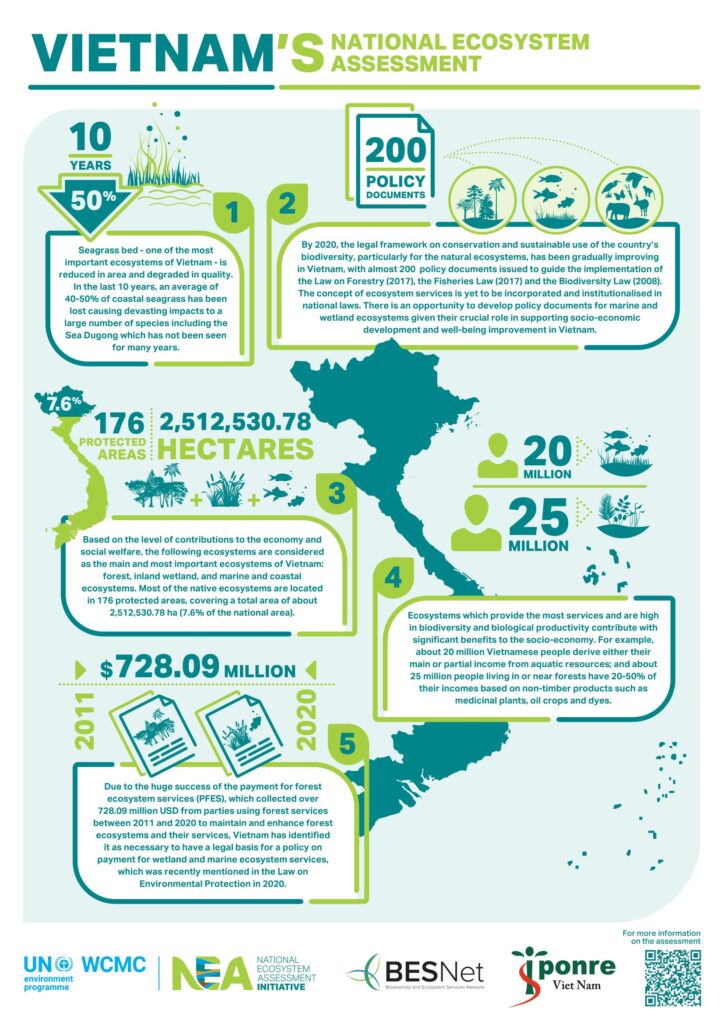
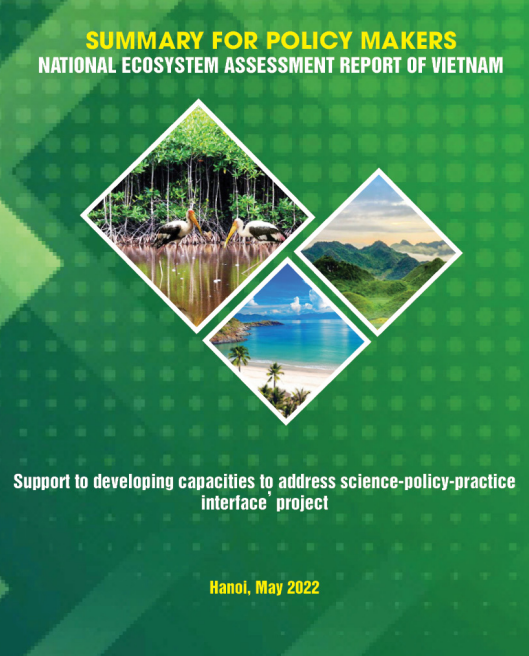
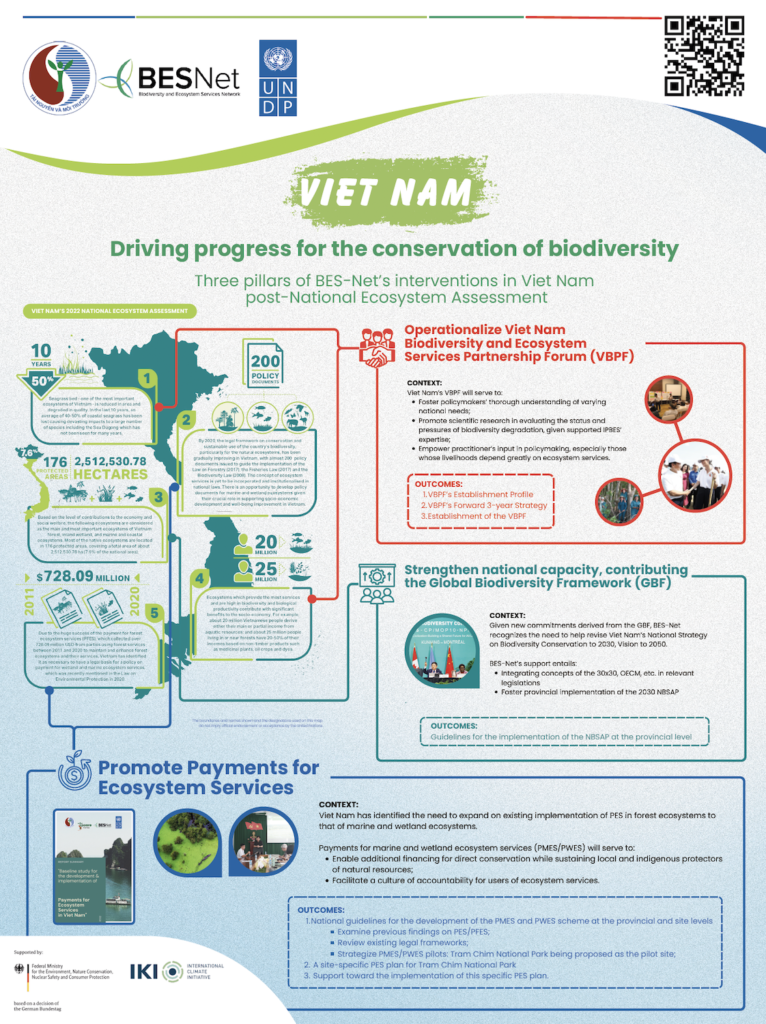
As part of protecting the country’s rich biodiversity, Viet Nam undertook a national ecosystem assessment under BES-Net Phase I. With strong institutional backing from MONRE (now MAE), ISPONRE (now ISPAE) and technical coordination by the Center for Biodiversity Conservation, the assessment was launched in 2022 and provided comprehensive national insights on biodiversity and ecosystem services, including their status, drivers of change and policy options. The assessment findings informed key national policies such as the Law on Environmental Protection and national biodiversity strategies. Building on this foundation, Viet Nam was prioritized under BES-Net Phase II through the BES Solution Fund (May 2022 to September 2025) to further operationalize and scale the uptake of assessment findings in policy and practice.
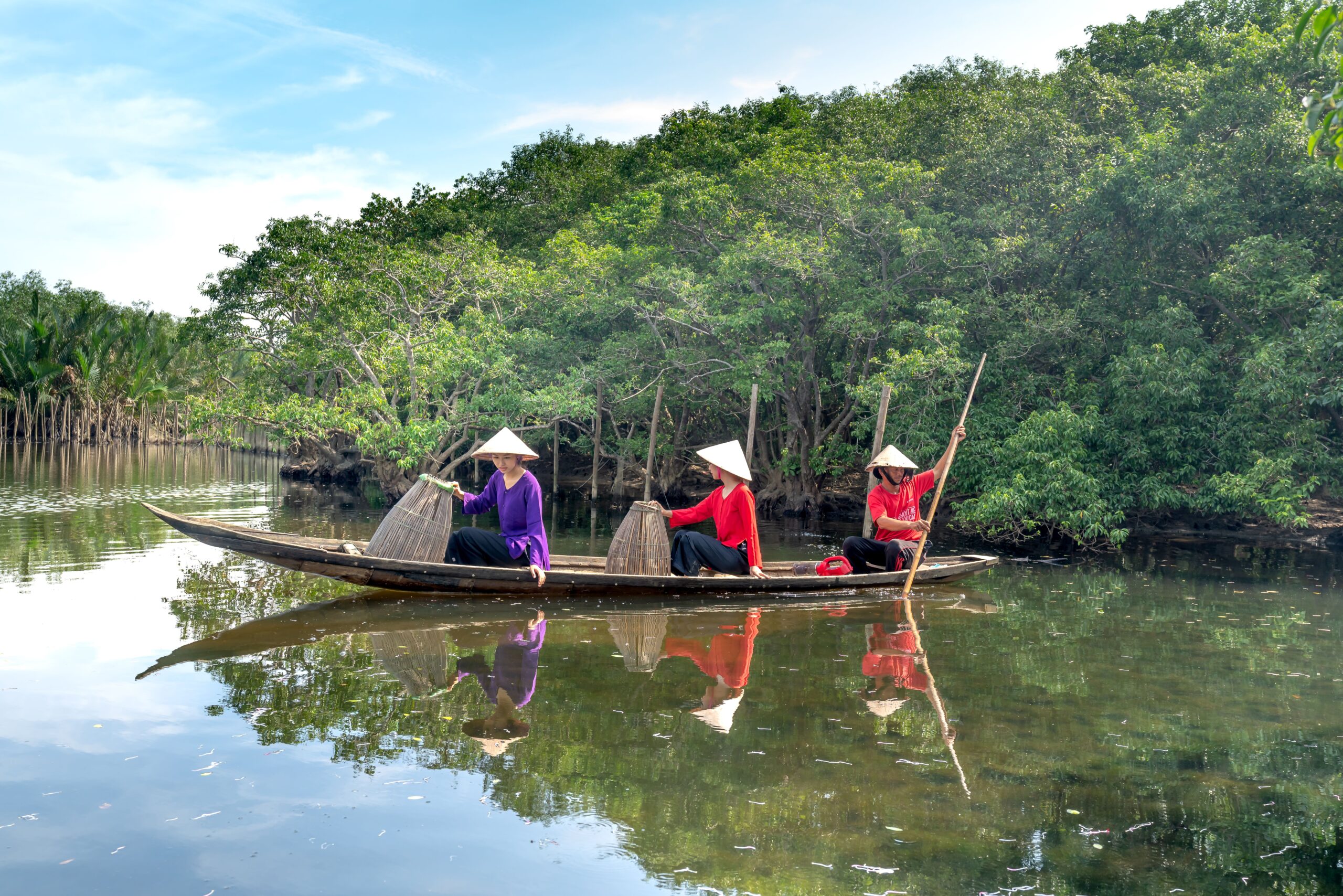
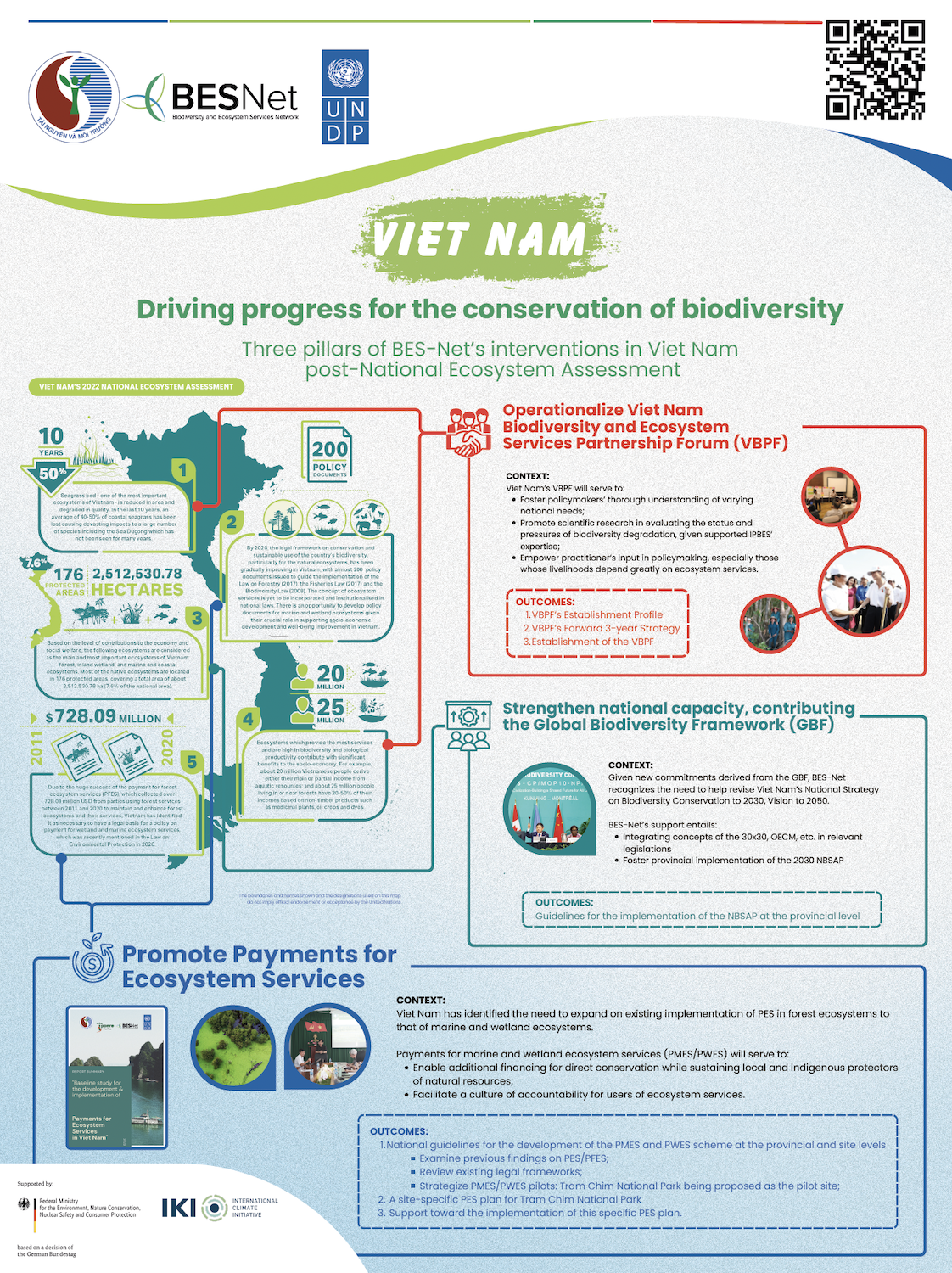
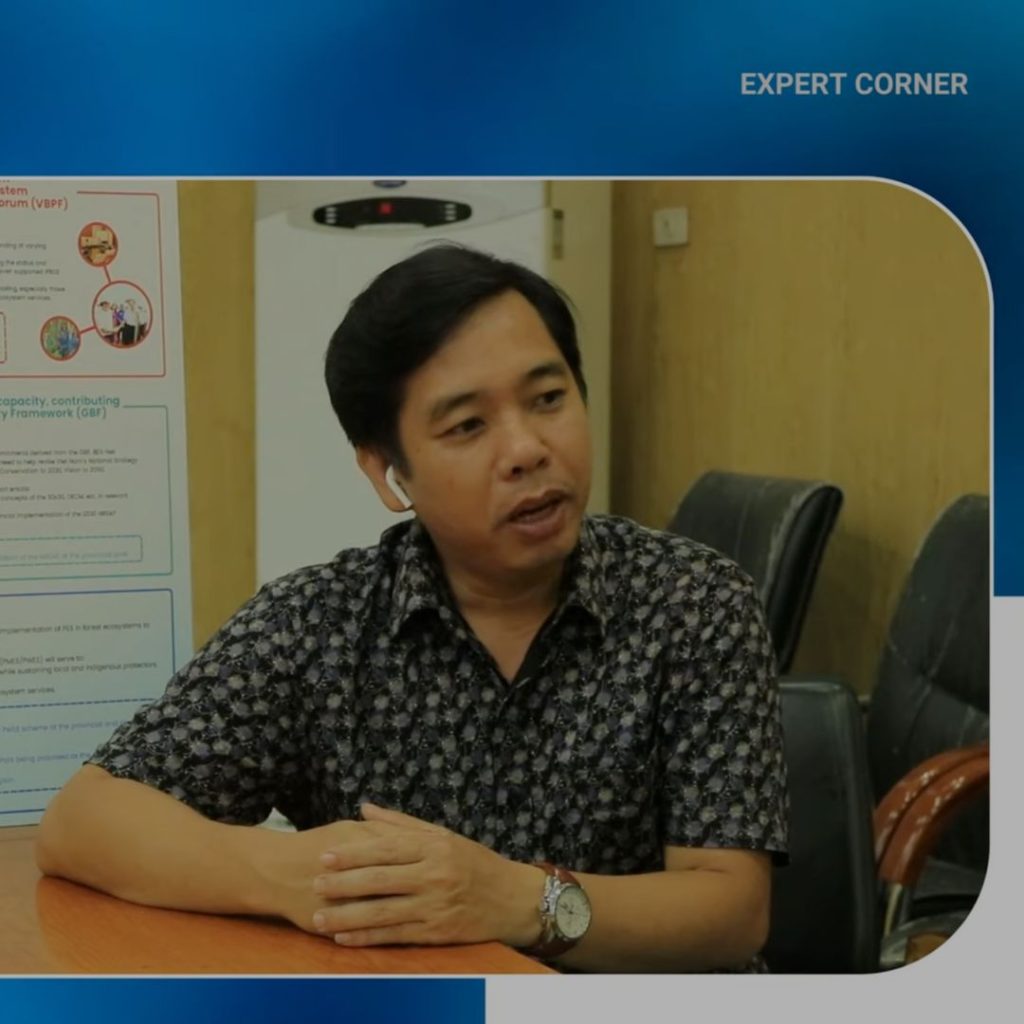
A key achievement of the BES Solution Fund in the country has been the strengthening of institutional frameworks and policy tools to support biodiversity mainstreaming. This included the development of a three-year strategy toward formalizing the Viet Nam Biodiversity and Ecosystem Services Partnership Forum as a national science-policy-practice platform, now at approval stage. In parallel, national technical and policy guidelines for marine and wetland ecosystems were developed and adopted, alongside the piloting of a Payment for Wetland Ecosystem Services scheme in Tram Chim National Park. Capacity-building through training of trainers across multiple provinces further strengthened the potential for scaling ecosystem service-based approaches. Additionally, guidelines for provincial implementation of Viet Nam’s NBSAP 2030 were developed, supporting localization of biodiversity actions and reinforcing alignment with national ecosystem assessment and IPBES knowledge.
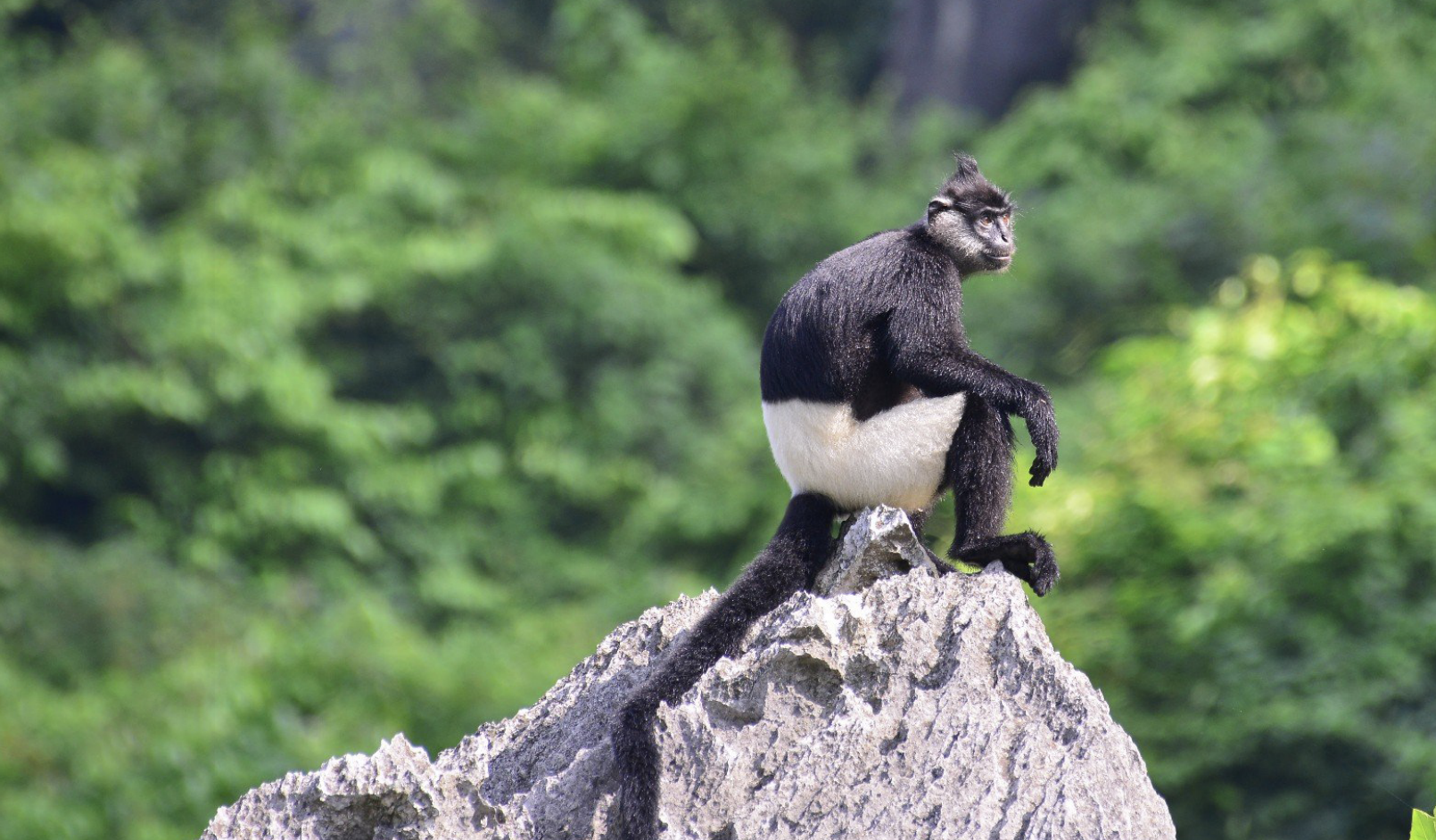
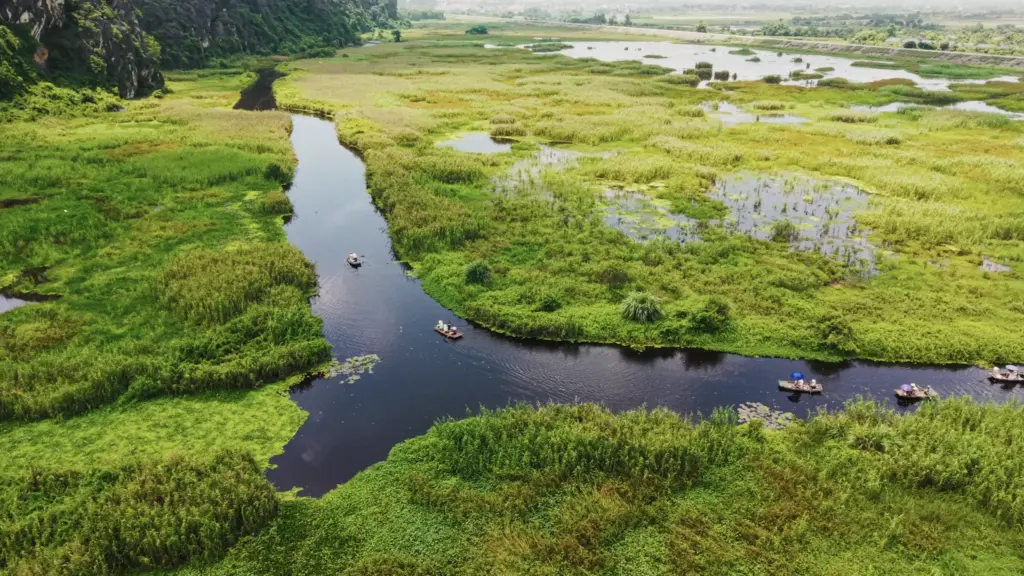
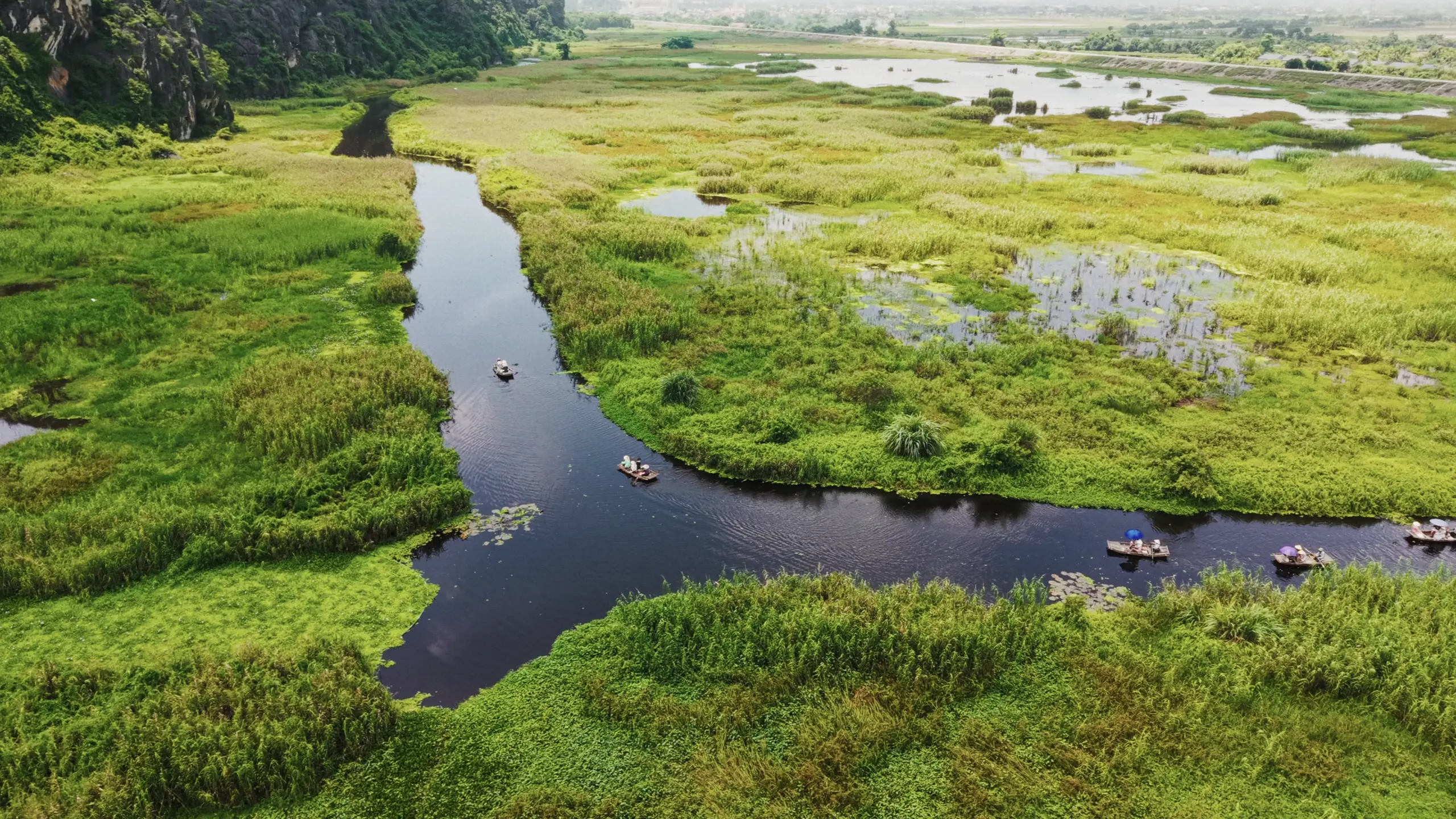
At the implementation level, the BES Solution Fund advanced both knowledge uptake and on-the-ground conservation outcomes. The translation and dissemination of IPBES Summary for Policymakers for the Invasive Alien Species and Sustainable Use of Wild Species assessments improved accessibility and awareness among national and subnational stakeholders. Practical conservation actions included the restoration of approximately 110 hectares of Sarus Crane habitat in Tram Chim National Park and the promotion of flood-adapted livelihoods in surrounding communities, demonstrating integrated ecosystem management approaches. Community-based ecotourism initiatives in Van Long Nature Reserve further contributed to sustainable ecosystem use while protecting critical habitats for endangered species such as the Delacour’s langur. Together, these achievements demonstrate how Viet Nam has effectively translated national ecosystem assessment and IPBES insights into policy innovation, institutional strengthening and tangible biodiversity conservation outcomes.
Start of BES Solution Fund implementation period: 1 May 2022
End of BES Solution Fund implementation period: 30 September 2025
Implementing agency: Center for Biodiversity Conservation (CBC) under Vietnam Union of Science and Technology Associations (VUSTA) for the national ecosystem assessment process; UNDP Viet Nam for the BES Solution Fund
Government partner: Ministry of Agriculture and Environment