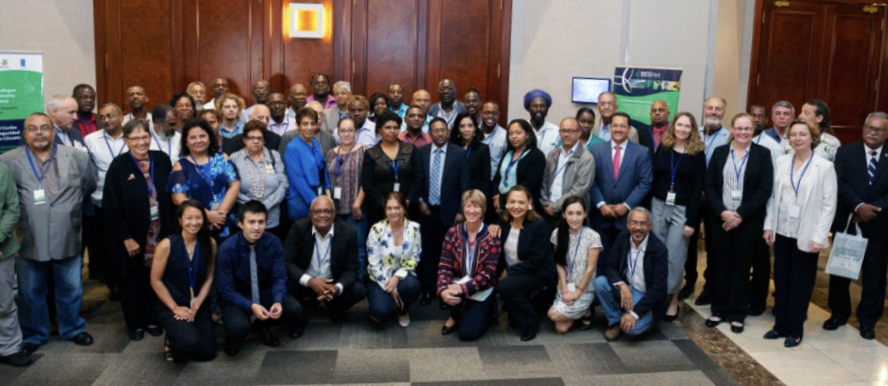
Second Caribbean Regional Trialogue
Location: Port of Spain, Trinidad and Tobago
Participating Countries: Antigua and Barbuda, Guyana, Cuba, Dominica, Dominican Republic, Grenada, Trinidad and Tobago
View Event 
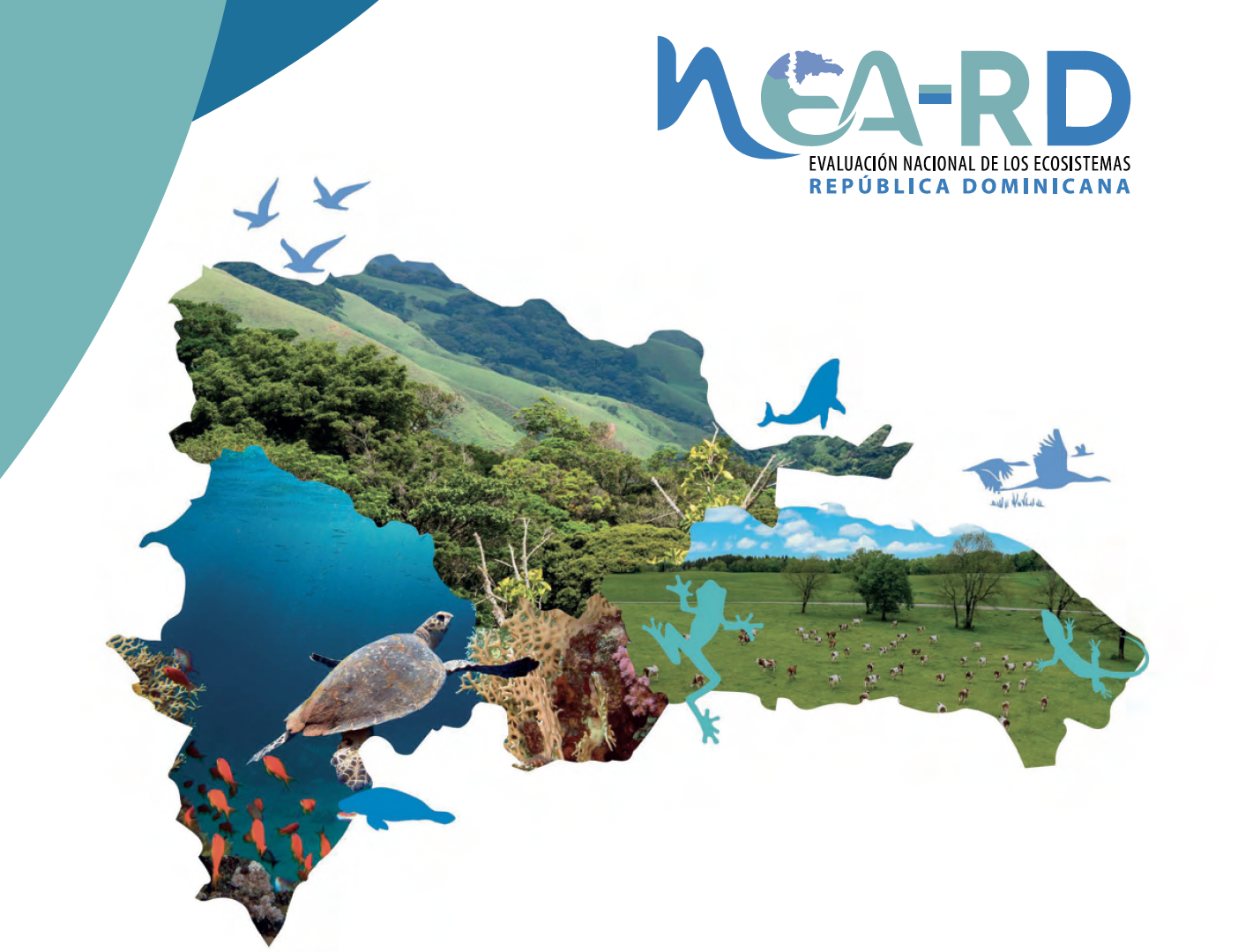
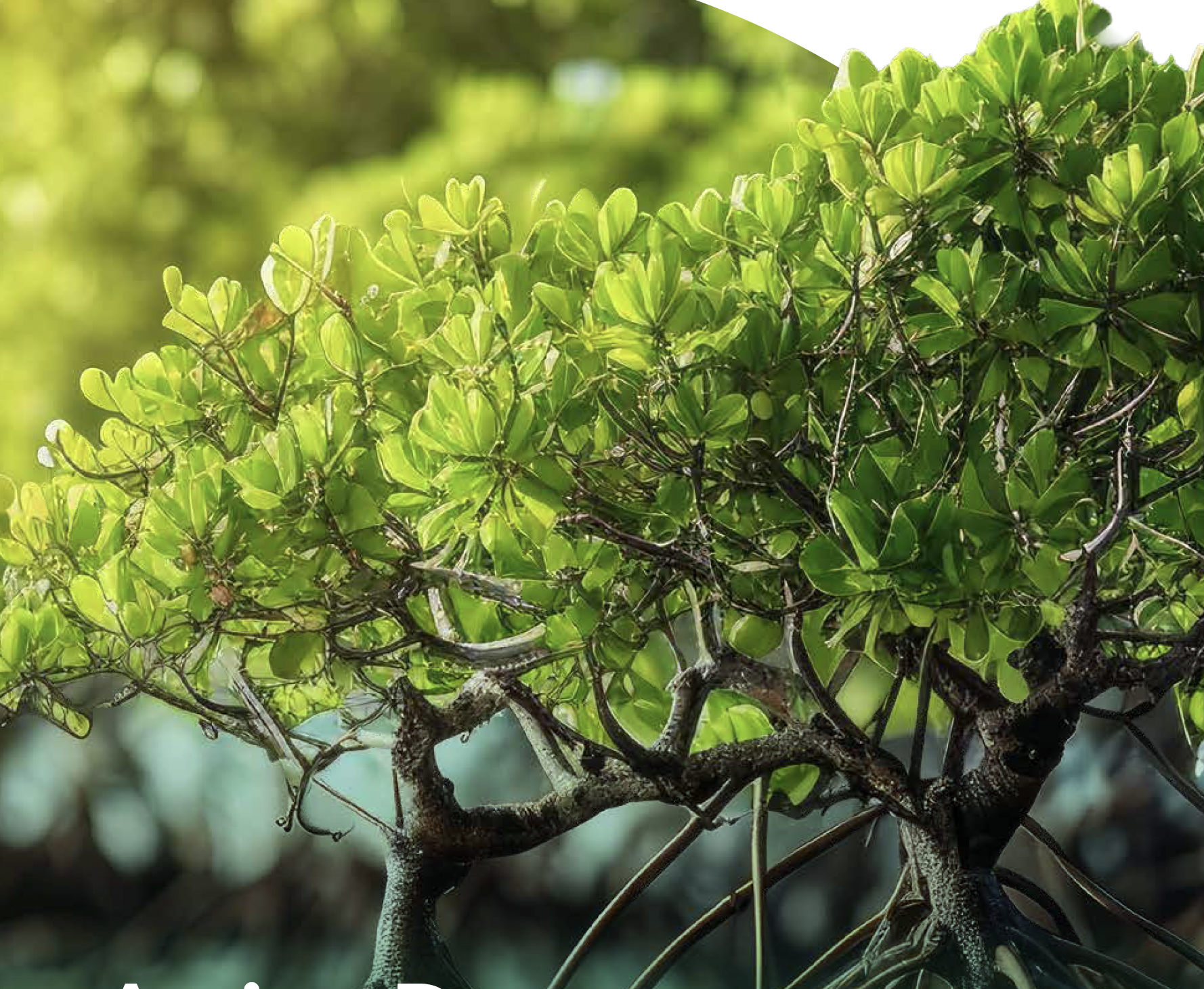
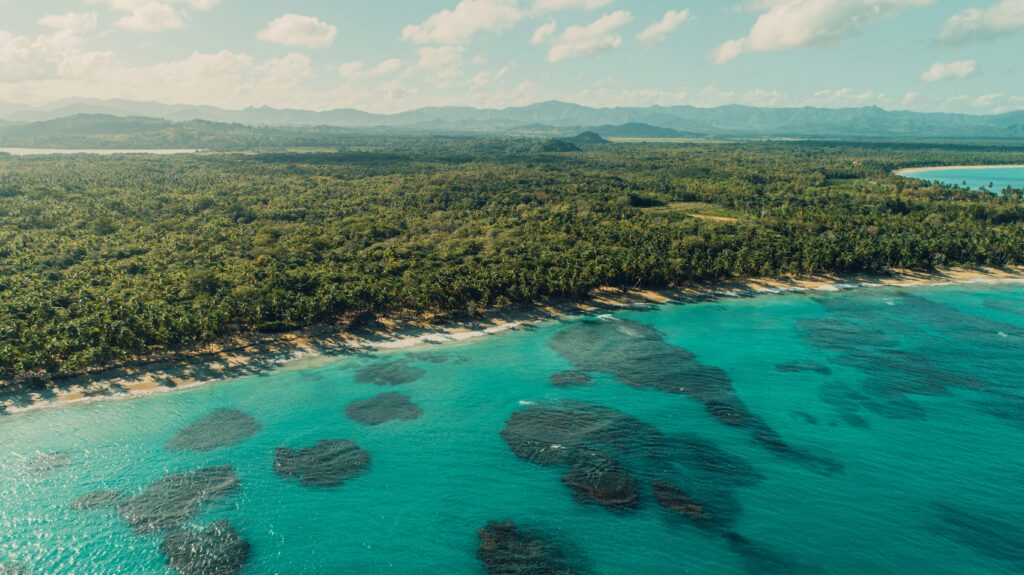
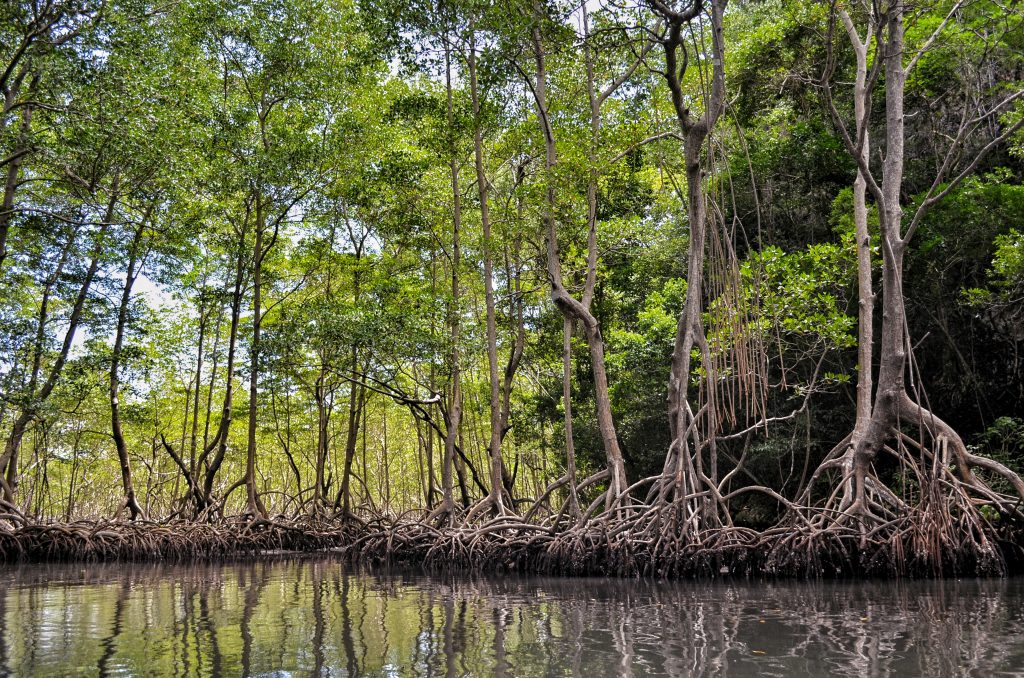
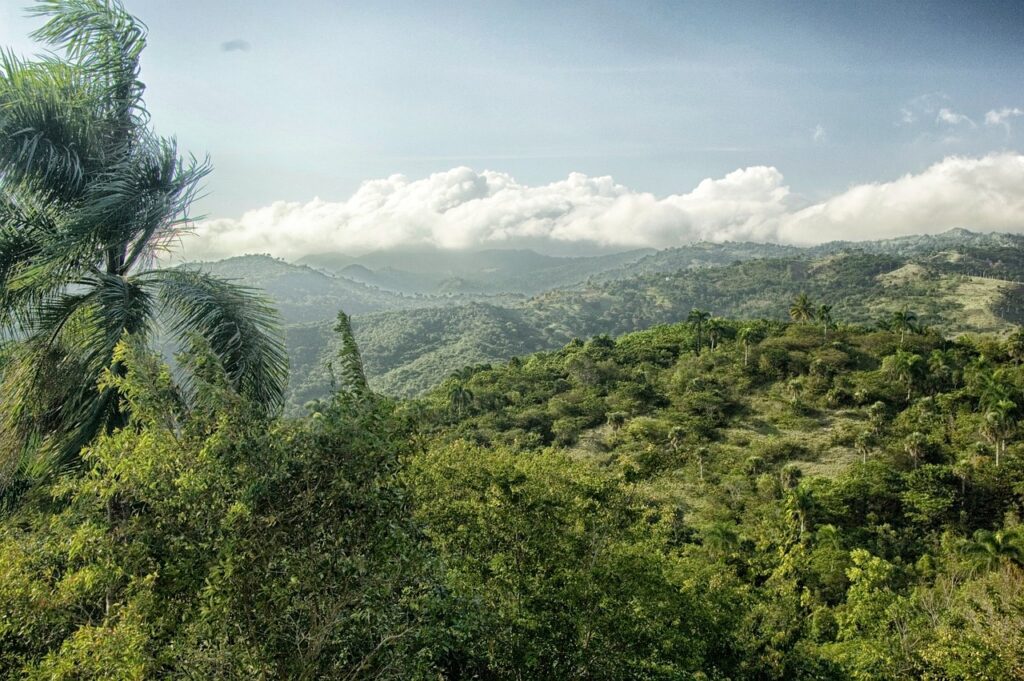
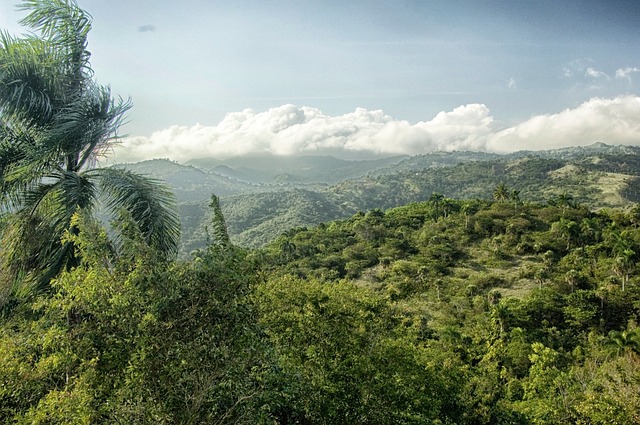
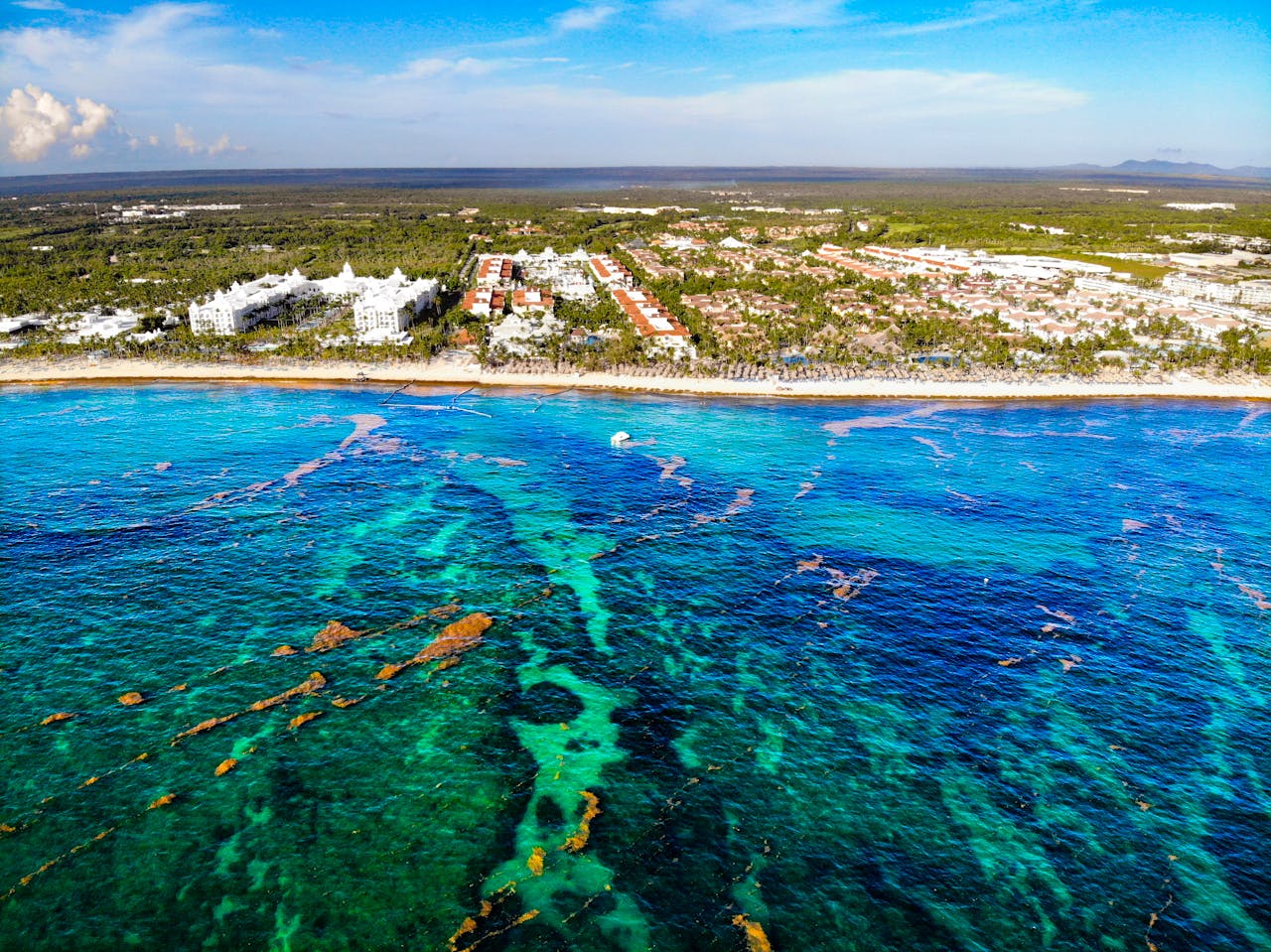
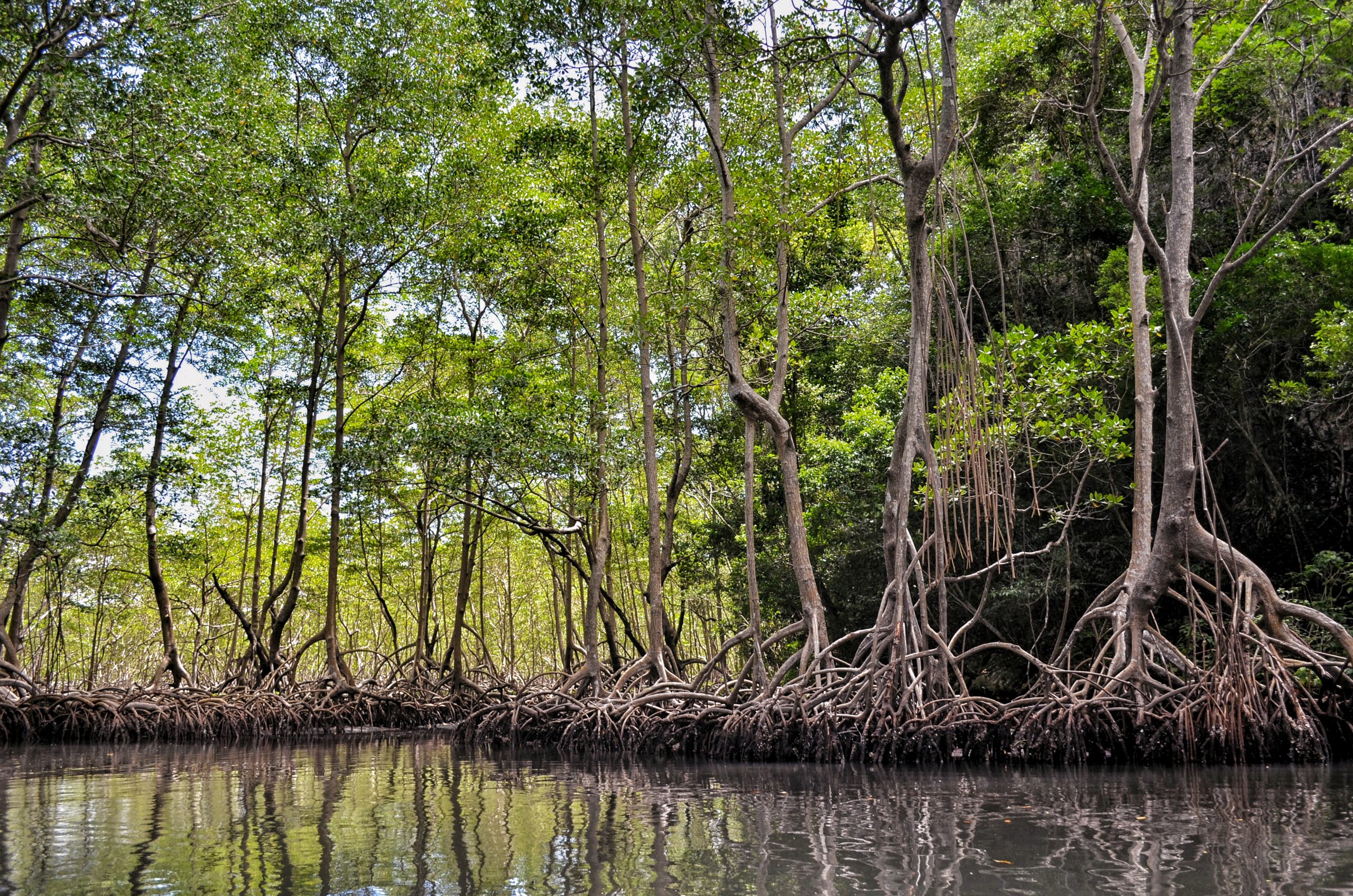
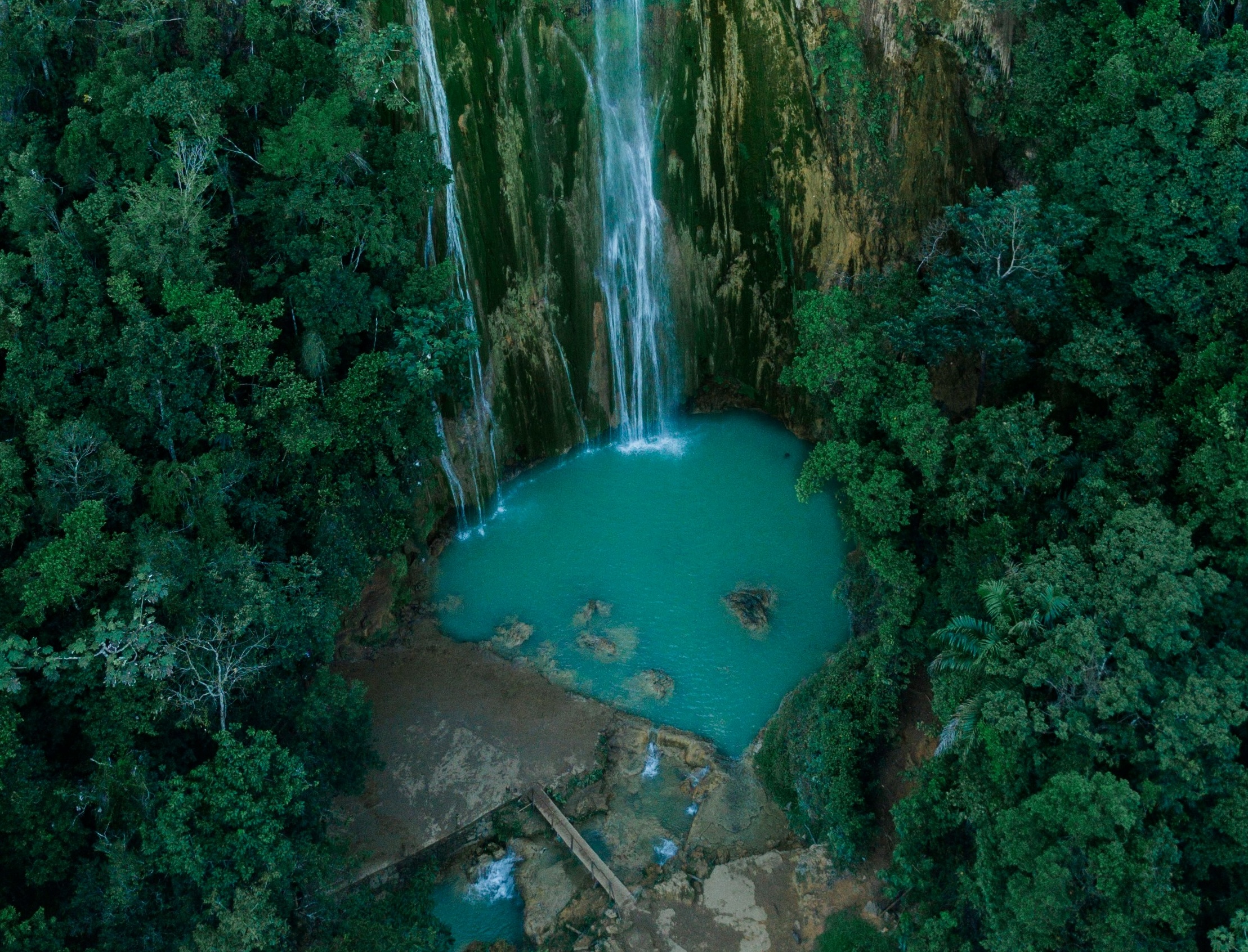
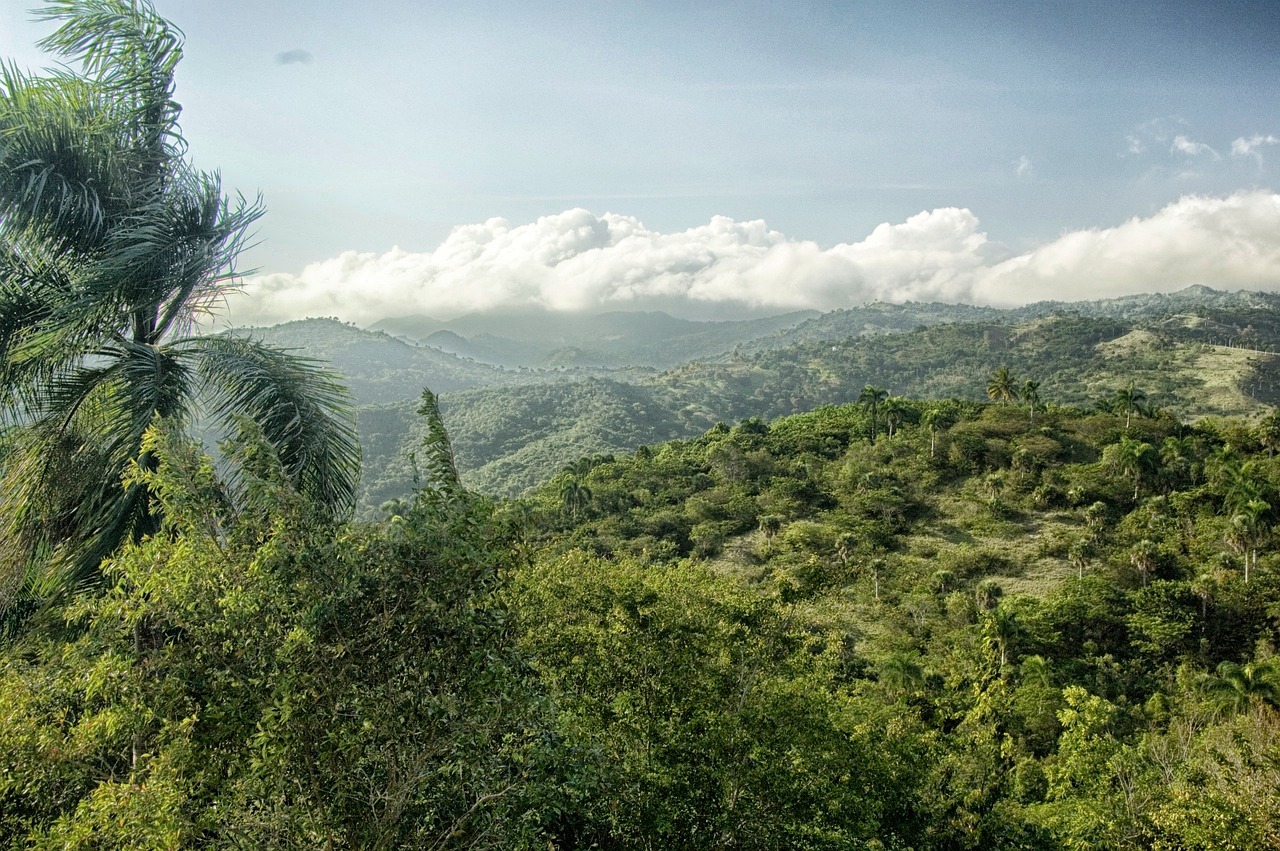
The Dominican Republic is one of the Caribbean’s most biodiverse countries, with landscapes ranging from coastal plains and mangroves to mountain peaks and unique inland depressions. Its rich variety of ecosystems supports a high number of endemic species, but biodiversity is increasingly threatened by land-use change, overexploitation of natural resources, pollution, invasive alien species and the growing impacts of climate change, including hurricanes, floods, storms and droughts.
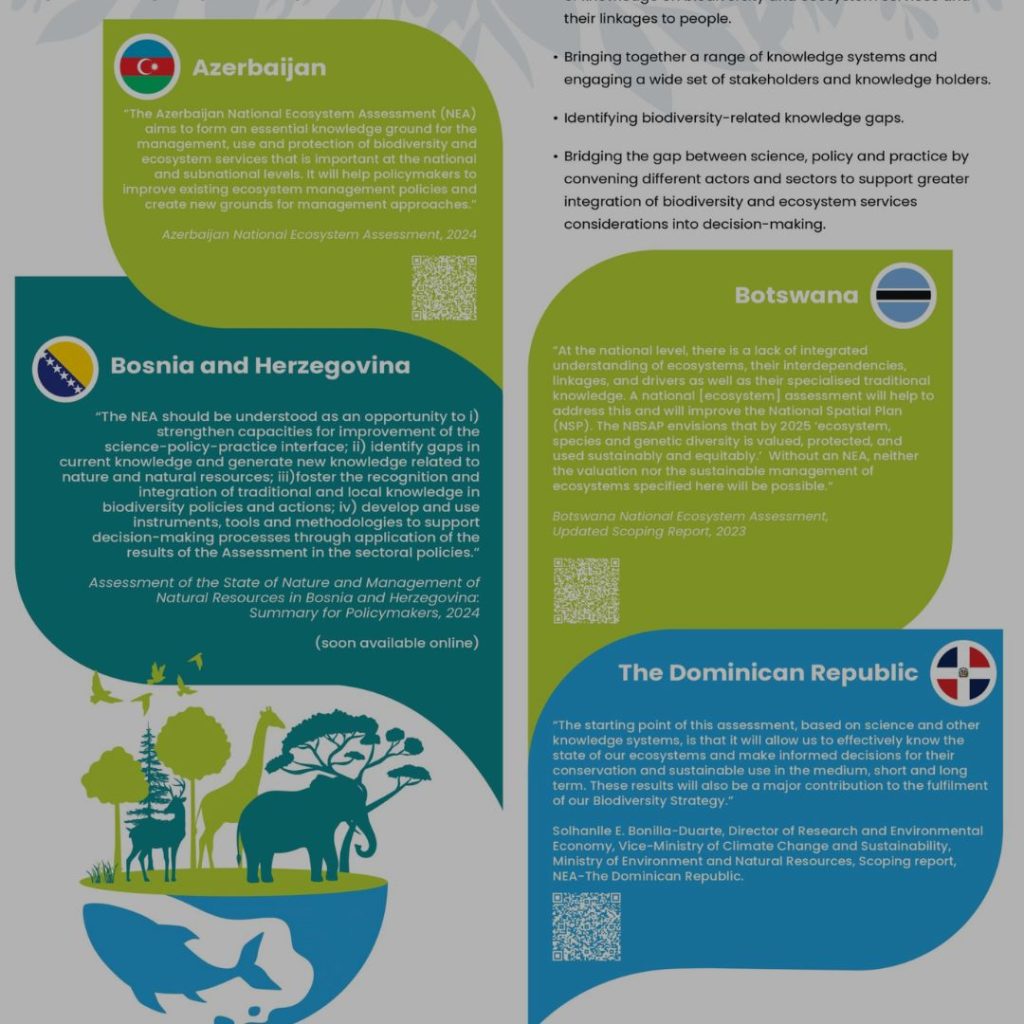
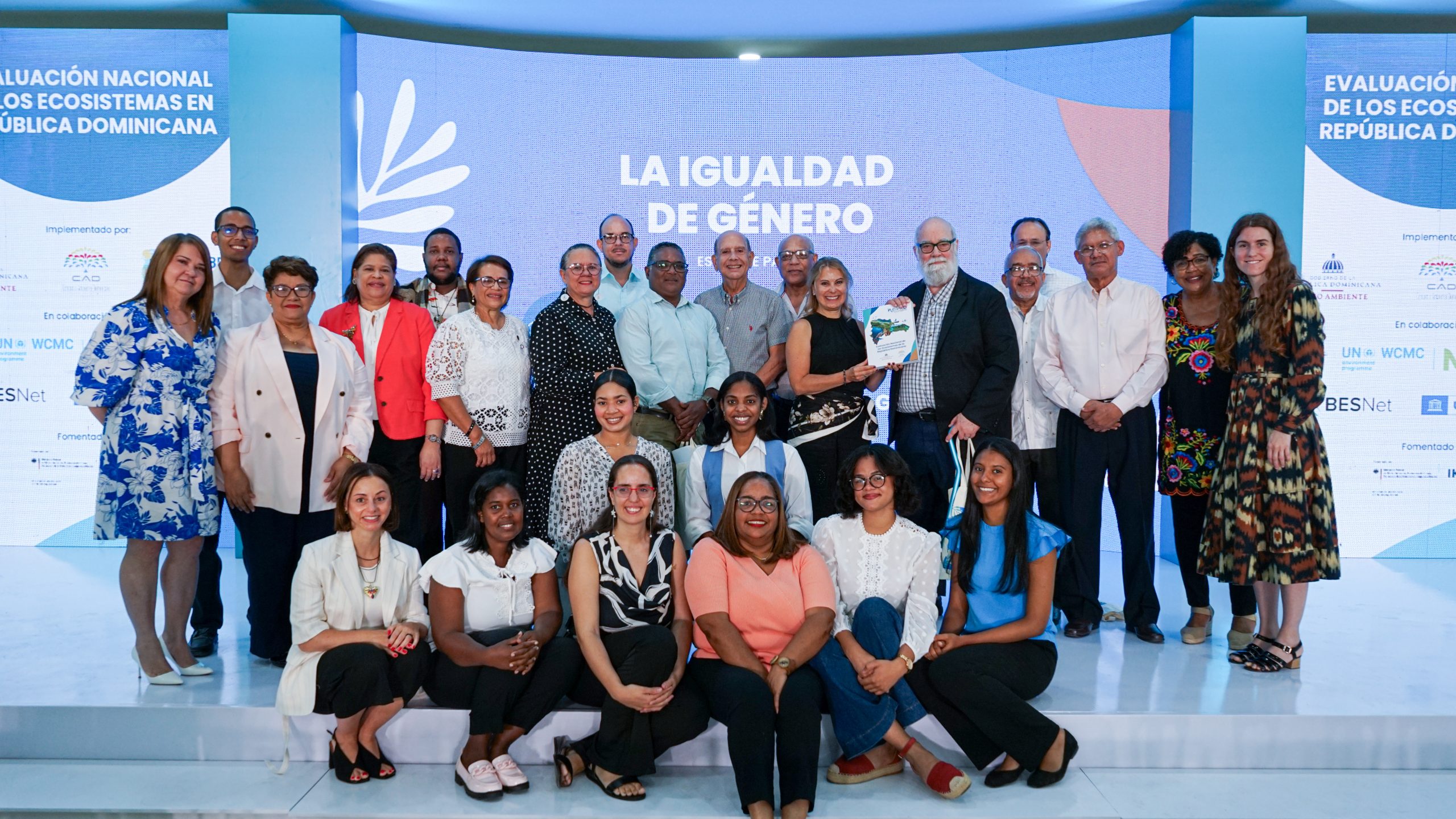
To strengthen evidence-based biodiversity management, the country completed its first-ever national ecosystem assessment, bringing together scientific, Indigenous and traditional knowledge to better inform decision-making and sustainable development planning through a robust evidence base. Building on the assessment’s findings, the Dominican Republic has become the 17th country to receive support from the BES Solution Fund. The initiative will help translate key recommendations into concrete actions that enhance biodiversity governance, knowledge uptake and conservation planning.
Key activities include:
Through these actions, the project aims to strengthen biodiversity governance and provide the knowledge, tools and evidence needed to conserve the Dominican Republic’s unique terrestrial, coastal and marine ecosystems while supporting sustainable development and community livelihoods.
Implementing agency: UNDP Dominican Republic
Government partner: Ministry of Environment and Natural Resources