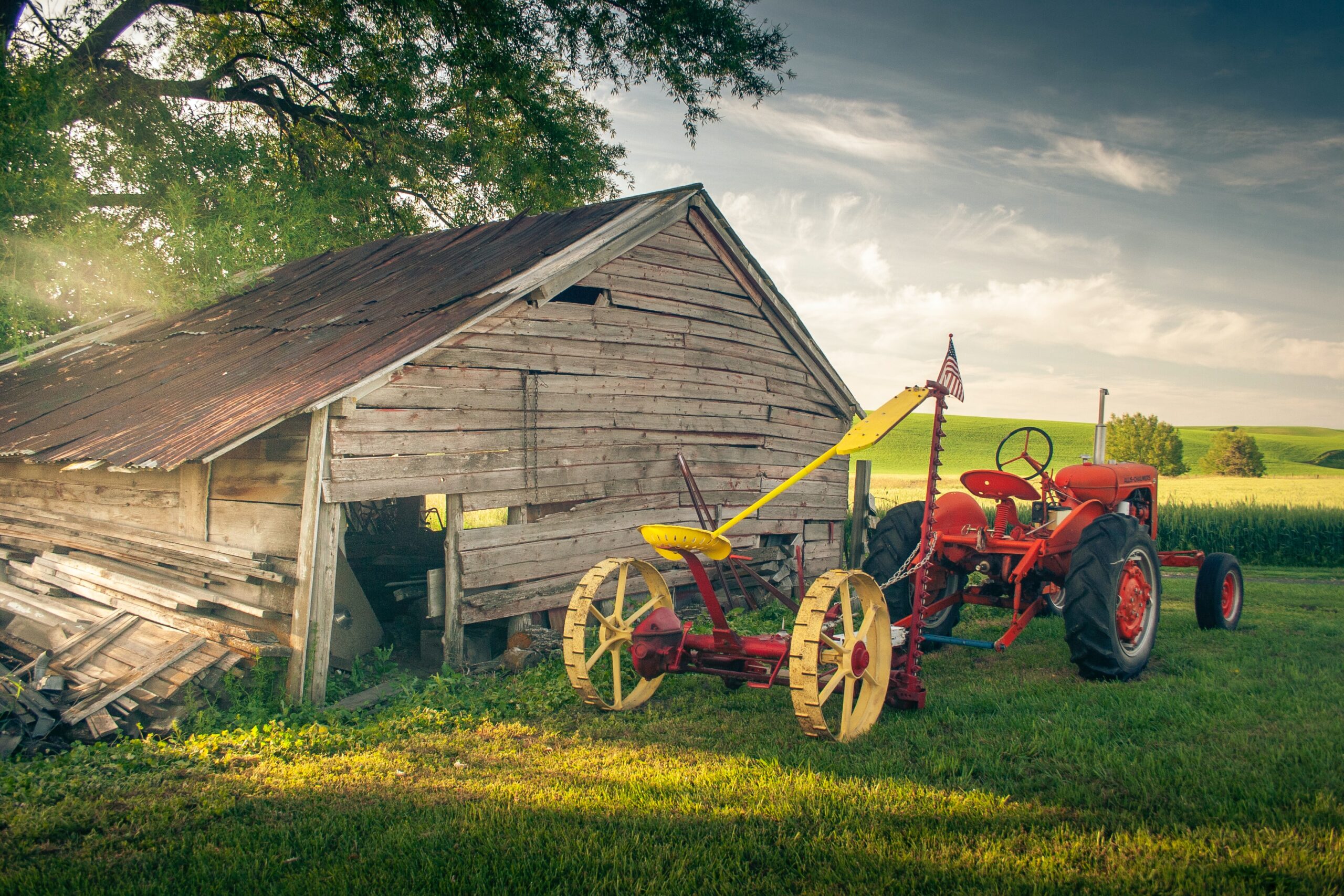
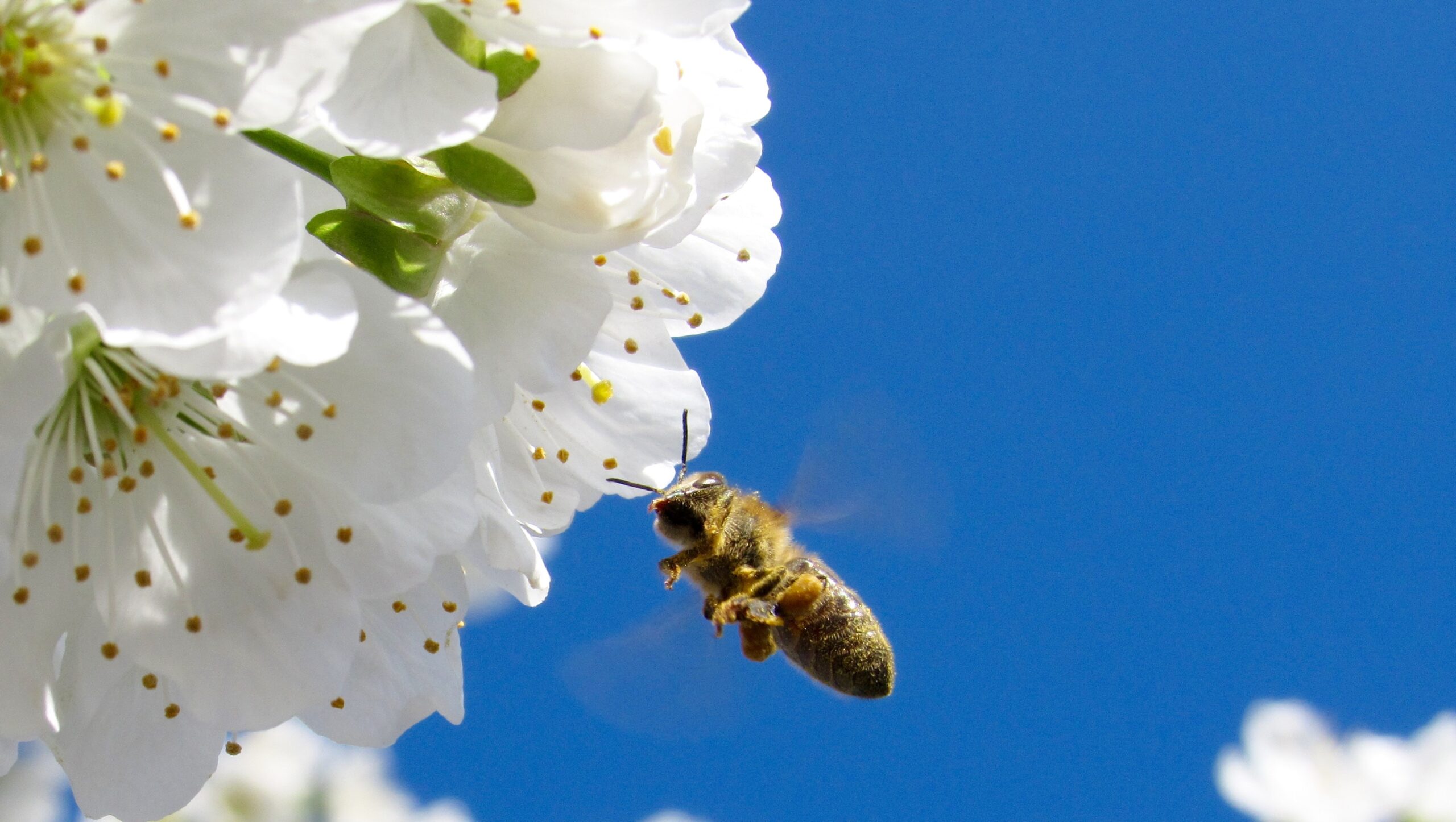
Uncovering the potential for exurban properties and small working farms in the midwestern United States to provide food and refuge for pollinators Creating or restoring habitat is a well-established approach...
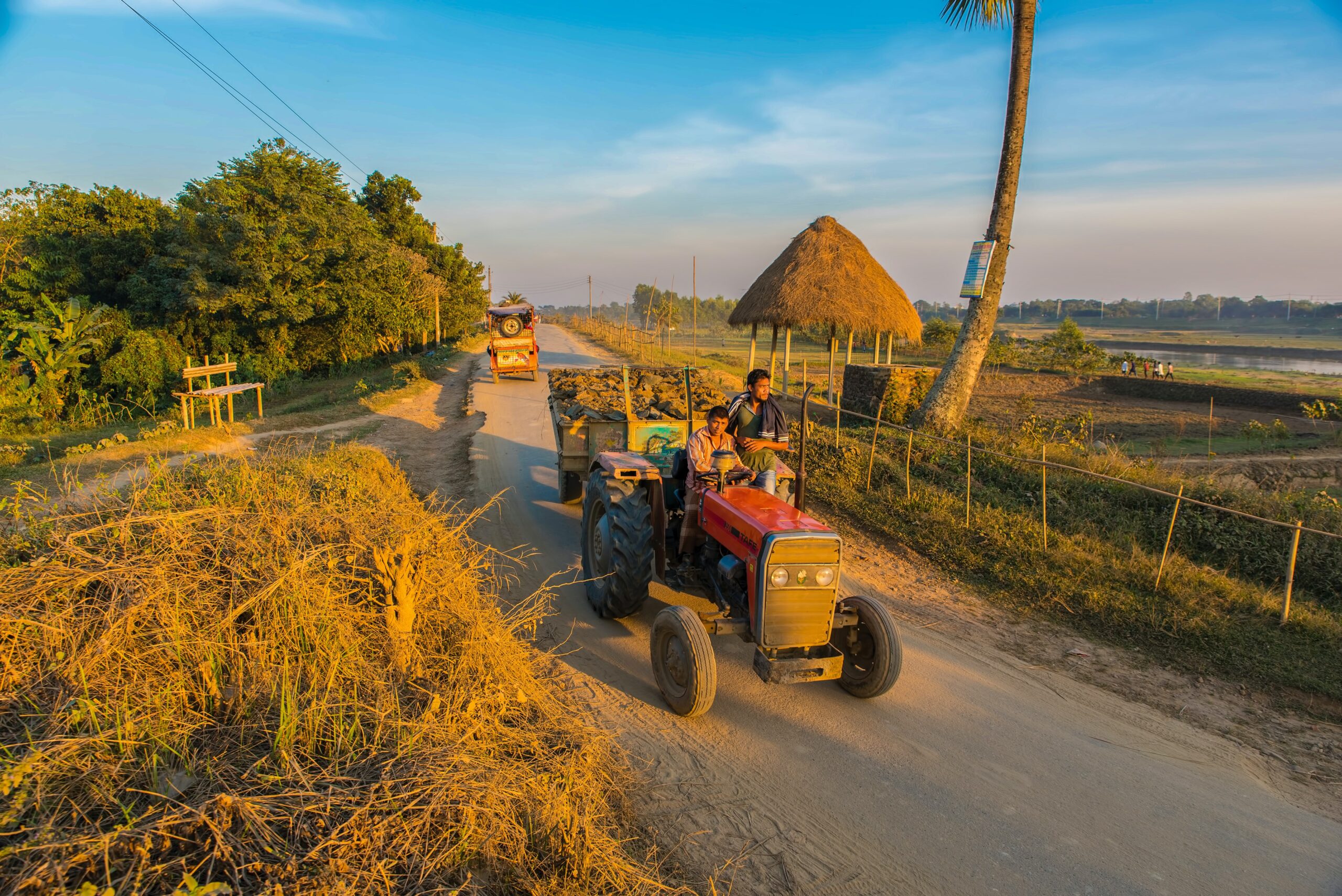
The environmental Kuznets curve hypothesis for deforestation in Bangladesh: An ARDL analysis with multiple structural breaks This paper makes a novel attempt to test the validity of the...
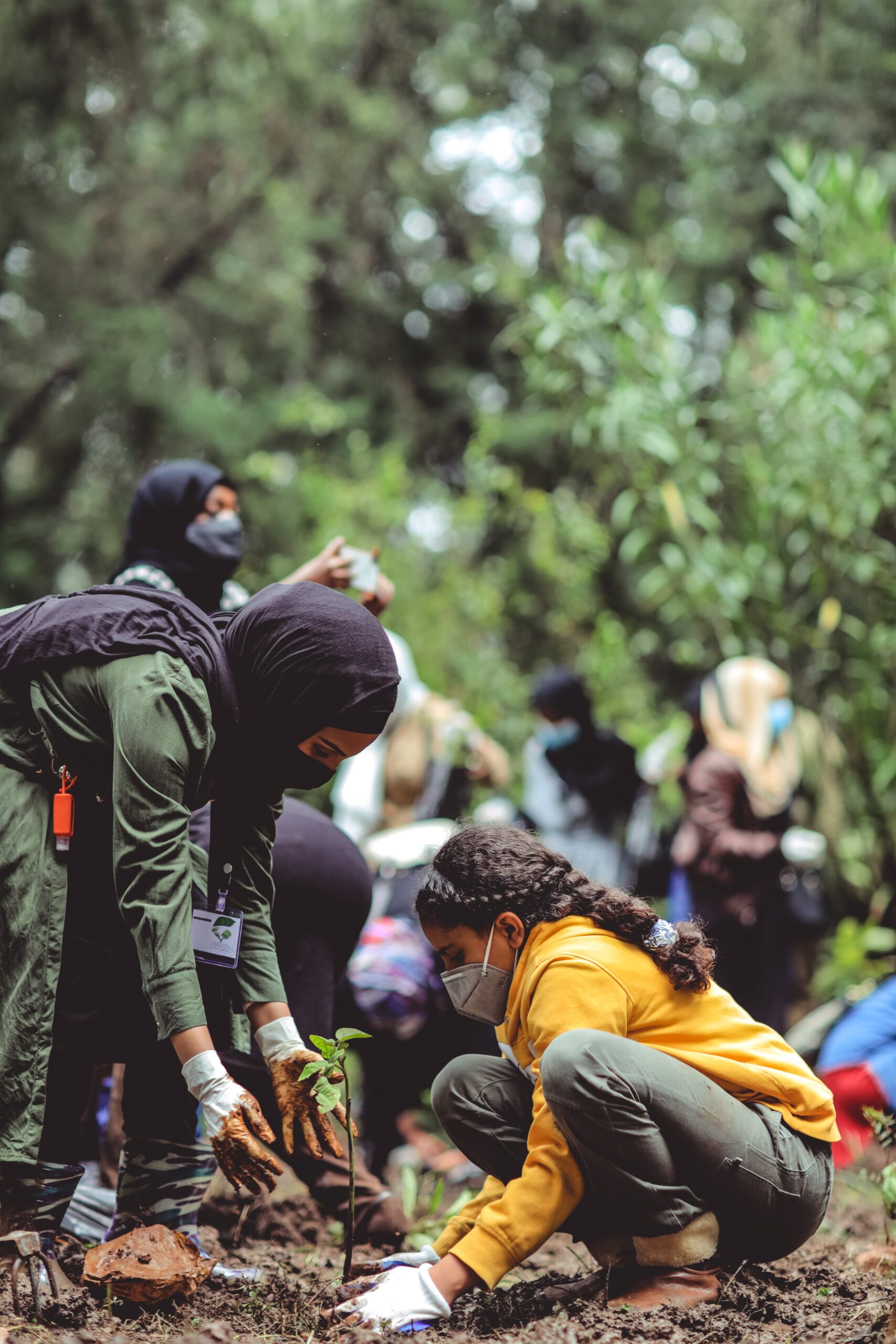
More people, more trees: A reversal of deforestation trends in Southern Ethiopia Despite global commitments to forest restoration, evidence o...
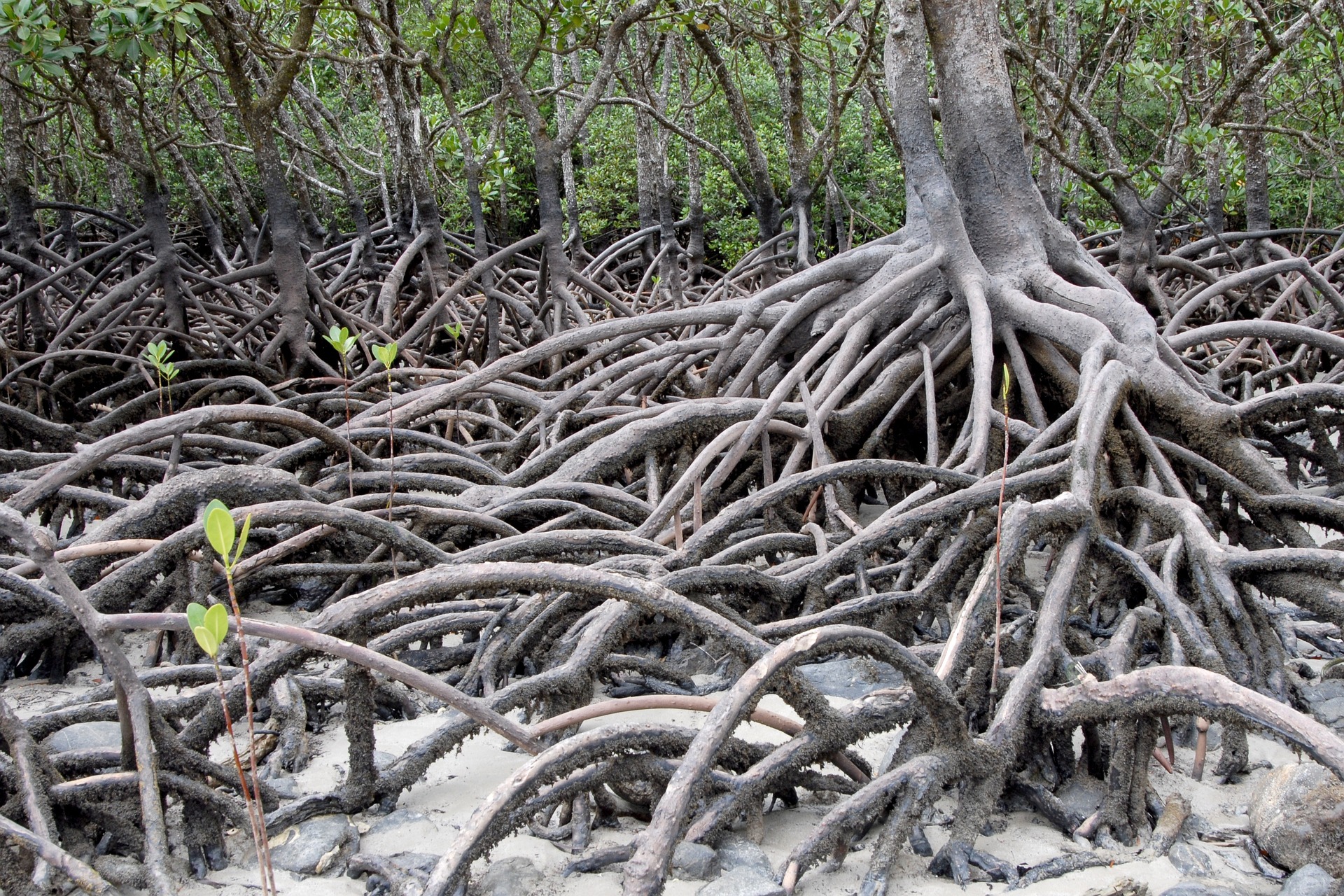
Losses of soil organic carbon with deforestation in Mangroves of Madagascar Global mangrove deforestation has resulted in substantial CO...
Boron applications and bee pollinators increase strawberry yields Several factors influence fruit set and yield in strawberry ...
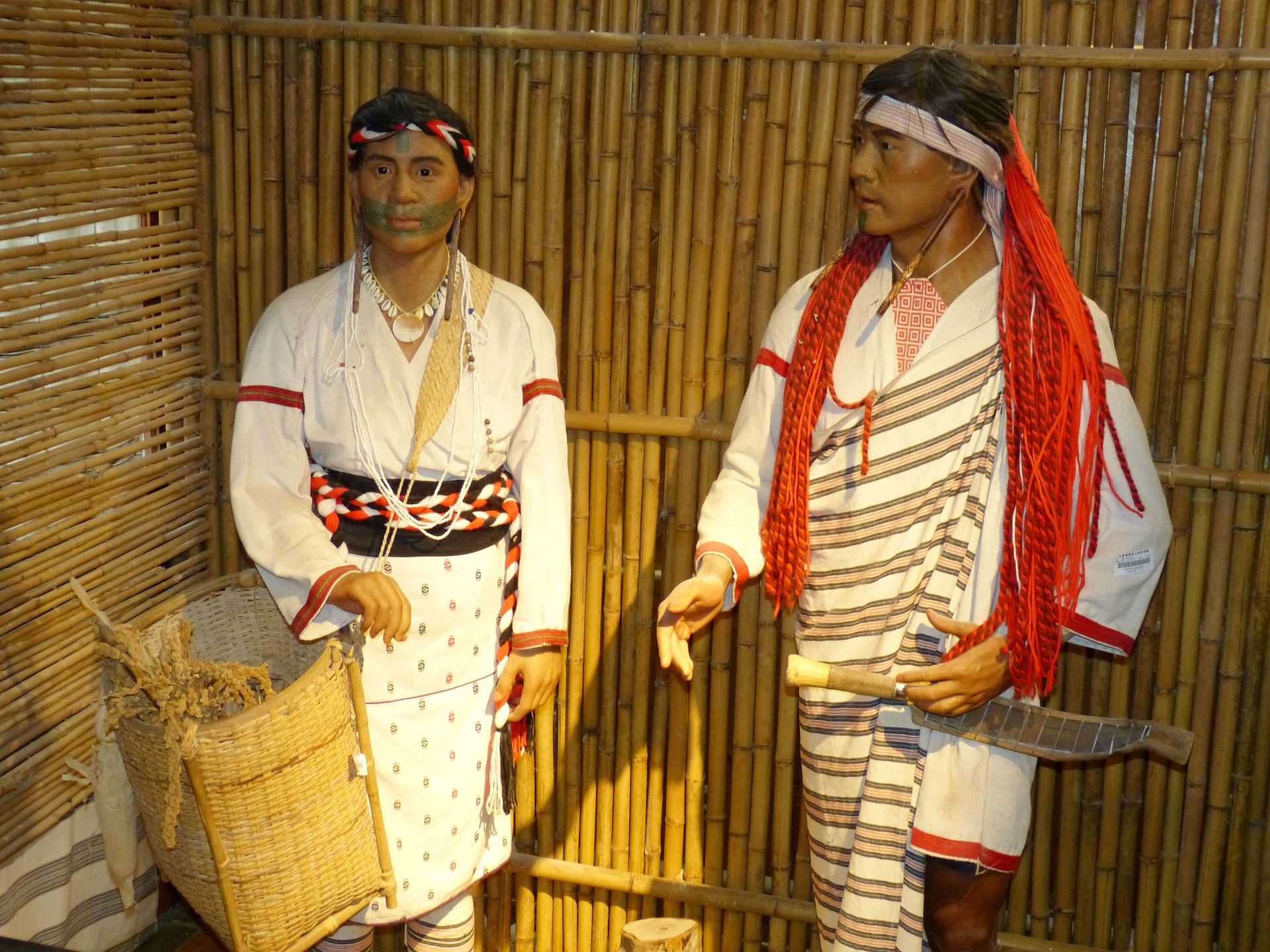
Global climate change and indigenous peoples in Taiwan: A critical bibliometric analysis and review In recent years, the subject of Indigenous peoples and globa...
Indigenous guardians as an emerging approach to indigenous environmental governance Over the past 3 decades, indigenous guardian programs (also ...
Roles of roadside vegetation in insect conservation in Australia The extent and variety of roadside environments in Australia...
Topical themes in biodiversity financing One of the often-cited challenges in biodiversity conservati...
The global significance of biodiversity science in China: An overview Biodiversity science in China has seen rapid growth over rec...
Rapid evolution of a floral trait following acquisition of novel pollinators Changes in the pollinator assemblage visiting a plant can ha...