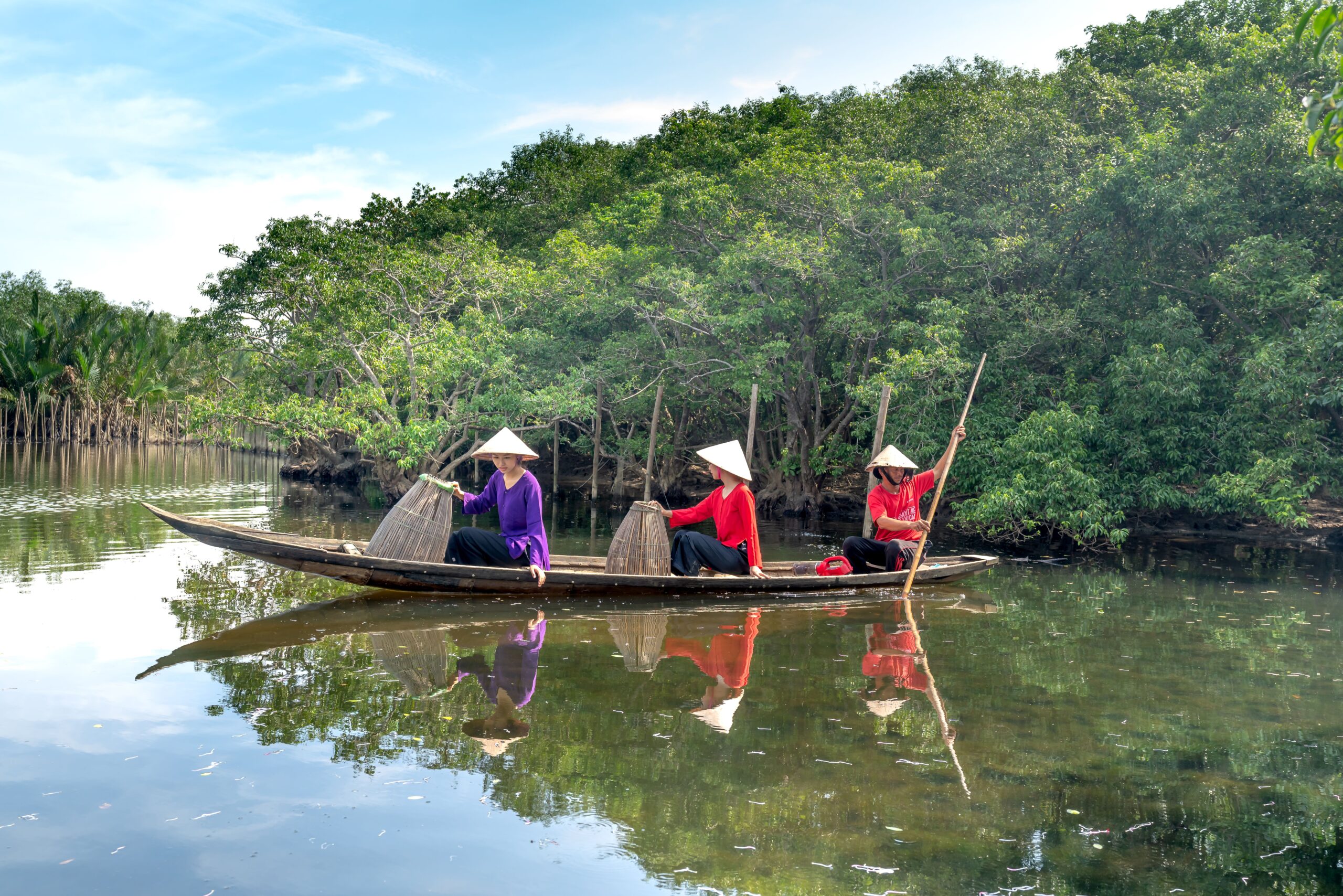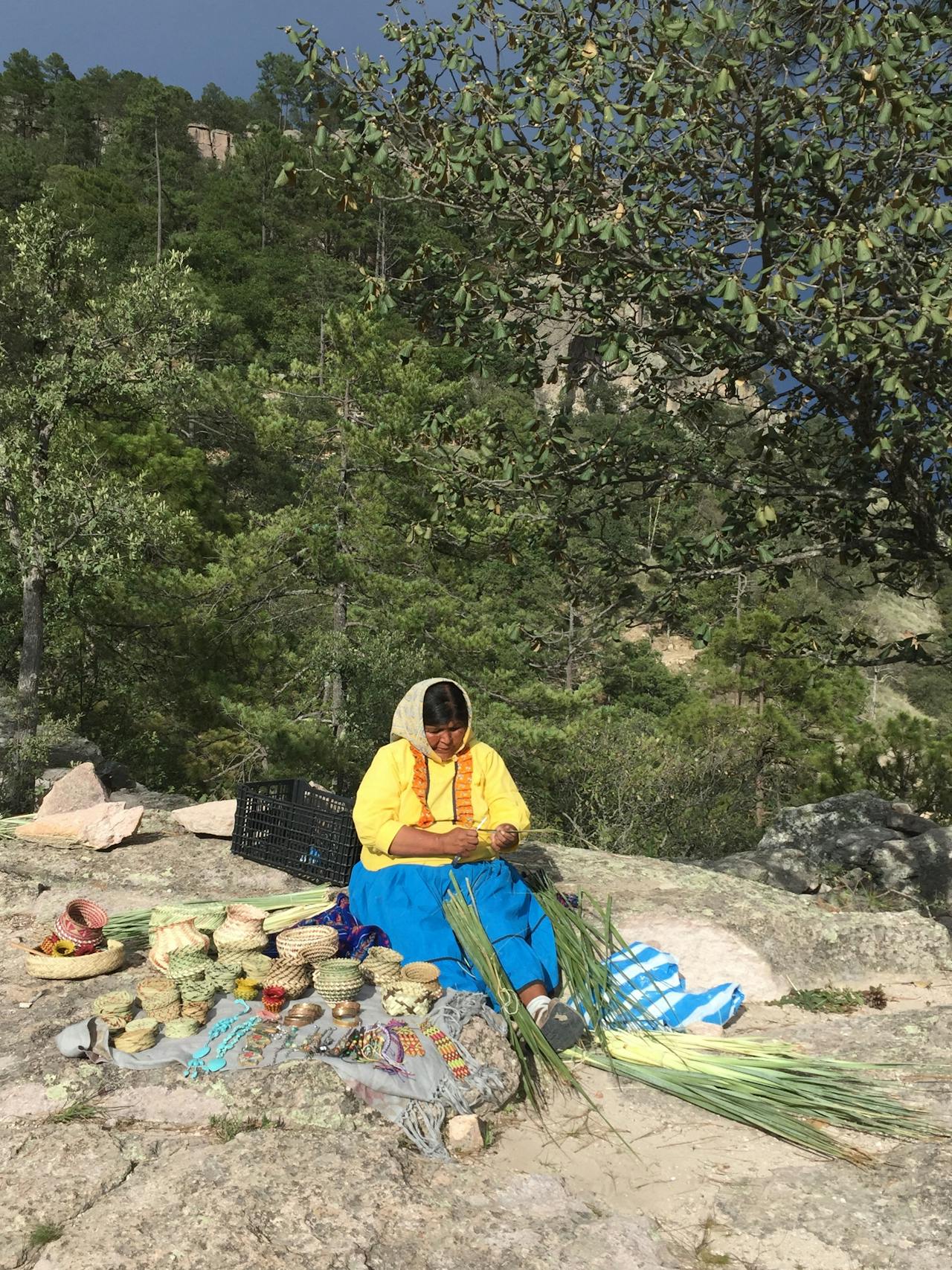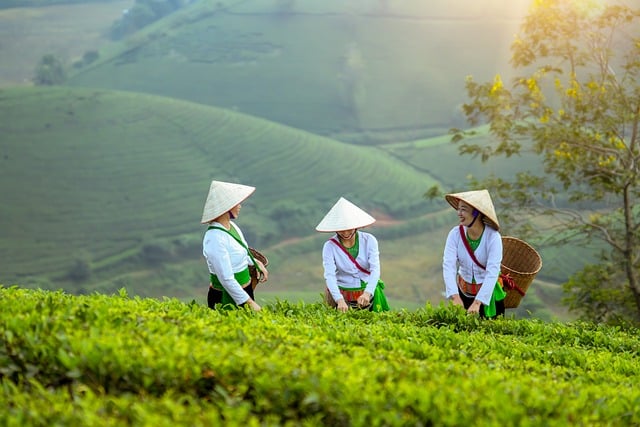
The wisdom of this Tahitian proverb resonates strongly in the Anthropocene, when climate disruption is increasing, and biodiversity is under threat. At a time when we urgently need to rethink our relationship with nature, we have much to learn from the ways of life, practices and worldviews of Indigenous Peoples, who have lived for millennia with knowledge of and respect for their natural surroundings. UNESCO is committed to the preservation of Indigenous cultures, notably through our Man and the Biosphere programme, which has led the way in recognizing the valuable contributions of Indigenous Peoples in guiding us along the path to more sustainable development, and our Local and Indigenous Knowledge Systems (LINKS) programme, launched in 2002 to facilitate exchanges between Indigenous knowledge-holders, scientists and policymakers.Over the past ten years, our Organization has also worked to ensure that Indigenous Peoples are fully involved in the management of natural and cultural World Heritage sites. This movement gained further momentum following the adoption of the Kunming-Montreal Global Biodiversity Framework at the United Nations Biodiversity Conference (COP15) in 2022, which highlighted the crucial role of Indigenous Peoples as “guardians of biodiversity”. UNESCO is also engaged in safeguarding Indigenous traditions, practices and knowledge through the Representative List of the Intangible Cultural Heritage of Humanity. In 2021, for example, Awajún pottery-making in Peru was listed. This tradition, mainly passed down by women, is emblematic of the respectful relationship between Awajún people and nature. At UNESCO, we also believe that Indigenous voices — a vehicle for fostering a more balanced relationship between people and the planet — are essential for promoting cultural diversity, peace and gender equality. Yet these voices could be lost, as Indigenous languages fade. Our Organization is taking action to protect them by leading the International Decade of Indigenous Languages (2022-2032), which was proclaimed by the United Nations General Assembly in 2019. We have launched initiatives all over the world, for example in West Africa to create dictionaries of Indigenous African languages. We are also stepping up our actions with and for young people, who are on the frontlines of today’s challenges. The Hooked on Peace initiative in the Asia-Pacific region supports Indigenous youth in documenting stories of gender equality and peacebuilding in their Indigenous languages. In this way, we aim to enable young Indigenous leaders to act as agents of change, both in their communities and beyond.Together, we call for a renewed commitment to preserving, promoting and giving voice to the heritages, cultures, knowledge systems and languages of Indigenous Peoples, while respecting their rights, so that together we can meet the challenges of the 21st century.© UNESCO /Christelle Alix
Languages, Cultures, Knowledge: UNESCO’s Action for Indigenous Peoples
Year: 2024