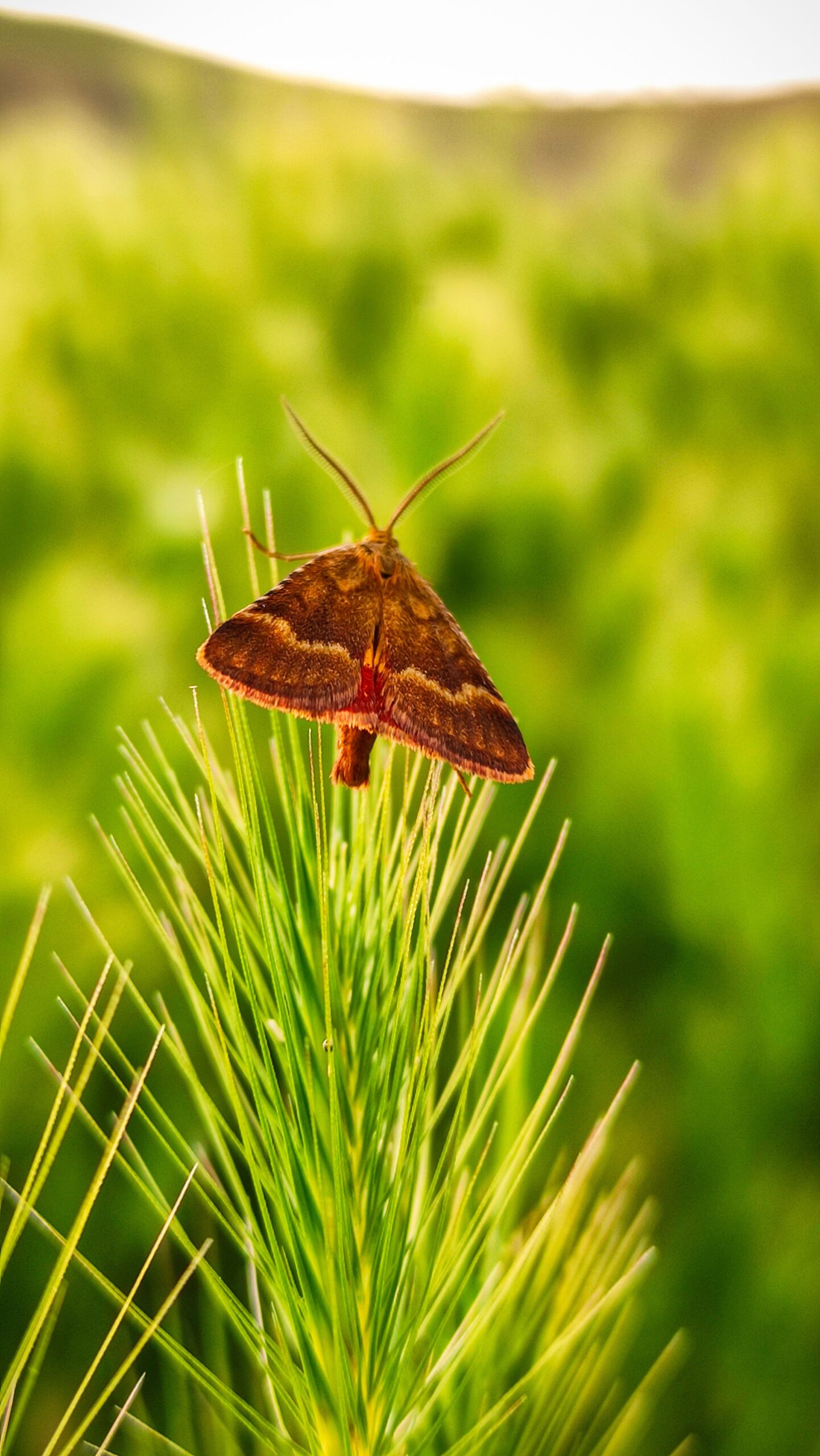
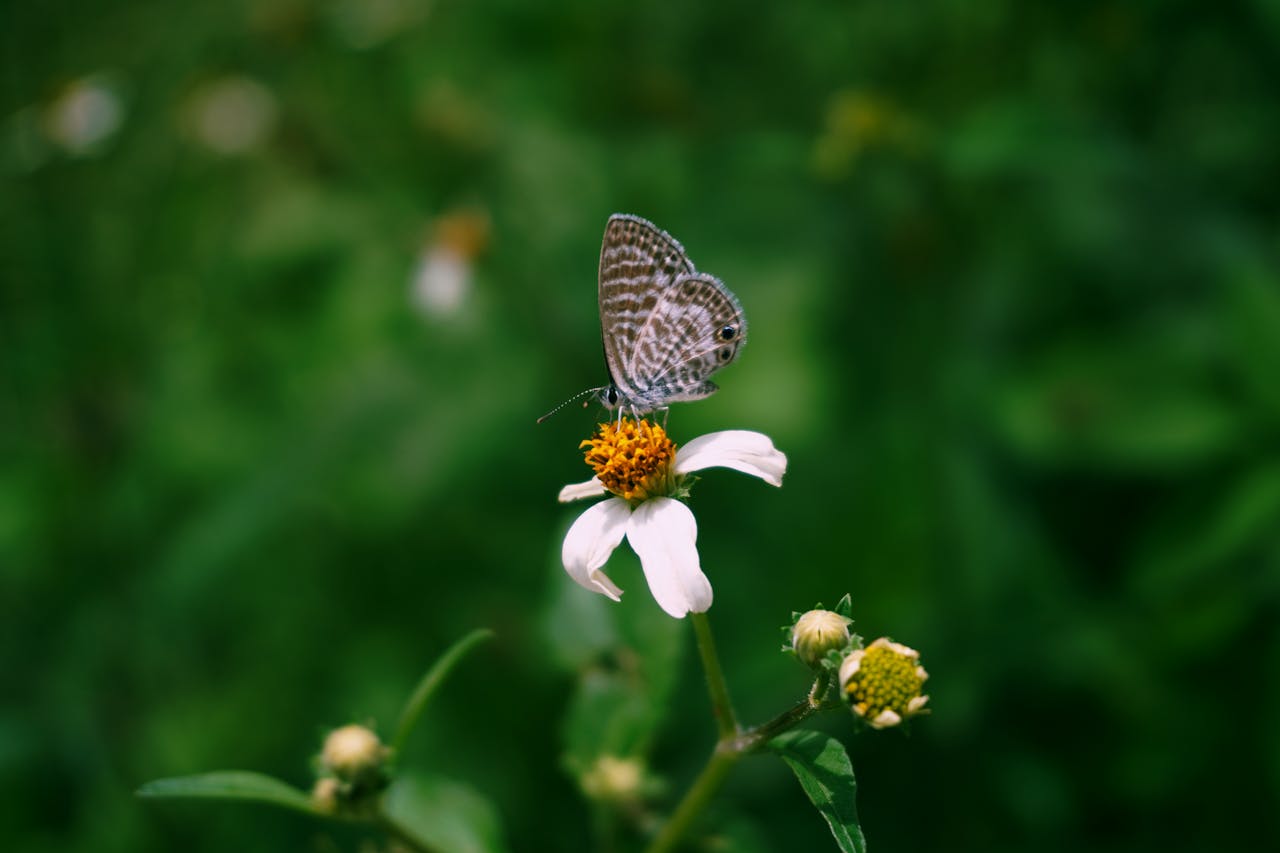
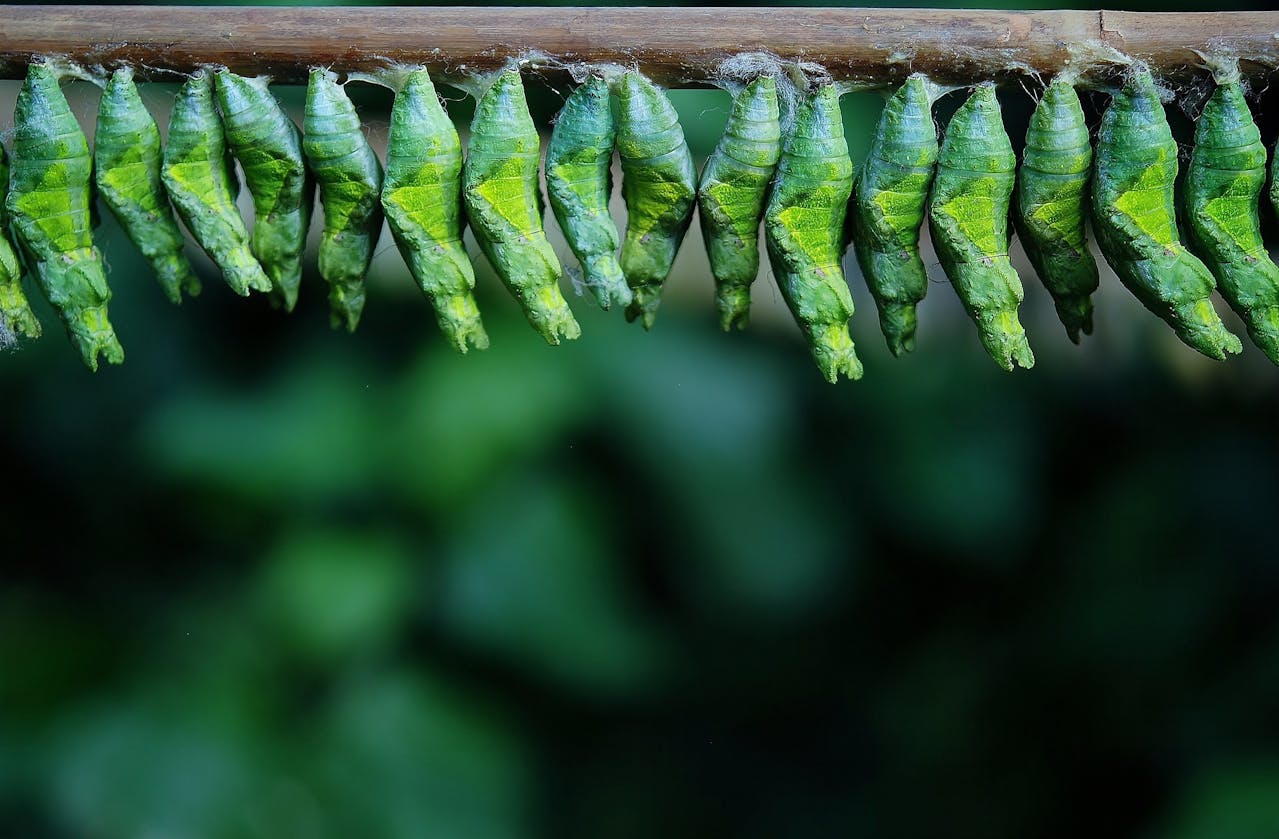
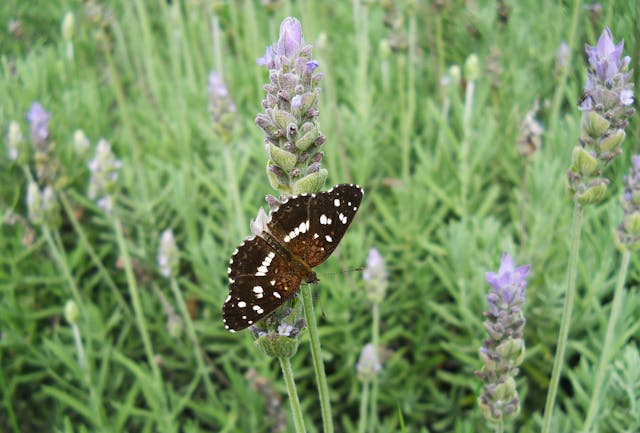
Insects are the only invertebrates that have incredible flight capacity and are being prevailed on the earth for millions of years. In their course of life on earth, insects have gone through many evolutionary events. Metamorphosis, the transformation of an insect throughout its life cycle, is influenced by environmental factors including abiotic elements such as temperature, humidity, and light, as well as biotic factors like host plants, vegetative biodiversity, crowding, and diets. These factors significantly affect the duration of metamorphic stages, survival rates, and reproductive success, leading to modifications in insects’ physiological and morphological responses. The shedding of the chitinous exoskeleton through moulting allows insects to grow and transition between life stages, from egg to larva, larva to pupa, and pupa to adult. Historical perspectives on metamorphosis, from William Harvey’s initial propositions to Jan Swammerdam’s corrective insights, laid the foundation for understanding these processes. The endocrinal regulation of metamorphosis by hormones such as Juvenile Hormone (JH) and Moulting Hormone (MH) plays a crucial role in developmental changes. Insects can exhibit different types of metamorphosis: ametamorphosis, incomplete metamorphosis, gradual metamorphosis and complete metamorphosis, each with unique characteristics and adaptations. This comprehensive overview highlights the complexity of insect development and the various environmental and physiological factors that drive these transformations.