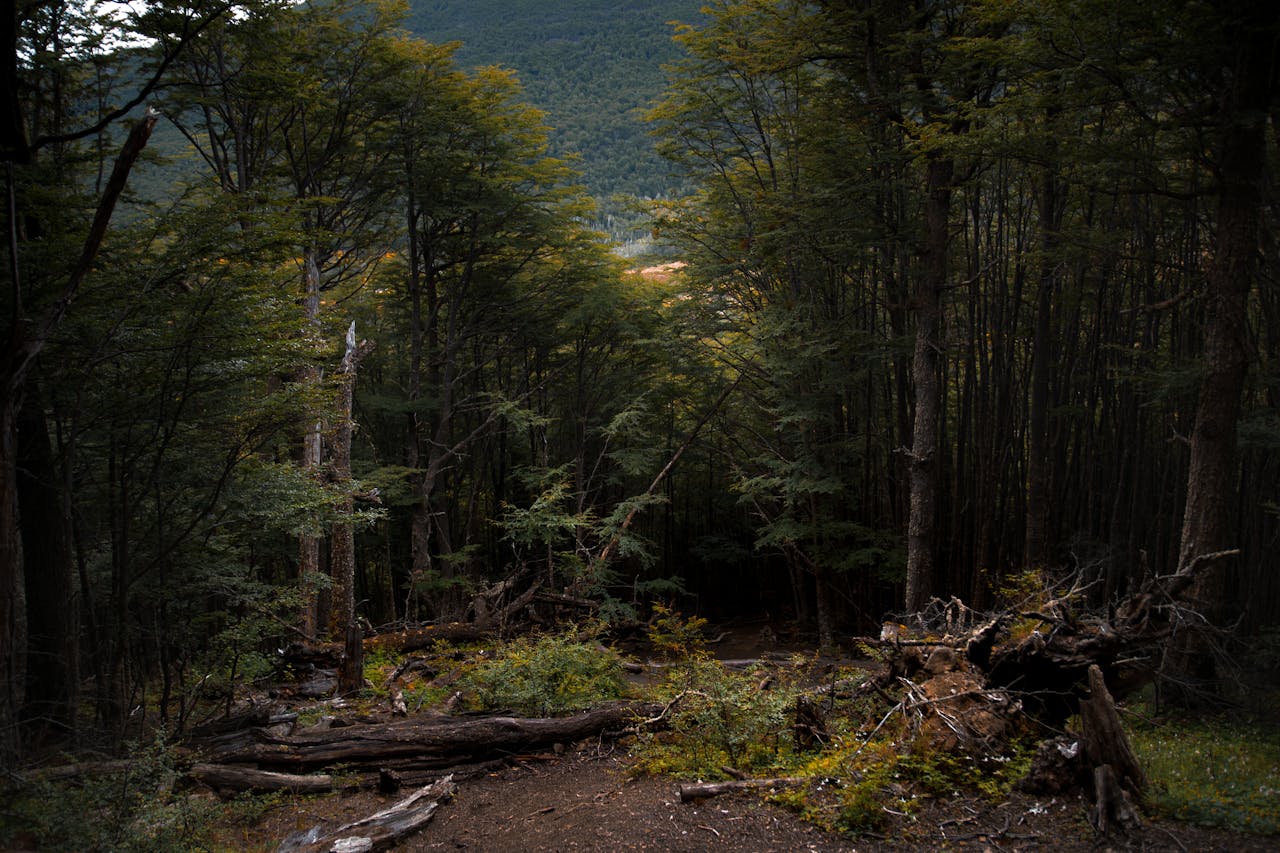
The complexity of forest habitats plays an important role in maintaining biodiversity, although smaller-scale habitat complexity has received scarce attention. Epiphytic lichens contribute to structural complexity, providing microhabitats for many invertebrates, but their function as shelters or protection against adverse environmental conditions is less studied. So, the main objective of this study is to analyse the diversity and seasonal dynamics of arthropods associated with Lobaria pulmonaria, a foliose cyanolichen, on two tree species, Fagus sylvatica and Quercus pyrenaica, in Mediterranean Spain. We have examined differences in the richness, abundance, and composition of arthropod communities between L. pulmonaria thalli and tree bark, between tree species, as well as seasonal changes in arthropod richness and composition. Our key findings are the next: 1) L. pulmonaria thalli hosted significantly more arthropod taxa compared to bark traps, except in spring; 2) No significant differences in arthropod abundance were found between the two tree species; 3) Arthropod taxa richness tended to be higher on Lobaria thalli in autumun and winter compared to bark traps; 4) The composition of arthropod communities varied between microhabitats, with mites (Acarina), springtails (Collembola), and booklice (Psocoptera) being the most abundant groups; 5) Arthropod abundance in L. pulmonaria thalli varied seasonally, being higher in summer and winter. The conservation Implications of our results point out that the conservation of large epiphytic cyanolichens like L. pulmonaria is essential for maintaining rich and diverse arthropod communities, particularly in Mediterranean environments.
Diversity and Seasonal Dynamics of Arthropods Interacting with the Lichen Lobaria Pulmonaria
Year: 2025