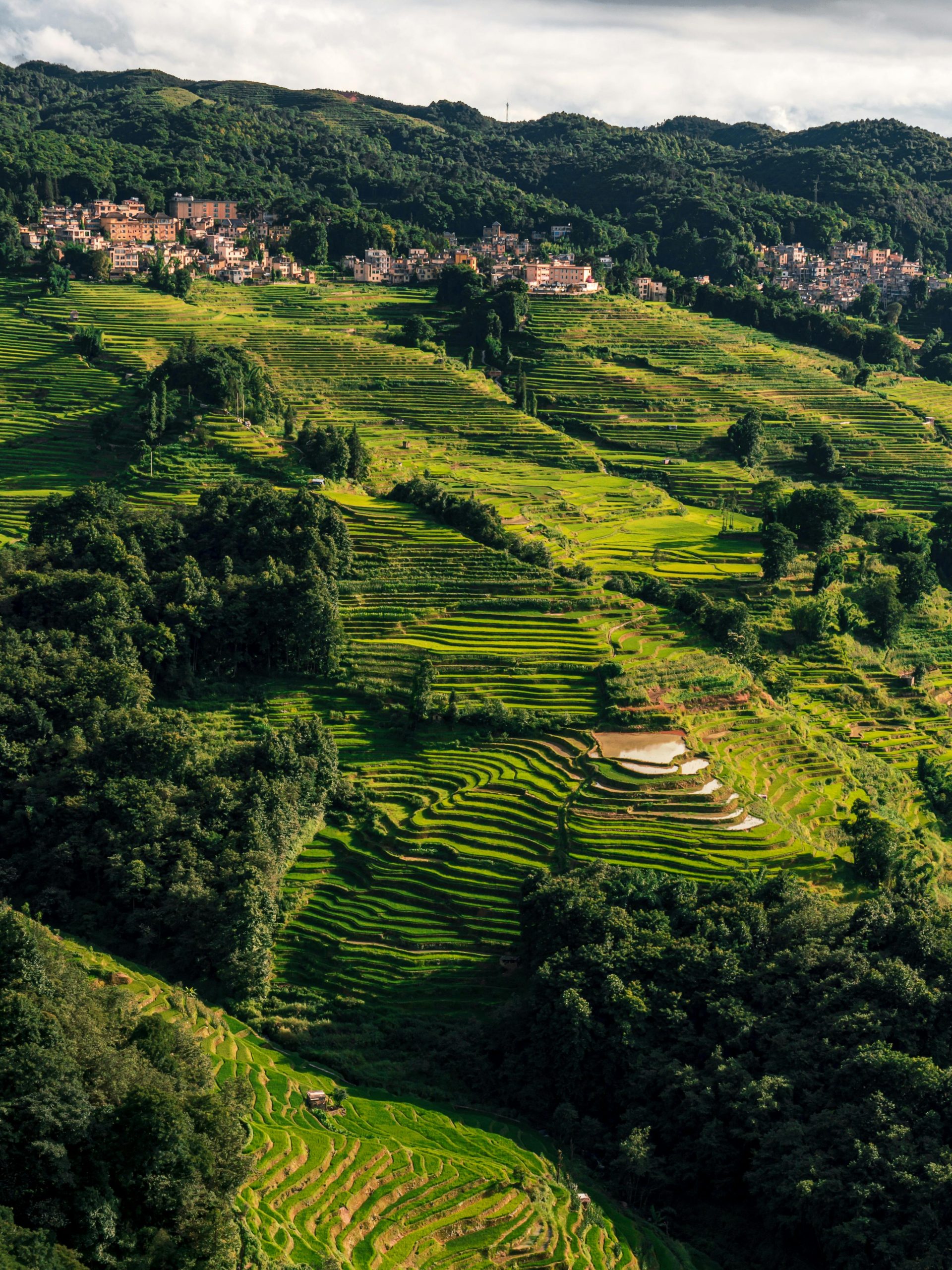
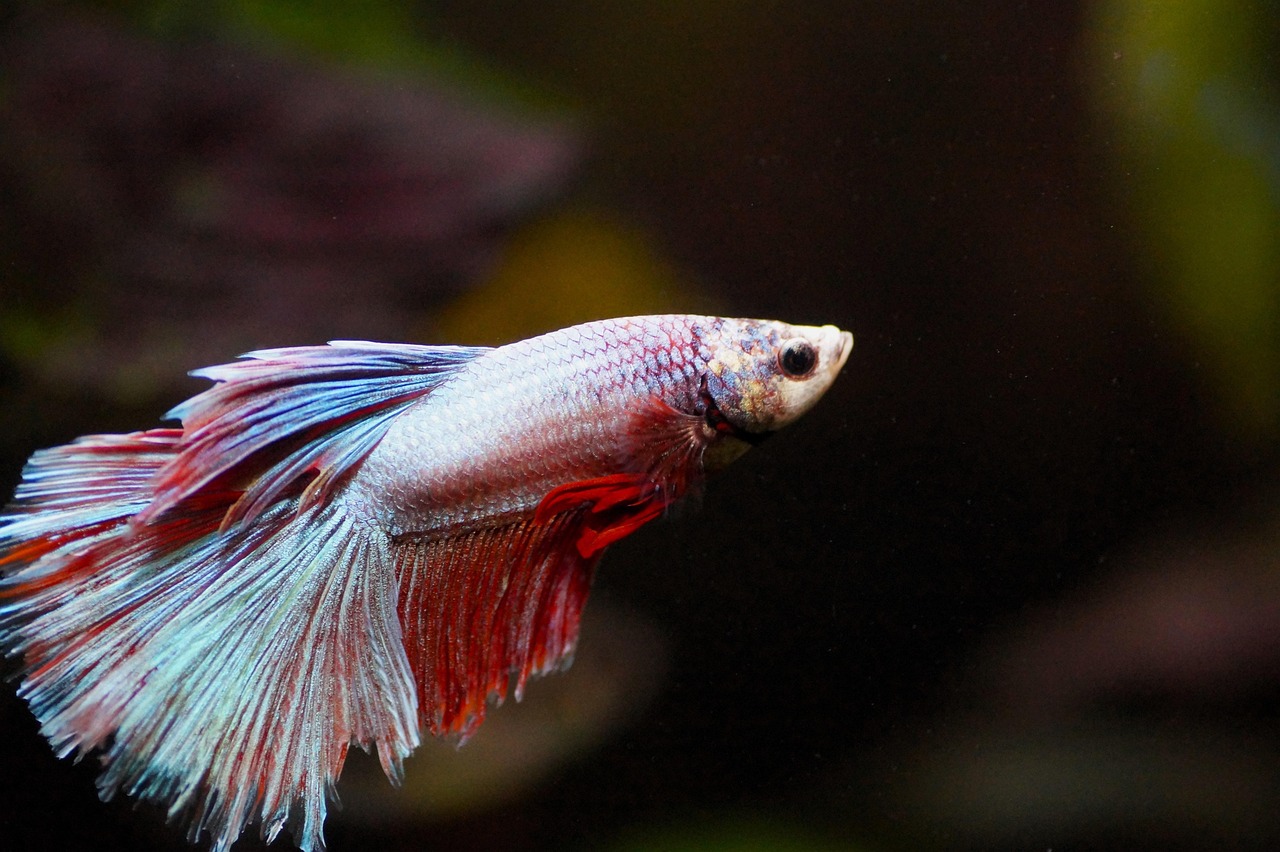
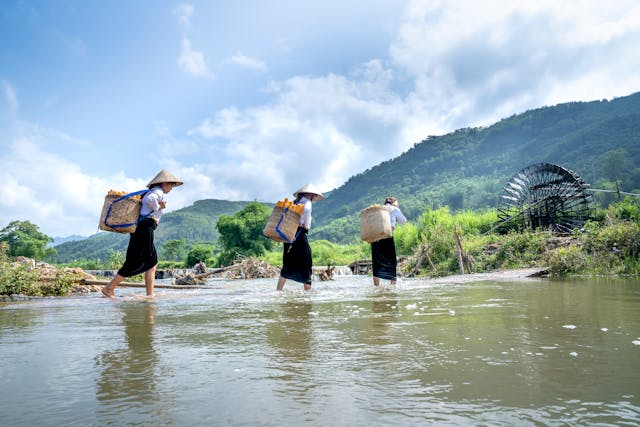
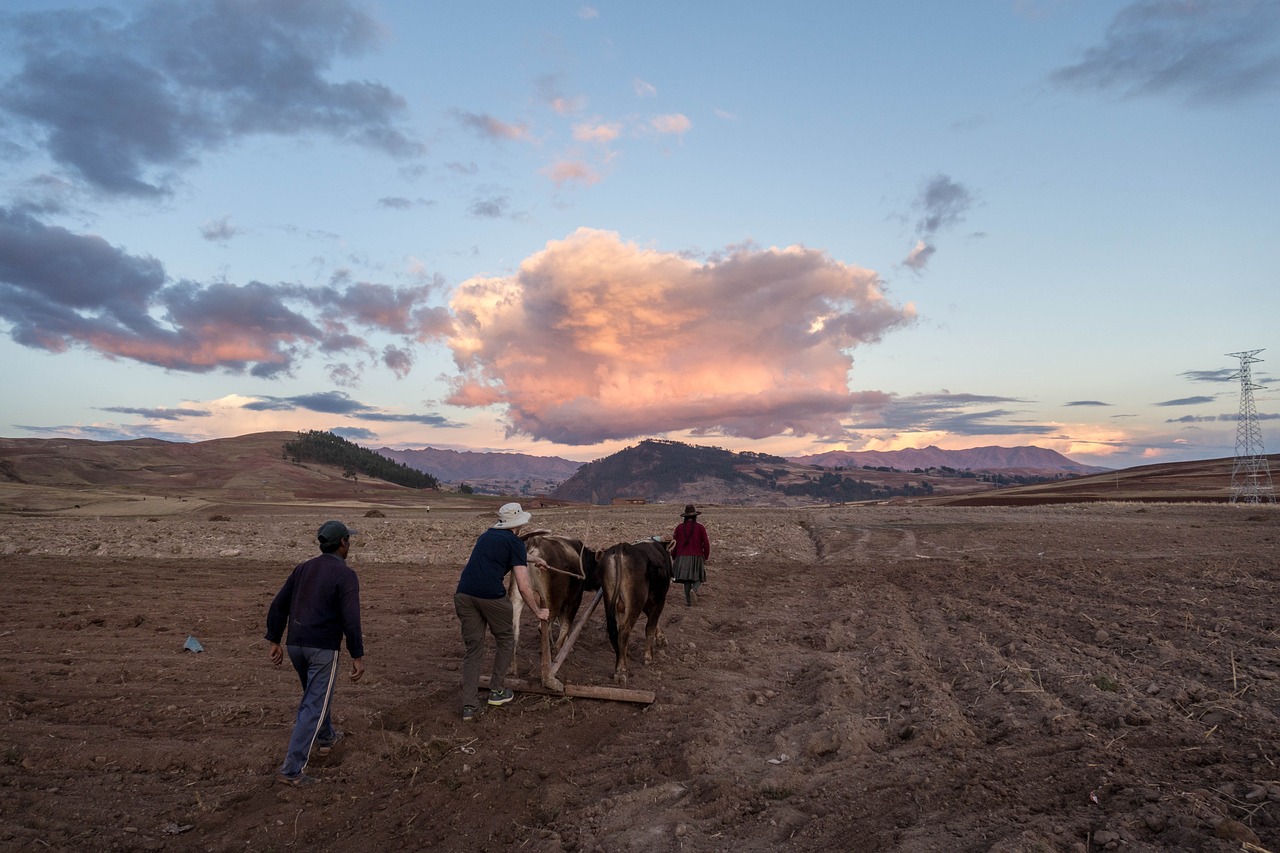
Indonesia has a diverse range of freshwater fish species, making it possible for people to cultivate them. Goldfish are among the most economically valued freshwater fish species. Goldfish can be cultivated traditionally, as demonstrated by the indigenous people of Kasepuhan Citorek Lebak, Banten Province, who continue to practice traditional natural resource management. This project aimed to investigate goldfish farming utilizing an ethnozoological strategy to develop goldfish potential in the Kasepuhan Citorek and use it as the biology learning content. This study has been conducted in January 2024. Data were gathered through observation, in-depth interviews, and document analysis. Data analysis is carried out in a systematic manner using the triangulation technique. The results of the study found that the process of cultivating Sinyonya and Kumpai goldfish types in the Kasepuhan Citorek area still follows the customs for generations by utilizing the surroundings and can be used as the learning content in biology learning for grade ten senior high school in the basic competencies of biodiversity and ecosystem studies. Goldfish are kept in cages along the river. Kijing and rice field snails constitute 90% of their daily diet. The spawning process of one female with three or four male goldfish on the rice field can be harvested eight months later. Goldfish farming gives considerable economic benefits to the indigenous inhabitants of Kasepuhan Citorek.The uniqueness of goldfish cultivation in Kasepuhan Citorek, it can be concluded that this study can be recommended used as a biology learning content of ecosystem and biodiversity studies in senior high school level.