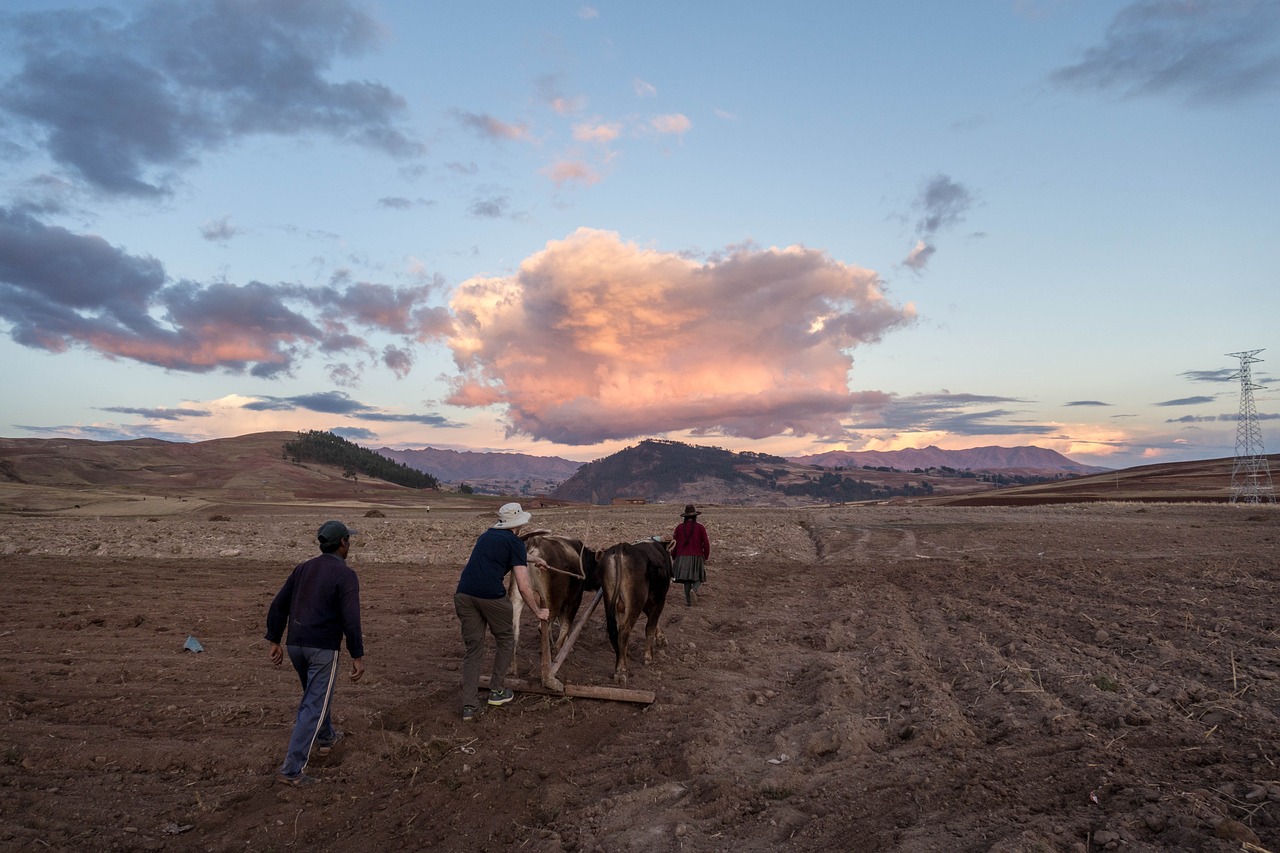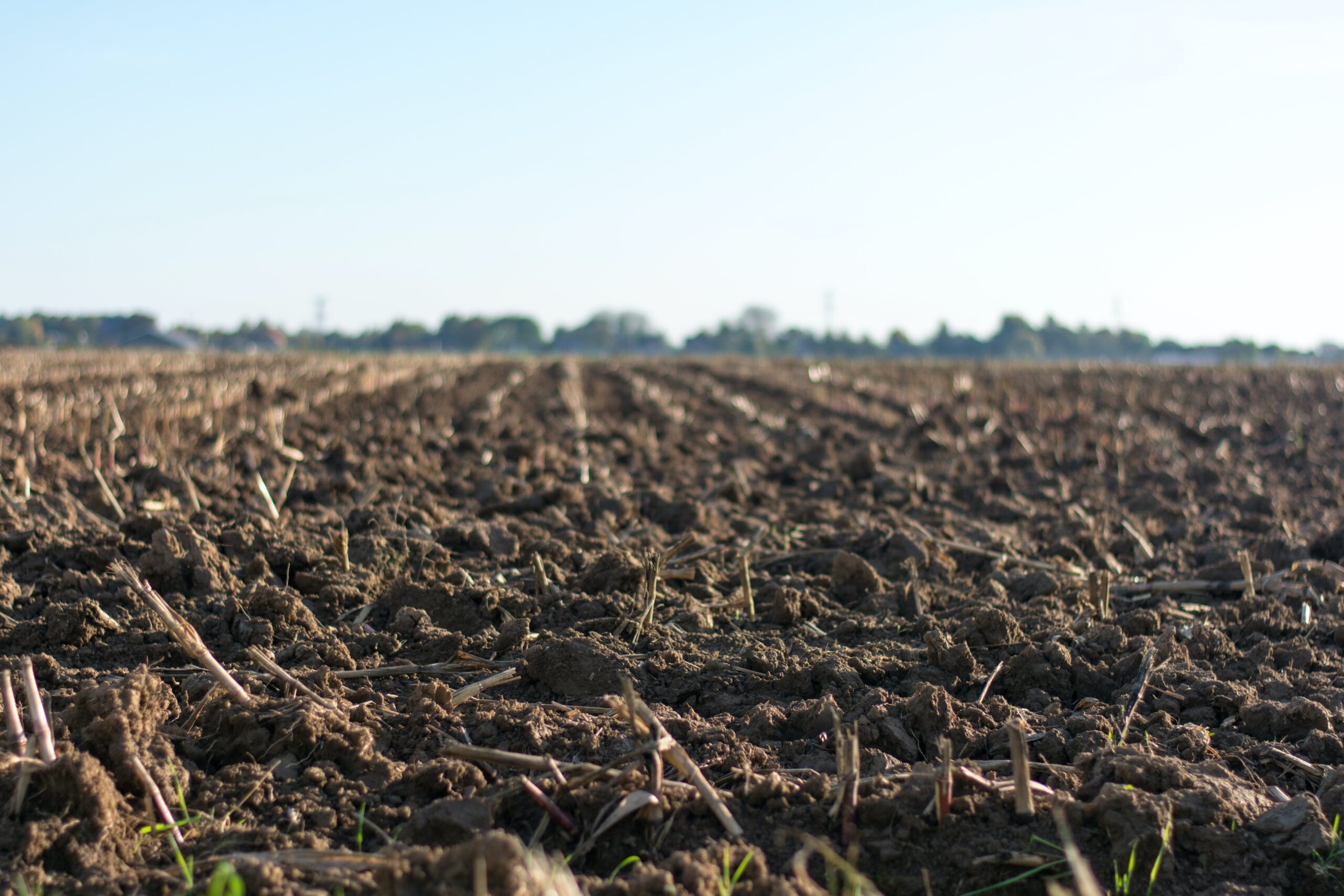
Agroforestry practices can play a key role in ecological transition and socio-territorial regeneration in peri-urban areas, particularly when designed and implemented according to agroecological principles and supported by robust public engagement. In this short communication, we illustrate how community-based agroforestry approaches—encompassing public plantings, self-building workshops, collaborative agroforestry management, training, and cultural events—are transforming an area located at the southeastern fringe of Milan. Drawing on a transdisciplinary methodology, we investigate how agroforestry increases ecological complexity, fosters participatory decision-making, and provides diverse cultural ecosystem services for local communities. Our results indicate that the establishment of multi-strata agroforestry systems, combined with initiatives such as ‘Adopt a Hen!’ and hands-on agroecological workshops, not only enhances biodiversity and soil health but also strengthens social cohesion and citizen engagement. Overall, this study highlights the potential of ‘farmscaping’— a concept borrowed from entomology and here adapted to the meaning of creating vibrant peri-urban landscapes that support both environmental resilience and communal well-being.
Agroforestry for The City: Farmscaping The Urban Fringe Through Transformative and Participatory Action Research in Milan
Year: 2025