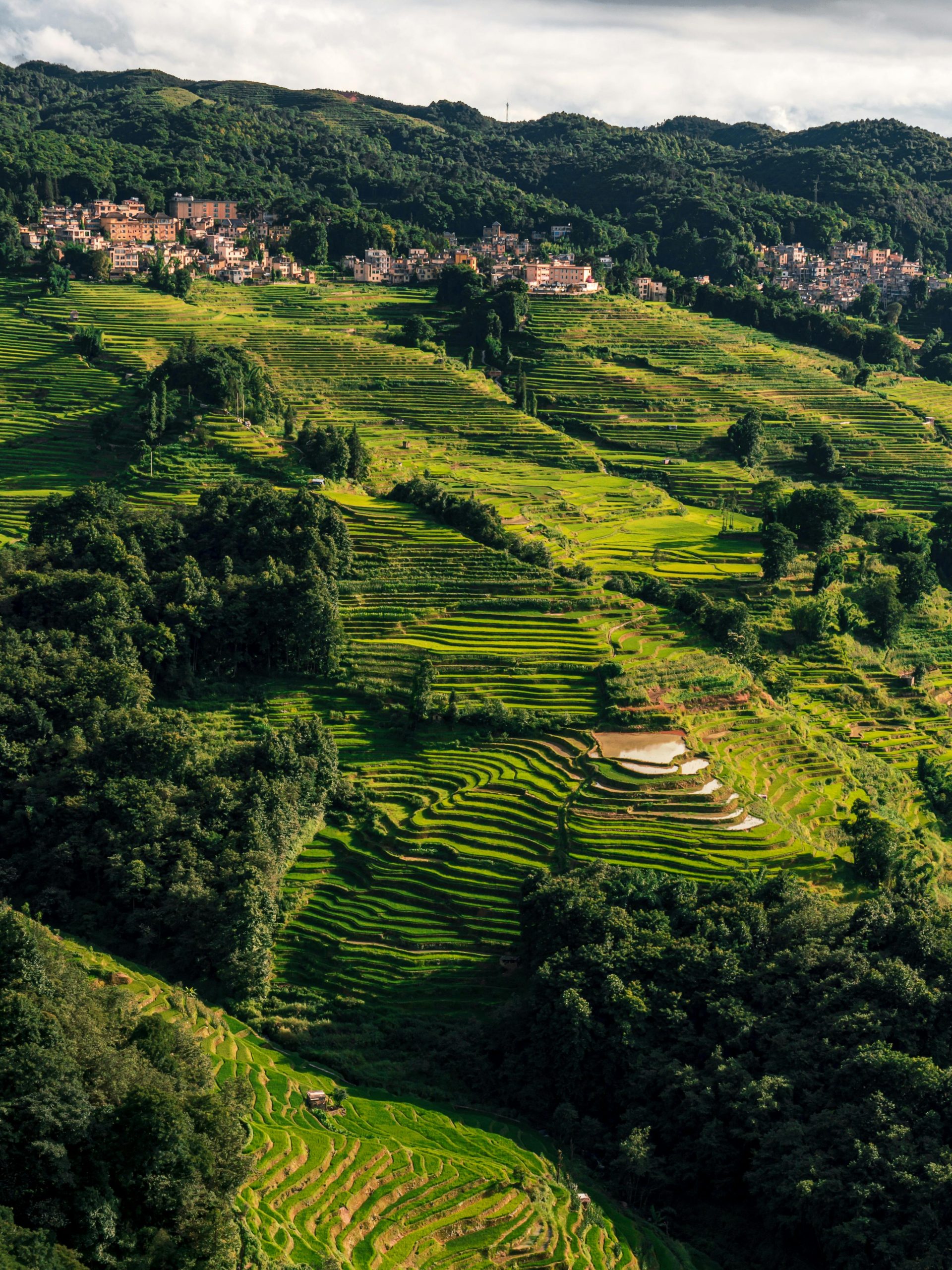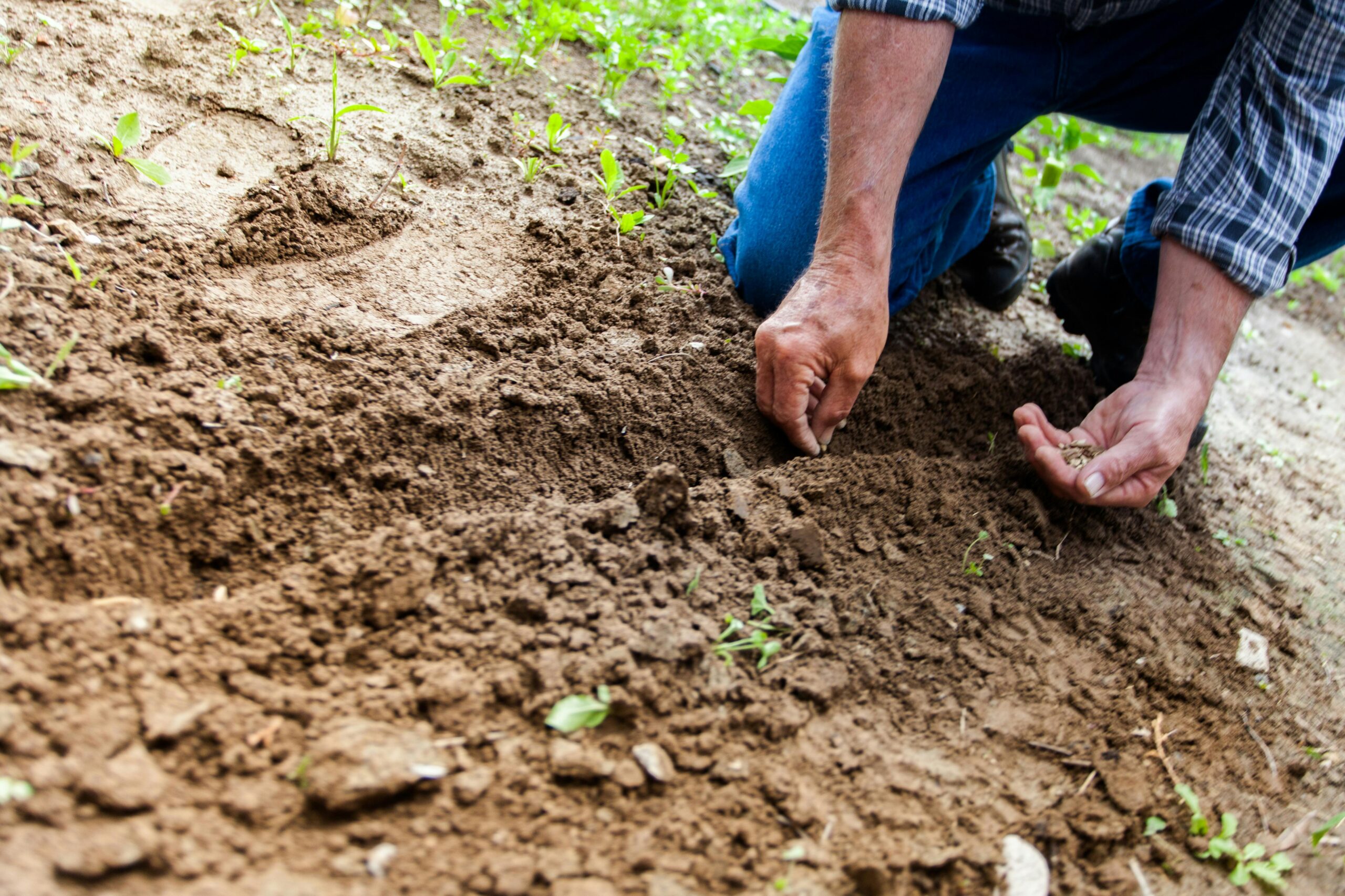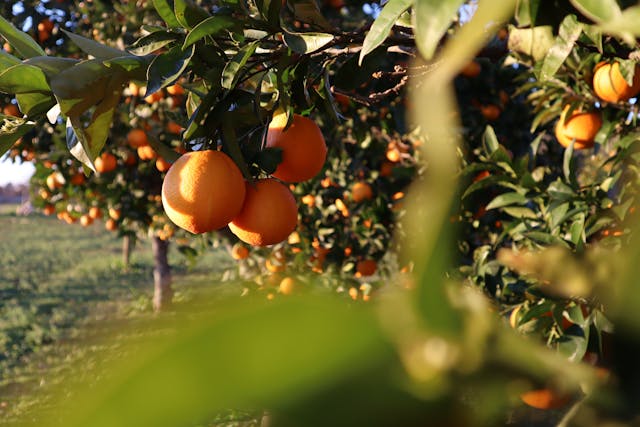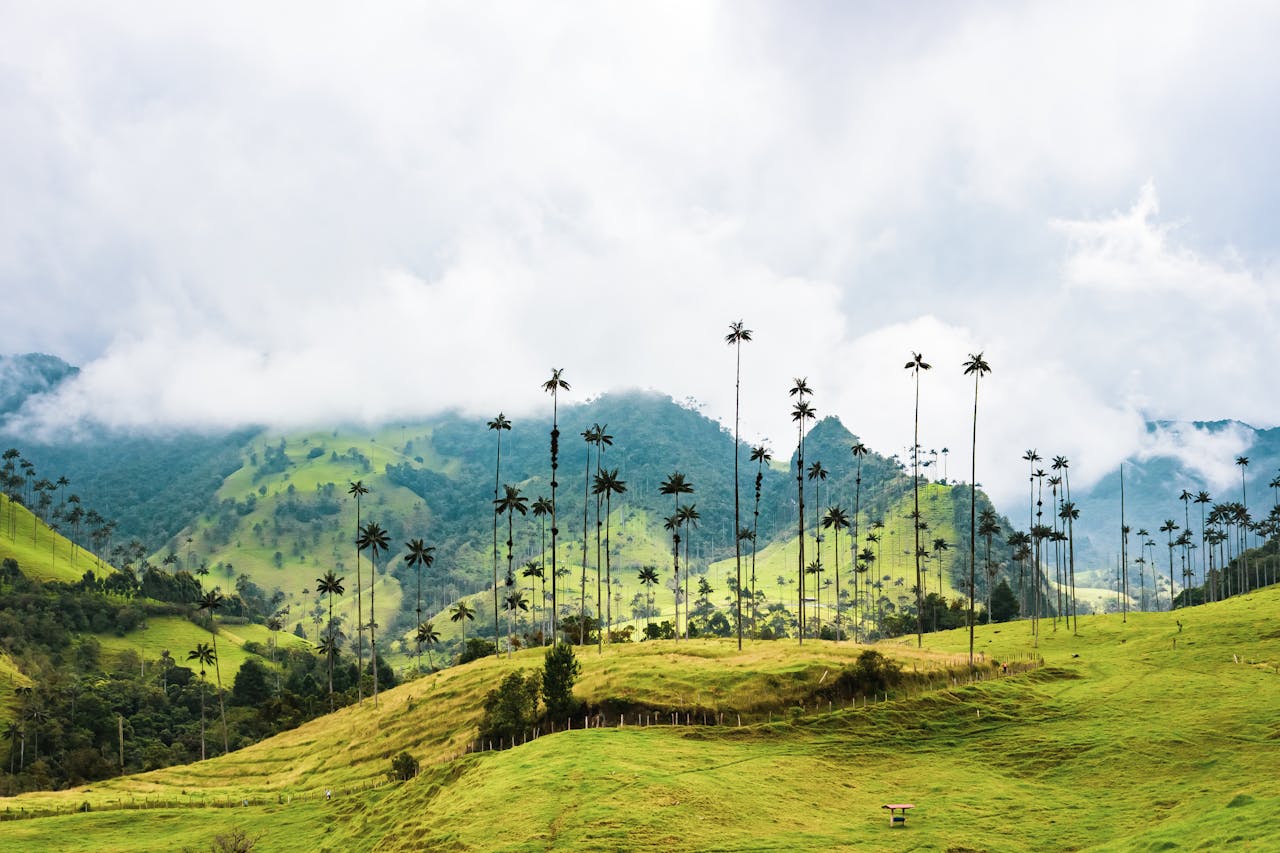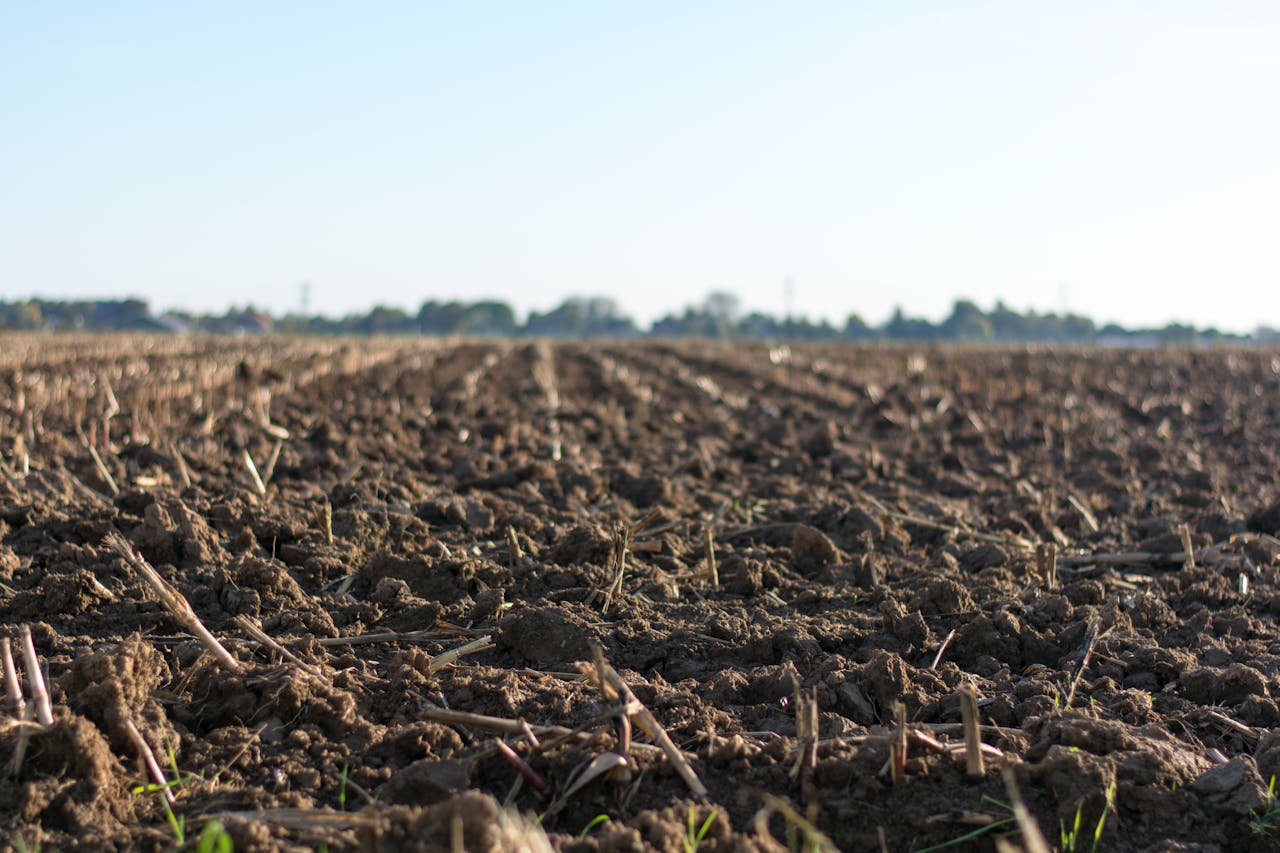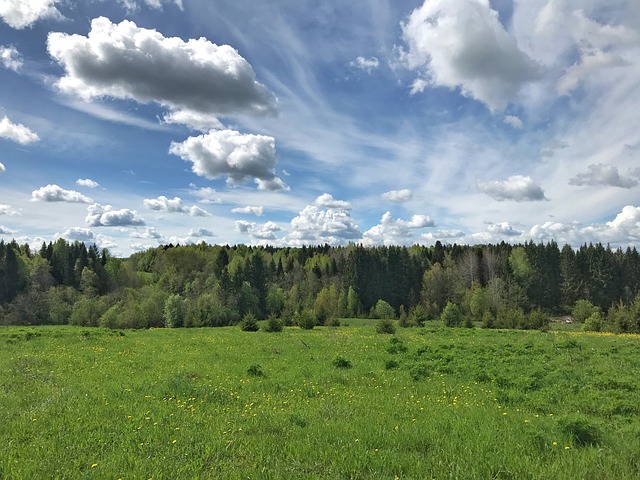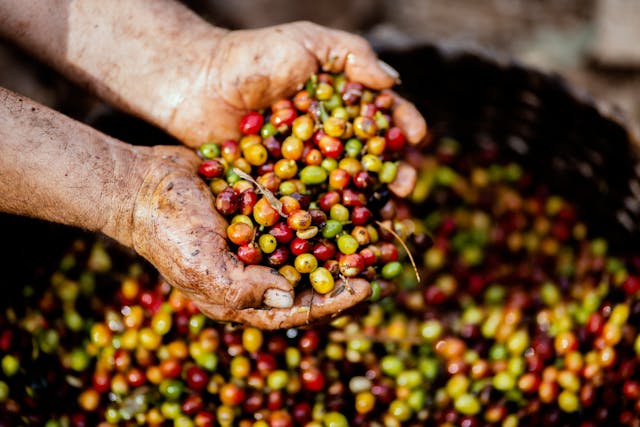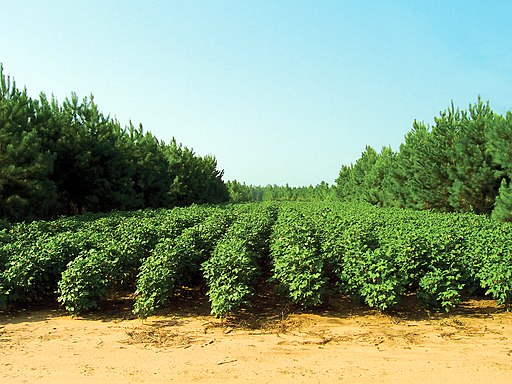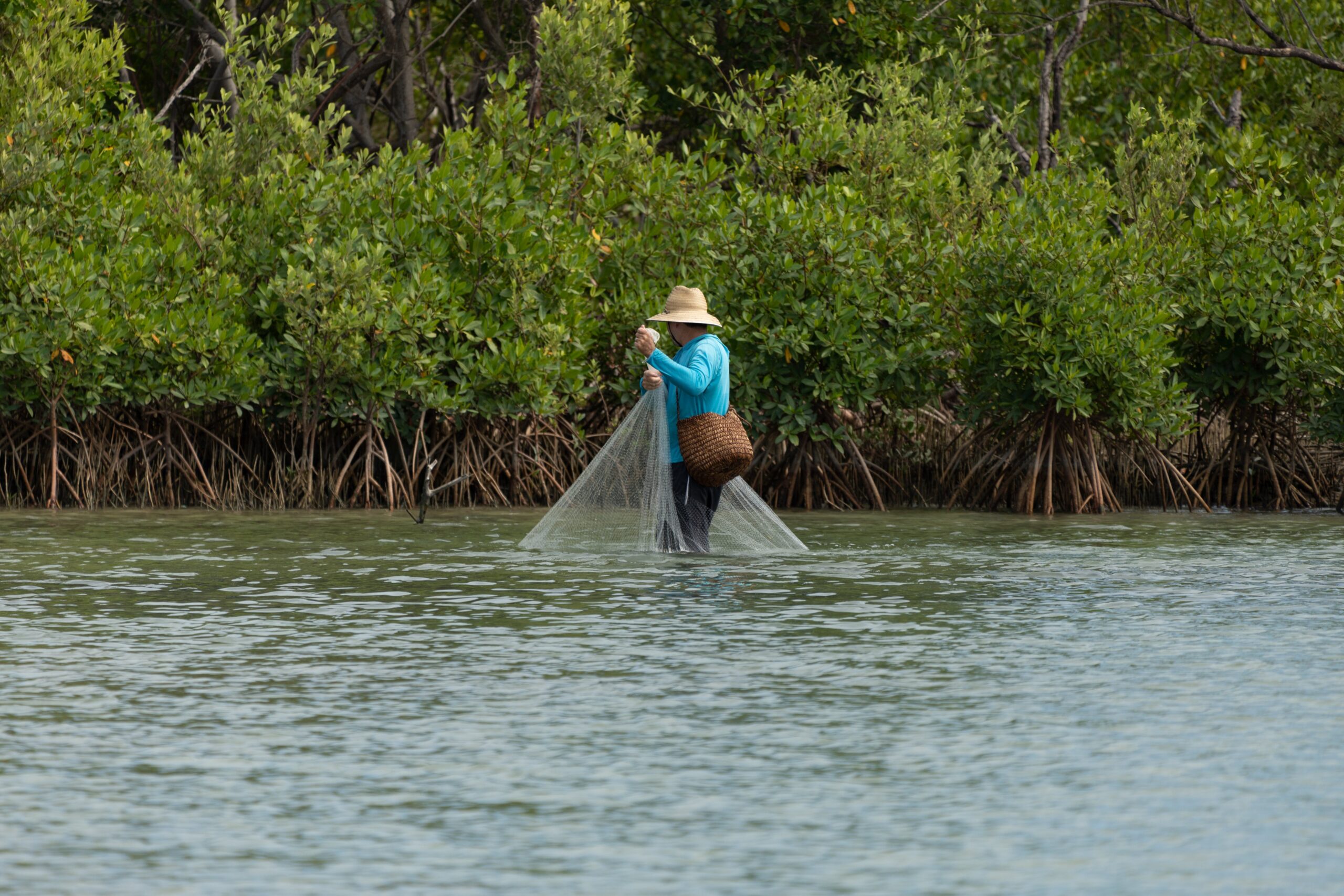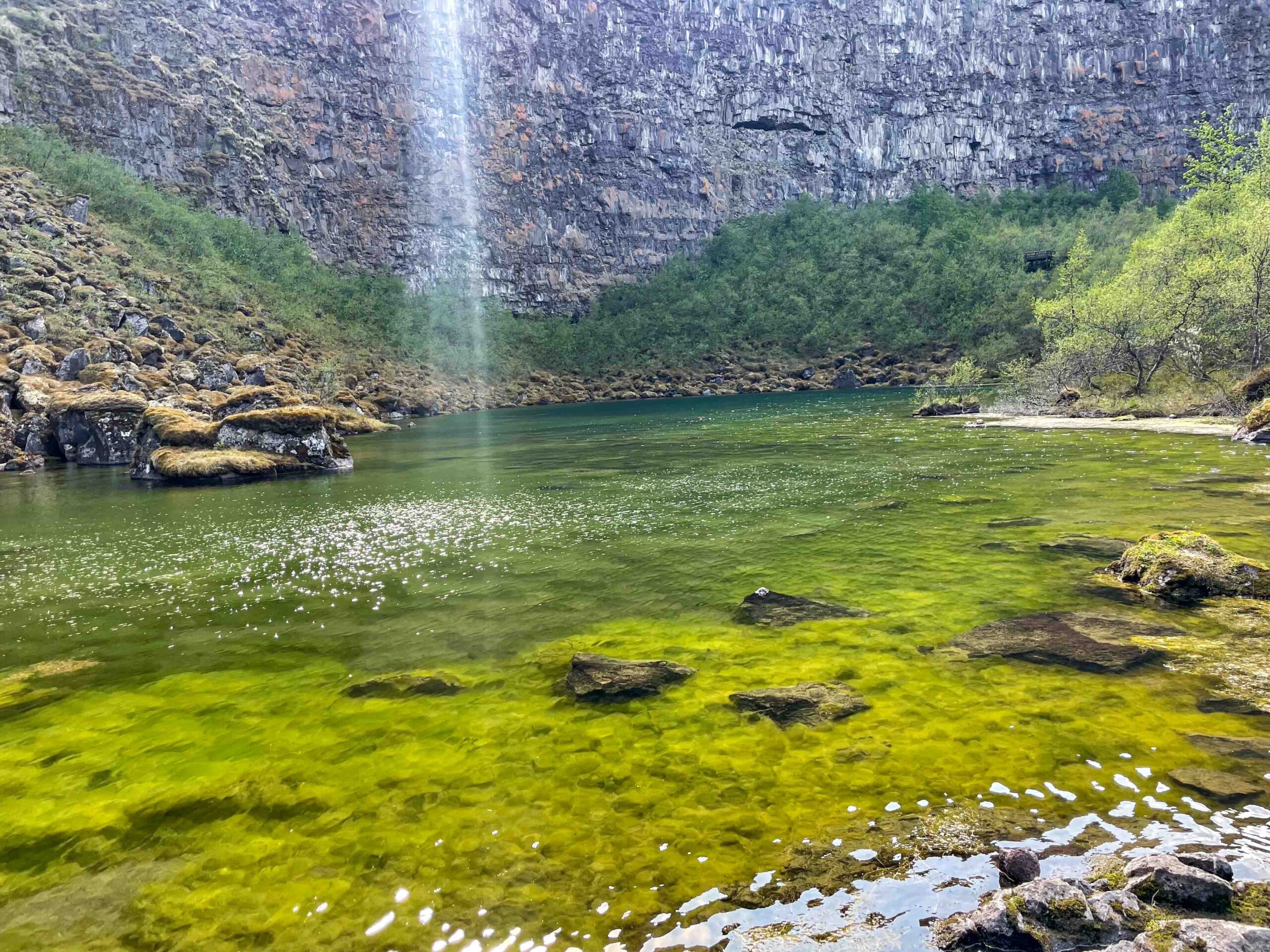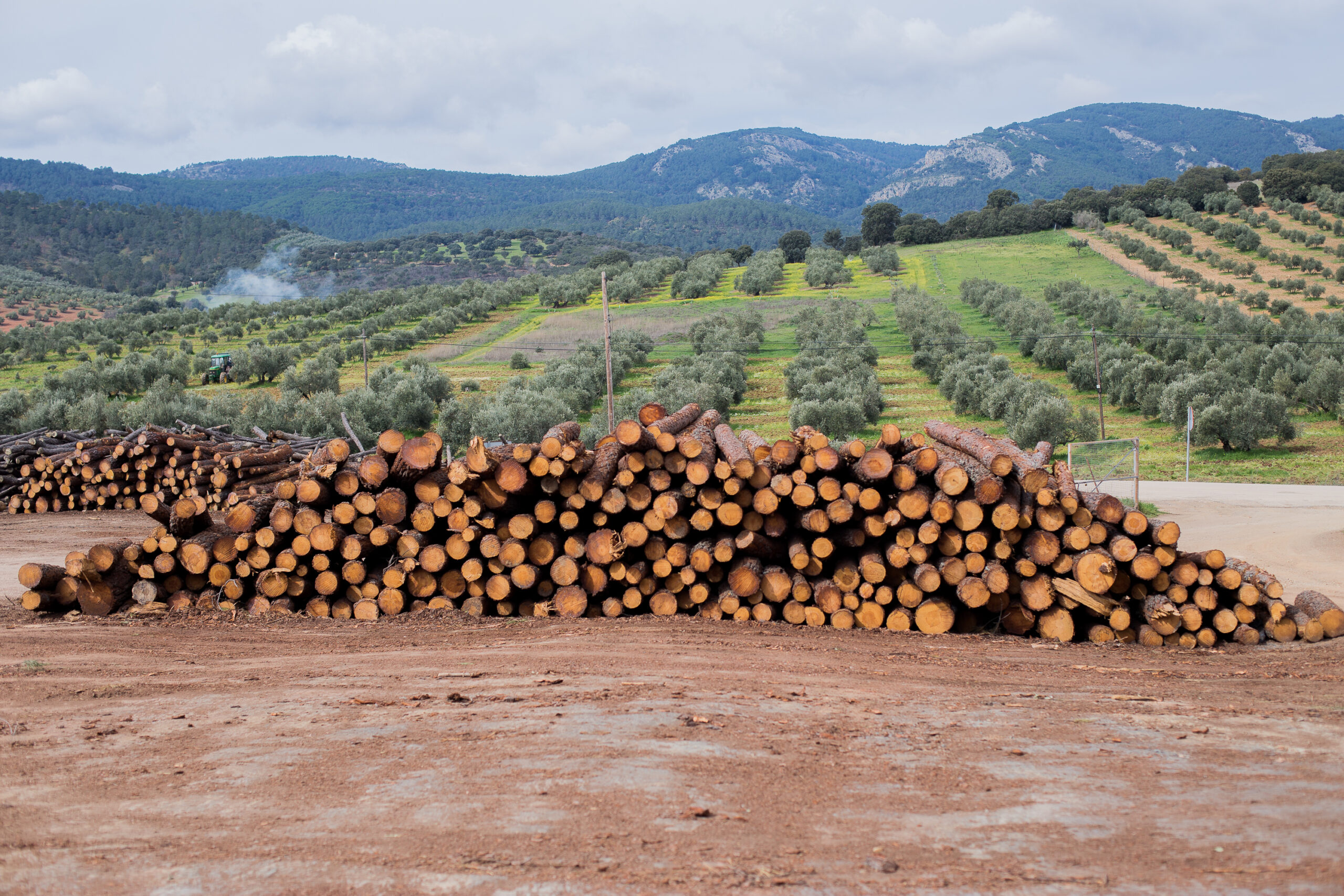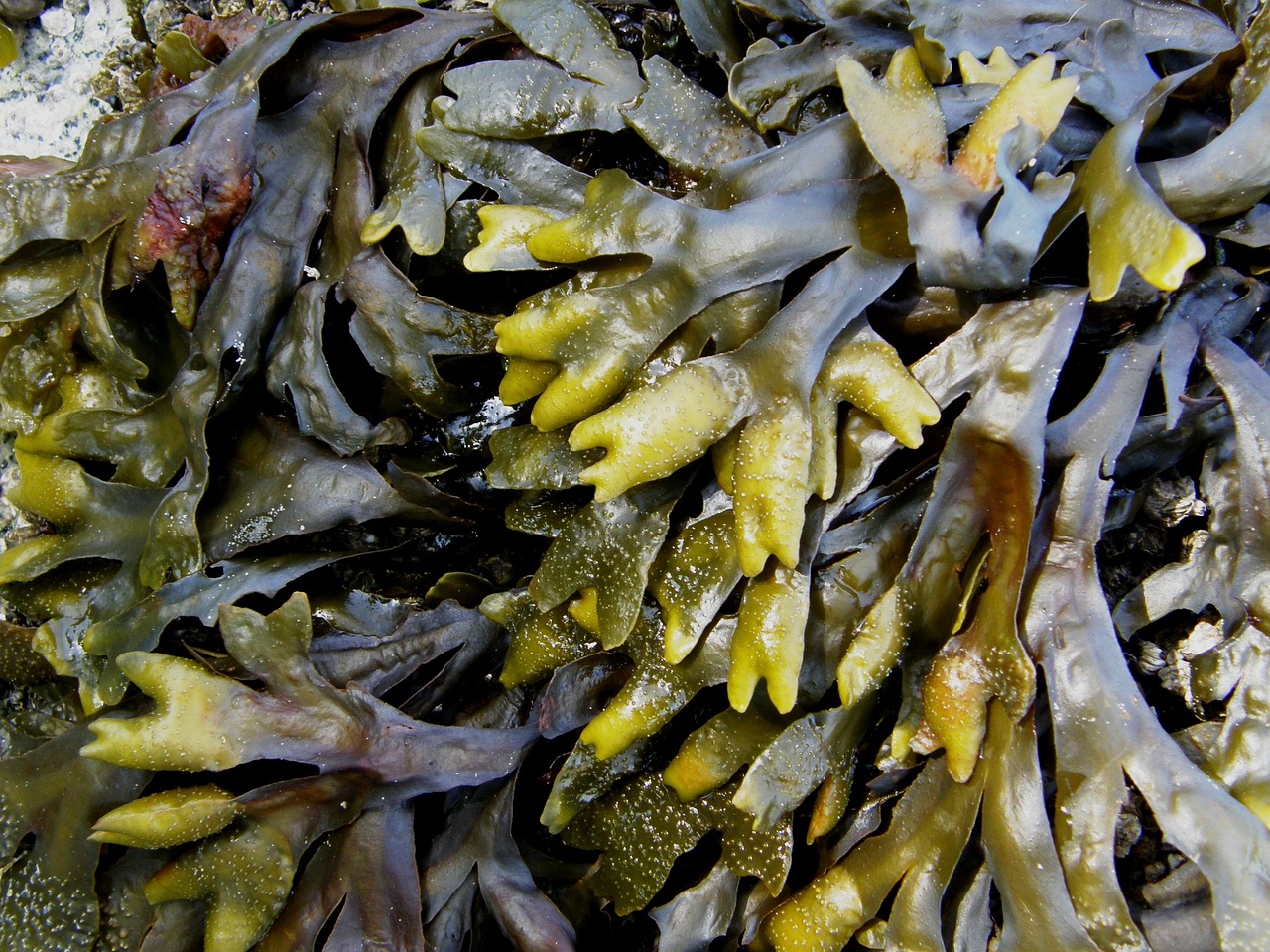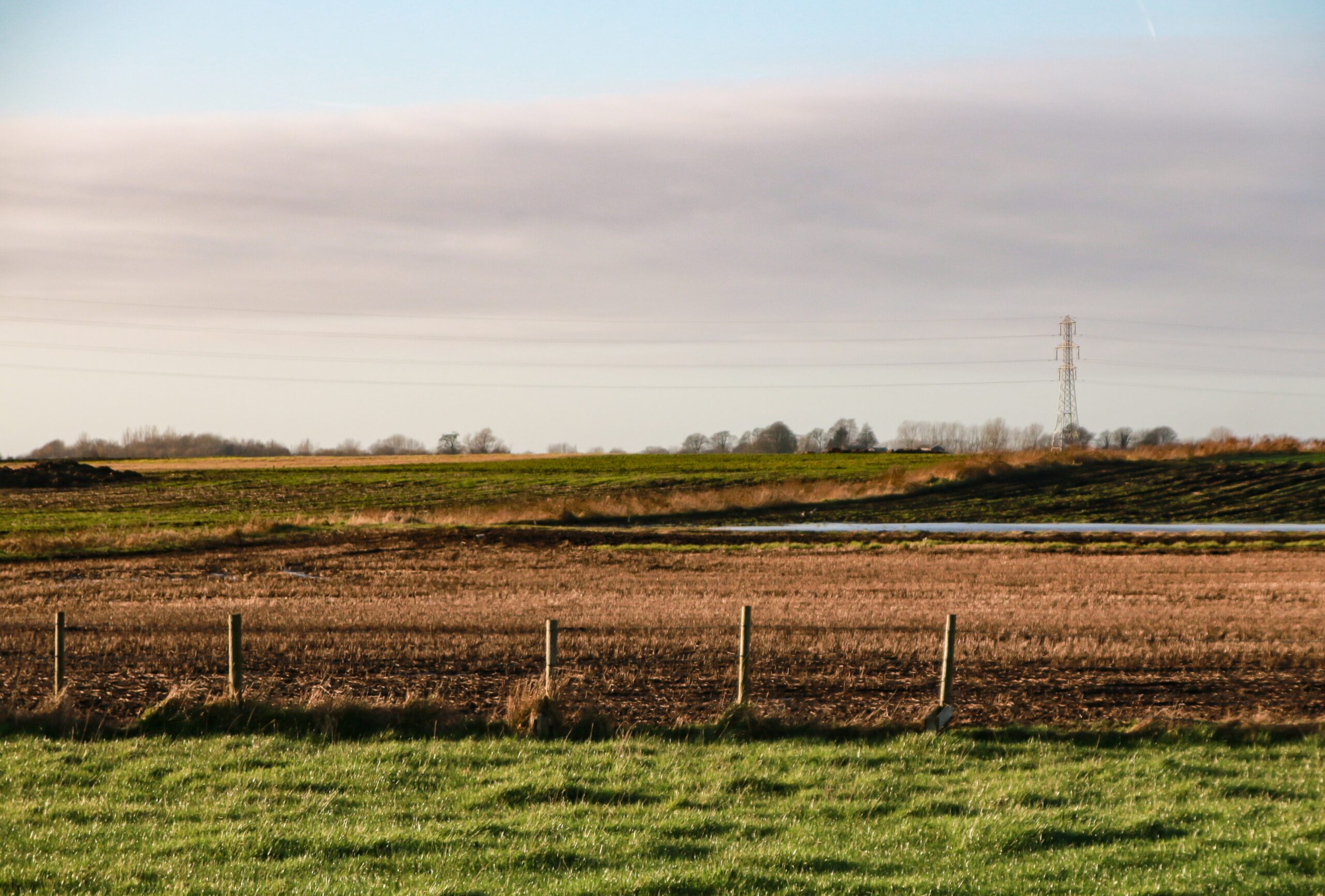
Soil biodiversity monitoring requires standardized and practical sample storage methods, particularly for large-scale surveys. Yet, the influence of the soil storage conditions on DNA-based assessments of microbial and faunal communities remains a key concern. Here, we assessed whether air-drying of soils at room temperature alters microbial (prokaryotes, fungi, micro-eukaryotes) and faunal (nematodes, annelids, micro-arthropods) abundance and diversity compared to freezing at –20 °C across different land-use types and management intensities through quantitative polymerase chain reaction (qPCR) and multi-marker DNA metabarcoding. We sampled topsoil (0 – 10 cm) from 42 sites of the Swiss Central Plateau spanning forests, grasslands, arable lands, orchards, wetlands, and urban areas. Forests, grasslands and arable lands were sampled in sites varying in management intensities. Across land-use types and management intensities, air-dried and frozen soils yielded comparable gene abundances, alpha-diversity, and community structure for all microbial and faunal groups. Moreover, microbial and faunal community structure were consistently shaped by land-use types and soil physicochemical variables regardless of the soil preservation method used. These findings demonstrate that air-drying is a cost-effective and reliable method for preserving soil samples in large-scale biodiversity monitoring without compromising data quality.
Air-Drying of Soil Sustains Microbial and Faunal Abundance and Diversity Regardless of Land-Use Type or Management Intensity
Year: 2025