Study region
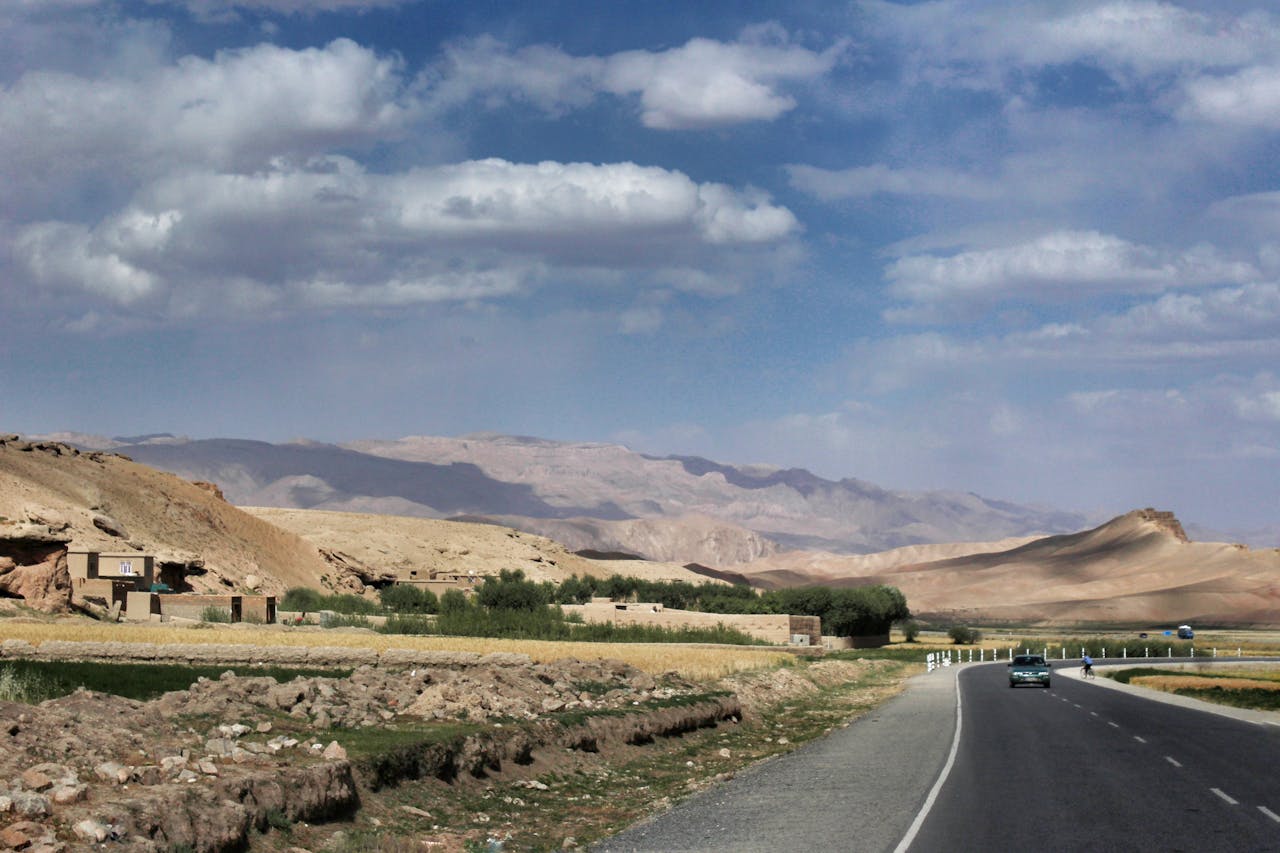
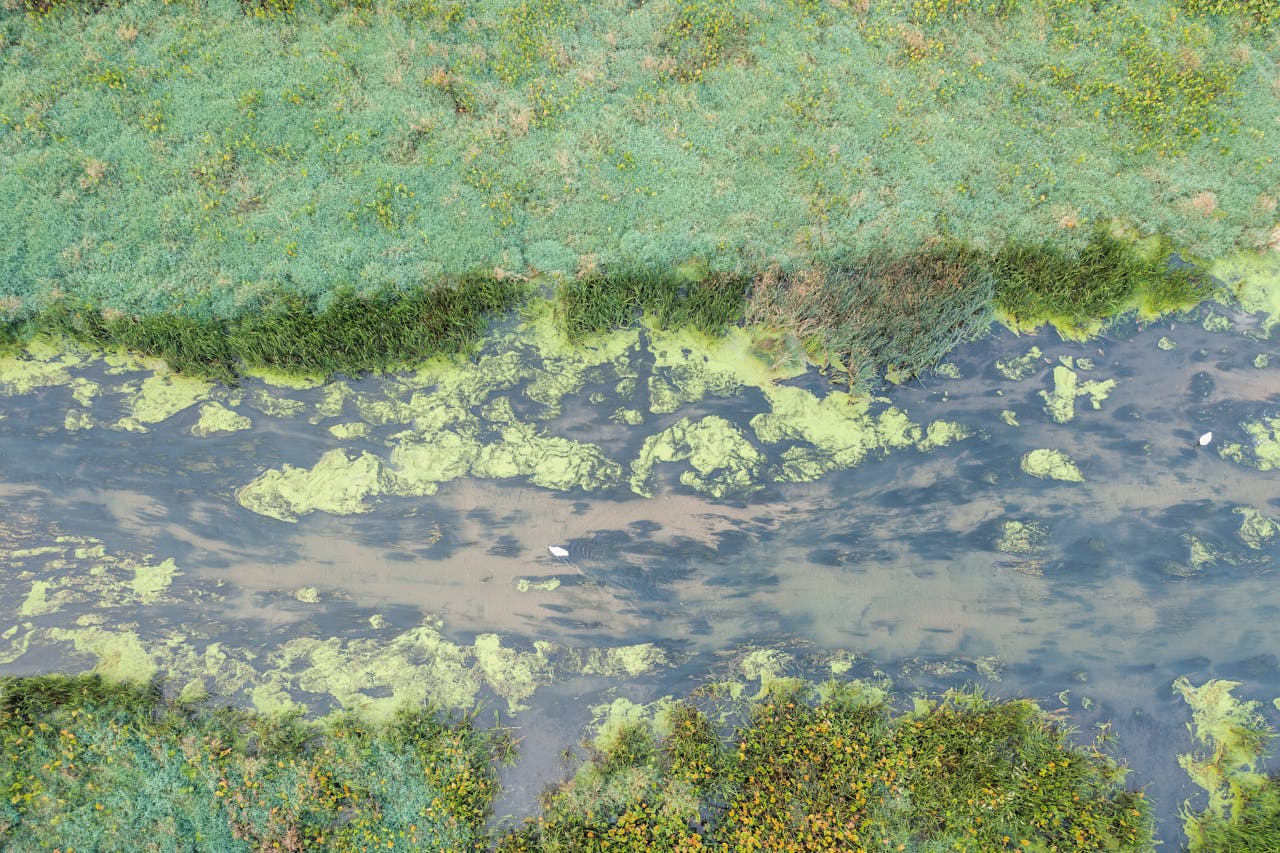
Poyang Lake, China’s largest freshwater lake and a renowned floodplain wetland, is enlisted in the Ramsar Convention.
Study focus
The hydrological process (HP), a vital part of the hydrological regime, notably affects biodiversity patterns in floodplain wetlands. However, the pathways through which hydrological process impacts the benthic macroinvertebrate biodiversity remain ambiguous.
New hydrological insights for the regionAcross the rising, flooding, and falling water level stages, HP indicators exhibited diverse relationships with biodiversity. During the rising and falling stages, the relationship manifested as an inverted U-shaped trend; in the flooding stage, the biodiversity exhibited a U-shaped decreasing trend. The impact of HPs on biodiversity was complex. In the rising stage, the HP exerted a direct influence on biodiversity, with a path coefficient of −0.633. Additionally, it indirectly affected biodiversity through water quality indicators, with an indirect path coefficient of −0.773. In the flooding stage, the HP exerted an indirect influence on biodiversity via water temperature and landscape indicators, with the corresponding path coefficients of 0.185 and −0.367, respectively. During the falling stage, the HP directly affected biodiversity, as indicated by a path coefficient of −0.564, and also indirectly influenced it through water temperature, with an indirect path coefficient of −0.799. Overall, the indirect effect was more prominent in the rising and falling stages, while the direct impact was insignificant in the flooding stage.