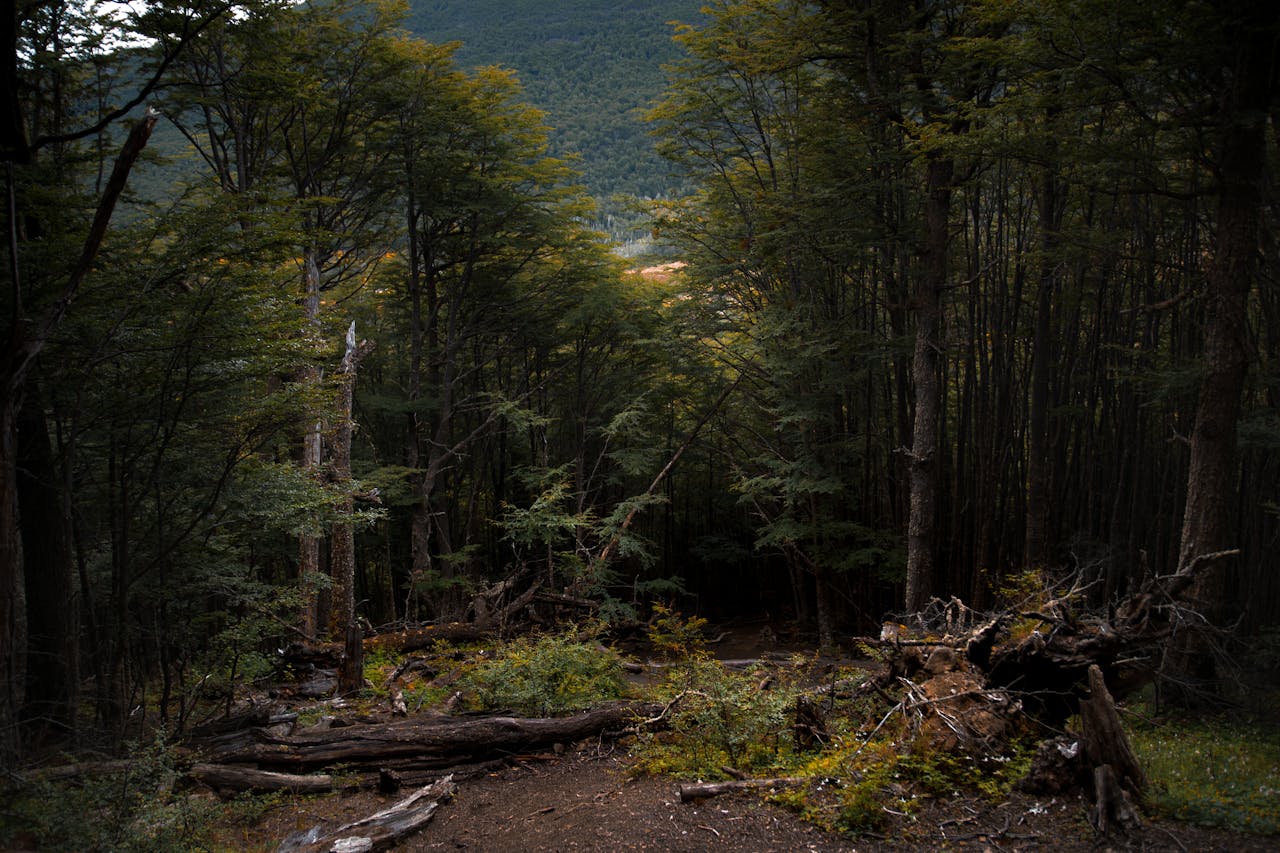
Polylepis woodlands, endemic to the Andean Mountains, are critical for biodiversity and ecosystem services but face threats from anthropogenic disturbances and climate change. This study employed sonic tomography (ST) to assess the structural integrity of three relict Polylepis stands on the western slopes of the Peruvian Andes. A total of 192 tomograms from 48 trees across three sites revealed substantial variation in internal decay (2.5–70%), with mean decay levels of 11.6% (Z1), 16.6% (Z2), and 10.5% (Z3). Although the initial generalized linear mixed models (GLMMs) suggested tree diameters at breast height (DBH) as a potential predictor of decay, subsequent non-parametric Spearman’s correlation analysis found no significant relationship between DBH and decay (r < 0.001, p > 0.05) or between altitude and decay (r = 0.187, p = 0.204). No significant differences were detected among species or zones. The study demonstrates the efficacy of ST for noninvasive health assessment in high-altitude ecosystems and underscores the need for long-term monitoring to guide conservation strategies.
Noninvasive Sonic Tomography for the Detection of Internal Defects in Relict Woodlands of Polylepis in Peru
Year: 2025