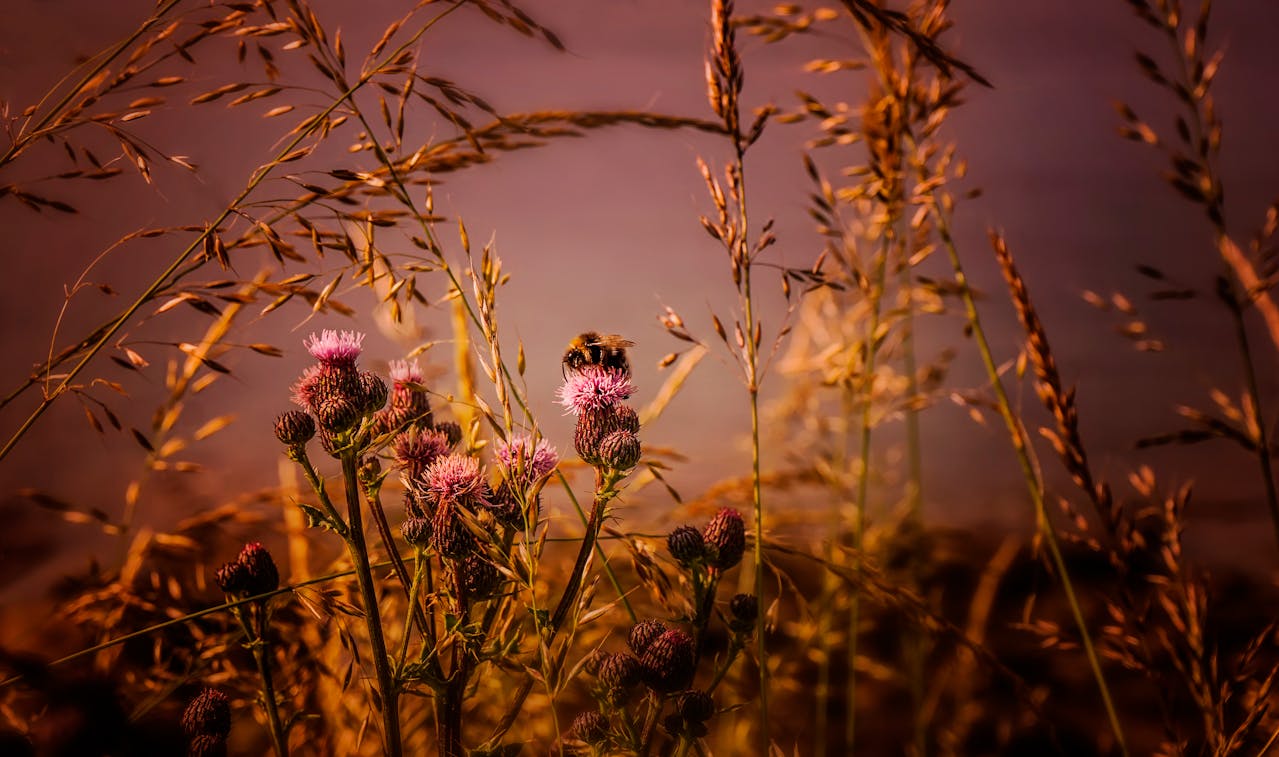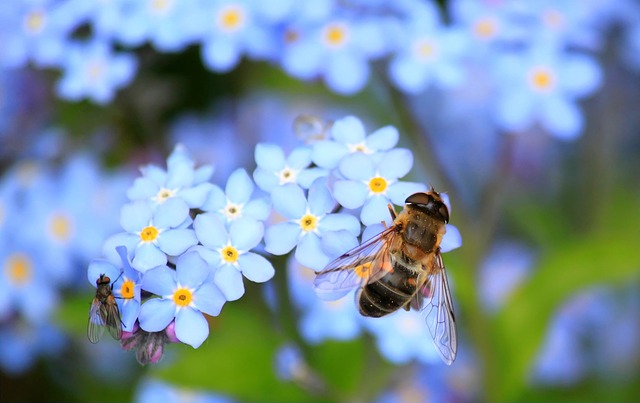
Biodiversity conservation policies often face resistance, yet the global agri-food system’s vulnerability to ecosystem service declines, such as wild pollinator losses, remains poorly understood. Wild pollinators are vital for sustaining crop yields, especially nutrient-rich crops. Declines in their populations could disrupt food production, trade, and global food security. Here, we show that a hypothetical collapse of wild pollinators in Europe by 2030 would reduce European crop yields by 8%, trigger modest cropland expansion, and diminish net exports. Although global market adjustments, through changes in land use and trade, would partially mitigate these impacts, they risk exacerbating food insecurity and undermining biodiversity conservation efforts globally. Prices for pollinator-dependent crops would rise globally, with Europe seeing the steepest increases. While producers may benefit from higher prices, consumers bear the brunt. Global annual welfare losses would reach €34 billion in 2030, with Europe and the EU accounting for €24 billion and €12 billion, disproportionately impacting EU member-states resistant to biodiversity-friendly policies.
The Economic, Agricultural and Food Security Repercussions of a Wild Pollinator Collapse in Europe
Year: 2025