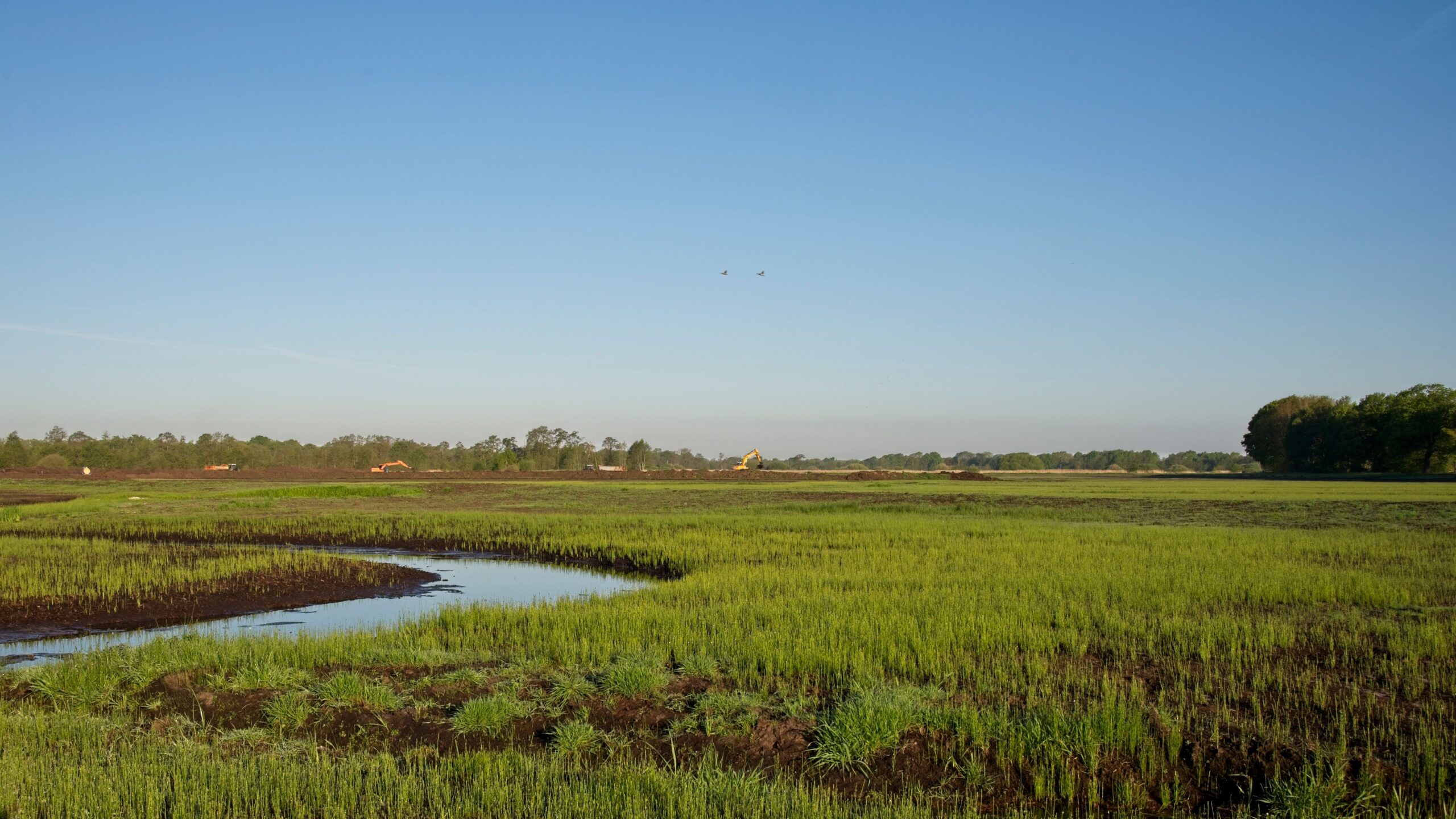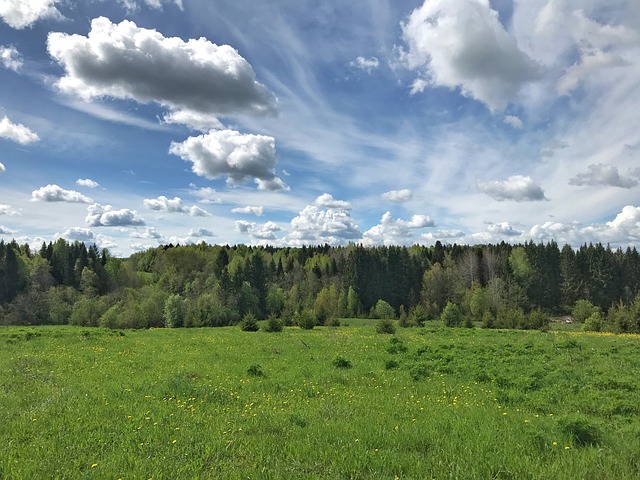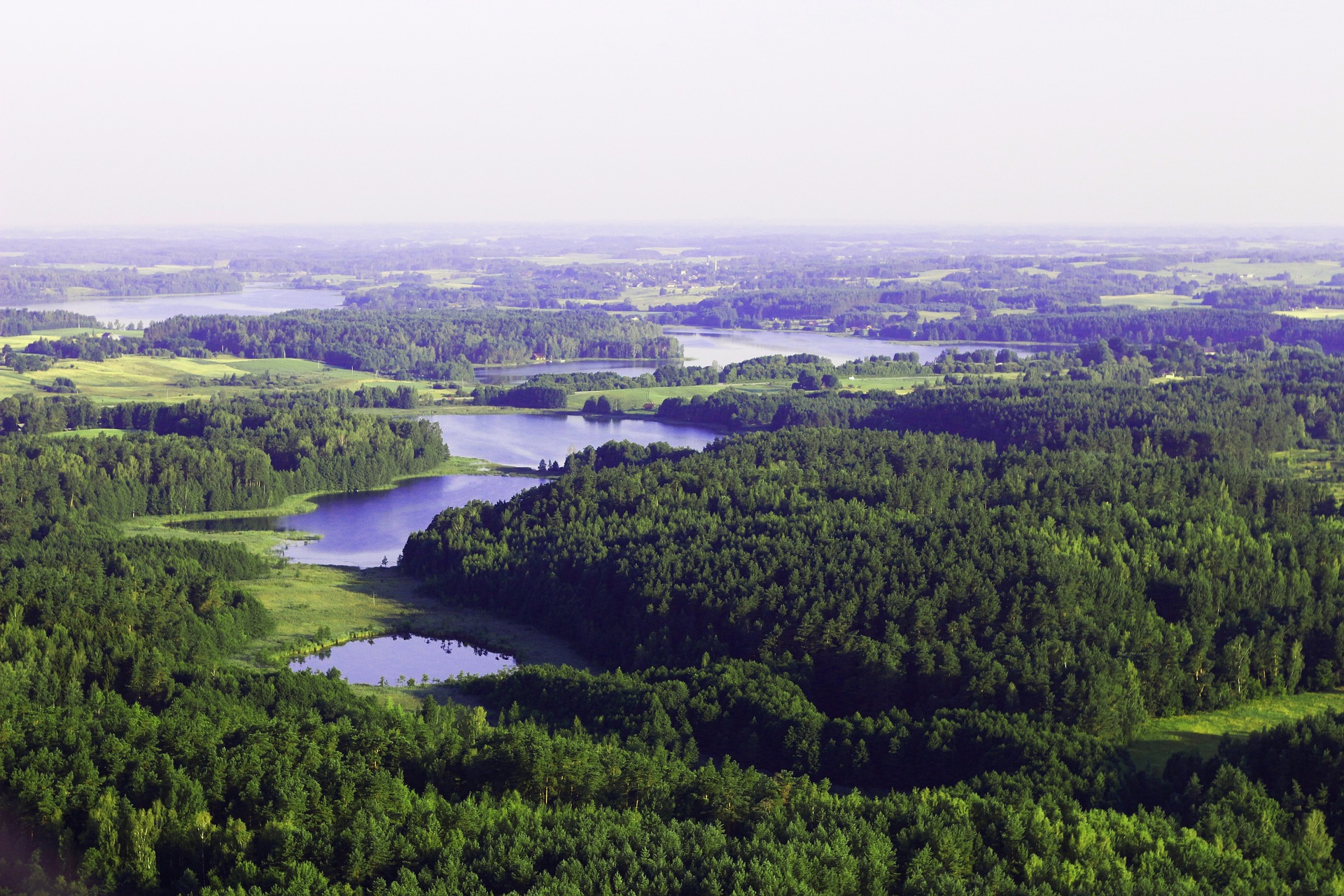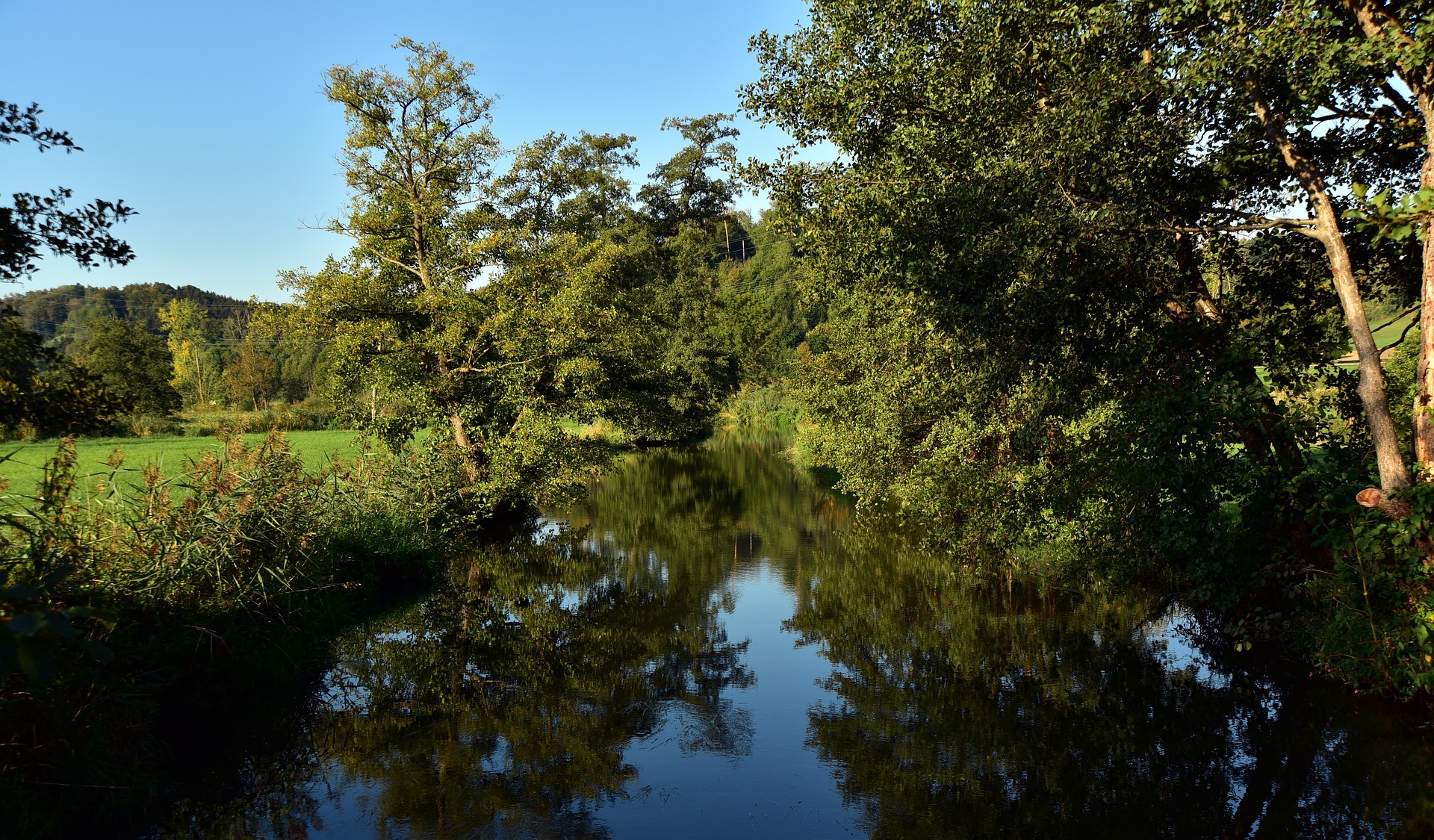
Ecological restoration is essential to meeting global biodiversity conservation goals. Given limited conservation budgets, deciding where to restore habitat is a key challenge for the coming decade. We developed a spatially explicit framework to optimize ecological restoration site selection by integrating land use history, species distributions, and economic costs. The framework includes the following steps: identify potential restoration area based on relevant environmental measures like land use; identify species of interest; calculate restoration benefits by modeling habitat and climate suitability and estimating reduced extinction risk associated with restoring a particular land parcel based on a modified species–area relationship; aggregate benefits across species; and compare to parcel-level land acquisition costs.
Restoration Based on Cost–Benefit Optimization: A Grasslands Pilot Study
Year: 2026