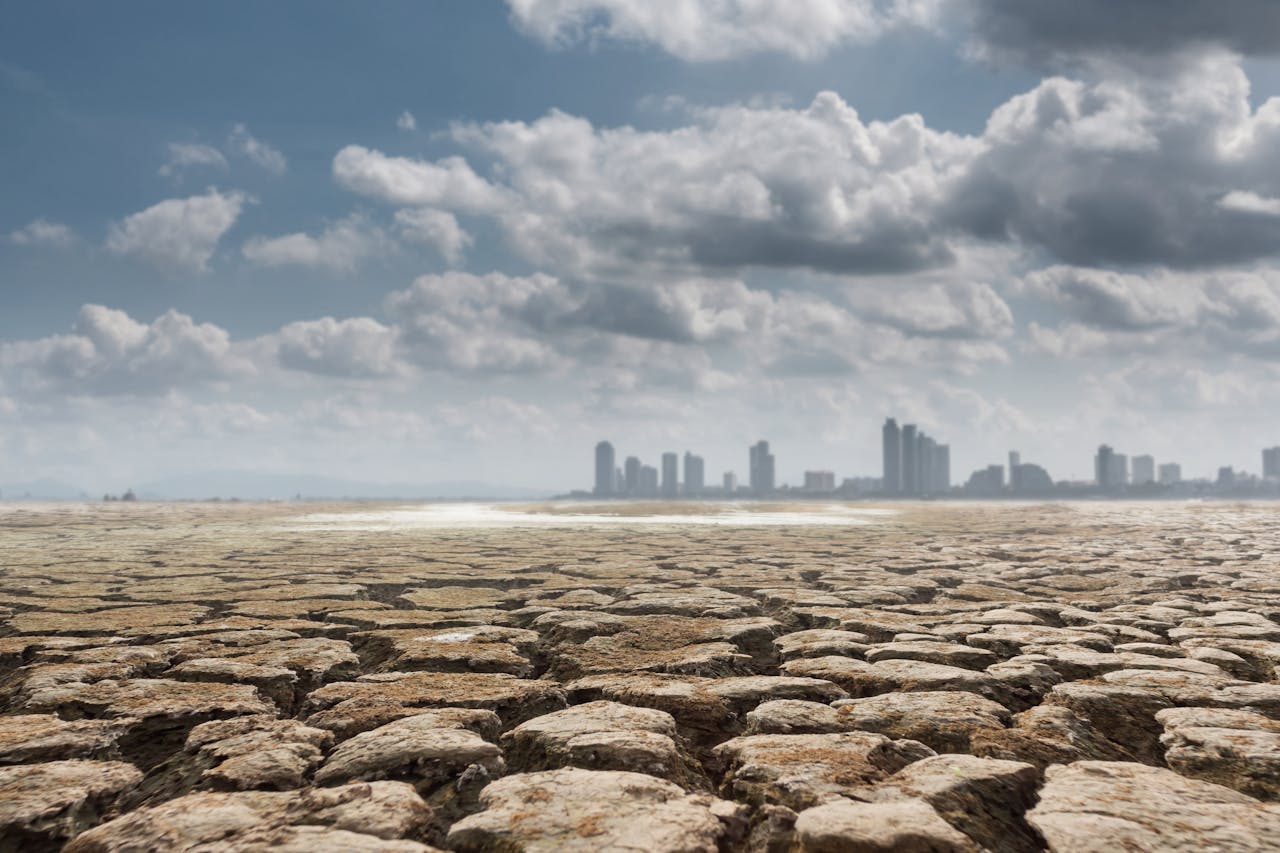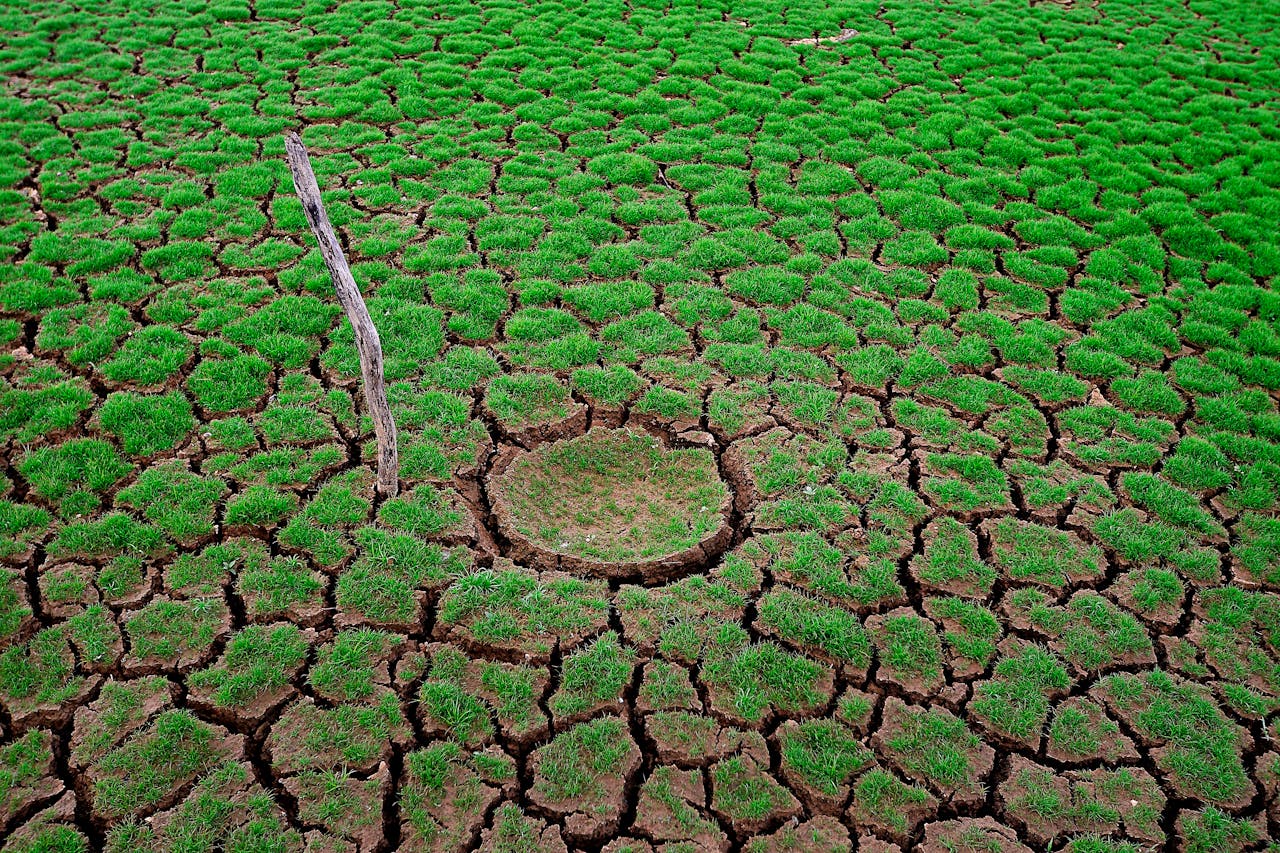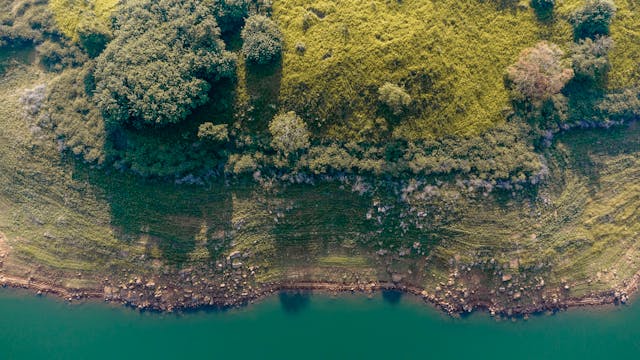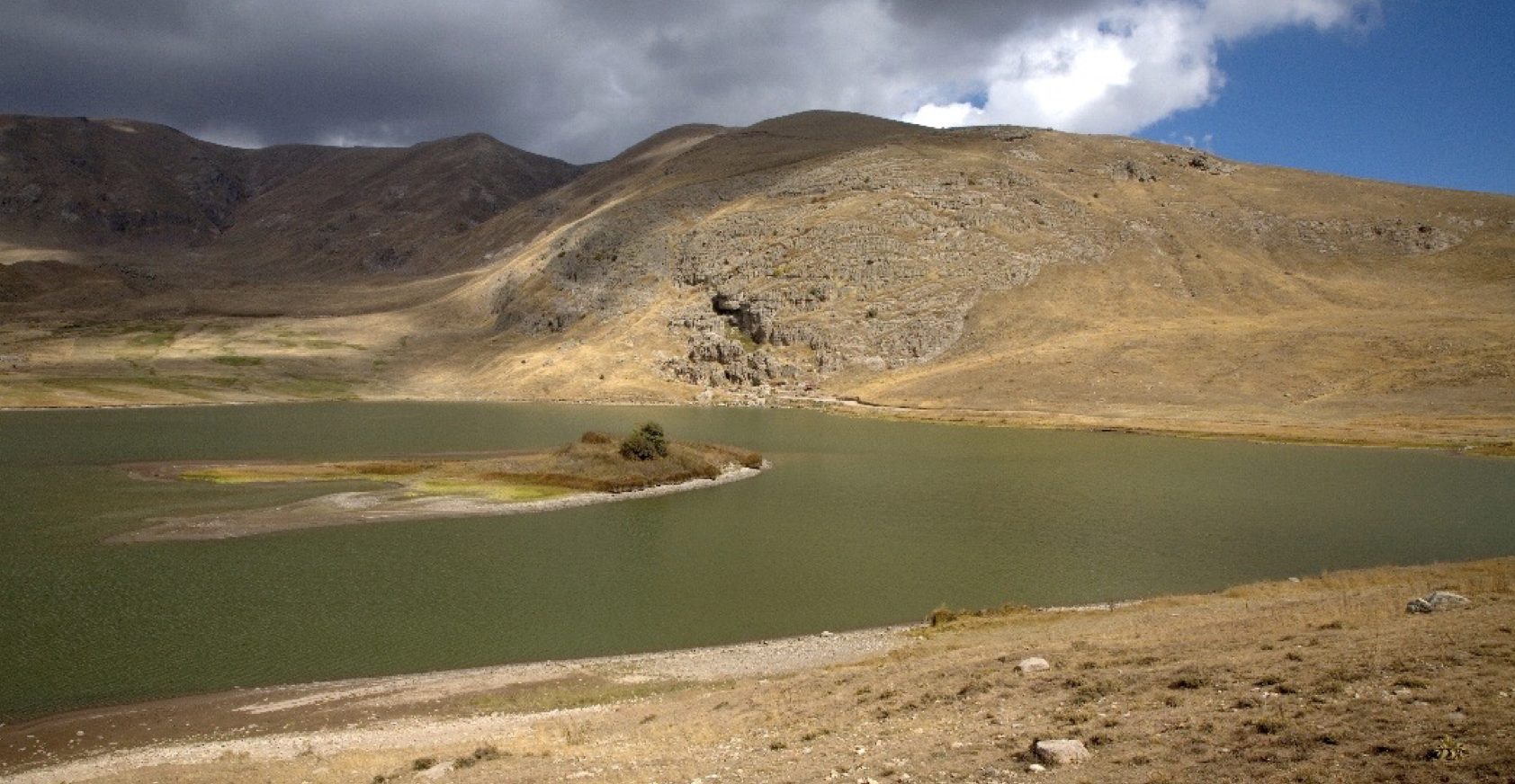
Over the past half century, the volume of the Aral Sea has decreased by almost 10 times, and the world’s fourth largest sea has been divided into several relatively independent reservoirs. Due to global climatic phenomena, the influence of arid and low-water periods has led to further regression of the water bodies of the Aral Sea, which determines an increase in the concentration of fine salt during salt and dust storms.
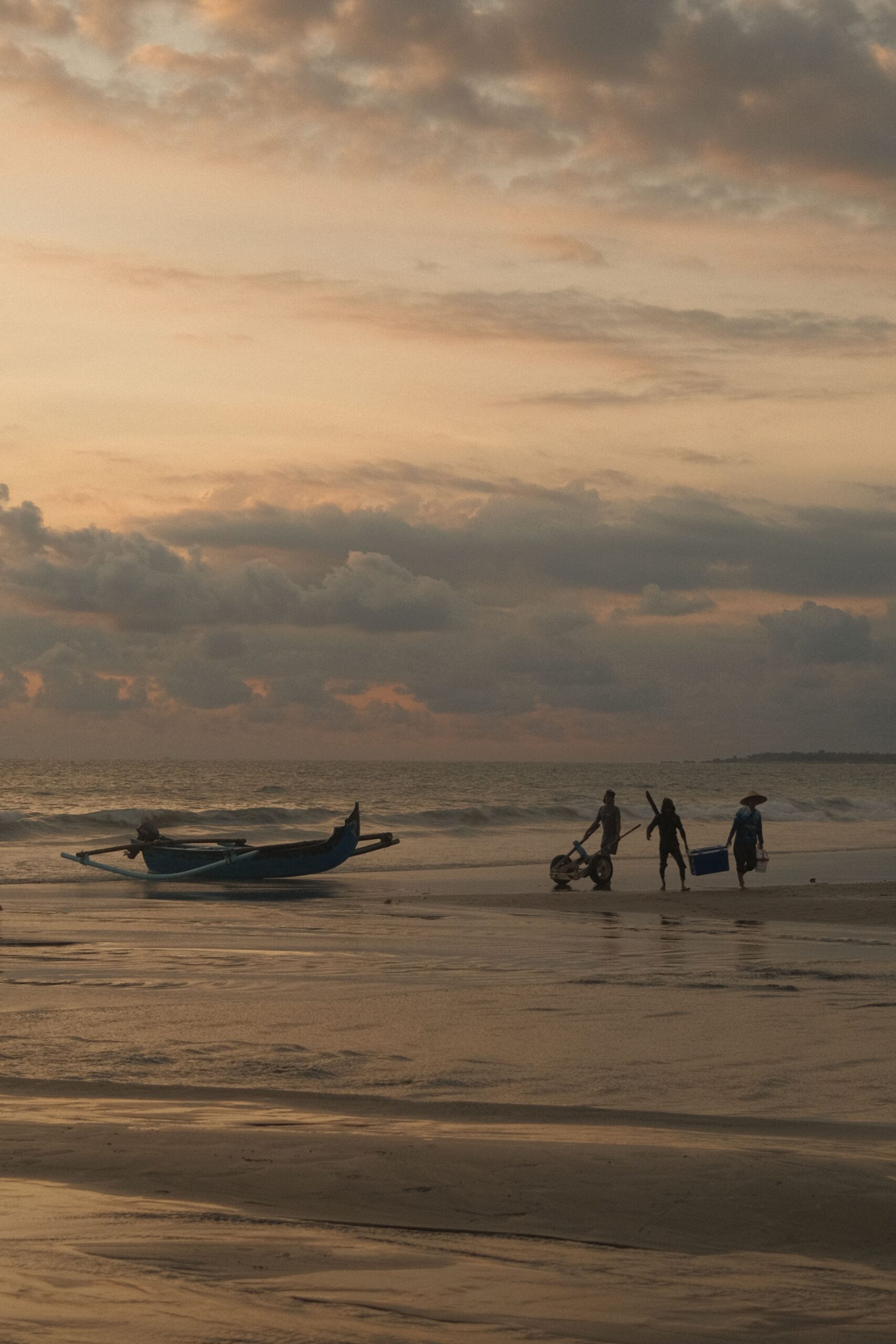
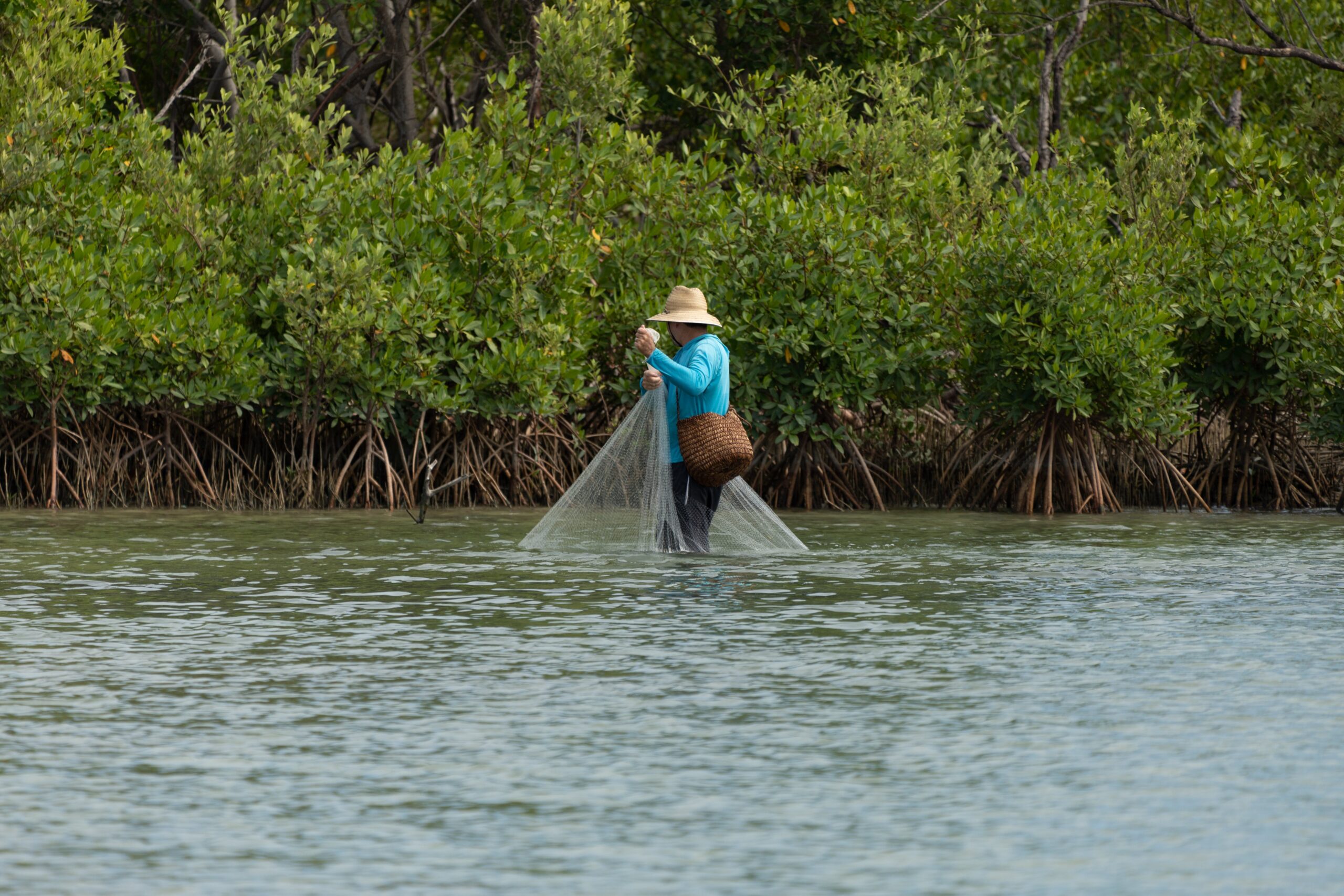
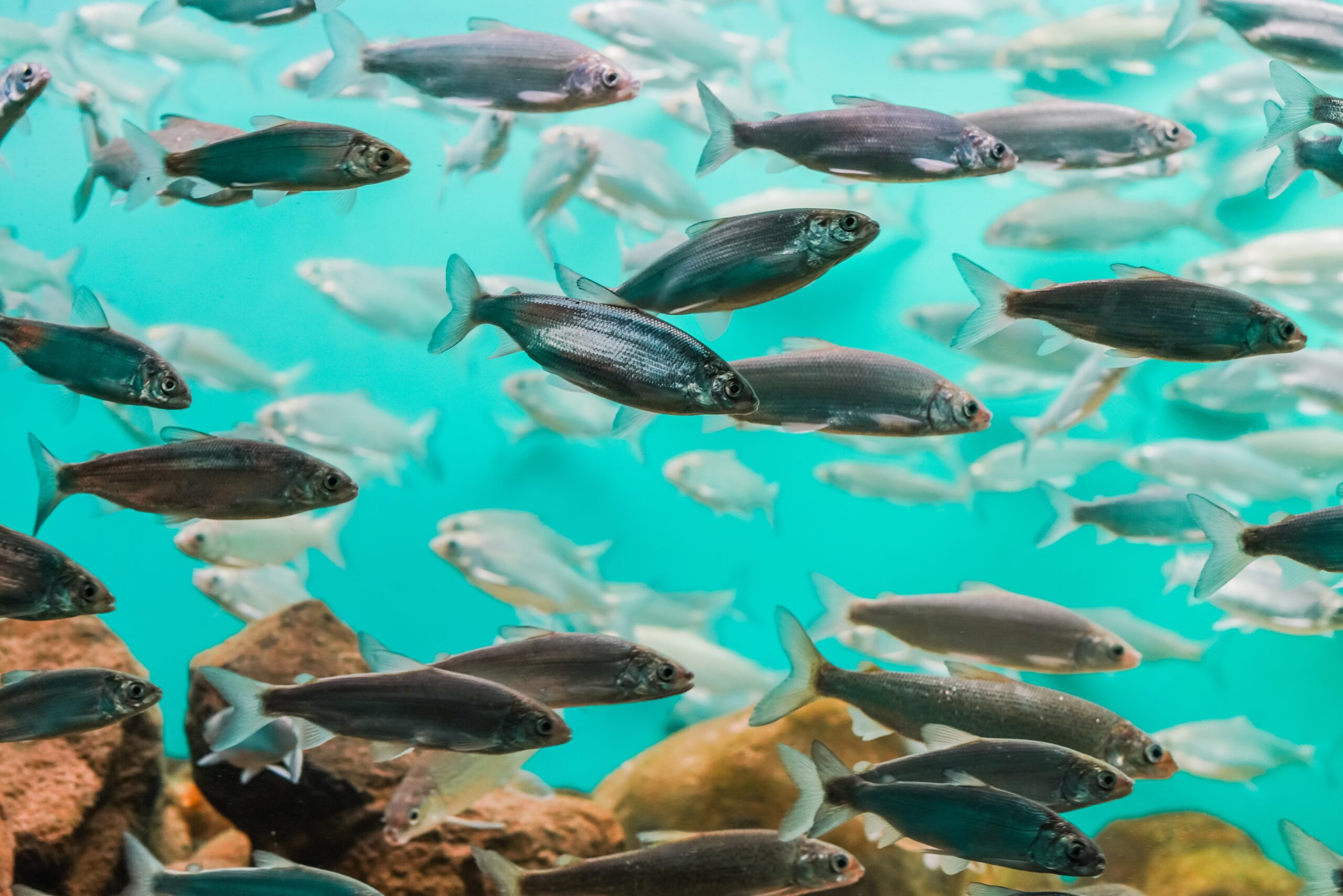
Billions of tons of toxic salts have accumulated in the Aral Sea, which got here along with the water after washing the fields. According to experts, there are about 107-114 billion tons of salt on the drained bottom of the Aral Sea (ODAM). This circumstance, as well as the death of almost all spawning grounds, led to a catastrophic reduction in the fish population, numbering about 34 species, of which more than 20 were of commercial importance. This dealt a devastating blow to the local fishing industry, which once employed about 60,000 people.
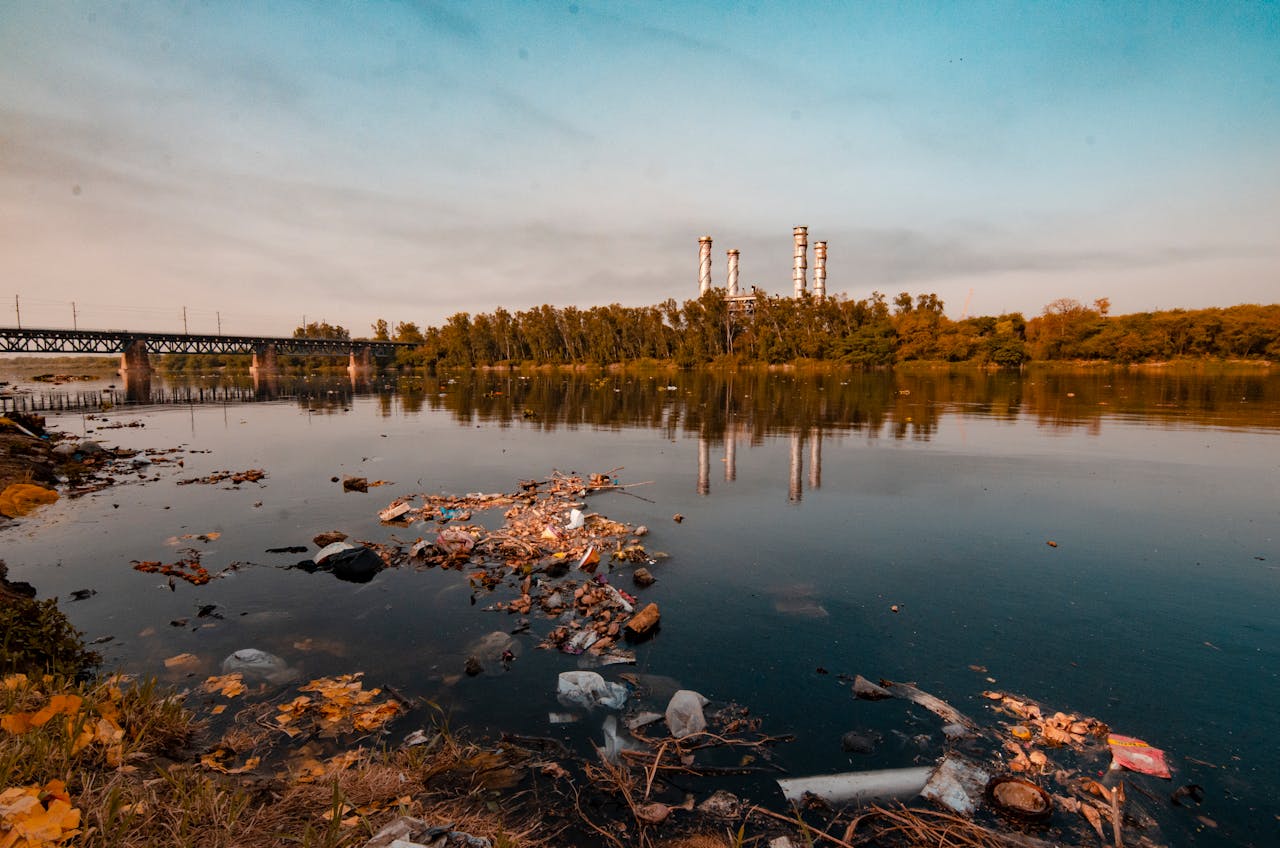
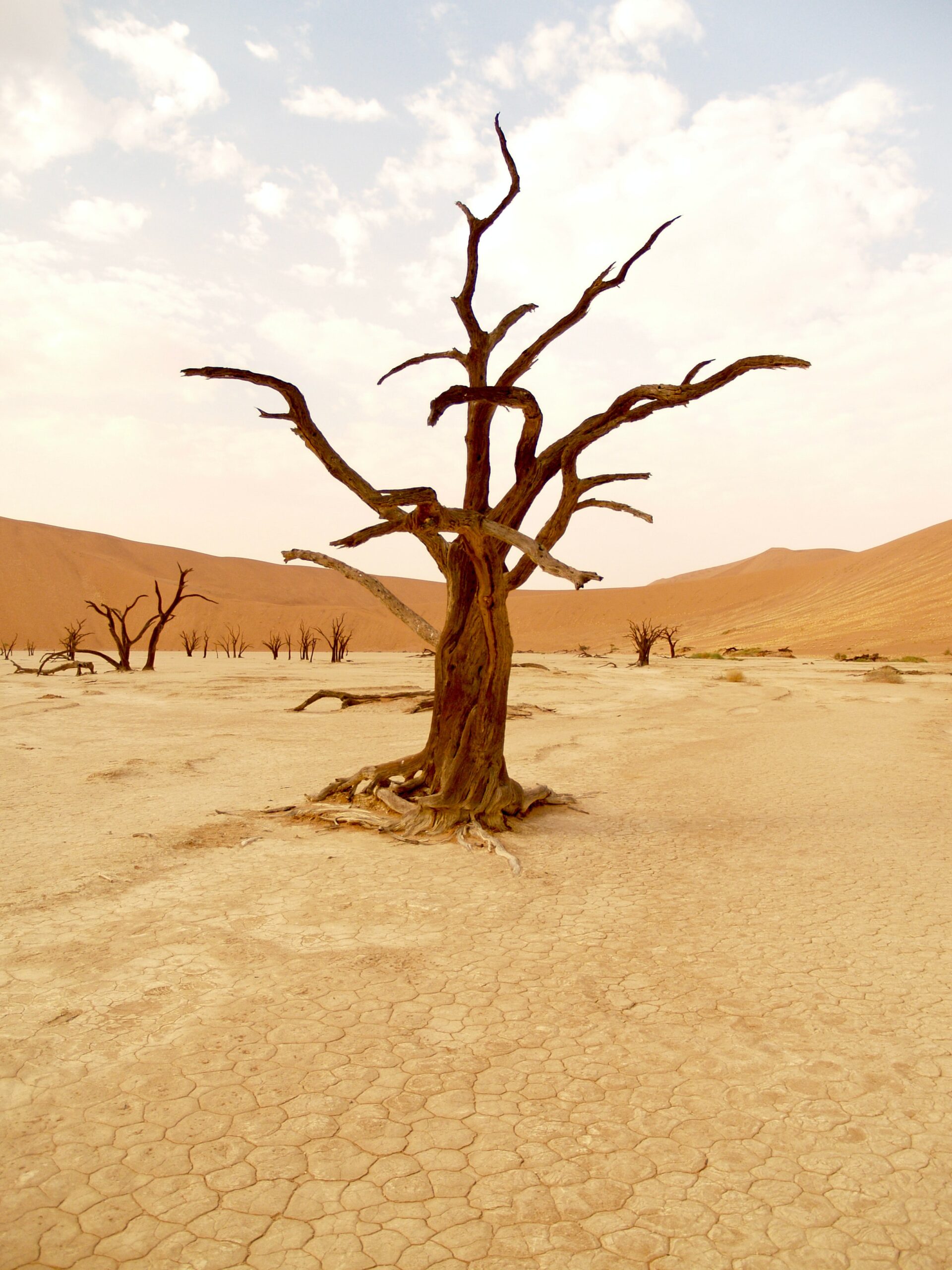
Every year, up to 80 million tons of toxic salts rise from the dried-up bottom of the Aral Sea. They are carried by dust storms over many thousands of kilometers – from Western Europe to the peaks of the Tien Shan and the Himalayas, negatively affecting the health of people and ecosystems in all our countries. Hundreds of thousands of people are breathing poisonous air. Salt dust covers the high-altitude glaciers that give rise to many rivers with an impenetrable film. This has a detrimental effect on the quality of water, which eventually finds its way into water supplies and wells even thousands of kilometers away from the source, not to mention the residents of coastal areas, who often have diseases of the eyes, lungs, digestion and genitourinary system, blood and hematopoietic organs, and others.
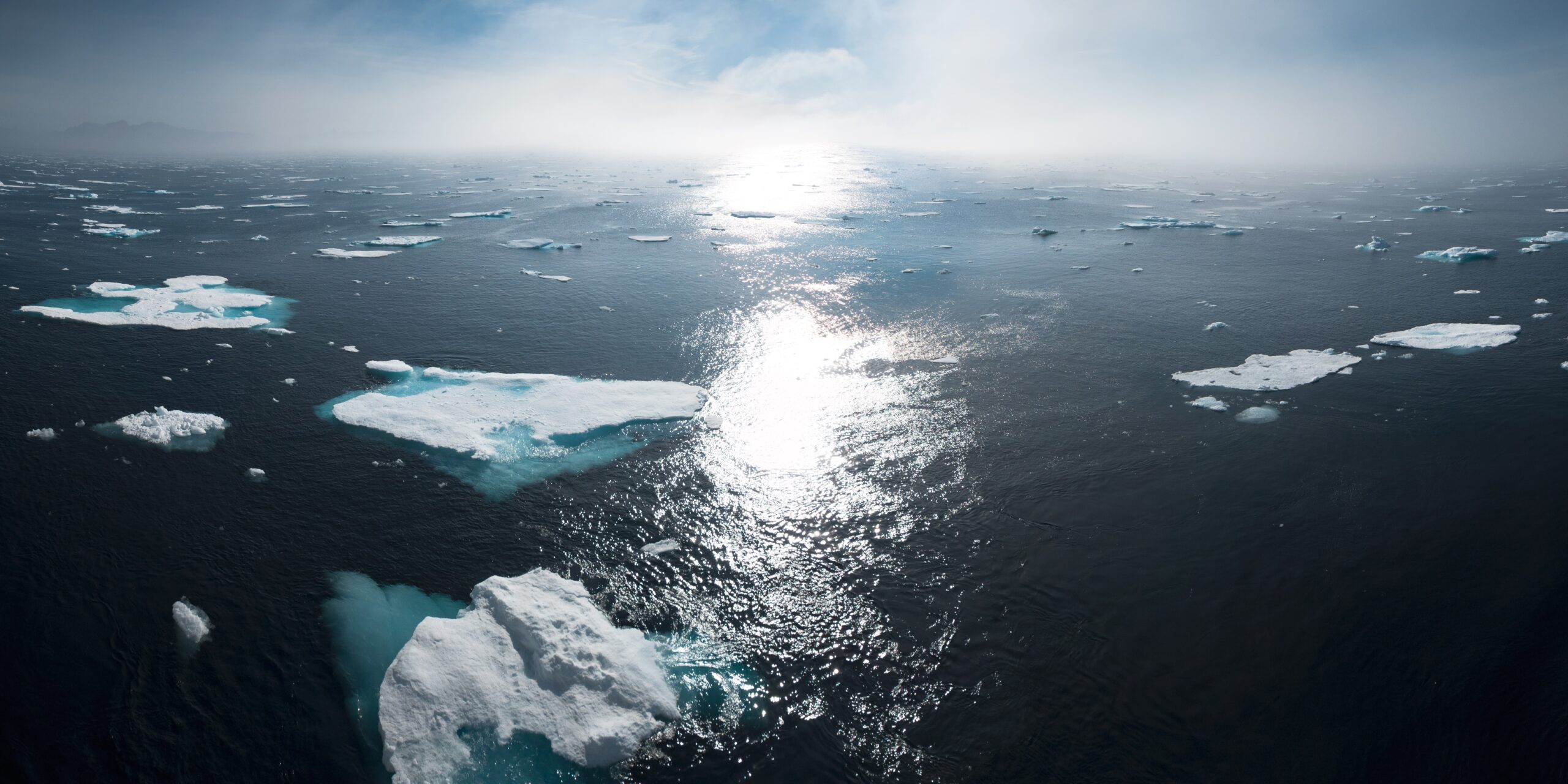
The changes in microclimate and temperature that have occurred since 1960 in the territory surrounding the Aral Sea are so large that they cannot be attributed solely to the general atmospheric processes characteristic of the region. The impact of the Aral Sea retreat on the thermal regime and climatic changes is recognized, although it is limited to a 30-50 km wide strip of land around the water area of the former sea, this is confirmed by modeling performed by the Kazakh Scientific Research Hydrometeorological Institute (KazNIGMI).
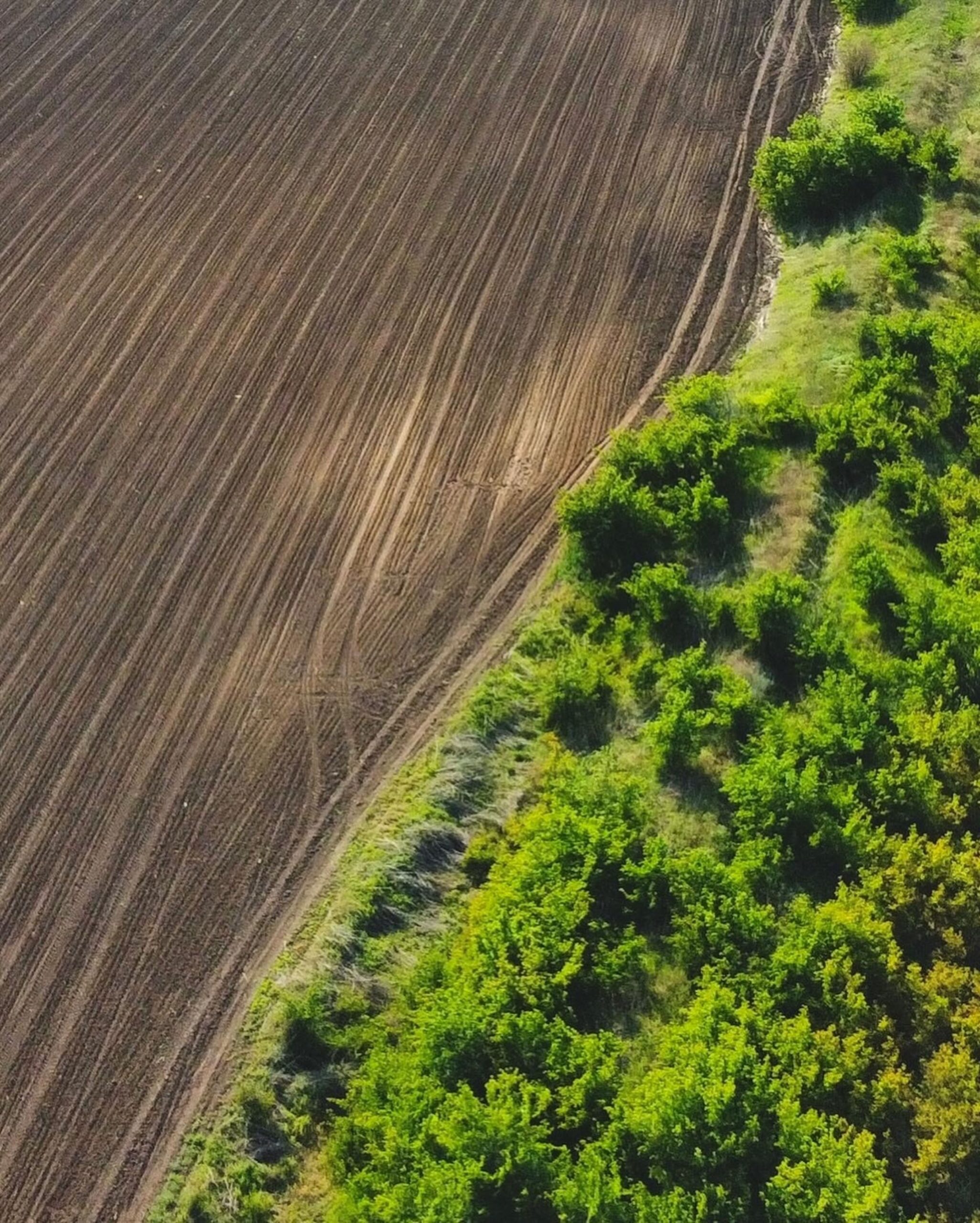
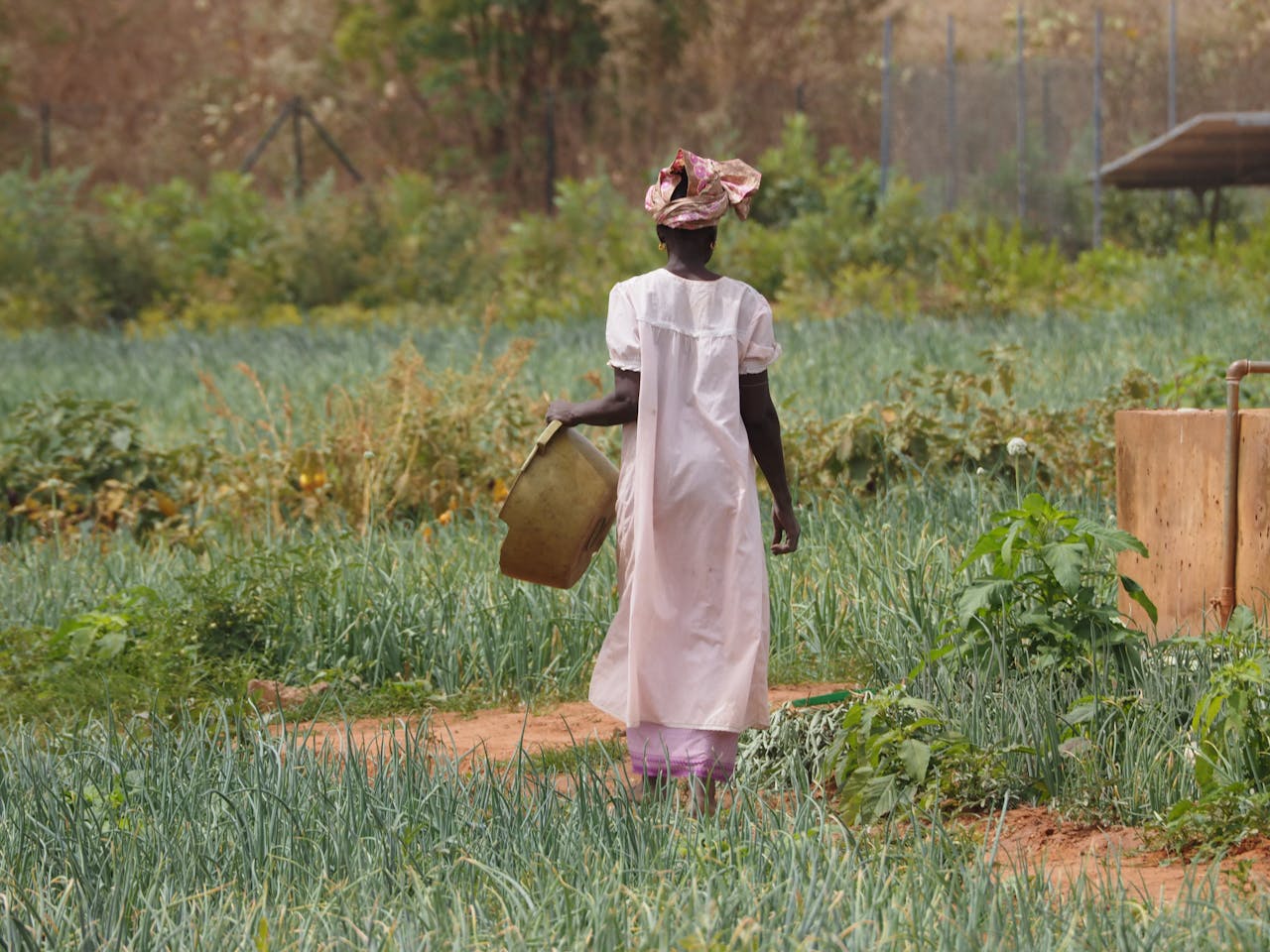
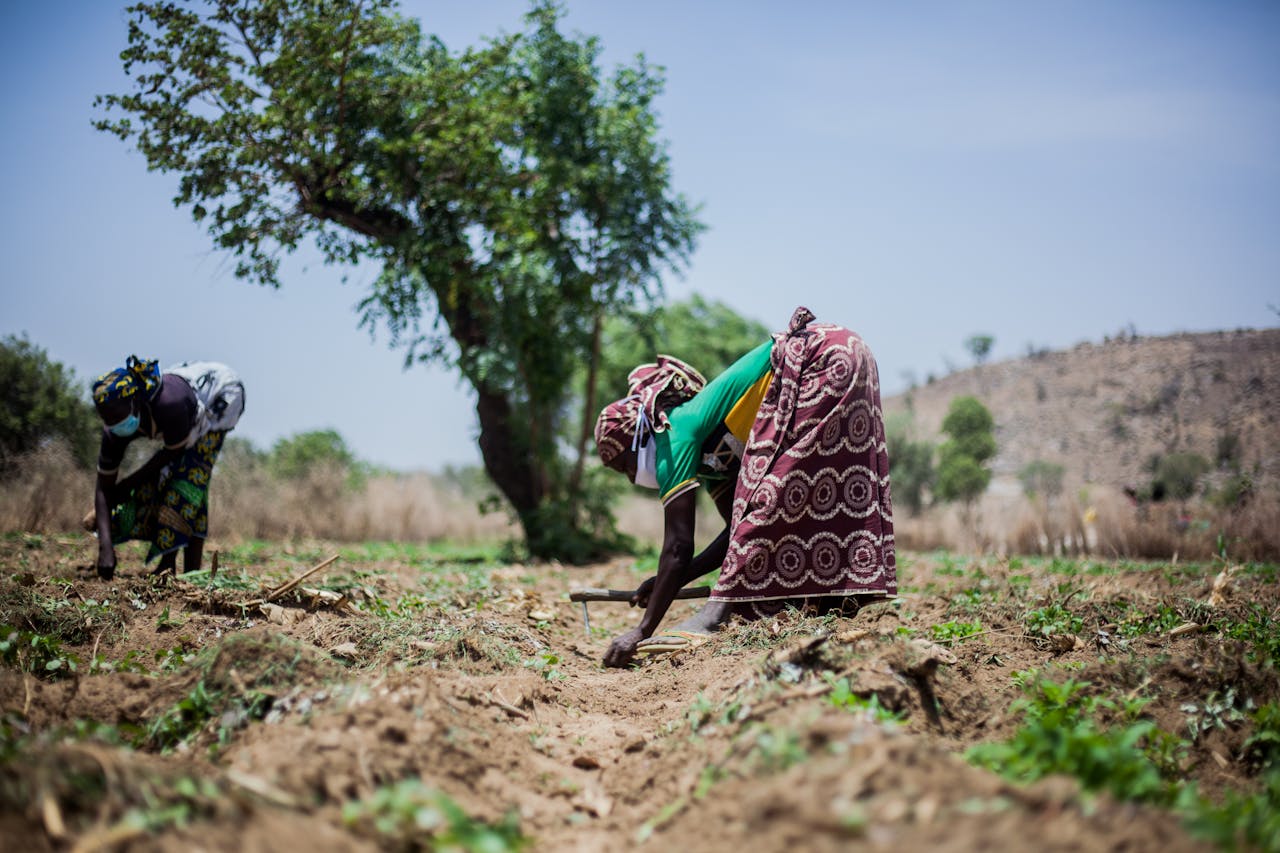
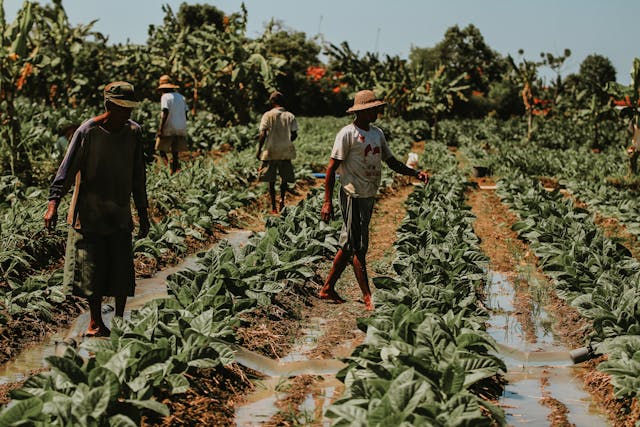
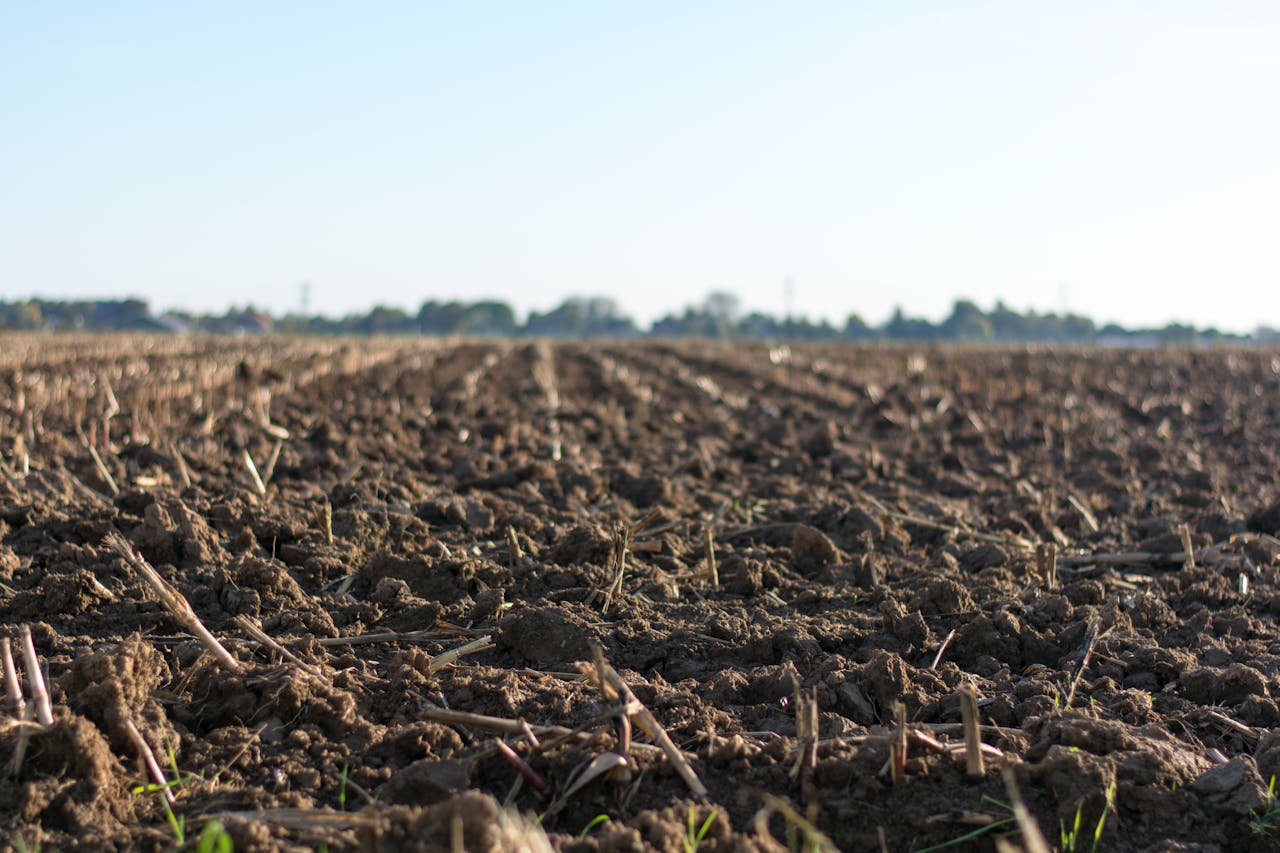
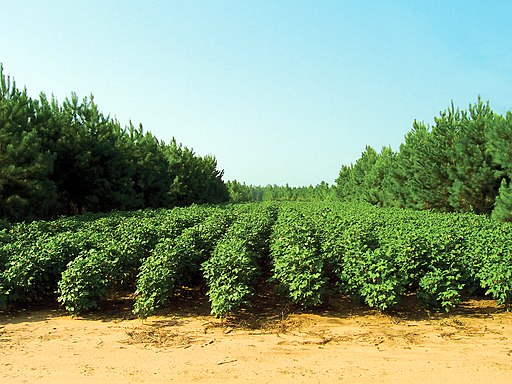
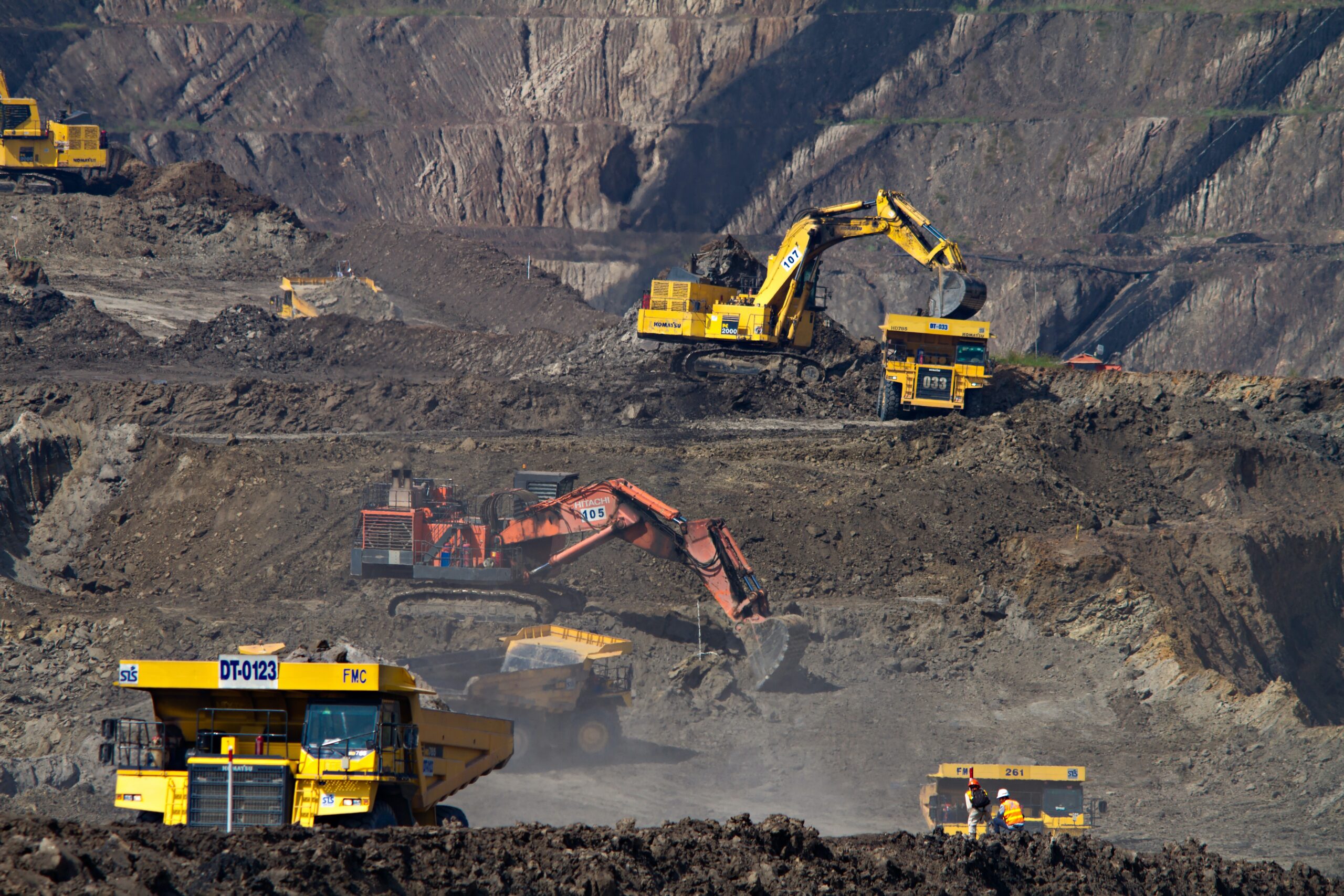
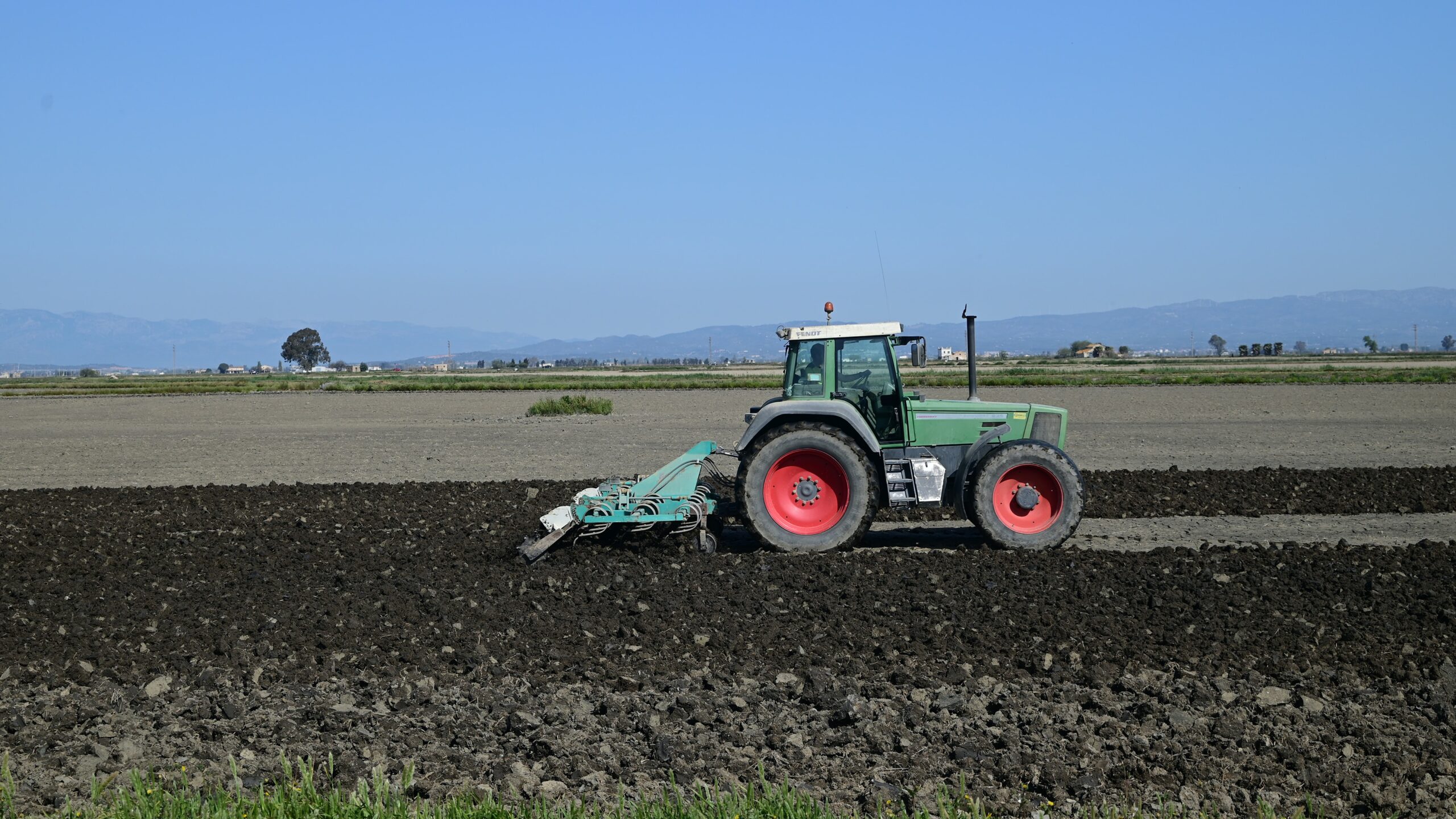
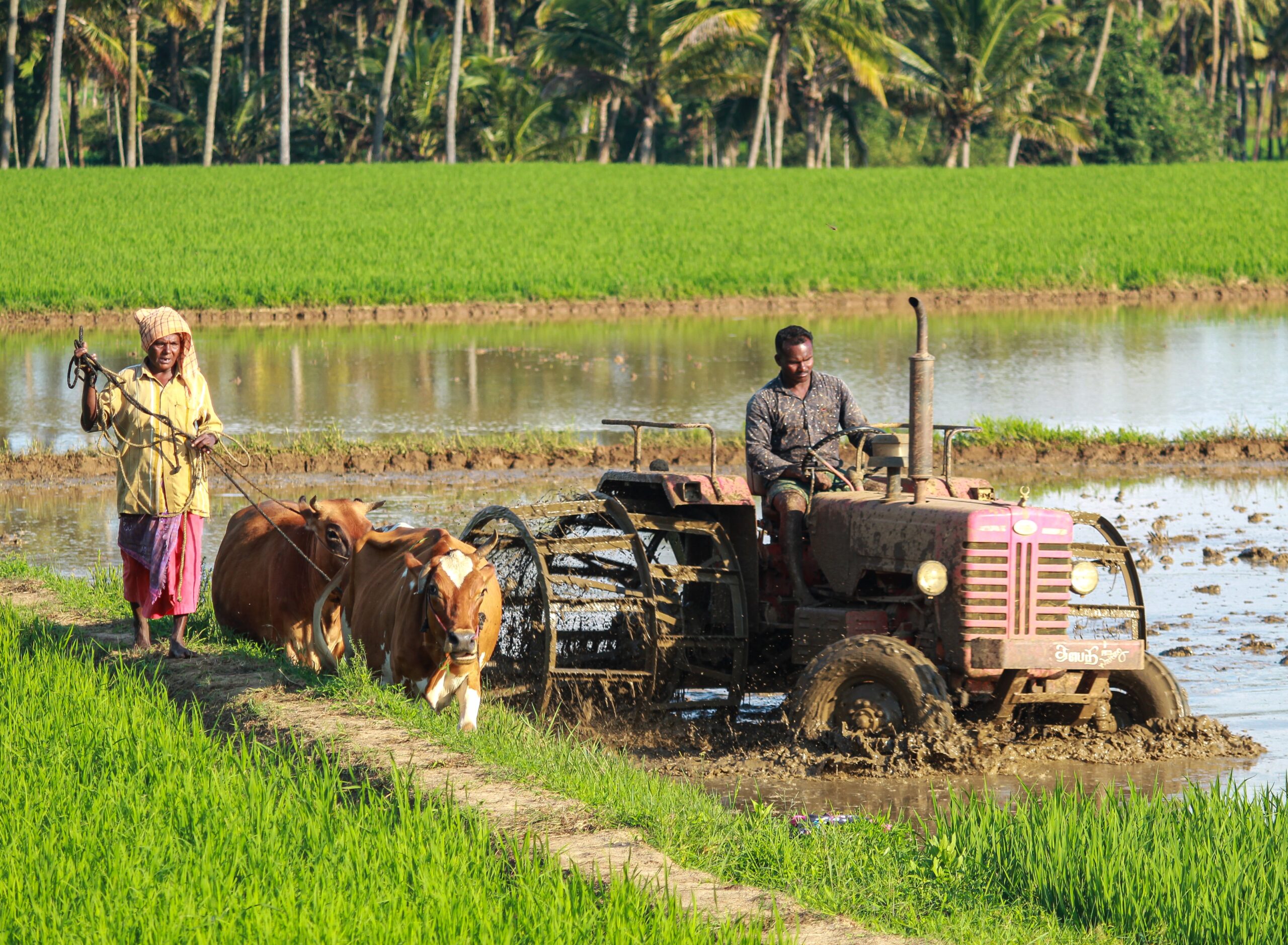
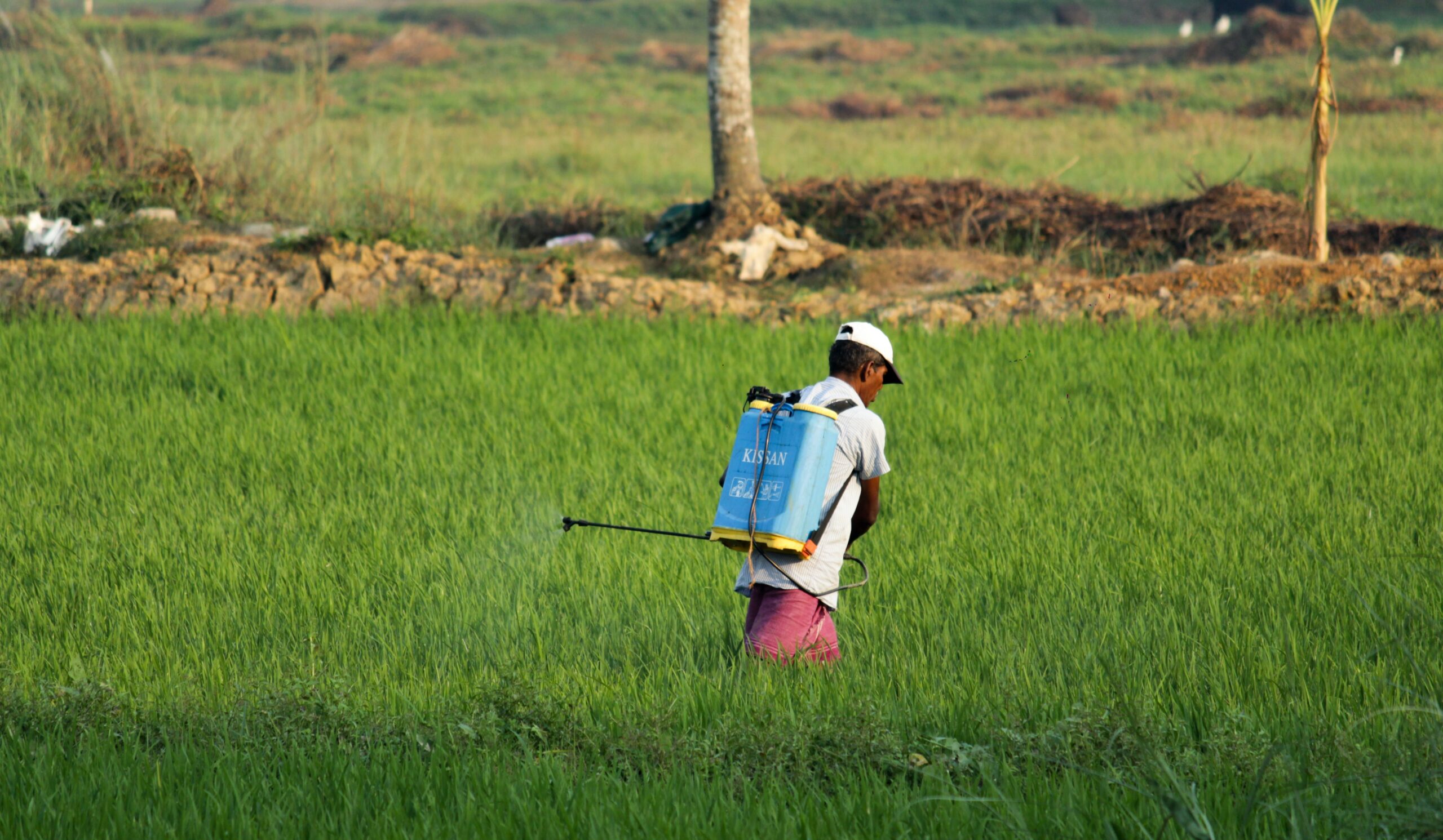
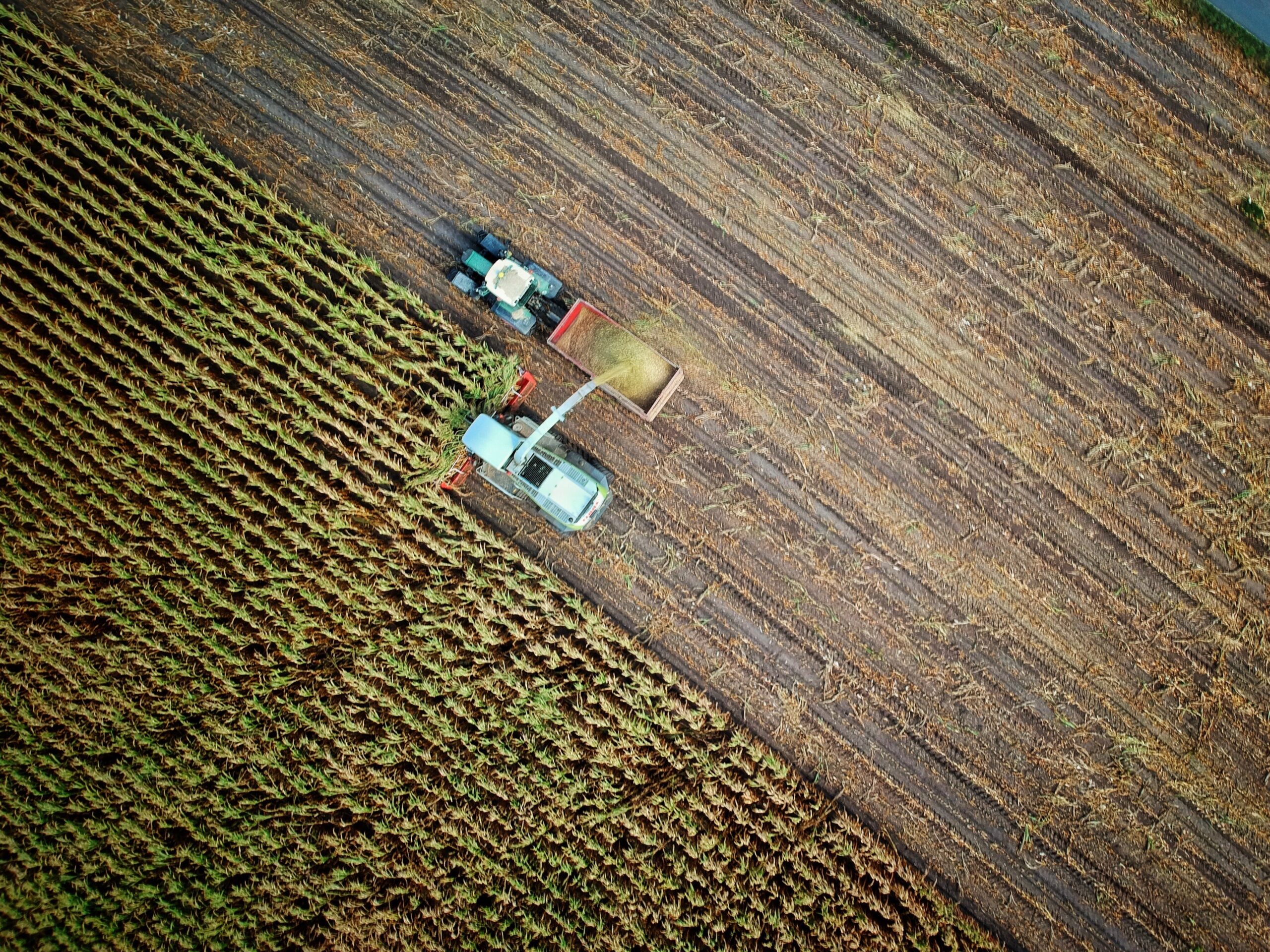
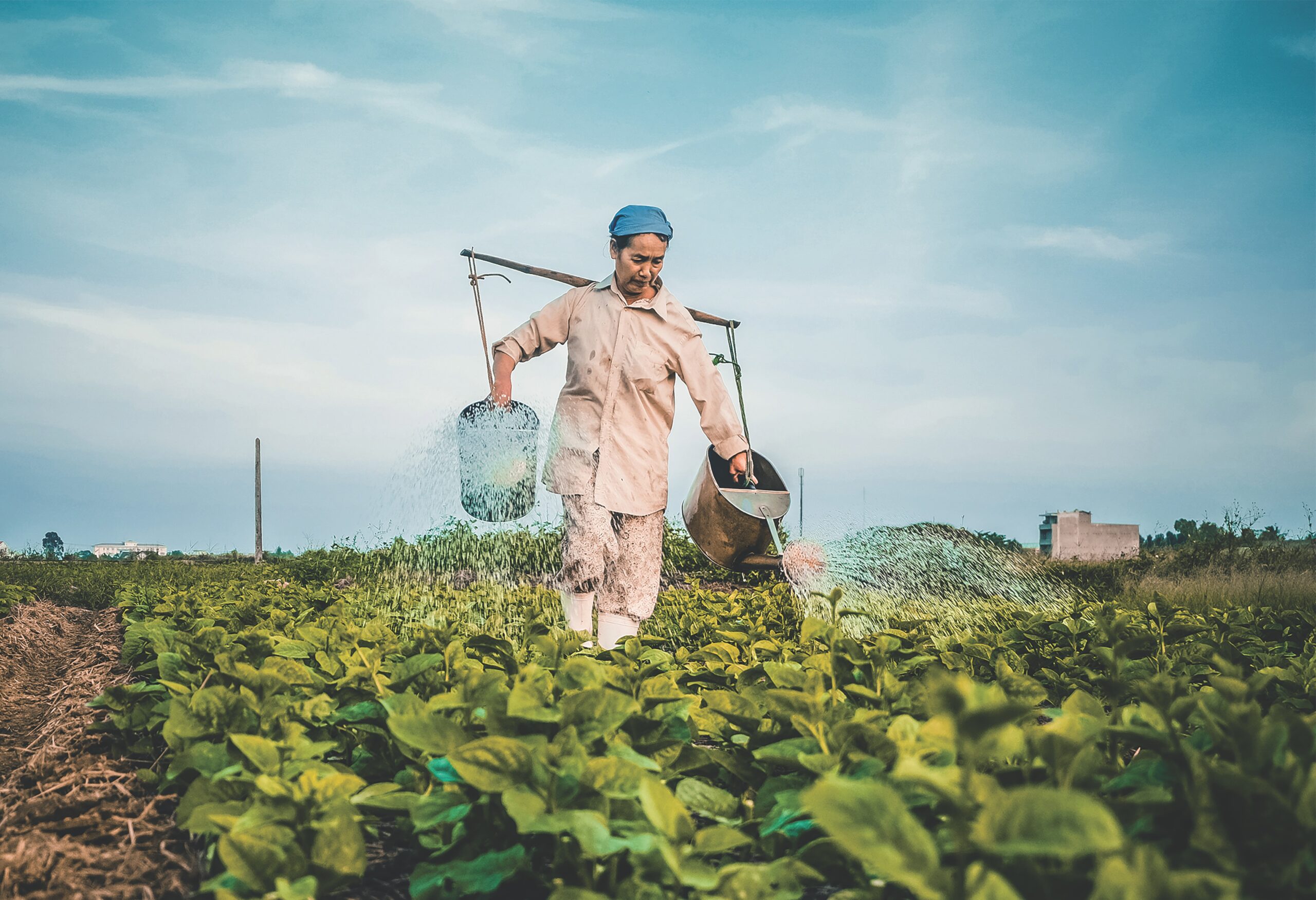
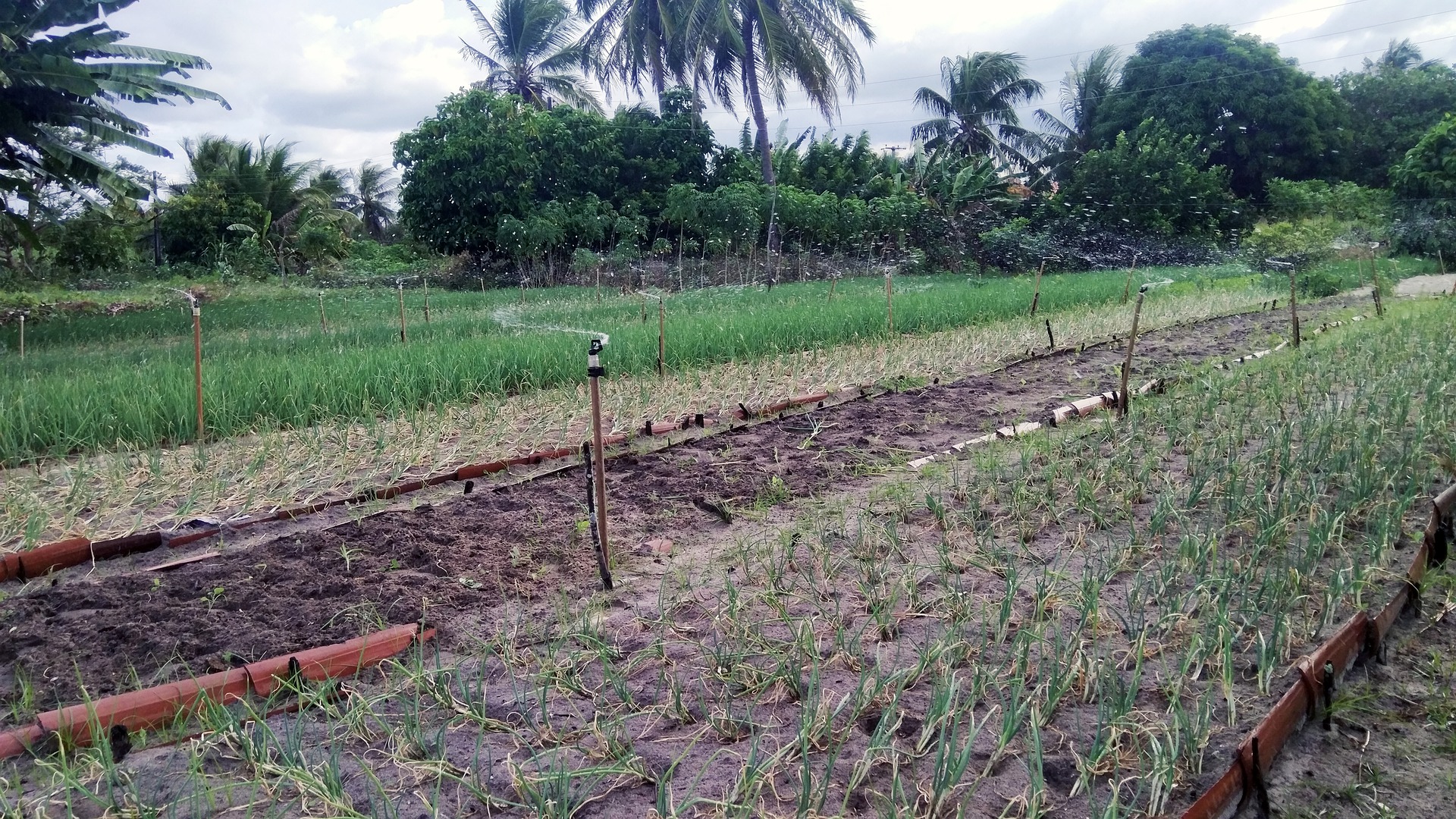
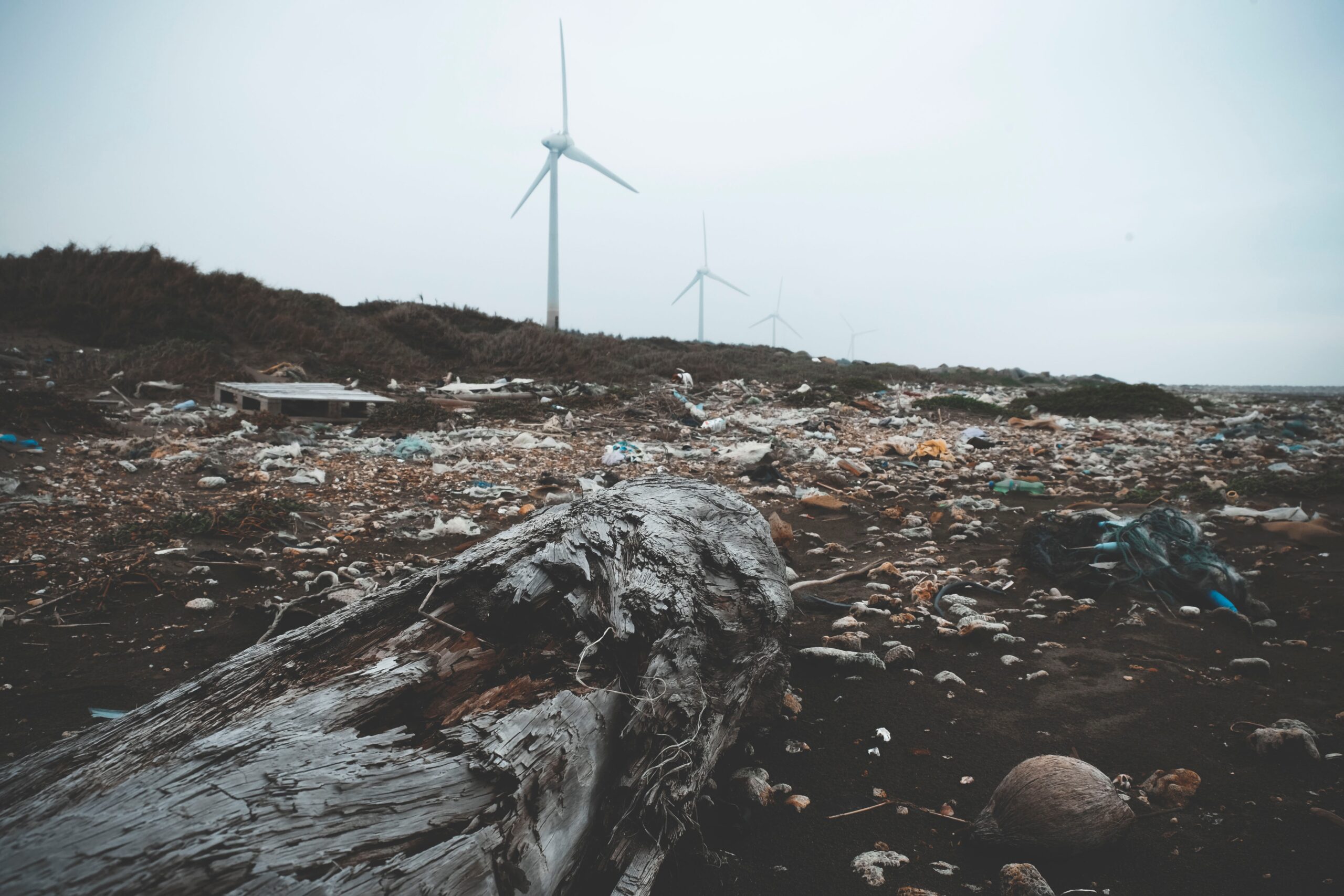
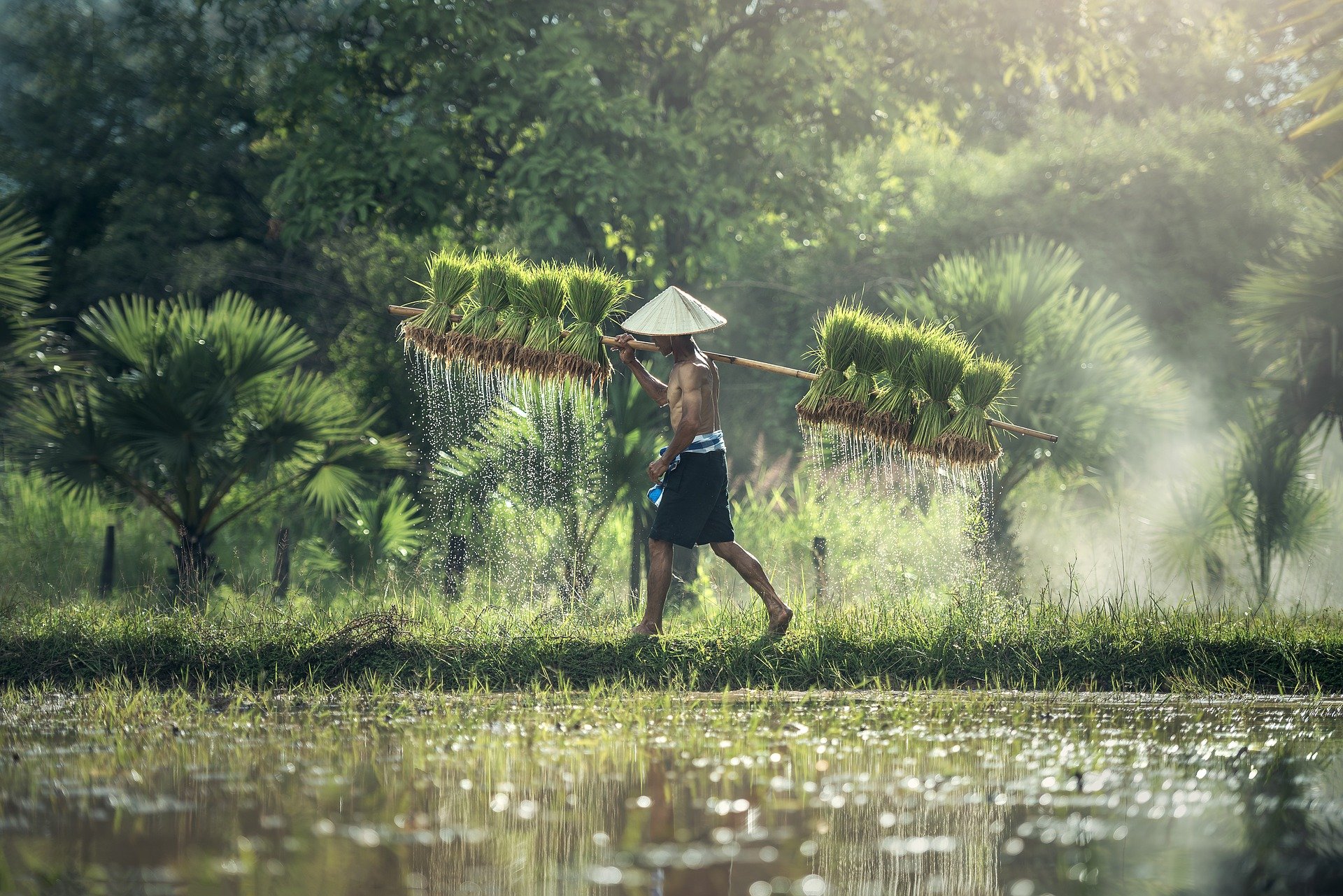
Currently, there is still a pattern of extensive environmental management. For example, in order to obtain high yields of cotton, rice and other agricultural crops, large amounts of mineral fertilizers and pesticides are introduced into the soil, some of which do not even decompose in nature and therefore pose an even greater danger to humans. All this complex of pesticides and herbicides from fields with water gets into the Syrdarya, and therefore into the Aral Sea, seeping into groundwater and groundwater, which are used for drinking and household needs. This issue is especially relevant for the Kyzylorda region, located in the lowest part of the Syrdarya River, and therefore the most affected by this factor.
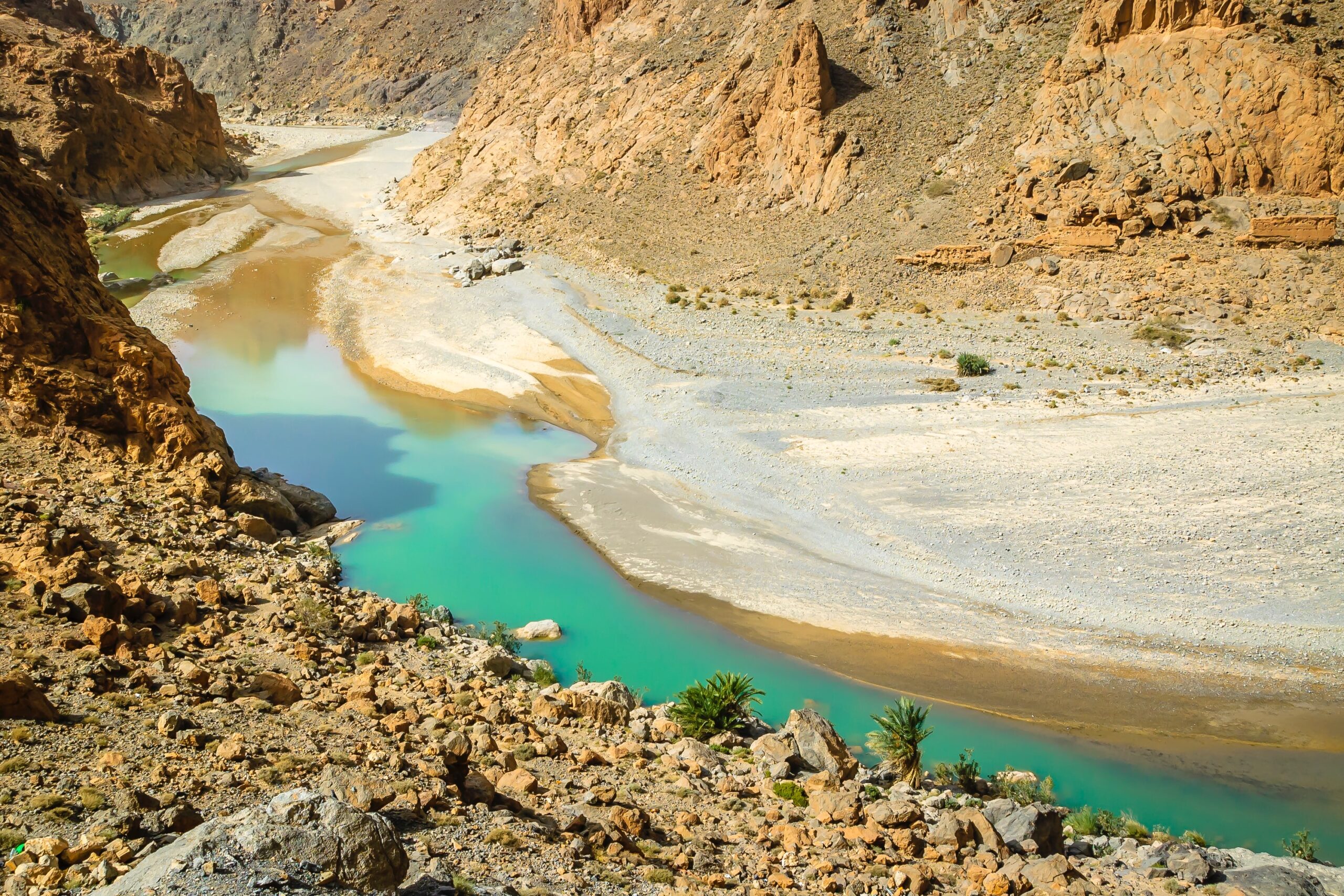
The main factor limiting the species diversity and resource importance of plant complexes is the contamination of water and soils with various pollutants (pesticides, herbicides, etc.). Violation of the qualitative composition of soils and water proportionally increases the consumption of irrigation water, significantly exceeding scientifically justified standards. According to forecasts, if the current trend of salinization of water bodies and soils continues, most of the agricultural land in the Syrdarya river basin (probably the situation is similar in the Amudarya river basin) will become unsuitable for irrigated agriculture within several decades. The level of salt pollution in rivers will also be unsuitable for drinking water supply. This type of river pollution can cause irreparable damage to the ecological and socio-economic development of the Kyzylorda region.
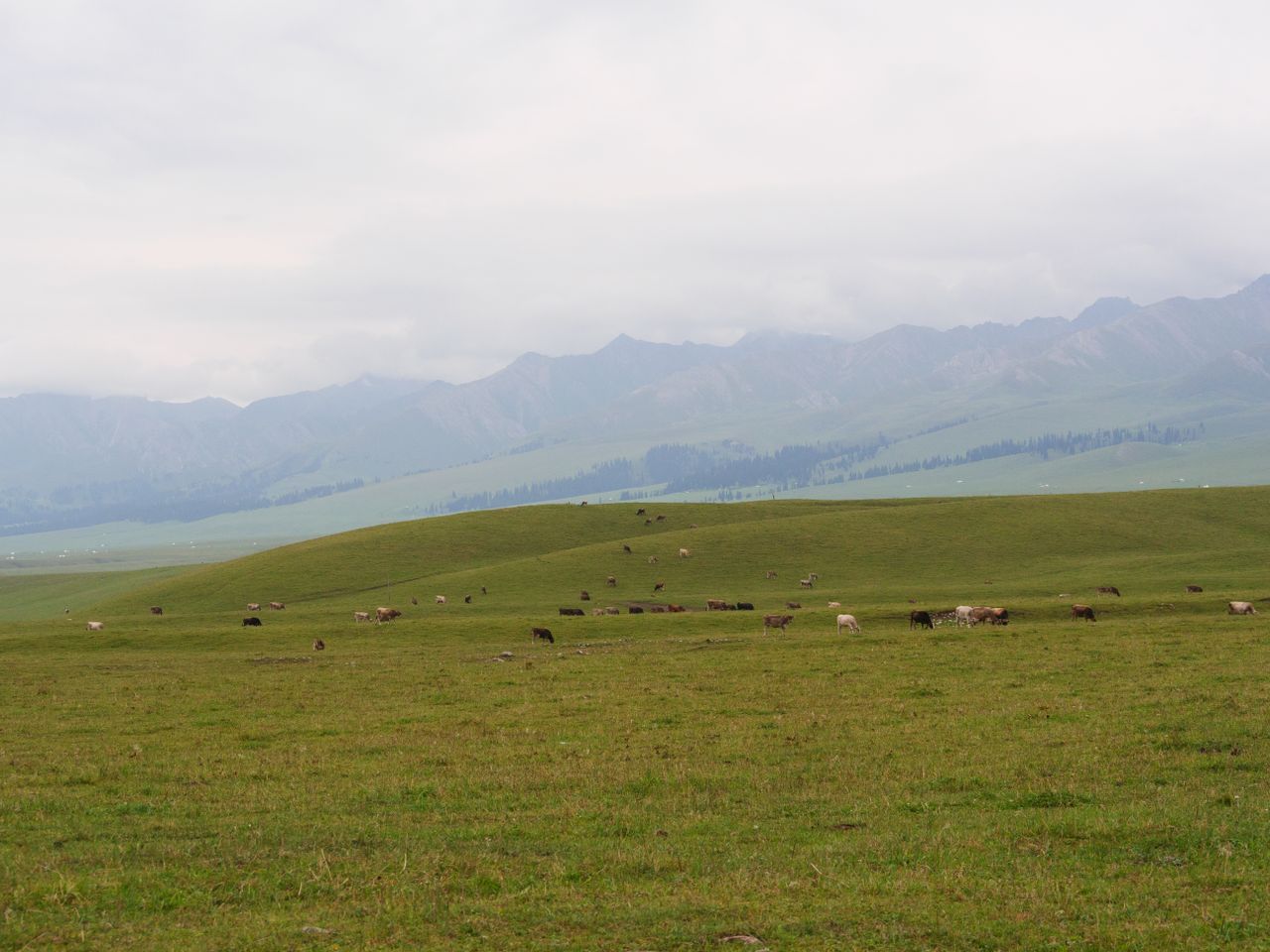
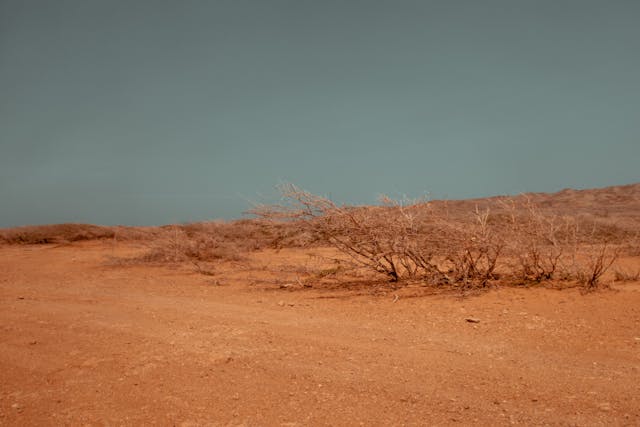
This situation requires immediate action to apply new technologies that regulate the pace and degree of salinization of the territory. Inefficient farming causes soil erosion, salt pollution, overgrazing, and increasing desertification. Pastures make up 46.7% of the region’s territory. Currently, more than 80% of pastures are degraded mainly due to soil salinization, groundwater mineralization and the irrational use of natural resources.
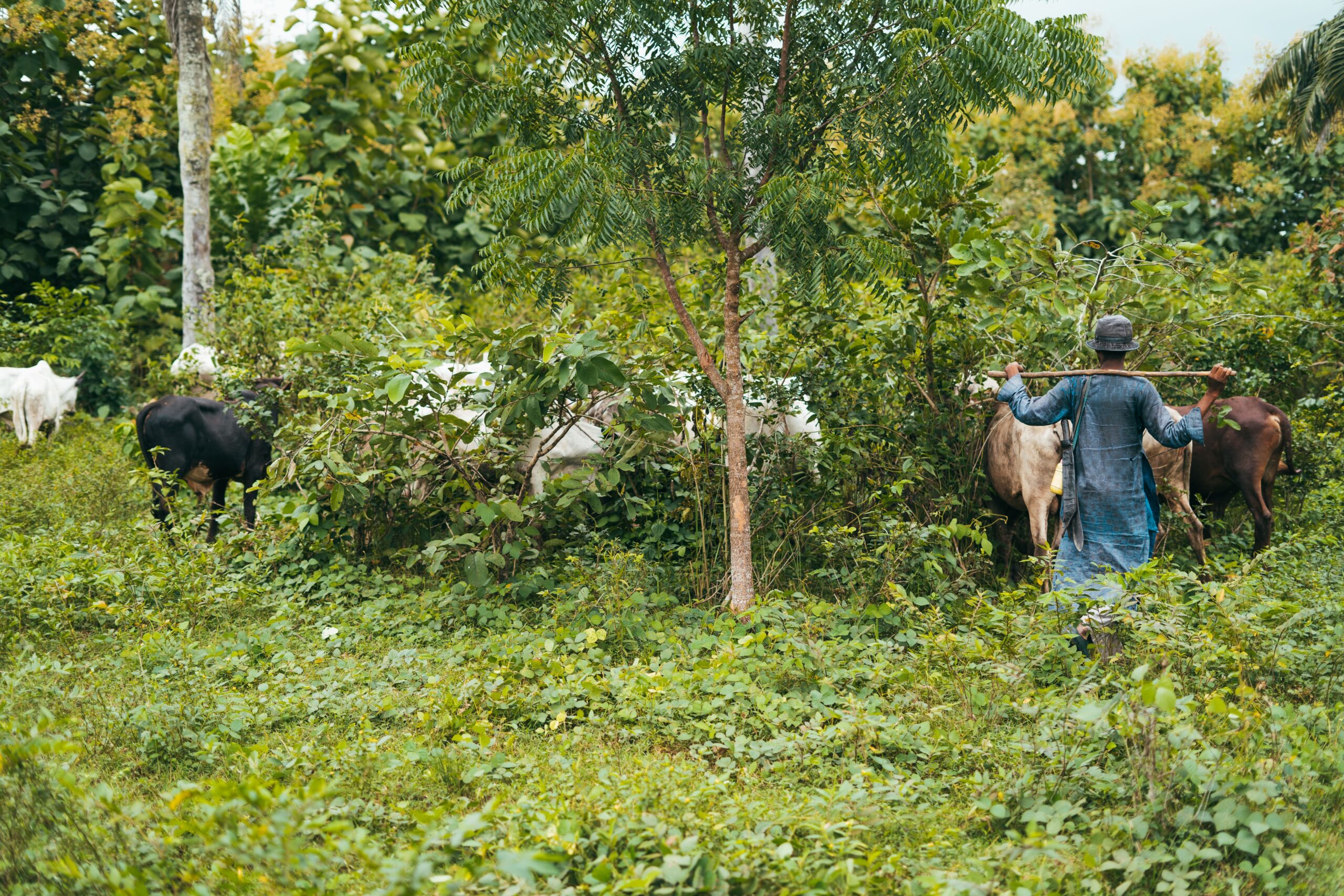
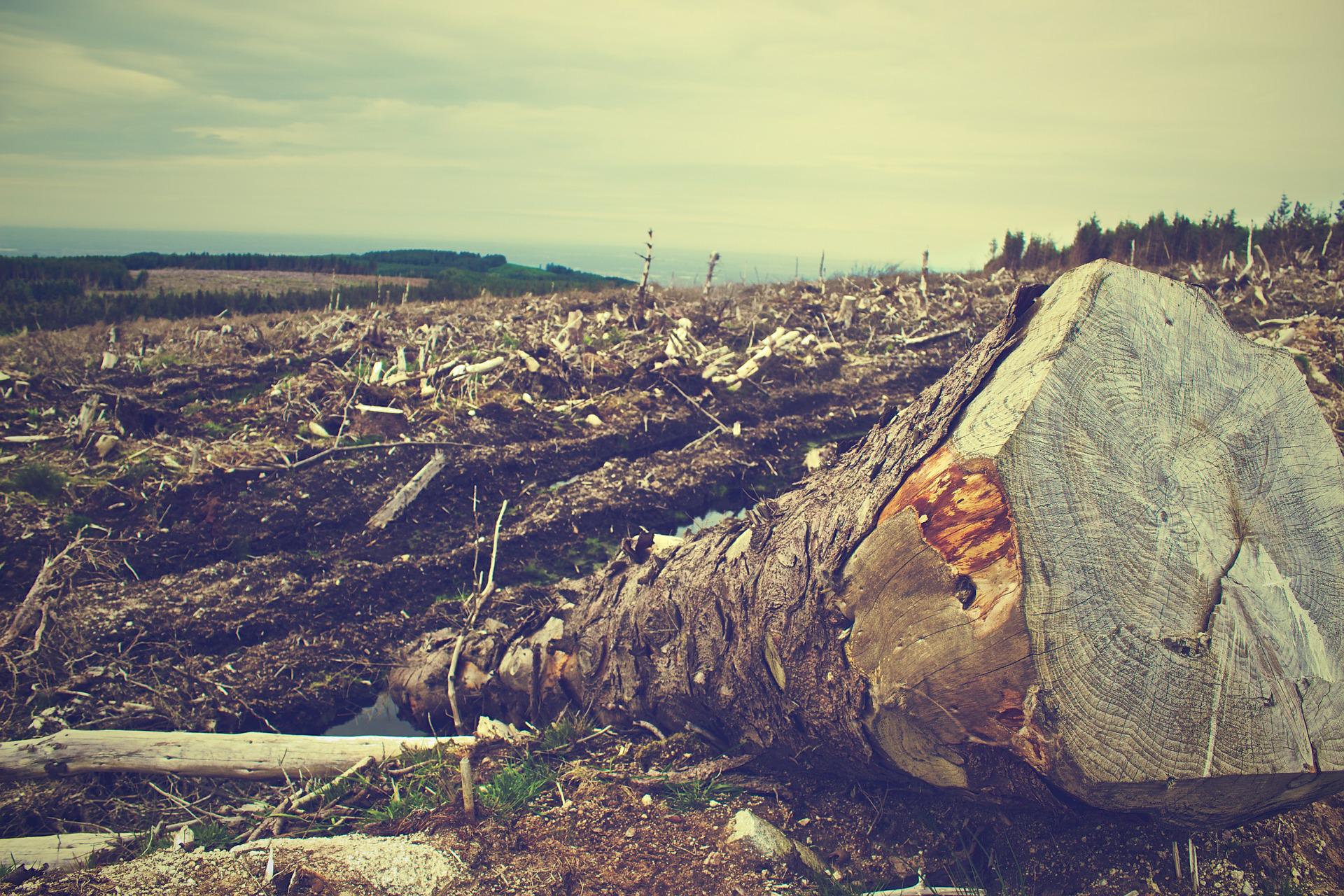
In addition to soil salinization, there is an increasing pattern of land degradation around populated areas due to non-compliance with livestock grazing rules. For the same reason, there is a large-scale consumption of saxaul by livestock, planted for the “green belt” around populated areas.
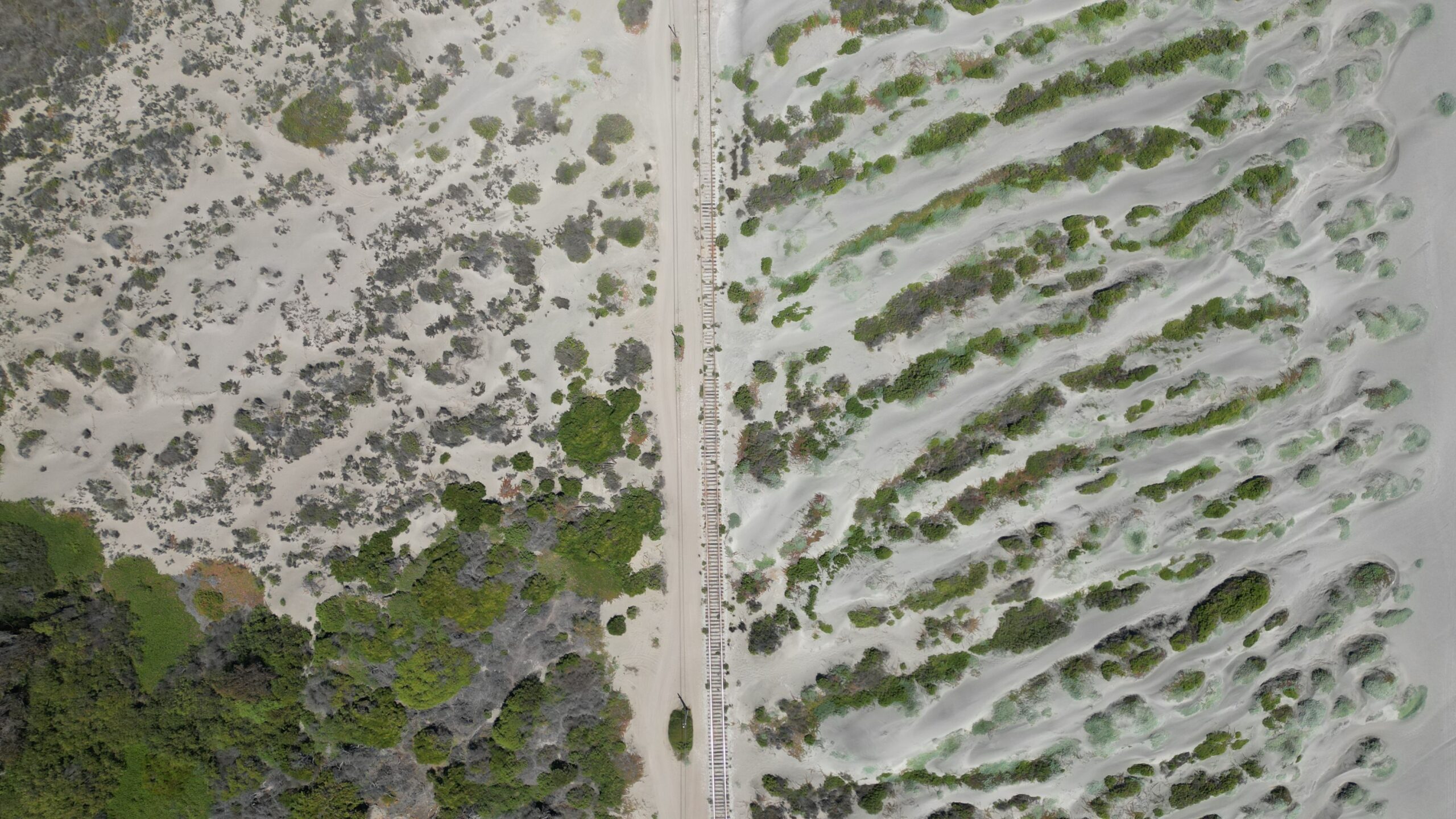
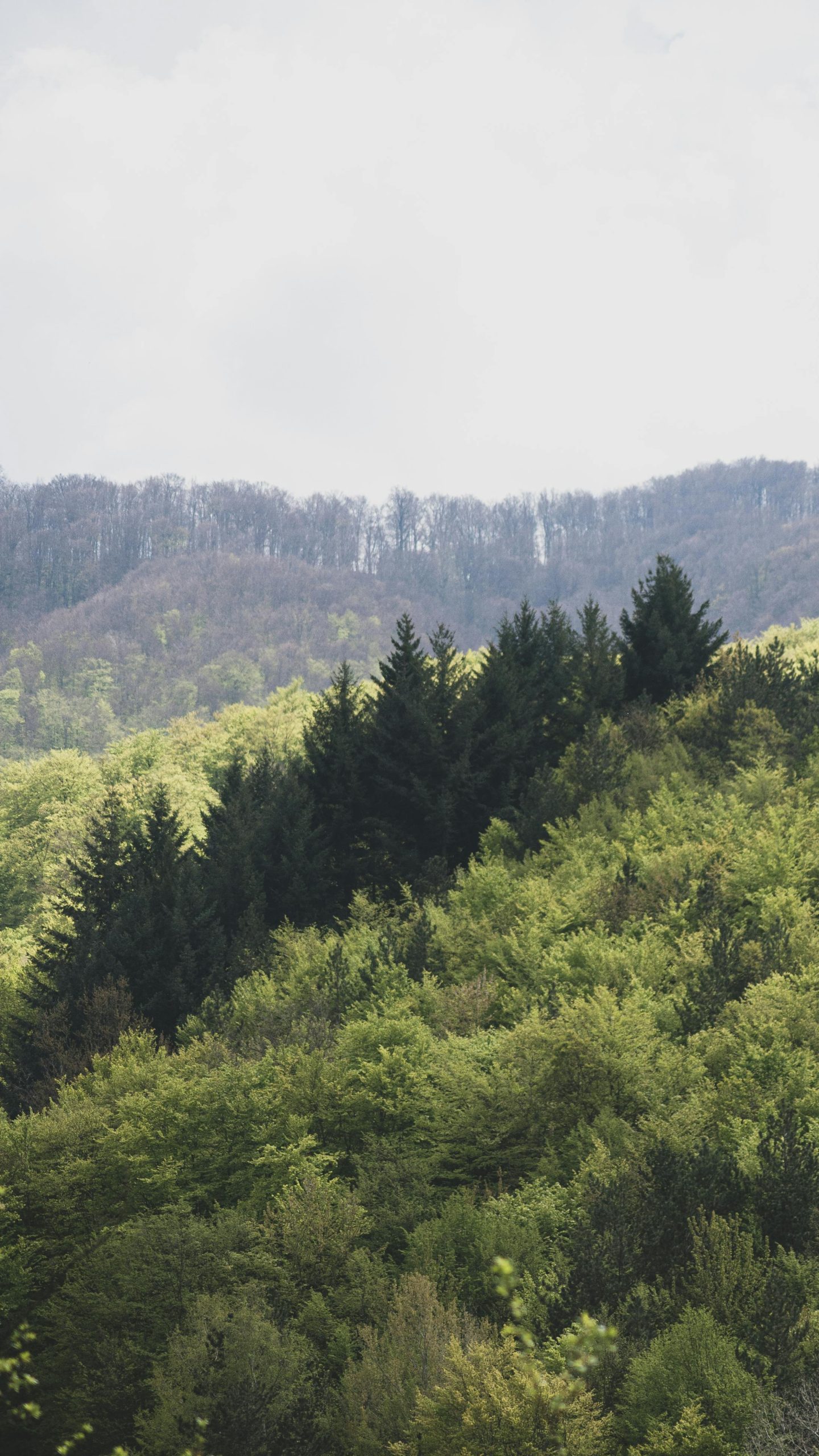
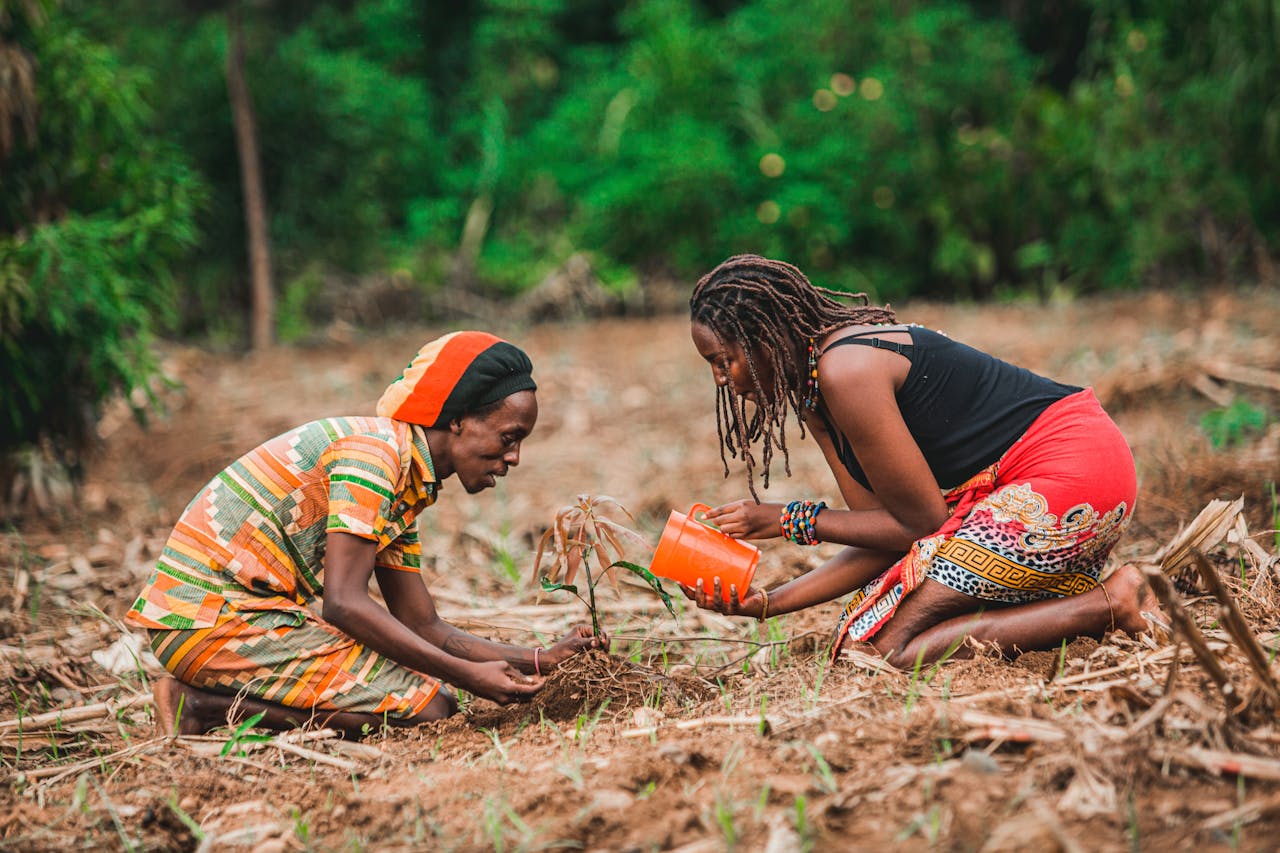
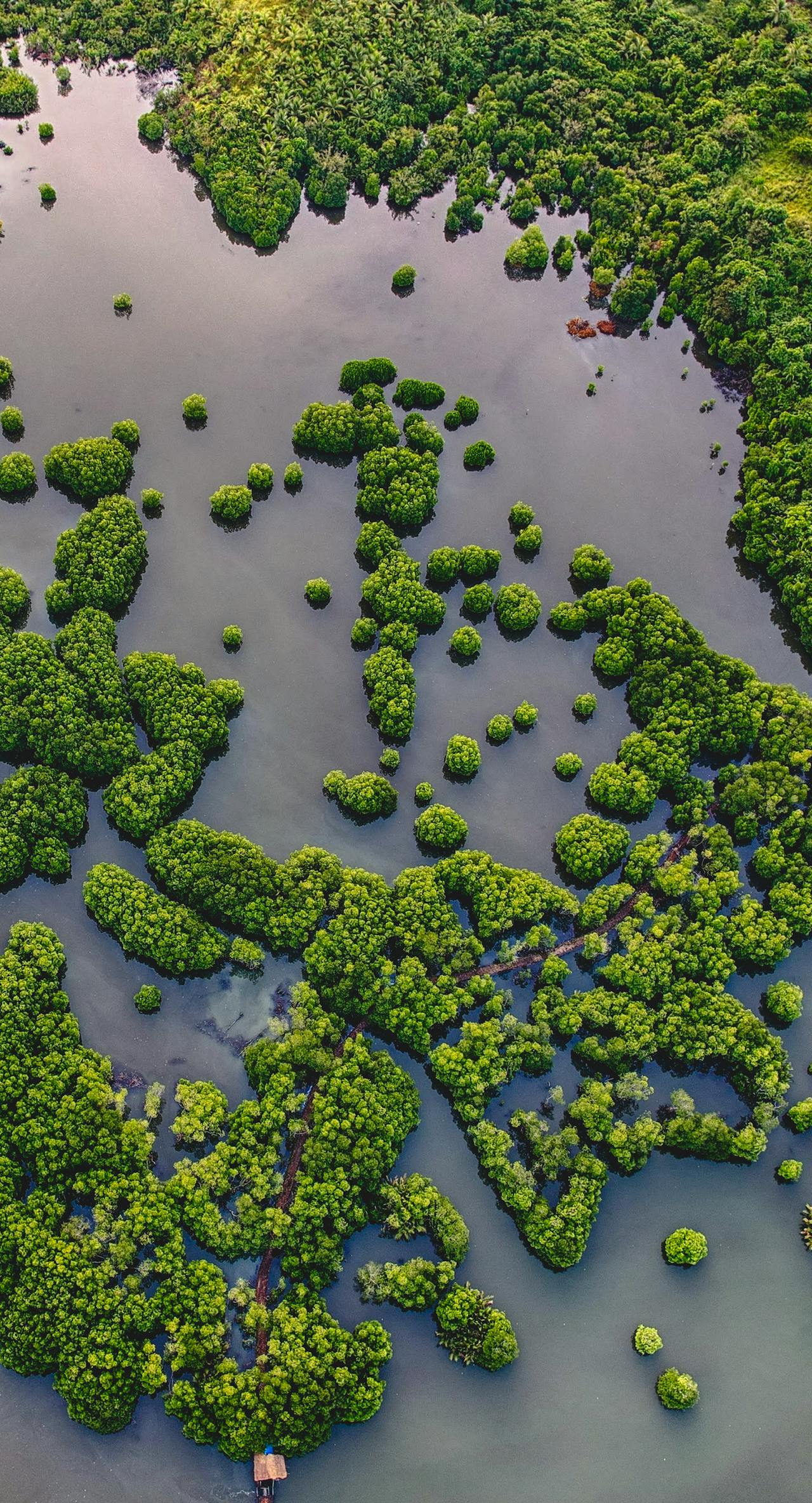
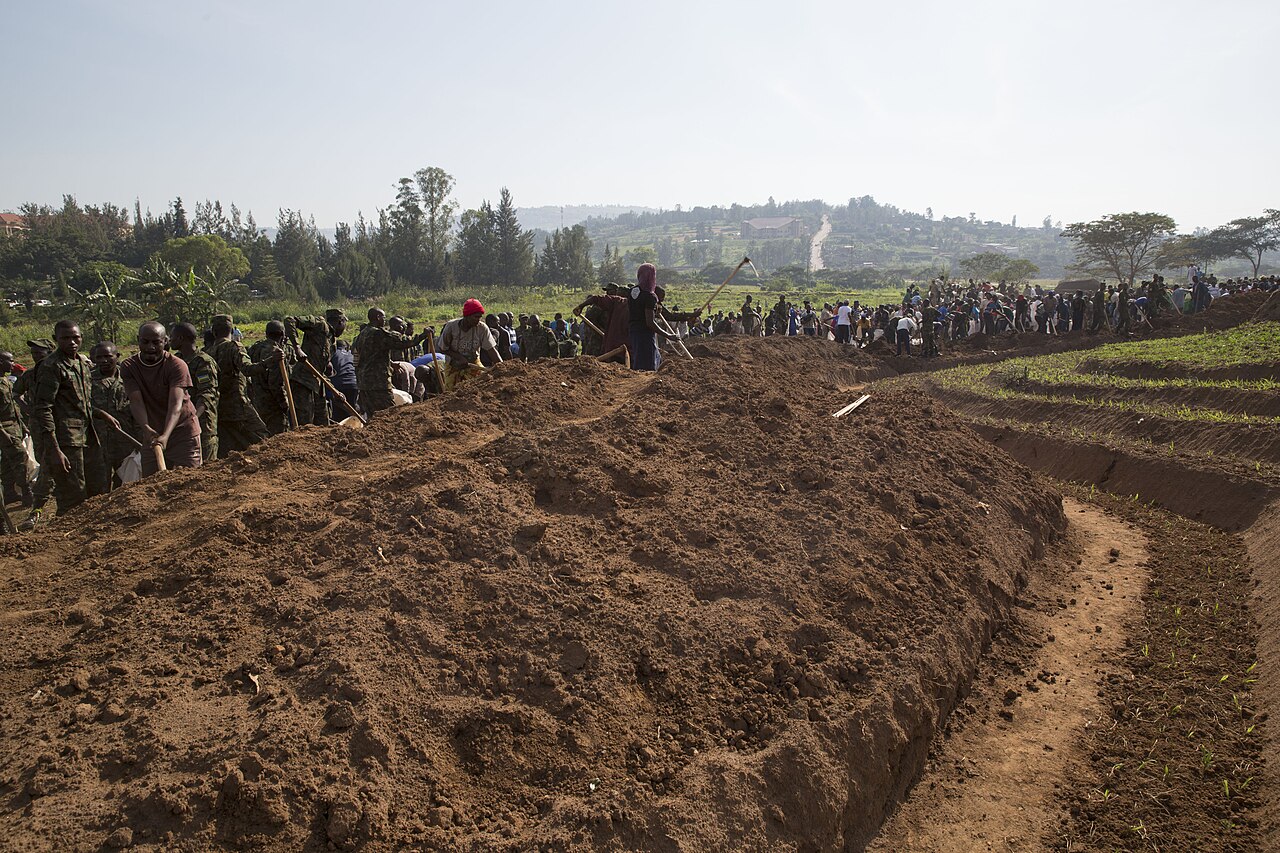
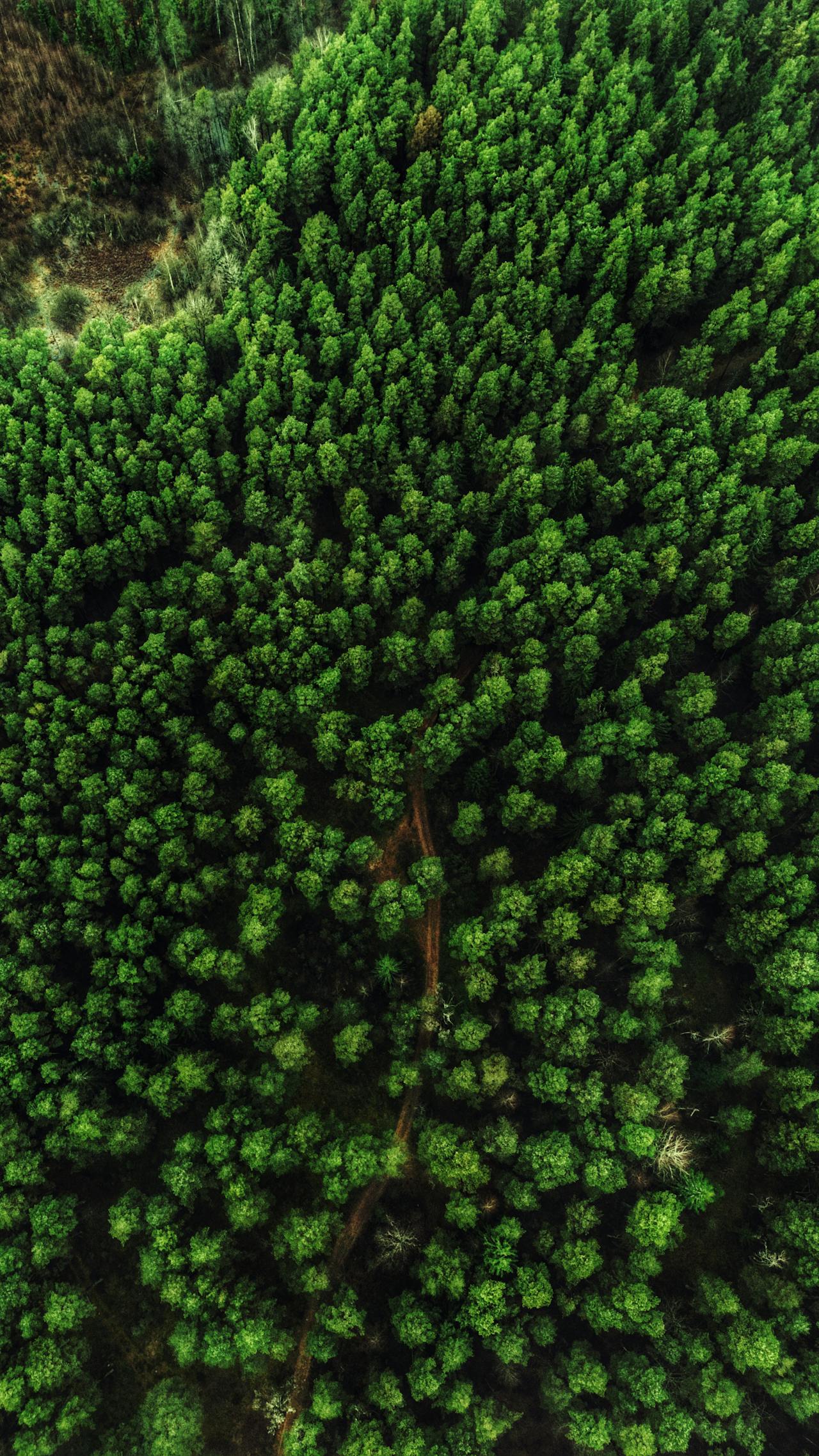
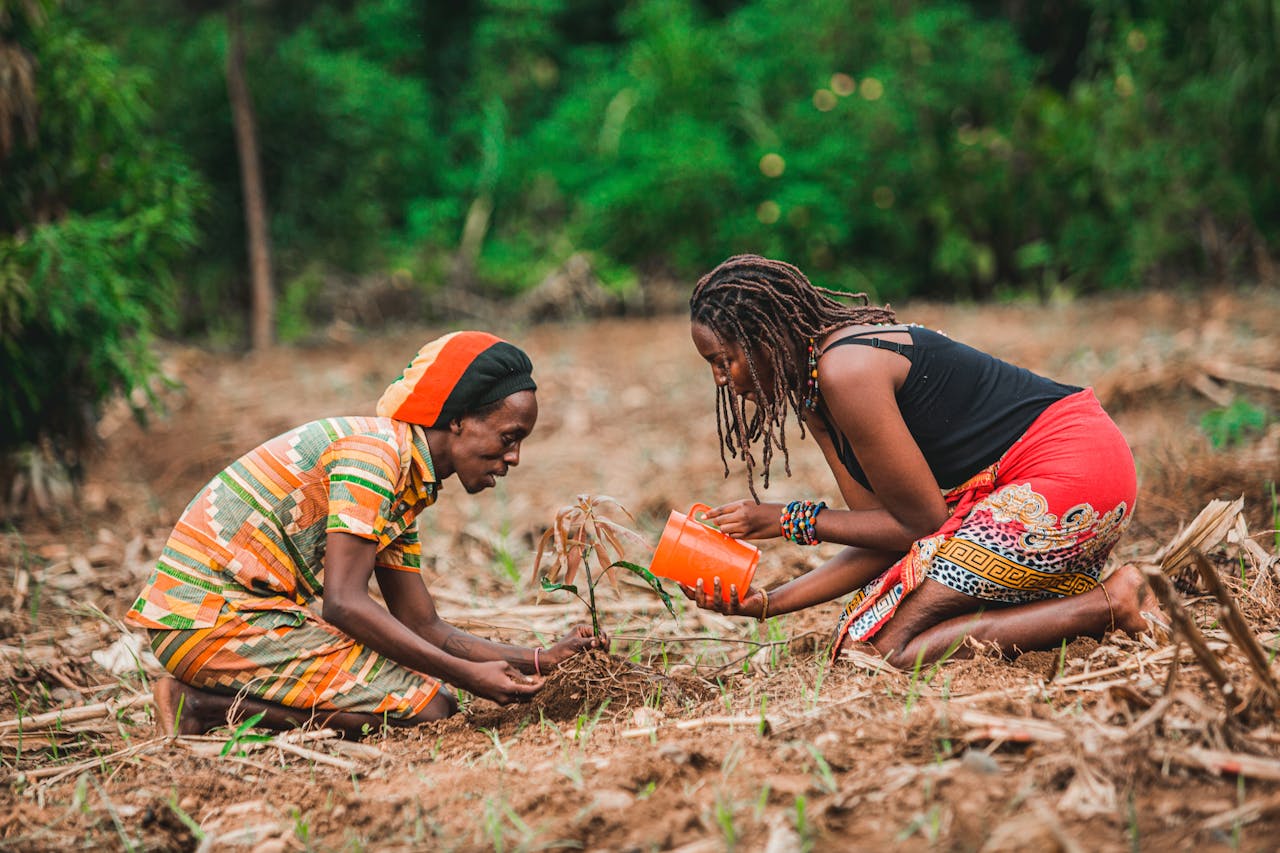
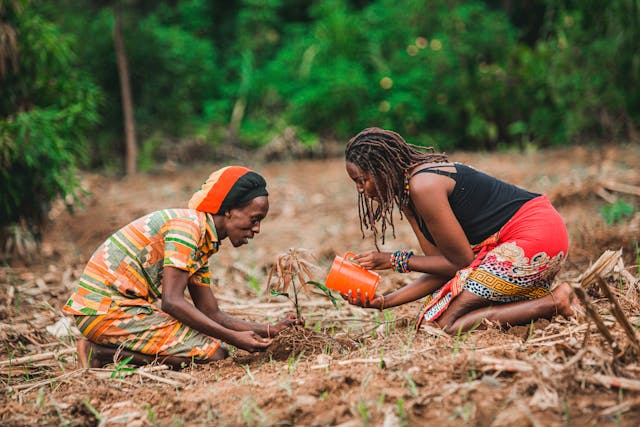
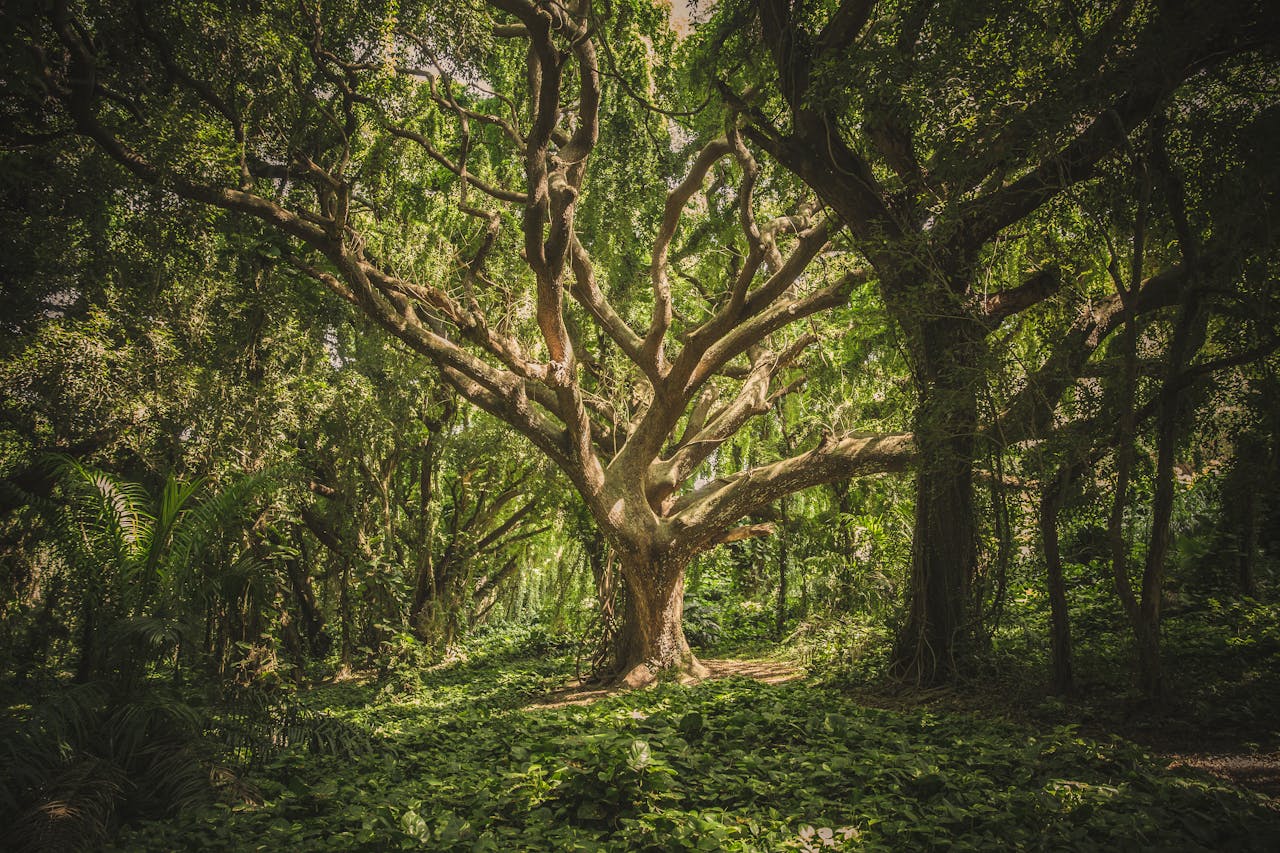
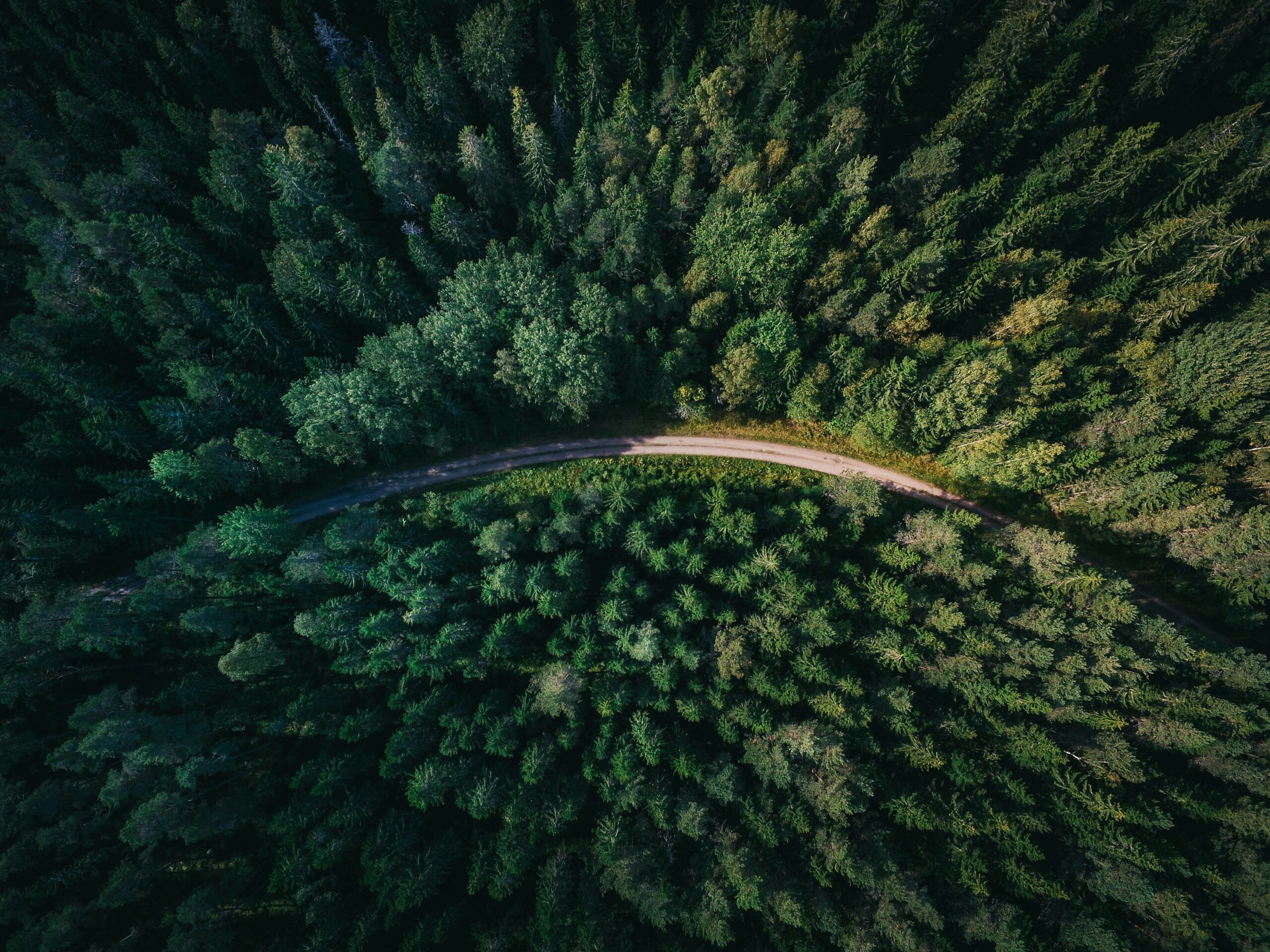
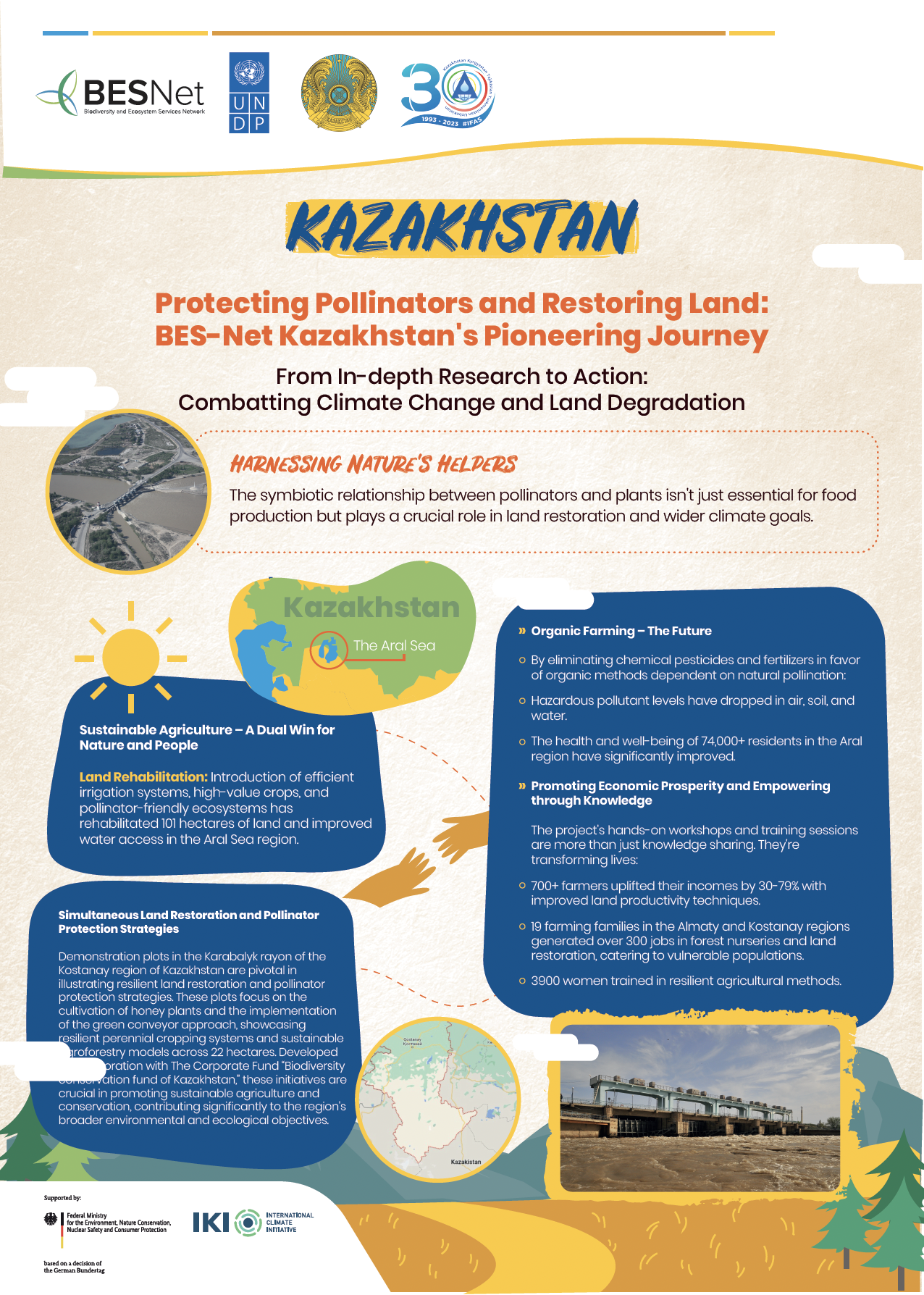
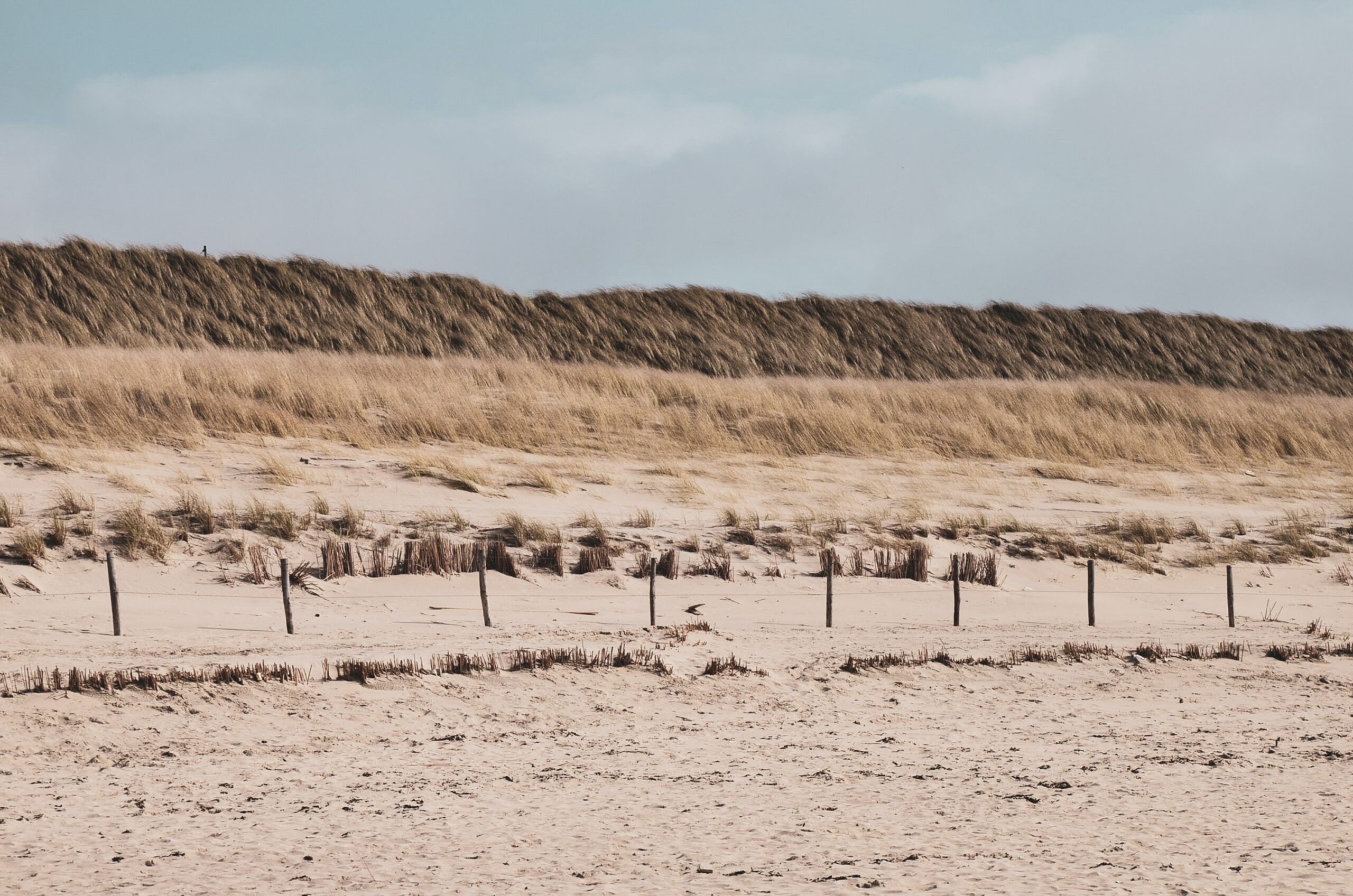
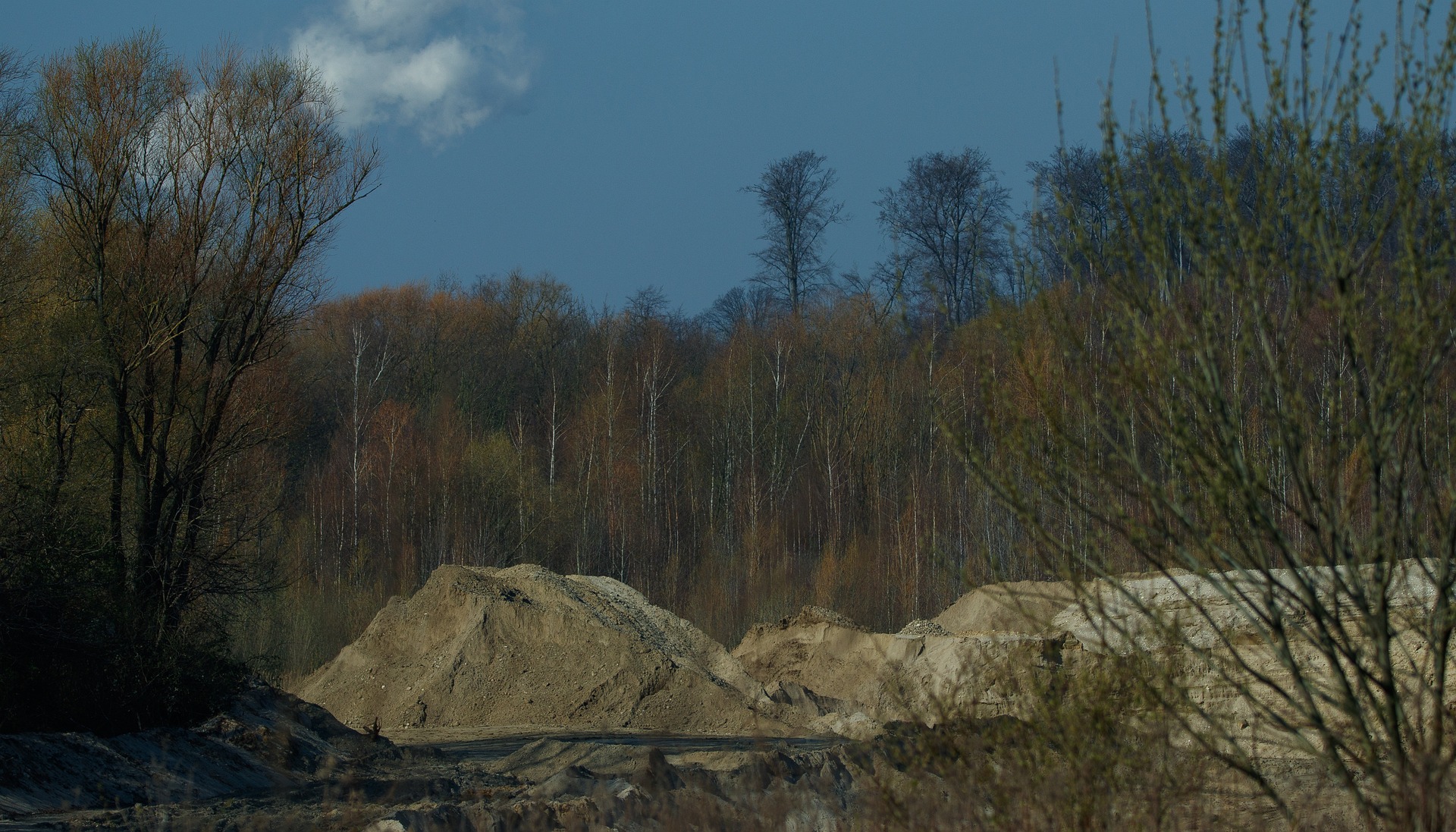
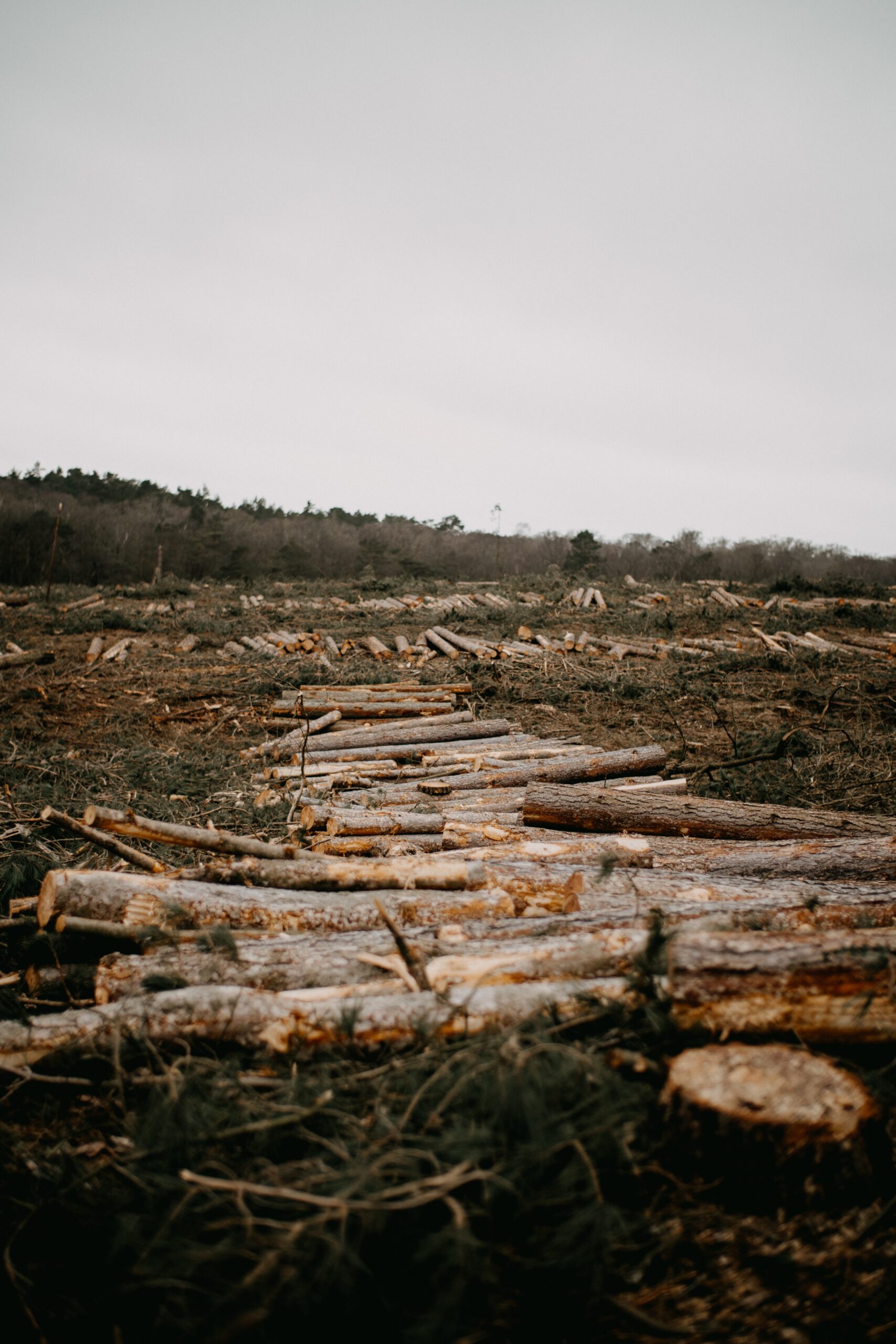
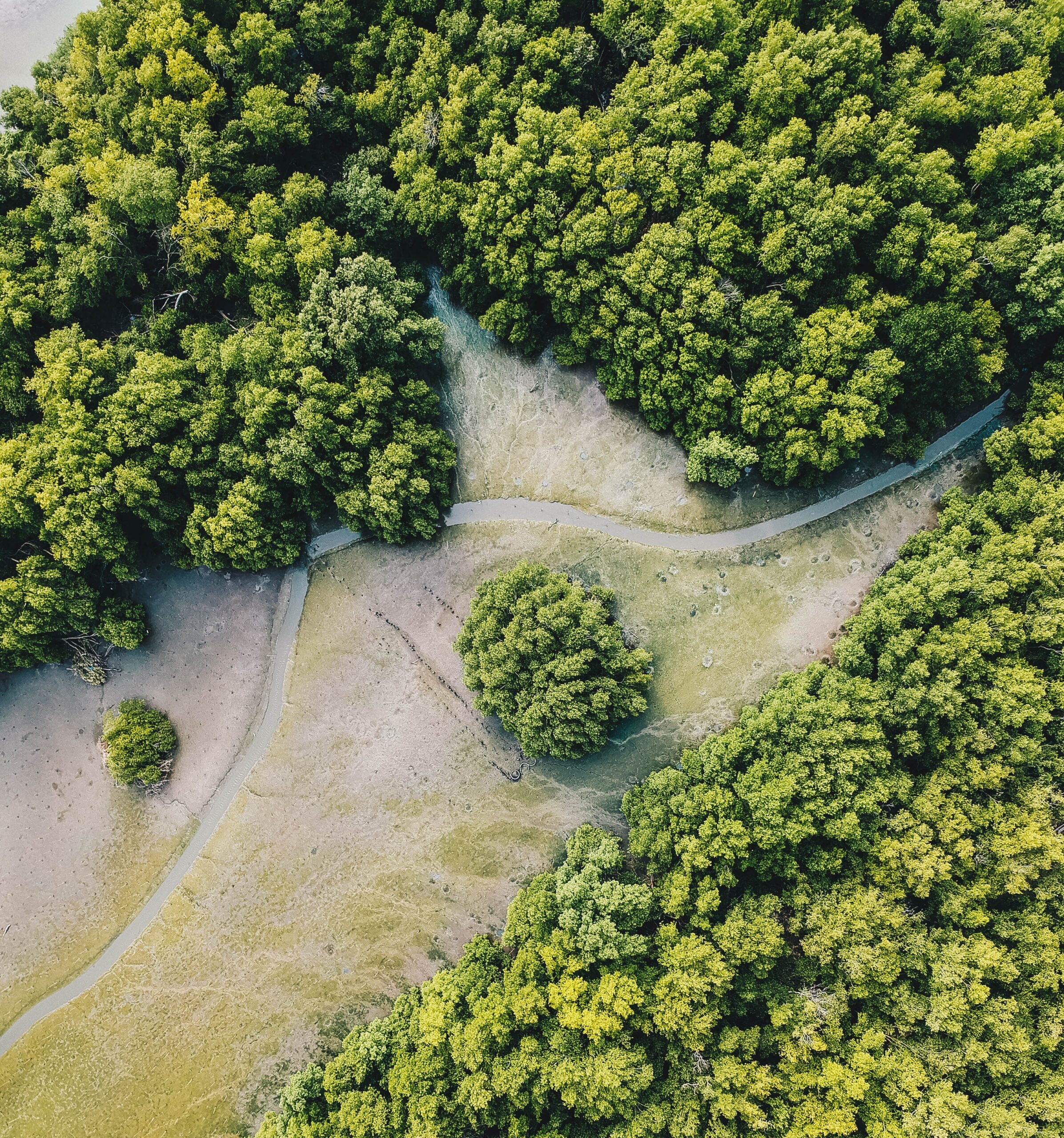
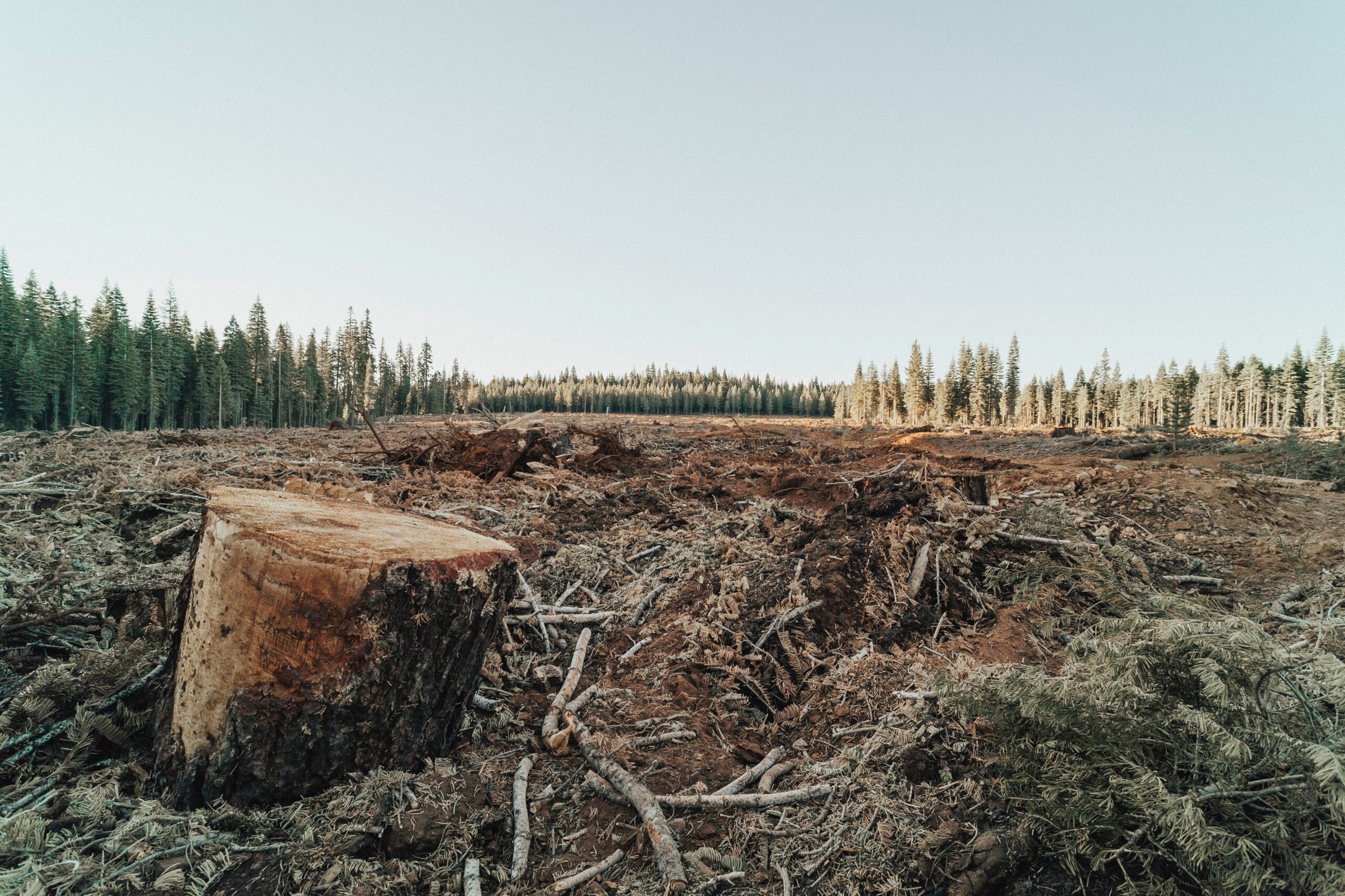
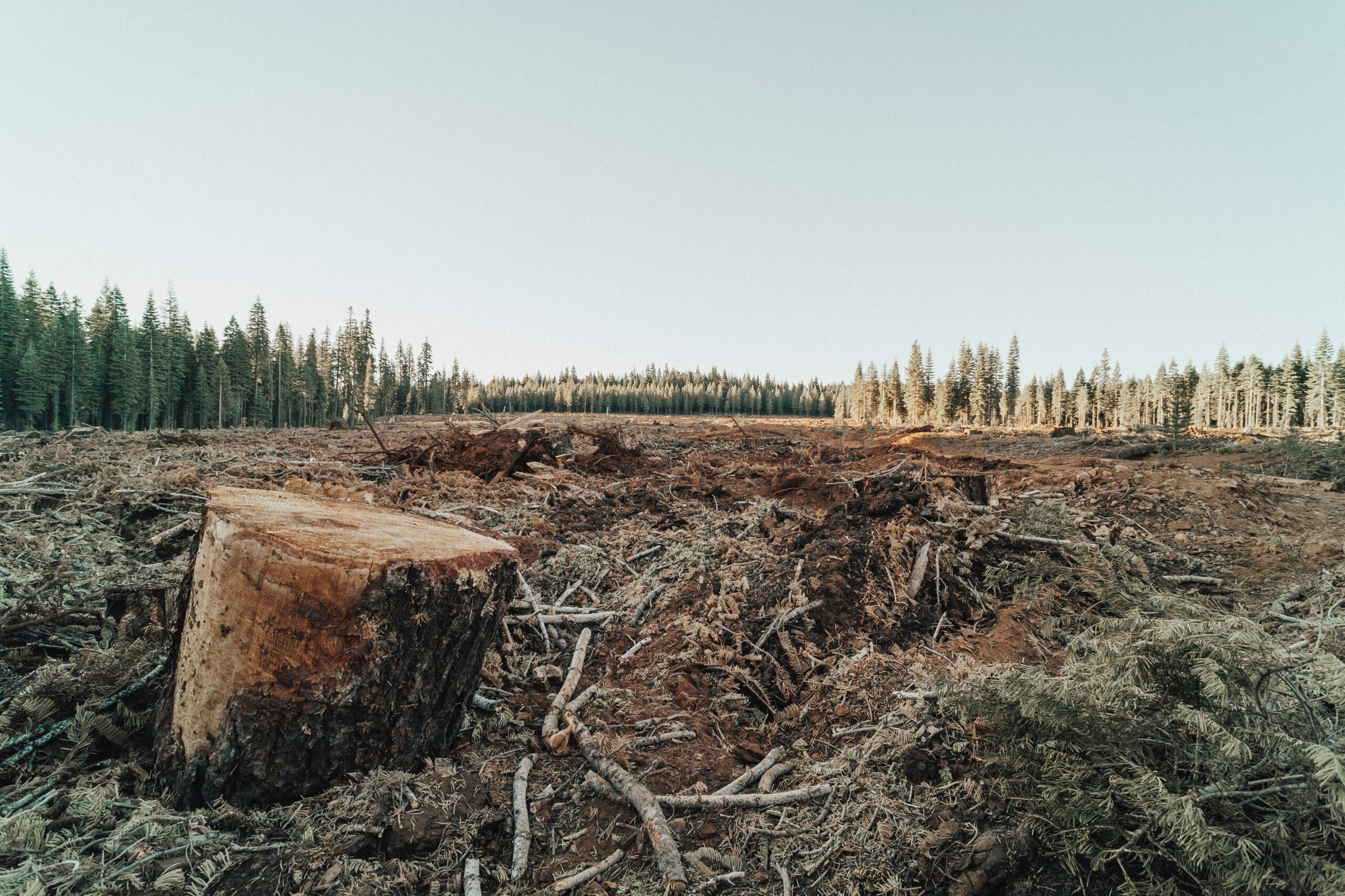
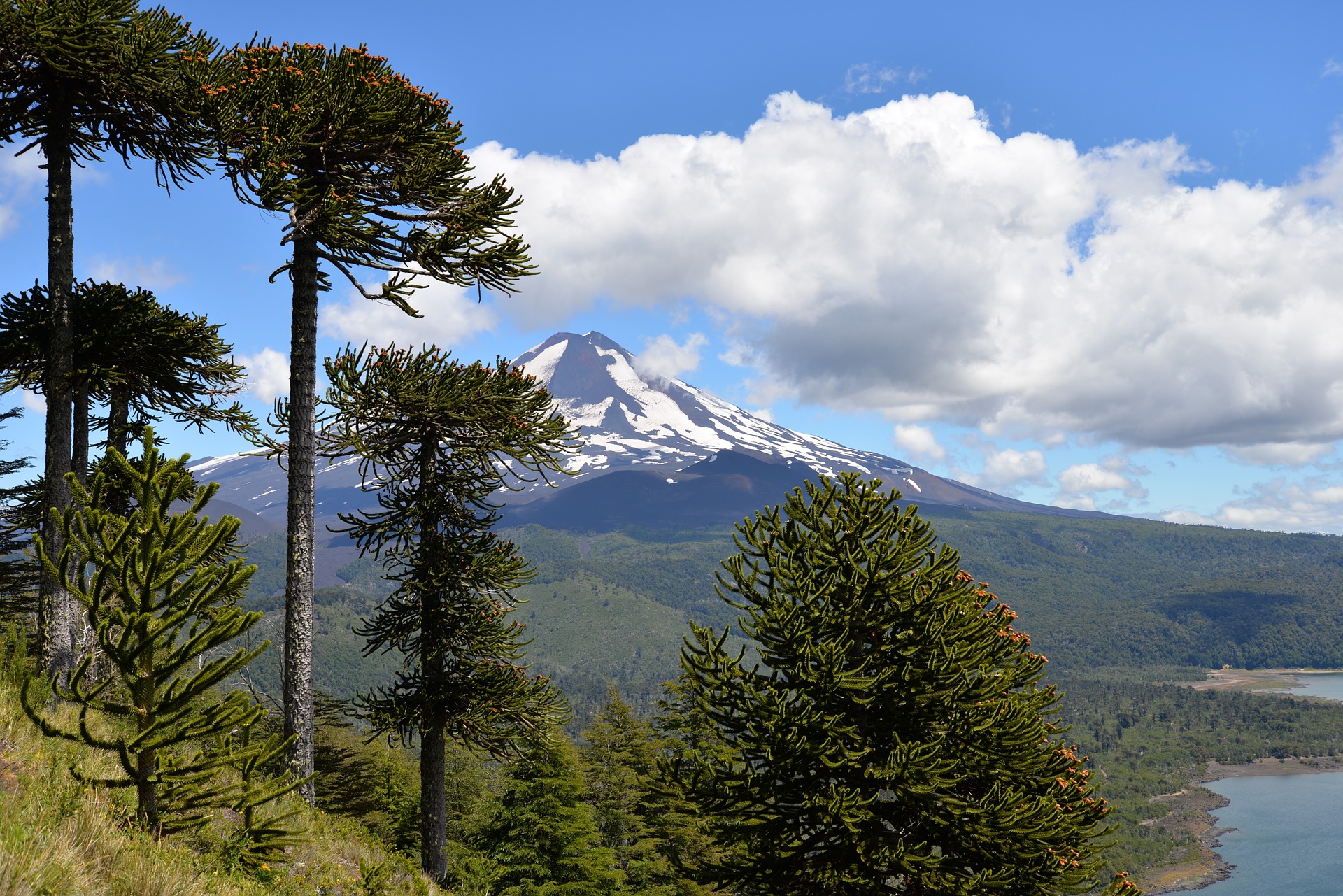
Due to the drying up of the Aral Sea, coastal countries are carrying out work to combat salt and dust transfer, to consolidate moving sands, and to localize the negative impact of this phenomenon on the environment. In order to consolidate the sands on the exposed seabed, several thousand hectares of saxaul and other unpretentious plants are planted here annually, which easily tolerate the conditions of a semi-desert and desert climate. As a result, forests today in the Kazakh part of the drained bottom of the Aral Sea (ODAM) have been created on almost 337 thousand hectares, including through self-reproduction.
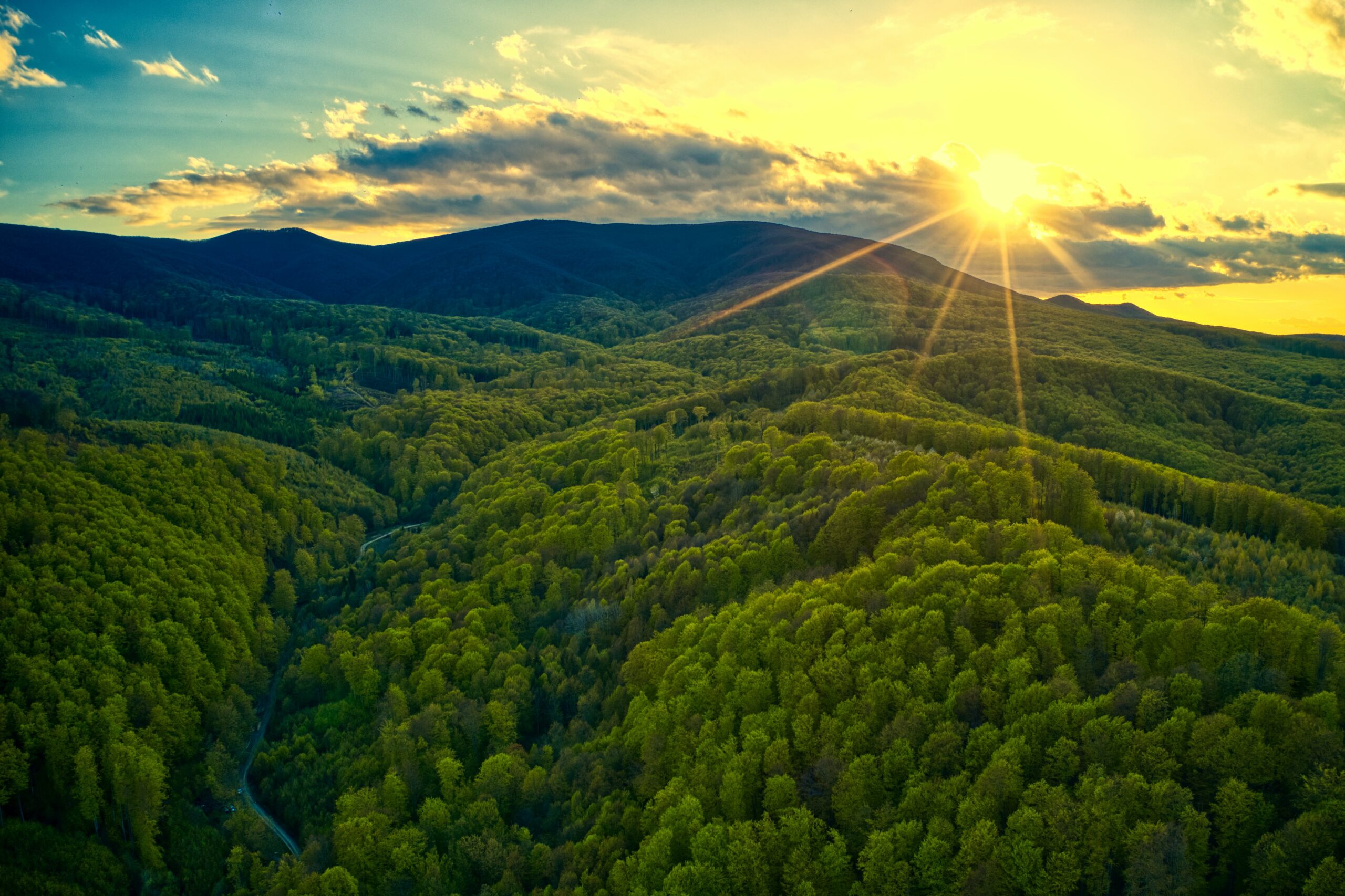
In 2021-2030, it is planned to carry out reforestation of plants on an area of 1.1 million hectares in the Kazakh part of ODAM.9 It is expected that in the near future, the Green Aral Sea will make a huge contribution to the global process of achieving carbon neutrality. After all, one saxaul holds up to 4 tons of sand, 1 ha of saxaul at the age of four absorbs 1158.2 kg of carbon dioxide per year and releases 835.4 kg of oxygen, the shrubby plant cherkez (Richter’s solyanka) per 1 ha absorbs 1547.8 kg of carbon dioxide and releases 1116.4 kg of oxygen.10 Accordingly, 1.1 million hectares will consume about 1.3 million tons of carbon dioxide.
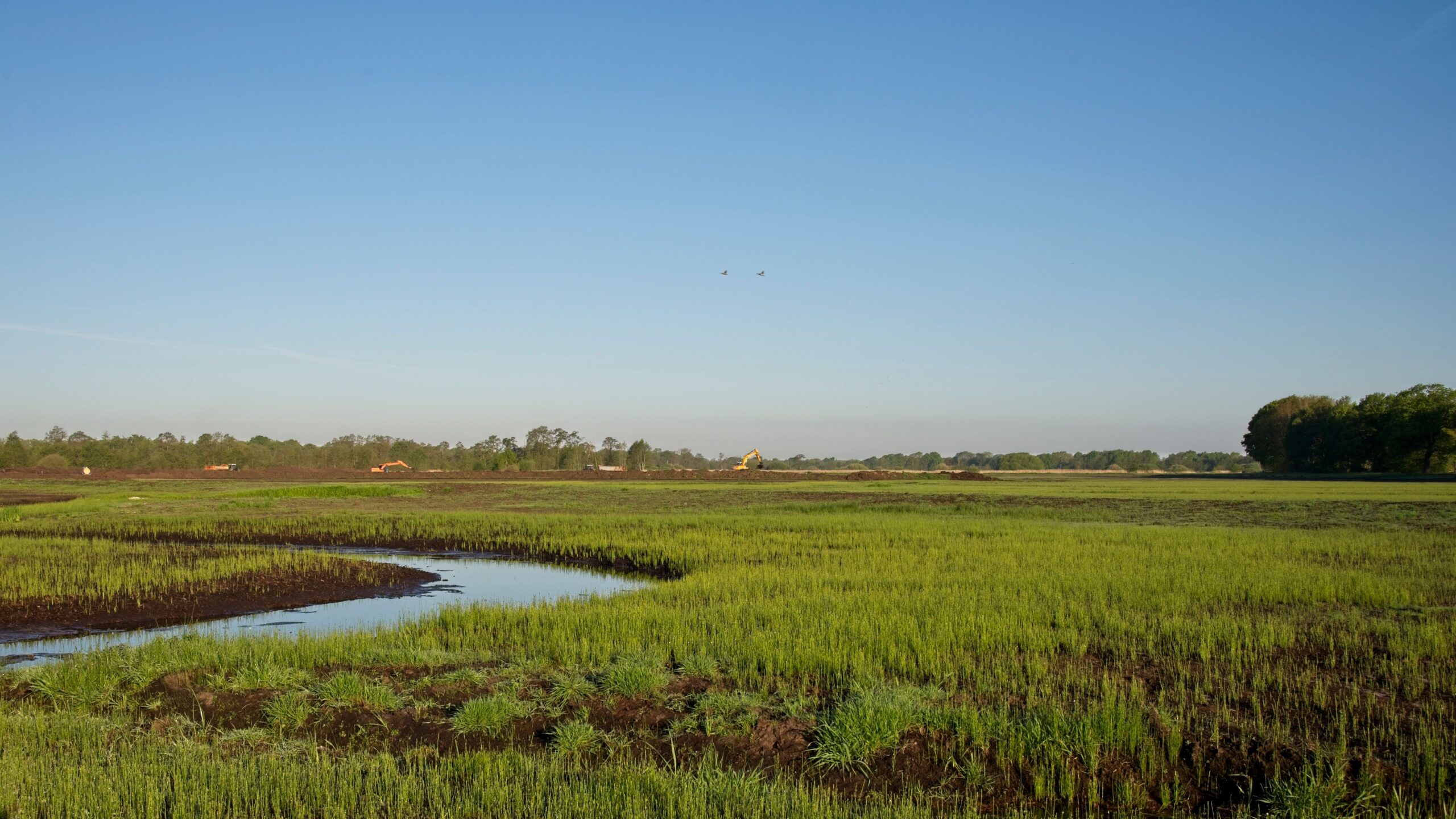
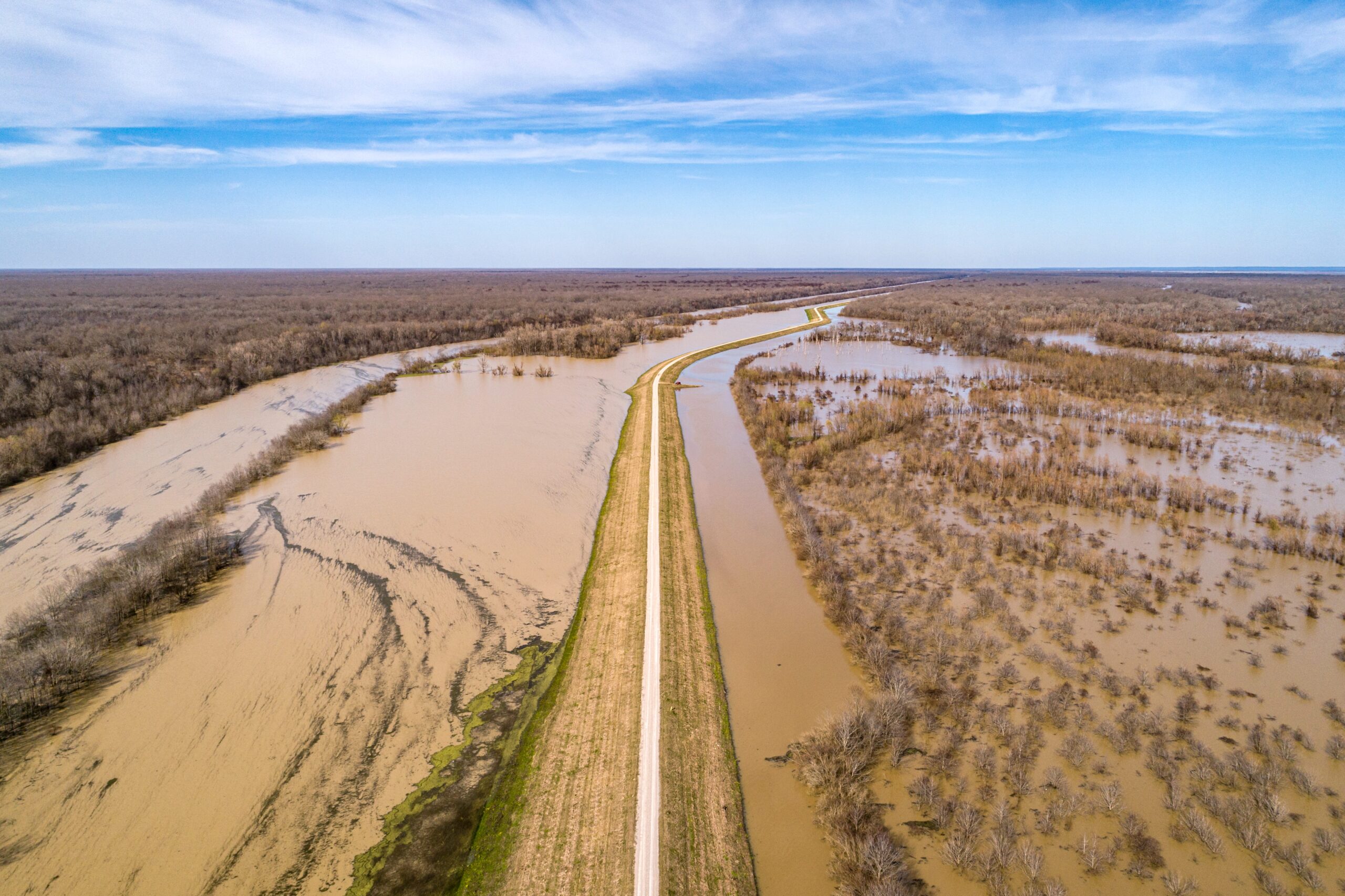
At the same time, it is necessary to regulate the water regime in the shallow channels of the Greater Aral Sea with an area of about 2 thousand km2, 11since with high water content, saxaul dies and germination of more moisture-loving plants, for example, tamarix, is observed. In the following dry years, the tamarisk dies. Therefore, it is necessary to provide for the regulation of water resources in the shallow channels of the drained bottom of the Aral Sea, to consider the possibilities of exploiting groundwater using abandoned wells and developing new groundwater wells.
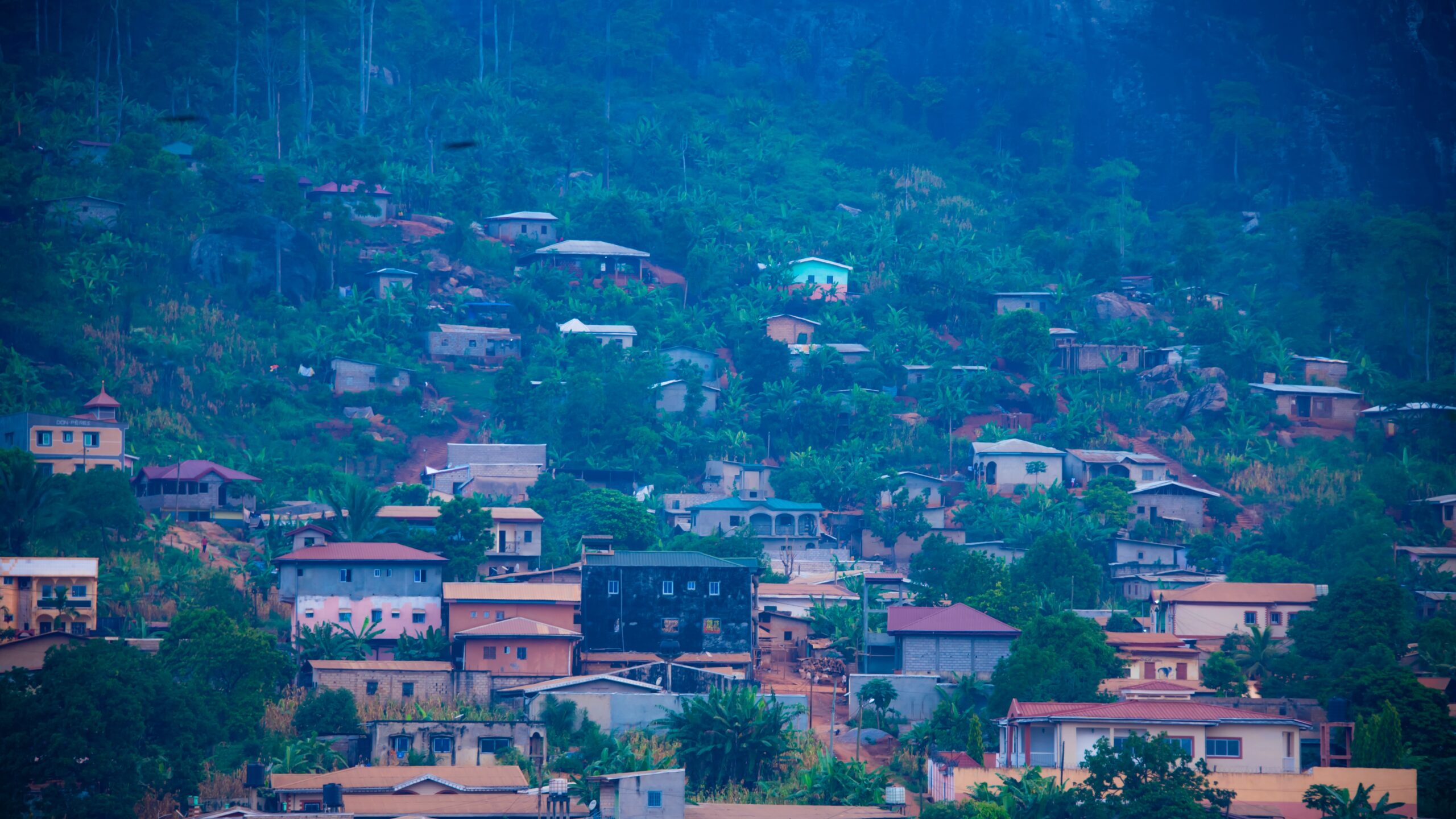
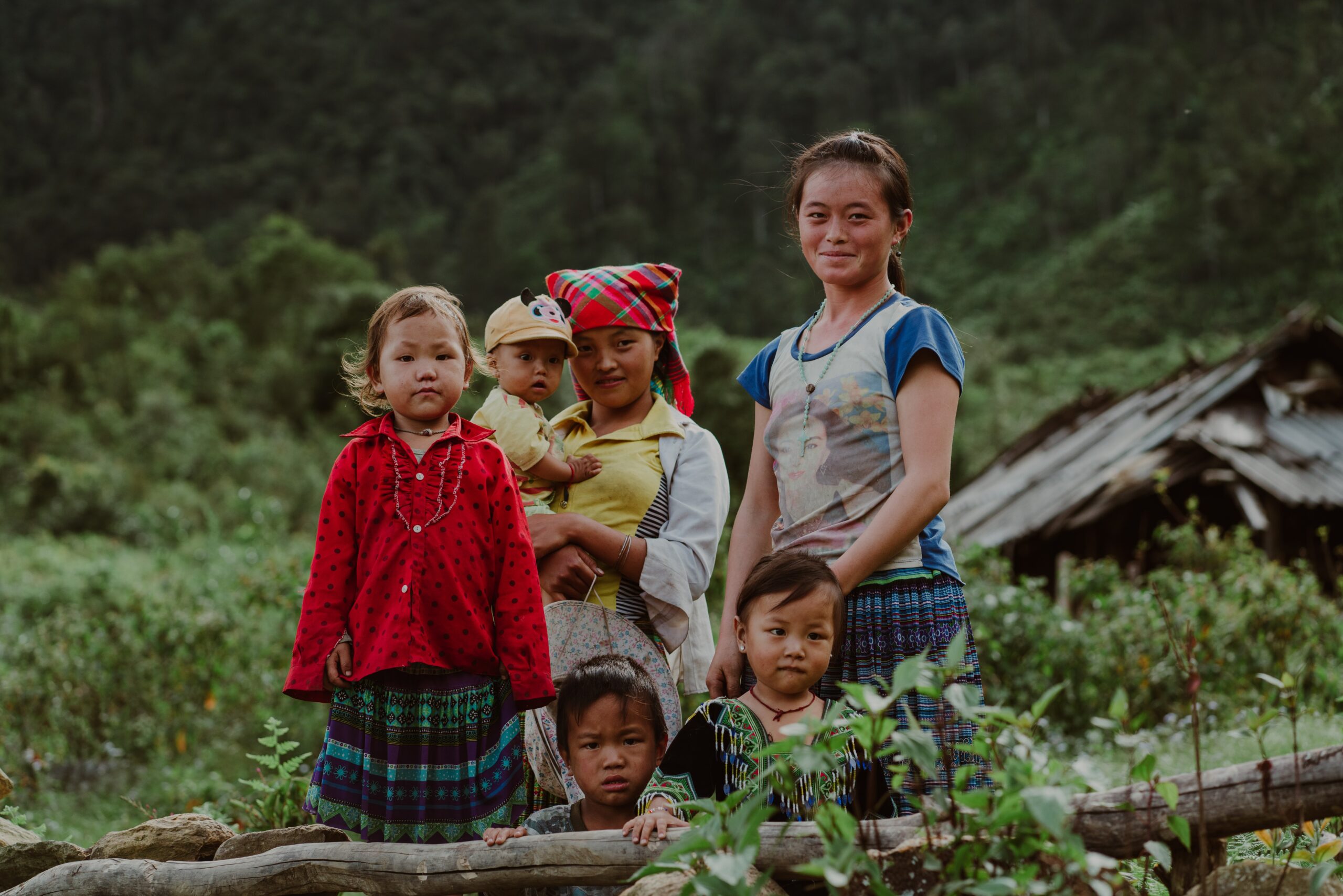
The shortage of water resources and a decrease in the quality of drinking water, land degradation, climate change, an increase in the incidence of diseases among the population, primarily children, and a complex set of related socio-economic and demographic problems are the harsh realities faced by residents of the Aral Sea region.
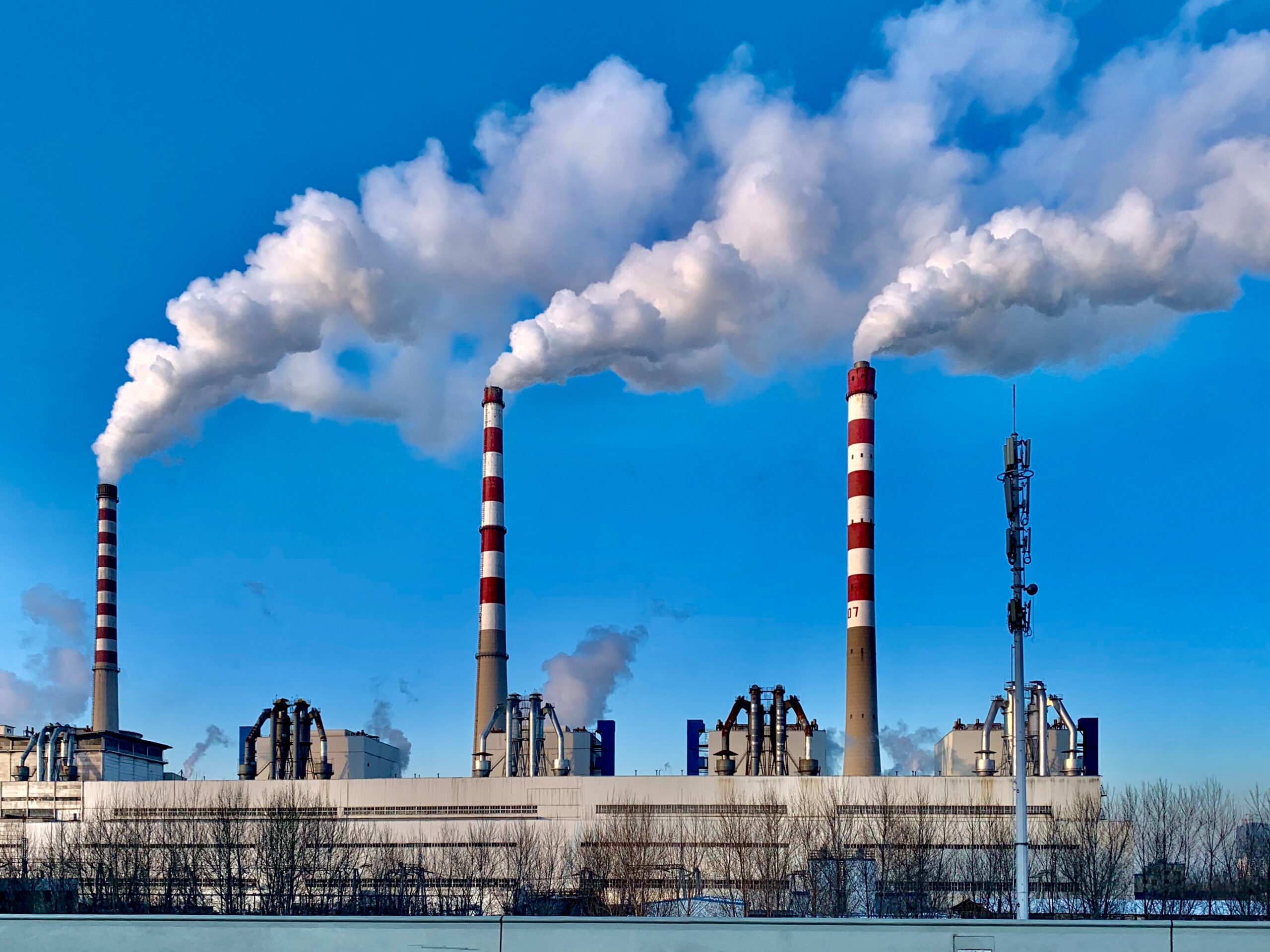
Accordingly, the low level of “NEXUS: water, energy, food, environment” interaction between the main sectors of the economy in the Aral Sea basin and the environment creates a regressive trajectory of the chain of impact of the social and economic development of the region. All this, of course, is reflected in the main indicators of the Human Development Index, the degree of employment of the population, environmental and economic migration and the general welfare of the population.