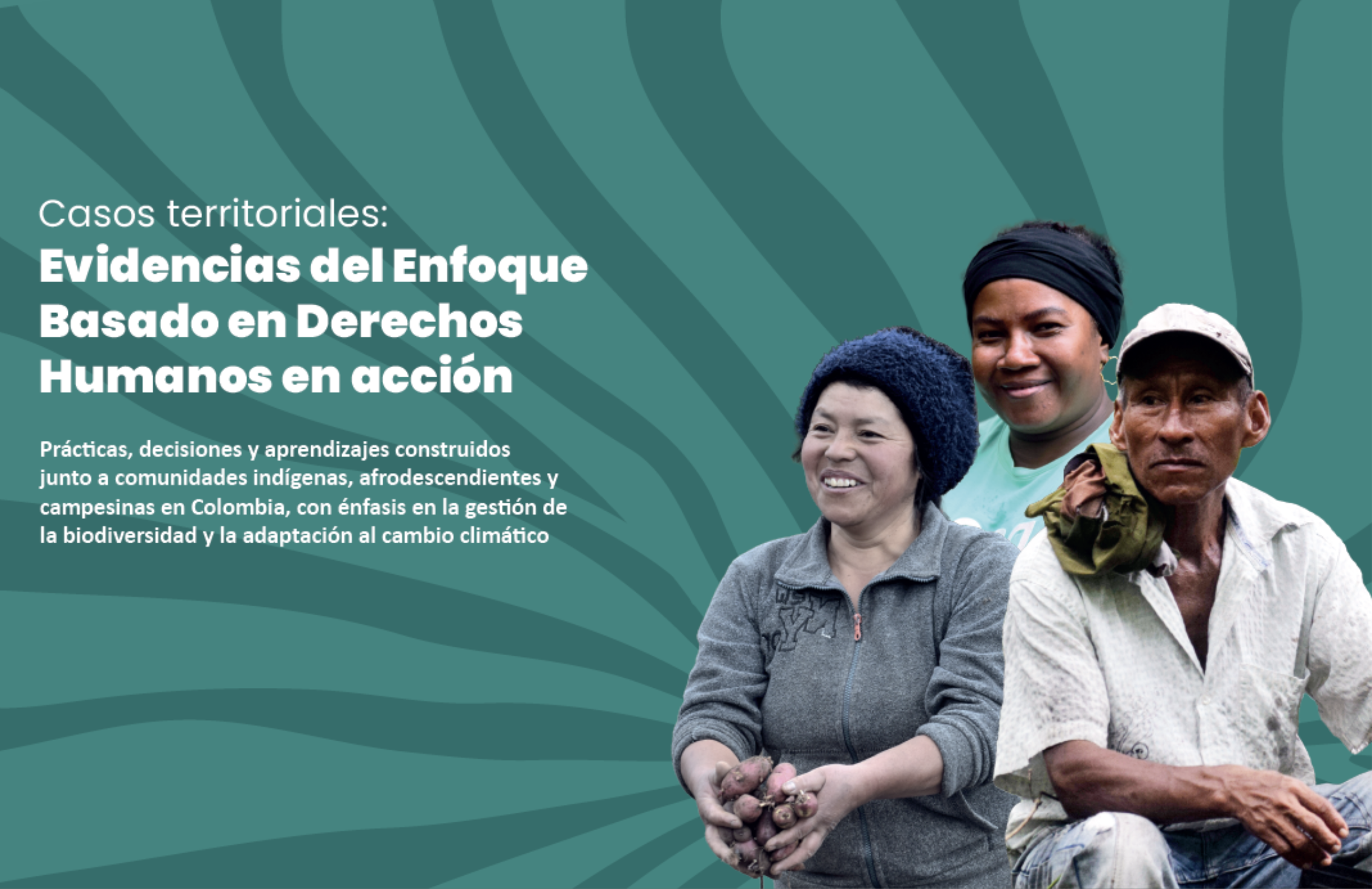
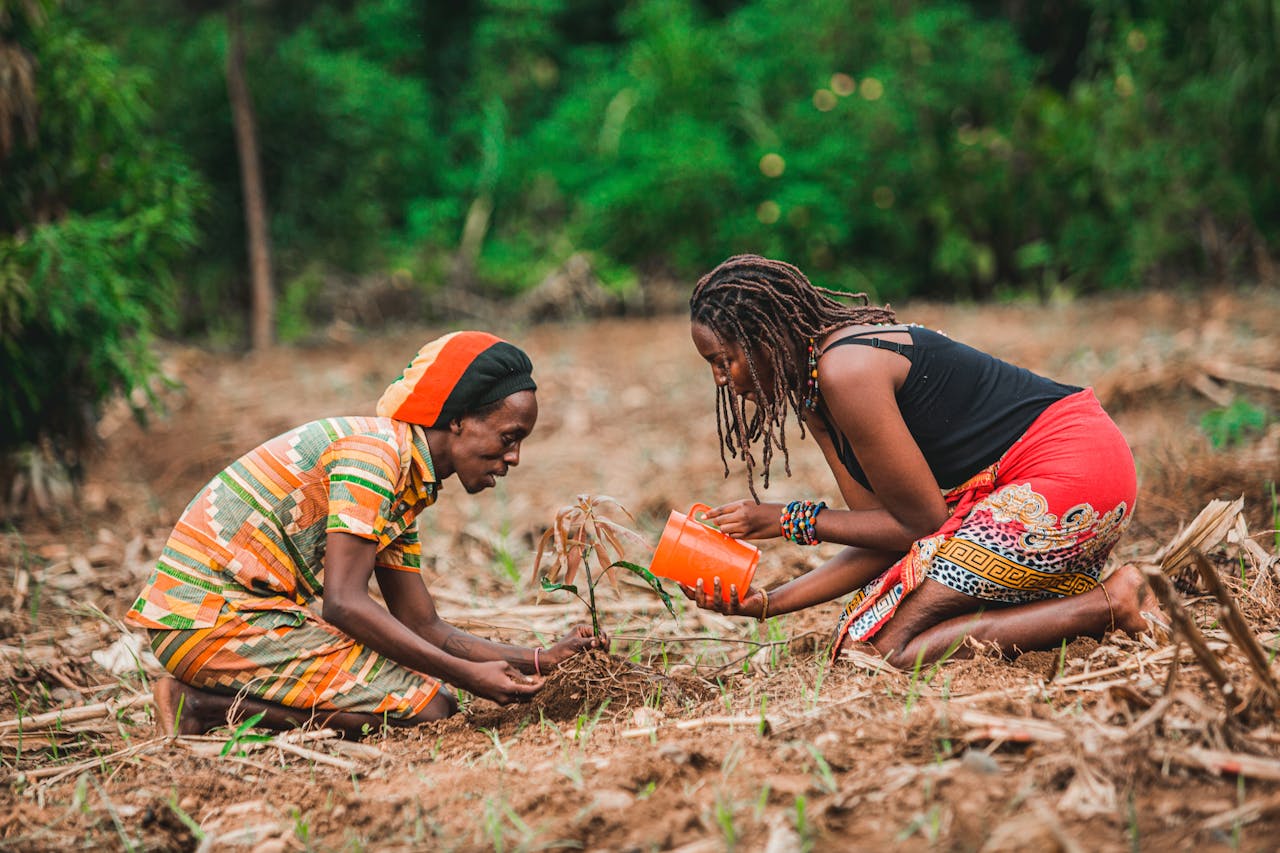
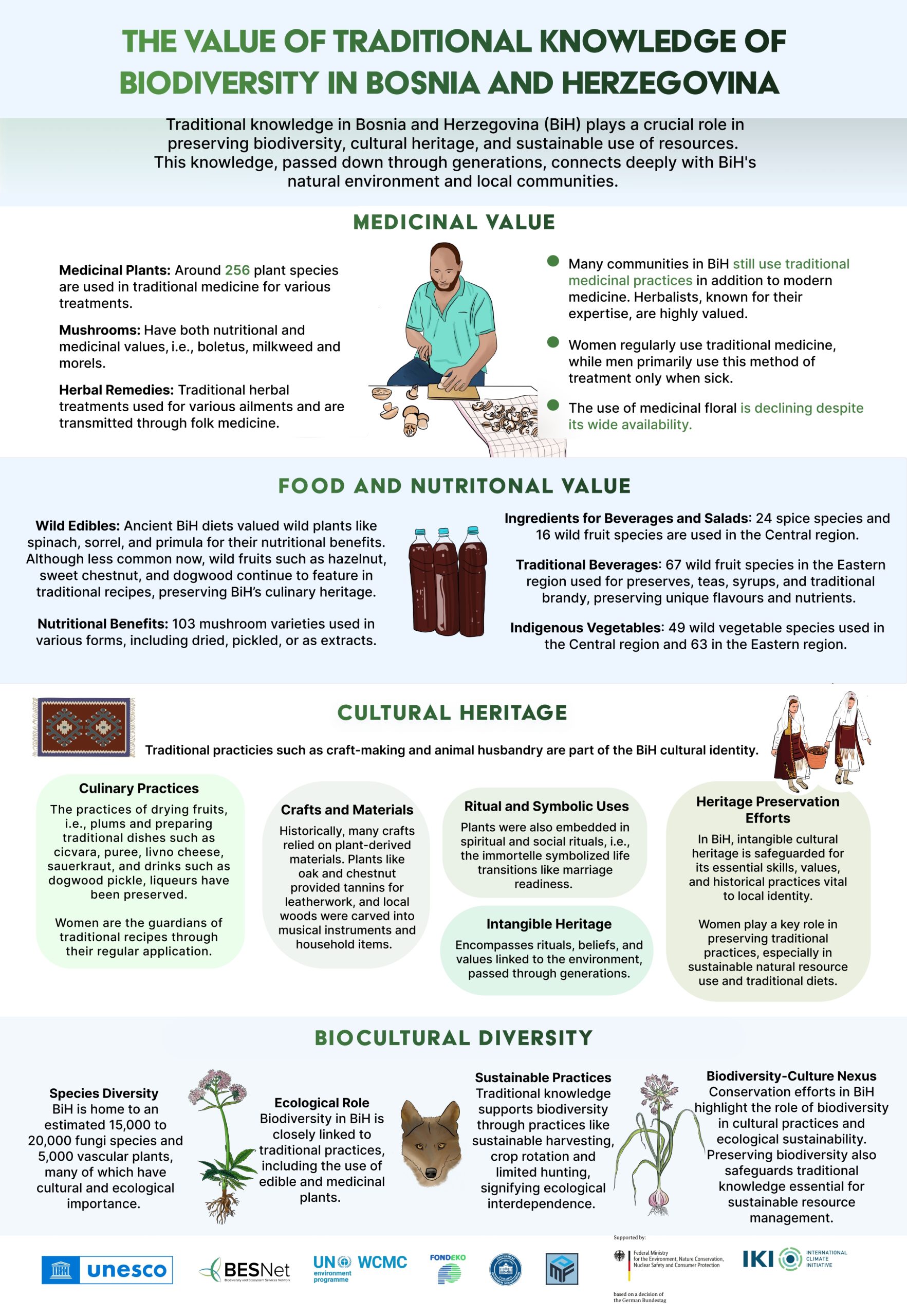
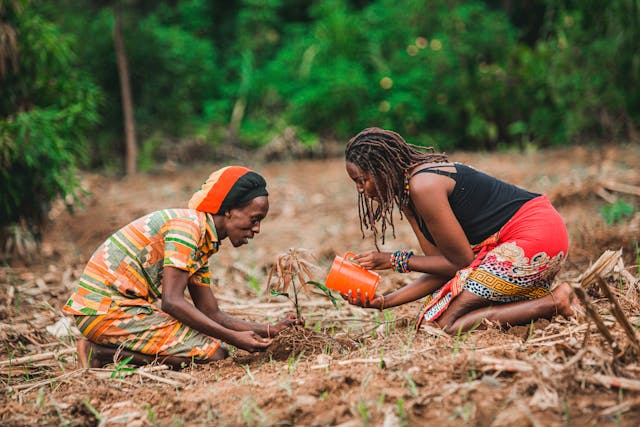
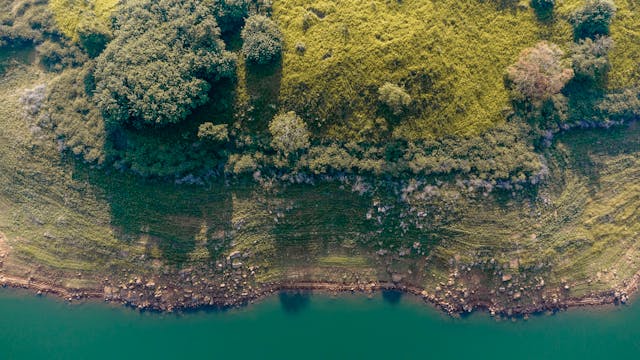
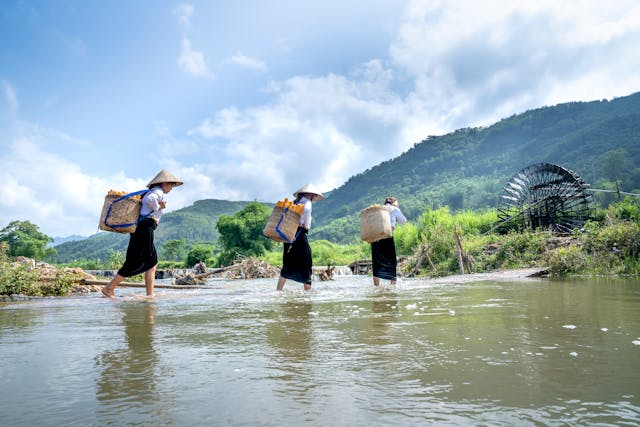
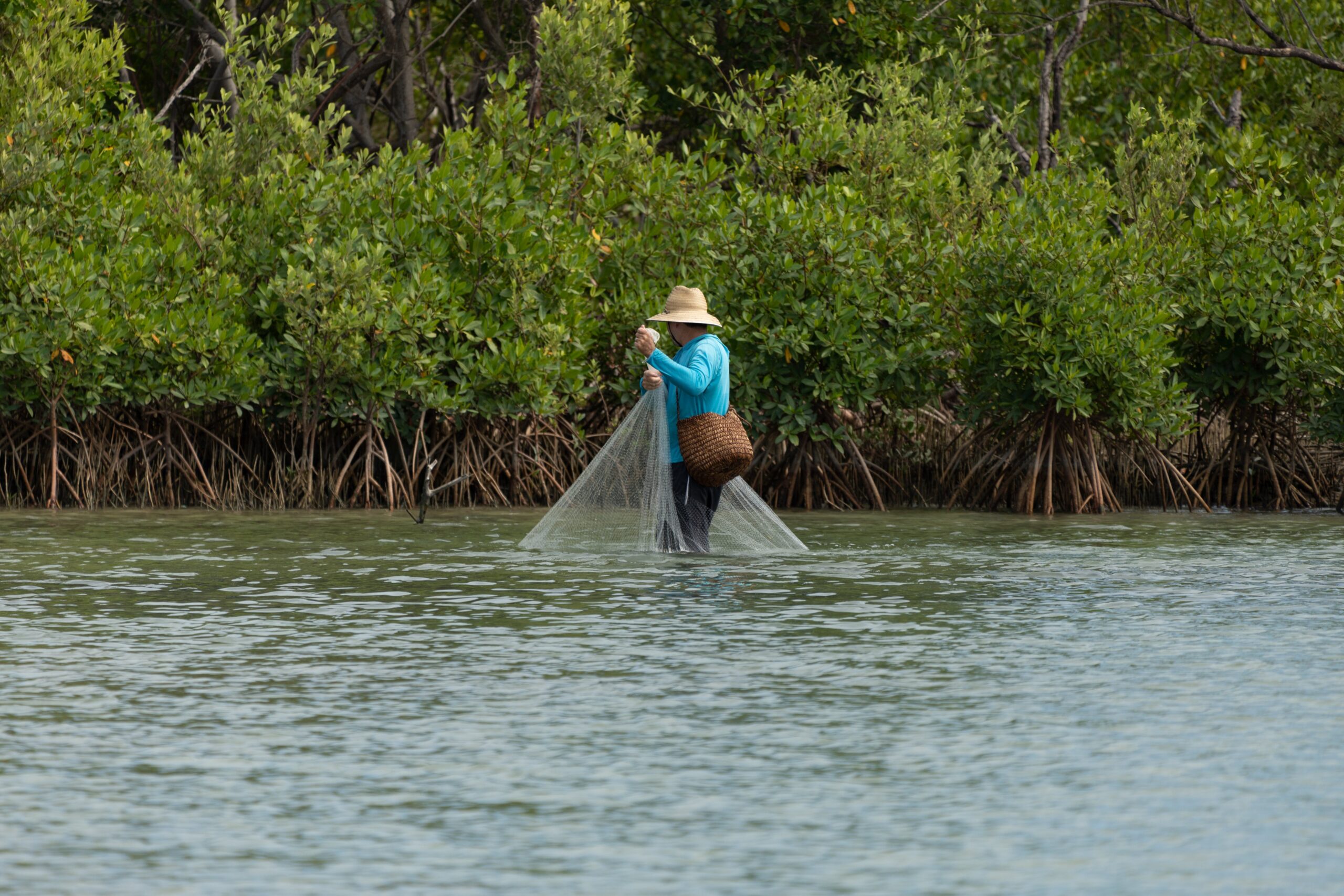
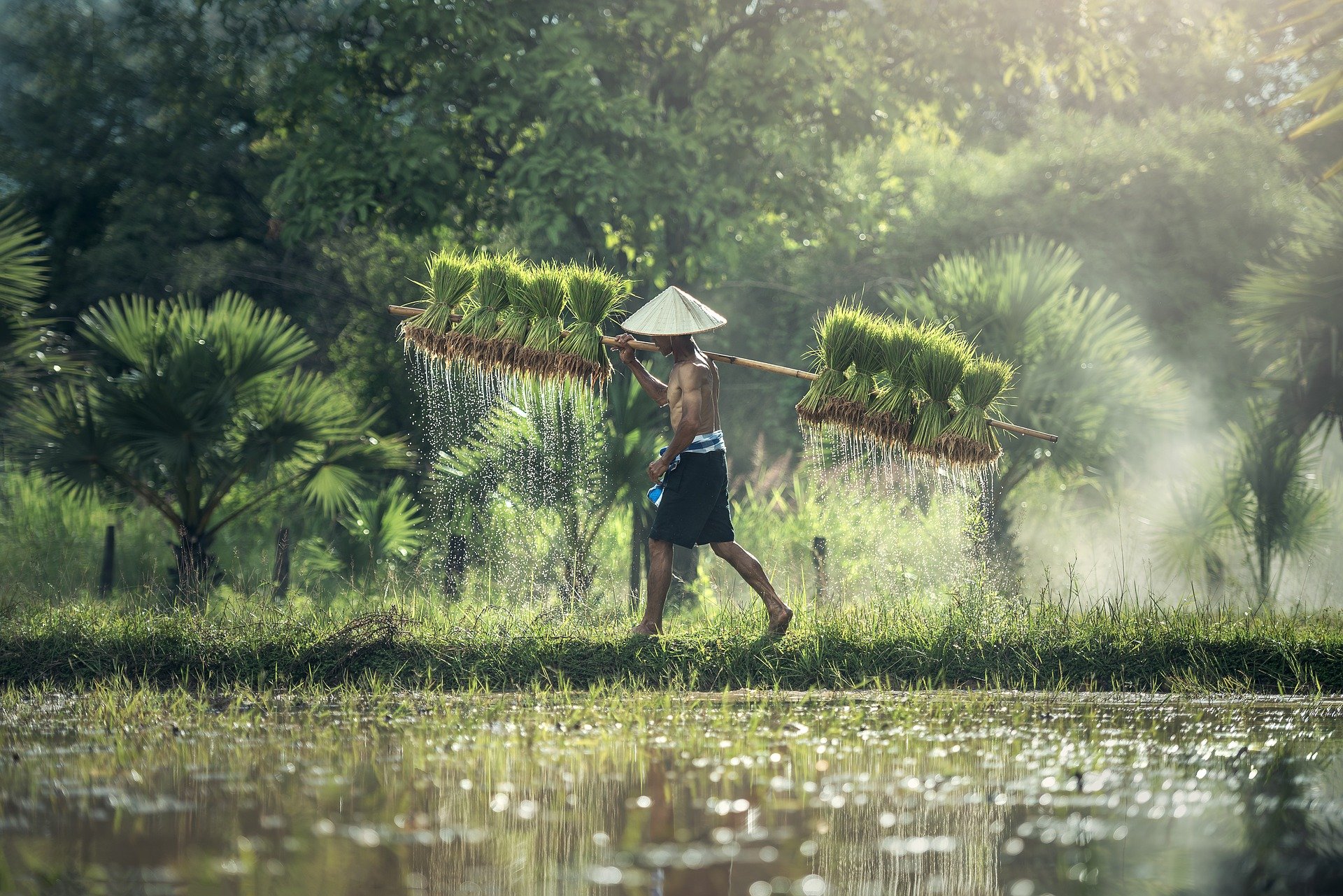
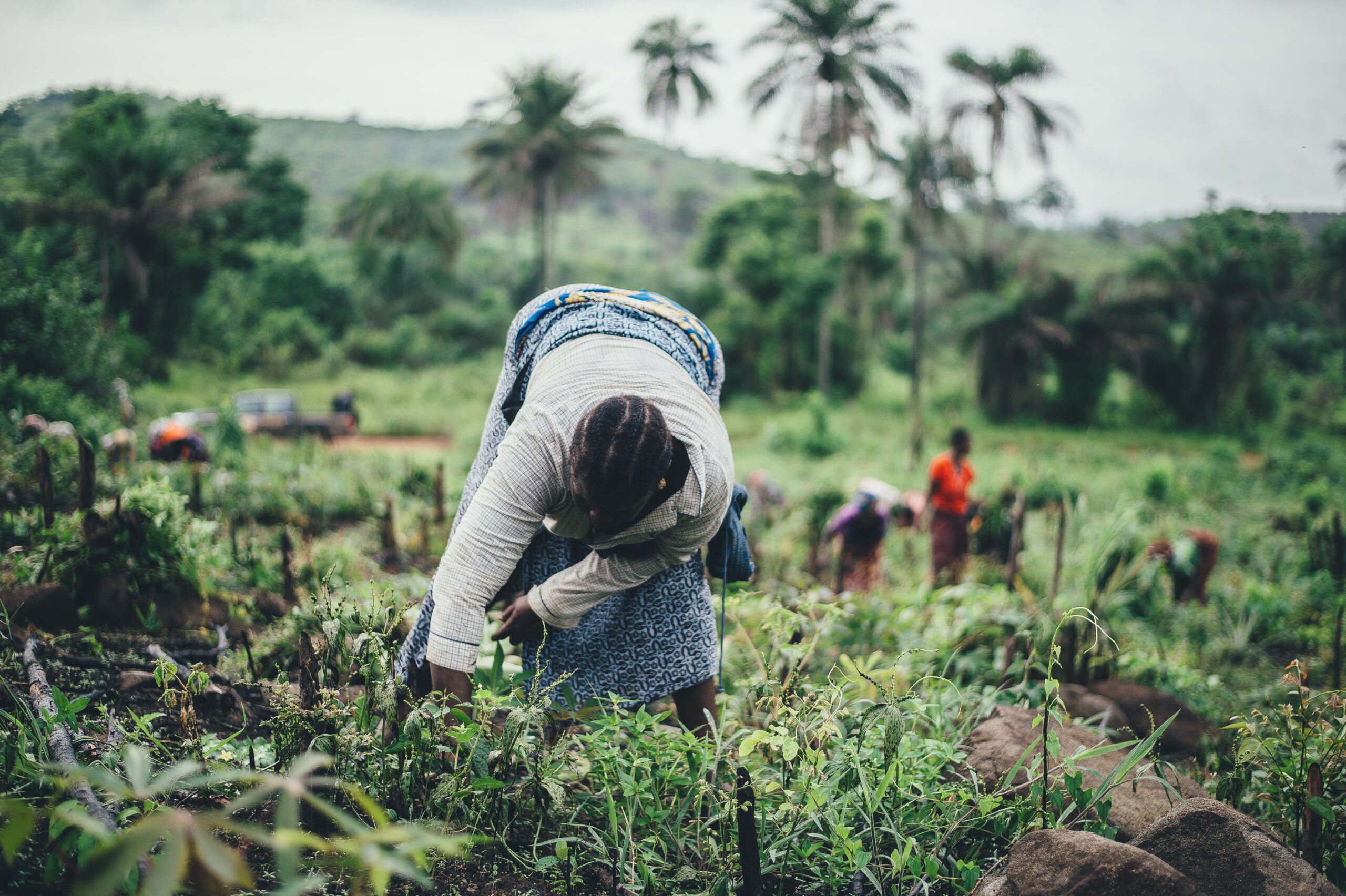
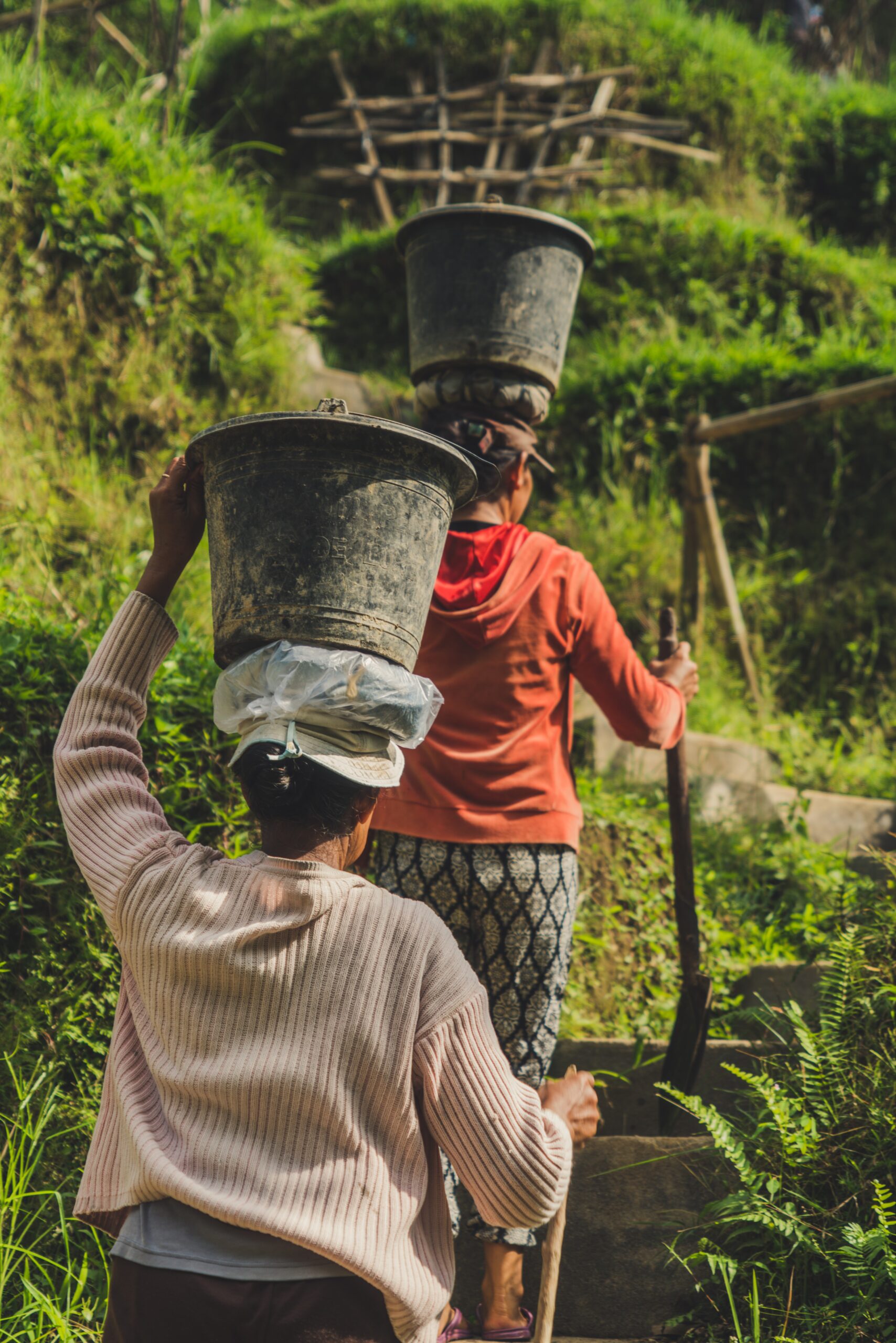
For millennia, indigenous people and local communities have played a critical role in conservation and they are currently gaining much interest in the international arena as major contributors to the conservation of biodiversity and cultural integrity. While the conservation practice of Indigenous and Community Conserved Areas (ICCAs) is potentially the oldest on earth, it is underrecognized and not well understood, thus leaving it in jeopardy from lack of political and financial support and increasingly vulnerable to external threats. Recent international events, including the 2003 World Parks Congress and the 2004 Programme of Work on Protected Areas of the Convention on Biological Diversity, have contributed to the discovery of ICCAs as one of the main avenues to strengthen sustainable natural resource use and biodiversity conservation. Thus, there is a need for detailed knowledge and experience to be gathered, documented, and lessons shared.